
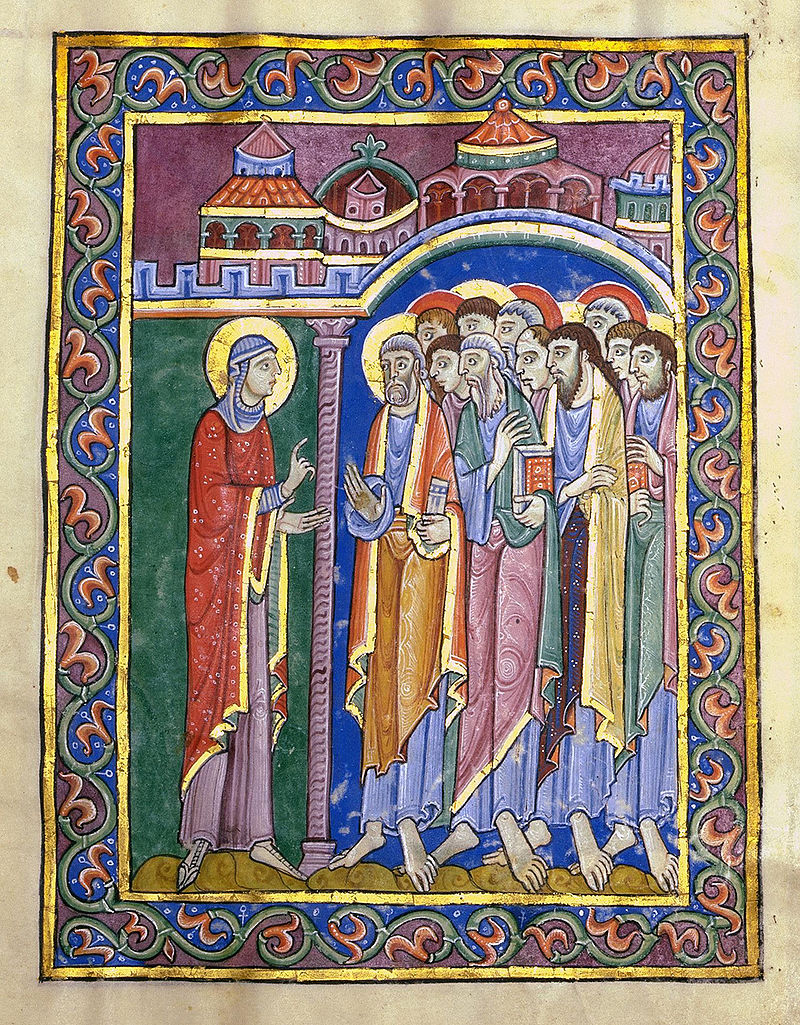
St. Albans Psalter, Mary Magdalene announces the Risen Christ (12th century), illuminated manuscripit, St. Albans Abbey (Hertfortshire, England)
During the season of Lent, much of the focus of the liturgy is on sin and forgiveness. We hear about the many ways that people reject God and sin. We read about the effects of sin upon mankind. Now, at Easter time, as we celebrate the new life of the Lord, we, perhaps surprisingly, come upon a Sunday when all three readings reflect upon sin. Peter in the Acts of the Apostles tells the leaders of the Jews that Jesus’ death and resurrection had been predicted by the prophets. John in the second reading says that Jesus is our offering for sin, ours and everybody’s. Luke in the Gospel gives his account of the first meeting of the Resurrected Lord with the Eleven as concluding with the mandate: In the name of Jesus penance for the remission of sins is to be preached to all nations.
The reflections of Easter on sin and penance differ from those of Lent. The focus during Easter is not on the evils of sin but on redemption from sin. With the resurrection of Christ, the world has been transformed. We are no longer mired down by darkness, by evil. The world is being restored to God’s original plan. He has given us life. He has conquered sin, which is death, so that we may be united to his Resurrected Life. There are people in our world who do not know this. There are people in the world who have heard about Christ, about religion, about forgiveness, but have not been led to an experience of the Lord’s forgiveness. These may be the people of the deep, dark night suffering in the world of prostitution, the sex industry or the drug culture. They are exploited so others can become rich. They see their only option in life being to make the best of a terrible situation or end their lives. These people have not witnessed a transformation of life. No one has brought them the witness of the Resurrection. Perhaps the people in darkness are the people of the lonely home and lonely life. They have worked long and hard to get the most out of the world. Their lives and their houses are full of beautiful things. Now that their dreams have been fulfilled, they realize that they are not happy. They need more to life, but there is nothing left for them to buy. No one has brought them the witness of the Resurrection. Perhaps the people who have not witnessed the new life of Jesus are those who move from one new experience to another.
But we are all called to be witnesses of the faith. There are so many people whose lives are meaningless because no one has given them witness to the new and better and transformed life of the Lord. They depend on us to give this witness, us, not just in the concept of the Church, but us as each individual reflecting the New Life of the Lord in his or her life. There are people in the world who will accept your witness to Jesus Christ because they have come to know and respect you. They need you to lead them to God. They need you to lead them from a meaningless life. They need you to be a witness to freedom from darkness and sin, a witness to the New Life, a witness to the Resurrection. May we fulfill the mission that Christ gave us when he called us to tell the world that He Lives • AE

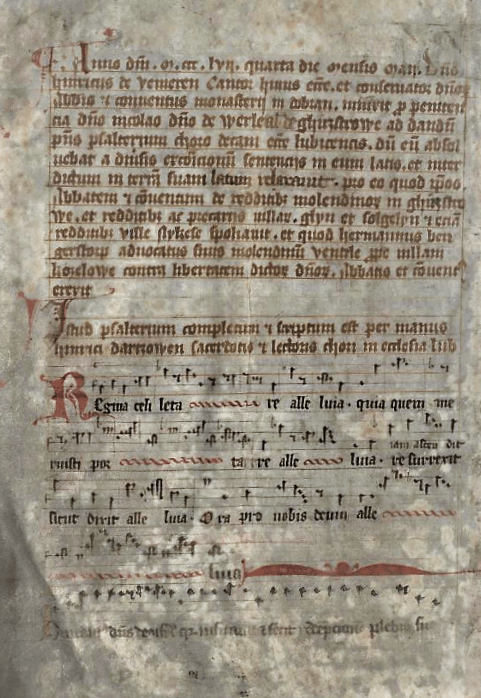
Regina Caeli
Regina caeli (Ecclesiastical Latin for Queen of Heaven) is a musical antiphon addressed to the Blessed Virgin Mary that is used in the liturgy of the Roman Rite of the Catholic Church during the Easter season, from Easter Sunday until Pentecost. During this season, it is the Marian antiphon that ends Compline (Night Prayer) and it takes the place of the traditional thrice-daily Angelus prayer. In the past, the spelling Regina coeli was sometimes used, but this spelling is no longer found in official liturgical books •
St. Dominic Catholic Church • Weekend Schedule

Saturday, April 13, 2024
3.00 p.m. Sacrament of Reconciliation – Fr. Jaime
5.00 p.m. Holy Mass (English) – Fr. Jaime
Sunday, April 14, 2024
7.30 a.m. Holy Mass (English) – Fr. Agustin E.
10.00 a.m. Holy Mass (English) – Fr. Agustin E.
12.30 p.m. Holy Mass (English) – Fr. Jaime P.
3.00 p.m. Santa Misa – P. Paco
III Domingo de Pascua (Ciclo B)

Francisco de Goya, El Entierro de la Sardina (1812), óleo sobre tela, Real Academia de San Fernando (Madrid)
Dice el Evangelio de este domingo, el tercero de Pascua, que los apóstoles no acababan de creer por la alegría. Reír es propio de los seres humanos. Ninguna otra criatura se ríe. La risa es la manifestación más expresiva de la alegría interior. Algo que le nace de modo natural a quien vive disfrutando de la vida. Junto con la sonrisa, puede manifestar el gozo y la jovialidad de quien vive en paz consigo mismo, con los demás y con Dios. La risa ha estado, sin embargo, muchas veces bajo sospecha entre los cristianos. Reír era considerado, en algunas tradiciones ascéticas, poco digno de la seriedad y gravedad que ha de caracterizar a quien se relaciona con Dios (así como lo lees). Una manifestación excesivamente mundana, más propia de personas de vida relajada que de cristianos de fe madura. Sin embargo, resulta sorprendente con que la Biblia alude a la alegría en todos sus matices de gozo, paz interior, exultación o júbilo. Naturalmente hay muchos tipos de risa. Todos conocemos la risa irónica y burlona que pone al otro en ridículo, la risa sarcástica que hace daño, o la vengativa que hiere y destruye. La risa sana es diferente. Nace de la alegría interior, relaja las tensiones y favorece la libertad. Es risa benevolente que aproxima a las personas, crea confianza y ayuda a vivir. Freud decía que el humor es un elemento liberador. Y hay también una risa propia del creyente. Nace como respuesta gozosa al amor de Dios. Brota de la confianza total y expresa compasión y cariño hacia toda criatura. P. Berger la llama «risa redentora». Esta risa hace la vida más saludable y llevadera. Es una victoria sobre el malhumor, la impaciencia o el desaliento. No se ríen los fanáticos, los intolerantes o amargados. Se ríen los que se enfrentan a la vida de manera sana y liberada. Pascua ha sido desde antiguo un tiempo de gozo intenso. Tertuliano lo llamaba «laetissimum spatium», un espacio de tiempo lleno de inmensa alegría. Dos palabras resumen el clima que el Resucitado crea con su presencia: gozo y paz. Los apóstoles no acaban de creer por la alegría. Entoncs una de dos: o el cristianismo es demasiado grande y hermoso para ser creído, o hemos de recordar un día y otro también aquellas palabras tan maravillosas de san Pablo: «Estad siempre alegres en el Señor. Os lo repito: estad alegres. El Señor está cerca» • AE

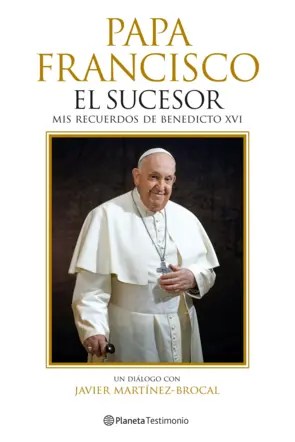
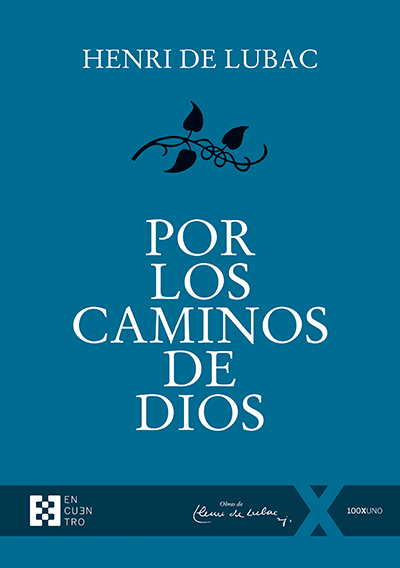
¿Qué lees éstos días?
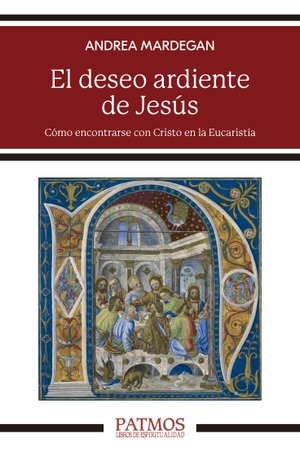
 LA MEDITACION DE LA ESPOSA