The Solemnity of the Most Holy Body and Blood of Christ: Corpus Christi (2004)

The Church gives us the Solemnity of Corpus Christi to remind us of as adults of what we are doing and whom we are receiving which we approach the Eucharist. The original celebration of the Body of Christ was begun in the thirteenth century and promoted by one of our spiritual ancestors named St. Juliana of Liege, a visionary and an Augustinian nun. Soon after this the pope, Pope Urban IV, asked Thomas Aquinas, to prepare a Mass to celebrate this new feast. We still sing some of the hymns that he wrote for this Mass, particularly the Tantum Ergo and the O Salutaris Hostia.

Most often we refer to the Eucharist as «communion». The communal aspect of the Eucharist is far more than a group of people sharing a meal. It is the union of those who share the Body of Christ into the Kingdom of God. When we receive holy Communion, we are by that very action recommitting ourselves to fighting paganism in our lives and our world. We are recommitting ourselves to be active members of that community that spreads the Kingdom of God through sacrificial love. Because we receive the Eucharist so often, it is easy to overlook the huge commitment we are making to live and spread the Kingdom of God. The Eucharist, a word that means thanksgiving, is the way that we thank God for life we have received. We thank God for uniting us to the community of salvation. We thank God for the many ways that we experience his love in every aspect of our lives. The Eucharist is the mystery of commitment and strength. The commitment is to do the work of the Kingdom. We are a part of the Grand Adventure, the Great Quest. When we receive Communion, we reaffirm our role in the battle to transform the world into the Kingdom of God. The Eucharist is also the mystery of strength. The strength that we need for the Great Quest is the very presence of Jesus within us as Church and as individuals. We are not in this battle alone. We carry the Lord, our strength. Do we have a difficult decision to make? We ask Jesus within us for guidance after we receive. Do we feel that our lives are falling apart? We ask Jesus to keep us together. Are we searching for a way to serve the Lord? We give ourselves over to the Lord within us. Are we sick, gravely sick, even terminal? We ask Jesus within us how we can use our sickness to fulfill our part of the Grand Adventure. Do we feel alone? We stop and pray after communion and realize that we are never alone when we are with the Lord. There are so many reasons why we pray when we have Jesus within us after we receive communion. All of them are valid. Every petition is heard by the Lord, particularly when he is within us. Today we pray for sincerity. We pray that we might be sincere in the commitment we make every time we receive the Lord in holy Communion • AE
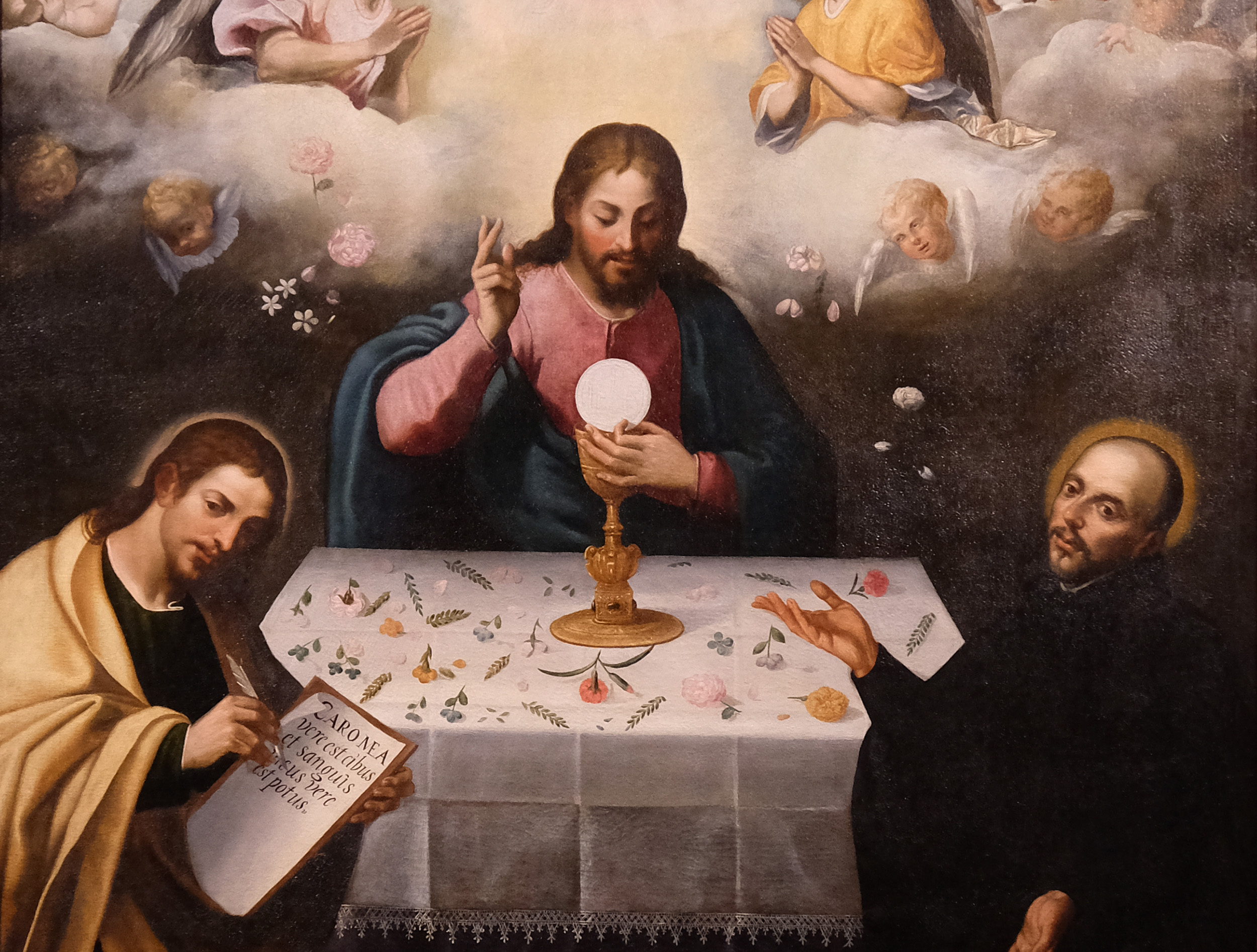

Ave verum corpus is a short Eucharistic chant that has been set to music by many composers. It dates to the 13th century, first recorded in a central Italian Franciscan manuscript. A Reichenau manuscript of the 14th century attributes it to Pope Innocent. During the Middle Ages it was sung at the elevation of the Eucharist during the consecration at Mass. It was also used frequently during Benediction of the Blessed Sacrament. The prayer is a meditation on Jesus’s Real Presence in the Blessed Sacrament, and ties it to the redemptive meaning of suffering in the life of all believers.

Hail, true Body, born

of the Virgin Mary,

truly suffered, sacrificed

on the cross for mankind,

from whose pierced side

flowed water and blood:

Be for us a foretaste [of the Heavenly banquet]

in the trial of death!

O sweet Jesus, O holy Jesus,

O Jesus, son of Mary,

have mercy on me. Amen.

Ave verum corpus, natum

de Maria Virgine,

vere passum, immolatum

in cruce pro homine

cuius latus perforatum

fluxit aqua et sanguine:

esto nobis prægustatum

in mortis examine.

O Iesu dulcis, O Iesu pie,

O Iesu, fili Mariae.

Miserere mei. Amen.


St. Dominic Catholic Church • Weekend Schedule

Saturday June 1, 2024

3.00 p.m. Sacrament of Reconciliation – Fr. Agustin E.

5.00 p.m. Holy Mass (Corpus Christi Vigil) – Fr. Agustin E.

Sunday, June 2, 2024

7.30 a.m. Holy Mass – Fr. Agustin E.

10.00 a.m. Holy Mass – Fr. Agustin E.

12.30 p.m. Holy Mass – Fr. Jaime P.

3.00 p.m. Santa Misa – Padre Jaime P.


Solemnidad del Cuerpo y la Sangre de Cristo (2024)
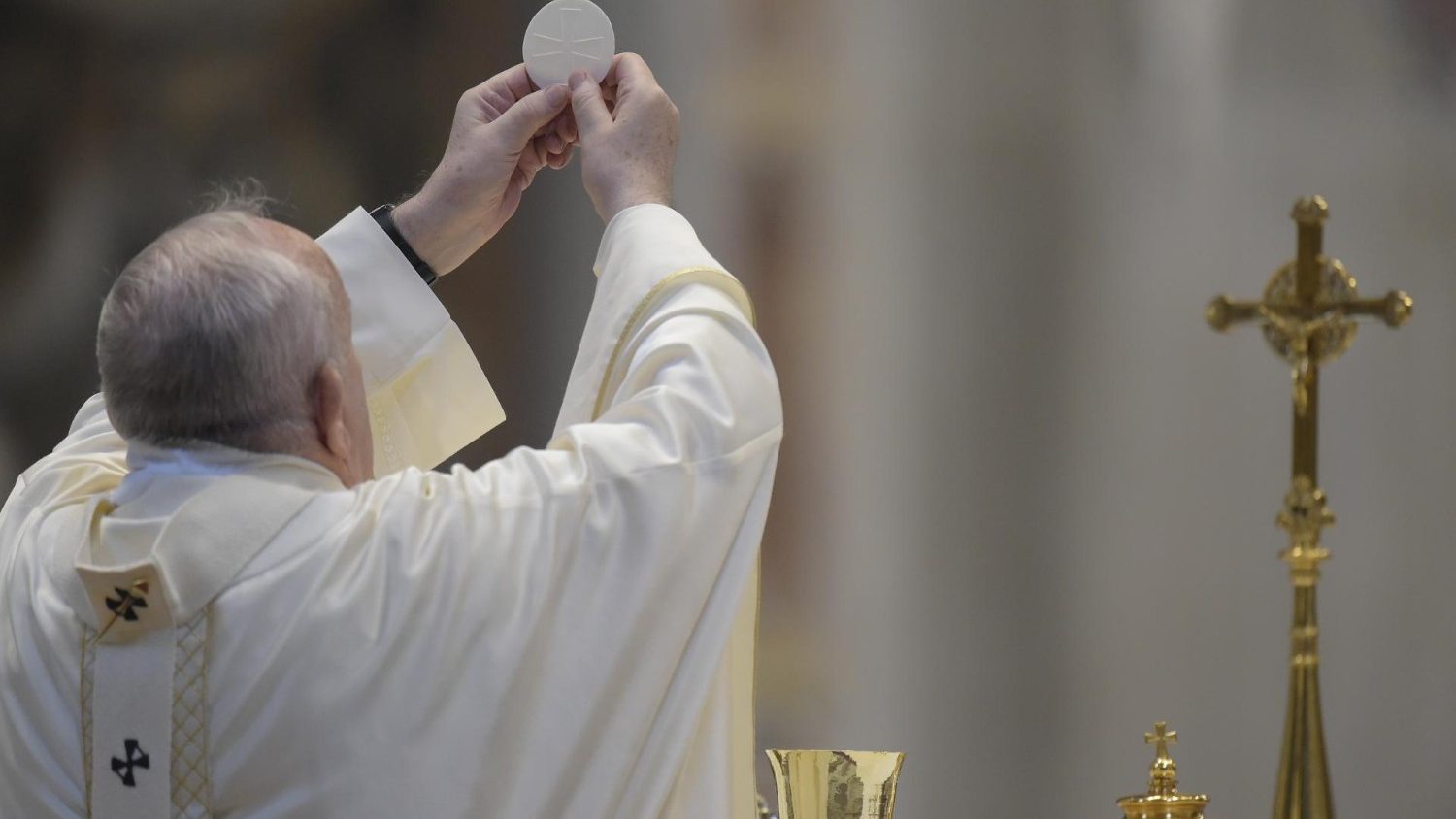
La celebración de la santa misa ha ido cambiando a lo largo de los siglos. Según la época, teólogos y liturgistas han ido destacando algunos aspectos y descuidando otros. La misa ha servido de marco para celebrar coronaciones de reyes y papas, rendir homenajes o conmemorar victorias de guerra. Los músicos la han convertido en concierto. Los pueblos la han integrado en sus devociones y costumbres religiosas… Después de veinte siglos, puede ser necesario recordar algunos de los rasgos esenciales de la última Cena del Señor, tal como era recordada y vivida por las primeras generaciones cristianas.

En el fondo de esa cena hay algo que jamás será olvidado: sus seguidores no quedarán huérfanos. La muerte de Jesús no podrá romper su comunión con él. Nadie ha de sentir el vacío de su ausencia. Sus discípulos no se quedan solos, a merced de los avatares de la historia. En el centro de toda comunidad cristiana que celebra la eucaristía está Cristo vivo y operante. Aquí está el secreto de su fuerza. De Él se alimenta la fe de sus seguidores. No basta asistir a esa cena. Los discípulos son invitados a comer. Para alimentar nuestra adhesión a Jesús necesitamos reunirnos a escuchar sus palabras e introducirlas en nuestro corazón, y acercarnos a comulgar con él identificándonos con su estilo de vivir. Ninguna otra experiencia nos puede ofrecer alimento más sólido. No podemos olvidar que comulgar con Jesús es comulgar con alguien que ha vivido y ha muerto entregado totalmente por los demás. Así insiste Jesús. Su cuerpo es un cuerpo entregado y su sangre es una sangre derramada por la salvación de todos. Es una contradicción acercarnos a comulgar con Jesús, resistiéndonos egoístamente a preocuparnos de algo que no sea nuestro propio interés. Nada hay más central y decisivo para los seguidores de Jesús que la celebración de esta cena del Señor. Por eso hemos de cuidarla tanto. Bien celebrada, la eucaristía nos moldea, nos va uniendo a Jesús, nos alimenta de su vida, nos familiariza con el evangelio, nos invita a vivir en actitud de servicio fraterno, y nos sostiene en la esperanza del reencuentro final con Él  • AE


COME IN FAITH. LEAVE WITH HOPE!

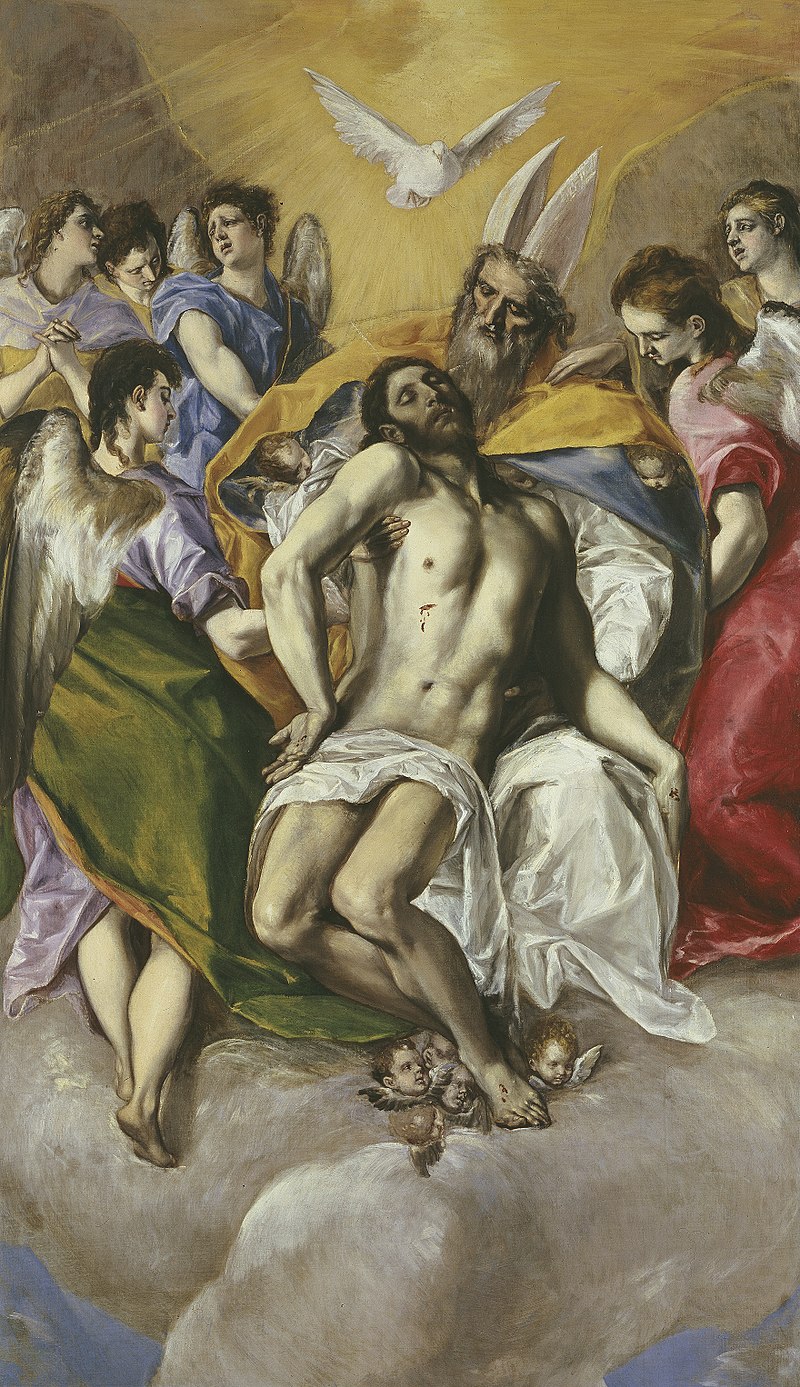
The Solemnity of the Most Holy Trinity (2024)

El Greco, Holy Trinity (c.1577–1579), oil on canvas, El Prado Museum (Madrid)

I will often mention that we are part of the transformation of the world. And we are. Perhaps a better way to understand this is that we are part of the restoration of the world. The world is being restored to what God originally planned for the world and for us. In the seventeenth chapter of the Gospel of John, Jesus prays for his disciples. And He prays for us. He asks the Father to protect the disciples. He tells them that they are in the world but not of the world. He asks God to consecrate them in truth. And He says, “Your word is truth.” We the baptized have been consecrated in the truth of God. This is very different then the modern understanding of truth. Modern people are so saturated with relativism, that many people do not believe there is objective truth. They will speak about their truth and another person’s truth as being different but to be respected. They will treat truth as something that is always in flux. They say, “What is true today, might not be true tomorrow.” But we know better. There is one Truth, and that truth flows from God and returns to Him.

We live our baptismal commitment by being bound to this truth. That means that we reject all that is devoid of the presence of God. If God’s presence is not there, then whatever it is that we are considering is itself a lie. Is God present in those who cheat on their vows, be they marriage vows or priestly vows? No, He is not. Therefore, the priest who has an affair and runs off with a lady is living a lie. The married person who has a hidden life with someone other than his or her spouse is living a life. Is God present in those who use other people. No, He is not. Therefore, the person whose high position at work resulted from his or her destroying the reputation of another person is living a lie. Is God present in people who care for their ill spouse, their elderly parents, their chronically ill child as well as for others? Yes, He is! Therefore, they are living in the Truth. It is such a great gift to me as a to experience so many people who live the Truth in their continual self sacrifice for their loved one’s needs. Is God present in those who take a stand for the faith. Yes, He is. Therefore, they are living in the Truth. When we say to someone who attacks Catholicism, “I cannot allow you to disrespect my faith,” we are living in the Truth. The world needs people of truth, the truth of God. Being people of truth is how we live our baptismal commitment. Being people of truth is how we reflect God’s presence in the world. The creation of the world was initiated by the action of the Holy Trinity. The restoration of the world began with Jesus Christ and continues with the Spirit’s action in our lives. Every single one of us is part of God’s plan to restore the world. The Intimate Life of God, Father Son and Holy Spirit has been revealed to us. We are baptized in the name of the Father, Son and Holy Spirit. We have to live our baptism. We are part of the Great Revelation of God • AE


St. Dominic Catholic Church • Weekend Schedule

Saturday May 25, 2024

3.00 p.m. Sacrament of Reconciliation – Fr. Jaime P.

5.00 p.m. Holy Mass (Pentecost Vigil) – Fr. Jaime P.

Sunday, May 26, 2024

7.30 a.m. Holy Mass – Visiting priest.

10.00 a.m. Holy Mass – Visiting priest.

12.30 p.m. Holy Mass – Fr. Jaime P.

3.00 p.m. Santa Misa– Padre Jaime P


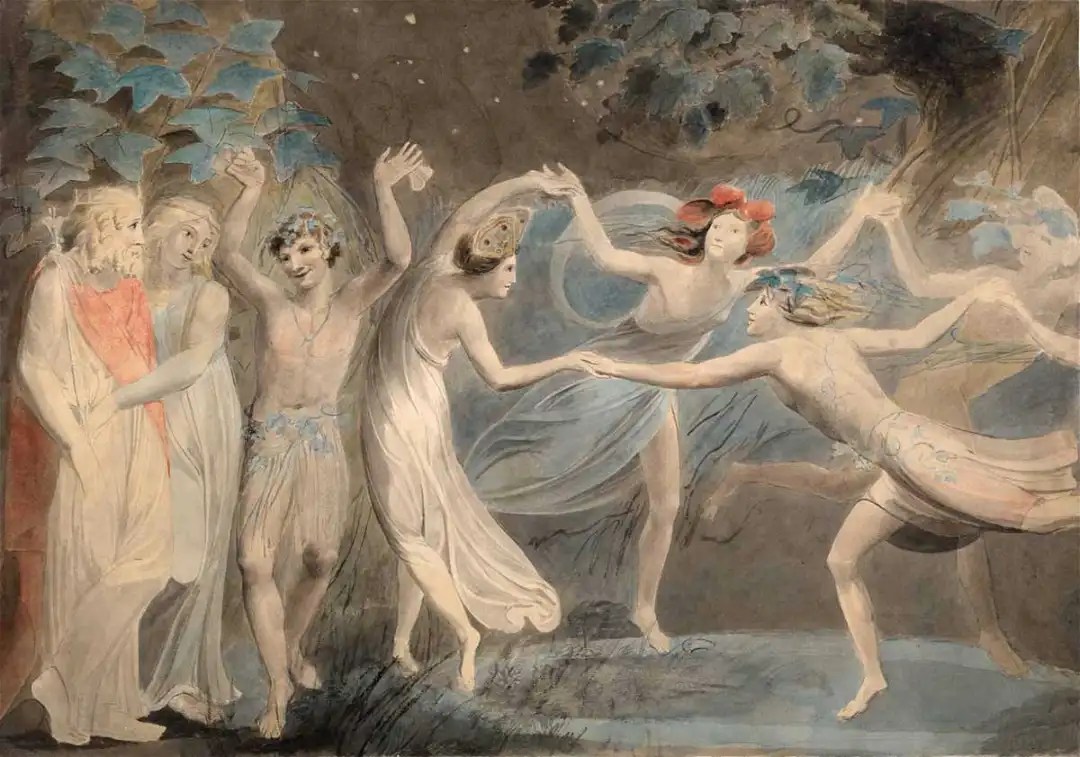
Solemnidad de la Santísima Trinidad (2024)

William Blake, Oberon, Titania y Puck (1786), óleo sobre tela, Tate Museum (Londres)

Es necesario creer en la Trinidad, ¿se puede?, ¿sirve para algo?, ¿no es una construcción intelectual innecesaria?, ¿cambia en algo nuestra fe en Dios y nuestra vida cristiana si no creemos en el Dios trinitario? Dos siglos atrás, Immanuel Kant, el filosofo alemán, escribía estas palabras: «Desde el punto de vista práctico, la doctrina de la Trinidad es perfectamente inútil». Nada más lejos de la realidad. La fe en la Trinidad cambia no sólo nuestra manera de mirar a Dios sino también nuestra manera de entender la vida. Confesar la Trinidad de Dios es creer que Dios es un misterio de comunión y de amor. Dios no es un ser frío, cerrado e impenetrable, inmóvil e indiferente. Dios es un foco de amor insondable. Su intimidad misteriosa es sólo amor y comunicación. Consecuencia: en el fondo último de la realidad dando sentido y existencia a todo no hay sino Amor. Todo lo existente viene del Amor.

El Padre es Amor originario, la fuente de todo amor. Él empieza el amor: Como decía E. Jüngel «Sólo él empieza a amar sin motivos, es más, es él quien desde siempre ha empezado a amar». El Padre ama desde siempre y para siempre, sin ser obligado ni motivado desde fuera. Es el eterno Amante. Ama y seguirá amando siempre. Nunca retirará su amor y fidelidad. De él sólo brota amor. Consecuencia: creados a su imagen, estamos hechos para amar. Sólo amando acertamos a vivir plenamente.

El ser del Hijo consiste en recibir el amor del Padre. Él es el Amado eternamente antes de la creación del mundo. El Hijo es el Amor que acoge, la respuesta eterna al amor del Padre. El misterio de Dios consiste pues en dar y en recibir amor. En Dios, dejarse amar no es menos que amar. ¡Recibir amor es también divino! Consecuencia: creados a imagen de Dios, estamos hechos no sólo para amar sino para ser amados.

El Espíritu Santo es la comunión del Padre y del Hijo. Él es el Amor eterno entre el Padre amante y el Hijo amado, el que revela que el amor divino no es cerrazón o posesión celosa del Padre ni acaparamiento egoísta del Hijo. El amor verdadero es siempre apertura, don, comunicación hasta sus criaturas. «El amor de Dios ha sido derramado en nuestros corazones por el Espíritu Santo que nos ha sido dado» (Rom 5, 5). La consecuencia a la que podríamos llegar este domingo en el que la liturgia de la Iglesia nos invita a poner nuestra atención en la Santísima Trinidad es que creados a imagen de ese Dios, estamos hechos para amarnos mutuamente, sin acaparar, y sin encerrarnos en amores ficticios y egoístas • AE


Qué bien sé yo la fonte

¡Qué bien sé yo la fonte que mana y corre,

aunque es de noche!.

I

Aquella eterna fonte está ascondida.

¡Que bien sé yo do tiene su manida

aunque es de noche!

II

Su origen no lo sé pues no le tiene

mas sé que todo origen della viene

aunque es de noche.

III

Sé que no puede ser cosa tan bella,

y que cielos y tierra beben della

aunque es de noche.

IV

Bien sé que suelo en ella no se halla

y que ninguno puede vadealla

aunque es de noche.

V

Su claridad nunca es escurecida

y sé que toda luz de ella es venida

aunque es de noche.

VI

Sée ser tan caudalosos sus corrientes,

que infiernos cielos riegan y a las gentes

aunque es de noche.

VII

El corriente que nace desta fuente

bien sé que es tan capaz y omnipotente

aunque es de noche.

VIII

El corriente que de estas dos procede

sé que ninguna de ellas le precede

aunque es de noche.

IX

Aquesta eterna fonte está escondida

en este vivo pan por darnos vida

aunque es de noche.

X

Aquí se está llamando a las criaturas

y de esta agua se hartan, aunque a escuras

porque es de noche.

XI

Aquesta viva fuente que deseo

en este pan de vida yo la veo

aunque es de noche.

(San Juan de la Cruz)


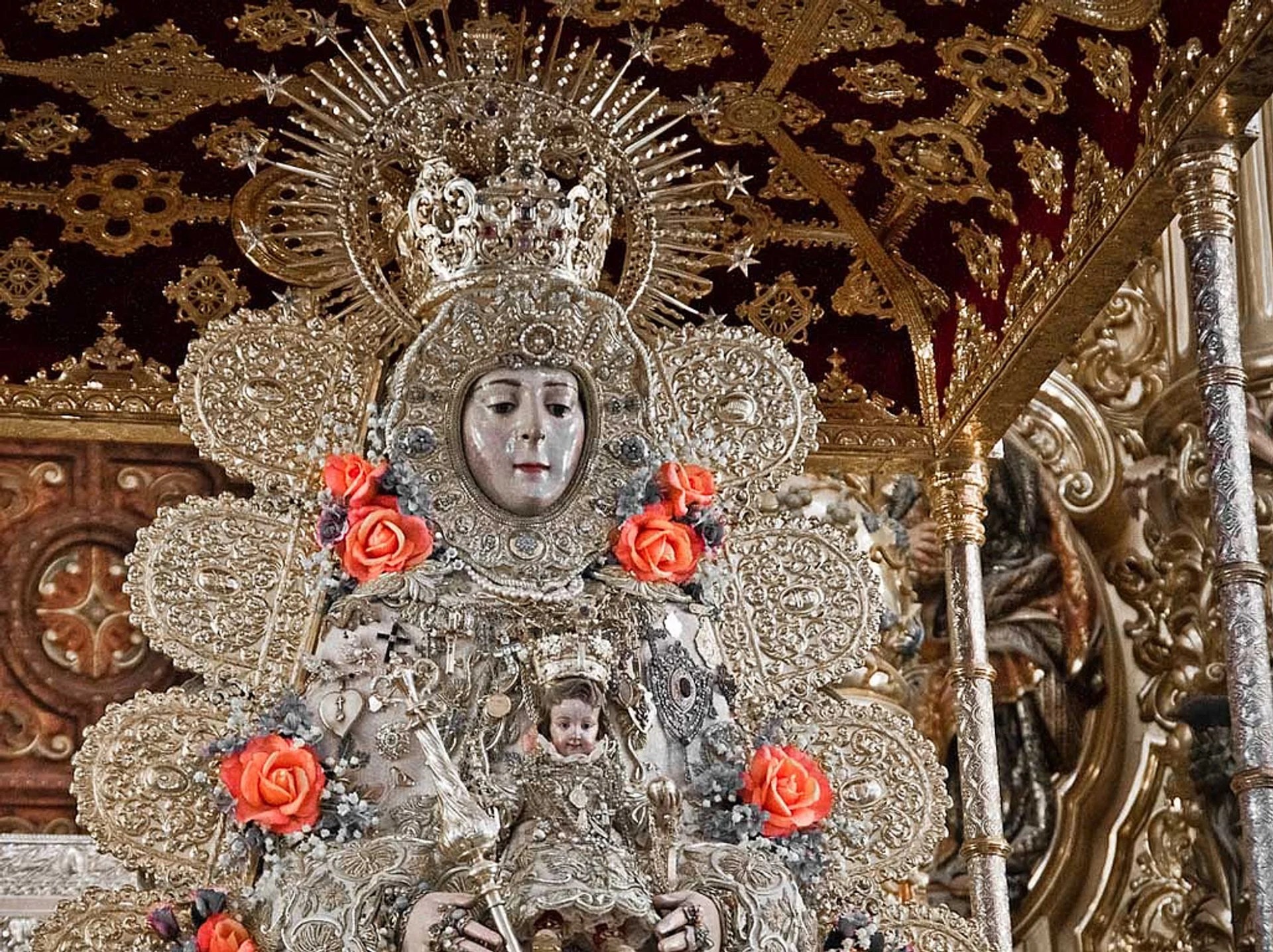
¡Que viva la Virgen del Rocío!

Dios te salve, Dios te salve

Reina de las marismas

Madre de Dios y nuestra

Blanca paloma de la paz

Y vida, esperanza verdadera

Dios te salve, y salve a tus romeros

Errantes peregrinos en la tierra

Que gimen sin consuelo en este valle

De llanto y de tiniebla

Herencia dolorida de la primera Eva

Vuélvenos tu mirada

Abogada y maestra

Celestial mediadora y amorosa pastora

De la gris marismeña

Muéstranos a tu buen pastorcillo

La divina cosecha de tu vientre bendito

Que a tu amado redil alimenta

Oh, clemente, y piadosa y paloma almonteña

Siempre Virgen María, si tu dulce rocío nos riega

Santa madre de Dios, nos hará merecer su promesa

Y podremos al fin de los días habitar las marismas eternas

Santa madre de Dios, nos hará merecer su promesa

Y podremos al fin de los días habitar las marismas eternas


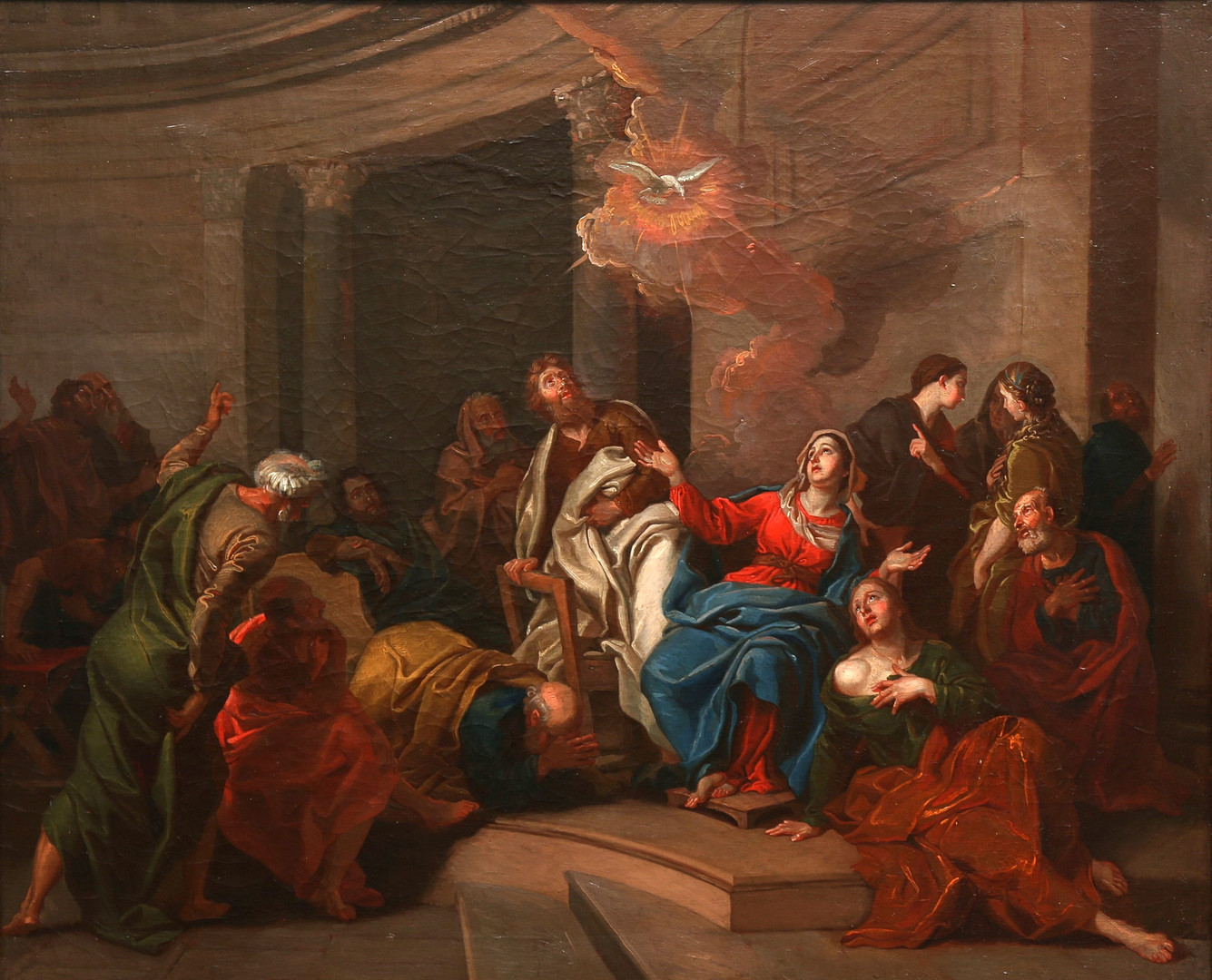
The Solemnity of Pentecost (Cycle B)

Peter and Paul, and the early followers of the Lord recognized that the coming of the Holy Spirit was the beginning of the grand venture of proclaiming Jesus Christ and his Kingdom, the Kingdom of God. Christmas, the Nativity of the Word, was the beginning of the presence of the Word of God on earth as one of us. Easter was the beginning of people sharing the eternal, resurrected life of the Lord. Pentecost is the beginning of people being empowered to proclaim Jesus Christ to the world. This empowerment was evidenced by the wind, the tongues of fire, by people of many lands hearing the apostles speaking in their own language, and by the courage of the apostles proclaiming Jesus in the face of torture and death. It all began on Pentecost. We are here because of the Holy Spirit. We are here because of the action of the Holy Spirit on the First Pentecost when the apostles experienced His Presence in the wind and tongues of fire. We are here because of the action of the Holy Spirit at our baptism and confirmation, transforming us into the People of God. We are here because of the action of the Holy Spirit in our lives calling us to serve the Lord. Peter and Paul often spoke about how the Holy Spirit directed them, to go to some place, to say certain things, to do certain things. The Holy Spirit directs us in the same way. We just have to be open to the Holy Spirit. Everyone who is confirmed in the Spirit, is continually prompted to go into action for God. Do we recognize the times that we have been open to the Holy Spirit and the times that we have ignored his prompting? I think everyone can look at times that the Spirit pointing him or her in a direction that brought the joy of God to the world. And I think that everyone can remember the times that he or she decided to ignore the prompting, and now fear the ramifications of our being closed to God. The Holy Spirit is God. The Spirit uses us, but He is not dependent on us. If we refuse to listen to the prompting, then He, God the Third Person, will find other ways to communicate his presence. I want to conclude by looking closely at the first part of the prayer to the Holy Spirit: Come Holy Spirit, fill the hearts of your faithful and kindle in them the fire of your love. The Holy Spirit is fire, the fire of God’s love. We feel this fire within us whenever we are open to God. Together, our own tongues of fire becomes a great blaze that renews the face of the earth. That is how the Holy Spirit works. It is as it was in the beginning. Pentecost was then. Pentecost is now • AE


St. Dominic Catholic Church • Weekend Schedule

Saturday May 18, 2024

3.00 p.m. Sacrament of Reconciliation – Fr. Agustin E.

5.00 p.m. Holy Mass (Pentecost Vigil) – Fr. Agustin E.

Sunday, May 19, 2024

7.30 a.m. Holy Mass – Fr. Agustin

10.00 a.m. Holy Mass – Fr. Agustin

12.30 p.m. Holy Mass – Fr. Jaime

3.00 p.m. Santa Misa– Padre Jaime


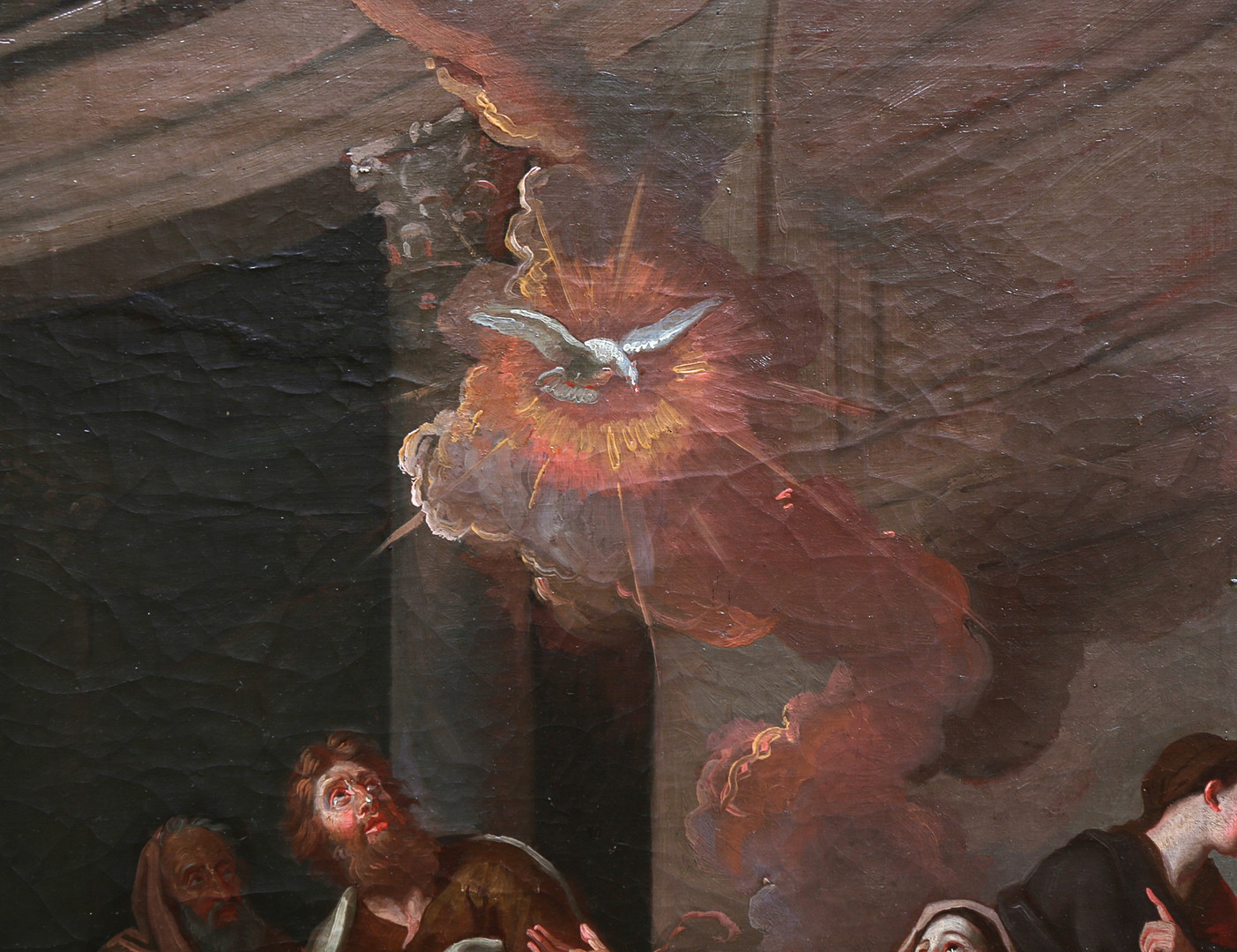
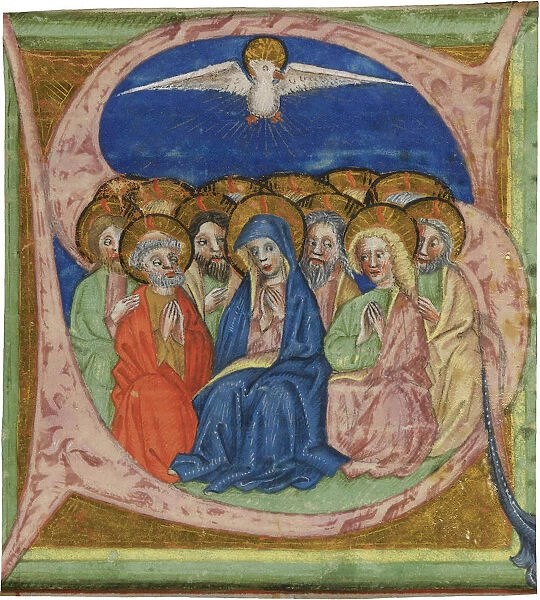
Solemnidad de Pentecostés (Ciclo B)

Artista anónimo, Pentecostés, Manuscrito iluminado, Biblioteca Nacional de Francia (Paris)

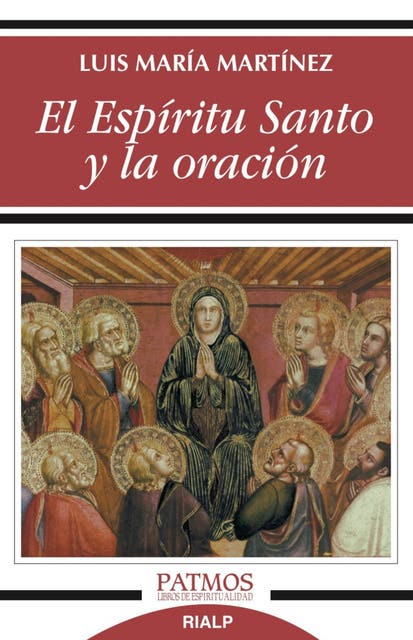
Dentro de cada uno de nosotros hay un espacio interior que quizá permanece desconocido; inexplorado. No es exactamente un ámbito sicológico. Está a un nivel más profundo. Es el centro más recóndito de la persona, donde se esconde el misterio de nuestro ser, donde resuenan las preguntas más hondas: ¿Quién soy yo?, ¿por qué estoy aquí?, ¿para qué?

Hemos aprendido muchas cosas, pero no sabemos llegar al fondo de nosotros mismos. Vivimos volcados hacia lo exterior, sin capacidad para encontrarnos con nosotros mismos. La vida moderna nos dispersa y distrae en mil ocupaciones, contactos y experiencias externas que nos enfrían. El ruido, la agitación, el ritmo acelerado nos impiden vivir desde dentro.

La preciosa fiesta de Pentecostés puede ser una llamada a cultivar más nuestro mundo interior y a vivir más atentos a la presencia del Espíritu en nosotros. ¿Cómo? Entrar dentro de nosotros exige tiempo y calma. Quien trata de vivir desde dentro sabe muy bien que el exceso de trabajo y actividad no es una virtud, sino una enfermedad, una esclavitud. Todos los días nos hace falta un buen rato de inactividad, para adentramos descalzos en nuestro mundo interior, decía Loidi.

Es importante, además, aprender a distanciamos de vez en cuando de nuestro quehacer cotidiano. Saber apartamos de las ocupaciones que nos atrapan y dispersan, para hacer silencio y encontramos con lo más profundo que hay en nosotros. No se puede vivir desde dentro sin asegurar lugares y «momentos de interiorización. Encontrarse a solas con uno mismo puede inspirar temor. Nos da miedo descubrir nuestras contradicciones e incoherencias, nuestra mentira y mediocridad, o nuestras frustraciones más profundas. Por eso, lo importante no es analizarse, sino descubrir la presencia amorosa del Espíritu de Dios que nos habita, nos sostiene, nos acoge tal como somos y nos invita a vivir. El creyente se adentra en su interior en actitud confiada. Se sabe aceptado y amado. Por eso, no cae en la desestima o en la culpabilidad angustiosa. Se siente a gusto con Dios. Seguro. Su experiencia del Espíritu es siempre fuente de gozo. Un respiro en medio del vivir diario. Este entrar en la propia interioridad no significa huir de la vida para replegarse estérilmente sobre uno mismo. Al contrario, es regenerarse desde la raíz, rescatar lo mejor que hay en nosotros, encontrarse de nuevo vivo y con fuerzas para vivir y hacer vivir. El Espíritu de Dios que habita en nosotros siempre es dador de vida.

Ven Espíritu Santo. Despierta nuestra fe débil, pequeña y vacilante. Enséñanos a vivir confiando en el amor insondable de Dios nuestro Padre a todos sus hijos e hijas, estén dentro o fuera de tu Iglesia. Si se apaga esta fe en nuestros corazones, pronto morirá también en nuestras comunidades.

Ven Espíritu Santo. Haz que Jesús ocupe el centro de tu Iglesia. Que nada ni nadie lo suplante ni oscurezca. No vivas entre nosotros sin atraernos hacia su Evangelio y sin convertirnos a su seguimiento. Que no huyamos de su Palabra, ni nos desviemos de su mandato del amor. Que no se pierda en el mundo su memoria.

Ven Espíritu Santo. Abre nuestros oídos para escuchar tus llamadas, las que nos llegan hoy, desde los interrogantes, sufrimientos, conflictos y contradicciones de los hombres y mujeres de nuestros días. Haznos vivir abiertos a tu poder para engendrar la fe nueva que necesita esta sociedad nueva. Que, en tu Iglesia, vivamos más atentos a lo que nace que a lo que muere, con el corazón sostenido por la esperanza y no minado por la nostalgia.

Ven Espíritu Santo y purifica el corazón de tu Iglesia. Pon verdad entre nosotros. Enséñanos a reconocer nuestros pecados y limitaciones. Recuérdanos que somos como todos: frágiles, mediocres y pecadores. Libéranos de nuestra arrogancia y falsa seguridad. Haz que aprendamos a caminar entre los hombres con más verdad y humildad.

Ven Espíritu Santo. Enséñanos a mirar de manera nueva la vida, el mundo y, sobre todo, a las personas. Que aprendamos a mirar como Jesús miraba a los que sufren, los que lloran, los que caen, los que viven solos y olvidados. Si cambia nuestra mirada, cambiará también el corazón y el rostro de tu Iglesia. Los discípulos de Jesús irradiaremos mejor su cercanía, su comprensión y solidaridad hacia los más necesitados. Nos pareceremos más a nuestro Maestro y Señor.

Ven Espíritu Santo. Haz de nosotros una Iglesia de puertas abiertas, corazón compasivo y esperanza contagiosa. Que nada ni nadie nos distraiga o desvíe del proyecto de Jesús: hacer un mundo más justo y digno, más amable y dichoso, abriendo caminos al reino de Dios  • AE

Como una promesa eres tú, eres Tú
Como una mañana de verano
Como una sonrisa eres tú, eres Tú
Así, así eres Tú

Toda mi esperanza eres Tú, eres Tú
Como lluvia fresca en mis manos
Como fuerte brisa eres Tú, eres Tú
Así, así eres Tú

Eres Tú
Como el agua de mi fuente
Eres Tú
El fuego de mi hogar

Algo así eres Tú
Algo así como el fuego de mi hoguera
Algo así eres tú, uh-uh-uh
Mi vida, algo así eres Tú

Como mi poema eres tú, eres Tú
Como una guitarra en la noche
Todo mi horizonte eres tú, eres Tú
Así, así eres Tú

Algo así eres Tú
Algo así como el fuego de mi hoguera
Algo así eres tú, uh-uh-uh
Mi vida algo así eres Tú

Algo así eres Tú
Algo así como el agua de mi fuente
(Eres Tú)


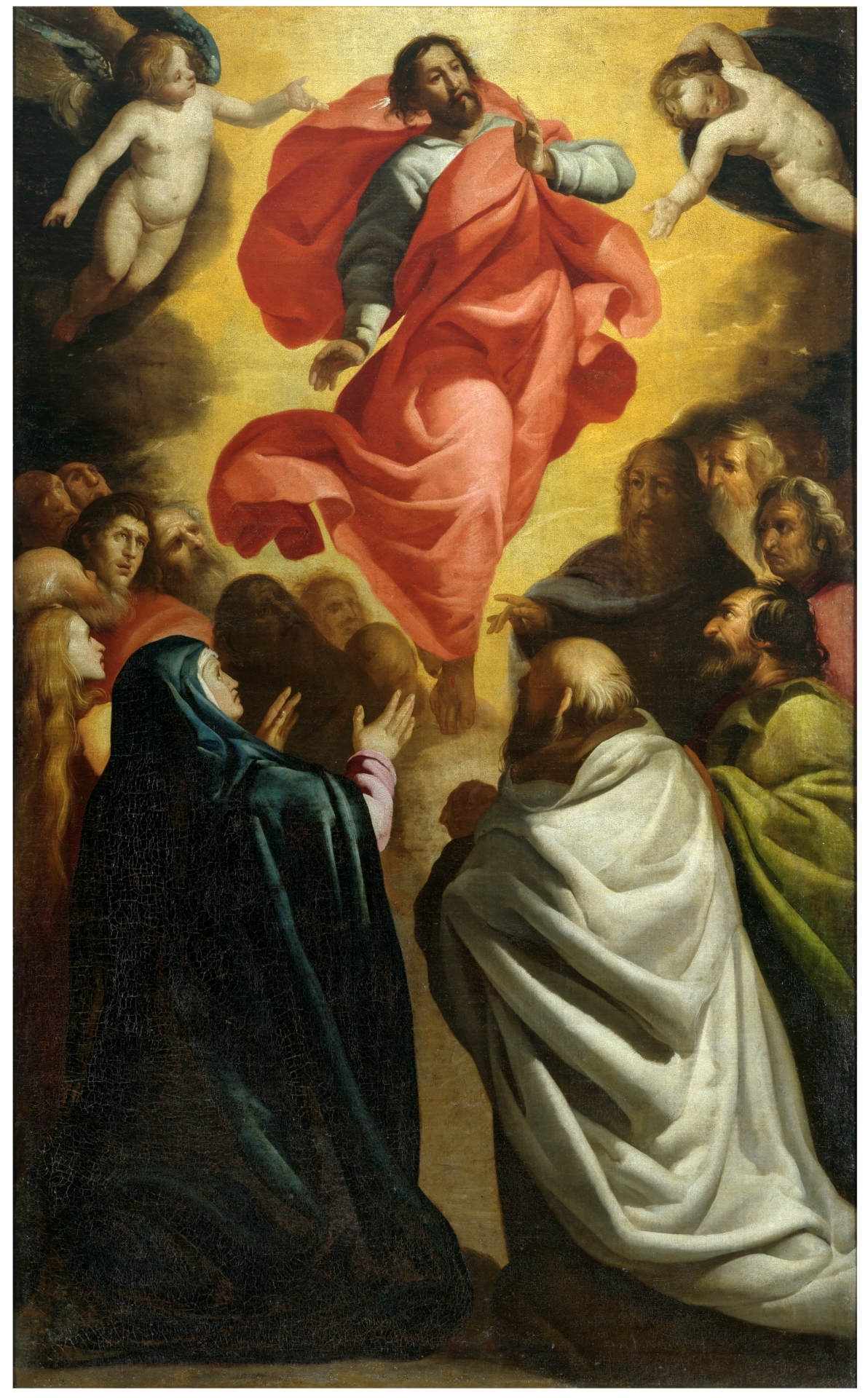
The Solemnity of the Ascension of the Lord (Cycle B)

A. de Lanchares, The Ascension of Christ (1630), oil on canvas, Museo Nacional del Prado (Madrid)

The Ascension of the Lord is a mystery that effects each of us intimately. Jesus took his seat at the right hand of the Father where he became the judge of the living and the dead. Jesus Christ judges those who lived their lives in a way that they could be admitted into the presence of the Father and those who lived their lives in a way that excluded them from the presence of God. This is tough for us to take. We know the Lord is Merciful. We have the devotion to Divine Mercy to remind us that God’s mercy is greater than we could ever imagine. What we might miss is that the Lord is merciful because we need His mercy. We live under the mercy of God. We have to be humble enough to recognize our need for His mercy and want His mercy.

The literary figures of Faust and Don Juan portray those people who do not want God in any aspect of their lives including their need for His mercy after their deaths. Jesus is the judge of the living and the dead. This mystery is in direct conflict with that part of us that wants to reduce Jesus to Barney. But Jesus is not a pink bear who sings for all eternity, “I love you and you love me.” (That would be hell, not heaven.) Jesus is a judge, the judge of the living and the dead. Those who live their lives in a way that exclaims, “I neither need you nor want you,” cannot expect to receive the mercy that they reject. Those who live their lives doing their best to make their unique reflection of God a reality in the world can trust in God’s Divine Mercy.

After Jesus ascended and sent the Holy Spirit, the small band of disciples proclaimed Jesus Christ to the world. And Christ worked through them. And He worked through their successors. Now, He works through us. Proclaiming the gospel means far more than teaching articles of faith. Proclaiming the Gospel means making the presence of Christ a reality to the world. This is the commission that we Christians have received from the Lord. Jesus works through us attracting others to Himself. People do not become Christians through of the words of Christianity. People become Christians through the presence of Jesus Christ in Christians. The battles of the Book of Revelation continue daily. The early Church believed that every Mass, every prayer, every work of charity, was a skirmish in the fight against evil. The eighteenth century saw this in the Enlightenment when rationalism challenged faith. The nineteenth century saw the enemy embrace the industrial revolution as a way to turn people against each other, against God, and toward the worship of materialism. The first half of the twentieth century saw the battle change to the political front with the ideals of socialism, fascism and communism twisted to eliminate the presence of the Lord. The second half of the century and continuing into this century suffers from the attack of evil upon personal holiness through the misuse of technology. The battle for or against the Gospel continues. The Lord fights with us. His power, His presence is greater than all evil, even the evil we come up with ourselves. He ascended into heaven. But He did not leave us, he promised that he would be with us always. Like the apostles, we have been commissioned to go out and preach with our lives that Jesus lives. It is a mystery of the Mercy and Justice of God. It is the mystery of our summons to proclaim that Jesus lives • AE


St. Dominic Catholic Church • Weekend Schedule

Saturday May 11, 2024

3.00 p.m. Sacrament of Reconciliation – Fr. Jaime P.

5.00 p.m. Holy Mass and First Communions – Fr. Fr. Jaime P.

Sunday, May 12, 2024

7.30 a.m. Holy Mass – Fr. Paco

10.00 a.m. Holy Mass and First Communions – Fr. Paco

12.30 p.m. Holy Mass and First Communions – Fr. Jaime

3.00 p.m. Santa Misa y Primeras Comuniones – Padre Paco


Solemnidad de la Ascención del Señor (Ciclo B)

Autor anónimo, La Ascención del Señor, Manuscrito iluminado sobre pergamino (s. XIII), Biblioteca Nacional de Francia (Paris)

¿Y dejas, Pastor santo,
tu grey en este valle hondo, obscuro,
con soledad y llanto;
y tú, rompiendo el puro
aire, te vas al inmortal seguro?

Los antes bienhadados
y los agora tristes y afligidos,
a tus pechos criados,
de ti desposeídos,
¿a dó convertirán ya sus sentidos?

¿Qué mirarán los ojos
que vieron de tu rostro la hermosura,
que no les sea enojos?
Quien oyó tu dulzura,
¿qué no tendrá por sordo y desventura?

A aqueste mar turbado,

¿quién le pondrá ya freno? ¿Quién concierto
al viento fiero, airado,
estando tú encubierto?
¿Qué norte guiará la nave al puerto?

¡Ay! Nube envidiosa
aun de este breve gozo, ¿qué te quejas?
¿Dó vuelas presurosa?
¡Cuán rica tú te alejas!
¡Cuán pobres y cuán ciegos, ¡ay!, nos dejas!

Tú llevas el tesoro

que sólo a nuestra vida enriquecía,
que desterraba el lloro,
que nos resplandecía
mil veces más que el puro y claro día.

¿Qué lazo de diamante,
¡ay, alma!, te detiene y encadena
a no seguir tu amante?
¡Ay! Rompe y sal de pena,
colócate ya libre en luz serena.


¿Que temes la salida?
¿Podrá el terreno amor más que la ausencia
de tu querer y vida?
Sin cuerpo no es violencia
vivir; más es sin Cristo y su presencia.

Dulce Señor y amigo,
dulce padre y hermano, dulce esposo,
en pos de ti yo sigo:
o puesto en tenebroso
o puesto en lugar claro y glorioso.

Le ponemos poca atención a la Ascensión de Jesús, sin embargo este hecho en la vida del Señor nos ofrece la clave para entender mejor el cristianismo, pero sobre todo para vivir nuestra de una manera más responsable y adulta. Para entender el significado de la Ascensión tenemos que recordar el diálogo entre Jesús y sus discípulos: «Yo me voy al Padre y ustedes están tristes… Sin embargo, les conviene que yo me vaya para que reciban el Espíritu Santo». La tristeza y preocupación de los discípulos tiene una explicación. Desean seguridad: tener siempre junto a ellos al Maestro para que les resuelva los problemas o, al menos, les indique el camino seguro para encontrar la solución. Es la tentación de vivir la fe de manera protegida, infantil e irresponsable. La respuesta de Jesús cobra particular importancia en estos tiempos en que parece crecer en ciertos sectores de la Iglesia la tentación del inmovilismo, el miedo a la creatividad, la nostalgia por reproducir un determinado cristianismo. La pedagogía del Señor consiste en ausentarse para que pueda crecer la libertad de sus seguidores. Sólo les dejará el fuego de su Espíritu. Así es siempre la auténtica pedagogía: el padre o el educador han de retirarse en un determinado momento y dejar sólo su inspiración para no ahogar la creatividad, sino permitir el crecimiento responsable y adulto.

Siempre será una tentación vivir de manera infantil la religión, sin mediación alguna de la propia conciencia, buscando en la letra del evangelio soluciones prefabricadas para nuestros tiempos o pretendiendo que la autoridad religiosa nos dicte sin ambigüedad y con precisión absoluta la doctrina que hemos de creer y las normas morales que hemos de cumplir. La Ascensión nos recuerda que vivimos el tiempo del Espíritu, tiempo de creatividad y crecimiento responsable, ya que el Espíritu no nos da nunca recetas concretas para los problemas. Sin embargo, cuando lo acogemos, nos hace capaces de ir buscando siempre el evangelio de Jesús, un evangelio que no se impone desde la autoridad o la presión, sino haciéndolo pasar por las conciencias y el corazón antes que por las leyes y las instituciones. La Ascensión nos invita a vivir bajo la pedagogía del Espíritu, ese Espíritu que nos hace fieles al evangelio de Jesús y fieles a nuestras convicciones más profundas • AE


¿Y para leer?

¡Con música y todo!