
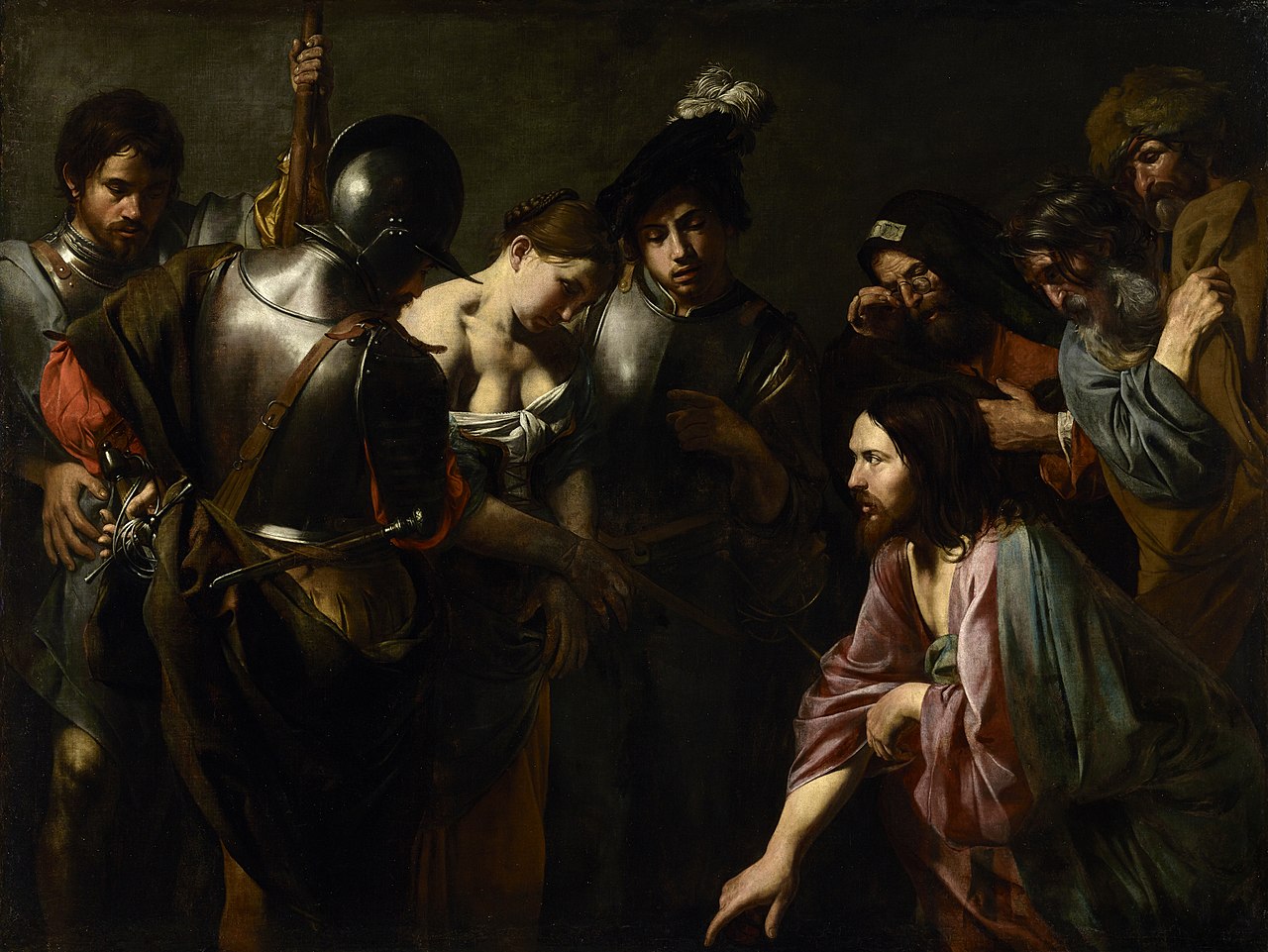
Valentin de Boulogne, Christ and the Adulteress (1620), Getty Museum (Los Angeles)
The Book of the Revelation begins with seven letters to seven Christian communities. The communities represent all of Christianity. The letters are the framework for the entire Book of Revelation. All but two of these letters condemn the new Churches for watering down Christianity, for restoring pagan practices, for being part-time Christians, etc. The first of these seven letters addresses something that is fundamental to Christianity. This is the Letter to Ephesus. Note now, this is not the New Testament Letter to the Ephesians, but a message from Jesus through the Book of Revelation to all who were making the terrible mistake which was prevalent among the Ephesians. The letter begins by complimenting the Ephesians for their courage and faith. «I know your works, your toil and your patient endurance.» That term patient endurance refers to suffering for the faith including martyrdom. The Ephesians are commended for fighting against evildoers and for rooting out false apostles from their community. They are commended for hating the works of the Nicolatians. The Nicolatians were people who tried to water down Christianity saying that Christians could attend and participate in pagan sacrifices and pagan immorality. Still the Ephesians are censured. They are told they are fallen. They are told that unless they change something that is fundamental in what they are doing, the Light of Christ will be removed from them. What is this they are doing? The letter says: «I hold this against you: you have abandoned the love you had at first.» You see, the Ephesians were fierce in defending the faith. They were brutal to others and among themselves. In the name of orthodoxy, they broke charity. That is where they were losing their Christianity. Orthodoxy for the sake of orthodoxy always defeats itself. Orthodoxy only has value when it is founded upon love. In the second reading for today from the First Letter of John, we read: «the person without love has known nothing of God, for God is love.» Stern and fierce in their decisions, never considering the pain and grief of the person they censured, the Ephesians were following the rules, keeping the dogmas, but not practicing the faith. Their community was not reflecting the love of God. They were orthodox for the sake of being orthodox, but in reality they were not Christian.
We can look at the history of the Church and see how in certain areas in certain epochs this mistake was repeated. For example, how can we find justification for the Spanish Inquisition, for the pillaging that was part of the Crusades, or for the religious wars occasioned by the Protestant Reformation? The love of God was not in evidence in any of this. Still, we, as a community and as individuals, should not be as concerned with history as with our own tendency to repeat the mistakes of the Ephesians. One example. A person may have a homosexual orientation and not be engaging in any form of immorality just as a person may have a heterosexual orientation and not be engaging in any form of immorality. But even if people are immoral, openly so, no one has the right to attack them, to treat them with scorn, to refuse compassion when they are hurting. Where is the presence of the love of God in the reputedly good Christian who seeks ways to hurt someone who is homosexual? Is the love of God evident in our own family structures? We have to have rules in our families. That´s for sure. Out of love for our children and our teenagers, we have to set guidelines so they can grow, develop, and spread their wings while they are still under our protection. That´s for sure. More important than these rules are the reason for their establishment: love. No good was every accomplished by hiding love behind rules. So, today’s gospel leads us to pray: Lord, help us to be people whose structures as a country, a family, and in all relationships, reflect the presence of your love, and mercy, and compassion • AE

St. Dominic Catholic Church • Weekend Schedule

Saturday May 4, 2024
10.00 a.m. First Communion Mass – Fr. Agustin
3.00 p.m. Sacrament of Reconciliation – Fr. Agustin
5.00 p.m. Holy Mass – Fr. Agustin
Sunday, May 5, 2024
7.30 a.m. Holy Mass – Fr. Agustin
10.00 a.m. Holy Mass – Fr. Agustin
12.30 p.m. Holy Mass – Fr. Jaime
3.00 p.m. Santa Misa – Padre Paco
VI Domingo de Pascua (Ciclo B)
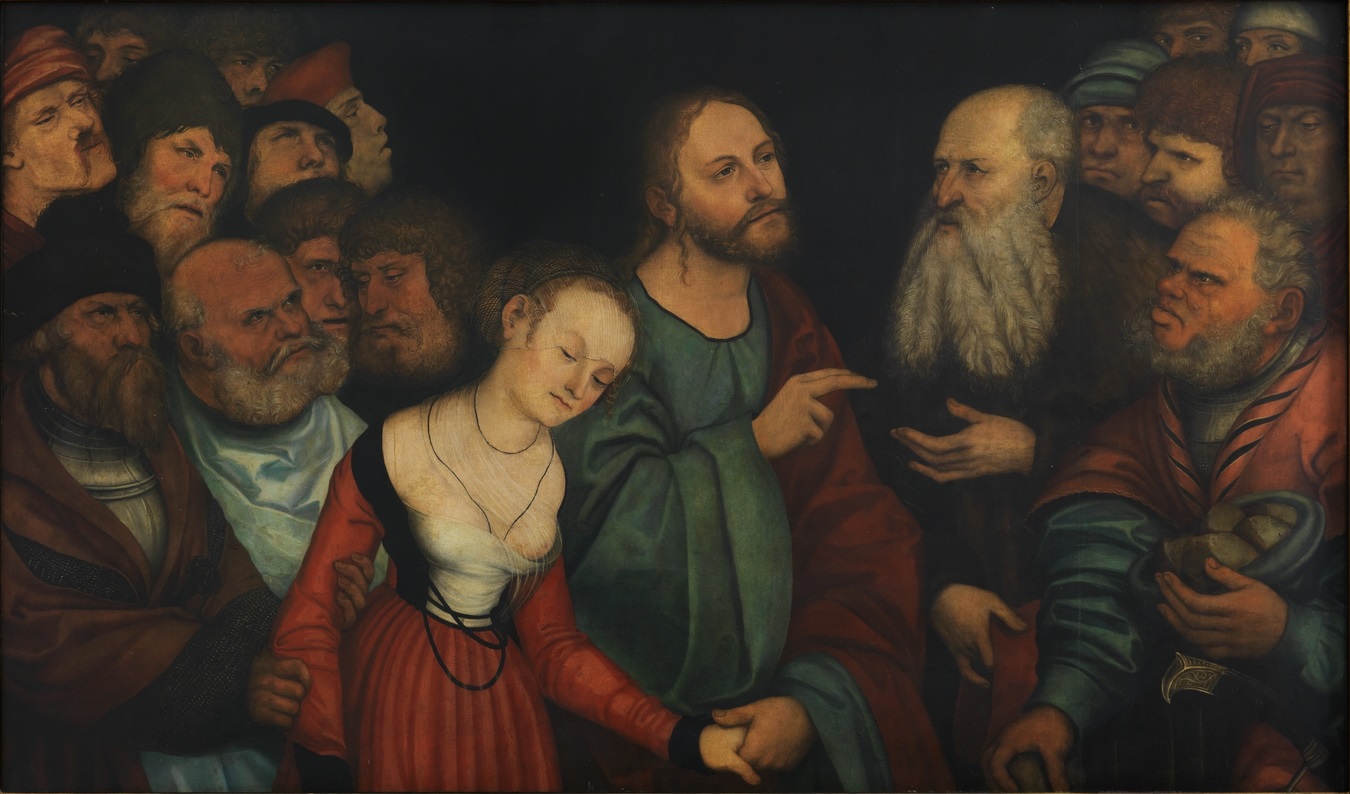
Lucas Cranach El Viejo, Jesús y la Mujer sorprendida en adulterio (1550), óleo sobre tela, Bauhaus-Museum Weimar (Alemania)
No se trata de una frase más. Este mandato, cargado de misterio y de promesa, es la clave de toda la fe cristiana: Como el Padre me ha amado, así los he amado yo: permanezcan en mi amor. Este es el criterio último para discernir su verdad. Únicamente permaneciendo en el amor podemos caminar en la verdadera dirección. Olvidar este amor es perderse, entrar por caminos no cristianos, deformarlo todo, desvirtuar el cristianismo desde su raíz. Y sin embargo, no siempre hemos permanecido en este amor. En la vida de bastantes cristianos ha habido (y hay todavía) demasiado temor y falta de confianza en Dios. La teología y la predicación que nos ha alimentado ha olvidado el amor de Dios, ahogando así aquella alegría inicial, viva y contagiosa que tuvo el cristianismo. Aquello que un día fue Buena Noticia (eu-angellion) porque anunciaba el amor increíble de Dios, se ha convertido para muchos en la mala noticia (dis-angellion) de un Dios amenazador y cuenta-chiles que está anotando en un papelito todos nuestros errores para pasarnos la cuenta el día en el que lleguemos a su presencia.
Sin embargo, la fe cristiana sólo puede ser vivida sin traicionar su esencia como experiencia positiva, confiada y gozosa. Por eso, en un momento en que muchos abandonan la fe, los que permanecemos en la Iglesia habríamos de preguntarnos si en el origen de este abandono no se esconde una reacción a esas cosas que no suenan a evangelio. La aceptación de Dios o su rechazo se juegan, en gran parte, en cómo sintamos a Dios: Si lo percibimos sólo como vigilante implacable de nuestra conducta, haremos cualquier cosa para rehuirlo. Si lo experimentamos como un papá que impulsa nuestra vida, entonces lo buscaremos con gozo. Por eso uno de los servicios más grandes que la Iglesia puede hacer al hombre de hoy es ayudarle a pasar del miedo al amor de Dios. Sin duda hay un temor a Dios que es sano y fecundo, La Escritura misma dice que es el comienzo de la sabiduría. Es el temor a malograr nuestra vida encerrándonos en la propia mediocridad. Un temor que despierta al hombre de la superficialidad, y le hace volver hacia Dios. Y hay también un miedo a Dios que es malo, uno que no acerca a Dios sino que aleja cada vez más de Él. Es este un miedo que deforma el verdadero ser de Dios haciéndolo inhumano. Un miedo destructivo, sin fundamento real, que ahoga la vida y el crecimiento sano de la persona.
Pasar del miedo a Dios que podría traer angustia a una confianza en él, que hace brotar en nosotros esa alegría prometida por Jesús: «Les he dicho esto para que mi alegría esté en ustedes y su alegría llegue a la plenitud. Este podría ser el cambio decisivo • AE

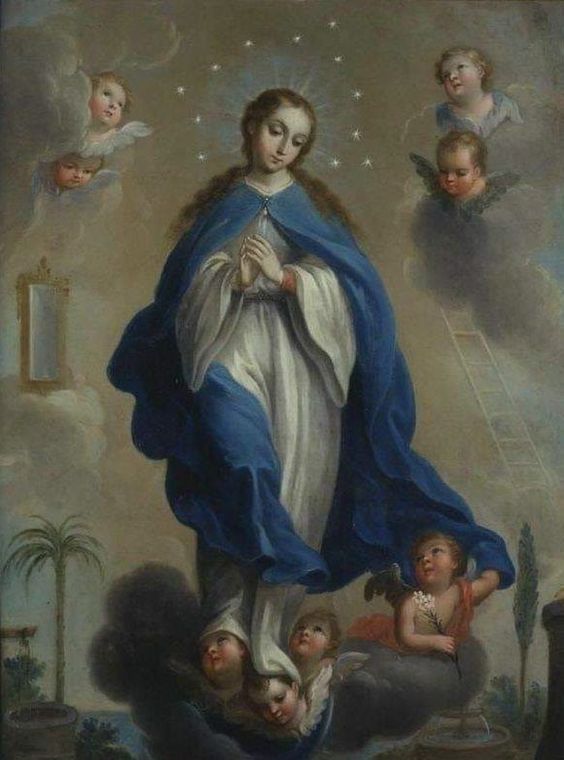
Mayo, el mes de la Santísima Virgen María

El mes de mayo toma su nombre de la diosa romana Maia, diosa de la primavera y la fertilidad, a quien estaba dedicado en la antigüedad. Fue en la Edad Media cuando los cristianos empezaron a asociar este mes con la Virgen María. A partir del siglo XIII se menciona en las Cantigas de Santa María del rey Alfonso X de Castilla, llamado el Sabio (1252-1284) donde compara la belleza de María con la del mes de mayo.
Poco a poco, los dominicos y los franciscanos fomentaron esta devoción en Italia: se erigían altares a la Virgen a principios de mayo y se tejían coronas de flores para ella. A finales del siglo XVIII, los jesuitas, a su vez, la retomaron y la difundieron en prácticamente todas sus misiones. En 1785, el padre jesuita Alfonso Muzzarelli publicó ‘El mes de María o mayo en Ferrara’ (Italia), que tuvo una gran difusión, proponiendo meditaciones sobre las virtudes de la Virgen María para cada día del mes de mayo. El texto Se tradujo al inglés, al español y al portugués, e incluso al árabe en Beirut. El éxito de esta obra llevó al papa Pío VII a extender la devoción al mes de María en toda la Iglesia católica, concediendo indulgencias a quienes la practicaban. Su sucesor, el papa Pío IX, confirmó su decisión • AE
¿Qué vamos a leer?
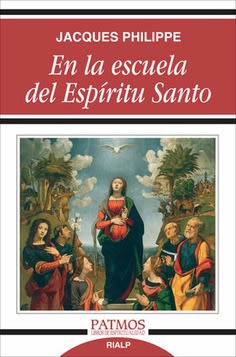
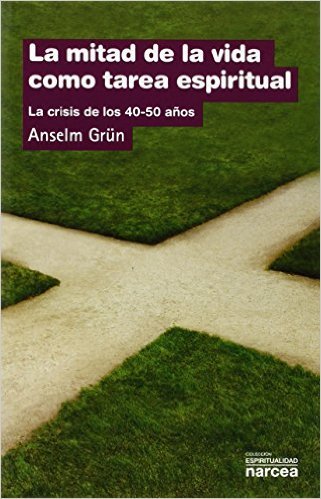
La mitad de la vida como tarea espiritual
(¡Muchas gracias Patricia!)
 LA MEDITACION DE LA ESPOSA