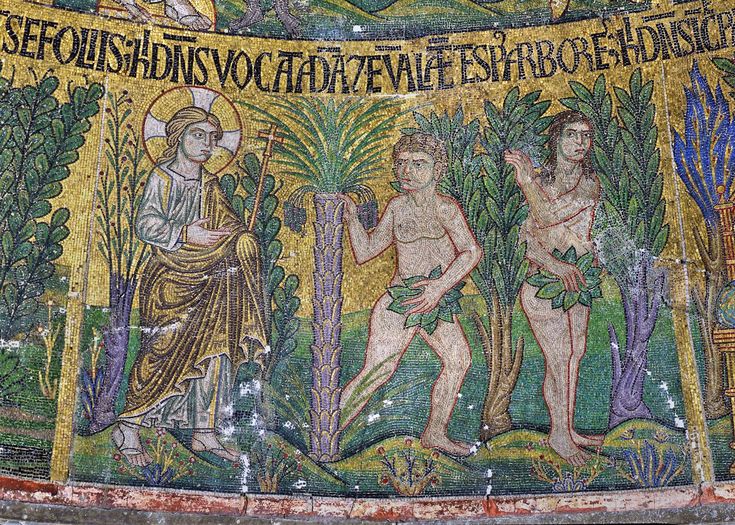
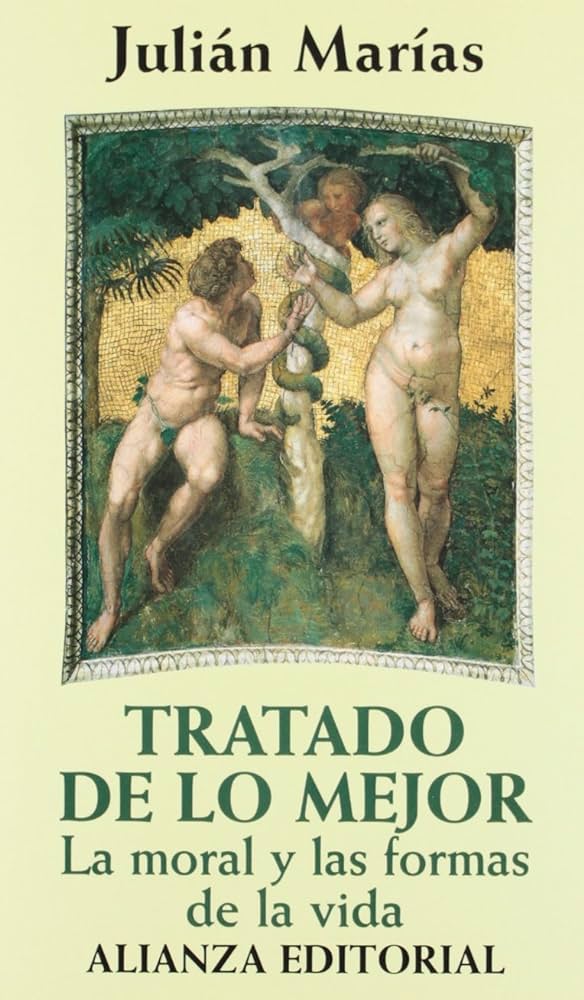
Anonymous master, Adam and Eve ashamed, hiding from God (mosaic), narthex of San Marcos (Venice)
Today’s first reading presents the events immediately following Adam and Eve’s sin. Remember now God wasn’t concerned about fruit. He was concerned that Adam and Eve not experience evil. But He gave them free will so they could choose. How else could they love? All love is a choice. The deep sadness is that Adam and Eve used their free will to choose themselves instead of choosing God. They chose selfishness and disobedience. Their pride led them to choose evil. They believed the serpent who told them that if they disobeyed God and ate from the tree they would be like gods themselves. The scene we have today begins with God finding Adam hiding, embarrassed because he was naked. His experience of evil had left him self-conscious and vulnerable. Then the blame game begins. Adam blames Eve for his state. She blames the serpent. This is so typical of evil. The person who does evil is always looking to implicate other people rather than accept his responsibility for the evil deed.
As a result of Adam and Eve’s actions, sin and death came into the world. The first battle of the war against evil was won by the devil. But God would achieve the final victory for mankind. He tells the devil about another woman, a new Eve, who would have a Son that would smash the serpent’s head. Enmity, war would be waged between the serpent’s followers and the women’s son and His followers.
Jesus speaks about this war in today’s Gospel. He is accused of using the power of the devil, Beelzebul, the Lord of the Flies, to perform his healing. This is the blasphemy that can’t be forgiven: believing that Jesus does not have the power of God, but the power of the devil. Then in the passage referring to Jesus’ physical family, Jesus proclaims that those who perform the will of God have an intimate relationship with Him. They are the opposite of Adam and Eve. For the followers of Jesus the relationship with God is more important than anything the world or the devil could offer. Jesus came to wage war against evil. His followers are to join Him in this battle for the Kingdom. That is what we are called to do. Religion is not just a matter of going to Church on Sundays. Religion is about war, the war against evil. We have to proclaim the truth of Jesus Christ, the Son of God. We put the needs of others before our own wants, and, sometimes, even before our own needs. We trust in God to take care of us while we take care of those who reach out to us. Our war is not a war against other people. Our war is against evil, against the serpent and against all who fight for the devil. Be sure of this: there is a war which is being waged. And we, as followers of Christ, have no choice but to be involved. There will be skirmishes in every one of our lives. There will be times that we might think we are losing. We are not losing. The outcome of the war is certain: in time, in God’s time, the Son of God will crush the head of the serpent • AE

St. Dominic Catholic Church • Weekend Schedule

Saturday June 8, 2024
12.30 p.m. XV Mass for Elisa Jimenez – Fr. Jaime P.
3.00 p.m. Sacrament of Reconciliation – Fr. Agustin E.
5.00 p.m. Holy Mass – Fr. Jaime P.
Sunday, June 9, 2024
7.30 a.m. Holy Mass – Fr. Agustin E.
10.00 a.m. Holy Mass – Fr. Agustin E.
12.30 p.m. Holy Mass – Fr. Jaime P.
3.00 p.m. Santa Misa – Padre Jaime P.
X Domingo del Tiempo Ordinario (Ciclo B)
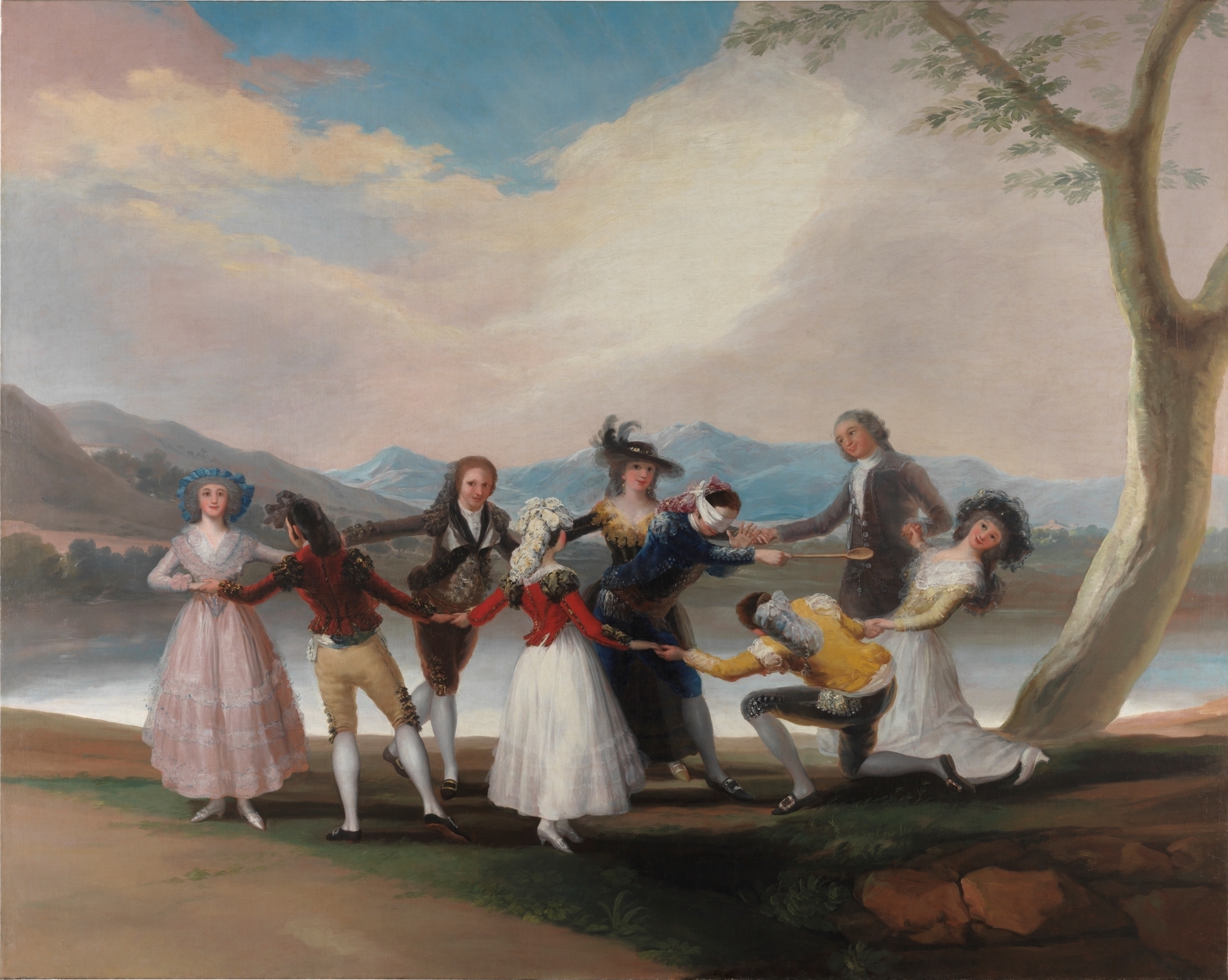
F. de Goya, La Gallina Ciega (1789), óleo sobre lienzo, Museo Nacional del Prado (Madrid)
Poco a poco nos hemos ido acostumbrando a vivir sin responder a las preguntas más importantes: por qué y para qué vivir. Lo grave es que, cuando perdemos contacto con nuestra propia interioridad, con nuestro misterio personal, la vida se vuelve trivial y sin sentido, y empezamos a vivir de impresiones, en la superficie de las cosas y de los acontecimientos, desarrollando sólo la apariencia de la vida. Como muertos en vida, vamos. Probablemente, esta banalización de la vida es la raíz más importante de la increencia de muchos cristianos. Cuando vivimos sin interioridad, perdemos el respeto por la vida, por las personas y las cosas. Pero, sobre todo, nos incapacitamos para escuchar el misterio que se encierra en lo más hondo de la existencia, y así descuidamos la vida interior para terminar en esa sensación de insatisfacción.. ¿será ese el punto de inflexión donde comience la salvación? Posiblemente
Paul Tillich decía que sólo el Espíritu nos puede ayudar a descubrir de nuevo el camino de lo profundo. Por el contrario, pecar contra ese Espíritu Santo sería cargar con nuestro pecado para siempre. El Espíritu puede despertar en nosotros el deseo de luchar por algo más noble y mejor que lo trivial de cada día. Puede darnos la audacia necesaria para iniciar un trabajo interior en nosotros. El Espíritu puede hacer brotar una alegría diferente en nuestro corazón; puede vivificar nuestra vida envejecida; puede encender en nosotros el amor incluso hacia aquellos por los que no sentimos hoy el menor interés. El Espíritu es una fuerza que actúa en nosotros y que no es nuestra. Es el mismo Dios inspirando y transformando nuestras vidas. Nadie puede decir que no está habitado por ese Espíritu. Lo importante es no apagarlo, avivar su fuego, hacer que arda purificando y renovando nuestra vida. Quizá es tiempo de invocar a Dios con aquellas palabras tan bonitas del salmo cincuenta: «No apartes de mí tu Espíritu. Quizá este domingo, de regreso en el Tiempo Ordinario, sea el momento de dedicarnos a ello • AE

¿Qué vamos a leer?
Con música y todo

 LA MEDITACION DE LA ESPOSA