Twenty-sixth Sunday in Ordinary Time (Cycle B)

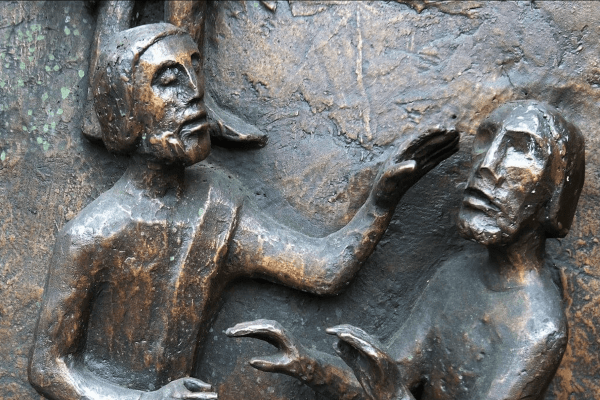
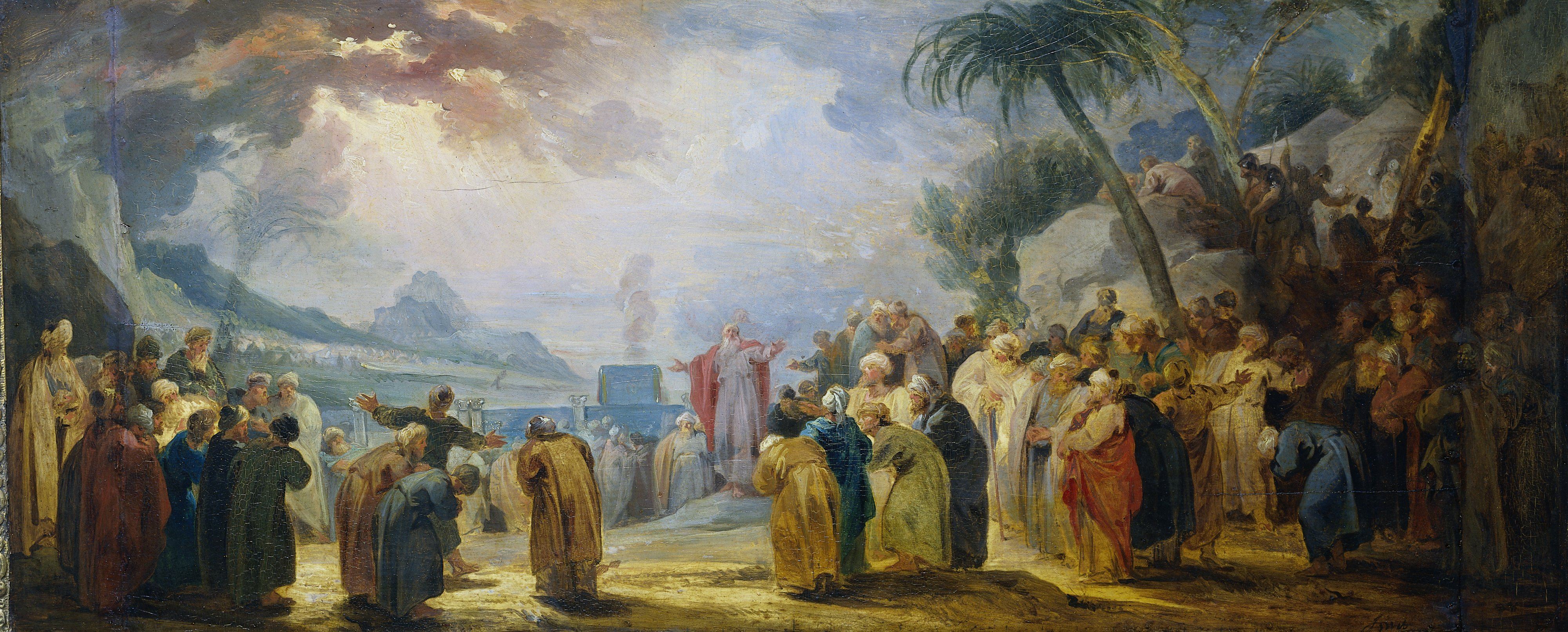
J. de Wit, Moses elects the Council of Seventy Elders (1737), interior of the City Hall in Amsterdam

Most of us here have been faithful Catholics throughout our lives. We have attended Mass weekly from our earliest days. We have been constantly fighting temptations and seeking forgiveness for the times we have failed. Most of the us here do not just go to Church on Sundays; we try to pray every day. We see how the Holy Spirit continually works in the Church. We have been disappointed and saddened by those priests and religious who have not been faithful to their vocations. Although for everyone who has caused scandal, we know of hundreds of others who have been dedicated servants of the Church. We also know that the Catholic Church is the original Church and has been faithful to Christ for two thousand years. But then we also see how the Lord is working in other faiths. So many determined Christians of various religions, so many faith-filled people who do not confess Jesus Christ, are living for God, serving Him in the poor. This Lutheran congregation is determined to reach out to the homeless. That Jewish community has established care facilities for sick and destitute people of all faiths. We recognize the spiritual leadership of Dietrich Bonhoeffer, a Lutheran, Mahatma Ghandi, a Hindu, and Martin Buber, a Jew. And so many others. And we know that the Spirit is alive and well in the world working through those within the Catholic Church, and those within the universal Church who themselves do not share in the seven sacraments or might not even believe in Jesus Christ.

Eldad and Medad were not in the tent. They were not present with the seventy who received the Spirit back in the days of Moses. Yet, Eldad and Medad still received the Spirit. «Stop them,» Joshua said. «Why?» asked Moses. Some man was baptizing in the name of Jesus. He was not one of the Twelve. Perhaps he heard Jesus speak and wanted to spread the Gospel. «Stop him,» John said. «Why?» asked Jesus.

We are graced to live in the age of the Spirit. This wonderful time began when the Father and the Son sent the Spirit upon the world. He is the Spirit of God. He is the action of God. He transforms the world by working in the hearts of all good people. And thus, in the Vatican II council document, The Church in the Modern World, the Catholic Church declared that all who are open to God, who are following their consciences, are themselves, in fact, members of the Church, saved by Jesus Christ.

Eldad and Medad may not have been in the tent. But the Spirit still empowered them. Just as the Spirit empowers that husband who had been away from the Church for years, who mocked all things good and holy, but who, when he looked at his family, said that he needed to change his life. He returned and returns daily. He continually asks forgiveness for the time he was away. Now, he is leading his children to God. Eldad and Medad may not be in the tent, but the Spirit still empowers them. Just as the Spirit empowers that woman who had two babies by two different men, and an abortion due to another man, and now, through bitter tears and daily repentance, has chosen God. She works diligently caring for those who also tread the path of death she had been on, for those who have offended against the dignity of Christianity as she had offended against life. The Spirit is present in the Catholic Church. Jesus is present in the Blessed Sacrament. But the Spirit is also present where we, foolish human beings with our feeble attempts to limit God’s power, least expect to find Him! Eldad and Medad were not in the tent. There was a man baptizing in Jesus’ name who was not one of the Twelve. How can this be? Well, simple: No one can control the Spirit! He is God, the action of Love that has been unleashed upon the world through the Gift of the Father and the Sacrifice of the Son. As a community gathered together at the altar of the Lord, let us thank God today for the wonders of the Holy Spirit, in our lives, in our Holy Catholic Church, in our parish, and in the whole world • AE


St. Joseph Catholic Church (Dilley, TX) • Weekend Schedule

Fr. Agustin E. (Parish Administrator)

Saturday September 28, 2024.

5.00 p.m. Sacramento de la Confesión

6.00 p.m. Santa Misa.

Sunday, September 29, 2024

8.00 a.m. Sacrament of Reconciliation

8.30 a.m. Holy Mass.

10.30 p.m. Sacrament of Reconciliation.

11.00 a.m. Holy Mass.

Friday, October 4, 2024

First Friday Devotion

5.00 p.m. Sacrament of Confession

6.00 p.m. Holy Mass

6.45 p.m. Eucharistic Exposition & Benediction


XXVI DOMINGO DEL TIEMPO ORDINARIO (CICLO B)

Pieter Brueghel el Viejo, La torre de Babel (De Toren van Babel), 1563, Óleo sobre tabla, Museo de Historia del Arte, Viena (Austria)

Con frecuencia los cristianos no terminamos de superar una mentalidad como de casta privilegiada (sic) que nos impide apreciar todo el bien que se realiza en ámbitos alejados de la fe. Casi inconscientemente, tendemos a pensar que somos los únicos portadores de la verdad, que el Espíritu de Dios sólo actúa a través de nosotros. Que tenemos el monopolio de la verdad y de la salvación, pa’cabar pronto. Una falsa interpretación del mensaje de Jesús nos ha conducido a veces a identificar el reino de Dios con la Iglesia. Según esta concepción, el reino de Dios se realizaría dentro de la Iglesia, y crecería y se extendería en la medida en que crece y se extiende la Iglesia. Y sin embargo, no es así. El reino de Dios se extiende más allá de la institución eclesial. No crece sólo entre los cristianos sino entre todos aquellos hombres de buena voluntad que hacen crecer en el mundo la fraternidad. Según Jesús, todo aquél que echa demonios en su nombre está con Él. Todo hombre, grupo o partido capaz de echar demonios de nuestra sociedad y de colaborar en la construcción de un mundo mejor, está, de alguna manera, abriendo camino al reino de Dios.

Es fácil que también a nosotros como a los discípulos, nos parezca que no son de los nuestros, porque no entran en nuestras iglesias ni asisten a nuestros cultos. Sin embargo, las palabra del Señor en evangelio de este domingo son meridianamente claras: el que no está contra nosotros, está a favor nuestro. Todos los que, de alguna manera, luchan por la causa del hombre, están con nosotros. Secretamente, quizás -decía G. Crespy- pero realmente, no hay un sólo combate por la justicia que no esté silenciosamente en relación con el reino de Dios, aunque los cristianos no lo quieran saber. Allí donde se lucha por los humillados, los aplastados, los débiles, los abandonados, allí se combate en realidad con Dios por su reino, se sepa o no, él lo sabe». Los cristianos deberíamos pues valorar con gozo todos los logros humanos grandes o pequeños, y todos los triunfos de la justicia que se alcanzan en el campo político, económico o social, por pequeños que puedan parecer. Los gobernantes que luchan por una sociedad más justa, los periodistas que se arriesgan por defender la verdad y la libertad, los obreros que logran una mayor solidaridad, los profesores que se desviven por educar para la responsabilidad, aunque no parezcan siempre ser de los nuestros, están a favor nuestro si se esfuerzan por un mundo más humano y justo. Lejos de creernos portadores únicos de salvación, los cristianos deberíamos ver con ojos agradecidos esa corriente de bondad que se abre camino en la historia de los hombres, no sólo en la Iglesia, sino también junto a ella y más allá de sus instituciones.

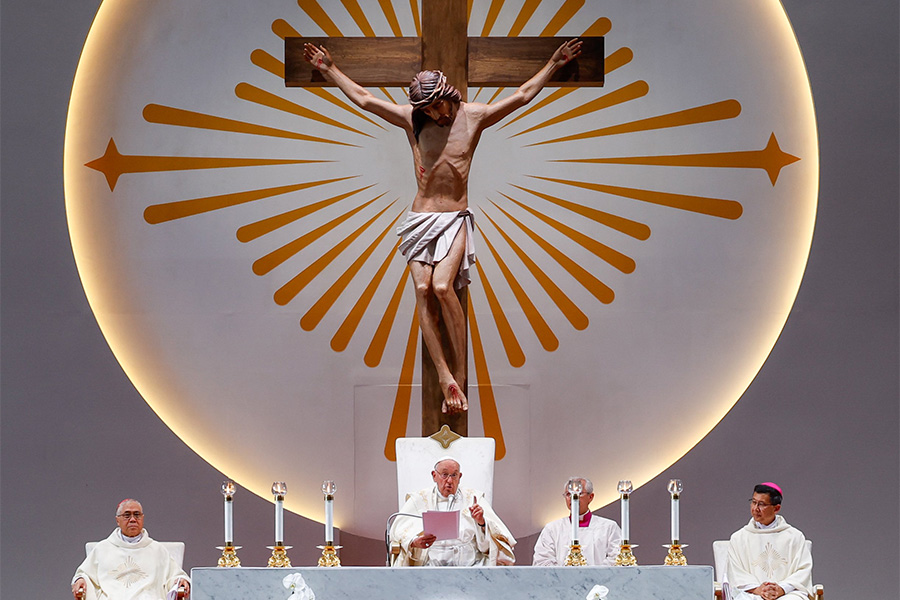
En la última jornada de su viaje por Asia, Papa Francisco dijo lo siguiente: «Una de las cosas que más me ha impresionado de ustedes, los jóvenes, que están aquí, es la capacidad de diálogo interreligioso. Y esto es muy importante, porque si empiezan a discutir —“mi religión es más importante que la tuya”, “La mía es la verdadera, en cambio la tuya no es verdadera”—. ¿Adónde lleva todo esto? ¿A dónde?, que alguien responda ¿a dónde? [alguien responde: “A la destrucción”]. Y así es. Todas las religiones son un camino para llegar a Dios. Y, hago una comparación, son como diferentes lenguas, como distintos idiomas, para llegar allí. Porque Dios es Dios para todos. Y por eso, porque es Dios para todos, todos somos hijos de Dios. “¡Pero mi Dios es más importante que el tuyo!” ¿Eso es cierto? Sólo hay un Dios, y nosotros, nuestras religiones son lenguas, caminos para llegar a Dios. Uno es sijs, otro, musulmán, hindú, cristiano; aunque son caminos diferentes. Understood? Sin embargo, para el diálogo interreligioso entre los jóvenes se requiere valentía. Porque la juventud es la edad de la valentía. Pero mientras podrías tener esa valentía para hacer cosas que no te ayudarían, sería mejor tener valentía para avanzar y para el diálogo». Aquella tarde el mundo ardió en llamas y el Santo Padre fue tachado de hereje y apóstata.

Pasados unos días es bueno recordar que la creatividad del espíritu humano creó y desarrolló a lo largo de la historia numerosas lenguas para enunciar la realidad y tratar con ella. No hay ninguna falsa. Todas son verdaderas, aunque “digan” la realidad de forma diferente y en desigual medida. No todas tienen la misma sintaxis ni amplitud de vocabulario. En algunas se han escrito textos de infinita hondura y significación. Otras no han traspasado el umbral de lo oral. Pero cualquier hablante encuentra en su lengua materna –sea cual sea– un camino acertado, digno y verdadero de llegar al misterio de lo real y, hasta cierto punto, de emboscarse con éxito en su espesura. No existe la gramática completa, el vocabulario absoluto, la lengua perfecta. El tesoro infinito de la realidad no cabe en ninguna de ellas, aunque en todas, desigualmente, se refleja con brillantez y verdad.

De lo anterior podríamos concluir que Dios no cabe en ninguna religión. A todas las supera. Pero las religiones, entre yerros y desviaciones, también alumbran destellos de verdad. Por eso acierta el Papa cuando –incluyendo al cristianismo– utiliza la comparación de la variedad de lenguas para instar al diálogo interreligioso. Quien aprende una lengua no aprende solo frases y palabras. Se introduce en una nueva forma de concebir el mundo. Quien aprende una religión no aprende únicamente ritos y textos. Se zambulle en una nueva forma de acercarse al infinito misterio de Dios. Es mejor estudiar y aprender religiones que perseguirlas. Acercarse a ellas que ignorarlas. Dialogar en paz ante Dios que matarse en su nombre.

El carácter infinito de lo real –parece decirnos el Santo Padre– nos puede ayudar a iluminar el carácter infinito de Dios. Y en ese balbucir de toda lengua comprendemos los balbuceos de nuestro culto, nuestros dogmas y nuestra oración. Los cristianos confesamos que en nadie como Jesucristo se transparenta el amor absoluto que Dios es. Pero no olvidamos que el misterio de ese amor absoluto, aun en su máxima revelación, permanece misterio. La realidad es a las lenguas lo que Dios a las religiones. Misterio esencial. Misterio inefable. El Santo Padre solo hizo una comparación, y lo hizo, dicho sea de paso, muy bien • AE


¿qUÉ pODríAmOS lEer?

Twenty-fifth Sunday in Ordinary Time (Cycle B)

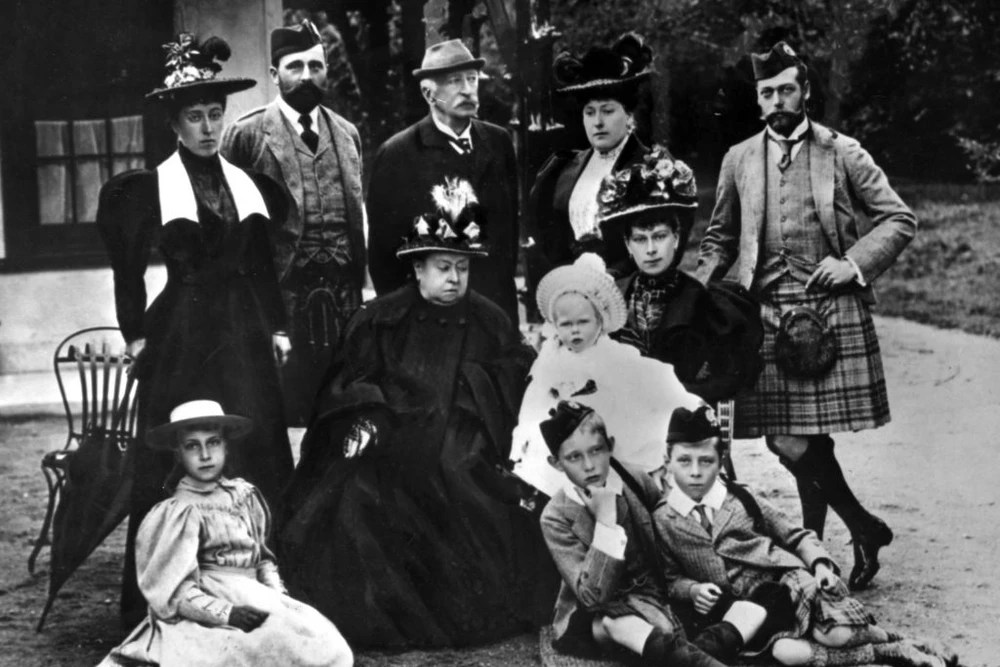
Although today´s reflection may become a little longer, let’s start with a small piece of history. Queen Victoria, the great queen of England who ruled from 1838 to 1901 had nine children. She never nursed any of them. She said she was a queen. Nursing a child, she said, would be beneath her dignity. When they were little, the children would be cared for by various nannies. Once a day, they would be presented to the Queen and their father, Prince Albert. They would be dressed properly and recite their lessons or, perhaps, even play games with their parents for about an hour. They would not eat with their parents until they were teenagers. Their parents did not tuck them in at night. That was beneath their parents’ dignity. There was nothing extraordinary about Victoria and Albert’s parenting. Care for a child was something that many people of Victoria’s time relegated to the poor. The poor cared for their own children, and they cared for the children of the rich. At the same time as the reign of Queen Victoria, the well off in America often had their slaves or a freed African lady care for their children. These parents also thought that they were too important to lower themselves to child care.

In today’s Gospel, Jesus hears the disciples arguing about which of them was the greatest. Jesus used a child to convey what the true work of a Christian is. What he was saying is that there is no room for arrogance in the Kingdom of God. But the disciples were not concerned with hearing him. They were too busy considering who was the greatest among them. Each was looking for respect from the others. Each was demanding a position of greater respect than the other disciples. Finally, Jesus had enough of this talk. He turned the tables on them. He called over a child, and he said, «You want to be great? Well, take care of a child.» Now, changing diapers and wiping running noses did not seem to them to be the work of a great person. But this is the work of the great in the Kingdom of God. For in the Kingdom of God anyone who wishes to be first, had to be last of all and a servant to all. «Where jealousy and self ambition exist there is disorder and every foul practice,» James warns in the second reading. He goes on to say that wars, conflicts, and every sort of evil flow from an attitude that makes continual demands on others. The apostle James had learned the lesson that he was taught in today’s Gospel when he was just a follower of the Lord. True wisdom is pure, peaceful, compliant, full of mercy and good fruit, and without inconsistency or insincerity. The fruit of this type of selfless wisdom is peace.

Perhaps there are times that we all are too concerned with getting the respect we think we are due in society, be that society in general, or the society of our home, workplace or school. Perhaps, there are times that we all are more concerned with what others are saying or even thinking about us then we are concerned with who we are. We are followers of Jesus Christ. His way is the way of service. Who are the best people at work? Who are the best students in a school? Who are the best people in our families? Who are the best people in our society? The best people are those who are kind, compassionate, just, full of mercy. Maybe we need to think about some of those grudges we still hold on to so tightly. So many of our grudges come from our conviction that we were not treated with the respect we felt we had a right to, be that from a boss, a neighbor, a distant relative or even a member of our immediate family. This is wrong, very wrong. The way of the Christian is not the way of being concerned with what others think. We are Christians. The basic attitude of our relationship with others must be that of Jesus Christ. His way was the way of service. Christianity is not a popularity contest. It is a contest of service. The Christian is not concerned with getting respect. He is concerned with giving respect. At the conclusion of the Eucharistic Prayer the priest and deacon hold up the Blessed Sacrament and proclaim: «Through Him and with Him and in Him, O God Almighty Father, in the unity of the Holy Spirit, all glory and honor is yours, forever and ever.» All answer, «Amen.» That is both an affirmation of the miracle of the Eucharist and a proclamation that the only glory and honor we need to be concerned with is that which we give to God. That is the way of Jesus Christ. That is the way of the Christian. St. Teresa of Calcutta addressed this problem head on. She wrote or at least edited a prayer for her sisters, and really for us, to help us understand what really we need to be concerned with in life: People are often unreasonable, irrational, and self-centered. Forgive them anyway. If you are kind, people may accuse you of selfish, ulterior motives. Be kind anyway. If you are successful, you will win some unfaithful friends and some genuine enemies. Succeed anyway. If you are honest and sincere people may deceive you. Be honest and sincere anyway. What you spend years creating, others could destroy overnight. Create anyway. If you find serenity and happiness, some may be jealous. Be happy anyway. The good you do today, will often be forgotten. Do good anyway. Give the best you have, and it will never be enough. Give your best anyway. In the final analysis, it is between you and God. It was never between you and them anyway. This is the way of wisdom. This is the way of the Christian • AE


St. Joseph Catholic Church (Dilley, TX) • Weekend Schedule

Fr. Agustin E. (Parish Administrator)

Saturday September 21, 2024.

5.00 p.m. Sacrament of Reconciliation

6.00 p.m. Santa Misa.

Sunday, September 22, 2024

8.00 a.m. Sacrament of Reconciliation

8.30 a.m. Holy Mass.

10.30 p.m. Sacrament of Reconciliation.

11.00 a.m. Holy Mass.


XXV Domingo del Tiempo Ordinario (Ciclo B)

G. Rouault, Cristo y los niños (1935), tinta sobre papel, Buffalo AKG Art Museum

Camino de Jerusalén, Jesús sigue instruyendo a sus discípulos sobre el final que le espera. Insiste una vez más en que será entregado en manos de los hombres y estos lo matarán, pero Dios lo resucitará. El evangelista dice que no entendían lo que les quería decir, pero les daba miedo preguntar. Aquí estamos perfectamente retratados los cristianos de todos los tiempos: no logramos entender a Jesús y además nos da miedo ahondar en su mensaje.

Al llegar a Cafarnaún, Jesús les pregunta de qué discutían por el camino, y los discípulos callan. Están avergonzados. Habían discutido sobre quién era el más importante. Ciertamente, es vergonzoso ver a Jesús, camino de la cruz, y acompañado por un grupo de discípulos llenos de estúpidas ambiciones. ¿Acaso no estamos hoy igual? ¿De qué discutimos hoy en la Iglesia mientras decimos seguir a Jesús?

Una vez en casa Jesus les dice algo importante: «Quien quiera ser el primero que sea el último de todos y el servidor de todos». En el grupo que sigue a Jesús, el que quiera sobresalir y ser más que los demás, ha de ponerse el último, detrás de todos; así podrá ver qué es lo que necesitan y podrá ser servidor de todos. La verdadera grandeza consiste en servir. El verdadero poder es el servicio. Para Jesús, el primero no es el que ocupa un cargo de importancia, sino quien vive sirviendo y ayudando a los demás. Los primeros en la Iglesia no son los jerarcas sino esas personas sencillas que viven ayudando a quienes encuentran en el camino. No podemos ni debemos olvidarlo. Para Jesús, su Iglesia debería ser un espacio donde todos piensan en los demás. Una comunidad donde estemos atentos a quien más nos pueda necesitar. No es sueño un de Jesús. Para él es tan importante, que pondrá un ejemplo tangible. Se sienta y llama a sus discípulos, acerca un niño y lo pone en medio de todos para que fijen su atención en él. En el centro de la Iglesia apostólica ha de estar siempre ese niño, símbolo de las personas débiles y desvalidas, personas que necesitan instrucción, amor, ternura; son los necesitados de acogida, apoyo y defensa. No han de estar fuera, lejos de la Iglesia de Jesús. Han de ocupar el centro de nuestra atención. Luego Jesús abraza al niño. Quiere que los discípulos lo recuerden siempre así: identificado con los débiles. Mientras tanto, les dice: «El que acoge a un niño como éste en mi nombre a mí me acoge, y el que me acoge a mí acoge al que me ha enviado».

La enseñanza de Jesús es clara: el camino para acoger a Dios es acoger a su Hijo Jesús presente en los pequeños, los indefensos, los pobres y desvalidos. ¿Por qué lo olvidamos tan fácilmente? ¿Qué es lo que hay en el centro de la Iglesia si no tenemos a Jesús identificado con los pequeños? ¡Hay tanto para pensar en este día! • AE


VIAJE APOSATOLICO DE SU SANTIDAD FRANCISCO A INDONESIA, PAPÚA NUEVA GUINEA, TIMOR-ORIENTAL Y SINGAPUR. SEPTIEMBRE 2024.

Puedes leer todos los documentos AQUI:


Twenty-fourth Sunday in Ordinary Time (Cycle B)

Domine, quo vadis? Stained glass window depicting Peter fleeing Rome to avoid crucifixion and having a vision of meeting Christ bearing his Cross. Peter asks Jesus «Quo vadis?» to which he replies, «Romam vado iterum crucifigi» («I am going to Rome to be crucified again»). Peter returns to Rome after this vision.

So why the secret? If Jesus was the Messiah, why be quiet about it? If Jesus healed people like He did throughout the Gospel of Mark, why keep it a secret? The reason is simple: you cannot understand Jesus’ Work or His Messianic mission, unless you understand and embrace the cross. That’s where Peter went so wrong. It might seem reasonable at first.

Jesus, Peter’s friend, said that he was going to Jerusalem where he would be killed. Peter, as a good friend had said, «Then don’t go. Don’t do this.» Peter did not yet understand the cross. He did not yet understand the depth of the sacrificial love of the Savior of the World. He was thinking in the way of the world. The way of the world would demand that Jesus limit his sacrifice. It would value present joy over eternal happiness. The way of the world would basically be concerned with number one. It is the way that we have to fight against throughout our lives. From the earliest days of our childhood, we have the attitude that our own needs are more important than anyone else’s needs. That is the way of the world, the way that Jesus rejected. Look around at society. Look at the people who only care for themselves, even leaving their children to shift for themselves while they pursue their own perceived happiness. The way of selfishness is the way of the world.

So, we have to take steps to deny ourselves for the sake of the Kingdom of God. That’s what Jesus is speaking of when he says, «Whoever wishes to come after me, must deny himself, take up his cross and follow me.» Like Jesus we are called to deny ourselves and take up the cross for the sake of others. To follow Him means that we are called to be like Him. Following Jesus is still a secret. People love calling themselves Christians, but refuse to adopt a Christian attitude of life. But following Jesus is not a secret from those who love like He loved, denying themselves for the sake of others, for the sake of the Kingdom of God. Today we pray for the courage to be Christian • AE


St. Joseph Catholic Church (Dilley, TX) • Weekend Schedule

Fr. Agustin E. (Parish Administrator)

Saturday September 14, 2024 • Catechetical Sunday 2024

5.00 p.m. Sacrament of Reconciliation

6.00 p.m. Santa Misa.

Sunday, September 15, 2024 • Catechetical Sunday 2024

8.00 a.m. Sacrament of Reconciliation

8.30 a.m. Holy Mass.

10.30 p.m. Sacrament of Reconciliation.

11.00 a.m. Holy Mass.


XXIV Domingo del Tiempo Ordinario (Ciclo B)

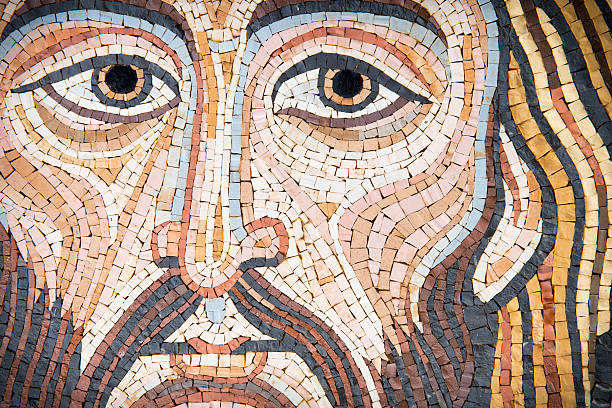
Mosaico de estilo bizantino representando el rostro de Cristo.

En pleno siglo XXI, sigue resonando la pregunta de Jesús: « Y, ustedes, ¿quién dicen que soy yo?» La pregunta no es para hacer sondeo de opinión. Es una pregunta que nos sitúa a cada uno a un nivel más profundo: ¿Quién es, hoy, Jesucristo para mí? ¿Qué sentido tiene realmente en mi vida? Las respuestas pueden ser muy diversas: «No me interesa». Así de sencillo. No me dice nada; no cuento con él; sé que hay algunos a los que sigue interesando; yo me intereso por cosas más prácticas e inmediatas. Aquí las cosas están claras: Cristo ha desaparecido del horizonte real de la persona. «No tengo tiempo para eso». Bastante hago con enfrentarme a los problemas de cada día: vivo ocupado, con poco tiempo y humor para pensar en mucho más. En estas personas no hay un hueco para Cristo. No llegan a sospechar siquiera el estímulo y la fuerza que podría aportar a sus vidas. «Me parece demasiado exigente». No traigo ganas o no ando en el mood de complicarme la vida. Se me hace incómodo pensar en Cristo. Y, además, luego viene todo eso de evitar el pecado, exigirme una vida virtuosa, las prácticas religiosas. Too much. Estas personas desconocen a Cristo. No saben que podría introducir una libertad nueva en su existencia. «Lo siento muy lejano». Todo lo que se refiere a Dios y a la religión me resulta teórico y lejano; son cosas de las que no se puede saber nada con seguridad; además, ¿qué puedo hacer para conocerlo mejor y entender mejor? Estas personas necesitan encontrar un camino que las lleve a una adhesión más viva con Cristo.

La pregunta de Jesús en el evangelio de hoy la hemos de responder también los que nos hemos habituado a sentirnos cristianos sin adoptar una actitud de adhesión personal a Él: «Quién es para mí Jesucristo? ¿Qué significa en mi vida? ¿Qué lugar ocupa realmente en mi existencia?» La respuesta cobra un peso especial cuando se pasa del «se dice» al «yo digo». Es importante saber qué dice la Iglesia acerca de Cristo, qué dice el Papa y el Magisterio. Pero, en mi fe, lo decisivo es qué digo yo. El día en que uno puede decirle a Cristo: «Tú eres la Verdad, el Camino y la Vida. Tú eres mi Salvador Tú eres el Hijo de Dios encarnado por mi salvación», la vida del creyente comienza a reavivarse con una fuerza y una verdad nuevas. Casi me atrevería a decir que esta respuesta personal a Jesucristo es el paso más importante y decisivo en la historia de cada creyente. Lo demás es lo de menos, como decia mi mama • AE


pArA lEer en el oToÑO


Twenty-third Sunday of Ordinary Time (Cycle B)

The Aramaic word that we just heard in today´s gospel, Ephphatha, became part of the Rite of Baptism from the days of the primitive Church to our own times. When you brought your babies to be baptized, one of the rites after the baptism is the priest touching the baby’s ears and mouth and saying, “The Lord Jesus made the deaf hear and the dumb speak. May he soon touch your ears to receive his word, and your mouth to proclaim his faith to the praise and glory of God the Father.” May we allow our ears to be open! But to do this we have to move away from the crowd. We have to have quiet time. We need to find some way to build quiet time into our lives, even if it is only for fifteen minutes or so. We need to move away from the distractions of life and focus on what the Lord is saying to us. We need to make time to listen. Now I know that parents with little children have little to no time for themselves to do anything. Or do they? All of us claim that we have no time. Or do we? We have time to watch all sorts of meaningless stuff on TV. We have time for that which we want to make time for. We need to make quiet time with the Lord a priority. We need to be humble enough to listen. If we are convinced that we have all the answers to life, then we won’t have the humility to allow God to lead us. We need to do our best, true, but we need to trust God to do what needs to be done.

Jesus healed the deaf man not just as a sign of the coming of the Messiah, as it certainly is, but as a sign of the love that God has for each of us. He heals us. Healing is sometimes physical, sometimes psychological, but always spiritual. There are times that we are down on ourselves. We are not happy with ourselves. Do we really have a right to be negative about someone whom the Lord loves? Yes, there are times that we cannot understand why God loves us, but He does. He is God. His love, His mercy, His compassion are beyond our understanding. He knows each of us better than we know ourselves. He sees how we are trying and how we are disappointed in ourselves when we fail. He sees each of us for whom we are beneath the illusions we create for others and for ourselves. He sees whom we are beneath the material trappings of our lives. He sees beneath what the world has proclaimed as success, as prosperity. For true prosperity is found in the account of the soul, not in a bank account. Jesus came and said, «Ephphatha, be opened!». So, He heals because He loves. He heals because He wants us to be the vehicles of His healing for others. Today we are called to hear the Word of God and proclaim his faith • AE


St. Joseph Catholic Church (Dilley, TX) • Weekend Schedule

Fr. Agustin E. (Parish Administrator)

Saturday August 7, 2024.

5.00 p.m. Sacrament of Reconciliation

6.00 p.m. Santa Misa.

Sunday, September 8, 2024

8.00 a.m. Sacrament of Reconciliation

8.30 a.m. Holy Mass.

10.30 p.m. Sacrament of Reconciliation.

11.00 a.m. Holy Mass.

This Sunday we begin our academic year of Religious Education; together we will invoke the Holy Spirit of God to accompany us in our effort to know and love our Catholic faith; Join us!


XXIII Domingo del Tiempo Ordinario (Ciclo B)

Camus, el gran escritor francés describió como pocos el vacío de una vida monótona. Escribe así en El mito de Sísifo: «Resulta que todos los decorados se vienen abajo. Levantarse, tranvía, cuatro horas de oficina o de taller, comida, tranvía, cuatro horas de trabajo, descanso, dormir y el lunes-martes-miércoles- jueves-viernes-sábado, siempre el mismo ritmo, siguiendo el mismo camino de siempre. Un día surge el “porqué” y todo vuelve a comenzar en medio de ese cansancio teñido de admiración».

Termina el verano, y con él las vacaciones, y viene la vida normal, la de diario, la que puede pintarse de monotonía; la que un lunes en la noche nos plantea preguntas crudas: «Todo esto, ¿para qué? ¿Por qué vivo? ¿Vale la pena vivir así? ¿Tiene sentido esta vida?». El riesgo es siempre la huida. El salir disparado en una motocicleta a recorrer miles de kilómetros pero sin saber muy bien para qué, o por qué. Encerrarse en la ocupación de cada día sin más. Vivir sin interioridad. Caminar sin brújula. No reflexionar. Arrastrarse sin esperanza. Perder incluso la sed, el deseo de vivir con más hondura. No es tan difícil vivir así. Basta hacer lo que hacen casi todos. Seguir la corriente. Vivir de manera mecánica. Sustituir las exigencias más radicales del corazón por toda clase de «necesidades» superfluas. No escuchar ninguna otra voz. Permanecer sordos a cualquier llamada profunda.

El relato de la curación del sordomudo que nos regala la liturgia de este domingo es una preciosa llamada a la apertura y la comunicación. Aquel hombre sordo y mudo, encerrado en sí mismo, incapaz de salir de su aislamiento, sin embargo deja que Jesús toque sus oídos y su lengua. La palabra del Señor resuena maravillosamente: ¡Effetá; abrete! Cuando no escuchamos los anhelos de nuestro corazón y no nos abrimos al amor y preferimos vivir en egoísmo, ese egoísmo sutil que disimulamos bien, es ahí cuando nos cerramos a Dios. Y si Dios no está, la esperanza de vivir poco a poco desaparece, hasta dejarnos sordos mudos, ¡Necesitamos tanto al Señor! • AE


¿Qué vamos a leer?