
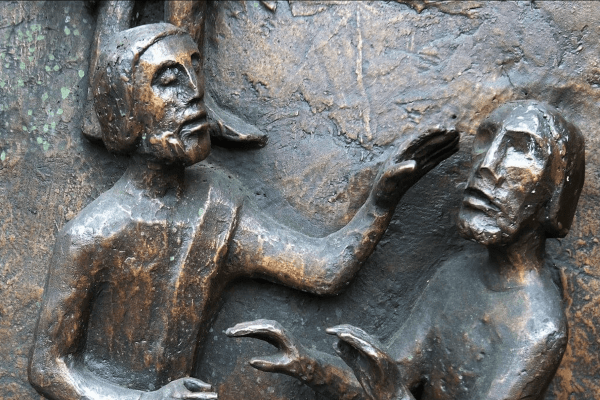
The Aramaic word that we just heard in today´s gospel, Ephphatha, became part of the Rite of Baptism from the days of the primitive Church to our own times. When you brought your babies to be baptized, one of the rites after the baptism is the priest touching the baby’s ears and mouth and saying, “The Lord Jesus made the deaf hear and the dumb speak. May he soon touch your ears to receive his word, and your mouth to proclaim his faith to the praise and glory of God the Father.” May we allow our ears to be open! But to do this we have to move away from the crowd. We have to have quiet time. We need to find some way to build quiet time into our lives, even if it is only for fifteen minutes or so. We need to move away from the distractions of life and focus on what the Lord is saying to us. We need to make time to listen. Now I know that parents with little children have little to no time for themselves to do anything. Or do they? All of us claim that we have no time. Or do we? We have time to watch all sorts of meaningless stuff on TV. We have time for that which we want to make time for. We need to make quiet time with the Lord a priority. We need to be humble enough to listen. If we are convinced that we have all the answers to life, then we won’t have the humility to allow God to lead us. We need to do our best, true, but we need to trust God to do what needs to be done.
Jesus healed the deaf man not just as a sign of the coming of the Messiah, as it certainly is, but as a sign of the love that God has for each of us. He heals us. Healing is sometimes physical, sometimes psychological, but always spiritual. There are times that we are down on ourselves. We are not happy with ourselves. Do we really have a right to be negative about someone whom the Lord loves? Yes, there are times that we cannot understand why God loves us, but He does. He is God. His love, His mercy, His compassion are beyond our understanding. He knows each of us better than we know ourselves. He sees how we are trying and how we are disappointed in ourselves when we fail. He sees each of us for whom we are beneath the illusions we create for others and for ourselves. He sees whom we are beneath the material trappings of our lives. He sees beneath what the world has proclaimed as success, as prosperity. For true prosperity is found in the account of the soul, not in a bank account. Jesus came and said, «Ephphatha, be opened!». So, He heals because He loves. He heals because He wants us to be the vehicles of His healing for others. Today we are called to hear the Word of God and proclaim his faith • AE

St. Joseph Catholic Church (Dilley, TX) • Weekend Schedule

Fr. Agustin E. (Parish Administrator)
Saturday August 7, 2024.
5.00 p.m. Sacrament of Reconciliation
6.00 p.m. Santa Misa.
Sunday, September 8, 2024
8.00 a.m. Sacrament of Reconciliation
8.30 a.m. Holy Mass.
10.30 p.m. Sacrament of Reconciliation.
11.00 a.m. Holy Mass.
…
This Sunday we begin our academic year of Religious Education; together we will invoke the Holy Spirit of God to accompany us in our effort to know and love our Catholic faith; Join us!

XXIII Domingo del Tiempo Ordinario (Ciclo B)

Camus, el gran escritor francés describió como pocos el vacío de una vida monótona. Escribe así en El mito de Sísifo: «Resulta que todos los decorados se vienen abajo. Levantarse, tranvía, cuatro horas de oficina o de taller, comida, tranvía, cuatro horas de trabajo, descanso, dormir y el lunes-martes-miércoles- jueves-viernes-sábado, siempre el mismo ritmo, siguiendo el mismo camino de siempre. Un día surge el “porqué” y todo vuelve a comenzar en medio de ese cansancio teñido de admiración».
Termina el verano, y con él las vacaciones, y viene la vida normal, la de diario, la que puede pintarse de monotonía; la que un lunes en la noche nos plantea preguntas crudas: «Todo esto, ¿para qué? ¿Por qué vivo? ¿Vale la pena vivir así? ¿Tiene sentido esta vida?». El riesgo es siempre la huida. El salir disparado en una motocicleta a recorrer miles de kilómetros pero sin saber muy bien para qué, o por qué. Encerrarse en la ocupación de cada día sin más. Vivir sin interioridad. Caminar sin brújula. No reflexionar. Arrastrarse sin esperanza. Perder incluso la sed, el deseo de vivir con más hondura. No es tan difícil vivir así. Basta hacer lo que hacen casi todos. Seguir la corriente. Vivir de manera mecánica. Sustituir las exigencias más radicales del corazón por toda clase de «necesidades» superfluas. No escuchar ninguna otra voz. Permanecer sordos a cualquier llamada profunda.
El relato de la curación del sordomudo que nos regala la liturgia de este domingo es una preciosa llamada a la apertura y la comunicación. Aquel hombre sordo y mudo, encerrado en sí mismo, incapaz de salir de su aislamiento, sin embargo deja que Jesús toque sus oídos y su lengua. La palabra del Señor resuena maravillosamente: ¡Effetá; abrete! Cuando no escuchamos los anhelos de nuestro corazón y no nos abrimos al amor y preferimos vivir en egoísmo, ese egoísmo sutil que disimulamos bien, es ahí cuando nos cerramos a Dios. Y si Dios no está, la esperanza de vivir poco a poco desaparece, hasta dejarnos sordos mudos, ¡Necesitamos tanto al Señor! • AE
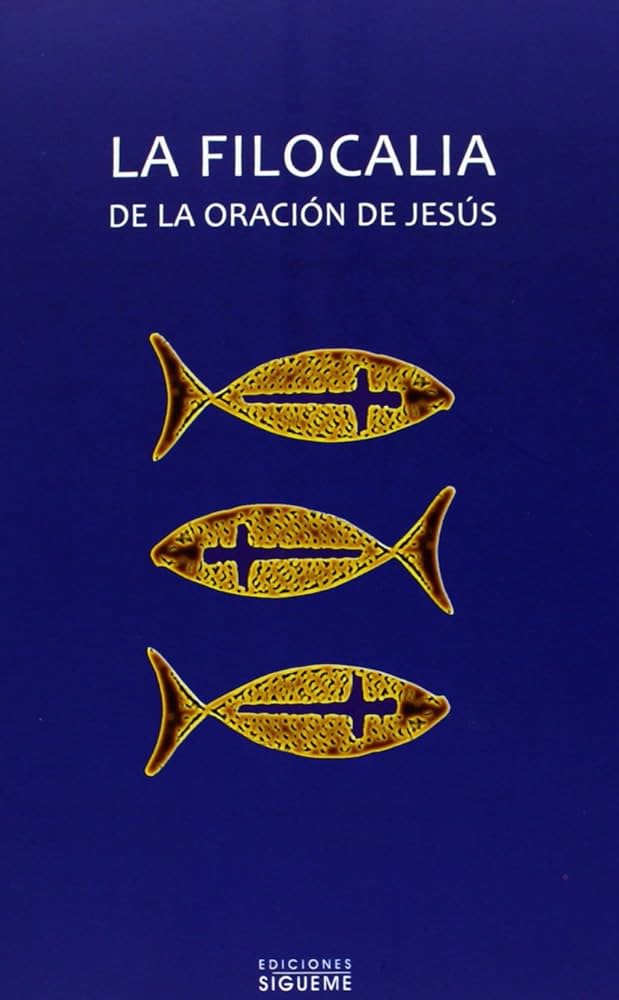
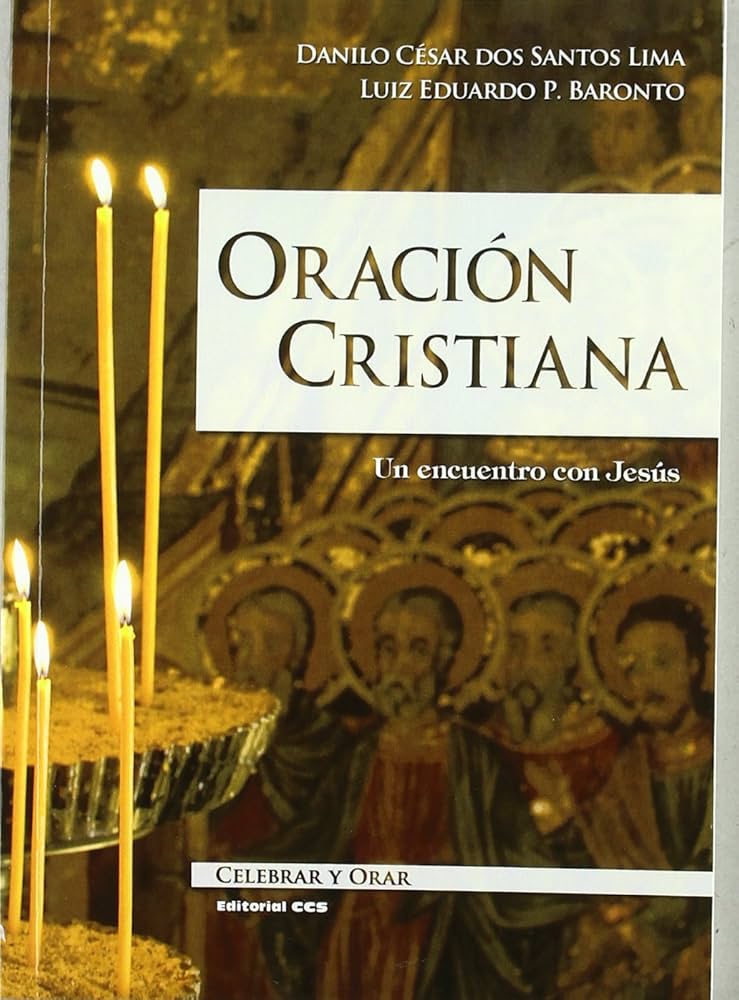
¿Qué vamos a leer?
 LA MEDITACION DE LA ESPOSA