

Domine, quo vadis? Stained glass window depicting Peter fleeing Rome to avoid crucifixion and having a vision of meeting Christ bearing his Cross. Peter asks Jesus «Quo vadis?» to which he replies, «Romam vado iterum crucifigi» («I am going to Rome to be crucified again»). Peter returns to Rome after this vision.
So why the secret? If Jesus was the Messiah, why be quiet about it? If Jesus healed people like He did throughout the Gospel of Mark, why keep it a secret? The reason is simple: you cannot understand Jesus’ Work or His Messianic mission, unless you understand and embrace the cross. That’s where Peter went so wrong. It might seem reasonable at first.
Jesus, Peter’s friend, said that he was going to Jerusalem where he would be killed. Peter, as a good friend had said, «Then don’t go. Don’t do this.» Peter did not yet understand the cross. He did not yet understand the depth of the sacrificial love of the Savior of the World. He was thinking in the way of the world. The way of the world would demand that Jesus limit his sacrifice. It would value present joy over eternal happiness. The way of the world would basically be concerned with number one. It is the way that we have to fight against throughout our lives. From the earliest days of our childhood, we have the attitude that our own needs are more important than anyone else’s needs. That is the way of the world, the way that Jesus rejected. Look around at society. Look at the people who only care for themselves, even leaving their children to shift for themselves while they pursue their own perceived happiness. The way of selfishness is the way of the world.
So, we have to take steps to deny ourselves for the sake of the Kingdom of God. That’s what Jesus is speaking of when he says, «Whoever wishes to come after me, must deny himself, take up his cross and follow me.» Like Jesus we are called to deny ourselves and take up the cross for the sake of others. To follow Him means that we are called to be like Him. Following Jesus is still a secret. People love calling themselves Christians, but refuse to adopt a Christian attitude of life. But following Jesus is not a secret from those who love like He loved, denying themselves for the sake of others, for the sake of the Kingdom of God. Today we pray for the courage to be Christian • AE

St. Joseph Catholic Church (Dilley, TX) • Weekend Schedule

Fr. Agustin E. (Parish Administrator)
Saturday September 14, 2024 • Catechetical Sunday 2024
5.00 p.m. Sacrament of Reconciliation
6.00 p.m. Santa Misa.
Sunday, September 15, 2024 • Catechetical Sunday 2024
8.00 a.m. Sacrament of Reconciliation
8.30 a.m. Holy Mass.
10.30 p.m. Sacrament of Reconciliation.
11.00 a.m. Holy Mass.
XXIV Domingo del Tiempo Ordinario (Ciclo B)
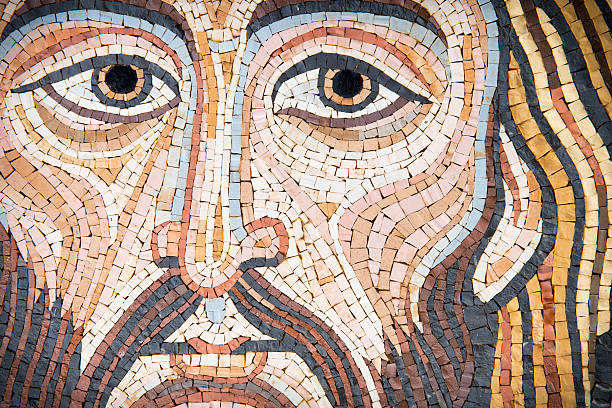
Mosaico de estilo bizantino representando el rostro de Cristo.
En pleno siglo XXI, sigue resonando la pregunta de Jesús: « Y, ustedes, ¿quién dicen que soy yo?» La pregunta no es para hacer sondeo de opinión. Es una pregunta que nos sitúa a cada uno a un nivel más profundo: ¿Quién es, hoy, Jesucristo para mí? ¿Qué sentido tiene realmente en mi vida? Las respuestas pueden ser muy diversas: «No me interesa». Así de sencillo. No me dice nada; no cuento con él; sé que hay algunos a los que sigue interesando; yo me intereso por cosas más prácticas e inmediatas. Aquí las cosas están claras: Cristo ha desaparecido del horizonte real de la persona. «No tengo tiempo para eso». Bastante hago con enfrentarme a los problemas de cada día: vivo ocupado, con poco tiempo y humor para pensar en mucho más. En estas personas no hay un hueco para Cristo. No llegan a sospechar siquiera el estímulo y la fuerza que podría aportar a sus vidas. «Me parece demasiado exigente». No traigo ganas o no ando en el mood de complicarme la vida. Se me hace incómodo pensar en Cristo. Y, además, luego viene todo eso de evitar el pecado, exigirme una vida virtuosa, las prácticas religiosas. Too much. Estas personas desconocen a Cristo. No saben que podría introducir una libertad nueva en su existencia. «Lo siento muy lejano». Todo lo que se refiere a Dios y a la religión me resulta teórico y lejano; son cosas de las que no se puede saber nada con seguridad; además, ¿qué puedo hacer para conocerlo mejor y entender mejor? Estas personas necesitan encontrar un camino que las lleve a una adhesión más viva con Cristo.
La pregunta de Jesús en el evangelio de hoy la hemos de responder también los que nos hemos habituado a sentirnos cristianos sin adoptar una actitud de adhesión personal a Él: «Quién es para mí Jesucristo? ¿Qué significa en mi vida? ¿Qué lugar ocupa realmente en mi existencia?» La respuesta cobra un peso especial cuando se pasa del «se dice» al «yo digo». Es importante saber qué dice la Iglesia acerca de Cristo, qué dice el Papa y el Magisterio. Pero, en mi fe, lo decisivo es qué digo yo. El día en que uno puede decirle a Cristo: «Tú eres la Verdad, el Camino y la Vida. Tú eres mi Salvador Tú eres el Hijo de Dios encarnado por mi salvación», la vida del creyente comienza a reavivarse con una fuerza y una verdad nuevas. Casi me atrevería a decir que esta respuesta personal a Jesucristo es el paso más importante y decisivo en la historia de cada creyente. Lo demás es lo de menos, como decia mi mama • AE

pArA lEer en el oToÑO

 LA MEDITACION DE LA ESPOSA