First Sunday of Advent (2024)

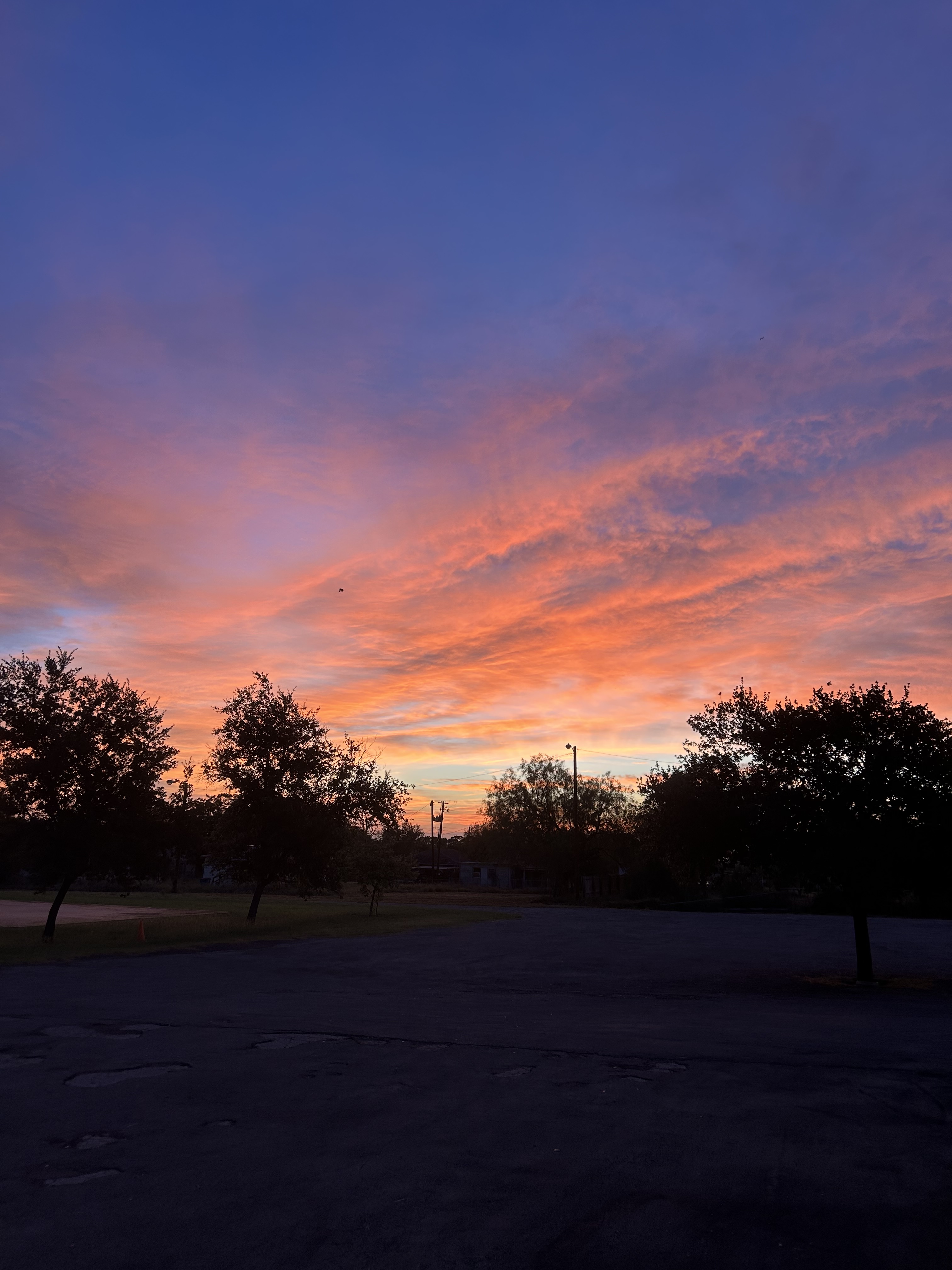
Sunrise at St. Joseph Catholic Church, in Dilley, South Texas.

Advent begins not with cribs and shepherds and Silent Night, but with the prophecy that God will make a powerful intervention in human history. Look at today’s Gospel. It is one of the scariest passages in Scripture: «People will die of fright in anticipation of what is coming. The Son of Man will come on a cloud with power and great glory.» God will step in and re-create His world. He will put an end to the exploitation of the poor and powerless. He will punish those who have turned the things of the world into their gods. He will make His presence known to those who think they have hidden themselves from His wrath. His people are to stand straight, raise their heads, for their redemption is at hand. They, we, are to pray for the strength to stand before the Son of Man. Tough stuff. Not the stuff of Christmas Carols. But, again, this is the beginning of the Advent season, not Christmastime.

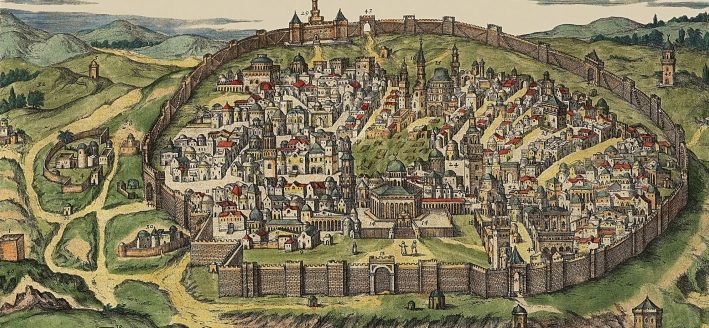
Advent speaks about preparation and transformation. Preparation for the two comings of Christ. The first coming of the Lord began with the journey to Bethlehem two thousand years ago. The Lord’s journey continued onto Jerusalem and to Golgotha. His journey continues through us, the Lord’s disciples empowered by the Spirit, to lead the world to Christ. The second coming of the Lord is at the end of time, when Christ will judge those who have lived in love and light and those who have lived in darkness and hatred.

Advent is the season of hope because it reminds us that the dark time will come to an end, and that the light of Christ will triumph. Hatred, racism, abuse of all forms, broken relationships, indifference to human suffering, these are part of the dark times of the world. These abominations to God’s love will end. We as Church and as individuals are called to work towards their downfall. The transformation of the world from hatred to love is the work of the Christian. The season of Advent reminds us of the work we must do all year. Advent assures us that the work of God will be done as long as we live with God in our lives. We must fight against the darkness. Advent demands that we ask ourselves where darkness has a hold in our lives. What must be changed for me, for you, to be people of light, not darkness. Maybe we need to give ourselves a Christmas gift by destroying anything in our lives that does not radiate Christianity. Certainly, we have to ask ourselves how we can bring light to those who are in darkness. Is there a gesture we can make to help someone feel better? Perhaps it might only be a smile, but that would be enough. Perhaps a courteous note in a Christmas card to someone who probably won’t receive many cards this year. Maybe we need to say, «I’m sorry.» It won’t kill us, and there are few times we are totally innocent in an argument. Sometimes the simplest gesture on our parts can heal the soul of someone whose world is in darkness. We need to do this for others as well as ourselves. We cannot allow past hurts and present prejudices to destroy our opportunity to bring light to those in darkness. We must allow God’s love to flow through us. This is the work of the Christian. This is the work of Advent. This is how we prepare the way for the Lord • AE


St. Joseph Catholic Church (Dilley, TX) • Weekend Schedule

Fr. Agustin E. (Parish Administrator)

Saturday, November 30, 2024.

5.00 p.m. Sacramento de la Confesión

6.00 p.m. Santa Misa.

Sunday, December 1, 2024

8.00 a.m. Sacrament of Reconciliation

8.30 a.m. Holy Mass.

10.30 p.m. Sacrament of Reconciliation.

11.00 a.m. Holy Mass.


Primer Domingo de Adviento (2024)

Esperanza II (en alemán, Die Hoffnung II) es una pintura de Gustav Klimt, realizada en 1907. Fue el segundo trabajo de Klimt centrado en una mujer embarazada, ambos describiendo a Herma, una de sus modelos favoritas. Esperanza II fue adquirido por el Museo de Arte Moderno de Nueva York en 1978.

Todos vivimos con la mirada puesta en el futuro. Siempre pensando en lo que nos espera. No sólo eso. En el fondo, casi todos andamos buscando…algo mejor: una seguridad, un bienestar mayor. Queremos que todo nos vaya bien y, si es posible, que nos vaya mejor. Es esa confianza básica la que nos sostiene en el trabajo y los esfuerzos de cada día. Por eso, cuando la esperanza se apaga, se apaga también la vida. La persona ya no crece, no busca, no lucha. Al contrario, se empequeñece, se hunde, se deja llevar por los acontecimientos. Si se pierde la esperanza, se pierde todo. Por eso, lo primero que hay que cuidar siempre en el corazón de la persona, en el seno de la sociedad o en la relación con Dios es la esperanza.

La esperanza no consiste en la reacción eufórica y optimista de un momento. Es más bien un estilo de vida, una manera de afrontar el futuro de forma positiva y confiada, sin dejarnos atrapar por esa sensación de derrota. El futuro puede ser más o menos favorable, pero lo propio del hombre de esperanza es su actitud positiva, su deseo de vivir y de luchar, su postura decidida y confiada. No siempre es fácil. La esperanza hay que trabajarla.

Lo primero es mirar hacia adelante. No quedarse en lo que ya pasó. No vivir sólo de recuerdos y nostalgias. No quedarse añorando un pasado tal vez más dichoso, más seguro o menos problemático. Es ahora cuando hemos de vivir afrontando el futuro de manera positiva y esperanzada.

La esperanza no es una actitud pasiva, es un estímulo que impulsa a la acción. Quien vive animado por la esperanza no cae en la pasividad. Al contrario, se esfuerza por transformar la realidad y hacerla mejor. Quien vive con esperanza es realista, asume los problemas y las dificultades, pero lo hace de manera creativa dando pasos, buscando soluciones y contagiando confianza. La esperanza no se sostiene en el aire. Tiene sus raíces en la vida. Por lo general, las personas vivimos de pequeñas esperanzas que se van cumpliendo… o se van frustrando. Hemos de valorar y cuidar esas pequeñas esperanzas, pero el ser humano necesita una esperanza más radical e indestructible, que se pueda sostener cuando toda otra esperanza se hunde. Así es la esperanza en Dios, último salvador del hombre. Cuando caminamos cabizbajos y con el corazón desalentado, hemos de escuchar esas conmovedoras palabras del Señor en evangelio de este domingo, el primero del Adviento: «Alzad la cabeza, pues se acerca vuestra liberación» • AE  


Música para el Tiempo de Adviento


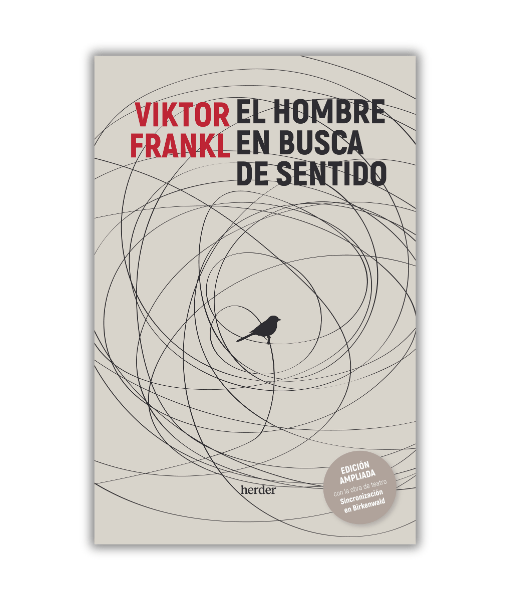
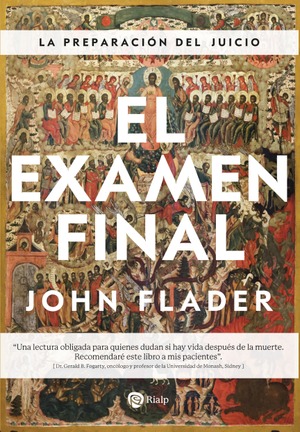
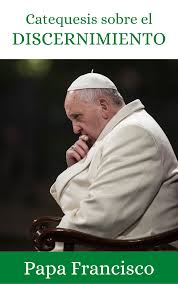
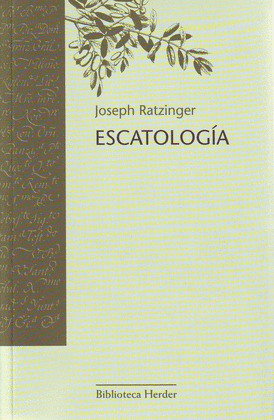
¿Qué leer en Adviento?

The Solemnity of Our Lord Jesus Christ, King of the Universe (2024)  

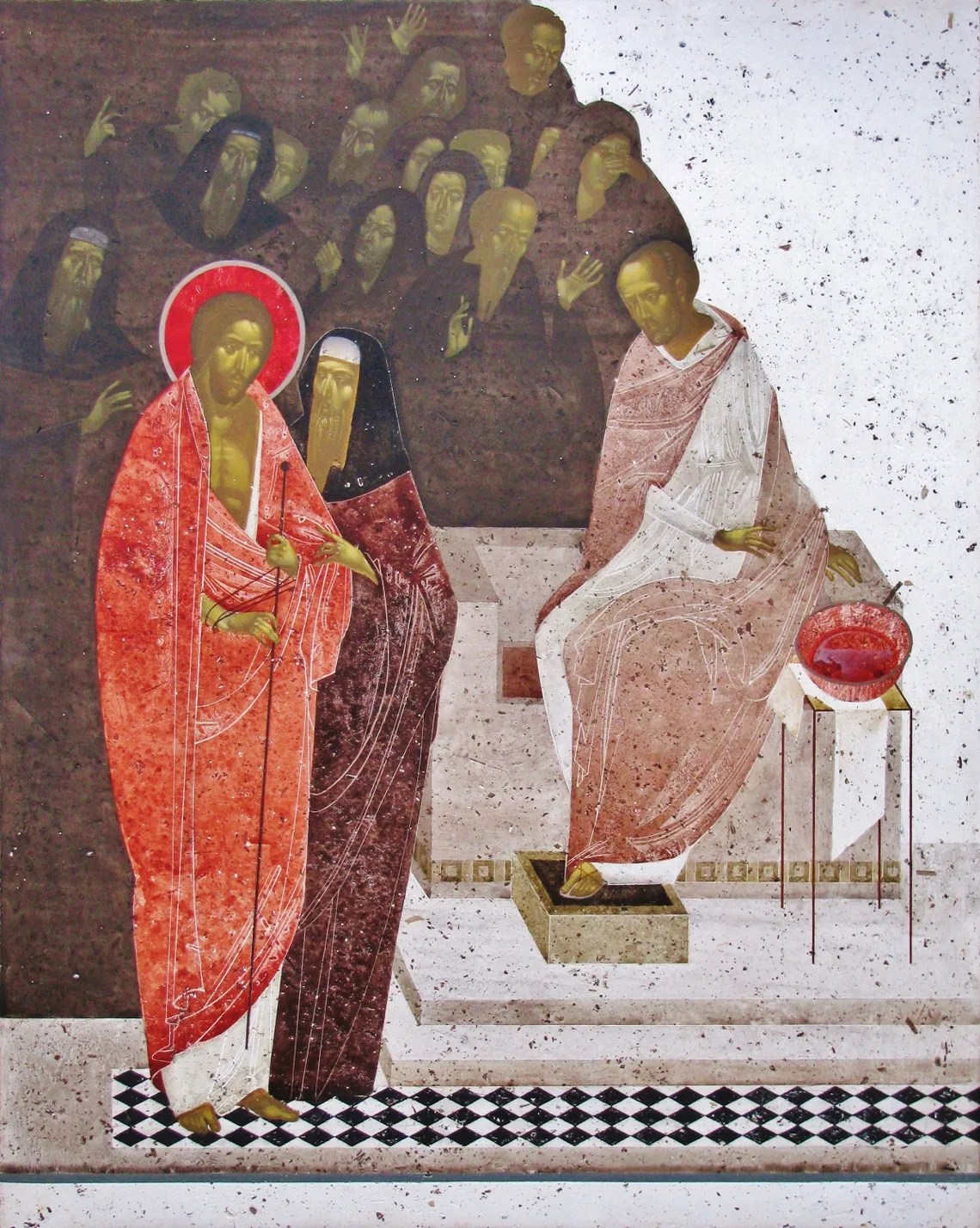
I. Demchuk, Pilate condemns Jesus (2023), print on natural canvas, Ukraine.

The highest point of today’s Gospel is the conversation between our Lord and Pilate. Pilate was the ambassador of Rome. His palace, his garb, his behavior radiated the power of the Roman Empire. Jesus was…let us say an itinerant preacher, a carpenter a quite simple person at the sight of the world. There was nothing about him that would throw a powerful man in fear. Jesus held no titles; an army did not support him. He didn’t even wear shield or carry a sword. So here was this weak and poor Jesus, standing before the powerful Pilate. Was Pilate mocking Jesus or intrigued when he asked him, Are you a king? We do not really know. But we do know Jesus’ answer: You say I am a king. For this I was born and for this I came into the world, to testify to the truth.

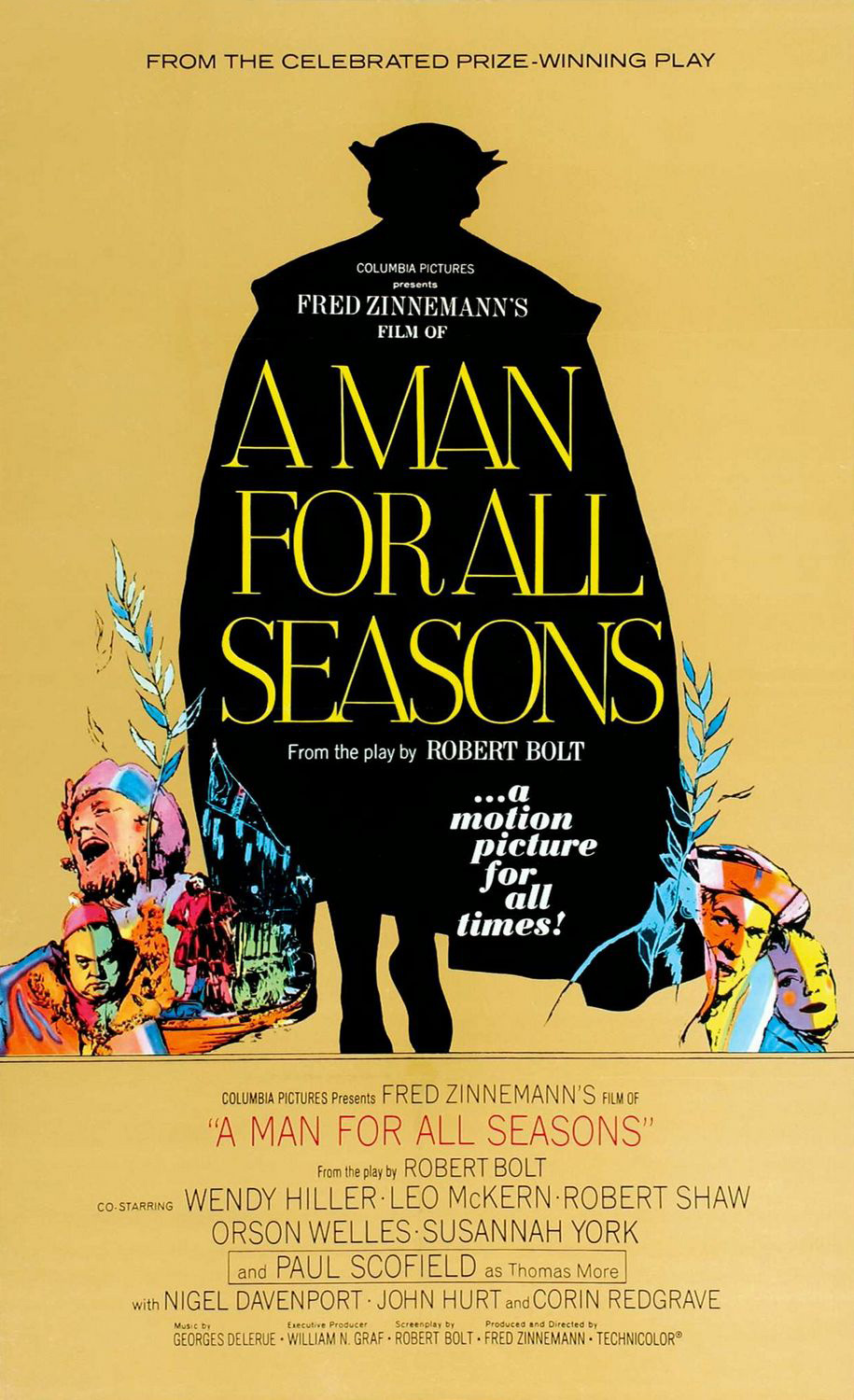
To testify to the truth. That is what true royalty is about, so this solemnity of Christ the King is a good moment to reflect about testifying to the truth, about integrity. There is a great scene in the great movie A Man for All Seasons that fits so well here. You might remember the movie; it was about the determination of St. Thomas More to stand for the faith against the persecution of King Henry VIII. Well, in the scene I am referring to, after the King made all his arguments, Thomas More said that he himself was unfit to intervene in this argument and the King should take it to Rome. Henry VIII retorted that he did not need a pope to tell him what he could or could not do. Then we come to the center point. Thomas More asks the King, “Why do you need my support?” Henry VIII replies with words we would all love to hear said about each of us, “Because, Thomas, you are honest. And what is more to the point, you are known to be honest. There are plenty in the Kingdom who support me, but some do so only out of fear and others only out of what they can get for their support. But you are different. And people know it. That is why I need your support.”  In the presence of integrity, Henry VIII knew who King was and who was subject.

Thomas More, John Fisher, Maximilian Kolbe and so many others followed Jesus Christ in being people of integrity. The powerful Pilate could have Jesus tortured and killed, and he did in fact, but Pilate himself remained a prisoner because he lived a lie. And Jesus remained a King because he testified to the truth to his last breath.

Then you are a King? Pilate asked, and Jesus answered, you say that I am a king. For this was I born…to testify to the truth. This gospel, this solemnity of Christ the King reminds us that each of us was born for this same reason, to testify to the truth. And what is the truth? Jesus Christ is the truth, and the way, and the life, as we know very well…So as we leave this liturgical year, we might leave wondering, how can I enter into the kingship Christ gives me? And the Gospel gives the answer. On this last day of the church year then, let us take the time to think about our own life. How disordered has our life has been? Have we been putting too much effort in the wrong places? And let us not get discouraged, or disappointed, because we have the Shepherd watching over us, helping us on to be on the right path, caring for us and providing for us. His message is quite simple: “Put your hope on me and think about others”, that is how we will reach the kingdom of heaven at the end of our time on earth. These are the good news today • AE


St. Joseph Catholic Church (Dilley, TX) • Weekend Schedule

Fr. Agustin E. (Parish Administrator)

Saturday, November 23, 2024.

5.00 p.m. Sacramento de la Confesión

6.00 p.m. Santa Misa.

Sunday, November 24, 2024

8.00 a.m. Sacrament of Reconciliation

8.30 a.m. Holy Mass.

10.30 p.m. Sacrament of Reconciliation.

11.00 a.m. Holy Mass.


Solemnidad de Jesucristo, Rey del universo (2012)

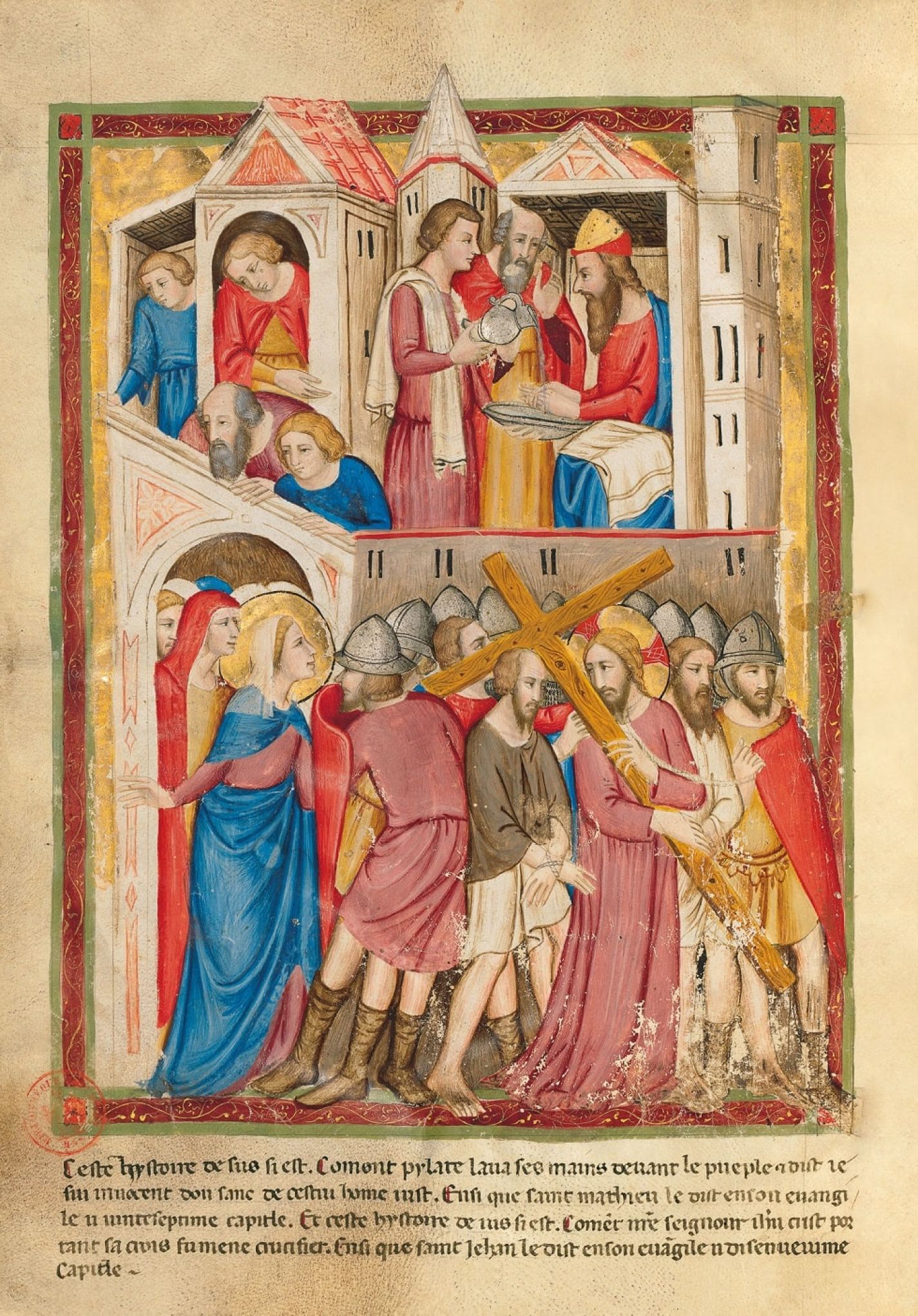
Autor anónimo, Pilatos se lava las manos; Jesús con la cruz a cuestas, Biblia moralizada de Nápoles, Biblioteca Nacional de Francia (Paris)

Y qué es la verdad? Es la gran pregunta que formula Pilatos, pero sin esperar apenas la respuesta, condena a muerte al que podía responderle. Y es que no siempre preguntamos porque no sabemos; a veces preguntamos porque no queremos saber, para despistar, pues sospechamos que hay preguntas que no tienen respuesta. A muchos interesa hoy la verdad objetiva, de ahí que otros piensen que no hay más verdad que la subjetiva, entendiendo subjetiva como individual: cada uno la suya. A esos les contestó [hermosamente] el poeta:

¿Tu verdad? No, la Verdad / y ven conmigo a buscarla / La tuya, guárdatela

De manera que la pregunta sigue en pie. Y seguirá posiblemente, mientras tengamos la firme decisión de buscarla. Esa decisión de buscar, más allá de la razón y de la ciencia: en la fe. No se trata de creer cada uno lo que le da la gana. El que cree no las tiene todas consigo, pero cree, intuye, y por eso sigue buscando con ilusión. ¿Qué significa celebrar a un Cristo Rey, vivo, interpelante, que dirige, gobierna y potencia todos los momentos de la vida? ¿Cómo se puede entender en lenguaje actual el Reino de Dios? ¡Grandes preguntas! Para muchos hablar de Cristo Rey es casi hablar de algo superado desde el compromiso de la fe. Desde el mundo actual Cristo Rey es algo, dirán, intrascendente, pues no se admite ni se da valor a un reino que no es político, ni entra en conflicto con los valores y exigencias de los reinos mundanos.

Por otra parte qué fácil es aclamar a Cristo Rey en un domingo de Ramos, en una procesión, en un momento de euforia espiritual. Lo difícil –y por ende valioso- es creer en un Cristo presente e influyente en la vida de todos los días, en un Cristo que compromete y cambia la existencia del hombre, en un Cristo exigente que pide fidelidad a los valores permanentes del evangelio. Existe también una gran contradicción: hacer mundano el reino de Cristo, que no es de este mundo. Y salta la enorme tentación de confundir el poder económico, político y social con el poder de Dios. Y pueden gastarse demasiadas fuerzas y empeños en influir en las situaciones de este mundo para hacer presente el reino de Dios.

El Señor no reinó desde los sitios privilegiados ni desde los puestos de influencia, lo hizo desde el servicio, la entrega y la humildad; lo hizo en el compromiso con los necesitados y con los desgraciados, con los pecadores y las mujeres de la vida, con los que estaban marginados en la sociedad de entonces: ciegos, leprosos, viudas. Con mucha frecuencia los cristianos pretendemos hacer un reino de Dios a nuestro gusto y medida; y de hecho construimos nuestros pequeños reinos de incienso y adoración, de admiración y marquesados. Es un engaño terrible, fruto del egoísmo humano. Cristo fue y es Rey por ser testigo de la verdad y del amor sin límites. Y nuestra vida está cargada de mentiras y desamores. No es una visión fatalista. Es realista. Asómate a algún periódico o a la red. Hoy no sirve decir “no pasa nada, vamos bien”. No. Sí pasa. Pasa mucho. Es preciso el cambio y la conversión. Vivir en cristiano es descubrir las exigencias y maravillas del reino de Dios con entrega total y confiada • AE


¿Qué vamos a leer?


Thirty-third Sunday in Ordinary Time (Cycle B)

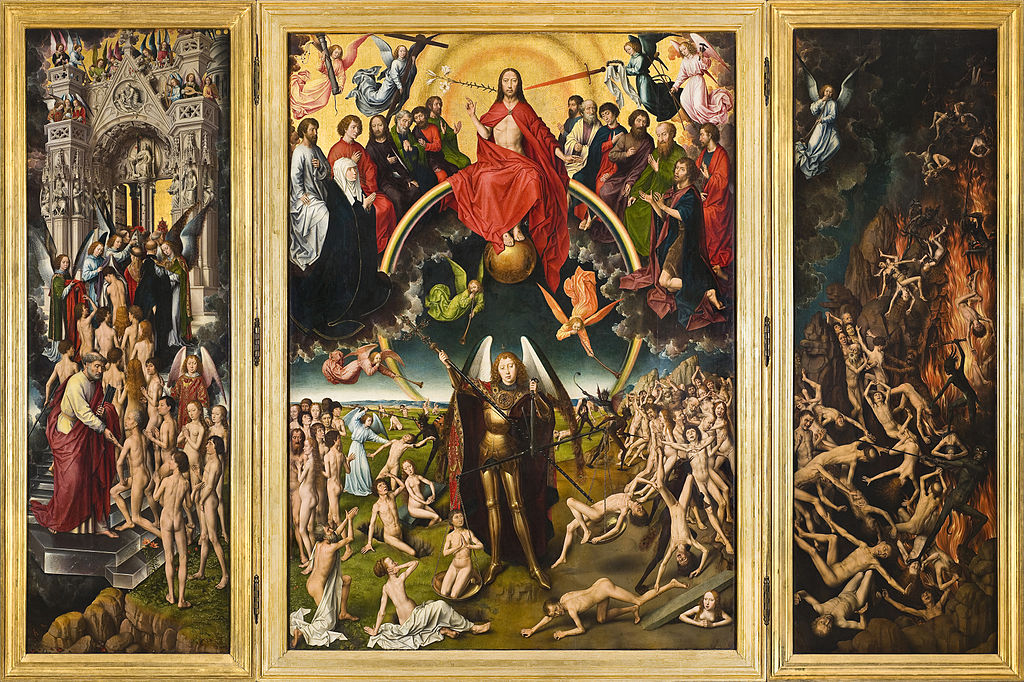
Hans Memling’s Last Judgement (c. late 1460s) National Museum, Gdańsk

In the Gospel reading the Lord speaks in apocalyptic terms of a time of great tribulation, a time when the sun will be darkened, and the moon will not give its light, and the stars will fall out of the skies. This is not just figurative language. Jesus is speaking about a time when we should be frightened. He tells us that the world will come to an end, and that we need to be ready. We need to have faith in God. He can get us through the horrible times. We need to trust in God. He will conquer our fears.

One of the saddest things of the Book of Revelations is that when people experience the horrible plagues of the end of time, many of them still refused to believe in God and trust in God. Nor did they repent of their murders, their magic potions, their unchastity, or their robberies. The fear of dying, be it from an epidemic or from any cause, seen or unforeseen, is not the real fear we need to have. The real fear we need to have is the fear of denying God when we make the final decision of our lives. The martyrs, ancient and modern, all feared denying God more than they feared what their tormentors would do to them.

Our fear is not in what others can do to us, our fear is what we can do to ourselves if we are not willing to live and die for the Lord. If we do not have a living faith, we have nothing but fear. This is not a scary movie. This is the reality of existence. If we do not confess the Lord with our lives, we will condemn ourselves to being victims of our fear. We are besieged with movies about the end of the world. They all follow the same format: people are selfish. Their selfishness leads to the destruction of the world. But a few people survive the apocalyptic events. Most of these people are also evil, but there are some good ones who fight the evil ones and live on to start a new future. Nowhere in these movies is God called upon to defend His people. Nowhere is there even a remote suggestion of building a God-fearing world. These movies are the creations of a godless media, a media who refuses to acknowledge mankind’s dependence on his Creator. We need to fight evil. We need to do battle for the Lord. «Michael, the great prince and guardian of the people will fight for us and with us,» the Book of Daniel says. «The Son of Man will come on the clouds of heaven and gather his elect from the four winds,» Jesus adds in today’s gospel. We do not fight alone. We fight for the Lord and with the Lord. If we want to know what really will happen at the end of time, we need to reread the Book of Revelations, the Apocalypse. In the Book of Revelations, God wins the battle for our world. We need to realize that God is in control of the universe. He will also be in control of our lives–if we just allow Him into our lives. We do not fight alone • AE


St. Joseph Catholic Church (Dilley, TX) • Weekend Schedule

Fr. Agustin E. (Parish Administrator)

Saturday November 16, 2024.

9.00 a.m. Holy Rosary, Funeral Mass & Grave side for + Ms. Audiencia Martinez

1.30 p.m. Funeral Mass & Grave side for + Felipe Ariza Jr.

4.00 p.m. Taller para nuevos lectores

5.00 p.m. Sacramento de la Confesión

6.00 p.m. Santa Misa.

Sunday, November 17, 2024

8.00 a.m. Sacrament of Reconciliation

8.30 a.m. Holy Mass.

10.30 p.m. Sacrament of Reconciliation.

11.00 a.m. Holy Mass.


XXXIII DOMINGO DEL TIEMPO ORDINARIO (CICLO B)

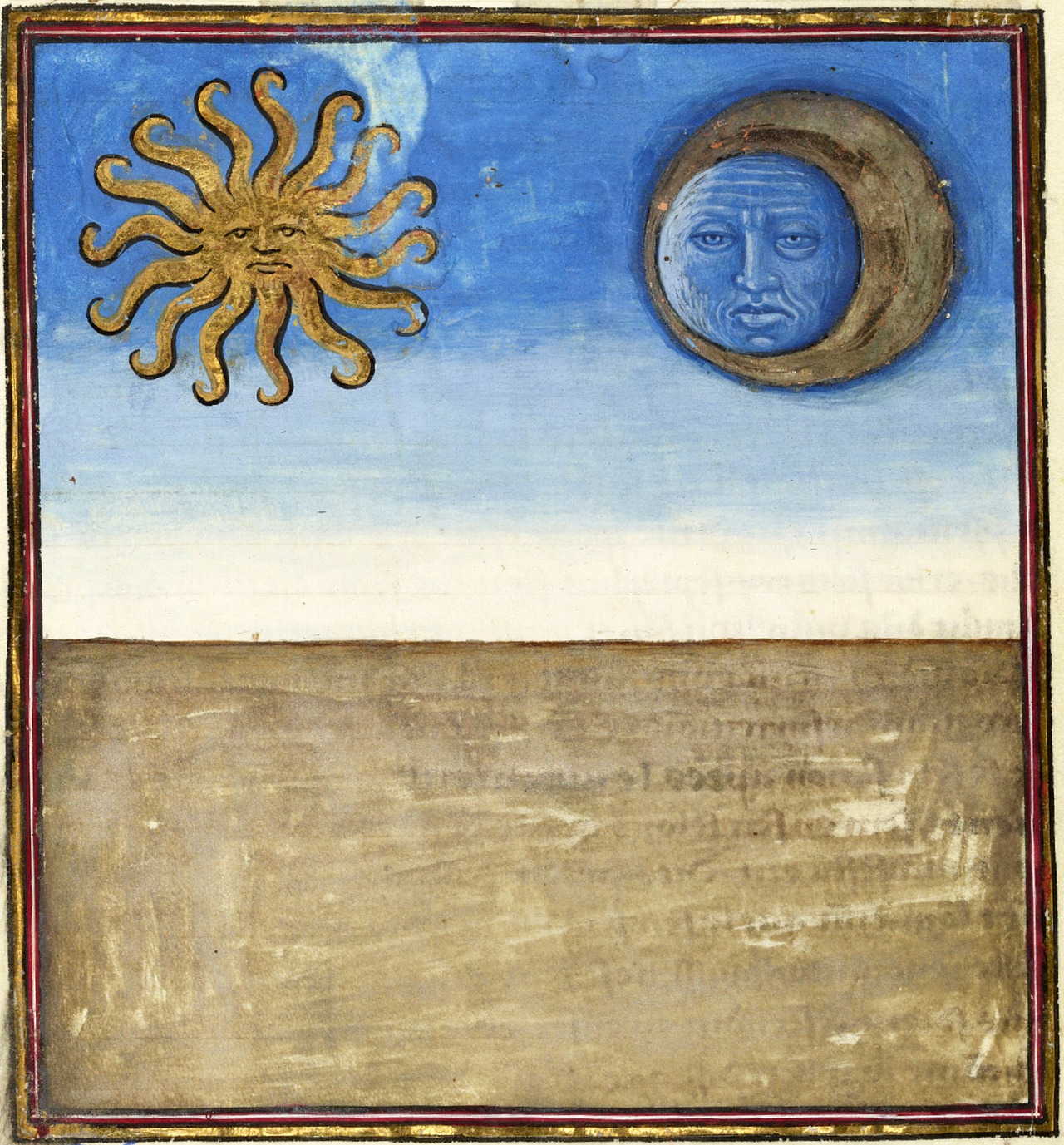
Autor anónimo, El sol y la Luna. Libro de la Vida de Nuestro Señor (1470), manuscrito iluminado, Biblioteca Bodleiana (Oxford)

Llegamos casi al final del año litúrgico y las lecturas este domingo son realmente apocalípticas: el profeta Daniel en la primera de las lecturas, y el discurso escatológico en el evangelio, ¿cómo comprender bien la Palabra de Dios?  

Poco a poco iban muriendo los discípulos que habían conocido a Jesús. Los que quedaban, creían en él sin haberlo visto. Celebraban su presencia invisible en las eucaristías, pero ¿cuándo verían su rostro lleno de vida? ¿cuándo se cumpliría su deseo de encontrarse con él para siempre? Seguían recordando con amor y con fe las palabras de Jesús. Eran su alimento en aquellos tiempos difíciles de persecución. Pero ¿cuándo podrían comprobar la verdad que encerraban? ¿No se irían olvidando poco a poco? Pasaban los años y no llegaba el Día Final tan esperado, ¿qué podían pensar? El discurso apocalíptico que encontramos en el evangelio de este domingo nos da unas convicciones podrían alimentar nuestra esperanza.

Primera convicción. La historia apasionante de la Humanidad llegará un día a su fin.

El «sol» que señala la sucesión de los años se apagará. La «luna» que marca el ritmo de los meses ya no brillará. No habrá días y noches, no habrá tiempo. Además, «las estrellas caerán del cielo», la distancia entre el cielo y la tierra se borrará, ya no habrá espacio. Esta vida no es para siempre. Un día llegará la Vida definitiva, sin espacio ni tiempo. Viviremos en el Misterio de Dios.

Segunda convicción. Jesús volverá y sus seguidores podrán ver por fin su rostro deseado: «verán venir al Hijo del Hombre».

El sol, la luna y los astros se apagarán, pero el mundo no se quedará sin luz. Será Jesús quien lo iluminará para siempre poniendo verdad, justicia y paz en la historia humana tan esclava hoy de abusos, injusticias y mentiras.

Tercera convicción. Jesús traerá consigo la salvación de Dios.

Llega con el poder grande y salvador del Padre. No se presenta con aspecto amenazador. El evangelista evita hablar aquí de juicios y condenas. Jesús viene a «reunir a sus elegidos», los que esperan con fe su salvación.

Cuarta convicción. Las palabras de Jesús «no pasarán».

Nunca perderán su fuerza salvadora. Seguirán alimentando la esperanza de sus seguidores y el aliento de los pobres. En menos palabras: no caminamos hacia la nada y el vacío. No. Nos espera el abrazo con Dios y el vivir junto a Él para siempre • AE


¿LEEMOS ALGO?


Música para leer

Un réquiem alemán (título original en alemán: Ein deutsches Requiem) es una composición para soprano, barítono, coro y orquesta de Johannes Brahms. Catalogada como su opus 45, se trata de una meditación sobre la vida y la muerte a partir de textos bíblicos. Se estrenó de forma parcial en la Catedral de Bremen el 10 de abril de 1868, Viernes Santo, y de forma completa en 1869 en la Gewandhaus de Leipzig. Posteriormente, se interpretó por toda Europa y Brahms empezó a ser considerado como un compositor de importancia.

Esta version fue interpretada por la Berliner Philharmoniker, dirigida por nuestro querido Herbert von Karajan, en Salzburg, en el Großes Festspielhaus en Marzo de 1978. Se trata de una auténtica joya.


Thirty-second Sunday in Ordinary Time (Cycle B)

The topic of the first reading and the Gospel reading undoubtedly leads us to an uncomfortable theme that we rarely talk about. Jesus contrasted the widow with those with money who gave from their surplus, but who did not have the faith to give from their need. So often the poor are more generous than the rich. Back to the widow in the Gospel. How had this widow become impoverished? Had bankers mismanaged her money so that she had lost the little she had? Had shrewd people found ways to take advantage of her? Or was she merely a victim of the economic system of her day? How had it happened that society could take advantage of the destitute? How does it happen that society continues to take advantage of those who have no protection? Our recent Popes, particularly Pope St. John Paul II and Pope Francis, have written quite a lot about the sinful structures of society. St. John Paul II suffered through the reign of Nazi Terror in Poland and the destruction of thought by the communists. Pope Francis has been true to his determination to lead the Church to be mindful of the poor. Both popes have written about ideologies that have held and continue to hold the world hostage to sin. Yet, they do not see these ideologies as some sort of beings in their own rights. Rather, be they fascism, communism or materialistic capitalism, these ideologies are constructed in such a way that they profit by preying upon the helpless. They are established and supported by people whose sum total of personal sins have formed them into vehicles for their illicit gain.

The complaints that both popes have made regarding materialistic capitalism target those in business who disregard the rights of the impoverished for the sake of the wealthy. If people in Latin America, Asia or Africa are living a substandard existence so that Europeans and Americans can benefit from cheap labor, so be it. If their children have to work in factories so our children can have cheaper Nikes, so be it. How has our society come to this? Materialistic capitalism did not fall out of the sky. It resulted from the number of people who passionately believe that the wealthy have the right to take advantage of the poor. Some will actually say, “Might makes right.” Materialistic Capitalism, like Nazism and Communism, is the sum total of personal sins, the decision to take advantage of the less fortunate for personal gain. We have quite a challenge here. We live in a capitalistic society. Therefore, we, the Church, must be determined that the presence of God animate the decisions of business. We cannot allow the rich to gain from taking advantage of the poor. We have to protect widows. We need to be aware that to the extent that we participate in the concept that some must lose so others can gain, we are uniting our personal sins of greed and materialism to the sum total of a sinful society. For this we need the mercy of God. It is not that wealth is bad. What is wrong and sinful is using improper means to gain wealth. What is wrong and sinful is wasting wealth without regard to the poor around us. Jesus marveled that a widow who had so little gave to the Temple Treasury. He rejoices when those like her are cared for by society. Indeed, the strength of our society, and any society, is measured by the concern we have for our weakest members • AE


St. Joseph Catholic Church (Dilley, TX) • Weekend Schedule

Fr. Agustin E. (Parish Administrator)

Saturday November 9, 2024.

4.00 p.m. Taller para nuevos lectores (iglesia)

5.00 p.m. Sacramento de la Confesión (confesionario)

6.00 p.m. Santa Misa.

Sunday, November 10, 2024

8.00 a.m. Sacrament of Reconciliation (confessional)

8.30 a.m. Holy Mass.

10.30 p.m. Sacrament of Reconciliation (confessional)

11.00 a.m. Holy Mass.


XXXII Domingo del Tiempo Ordinario (Ciclo B)

El contraste entre las dos escenas del evangelio de este domingo, el trigésimo segundo del tiempo ordinario, no podría ser más fuerte. En la primera, Jesús pone a la gente en guardia frente a los dirigentes religiosos, su comportamiento puede hacer daño. En la segunda, llama a sus discípulos para que observen el gesto de aquella mujer; la gente sencilla les podrá enseñar a vivir el Evangelio.

Llama mucho la atención el lenguaje duro y certero que emplea Jesús para desenmascarar la falsa religiosidad de los escribas. Ahí hay vanidad y afán de ostentación; buscan vestir de modo especial y ser saludados con reverencia para sobresalir sobre los demás, imponerse y dominar. Y es que a ellos, diera la impresión, la religión les sirve para alimentar su ego, y sus oraciones impresionar. En realidad no crean comunidad, pues se colocan por encima de todos y si hay alguna comunidad es, para, juntos, atacar a otros. En el fondo solo piensan en sí mismos. Viven aprovechándose de las personas débiles, a las que deberían servir. El panorama es desolador.

En la segunda escena, Jesús está sentado frente al arca de las ofrendas. Muchos ricos van echando cantidades importantes: son los que sostienen el Templo. De pronto se acerca una mujer. Jesús observa que echa dos moneditas que no tienen mucho valor. Aquella mujer es viuda y es pobre, maltratada por la vida, sola y sin recursos. Probablemente vive mendigando junto al Templo. Conmovido, Jesús llama rápidamente a sus discípulos para que no olviden aquel gesto. Mientras algunos viven aprovechándose de la religión, esta mujer se desprende de todo, confiando totalmente en Dios. Su gesto nos descubre el corazón de la verdadera religión: confianza grande en Dios, gratuidad sorprendente, generosidad, y amor solidario, sencillez y verdad. No conocemos el nombre de aquella viuda, ni su rostro. Solo sabemos que Jesús vio en ella un modelo para quienes serían ministros de su Iglesia. Afortunadamente y para gloria de Dios hoy tenemos hombres y mujeres de corazón generoso a lo largo y ancho de toda la Iglesia. No escriben libros ni pronuncian sermones, muchísimo menos visten de perlas, brocados y capas magnas, pero son los que mantienen vivo entre nosotros el Evangelio de Jesús, ¡Tenemos, ay, tanto qué aprender de ellos los obispos, los sacerdotes y los diáconos! • AE


¿Qué vamos a leer en Otoño?


Solemnity of All Saints (2024)

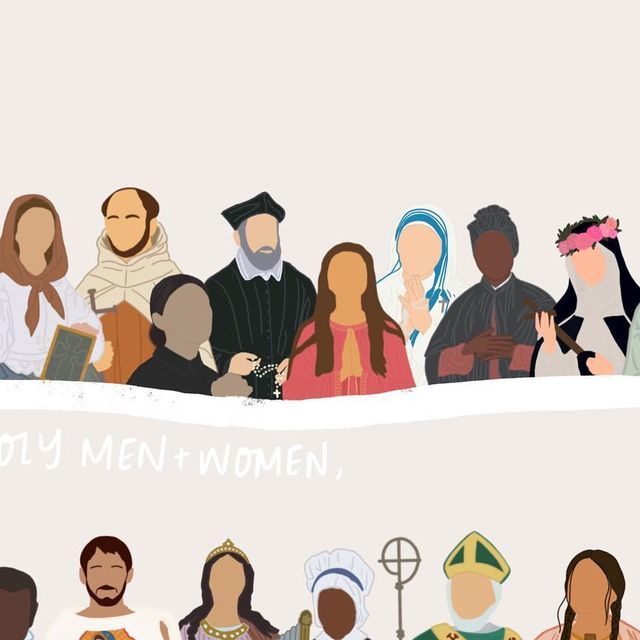
We celebrate the Solemnity of All Saints, a day to honor all the holy men and women who have gone before us, known and unknown. We remember that the saints were not superhuman; they were people just like us—ordinary people with families, jobs, and struggles. What made them different was that they allowed God to work in their lives in extraordinary ways. Each saint responded to God’s call and lived out the Gospel, and in that way, they show us a path to follow.

In today’s Gospel, Jesus gives us the Beatitudes—His vision of what it means to live a life blessed by God. The Beatitudes are more than just words; they are a roadmap for holiness. Jesus tells us, “Blessed are the poor in spirit, for theirs is the kingdom of heaven.” To be poor in spirit means we acknowledge our need for God, to be humble and to rely on His grace. This is the foundation of a saint’s life.

Pope Francis teaches us that “the Beatitudes are the portrait of Jesus, and consequently, of the Christian.” They are meant for each one of us, showing us that true happiness is not found in power, wealth, or fame, but in mercy, purity, and peace. Today, we can ask ourselves: *Am I following this path? Am I living out these blessings in my daily life?*

Let us consider the example of St. Teresa of Calcutta, or Mother Teresa, a saint of our time. She dedicated her life to serving the poorest of the poor, living out the Beatitude, “Blessed are the merciful, for they will be shown mercy.” She saw Jesus in every person she met, especially in the poor and sick, and she taught us to do the same. Her life reminds us that we, too, can be instruments of God’s love, mercy, and compassion, no matter our circumstances.

Pope Francis tells us that “holiness doesn’t mean doing extraordinary things but doing ordinary things with love and faith.” Saints like Mother Teresa, or others like St. Joseph, who was a humble worker, show us that holiness can be found in our daily tasks. We do not have to go far; we can begin in our homes, our workplaces, and our neighborhoods.

Let us remember that each one of us is called to be a saint. We may not be perfect, but God can use us just as we are. The Beatitudes challenge us to be peacemakers, to hunger for justice, and to show mercy. These are the virtues that build the Kingdom of God on earth.

As we celebrate All Saints today, let us ask for the intercession of these holy men and women who have gone before us. May they help us, inspire us, and remind us that we, too, are called to this same journey of love and holiness. And may we place ourselves in the hands of Mary, the Queen of all Saints, who shows us the way to her Son, Jesus. She, too, lived the Beatitudes and trusted in God’s plan with a humble heart. Like Mary, may we say “yes” to God each day, letting His love and grace transform us. Amen • AE


Conmemoración de Todos los Fieles Difuntos (2024)

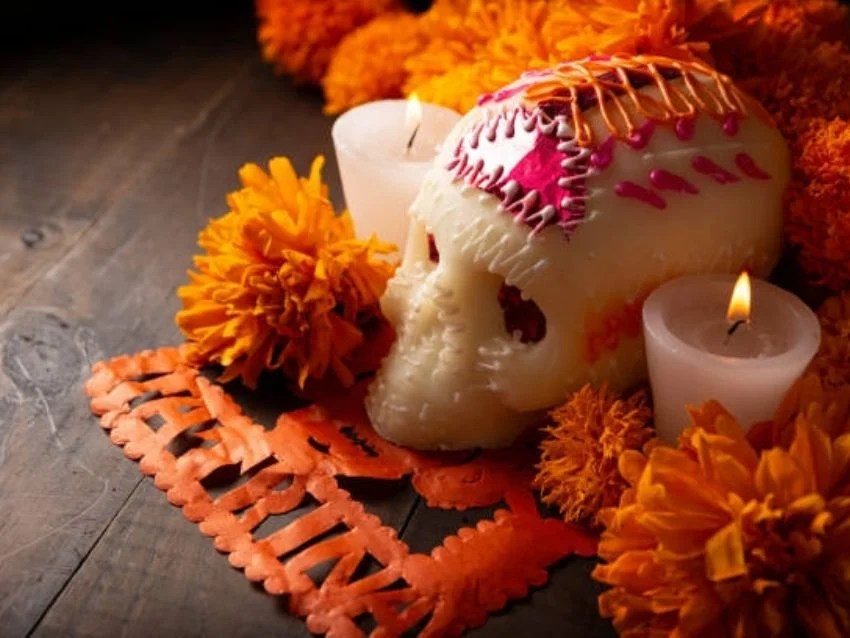
Podemos ignorarla. No hablar de ella. Vivir intensamente cada día y olvidarnos de todo lo demás, sin embargo tarde o temprano, la muerte va visitando nuestros hogares, arrebatándonos a nuestros seres más queridos.  ¿Cómo reaccionar ante ese accidente que se lleva para siempre a nuestro hijo? ¿Qué actitud adoptar ante la agonía del esposo o esposa? ¿Qué hacer ante el vacío que van dejando en nuestra vida tantos amigos y personas queridas que se han ido marchando?

La muerte es como una puerta que traspasa cada persona a solas. Una vez cerrada la puerta, el muerto se nos oculta para siempre. No sabemos qué ha sido de él. De ella. Ese ser tan querido y cercano se nos pierde ahora en el misterio. ¿Cómo vivir esa experiencia de impotencia, desconcierto y pena inmensa? No es fácil. Durante estos años hemos ido cambiando mucho por dentro. Nos hemos vuelto más críticos, pero también más vulnerables. Más escépticos, pero también más necesitados. Sabemos mejor que nunca que no podemos darnos a nosotros mismos todo lo que en el fondo anhela el ser humano. Por eso debemos recordar aquellas palabras del Señor, palabras de Jesús que sólo pueden resonar en nosotros, si somos capaces de abrirnos con humildad al misterio último que nos envuelve a todos: No se turbe vuestro corazón. Creed en Dios. Creed también en mí.

Creo que casi todos, creyentes, poco creyentes, menos creyentes o malos creyentes, podemos hacer dos cosas ante la muerte: llorar y rezar. Cada uno y cada una, desde su pequeña fe. Una fe convencida o una fe vacilante y casi apagada. Nosotros podríamos tener problemas con nuestra fe, pero Dios no tiene problema alguno para entender nuestra impotencia y conocer lo que hay en el fondo de nuestro corazón. Me gusta pensar que podemos dirigirnos a nuestros difuntos con palabras como estas: «Estamos aquí porque te seguimos queriendo, pero ahora no sabemos qué hacer por ti. Nuestra fe es pequeña y débil. Te confiamos al misterio de la Bondad de Dios. Él es para ti un lugar más seguro que todo lo que nosotros te podemos ofrecer. Sé feliz. Dios te quiere como nosotros no hemos sabido quererte. Te dejamos  en sus manos»• AE


Requiem de Mozart

La Misa de Réquiem en re menor, K. 626, es una misa de Wolfgang Amadeus Mozart, basada en los textos latinos para el réquiem, es decir, el acto litúrgico católico celebrado tras el fallecimiento de una persona. Se trata de la decimonovena y última misa escrita por Mozart, que murió en 1791, antes de terminarla. El compositor F. X. Süssmayr la finalizó, y el propio autor, ya enfermo, le dio numerosas indicaciones para hacerlo. A pesar de que no pudo ser terminada en su totalidad por el maestro austríaco, es considerada como una de las obras más transcendentales de Mozart• AE