
The topic of the first reading and the Gospel reading undoubtedly leads us to an uncomfortable theme that we rarely talk about. Jesus contrasted the widow with those with money who gave from their surplus, but who did not have the faith to give from their need. So often the poor are more generous than the rich. Back to the widow in the Gospel. How had this widow become impoverished? Had bankers mismanaged her money so that she had lost the little she had? Had shrewd people found ways to take advantage of her? Or was she merely a victim of the economic system of her day? How had it happened that society could take advantage of the destitute? How does it happen that society continues to take advantage of those who have no protection? Our recent Popes, particularly Pope St. John Paul II and Pope Francis, have written quite a lot about the sinful structures of society. St. John Paul II suffered through the reign of Nazi Terror in Poland and the destruction of thought by the communists. Pope Francis has been true to his determination to lead the Church to be mindful of the poor. Both popes have written about ideologies that have held and continue to hold the world hostage to sin. Yet, they do not see these ideologies as some sort of beings in their own rights. Rather, be they fascism, communism or materialistic capitalism, these ideologies are constructed in such a way that they profit by preying upon the helpless. They are established and supported by people whose sum total of personal sins have formed them into vehicles for their illicit gain.
The complaints that both popes have made regarding materialistic capitalism target those in business who disregard the rights of the impoverished for the sake of the wealthy. If people in Latin America, Asia or Africa are living a substandard existence so that Europeans and Americans can benefit from cheap labor, so be it. If their children have to work in factories so our children can have cheaper Nikes, so be it. How has our society come to this? Materialistic capitalism did not fall out of the sky. It resulted from the number of people who passionately believe that the wealthy have the right to take advantage of the poor. Some will actually say, “Might makes right.” Materialistic Capitalism, like Nazism and Communism, is the sum total of personal sins, the decision to take advantage of the less fortunate for personal gain. We have quite a challenge here. We live in a capitalistic society. Therefore, we, the Church, must be determined that the presence of God animate the decisions of business. We cannot allow the rich to gain from taking advantage of the poor. We have to protect widows. We need to be aware that to the extent that we participate in the concept that some must lose so others can gain, we are uniting our personal sins of greed and materialism to the sum total of a sinful society. For this we need the mercy of God. It is not that wealth is bad. What is wrong and sinful is using improper means to gain wealth. What is wrong and sinful is wasting wealth without regard to the poor around us. Jesus marveled that a widow who had so little gave to the Temple Treasury. He rejoices when those like her are cared for by society. Indeed, the strength of our society, and any society, is measured by the concern we have for our weakest members • AE

St. Joseph Catholic Church (Dilley, TX) • Weekend Schedule

Fr. Agustin E. (Parish Administrator)
Saturday November 9, 2024.
4.00 p.m. Taller para nuevos lectores (iglesia)
5.00 p.m. Sacramento de la Confesión (confesionario)
6.00 p.m. Santa Misa.
Sunday, November 10, 2024
8.00 a.m. Sacrament of Reconciliation (confessional)
8.30 a.m. Holy Mass.
10.30 p.m. Sacrament of Reconciliation (confessional)
11.00 a.m. Holy Mass.
XXXII Domingo del Tiempo Ordinario (Ciclo B)
El contraste entre las dos escenas del evangelio de este domingo, el trigésimo segundo del tiempo ordinario, no podría ser más fuerte. En la primera, Jesús pone a la gente en guardia frente a los dirigentes religiosos, su comportamiento puede hacer daño. En la segunda, llama a sus discípulos para que observen el gesto de aquella mujer; la gente sencilla les podrá enseñar a vivir el Evangelio.
Llama mucho la atención el lenguaje duro y certero que emplea Jesús para desenmascarar la falsa religiosidad de los escribas. Ahí hay vanidad y afán de ostentación; buscan vestir de modo especial y ser saludados con reverencia para sobresalir sobre los demás, imponerse y dominar. Y es que a ellos, diera la impresión, la religión les sirve para alimentar su ego, y sus oraciones impresionar. En realidad no crean comunidad, pues se colocan por encima de todos y si hay alguna comunidad es, para, juntos, atacar a otros. En el fondo solo piensan en sí mismos. Viven aprovechándose de las personas débiles, a las que deberían servir. El panorama es desolador.
En la segunda escena, Jesús está sentado frente al arca de las ofrendas. Muchos ricos van echando cantidades importantes: son los que sostienen el Templo. De pronto se acerca una mujer. Jesús observa que echa dos moneditas que no tienen mucho valor. Aquella mujer es viuda y es pobre, maltratada por la vida, sola y sin recursos. Probablemente vive mendigando junto al Templo. Conmovido, Jesús llama rápidamente a sus discípulos para que no olviden aquel gesto. Mientras algunos viven aprovechándose de la religión, esta mujer se desprende de todo, confiando totalmente en Dios. Su gesto nos descubre el corazón de la verdadera religión: confianza grande en Dios, gratuidad sorprendente, generosidad, y amor solidario, sencillez y verdad. No conocemos el nombre de aquella viuda, ni su rostro. Solo sabemos que Jesús vio en ella un modelo para quienes serían ministros de su Iglesia. Afortunadamente y para gloria de Dios hoy tenemos hombres y mujeres de corazón generoso a lo largo y ancho de toda la Iglesia. No escriben libros ni pronuncian sermones, muchísimo menos visten de perlas, brocados y capas magnas, pero son los que mantienen vivo entre nosotros el Evangelio de Jesús, ¡Tenemos, ay, tanto qué aprender de ellos los obispos, los sacerdotes y los diáconos! • AE

¿Qué vamos a leer en Otoño?
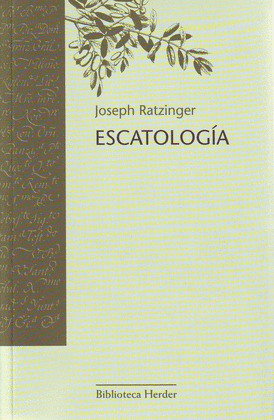
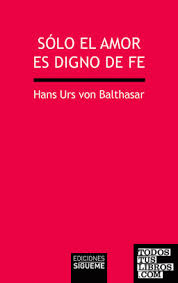
 LA MEDITACION DE LA ESPOSA