
In the heart of South Texas, under the vast, ever-changing sky, we find a reflection of the gospel’s call to love, a message not always easy to hear, but one that resonates deeply when we think of our lives and the world around us. The call is clear: «Love your enemies,» and this is where the challenge lies. We know this teaching, but do we live it? In this part of the world, we are no strangers to hard work and sacrifice, especially in our small towns, where neighbors help each other without expecting anything in return. But the kind of love Jesus speaks about goes beyond the simple kindness we show to one another in our communities—it asks for something more radical, more transformative. It challenges us to love even when we are wronged, to bless those who curse us, and to forgive those who have hurt us.
This isn’t a call to deny our human feelings or to ignore the wrongs done to us. Instead, it’s a call to rise above our instincts, to embody a love that transcends the limits of our own desires. Just as the great writers of the world—Dante, Tolstoy, or even someone like Maya Angelou—show us the power of forgiveness and the depth of human suffering, so too does the gospel teach us that true love can heal even the deepest wounds. In modern art, too, we see this tension. Artists like the Mexican painter Rufino Tamayo, whose works are filled with bold lines and vibrant colors, capture the complexity of human emotion—sometimes chaotic, sometimes serene. His art invites us to embrace the full spectrum of human experience, just as Christ calls us to love without reservation, without counting the cost.
And the call to mercy is not just for the grand gestures; it’s for the everyday. It’s seen in the quiet sacrifice of a mother in the small, dusty streets of Laredo, who, despite her own burdens, stops to help a stranger. Or in the gesture of a child forgiving a friend after a fight at school. These everyday acts of love are what transform a community and, ultimately, the world.
Pope Francis often reminds us that mercy is not just a theological concept; it’s a way of life. He speaks of the joy found in forgiving and being forgiven, and how this shapes our relationship with God and with one another. In a world that so often calls for division, for «us vs. them,» the gospel asks us to build bridges, not walls. This, I believe, is the heart of the Christian message today. In our daily lives, in our work and in our relationships, we have the opportunity to bring this love into the world. It’s not always easy, and it doesn’t always make sense to our worldly logic, but it is this love that holds the power to heal, to bring peace, and to transform not only our hearts but the world around us. Let us then take up this call to love—love that is patient, love that is kind, love that knows no enemy, love that is shaped by mercy, and love that, in the end, is a reflection of the heart of God • AE

St. Joseph Catholic Church (Dilley, TX) • Weekend Schedule

Fr. Agustin E. (Parish Administrator)
Saturday, February 22, 2025.
5.00 p.m. Sacramento de la Confesión
6.00 p.m. Santa Misa.
Sunday, February 23, 2025
8.00 a.m. Sacrament of Reconciliation
8.30 a.m. Holy Mass.
10.30 p.m. Sacrament of Reconciliation.
11.00 a.m. Holy Mass.
VII Domingo del Tiempo Ordinario (Ciclo C)

M. Rothko, N. 14, 1960, (1960), óleo sobre tela, Museo de Arte Moderno de San Francisco (California)
En el relato de David y Saúl, encontramos una poderosa lección de misericordia, humildad y fe. La figura de David, un joven que se ve enfrentado al rey Saúl, quien lo persigue con el deseo de matarlo, se convierte en un símbolo de la tensión entre el poder terrenal y la justicia divina. David tiene la oportunidad de vengarse, de tomar el control y dar fin a la persecución, pero elige un camino diferente: el de la paciencia y la confianza en que Dios hará justicia. Esta escena no solo nos invita a reflexionar sobre el perdón, sino también sobre nuestra relación con la autoridad y el poder. En la historia universal, personajes como Mahatma Gandhi o Nelson Mandela han vivido de manera similar, resistiendo la tentación de la violencia para mostrar que la verdadera grandeza radica en la capacidad de perdonar, en el poder transformador de la misericordia. No es un acto de debilidad, sino de verdadera fuerza interior.
El arte moderno, aunque a menudo se aleja de las representaciones religiosas tradicionales, también refleja esta lucha interna. Pintores como Mark Rothko, con sus vastos campos de color, nos invitan a sumergirnos en un espacio de contemplación profunda. En sus lienzos, la simplicidad y la armonía buscan lo trascendental, un recordatorio de que, a veces, la belleza y la fuerza no necesitan de imágenes figurativas para ser entendidas.
Así, el acto de David al perdonar a Saúl puede verse como una obra de arte en sí misma, una creación espiritual que nos llama a la reflexión sobre nuestra capacidad de amar incluso a quienes nos hacen daño. En este sentido, la historia no solo es un relato antiguo, sino una invitación diaria a vivir según el Evangelio, a seguir la enseñanza del Papa Francisco, quien nos recuerda constantemente que la misericordia de Dios no tiene límites y que debemos ser portadores de esa misericordia en un mundo que, a menudo, escoge el camino fácil de la venganza y el rencor. Hoy, al leer este pasaje, nos enfrentamos a una pregunta esencial: ¿seguimos el ejemplo de David, que confía en la justicia de Dios y elige la paz, o caemos en la tentación de la violencia, la venganza o el juicio precipitado? El llamado es claro, no solo para un momento histórico o para un personaje del pasado, sino para nosotros, hoy, en nuestra vida diaria. Dios, como un gran artista, está constantemente invitándonos a participar en su obra maestra de amor y reconciliación. ¿Responderemos con generosidad a esta invitación? • AE

¿Y tú qUé eStÁs lEYeNDo?
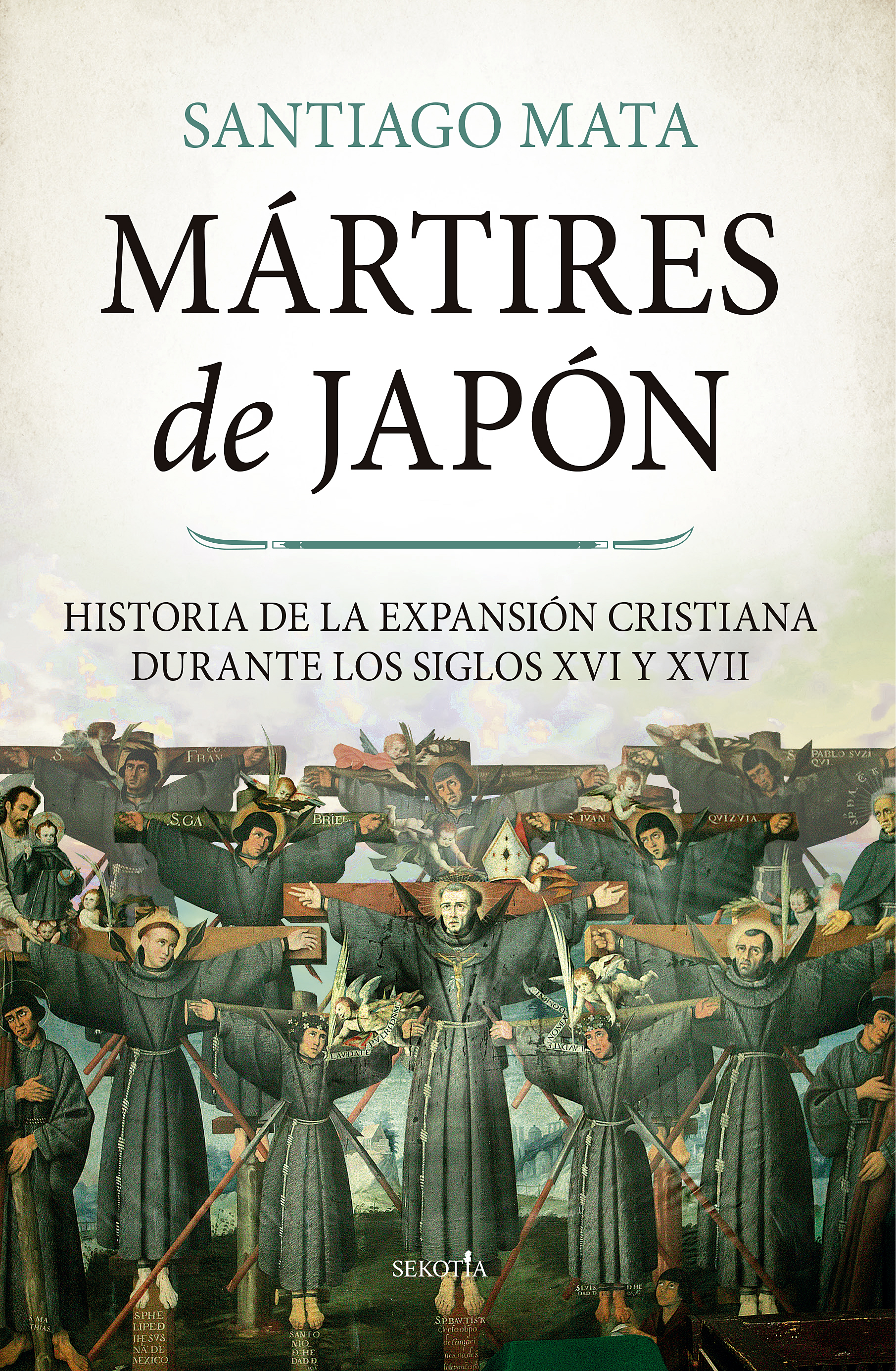
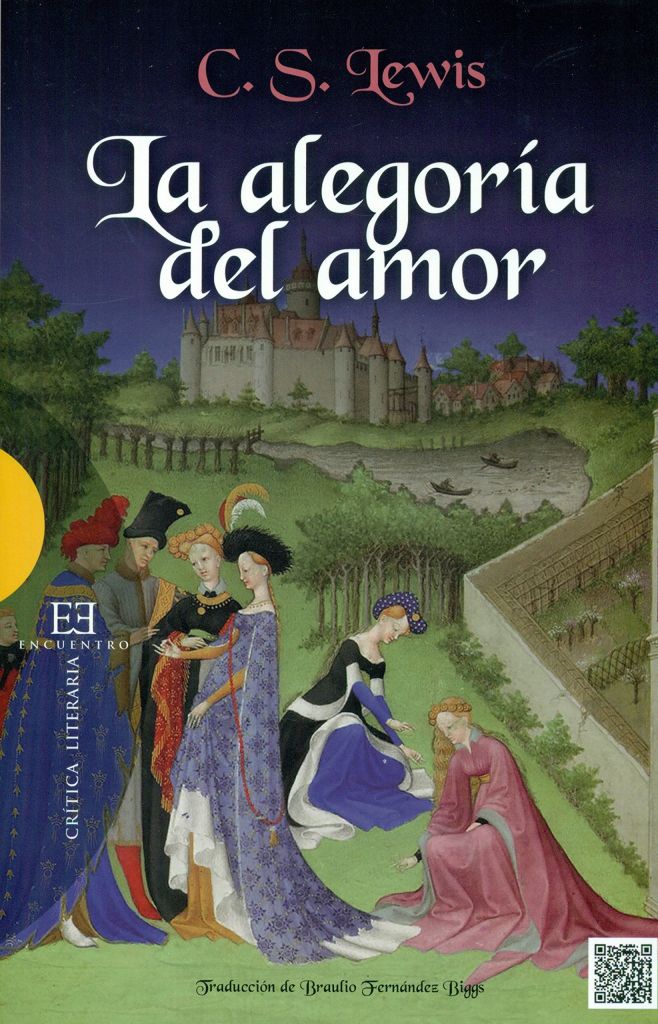
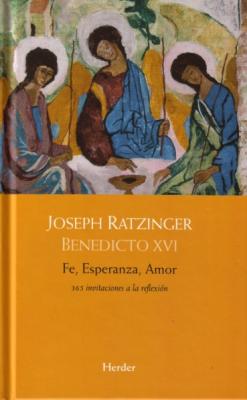
 LA MEDITACION DE LA ESPOSA