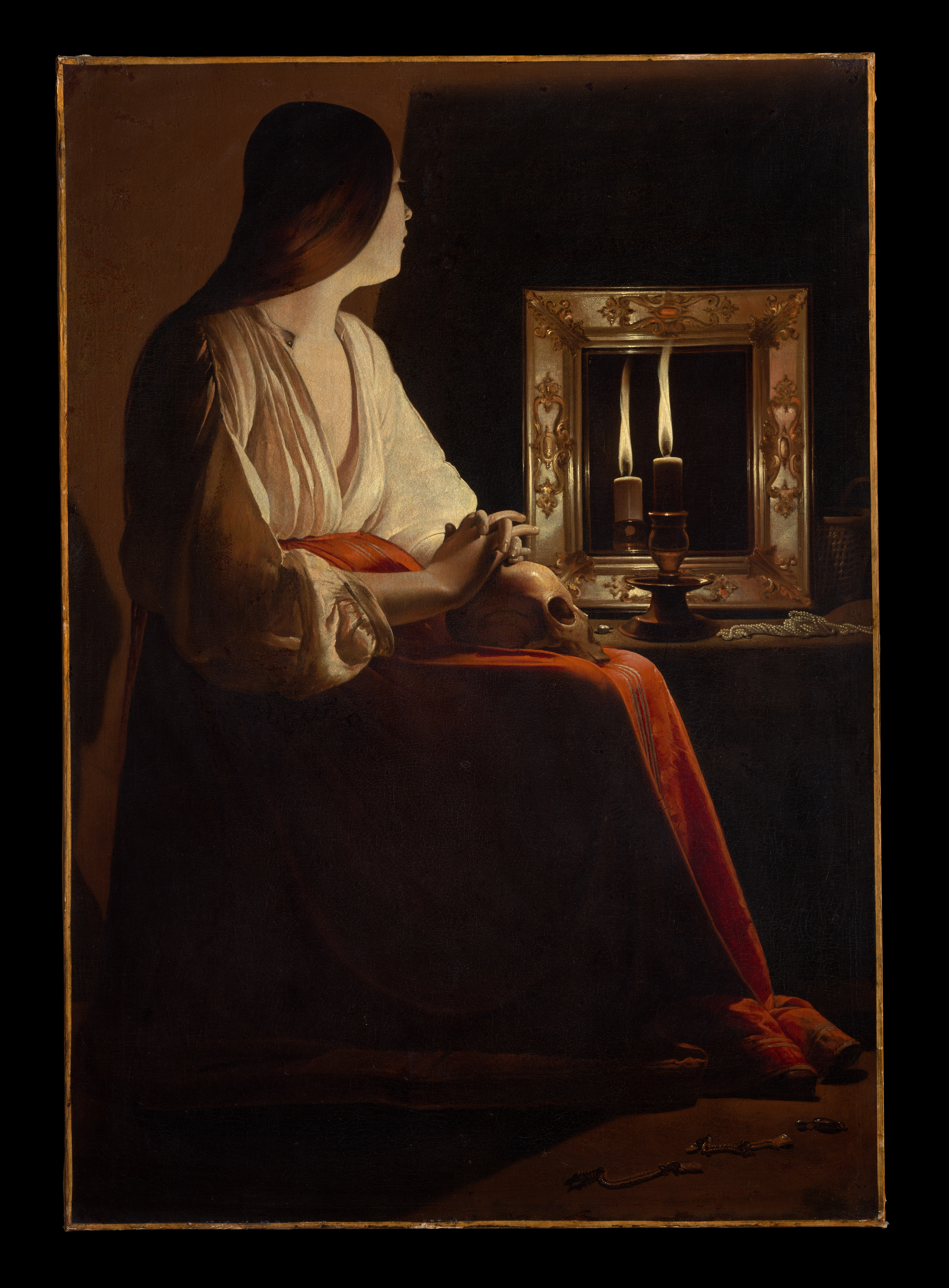
Georges de La Tour, The Penitent Magdalen (ca. 1640), oil on canvas, Metropolitan Museum of Art (new York)
The parable of the barren fig tree is not just about judgment but about the mystery of grace working in hidden ways. The gardener pleads for one more year, promising to cultivate the soil and nurture the tree. This silent labor represents God’s grace in our lives, constantly working beneath the surface, unseen but transformative. Georges de La Tour’s The Repentant Magdalene is a striking depiction of conversion and inner reflection. Mary Magdalene, seated in dim candlelight, gazes at a skull in deep contemplation, symbolizing the fleeting nature of life and the urgency of repentance. This image reminds us that transformation begins with an honest look at our own hearts, much like the barren fig tree must face the reality of its unfruitfulness before it can receive new life.
Tolstoy’s The Death of Ivan Ilyich presents a man who realizes too late that he has lived a superficial life. His final moments, however, become a moment of grace as he acknowledges a truth greater than himself. The fig tree in Jesus’ parable stands at a similar crossroads: will it remain barren, or will it embrace the nourishment being offered?
Originally composed as Adagio for Strings, Samuel Barber’s Agnus Dei carries an overwhelming sense of longing and redemption. It mirrors the deep need of the soul to turn back to God and bear fruit. Lent is a time to acknowledge the silent yet powerful work of grace in our lives. The barren tree is not immediately cut down, but it is given one final season. Will we allow God to cultivate our souls, or will we resist until it is too late? • AE

St. Joseph Catholic Church (Dilley, TX) • Weekend Schedule

STATIONS OF THE CROSS & SACRAMENT OF RECONCILITATION
Every Friday of Lent at 6.00 p.m.
(March 7, 14, 21, 28, & April 4, 11, 2025)
Saturday, March 22, 2025.
5.00 p.m. Sacramento de la Confesión
6.00 p.m. Santa Misa.
Sunday, March 23, 2025
8.00 a.m. Sacrament of Reconciliation
8.30 a.m. Holy Mass.
10.30 p.m. Sacrament of Reconciliation.
11.00 a.m. Holy Mass.
Tercer Domingo de Cuaresma (Ciclo C)

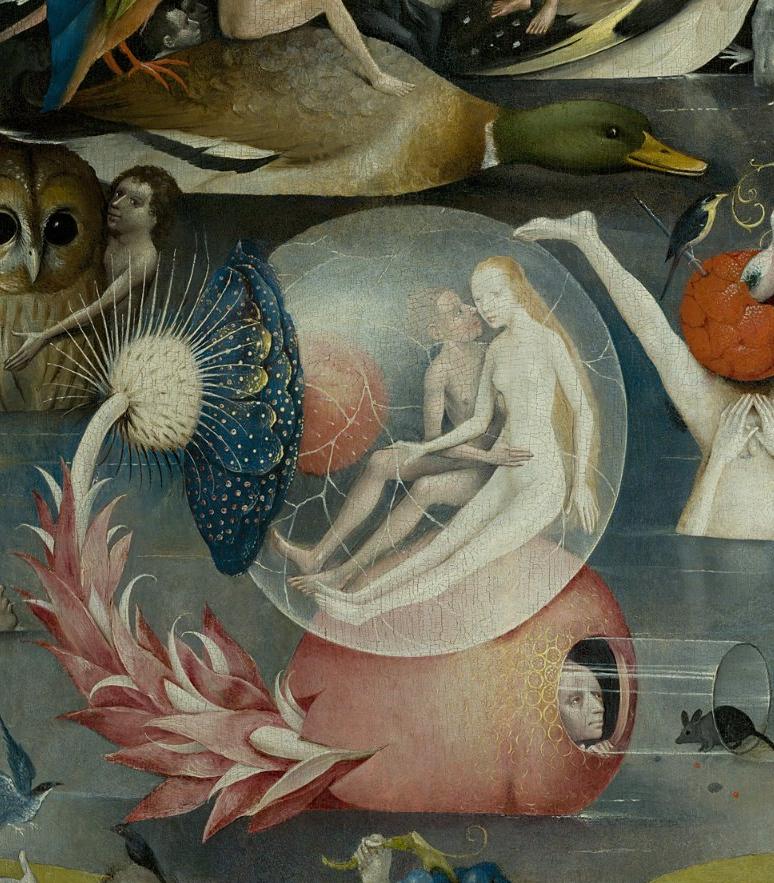
El Bosco, El jardín de las delicias (De tuin der lusten) c. 1500-15051, óleo sobre tabla, Museo del Prado (Madrid).
En el Evangelio de este domingo, Jesús nos confronta con una verdad ineludible: el tiempo de nuestra conversión no es infinito. Cuando sus discípulos le hablan de los galileos asesinados por Pilato, Jesús no se detiene en explicaciones políticas ni en buscar culpables, sino que dirige la mirada hacia el corazón de cada uno: «Si no se convierten, todos perecerán de la misma manera». La parábola de la higuera estéril nos invita a preguntarnos si nuestra vida está dando fruto o si estamos desaprovechando el tiempo que Dios nos concede.
El panel central de El Jardín de las Delicias de El Bosco puede interpretarse como un recordatorio de la fugacidad de la vida. Sus escenas de placeres efímeros contrastan con la realidad del juicio y la responsabilidad moral. ¿Estamos viviendo solo para el momento, sin pensar en la eternidad? La paciencia de Dios no es indiferencia; su misericordia nos llama a despertar. Meursault, el protagonista de El Extranjero de Albert Camus, vive ajeno a cualquier sentido trascendente hasta que la cercanía de la muerte lo confronta con la verdad. Su indiferencia existencial refleja la aridez de una higuera estéril. Al final de la novela, hay un atisbo de aceptación, pero ¿qué hubiera sido de su vida si hubiera abrazado antes la posibilidad de una transformación interior? Las Siete Palabras de Cristo en la Cruz de Haydn, profundamente meditativa, nos sitúa ante la última oportunidad que cada alma tiene para responder al amor de Dios. Nos recuerda que aún en el último momento, la conversión es posible, pero no debemos posponerla. Cuaresma es el tiempo de revisar nuestra vida, de preguntarnos si estamos aprovechando la gracia que Dios nos da. No esperemos hasta el último instante. La higuera todavía está en pie, pero no lo estará para siempre • AE

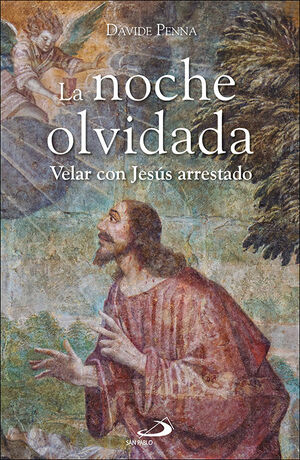
¿Algo para leer?

 LA MEDITACION DE LA ESPOSA