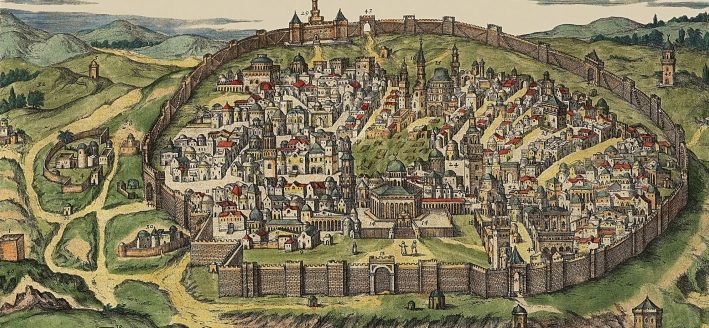

Caravaggio, The Flagellation of Christ (1607), Museo di Capodimonte (Roma)
Good Friday is a wound at the heart of time. It is the hour when Love is broken, when the Innocent One is condemned, when the world’s cruelty reaches its peak. The cross, simple and brutal, stands as a sign of contradiction: the instrument of death that becomes the source of life. In Caravaggio’s The Flagellation of Christ, light and shadow carve out the moment of suffering with raw intensity. Christ stands at the center, his body bent beneath the blows, yet his face serene—a paradox of agony and acceptance. This is not just an image of torture; it is a revelation of the silent strength of sacrificial love.
Where do we see this suffering today? In the forgotten corners of war-torn cities, in the lonely hospital rooms where no visitors come, in the silent agony of those crushed by despair. The Passion is not locked in the past—it is happening now, in every neglected and abandoned soul. And yet, Good Friday is not the last word. The Cross is both an ending and a beginning. The sky darkens, the earth trembles, and the temple veil is torn—but these are not signs of despair. They are the first cracks in the old world, making way for something new. To stand at the foot of the Cross is to resist the temptation to flee from suffering. It is to remain, to watch, to wait. It is to trust that even in the silence of the tomb, God is not absent. So today, as we gaze upon the Cross, let us not look away. Let us enter into the wound, because it is there, in that brokenness, that the healing of the world begins • AE
Easter Triduum 2025
HOLY THURSDAY OF THE LORD´S SUPPER, APRIL 17
6.00 p.m. Mass of the Lord’s Supper (Bilingual)
(Adoration of the Most Holy Sacrament until 10.00 p.m. @ Chapel)
FRIDAY OF THE PASSION OF THE LORD (Good Friday), APRIL 18
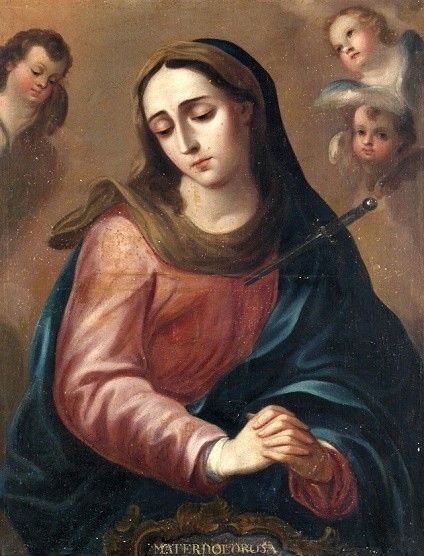
10.00 a.m. Los Siete Dolores de la Santísima Virgen María
11.30 a.m. Live performance of the Passion of the Lord
(we start @ the police station, we end @ St. Joseph grounds)
6.00 p.m. Liturgical Celebration of the Lord’s Passion (Bilingual)
HOLY SATURDAY, APRIL 19
8.00 p.m. The Easter Vigil in the Holy Night (Bilingual)
EASTER SUNDAY OF THE RESURRECTION OF THE LORD, APRIL 20
8.30 a.m. English mass @ St. Mary´s Chapel
11.00 a.m. English mass @ church
12.30 p.m. Easter Egg Hunt @ St. Joseph grounds
Viernes Santo de la Pasión del Señor (2025)
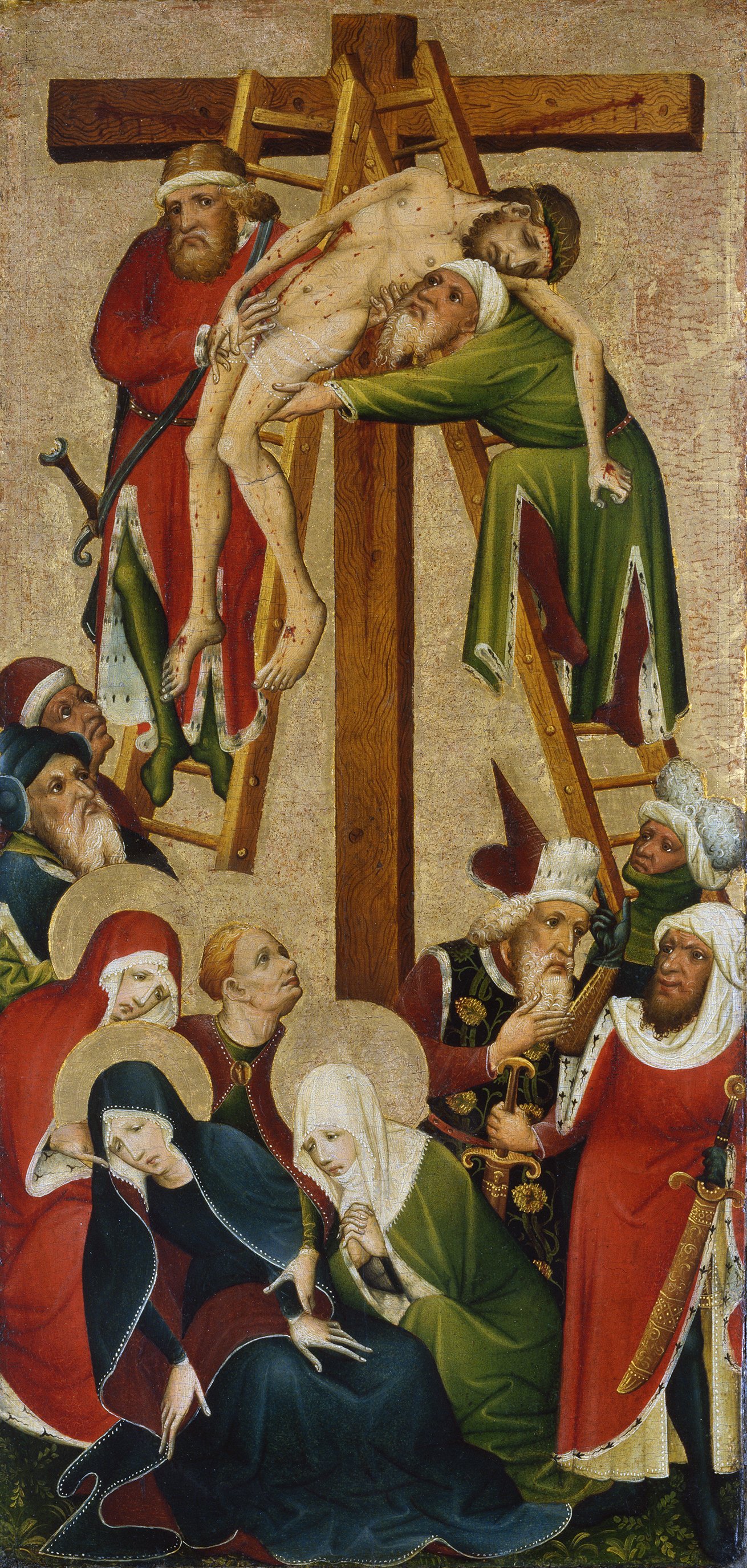
Anónimo alemán, El Descendimiento de la cruz (hacia 1420), óleo sobre tabla, Museo Nacional Thyssen-Bornemisza (Madrid).
El Viernes Santo no es solo un día en el calendario litúrgico; es el eje sobre el que gira toda la historia de la humanidad. Es el día en que el Verbo hecho carne se hunde en el abismo del sufrimiento, el día en que la Verdad es silenciada por el estruendo del poder, el día en que Dios parece perder. Los evangelios nos llevan al Gólgota, pero podríamos encontrarnos con la Cruz en cualquier otro rincón de la historia. En la literatura de Dostoievski, cuando el hombre lucha con su conciencia. En los cuadros de Goya, donde la desesperanza y la injusticia gritan sin palabras. En los versos de Celan, donde el horror de la Shoá nos recuerda que Cristo sigue siendo crucificado en los campos de exterminio de la humanidad. Y hoy, ¿dónde está la Cruz? Está en los refugiados que huyen de la guerra, en las víctimas del abuso silenciadas por el miedo, en el enfermo que agoniza solo, en la indiferencia que nos anestesia mientras el mundo arde. La Pasión no es un recuerdo; es un presente constante. Pero la cruz no es el final. La oscuridad de la tarde del Viernes Santo solo es el preludio del alba de Pascua. La historia no termina en el sepulcro. El Viernes Santo nos invita a permanecer en la herida, a mirar de frente el dolor, a no escapar del sufrimiento ajeno. Nos recuerda que, para resucitar con Cristo, primero debemos abrazar la Cruz con Él. Hoy, el desafío es el silencio. No el de la evasión, sino el de la adoración. No el de la indiferencia, sino el de la espera. Contemplar la Cruz no es detenerse en la muerte, sino prepararse para la Vida. Y tú, ¿te atreves a quedarte junto a la Cruz? • AE
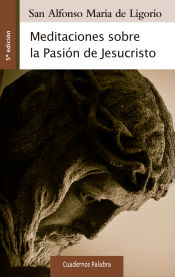
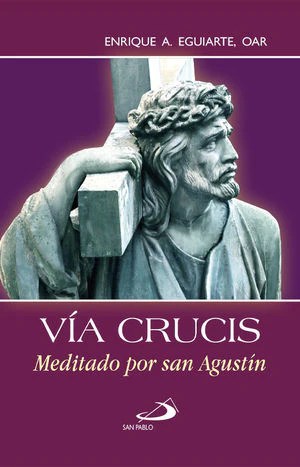
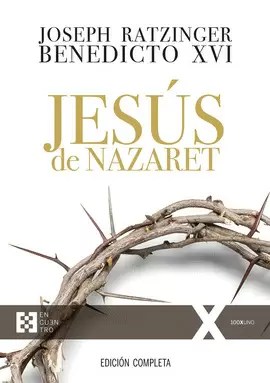
Lecturas para el Triduo Pascual
 LA MEDITACION DE LA ESPOSA