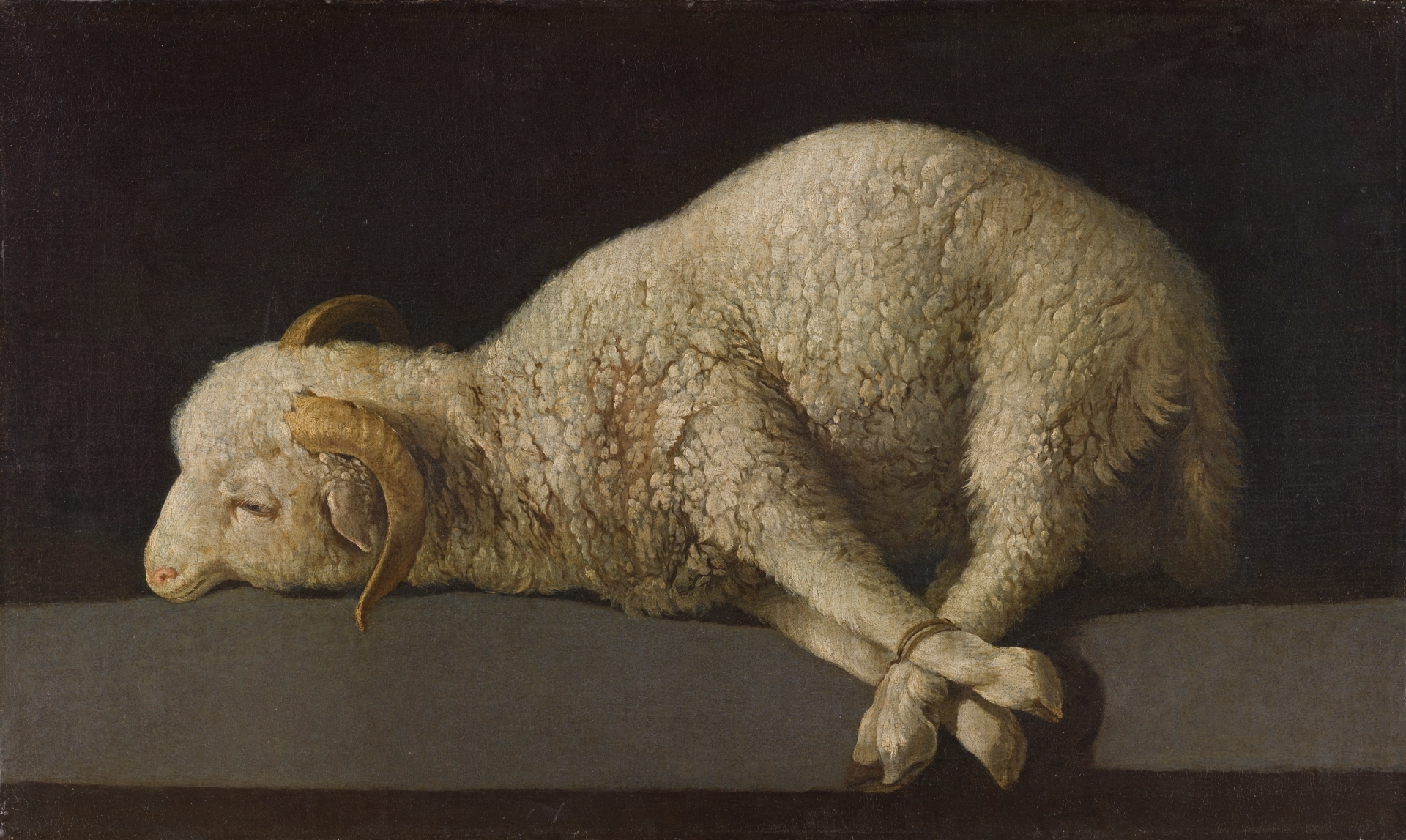
Francisco de Zurbaran, Agnus Dei (1635), óleo sobre tela, Museo Nacional del Prado
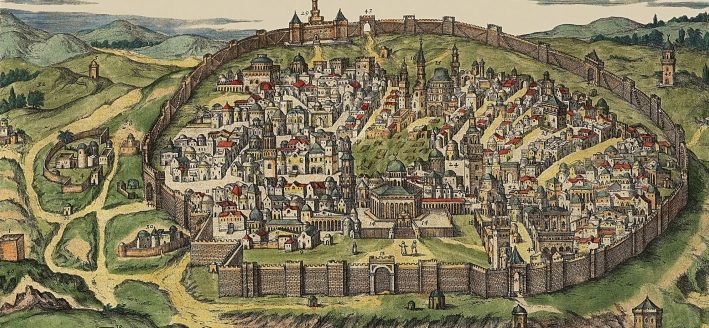
The angel took John to a high mountain. That’s where visions always begin—in the place where silence meets vastness, where heaven can be seen more clearly because the noise of earth has fallen away. And from there, he saw it: the holy city, the New Jerusalem, coming down out of heaven like a gift, gleaming with the glory of God. Not built by human hands, not polluted by ambition or fear, but radiant. Like jasper. Like crystal. Pure. Transparent. Solid. Fragile and indestructible all at once. The description is strange, almost dreamlike. Gates with angels. Walls with names. Foundations that remember. East, north, south, west—the whole compass covered. Twelve tribes. Twelve apostles. A city where memory becomes architecture and history is made of light. But then comes the most striking detail: “I saw no temple in the city, for its temple is the Lord God almighty and the Lamb.” This changes everything. No more sacred enclosures. No more boundaries between God and us. The whole city is the temple. The whole life is worship. God is no longer found behind curtains or within walls, but in the open, in the air, in the light that touches everything. There is no need for sun or moon, because the Lamb Himself is the lamp.
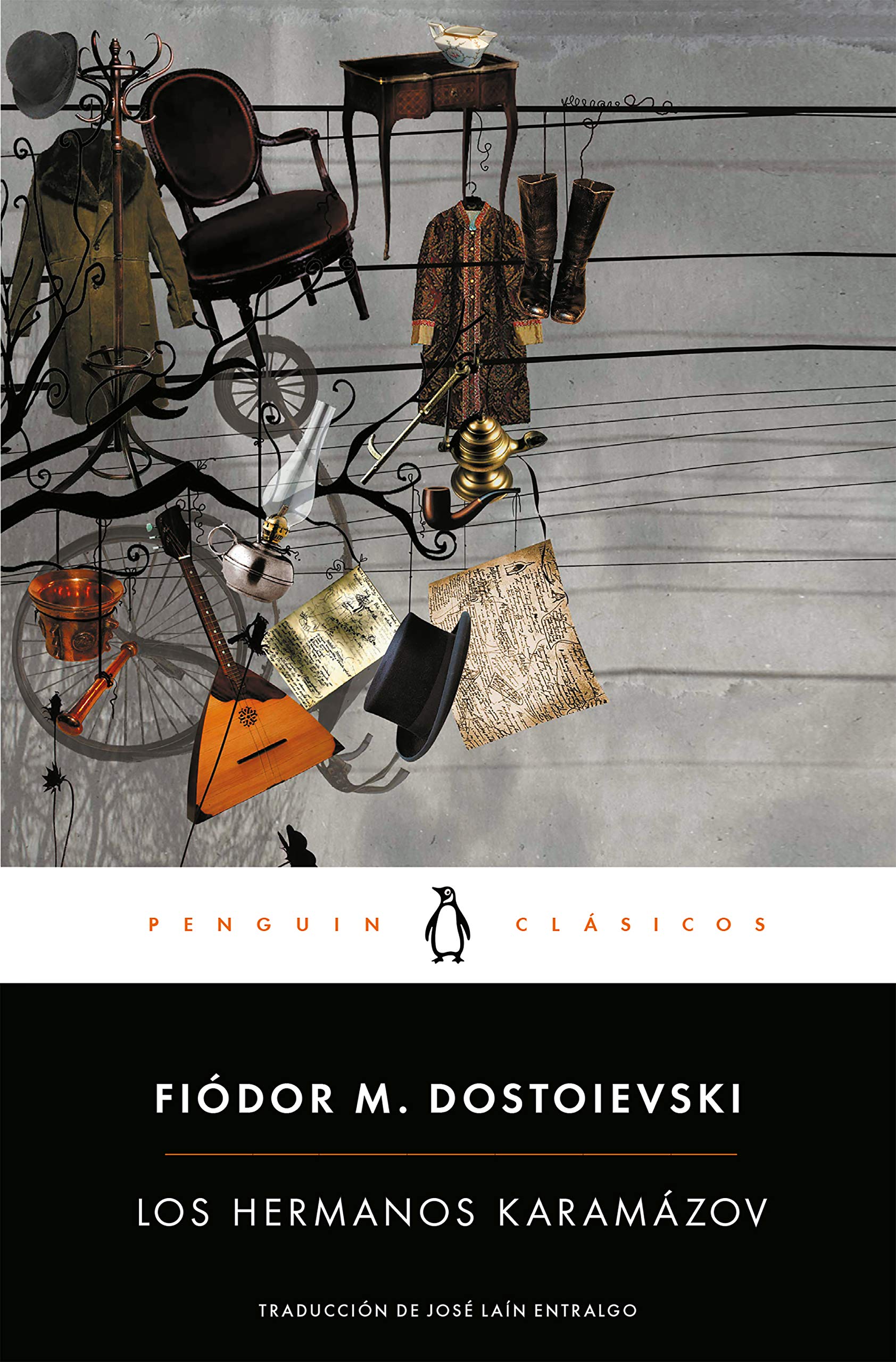
It is a vision of the world redeemed—not escaped from, but transformed. A world where the center is no longer power or fear or even religion, but the presence of the Lamb. It is as if John is telling us: you don’t need to climb up to God anymore. God is coming down. And He comes not as fire or storm, but as light. Quiet, steady, and faithful. This vision has always reminded me of the final paragraph of The Brothers Karamazov, where Alyosha, standing beside a grave, says: “Surely we shall rise again… and we shall joyfully tell one another all that has been.” The holy city is not just a future place—it is a promise that our stories matter. That names are not forgotten. That even now, in the brokenness of our cities and the smallness of our lives, something eternal is already being built. And perhaps the soundtrack to this vision is something like Brahms’ Wiegenlied—yes, the lullaby. Not because the holy city is sleepy, but because it is finally safe. Because it rests in God. The Lamb is its lamp, and there is no more fear, no more night. That gentle, rocking melody—so often sung to cradle children—becomes here a hymn of divine tenderness, a song not of forgetfulness but of eternal shelter. As if God Himself were humming softly over the world He now calls home, whispering peace into every corner of the redeemed creation. This Sunday, we are invited to climb the mountain with John. To look beyond what we see. To believe in a city without a temple, because the Lamb is the light. And to live, already now, as citizens of that light • AE

St. Joseph Catholic Church (Dilley, TX) • Weekend Schedule

Fr. Agustin E. (Parish Administrator)
Saturday, May 24, 2025.
10.00 a.m. Funeral Mass for + Mr. Rodolfo Sambrano
5.00 p.m. Sacramento de la Confesión
6.00 p.m. Santa Misa.
Sunday, May 25, 2025
8.00 a.m. Sacrament of Reconciliation
8.30 a.m. Holy Mass.
10.30 p.m. Sacrament of Reconciliation.
11.00 a.m. Holy Mass.
VI Domingo de Pascua (Ciclo C)

J. Vermeer, Muchacha leyendo una carta (1657), óleo sobre tela, Gemäldegalerie Alte Meister (Dresde)
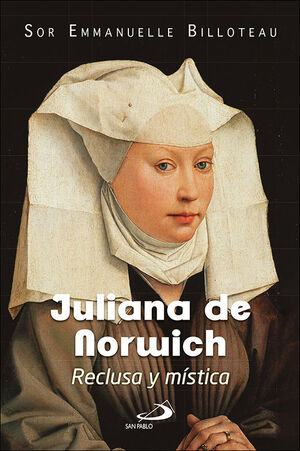
«El que me ama, guardará mi palabra, y mi Padre lo amará, y haremos morada en él». Hay frases del Evangelio que no se leen, se escuchan por dentro. Esta es una de ellas. Jesús no habla aquí de normas ni de esfuerzo, sino de amor. Y no de cualquier amor, sino de ese que se vuelve casa. Ser amados hasta ser habitados. No por un instante, sino para siempre. Dios no visita: permanece. En un tiempo donde todo se mide, se exige y se compara, estas palabras son un descanso. Amar a Cristo no es entenderlo todo ni hacerlo todo bien. Es guardar su palabra. Como se guarda una carta antigua, un secreto confiado, una promesa que sigue latiendo. No es una obediencia fría, sino un amor que se queda. Lo entendió bien Juliana de Norwich cuando escribió: «Todo estará bien, y todo estará bien, y cualquier cosa estará bien». Esa es la paz que Jesús ofrece. Una paz que no viene del mundo ni depende de lo que pase. Es una paz que brota de saberse amado, incluso en la noche, incluso en la duda.
Jesús dice que se va, pero no para dejarnos huérfanos. Se va para volver más hondo. Me voy, pero volveré a su lado. Porque su ausencia es solo aparente. Él permanece en la forma del Espíritu, que aquí llama «el Consolador». En esa palabra hay promesa y ternura. El Espíritu no nos llena de datos ni de doctrinas nuevas, sino que —como dice el cardenal Cantalamessa— “hace nuevas todas las cosas dentro del Evangelio”. Él es quien nos recuerda a Jesús, quien nos ayuda a entenderlo cuando todo se ha oscurecido. En Cartas a un joven poeta, Rainer Maria Rilke invita a no temer lo que aún no se comprende. “Sea paciente con todo lo que no se ha resuelto en su corazón e intente amar las preguntas mismas”, dice. Quizá eso es también guardar la palabra: no correr, no explicar todo, sino dejar que el Evangelio eche raíces incluso cuando no florece de inmediato. Y mientras tanto, vivir en paz. Una paz como la de los intervalos de Spiegel im Spiegel, la obra de Arvo Pärt, que repite sin cesar una melodía mínima, como si el alma caminara descalza en una casa silenciosa. Esa música no impone: habita. Así es también la presencia del Resucitado en quien lo ama. Sin estridencias. Como un huésped que llega para quedarse. El Evangelio de hoy es pues una invitación a dejarse amar. A no tener miedo. A preparar el alma como se ordena una casa: con limpieza, con tiempo, con esperanza. Y entonces, sí: el Padre y el Hijo vendrán. Y harán en nosotros su morada • AE

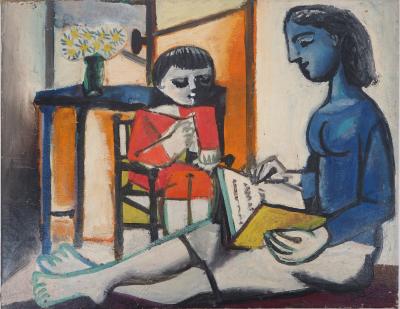
¿Qué estás leyendo?

 LA MEDITACION DE LA ESPOSA