

What must I do to inherit eternal life? This question, posed by a scholar of the law, is not a casual inquiry. It is the question—burning in the heart of every serious believer. But Jesus, as he often does, answers with another question. He wants not just to be understood, but to be encountered. The parable that follows—of the Good Samaritan—is not merely about kindness. It is about mercy that crosses boundaries, mercy that inconveniences itself, mercy that takes risks and refuses to look away. The priest and the Levite are not monsters; they are just… preoccupied. Respectable. Cautious. But the Samaritan, the foreigner, the “heretic,” sees—and is moved. This Gospel always calls to mind a line from Les Misérables by Victor Hugo, where Bishop Myriel says: “To love or have loved, that is enough. Ask nothing further. There is no other pearl to be found in the dark folds of life.” Like the bishop who shelters the fugitive Jean Valjean, the Good Samaritan loves first, without calculation. For reflection this week, I suggest listening to Arvo Pärt’s Cantus in Memory of Benjamin Britten. The tolling bell and mournful strings evoke the dignity of every wounded traveler and the solemn beauty of mercy in action. This music does not rush—it waits, accompanies, and gently transforms. Jesus’ final command is not complex: “Go and do likewise.” The path to eternal life is not hidden. It lies at our feet, every time we dare to love beyond our limits • AE

St. Joseph Catholic Church (Dilley, TX) • Weekend Schedule

Fr. Agustin E. (Parish Administrator)
Saturday, July 12, 2025.
10.00 a.m. Marriage Preparation for Pablo & Daniela
5.00 p.m. Sacramento de la Confesión
6.00 p.m. Santa Misa.
Sunday, July 13, 2025
8.00 a.m. Sacrament of Reconciliation
8.30 a.m. Holy Mass.
XV Domingo del Tiempo Ordinario (Ciclo C)

El Evangelio de este domingo no es una historia de buenos y malos. Es una historia sobre quién se detiene y quién sigue su camino. Porque el que sufre no necesita explicaciones ni excusas; necesita presencia. El sacerdote y el levita no son indiferentes por crueldad, sino por distracción, por miedo, por prioridades que consideran más “santas”. El samaritano, en cambio, interrumpe su viaje, ensucia sus manos, compromete su dinero, y se convierte en prójimo. En Ciudadela, Antoine de Saint-Exupéry escribe: “Cuando das de ti mismo, das lo que no se compra. No das pan, das el pan compartido.” Eso hizo el samaritano: no dio limosna, sino tiempo. No ofreció un gesto, sino un camino compartido. Cuidó las heridas, pagó el hospedaje, prometió volver. Ese tipo de amor tiene un peso que no se olvida fácilmente. Esta semana, mientras meditaba en este Evangelio, escuché “Abendlied” de Josef Rheinberger. Es una pieza coral breve, casi susurrada, que repite una sola súplica: “Bide with us, for evening falls…” Qué distinta suena esa súplica cuando uno ha sido golpeado por la vida. Qué honda cuando alguien, como el samaritano, decide quedarse un rato más. Jesús, que también se quedó aquella tarde con los que caminaban hacia Emaús, termina el relato del evangelio de este domingo con una orden clara: “Anda, y haz tú lo mismo.” No es poesía. Es el camino a la vida eterna. Amar sin esperar, detenerse sin cálculo, cargar con otro sin preguntar si lo merece o no • AE

Es verano ¿Qué lees?
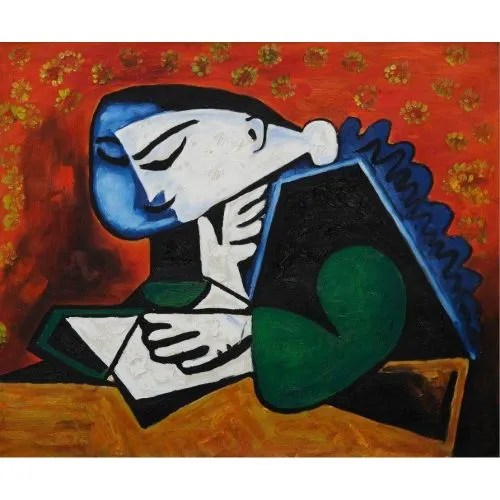
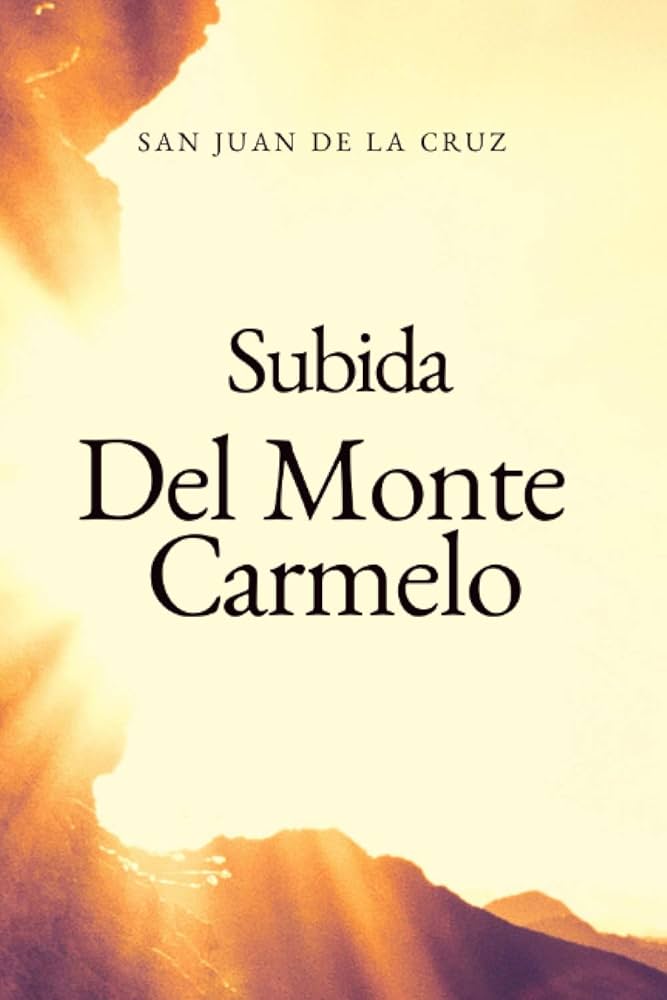
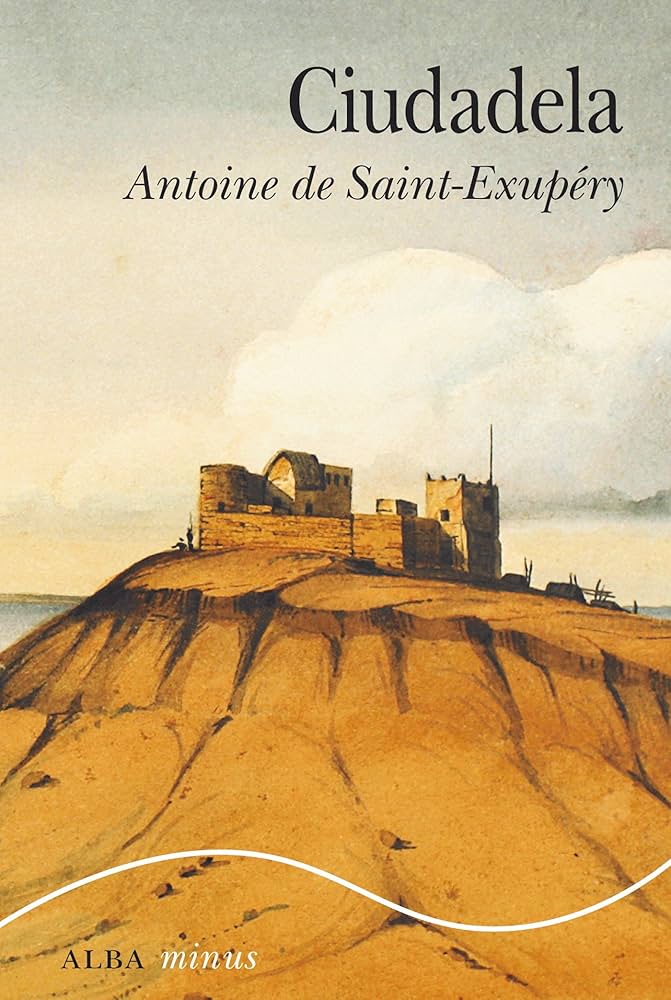


 LA MEDITACION DE LA ESPOSA