Twenty-second Sunday in Ordinary Time (Cycle C)

Pope Francis shared breakfast with people in vulnerable situations at the parish of Saint-Gilles, Brussels (Belgium)

In today’s Gospel, Jesus is invited to dine at the house of a leading Pharisee. Everyone is watching Him closely, and He watches them just as closely. He notices how the guests quietly compete for the best seats at the table. And it is there, in something as ordinary as choosing a place to sit, that He teaches us about the heart of the Kingdom. “When you are invited, take the lowest place,” He says. In God’s banquet, honor is never seized but always given. True dignity is not claimed but received. The one who grasps for status ends in humiliation, but the one who chooses humility is the one God Himself will lift up. Jesus then goes even deeper: “When you hold a banquet, invite the poor, the crippled, the lame, the blind.” He pushes us past the comfortable circle of people who can repay us. Real hospitality means setting a table for those who cannot give anything back, because that is exactly how God has welcomed us. It is the same reversal that Charles Dickens captured in A Christmas Carol. Scrooge only finds joy when he discovers that giving is not about keeping accounts, but about opening the heart to those who have nothing. His transformation mirrors the invitation of Christ: to make space for the little ones, and in doing so, to become truly human. And if the Kingdom had a soundtrack, it would not be a triumphal march but something closer to the Agnus Dei of Fauré’s Requiem: gentle, luminous, almost fragile, yet carrying a peace that outlasts everything else. Humility sounds like that—not loud, not competitive, but radiant in its simplicity. The Gospel today leaves us with a question: Whom do I welcome at my table, and am I willing to choose the lowest place, trusting that God Himself will raise me up? AE


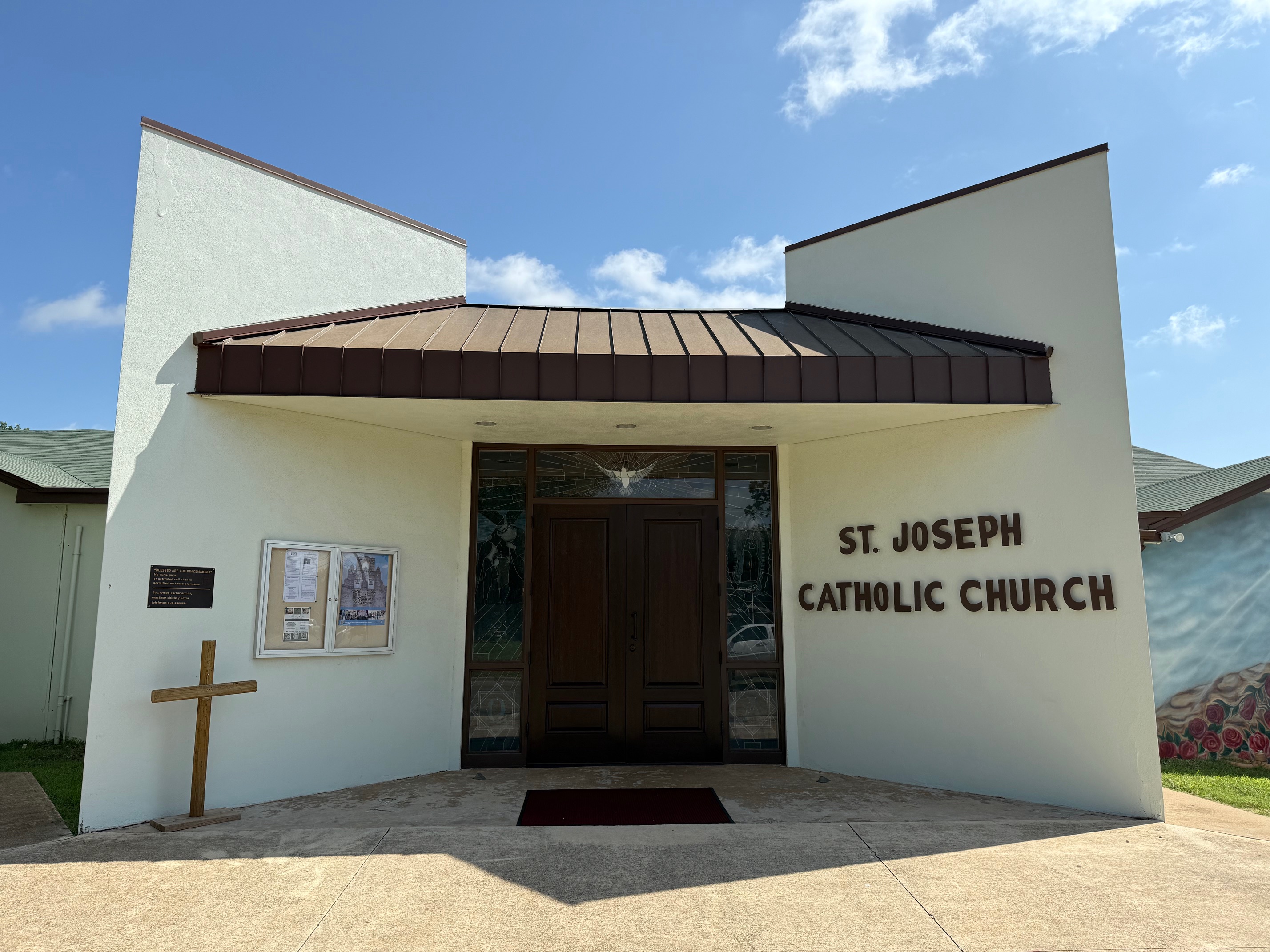
St. Joseph Catholic Church (Dilley, TX) • Weekend Schedule
Fr. Agustin E. (Parish Administrator)

Saturday, August 30, 2025.

8.30 a.m. Young Adult Retreat «Come Home To The Table»

5.00 p.m. Sacramento de la Confesión

6.00 p.m. Santa Misa.

Sunday, June 15, 2025

8.00 a.m. Sacrament of Reconciliation

8.30 a.m. Holy Mass.

10.30 p.m. Sacrament of Reconciliation.

11.00 a.m. Holy Mass.


XX Domingo del Tiempo Ordinario (Ciclo C)
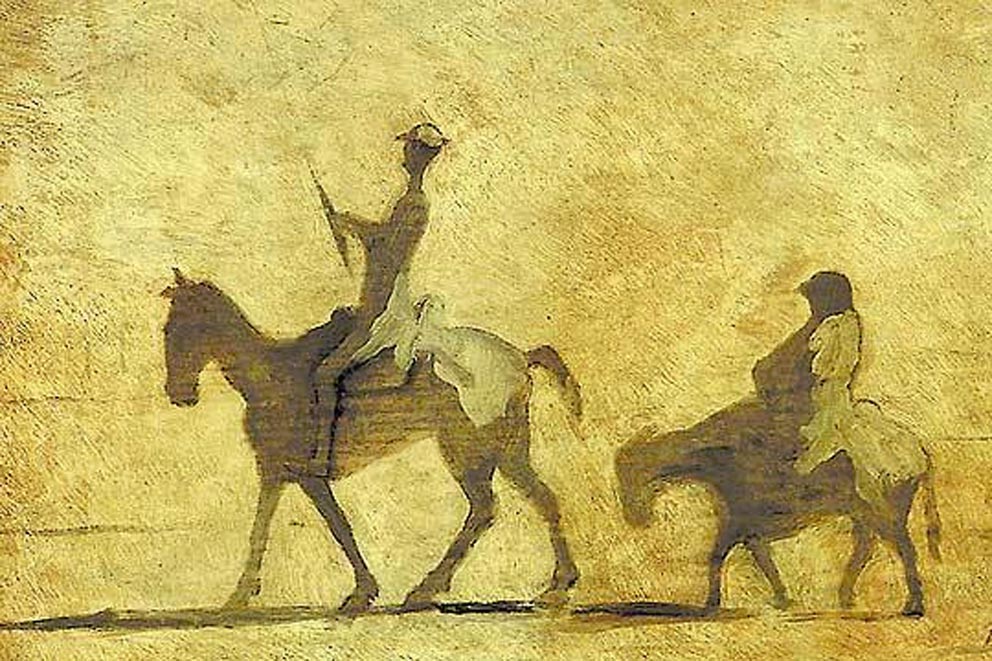
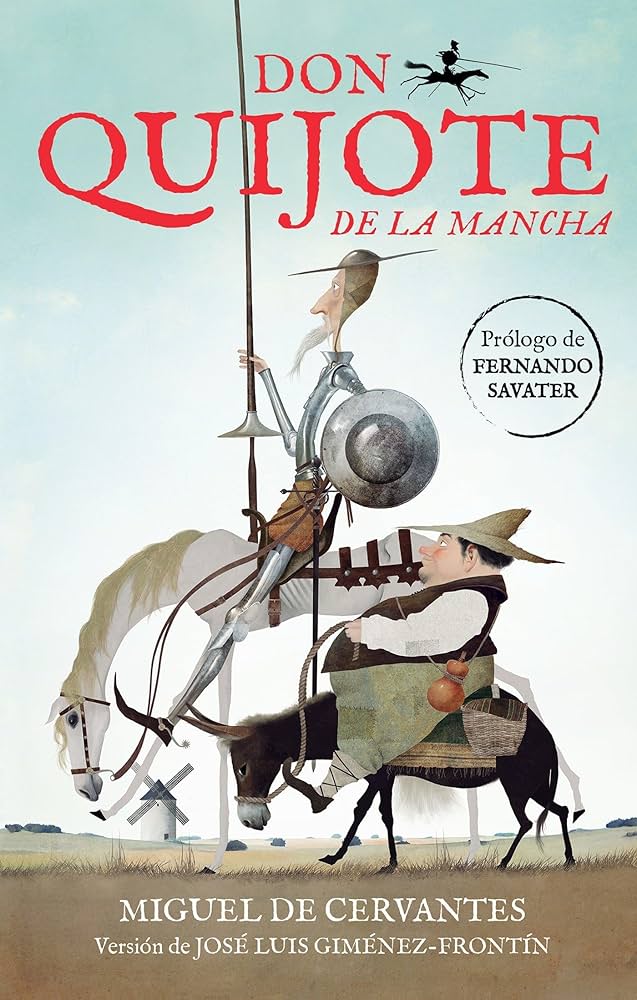
H. Daumier, Don Quijote y Sancho Panza (s. XIX), óleo sobre lienzo, colección particular.

El Evangelio de hoy nos muestra a Jesús comiendo en casa de un fariseo. Mientras los invitados buscan los primeros lugares, Él aprovecha para dar una lección que no pasa de moda: «El que se enaltece será humillado, y el que se humilla será enaltecido.» Jesús no habla de protocolos ni de buenas maneras, habla del corazón. Nos dice que en la vida cristiana no gana el que empuja para ser visto, sino el que sabe hacerse pequeño, porque así es como Dios lo engrandece. Y todavía nos sorprende más cuando añade: «Cuando des un banquete, invita a los pobres, a los lisiados, a los ciegos.» Es decir, no vivas la generosidad esperando recompensa. La verdadera alegría está en compartir con quienes no pueden devolverte nada. Así se construye el Reino: con un amor gratuito, parecido al de Dios. Me recuerda a un pasaje de El Quijote, cuando Sancho Panza descubre que lo importante no es comer bien en los banquetes de poder, sino conservar la sencillez y la justicia en lo cotidiano. Esa sabiduría humilde es la que Jesús nos propone hoy, y que recuerda el Magnificat tan bonito de Taizé. Su repetición suave y confiada expresa lo que María canta: que Dios derriba del trono a los poderosos y enaltece a los humildes. Al final, la pregunta es sencilla: ¿Estoy dispuesto a vivir desde lo pequeño, desde lo que no brilla, sabiendo que ahí es donde Dios pone su mirada? AE


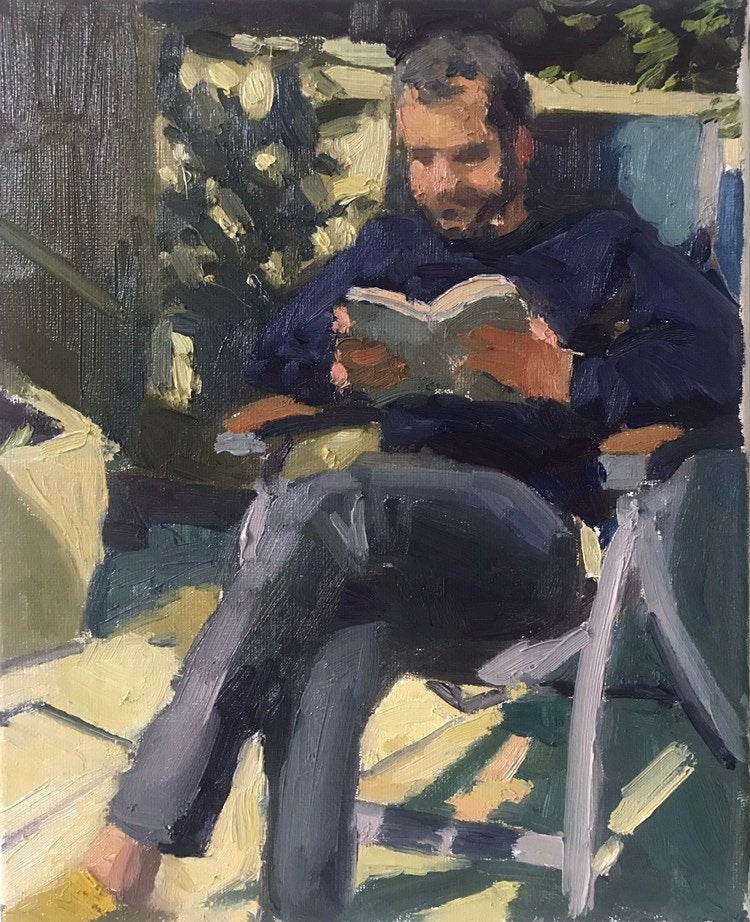
¿Qué lees estos días?

Twenty-first Sunday in Ordinary Time (Cycle C)

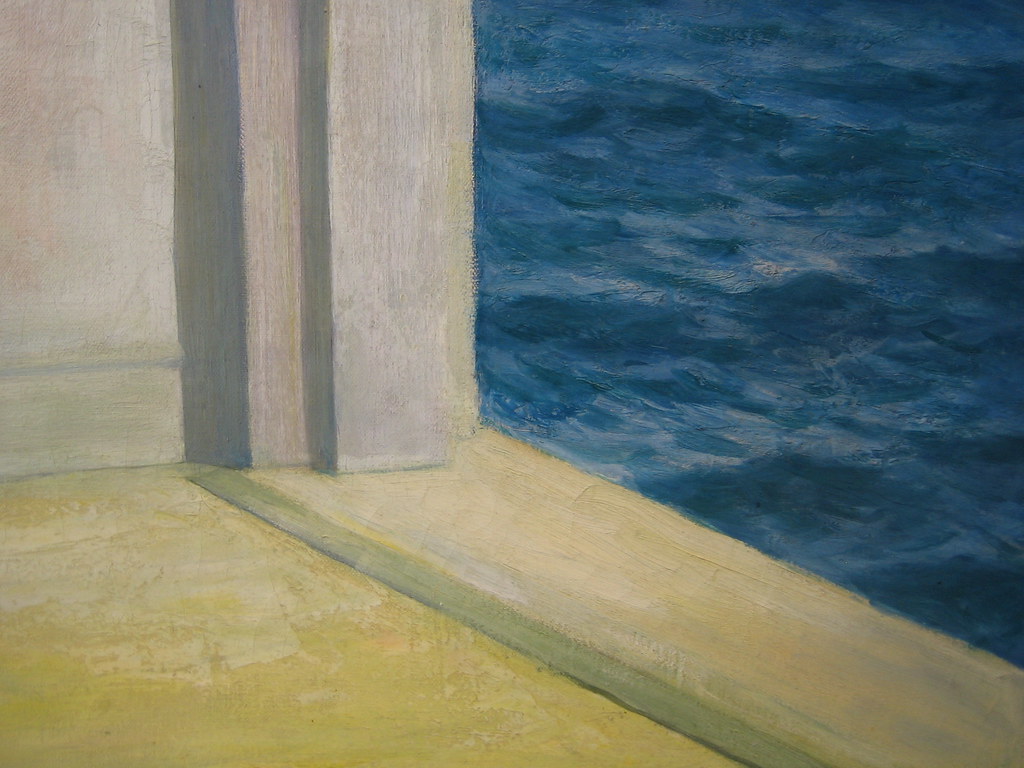
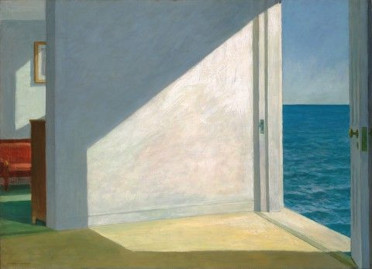
E. Hopper, Rooms by the Sea (detail) (1951), oil on canvas, Yale University Art Gallery (New Haven)

In today’s Gospel, someone asks Jesus: “Lord, will only a few people be saved?” It’s the kind of question we might still ask: how many will make it to heaven? But Jesus doesn’t answer with numbers. He invites us instead to look at ourselves: “Strive to enter through the narrow gate.” In other words, don’t waste time speculating—live your faith with decision. The narrow gate is not meant to scare us. It is an image that calls us to be serious in our following of Christ. Many want to enjoy the blessings of being near Him without really committing their lives: “We ate and drank in your company.” But the Gospel reminds us that it’s not enough to be “around” Jesus; what matters is to walk with Him, to let Him transform our hearts. And then comes the surprise: “Some are last who will be first, and some are first who will be last.” The Kingdom of God does not depend on social position, titles, or privileges. People will come from the north and south, east and west, and all will have a place at the table if they have opened themselves to God’s grace. What matters is not what we once had, but how we live now. This makes me think of C.S. Lewis, who once wrote: “The door to heaven is narrow, but it opens on the inside.” The effort is real, but God’s mercy is greater still. Musically, Bach’s Jesu, Joy of Man’s Desiring captures this so well. Its melody is steady and gentle, never loud or spectacular, but it leads the heart toward peace. That’s how the narrow gate feels: not the broad, noisy road of distraction, but the quiet and beautiful way of Christ. So the question is not “How many will be saved?” The real question is: Am I willing to walk through that narrow gate today, with faith, with love, with Him? AE


St. Joseph Catholic Church (Dilley, TX) • Weekend Schedule

Fr. Agustin E. (Parish Administrator)

Saturday, August 23, 2025.

11.00 a.m. Sacrament of Baptism for Etta Sue Hall

(Presider: Fr. Jesus Anguiano)

5.00 p.m. Sacramento de la Confesión

6.00 p.m. Santa Misa.

Sunday, August 24, 2025

8.00 a.m. Sacrament of Reconciliation

8.30 a.m. Holy Mass.

10.30 p.m. Sacrament of Reconciliation.

11.00 a.m. Holy Mass.


XXI Domingo del Tiempo Ordinario (Ciclo C)

Francisco de Goya (1746–1828), La cometa (1777), óleo sobre lienzo, Museo Nacional del Prado (Madrid)

En el Evangelio de este domingo, alguien le pregunta a Jesús: «Señor, ¿serán pocos los que se salven?» La pregunta busca un número, una estadística. Pero Jesús no responde con porcentajes, sino con un desafío: «Esfuércense en entrar por la puerta estrecha.» Con esto nos recuerda que la salvación no es un asunto de curiosidad, sino de decisión. La puerta estrecha no significa exclusión, sino profundidad. Es angosta porque nos obliga a dejar atrás lo que estorba: el orgullo, las excusas, las máscaras. No se trata de “estar cerca” de Jesús de manera superficial—«Comimos y bebimos contigo»—sino de dejarnos transformar por Él de verdad. Conocerlo no es lo mismo que haber pasado tiempo cerca; conocerlo es dejar que su amor nos cambie por dentro. Me viene a la mente una escena de Don Quijote de la Mancha: cuando Sancho, cansado de tantos golpes y decepciones, sigue acompañando a su señor porque ha aprendido a mirar más allá de la locura y reconocer lo esencial de la fidelidad. Así también es la puerta estrecha: parece absurda a los ojos del mundo, pero es el camino de la fidelidad y del amor que no se rinde. Y pienso también en el Ave Verum Corpus de Mozart. Su música es breve, sencilla, sin adornos excesivos, pero justamente en esa sobriedad radica su belleza. No necesita alardes; basta un par de notas para abrirnos a lo eterno. Así es el Evangelio de hoy: un llamado sencillo, pero decisivo, a escoger lo esencial. La pregunta entonces no es “¿cuántos se salvarán?”, sino: ¿estoy yo dispuesto a atravesar hoy esa puerta estrecha del amor, aun cuando cueste, sabiendo que del otro lado está la mesa del Reino? AE

El Ave Verum Corpus de Mozart, compuesto en junio de 1791 para la fiesta del Corpus Christi en Baden, fue una de sus últimas obras, escrita apenas unos meses antes de su muerte. Es música sencilla y breve, pero llena de hondura, como si Mozart ya estuviera mirando hacia la eternidad.

Esta interpretación de 1990 dirigida por Leonard Bernstein tuvo lugar en la Basílica barroca de Waldsassen, en Baviera, un templo del siglo XVIII famoso por su fastuoso coro de estatuas talladas y su resonancia única. Escuchar allí este motete es casi un regreso al espíritu para el cual fue escrito: la unión de arte y fe en un espacio sagrado. Aunque la calidad del video no sea la mejor, el lugar, la obra y la dirección de Bernstein hacen de esta versión una verdadera joya histórica y espiritual.


Aun es verano ¿Qué lees?

Twentieth Sunday in Ordinary Time (Cycle C)

P. Medina Guzmán, The Gift of the Resurrection, mural in the Blessed Sacrament Chapel, Basilica of Guadalupe (Mexico City)

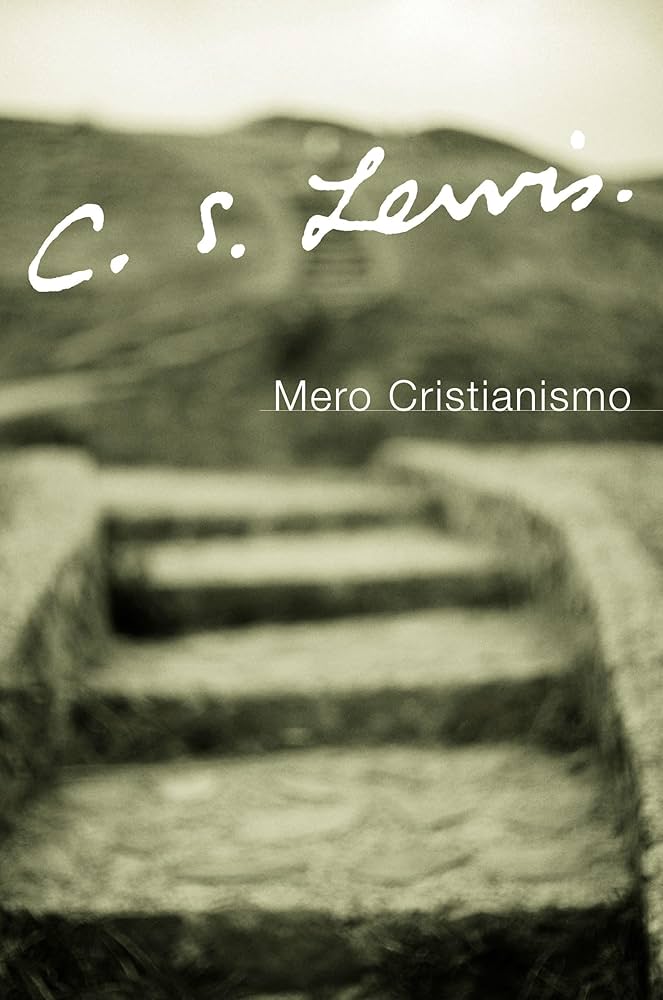
Jesus’ words today cut through every polite illusion we have about faith as a safe, comfortable path. He speaks of fire — not a campfire to gather around for warmth, but a blaze that reshapes everything it touches. This is the fire of the Kingdom, a fire that refuses to coexist peacefully with half-truths, and that burns away our disguises. It is the fire of decision. No wonder He says it will bring division. Light and darkness cannot blend without one surrendering to the other. The Gospel forces us to stand somewhere, and that choice will sometimes set us apart from the people we love most. It brings to mind C.S. Lewis in Mere Christianity: «When you are behaving as if you loved someone, you will presently come to love them.»

Following Christ is that — acting, choosing, even when the cost is high — because the fire will not wait for our convenience. And perhaps His words are less a threat and more an invitation: to let the spark He lights run through us like the opening of Beethoven’s Symphony No. 5 — urgent, unmistakable, impossible to ignore. Once that theme begins, nothing stays the same AE


St. Joseph Catholic Church (Dilley, TX) • Weekend Schedule

Saturday, August 16, 2025.

11.00 a.m. Funeral Services for + Mr. Abel Flores

5.00 p.m. Sacramento de la Confesión

6.00 p.m. Santa Misa.

Sunday, August 17, 2025

8.00 a.m. Sacrament of Reconciliation

8.30 a.m. Holy Mass.

10.30 p.m. Sacrament of Reconciliation.

11.00 a.m. Holy Mass.


XX Domingo del Tiempo Ordinario (Ciclo C)

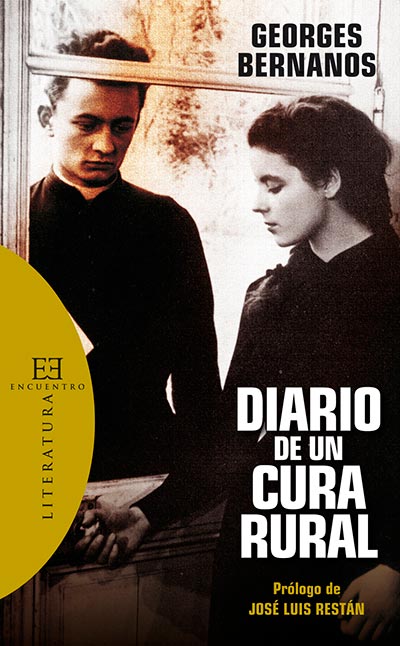
Jesús no se presenta hoy como un pacificador superficial. No viene a ofrecernos la paz entendida como simple ausencia de problemas. Viene a encender un fuego. Un fuego que ilumina, que purifica, que consume lo que sobra y deja lo esencial. Ese fuego es su amor radical por el Padre y por nosotros. Pero ese amor, cuando es auténtico, incomoda. Porque nos obliga a elegir. Y toda elección verdadera implica una renuncia. Por eso Jesús advierte: seguirle puede traer división incluso dentro de la familia. No porque Él disfrute de la ruptura, sino porque su verdad no se negocia ni se diluye para agradar a todos. Esto recuerda a las palabras de Georges Bernanos en su Diario de un cura rural: «El mundo nos pide que lo dejemos en paz. Pero no hay paz posible fuera de la verdad.» Ahí está la clave: la paz de Cristo no es la de los acuerdos tibios, sino la que nace de un corazón limpio, ardiendo en caridad.

Quizá hoy esta página del Evangelio nos invite a preguntarnos si nuestro seguimiento de Cristo es suficientemente ardiente como para incomodar al mundo, o si preferimos que su fuego se mantenga en una pequeña llama, controlada y segura. Como en el Réquiem de Fauré, donde la música es serena pero con una fuerza que va por debajo, la fe auténtica no siempre se expresa en estridencias, pero tiene una intensidad que transforma. Ese es el fuego que Cristo quiere encender en nosotros AE


Hoy, ¿qué lees?

Solemnity of the Assumption of the Blessed Virgin Mary (2025)

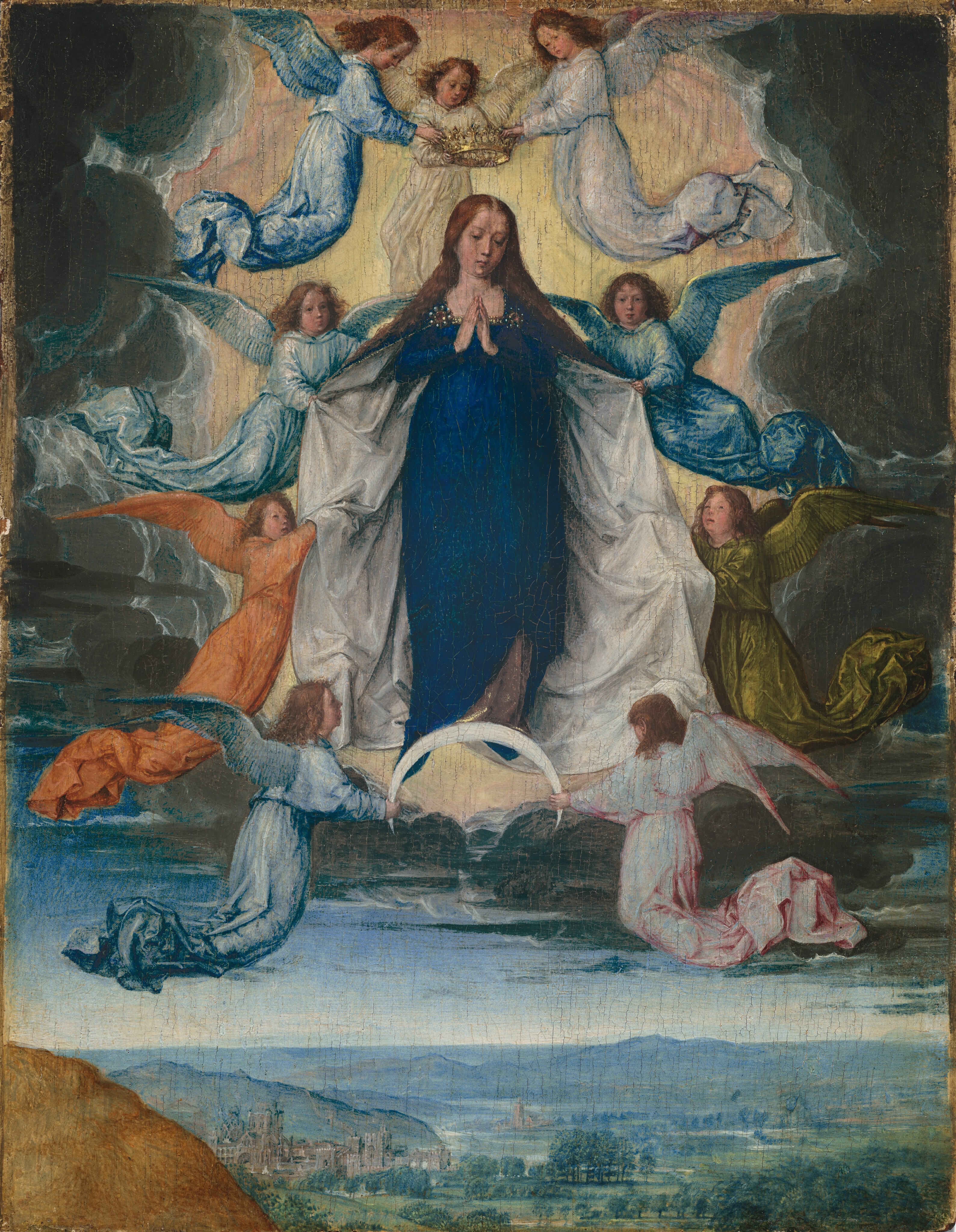
Attributed to Michel Sittow, The Assumption of the Virgin (1500), oil on panel, National Gallery of Art (Washington).

To celebrate the Assumption of the Virgin Mary is not to escape into the clouds, but to anchor ourselves in hope. Mary is not taken up into heaven to leave us behind, but to show us what God desires for each of us. Her glorified body reminds us that salvation is not just for the soul—it is for the whole person. Our story—our fatigue, tears, love, and longing—is meant to be redeemed and transfigured. Mary is the first to arrive not because she avoided suffering, but because she embraced it with faith. She was assumed into heaven because she had first descended into the heart of human life: she gave birth, cooked, walked, wept, lost and found her Son, stood by Him at the cross, and kept hope alive when all seemed lost. Today, as we contemplate her taken up into heaven, the Church remembers its vocation—not to settle for mediocrity, not to live a lukewarm faith or a disembodied spirituality, but to walk with Mary toward the fullness of the promise. Where she is, we are meant to be. As St. Germanus of Constantinople wrote: “You have departed to heaven, O Mary, yet you have not left the world. You accompany us with your maternal love, you guide us with your invisible presence, and you remind us that we are made for God.” May this solemnity lift our gaze—not to escape the earth, but to live it with more tenderness, with more light, with more heaven.


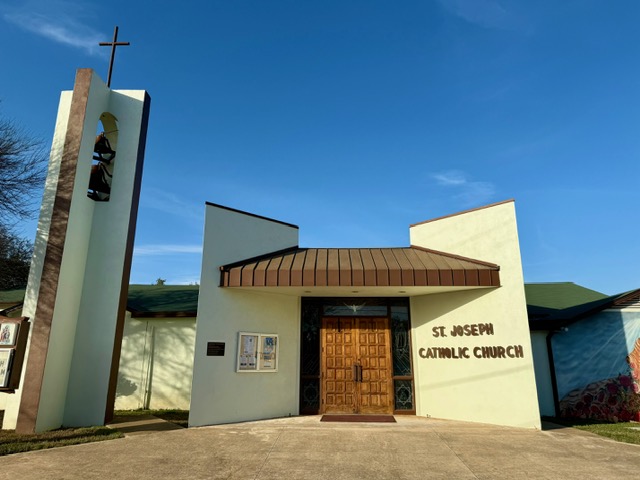
St. Joseph Catholic Church Dilley, TX

(Holy Day of Obligation / Día de Precepto)

➡️ Thursday August 14, 2025 (Vigil Mass)
🕕 6:00 p.m. – Bilingual Mass

➡️ Friday, August 15, 2025
🕕 6:00 p.m. – Bilingual Mass

Sacrament of Confession available before Mass.


Solemnidad de Asunción de la Santísima Virgen María (2025)

Anónimo novohispano, Asunción de la Virgen, Finales del siglo XVIII, óleo sobre tela, Museo Amparo, (Puebla)

Celebrar la Asunción de la Virgen María al cielo no es un ejercicio de evasión espiritual, sino un acto de esperanza encarnada. La Virgen no sube al cielo para alejarse de nosotros, sino para anticiparnos lo que Dios quiere hacer también con nosotros. Su cuerpo glorificado nos recuerda que la salvación no es solo del alma, sino de la totalidad de nuestra existencia, que nuestra historia concreta —con sus lágrimas, cansancios y anhelos— está llamada a ser redimida y transfigurada.

María es la primera en llegar, no porque haya escapado del dolor, sino porque lo abrazó con fe. Subió al cielo porque antes bajó a lo más profundo del misterio humano: dio a luz, cocinó, caminó, lloró, perdió a su Hijo y lo recuperó, esperó en silencio al pie de la cruz y sostuvo la esperanza cuando todo parecía perdido. Hoy, al contemplarla elevada al cielo, la Iglesia recuerda su vocación: no instalarse en la mediocridad, no conformarse con una fe tibia ni con una espiritualidad desencarnada, sino caminar con María hacia el cumplimiento de la promesa. Donde Ella está, estamos llamados a estar también nosotros. Como decía San Germán de Constantinopla: “Tú partiste hacia el cielo, pero no te alejaste del mundo. Nos acompañas con tu amor materno, nos guías con tu presencia invisible, y nos recuerdas que somos hechos para Dios”. Que esta solemnidad nos haga levantar los ojos, no para huir de la tierra, sino para vivirla con más ternura, con más luz, con más cielo AE


Nineteenth Sunday in Ordinary Time (Cycle C)

G. de La Tour, Magdalene with the Smoking Flame, c. 1640, Oil on canvas, Musée du Louvre (Paris)

It’s not easy to wait when you don’t know exactly what — or who — you’re waiting for. We’d rather schedule things. We like knowing the time, the place, the terms. But Jesus doesn’t give us that. He gives us something better: a promise. “Do not be afraid, little flock, for your Father is pleased to give you the Kingdom.” That single line changes everything. We are not waiting in fear. We are waiting in trust. Our God is not coming to catch us off guard, but to take us home. And still… he says Be ready. Keep your lamps burning. Loosen your grip on possessions. Give. Watch. Serve. There’s something sacred about this kind of alertness — not the anxious kind, but the quiet readiness of someone who loves.

Saint-Exupéry, in The Little Prince, describes this beautifully. The fox tells the boy: “If you come at four in the afternoon, I’ll begin to be happy by three.” Love makes us ready — not just for the arrival, but for the joy of preparing. A heart that loves is a heart that lives awake. That’s what Jesus praises: not brilliance, not power, not productivity, but vigilance — the servant who stays faithful even when no one’s watching, the steward who feeds others even when the master seems far off. This is holiness: to live each ordinary day as if heaven were drawing near. But this Gospel also confronts us. “To whom much is given, much will be required.” And you — yes, you reading this — have been given much. Faith, grace, opportunities, truth, time. What are you doing with it? Maybe today’s the day to shift your weight a little. To let go of what clutters the soul. To simplify, forgive, pay attention. To light your lamp again — even if the oil feels low. That’s what readiness looks like. I heard a piece the other day — Lento by Howard Skempton. Just piano and strings. Nothing loud, nothing showy. It sounded like someone waiting at a window. Expectant. Peaceful. Almost invisible. And yet completely present. That’s the kind of music — and the kind of life — that knows how to welcome the Master when he knocks AE


St. Joseph Catholic Church (Dilley, TX) • Weekend Schedule

Fr. Agustin E. (Parish Administrator)

Saturday, August 9, 2025.

10.00 a.m. Sacrament of Baptism

5.00 p.m. Sacramento de la Confesión

6.00 p.m. Santa Misa.

Sunday, August 10, 2025

8.00 a.m. Sacrament of Reconciliation

8.30 a.m. Holy Mass.

10.30 p.m. Sacrament of Reconciliation.

11.00 a.m. Holy Mass.


XIX Domingo del Tiempo Ordinario (Ciclo C)

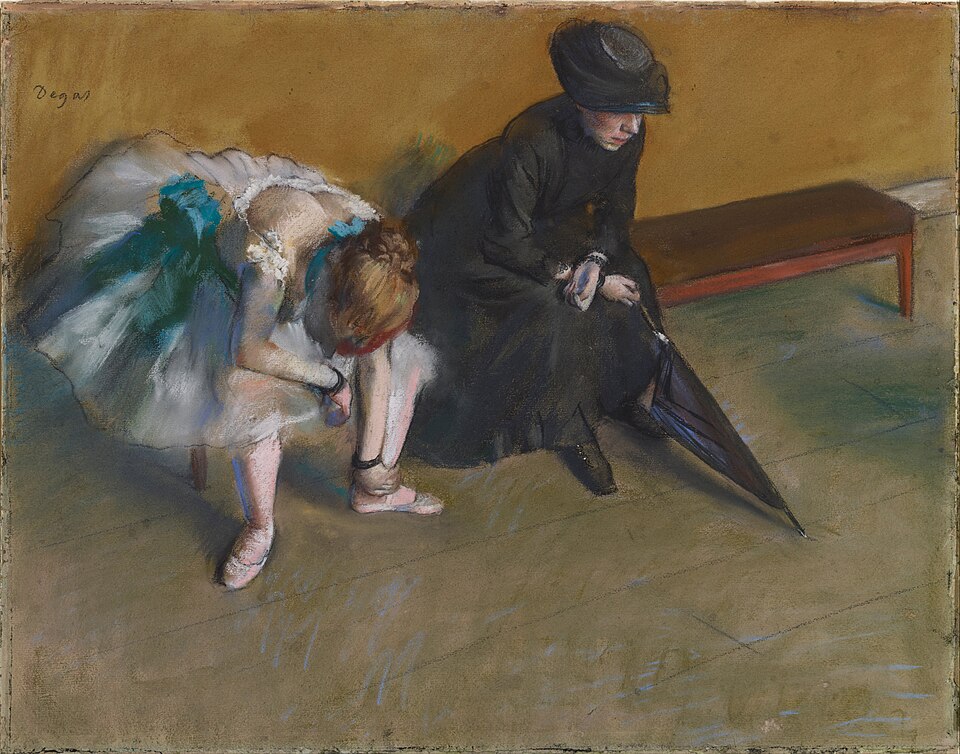
E. Degas, La espera (1882), pastel sobre papel, Getty Center (Los Ángeles)

¿Y si hoy viniera? La pregunta no es nueva, pero sigue ardiendo como una brasa en el alma: ¿y si hoy viniera el Señor? No como amenaza ni profecía de catástrofe, sino como posibilidad real. Como eso que podría pasar mientras estás preparando café, respondiendo correos o esperando que cambie la luz del semáforo. ¿Estás listo? ¿Tu corazón —ese espacio donde guardas lo que más amas— está encendido?

Jesús no habla hoy desde la dureza, sino desde la ternura: “No temas, pequeño rebaño.” Es una de esas frases que uno querría bordar en la funda de la almohada, para recordarla al despertar. Dios no nos quiere asustar, nos quiere despertar. Nos quiere desinstalados, ligeros, vigilantes… no por paranoia, sino por amor. Porque el Reino ya viene. Y viene por sorpresa. El evangelio nos empuja a una fe concreta: que vende, que da limosna, que enciende lámparas, que se arremanga la túnica para servir. Una fe que no se gasta como el oro ni se arruina como la ropa vieja. Una fe que tiene su tesoro en el cielo, y por eso tiene el corazón libre en la tierra. Y sin embargo, la escena más desconcertante no es la vigilancia, sino lo que hace el Señor cuando encuentra a sus siervos despiertos: “Él mismo se ceñirá, los hará sentar a la mesa y se pondrá a servirlos.” ¿Cómo puede ser? El Señor sirviendo a los suyos. El Maestro lavando los pies. El Dueño de todo, convertido en esclavo de los que le esperaron. Ese es el corazón del Evangelio. Un amor que no se impone. Que llega en medio de la noche. Que se inclina. Que sirve. Entonces, ¿cómo quiero vivir hoy? Tal vez vendiendo algo de lo que me sobra. Tal vez ayudando en silencio a alguien que no lo espera. Tal vez encendiendo la lámpara de la oración, sin espectáculo. Tal vez reconciliándome, organizando mi interior, haciendo las paces con lo que soy. Porque “mucho se le pedirá al que mucho se le dio”… y si estás leyendo esto, es porque ya has recibido mucho. Más de lo que a veces recuerdas. Hoy puede ser un buen día para volver a estar listos. No por miedo. Sino por amor. Graham Greene decía que uno no sabe si ha amado bien hasta que se pregunta: “¿estuve dispuesto a esperar?” Quizá la espera más profunda de todas sea la del corazón abierto al Señor, como un farol encendido en la noche. Como esa música lenta, repetitiva, honda, que parece no avanzar pero nos envuelve poco a poco hasta dejar el alma en silencio. Algo así como el segundo movimiento de la Sinfonía n.º 3 de Górecki: una melodía que parece venir de lejos, como una visita que no anuncia la hora, pero llega AE


¿Qué lees?