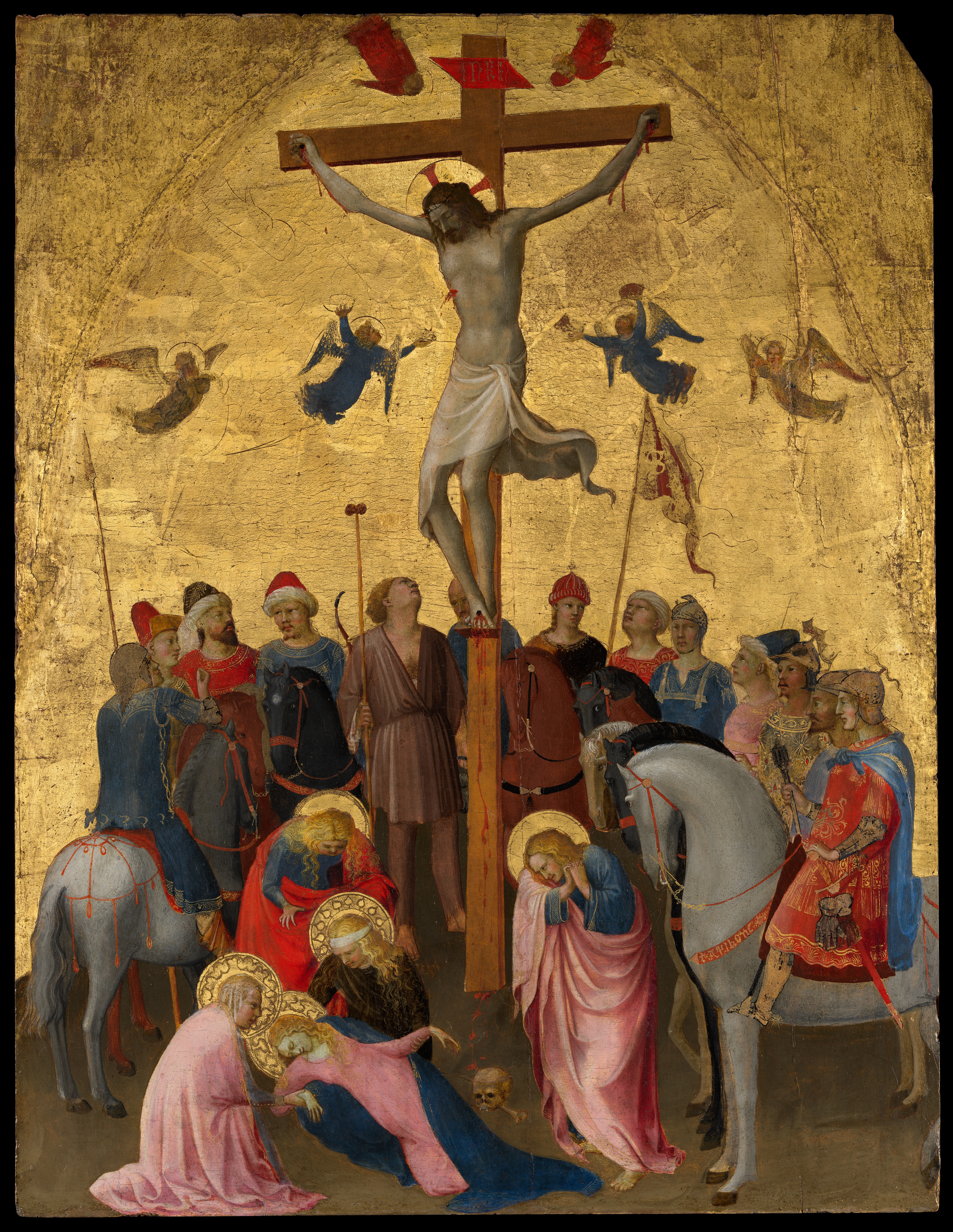
Fra Angelico, The Crucifixion (ca. 1423), tempera on panel, The Metropolitan Museum of Art (New York).
This Sunday we celebrate the Feast of the Exaltation of the Holy Cross. It is a feast that only falls on a Sunday once every seven years, making this moment a rare gift for the Church. In the Gospel, Jesus tells Nicodemus that “the Son of Man must be lifted up,” so that everyone who believes may have eternal life. The Cross is not an accident of history—it is the place where God’s love is revealed in its fullness: “For God so loved the world that he gave his only Son.” For Christians, the Cross is not a symbol of condemnation, but of salvation. It is not defeat, but victory; not despair, but hope. To exalt the Cross is to proclaim that love is stronger than death. The Carthusian motto expresses it beautifully: Stat crux dum volvitur orbis—“The Cross is steady while the world turns.” While nations rise and fall, while cultures shift and human plans collapse, the Cross remains unmoved. It stands as the center point of history and of our lives, the one truth that does not change. Because this feast comes so rarely on a Sunday, it is a chance to look again at the Cross, not only as an image on our walls, but as the steady anchor of our faith. The question is personal: do I believe in the love revealed there, the love that never wavers though the world turns? • AE
Giovanni Pierluigi da Palestrina’s Popule meus (“O my people”) is a moving setting of the Good Friday Reproaches. Written in the luminous polyphonic style of the late Renaissance, the piece captures both the sorrow of Christ’s lament and the tenderness of His mercy toward His people.

St. Joseph Catholic Church (Dilley, TX) • Weekend Schedule

Fr. Agustin E. (Parish Administrator)
Saturday, September 13, 2025.
5.00 p.m. Sacramento de la Confesión
6.00 p.m. Santa Misa.
Sunday, September 14, 2025
8.00 a.m. Sacrament of Reconciliation
8.30 a.m. Holy Mass.
10.00 a.m. Sacrament of Reconciliation.
11.00 a.m. Holy Mass.
Fiesta de la Exaltación de la Santa Cruz (2025)
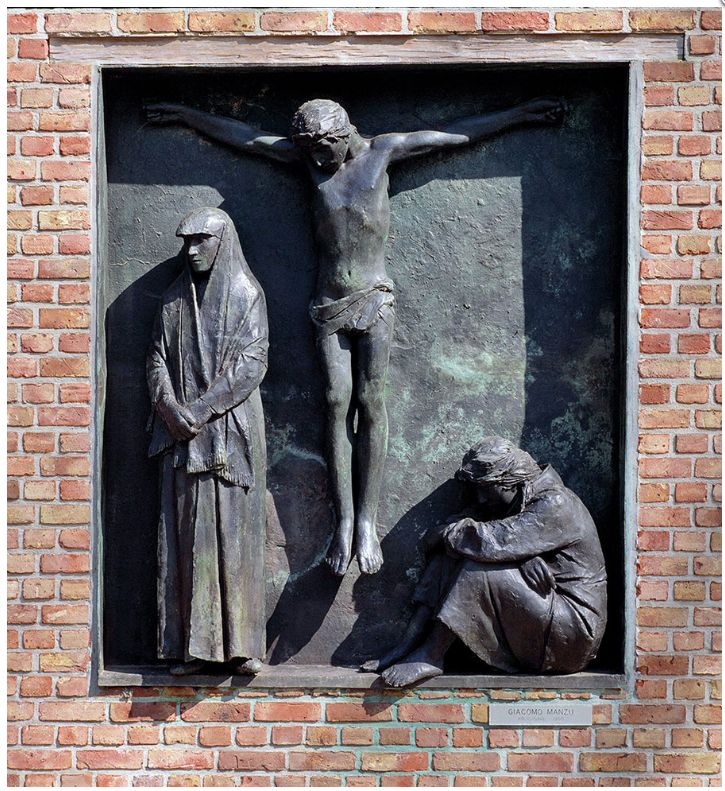
G, Manzù, Muerte de Cristo (1951), Relieve en bronce, Basilica de San Pedro (Ciudad del Vaticano).
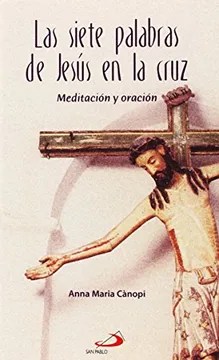
La cruz es, a primera vista, un escándalo. ¿Cómo puede el instrumento de la muerte convertirse en signo de vida? Sin embargo, eso es lo que celebramos en la Exaltación de la Santa Cruz: que el amor de Dios tomó lo más oscuro de la historia humana y lo transformó en fuente de salvación. Jesús dice a Nicodemo: “El Hijo del hombre tiene que ser levantado, para que todo el que cree en Él tenga vida eterna.” No habla de una derrota, sino de una victoria inesperada: el amor que no se guarda nada, el amor que se entrega hasta el extremo. Este año la fiesta adquiere un matiz especial: cae en domingo, algo que ocurre solo cada siete años. La liturgia misma nos recuerda así que la cruz no es un detalle marginal, sino el centro que ilumina todo el camino cristiano. El mundo cambia, gira, se agita entre luces y sombras. Pero la cruz permanece firme. Es brújula, es ancla, es promesa. Quien mira a Cristo elevado, no encuentra condena, sino la certeza de un Dios que salva. Por eso hoy la Iglesia no mira la cruz con miedo, sino con gratitud. Porque allí está escrito, para siempre, que Dios nos amó primero. La pregunta es inevitable: ¿dejo que esa cruz dé sentido a mis luchas, mis cansancios y mis heridas? Allí donde yo veo límite, Dios puede abrir vida nueva • AE
El canto “Dulce lignum, dulces clavos” es un himno de alabanza a la cruz. Se dirige directamente a la madera (lignum) y a los clavos que sostuvieron a Cristo, llamándolos “dulces” no por lo que fueron en sí mismos —instrumentos de dolor— sino porque, al tocar el cuerpo del Señor, se convirtieron en signos de amor y salvación. La cruz es proclamada como única digna de llevar al Rey del cielo y Señor del universo, porque en ella se cumplió el misterio de la redención.

Lecturas para el otoño


 LA MEDITACION DE LA ESPOSA