
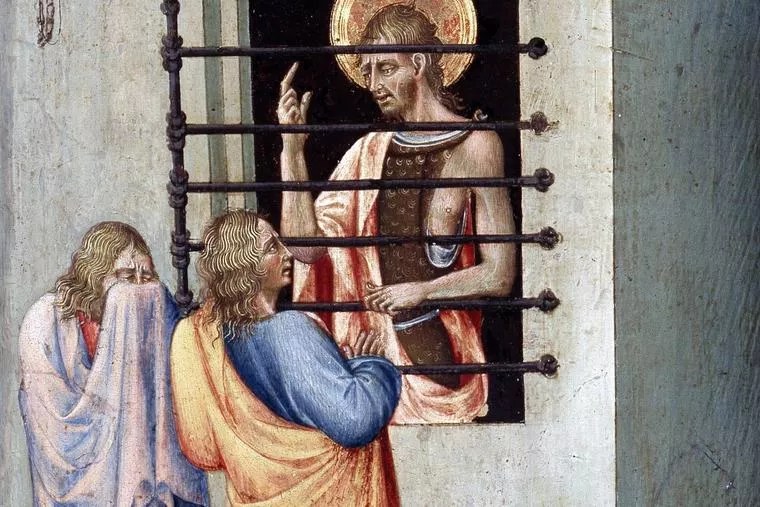
Giovanni di Paolo, St. John the Baptist in Prison Visited by Two Disciples (detail), (ca. 1455), tempera on panel, Art Institvte of Chicago.
Joy breaks through this Sunday not as noise but as deep assurance: the desert blooms, the blind see, the poor hear good news, and even John—chained in prison—dares to ask the question that lives in every waiting heart, “Are you the one, or should we look for another?”; Advent answers not with explanations but with transformed lives, and on this Gaudete Sunday that joy surfaces quietly but unmistakably, like the luminous calm that rises from O vis aeternitatis, where eternity seems to breathe through fragile human sound, while the patience Saint James asks of us mirrors the hope expressed in The Flower, where what appears buried is already stirring toward life; John is not offended by doubt but purified by it, and Jesus does not rebuke his question—he simply points to what is happening, as if to say: look closely, joy is already at work in the wounds of the world, and blessed are those who do not trip over the quiet way God chooses to arrive.
Hildegard of Bingen was a Benedictine abbess, visionary, and one of the most original musical voices of the Middle Ages, whose chants shimmer with theology, nature, and fire-bright faith. Her hymn O vis aeternitatis is a radiant meditation on God as living, burning eternity—music that feels less sung than breathed, as if light itself were given a voice • AE

St. Joseph Catholic Church (Dilley, TX) • Weekend Schedule

Fr. Agustin E. (Parish Administrator)
Saturday, December 13, 2025
10.00 a.m. Sacrament of Baptism
5.00 p.m. Sacramento de la Confesión
6.00 p.m. Santa Misa.
Sunday, December 14, 2025
8.00 a.m. Sacrament of Reconciliation
8.30 a.m. Holy Mass.
10.30 a.m. Sacrament of Reconciliation.
11.00 a.m. Holy Mass
III Domingo de Adviento (Ciclo A)

Amanecer en Dilley, en el sur de Texas.
El profeta Isaías hoy no habla de teorías, habla de un desierto que florece, de cuerpos que vuelven a moverse, de bocas que recuperan el canto, y esa imagen lo dice todo: cuando Dios se acerca, la vida vuelve a circular; por eso este domingo, en medio de un Adviento sobrio, la Iglesia se permite un respiro de alegría y hasta cambia el color al rosa, no como un lujo, sino como un anuncio discretísimo de que la espera no es amarga, de que la salvación ya está asomando en el horizonte; la alegría cristiana no nace de que todo esté resuelto, sino de saber que Dios ya viene en camino, que el desierto no tendrá la última palabra, que las manos débiles volverán a ser fuertes y los corazones asustados aprenderán otra vez a confiar; Gaudete no es una orden de sonreír, es una invitación a mirar más hondo y descubrir que, incluso antes de ver el fruto, la raíz ya está viva • AE
Morning Mood nace como parte de la música incidental compuesta por Edvard Grieg en 1875 para la obra teatral Peer Gynt, del escritor noruego Henrik Ibsen; en escena, esta pieza acompaña un amanecer en tierras lejanas, y por eso su música avanza lentamente desde la penumbra hasta la luz, como una salida de sol hecha sonido. Lo que hoy escuchamos como una obra independiente fue, en su origen, música creada para enseñar al público a “ver con los oídos” cómo despierta el día.

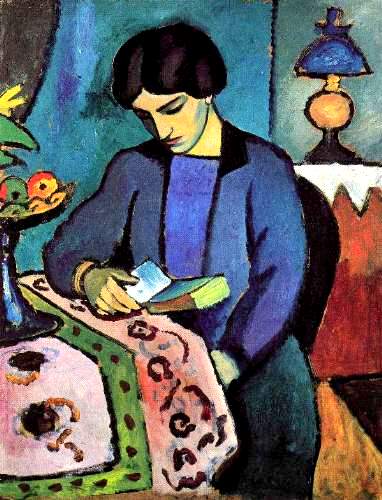
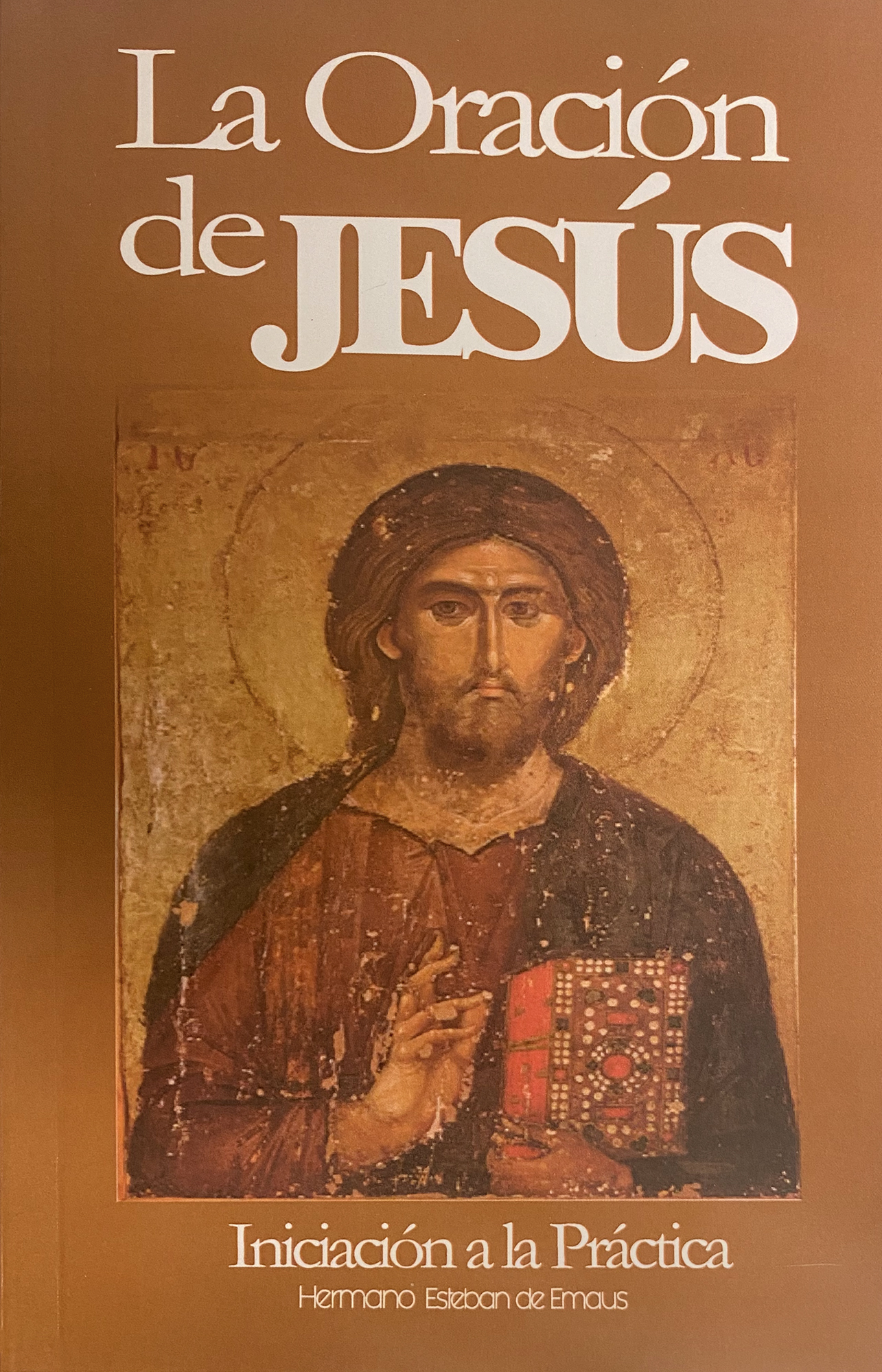
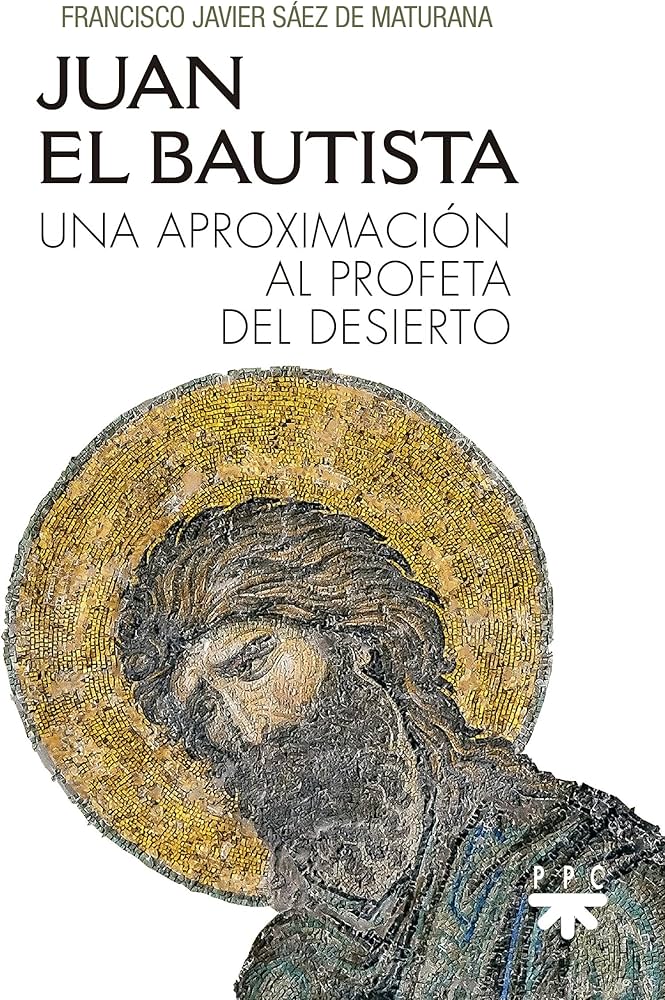
¿Qué lees estos días?


 LA MEDITACION DE LA ESPOSA