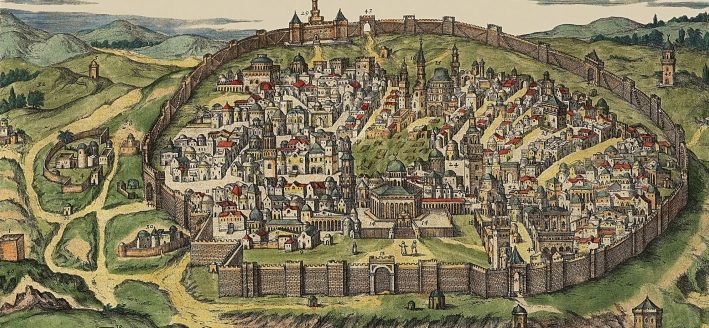

Byzantine anonymous artist, Icon of the Virgin Nikopeia at the Altar of the Madonna (9th century), Tempera and enamel on wood, Church of St. Mark (Venice)
The year opens not with a declaration of power, but with a woman holding a Child—and that alone redefines everything. On the Solemnity of Mary, the Mother of God, the Gospel shows us a scene of holy contrast: the shepherds run to Bethlehem, speak what they have seen, and return glorifying God—while Mary does something entirely different, yet just as great: she keeps all these things and ponders them in her heart; the Church begins the year not with noise but with contemplation, reminding us that faith is not only to be announced, but also to be received slowly, interiorly, as God now speaks to us not through many voices but through one Son, carried first in the arms of a woman; this silent depth of Mary’s listening rises like a prayer in Ave maris stella, where the Church asks the Mother to guide her across the dark sea of the world, and it finds human words again in The Power of the Mother, which reflects on how God chose to enter history not only through strength, but through a woman’s yes, a mother’s tenderness, and a heart able to hold mystery without trying to control it; today we are reminded that Mary is Mother of God not because she explains Him, but because she receives Him, and by doing so, she teaches the Church how to carry Christ into a new year—not with anxiety, but with faith, memory, and quiet trust • AE
Ave maris stella is one of the Church’s oldest Marian hymns, sung for centuries as a prayer to Mary as the Star of the Sea—the gentle light that guides believers through darkness toward Christ. When you hear it, you are listening to a melody that once rose from monastic night prayer and still carries the Church’s trust across time •
St. Joseph Catholic Church (Dilley, TX) • Weekend Schedule
New Year’s Eve 2025.
6.00 p.m. Santa Misa.
New Year’s Day 2026
6.00 p.m. Holy Mass.
Solemnidad de María Santísima, Madre de Dios (2026)
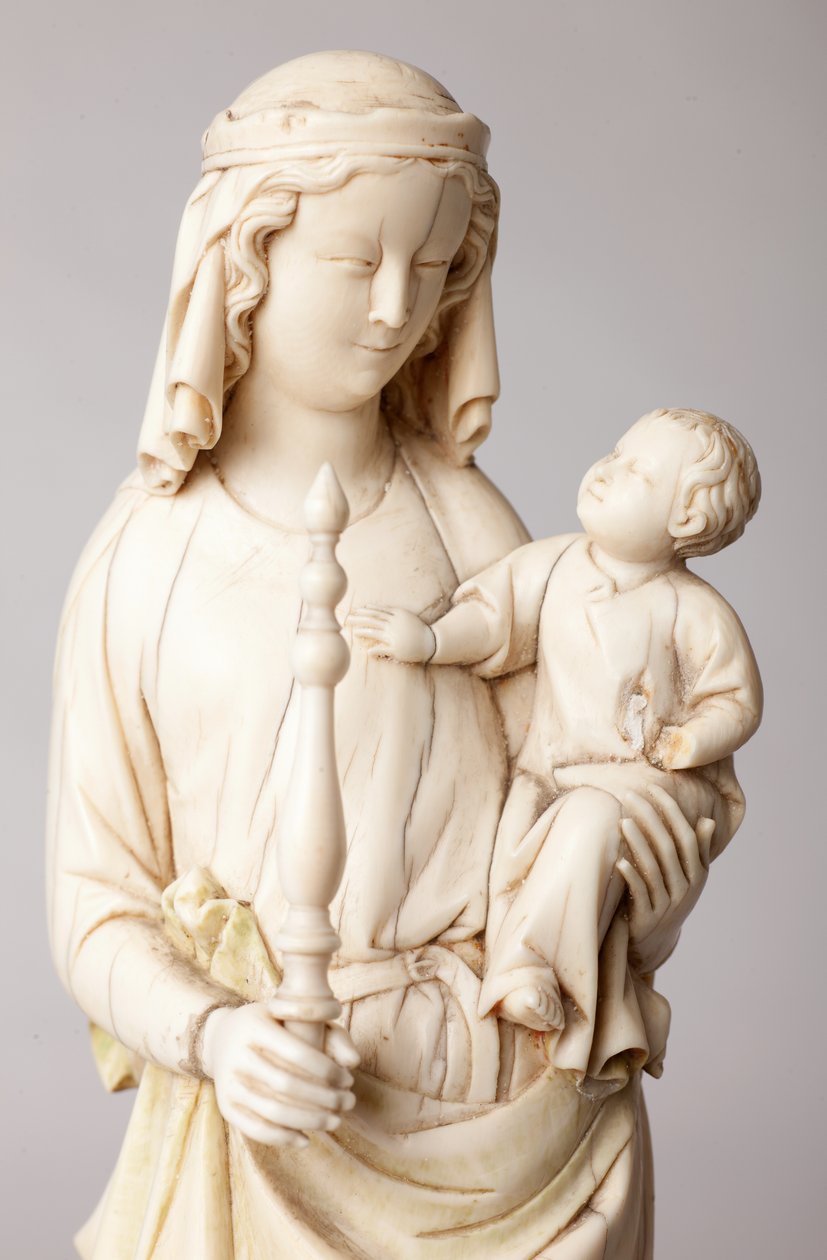
Artista anónimo, La Virgen con el Niño (s. XIII), marfil, tesoro de la Catedral de Nuestra Señora de París (Francia)
El año no comienza con un decreto, ni con un proyecto, ni con una consigna: comienza con una mujer que sostiene un Niño. Y eso lo dice todo. En la solemnidad de Santa María, Madre de Dios, el Evangelio nos muestra un contraste luminoso: los pastores corren, cuentan lo que han visto, alaban a Dios… y María, en cambio, no corre ni habla; guarda, recoge, medita. Mientras el mundo se mueve con prisa, ella se mueve por dentro. Así empieza el tiempo nuevo: no con ruido, sino con una fe que sabe hacer silencio para que Dios hable. La carta a los Hebreos lo confirma con una claridad impresionante: antes Dios habló de muchas maneras, ahora nos ha hablado en un Hijo, y ese Hijo ha sido puesto primero en los brazos de una Madre. Por eso la Iglesia, desde hace siglos, se atreve a cantar en la Salve Regina no desde la seguridad, sino desde el camino, reconociéndose frágil, peregrina, necesitada de una Madre que la sostenga mientras atraviesa el mundo. Ya en el siglo XII, San Bernardo de Claraval lo expresó con una imagen inolvidable en su homilía Missus est: María es el punto exacto donde la eternidad toca la historia sin herirla, donde Dios entra en el tiempo sin romper la libertad humana. Hoy celebramos que María es Madre de Dios no porque lo explique, sino porque lo recibe, y al hacerlo, nos enseña cómo comenzar el año: no controlándolo todo, sino guardando a Cristo en el corazón, para que sea Él quien marque el paso. Y así, mientras el mundo inaugura el año contando metas, balances y promesas, la Iglesia lo inaugura con una Madre que guarda silencio y con un Dios que aprende a respirar en brazos humanos. No hay ruido de poder, solo el latido de un Niño y el corazón de una mujer que lo custodia para todos. Comenzar así el año es aceptar que la historia no se sostiene por nuestras prisas, sino por una presencia humilde que permanece. Y quien entra en el tiempo de este modo, sin imponerse, termina venciendo sin hacer ruido • AE
 LA MEDITACION DE LA ESPOSA