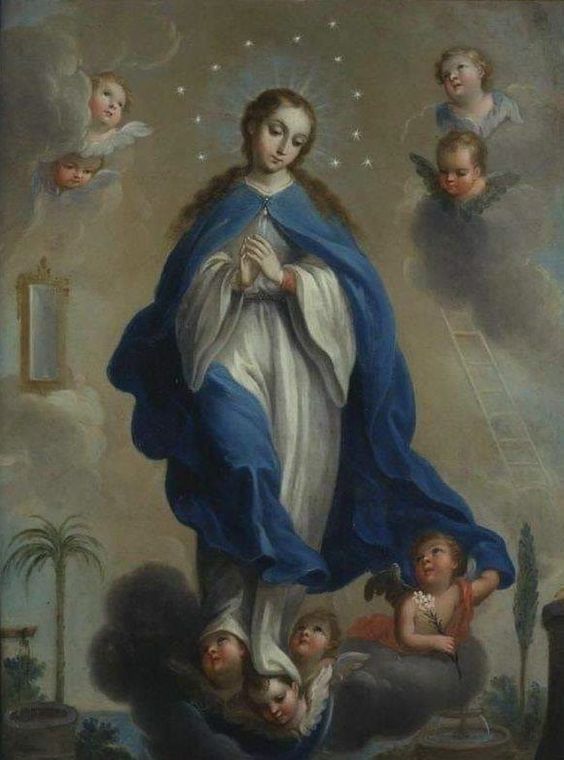
Solemnity of the Immaculate Conception of the Blessed Virgin Mary (2025)

Before Mary ever spoke her yes, God had already spoken His over her life; before she conceived the Son of God in Nazareth, she herself had been conceived in grace, preserved from original sin from the first instant of her existence, not by her own merit but by the saving power of Christ applied in advance, and that is the quiet fire we celebrate in this beautiful and luminous Solemnity of the Immaculate Conception: not first what Mary does, but what God dares to do in a human creature when nothing resists His love; the Annunciation then becomes the revelation of that hidden miracle—a heart already free, a will already transparent—ready to receive the Word without fear or shadow, a purity that does not isolate her from us but shows us what redemption truly intends, a beauty that rises with the ancient prayer of Tota Pulchra es Maria, where grace is sung as an original splendor, and a hope as daring as the faith confessed in Revelations of Divine Love, where the soul learns that God secures our healing before we even know we are wounded; Mary’s “Let it be done to me” is only possible because grace was there first, and in her Immaculate beginning we glimpse not distance from humanity, but the destiny God still desires for us all • AE

Ola Gjeilo’s Tota Pulchra es unfolds as a prayer shaped by silence as much as by sound—music that does not overpower the quiet, but sings with it, allowing stillness itself to resonate; in this luminous setting by Ola Gjeilo, as performed by the Mogens Dahl Chamber Choir, the ancient Marian text rises like light in darkness, lifting the soul gently toward eternity, with beauty that points beyond itself rather than drawing attention to itself.


St. Joseph Catholic Church (Dilley, TX)

Fr. Agustin E. (Parish Administrator)

Sunday, December 7, 2025

6.00 p.m. Vigil Mass (bilingual)

Monday, December 8, 2025

6.00 p.m. Holy Mass (bilingual)


Solemnidad de la Inmaculada Concepción de la Santísima Virgen María (2025)
Salve, Madre, en la tierra de tus amores,
te saludan los cantos que alza el amor.
Reina de nuestras almas, flor de las flores,
muestra aquí de tu gloria los resplandores;
que en el cielo tan sólo te aman mejor.

Virgen santa, Virgen pura,
vida, esperanza y dulzura
del alma que en ti confía;
Madre de Dios, Madre mía,
mientras mi vida alentare,
todo mi amor para ti;
mas si mi amor te olvidare,
Madre mía, Madre mía,
aunque mi amor te olvidare,
tú no te olvides de mí.

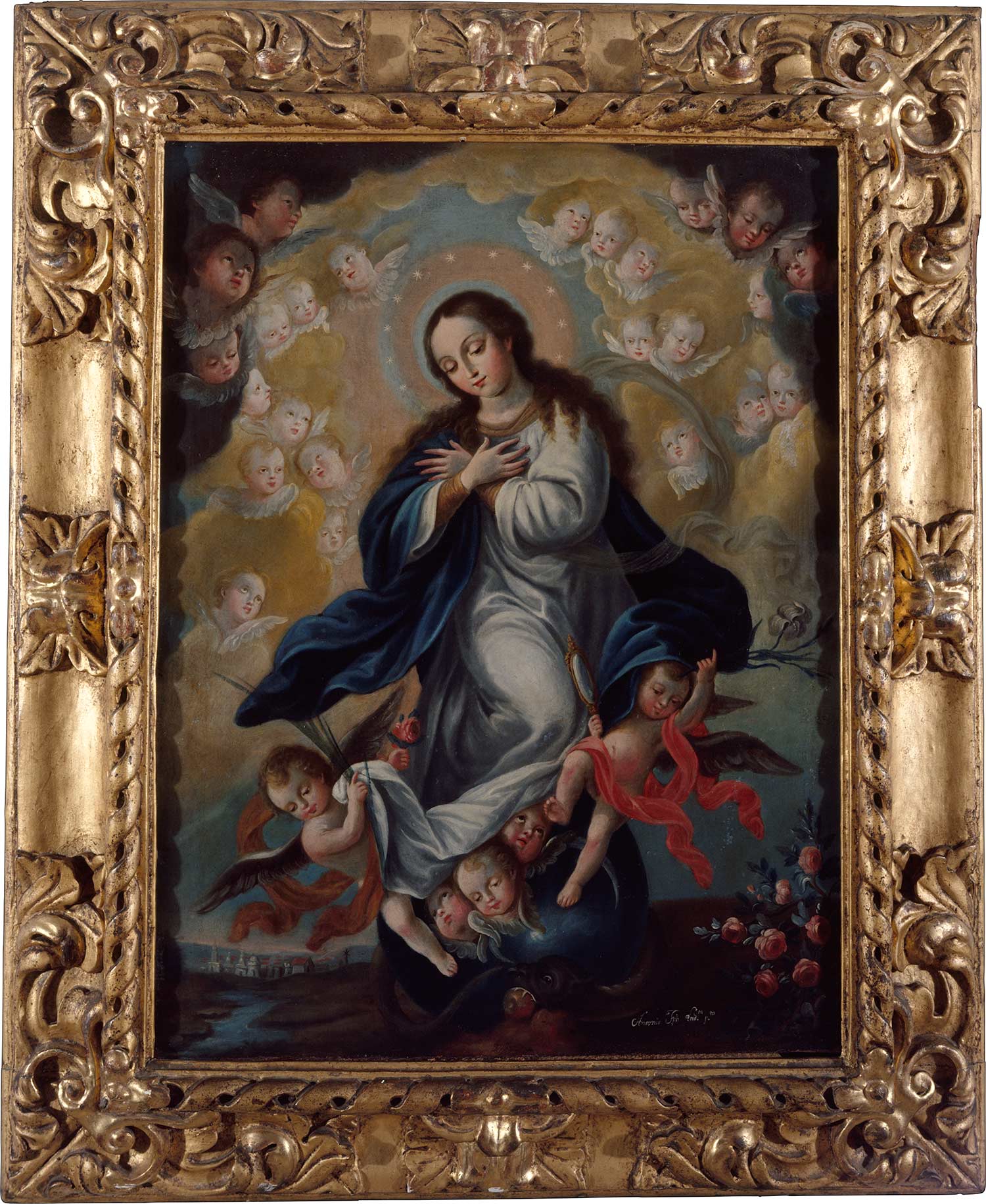
La Inmaculada Concepción nos habla de un misterio escondido en el origen, de una gracia que no hace ruido y que, sin embargo, lo decide todo: Dios miró a María antes de que el mundo la viera, la pensó sin grietas, la soñó sin sombra, y en ella mostró que su proyecto para la humanidad no es el pecado sino la belleza; por eso la Iglesia no se cansa de invocarla en las Letanías Lauretanas como Arca de la alianza, Puerta del Cielo, Estrella de la Mañana, no como títulos poéticos, sino como confesiones de fe en una obra que es toda de Dios, una obra donde la gracia no corrige después, sino que previene, protege y prepara, para que cuando llegue la hora del “sí” ese corazón pueda responder sin miedo; la Inmaculada Concepción de la Santísima Virgen María no nos humilla, nos anticipa, no nos separa, nos señala el camino hacia la mejor versión de nosotros mismos que Dios siempre tuvo en su mirada • AE

Ilustración: A. José Landaeta, Inmaculada Concepción (ca. 1795), óleo sobre tela, Museo de Arte de Denver, Colorado (EEUU)


+ Lecturas + Adviento
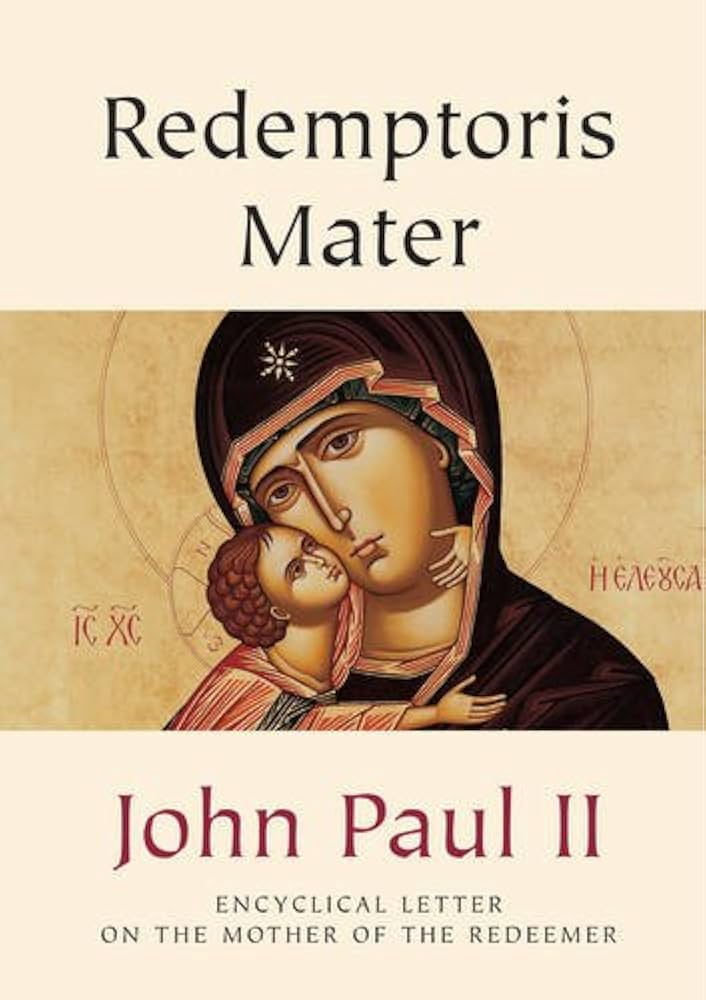
El texto completo de esta encíclica lo puedes leer aqui en Inglés y en Español


Second Sunday of Advent (Cycle A)

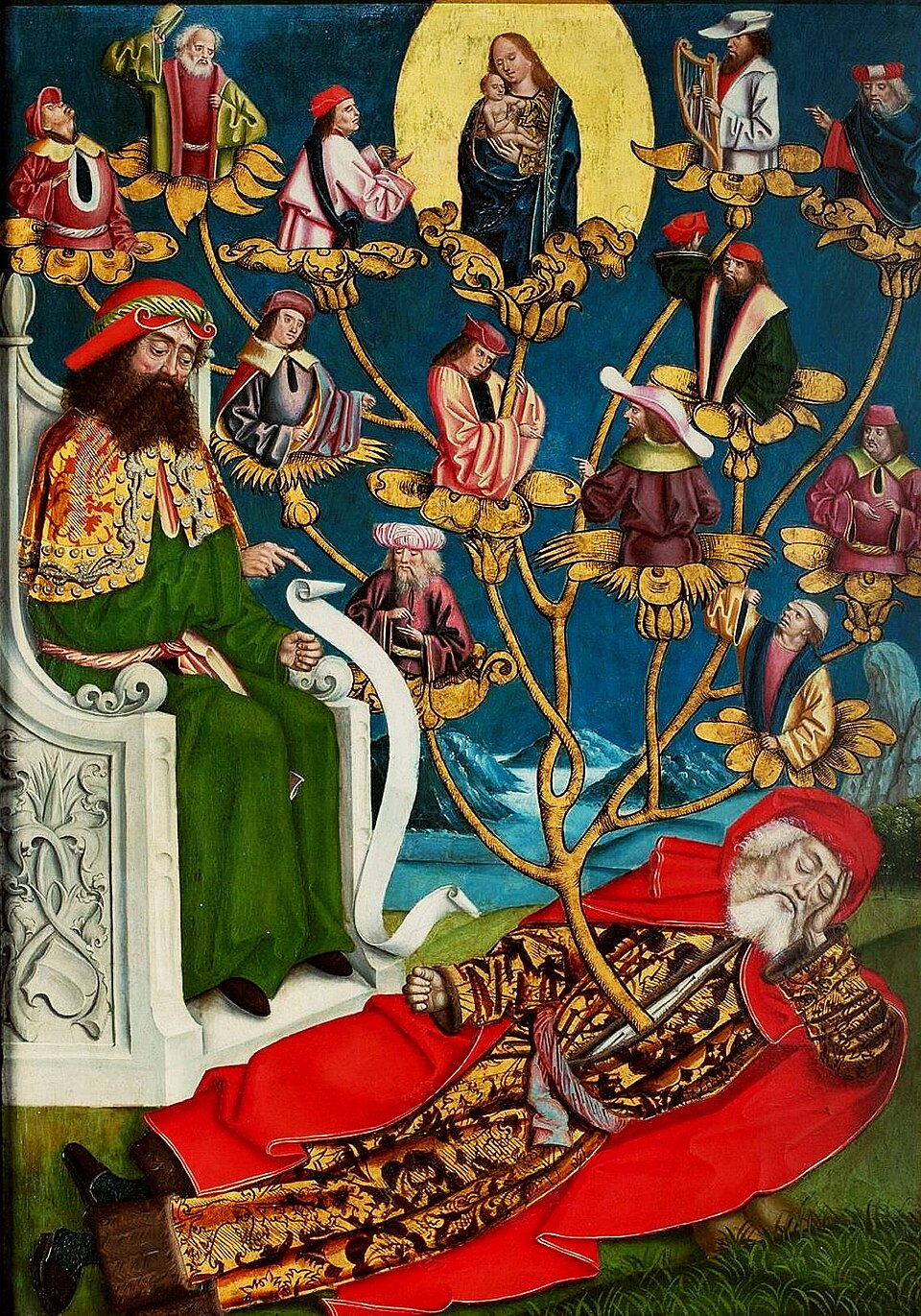
A. Stumme, Tree of Jesse (1499), Tempera and gold leaf on panel, National Museum in Warsaw (Poland)

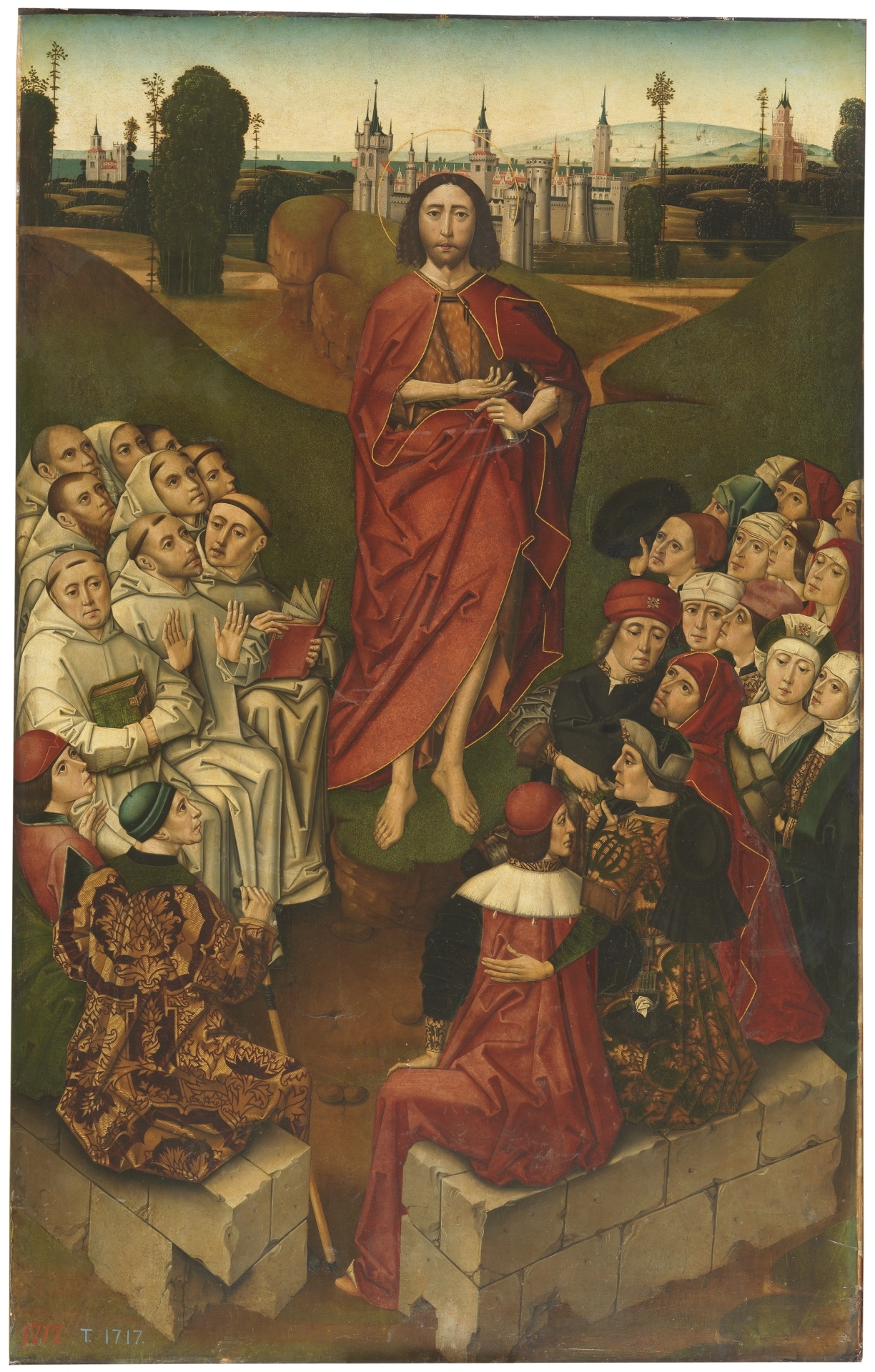
John the Baptist appears in the desert, not in comfort, and his cry still cuts through every illusion: “Repent, for the Kingdom of heaven is at hand,” a call that strips us of excuses and asks not for titles or appearances but for fruit; Advent begins right there, in honesty, in the rough simplicity of a life that makes room for God, the kind of inner clearing that Henri Nouwen described as the return to our true, vulnerable self before the Lord, where we stop pretending and finally let ourselves be loved; the desert is not punishment but clarity, the place where God removes what is false so that what is real may remain, like the dark, purifying path spoken of in Dark Night of the Soul, where loss becomes preparation and silence becomes promise, and John teaches us the deepest lesson of Advent when he steps aside and says, “I am not the Christ,” reminding us that holiness is not grabbing the spotlight but making space, letting the axe touch what no longer gives life so that what is true may finally grow, because the voice still cries out—not in Judea now, but in the quiet of our own hearts—and the Kingdom is still very near • AE

The Tree of Jesse is a powerful biblical image that traces the lineage of Christ back to Jesse, father of King David, and proclaims the promise announced by the prophet Book of Isaiah; throughout the Middle Ages, this vision was especially beloved in the art of illuminated manuscripts, where it became a visual genealogy of hope, showing salvation slowly unfolding toward Christ.


St. Joseph Catholic Church (Dilley, TX) • Weekend Schedule

Saturday, December 6, 2025

5.00 p.m. Sacramento de la Confesión

6.00 p.m. Santa Misa

Sunday, December 7, 2025

8.00 a.m. Sacrament of Reconciliation

8.30 a.m. Holy Mass.

10.30 a.m. Sacrament of Reconciliation.

11.00 a.m. Holy Mass.

6.00 p.m. Holy Mass (Vigil for the Immaculate Conception)

Monday, December 8, 2026

Solemnity of the Immaculate Conception of the Blessed Virgin Mary

6.00 p.m. Holy Mass


II Domingo de Adviento (Ciclo A)

Juan Bautista irrumpe en Adviento no para tranquilizarnos, sino para despertarnos: su voz no busca impresionar, busca convertir, porque sabe que el mayor peligro del alma no es el pecado escandaloso, sino la tibieza cómoda; “ya está el hacha a la raíz” no es una amenaza, es una urgencia de misericordia, como diciendo: todavía estás a tiempo, deja que Dios corte lo que está seco para que pueda nacer lo vivo, y ese estremecimiento interior se parece al asombro silencioso que vibra en el O Magnum Mysterium de Tomás Luis de Victoria, donde Dios no irrumpe con estruendo sino con una grandeza que sobrecoge sin aplastar; el Bautista no grita por gusto, grita por amor, porque sabe que Dios no viene a destruir sino a purificar, y esa purificación no es externa ni superficial, sino un descenso lento hacia el centro del alma, como lo enseña Santa Teresa de Ávila al hablar de las moradas interiores, donde cada despojo abre más espacio para Cristo, hasta que ya no queda rincón que no le pertenezca, porque el Reino no se impone con discursos, se deja pasar por corazones que por fin han dejado de esconderse • AE

O Magnum Mysterium es un motete sereno y luminoso que contempla el misterio de un Dios que se hace pequeño, nacido entre el silencio y la humildad; su música no busca deslumbrar, sino abrir espacio interior para el asombro y la adoración. Su autor, Tomás Luis de Victoria, es una de las cumbres de la polifonía del Renacimiento español, sacerdote y compositor de una hondura espiritual extraordinaria, cuya obra une sobriedad, belleza y una intensa vida de fe.


Lecturas para-de-en Adviento