
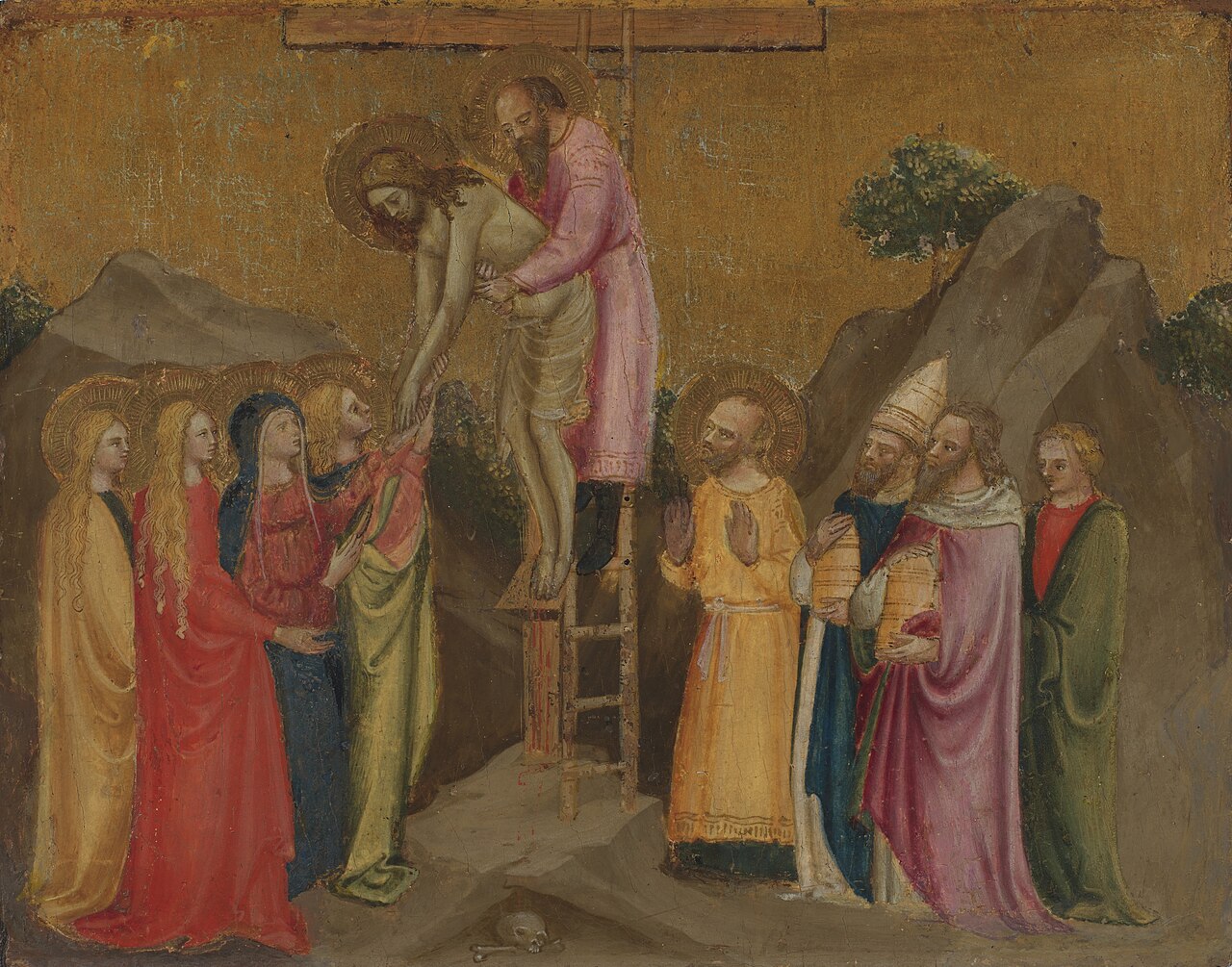
Stefano Di Vanni, Descent from the Cross, 14th century, oil on wood, Italy.
The Beatitudes are not a theory about happiness; they are a way of learning to look at life from below, from the place of those who do not win, who do not dominate, who do not always understand what is happening to them, and yet remain strangely free, capable of mourning without bitterness, of seeking justice without resentment, of building peace without noise; whenever I return to this Gospel, I find myself slowing down, almost against my will, as if the text itself were asking me to listen more than to analyze, and in that slow listening I am reminded of Schubert’s last Piano Sonata, where nothing dramatic seems to occur and yet, in a few fragile phrases, an entire human truth is entrusted to silence and patience; something similar happens in literature when I think of Levin, in Anna Karenina, discovering not in grand ideas but in the ordinary rhythm of work, love, failure, and forgiveness a wisdom that no system can offer; the Beatitudes move in that same quiet register: they do not persuade by argument, they do not impress by brilliance, they simply accompany, gently displacing our criteria, like soft clouds, until we begin to suspect that perhaps true happiness is not found in conquering life, but in learning, very slowly, how to inhabit it with mercy and compassion • AE
The video is a performance of Franz Schubert’s Piano Sonata No. 21 in B-flat major, D. 960, one of the last and most profound works he composed just months before his death in 1828. This sonata is admired for its deep emotional range and spacious, contemplative quality — especially in the slow second movement — which many listeners describe as music that unfolds like a quiet conversation with oneself. In this particular recording, the noted pianist András Schiff brings out the work’s introspective character, allowing the listener to dwell in its serene and quietly powerful sound world •

St. Joseph Catholic Church (Dilley, TX) • Weekend Schedule

Fr. Agustin E. (Parish Administrator)
Saturday, January 31, 2026.
5.00 p.m. Sacramento de la Confesión
6.00 p.m. Santa Misa.
Sunday, February 1, 2026
8.00 a.m. Sacrament of Reconciliation
8.30 a.m. Holy Mass.
10.30 p.m. Sacrament of Reconciliation.
11.00 a.m. Holy Mass.
Monday, February 2, 2026
Feast of the Presentation of the Lord
10.00 a.m. Holy Mass and Blessing of Candles
IV Domingo del Tiempo Ordinario (Ciclo A)
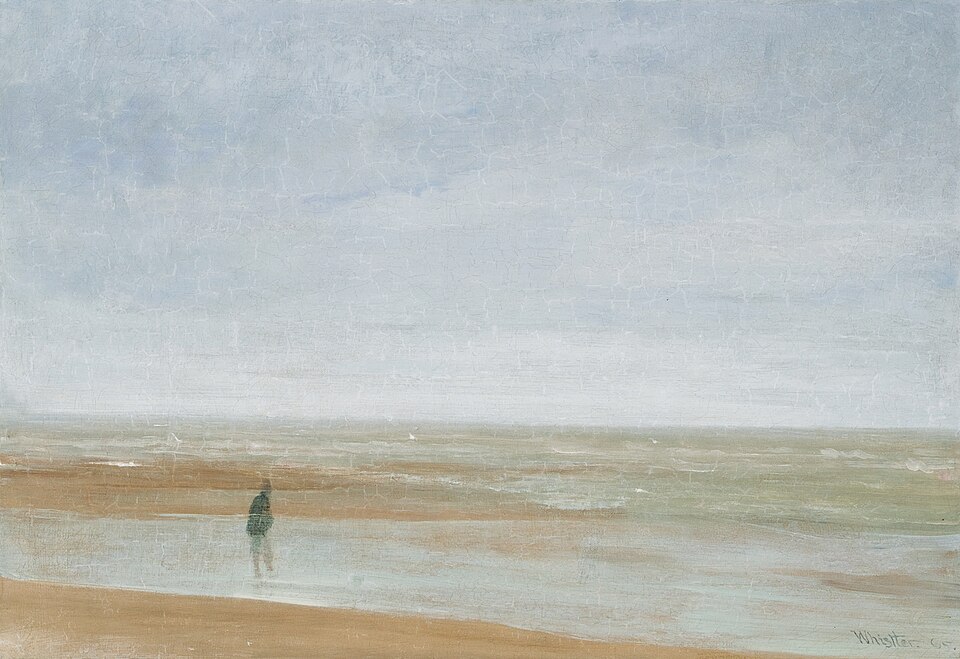
J. M. Whistler, Sea and Rain, 1865, óleo sobre lienzo, University of Michigan Museum of Art.
Las Bienaventuranzas no se comprenden desde fuera, se dejan caer lentamente en el corazón, como una lluvia fina que no hace ruido y sin embargo transforma la tierra; en ellas Jesús no describe una moral, sino un camino de purificación interior, donde la pobreza de espíritu abre espacio a Dios, el llanto limpia la mirada, la mansedumbre desarma la violencia y la paz se vuelve una forma de presencia. En el Evangelio de este domingo pedemos ver ese largo aprendizaje del descanso del alma, ese movimiento silencioso por el cual el corazón inquieto aprende a encontrar su reposo más allá de sí mismo, y también esa pedagogía de la humildad que no se añade como una virtud más, sino que se vuelve el suelo mismo donde todo puede crecer; algo semejante a uno de esos cantos tan bonitos de Hildegarda de Bingen, donde la melodía no busca conmover sino ordenar, no distraer sino elevar, dejando que sonido y silencio vayan afinando poco a poco el deseo. Las Bienaventuranzas trabajan así: no prometen éxito, no garantizan protección, pero van formando, casi sin que lo notemos, un hombre nuevo, capaz de vivir en medio de la dureza sin endurecerse, de buscar justicia sin perder misericordia y de caminar hacia el Reino con una alegría que nace, no de lo que posee, sino de haber aprendido a vivir sencillamente delante de Dios • AE
Esta pieza se llama Ave generosa y es de Hildegard von Bingen, monja benedictina del siglo XII, una de las figuras más importantes de la música medieval. Se trata de un canto monódico, es decir, una sola línea melódica sin acompañamiento, propio de la tradición litúrgica de los monasterios. Estas composiciones estaban pensadas no para el concierto, sino para la oración comunitaria, dentro del ritmo cotidiano de la vida monástica. Escuchar esta música es acercarse a la forma en que se rezaba y se cantaba en los monasterios de la Edad Media.

¿Qué estás leyendo?







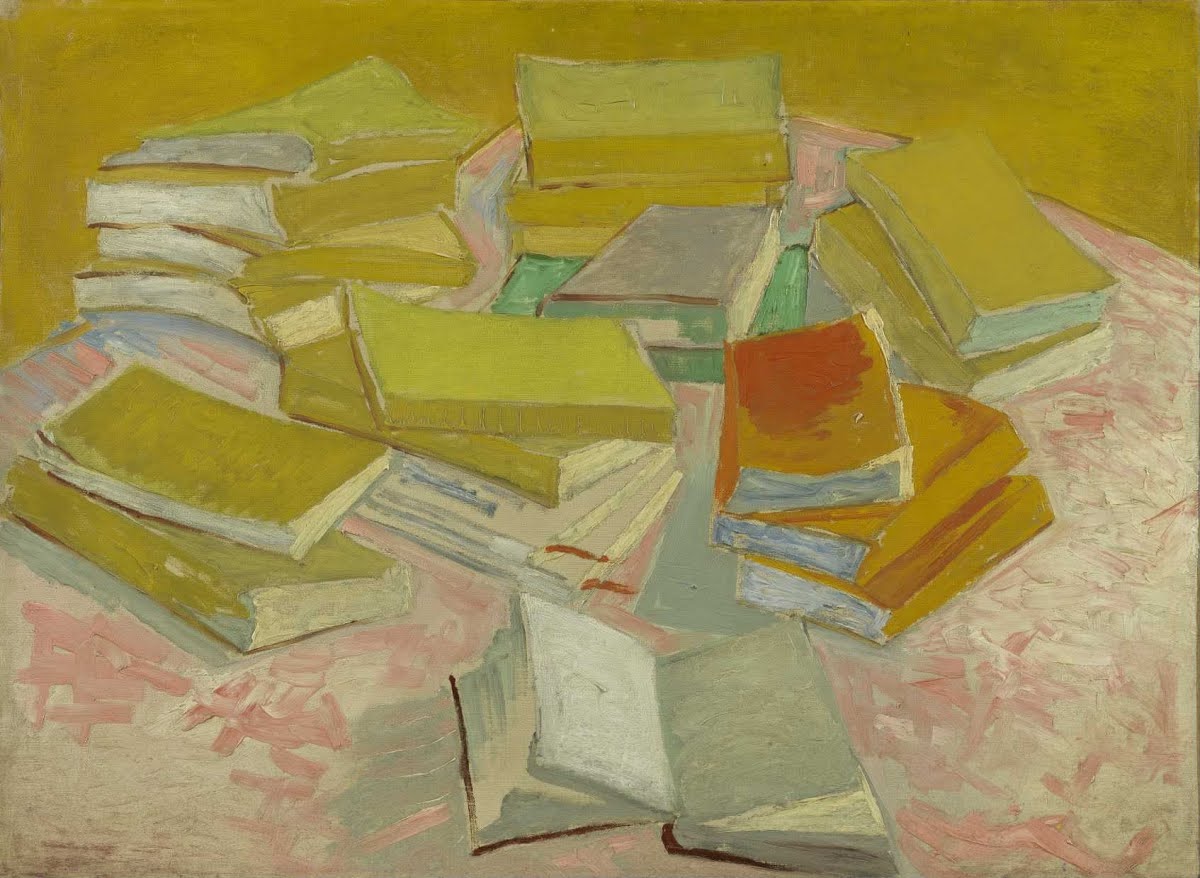

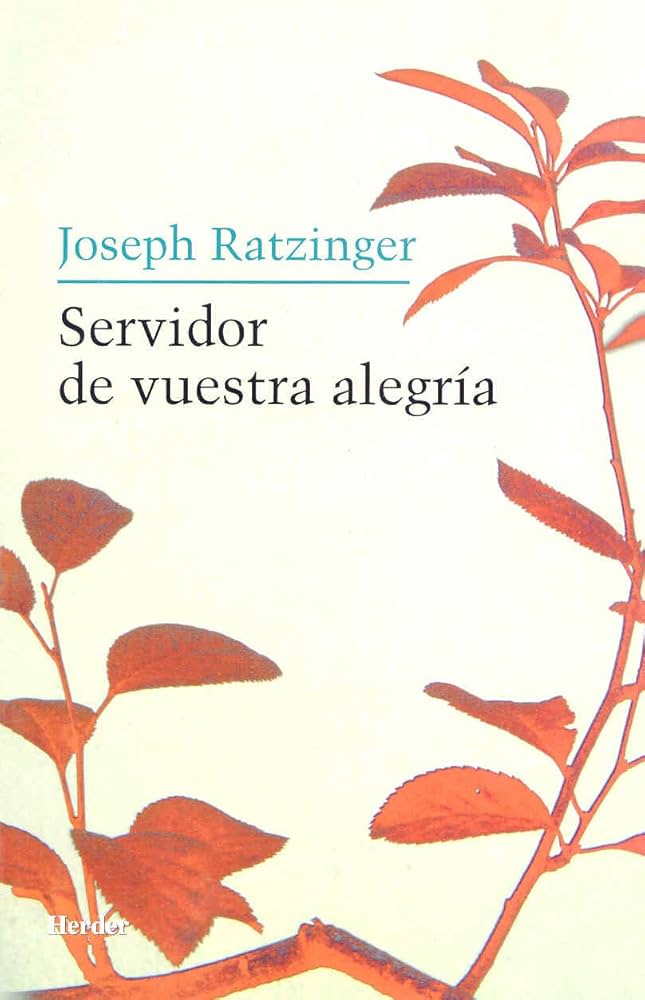
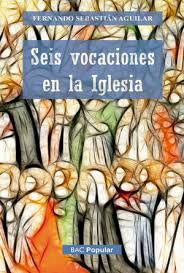





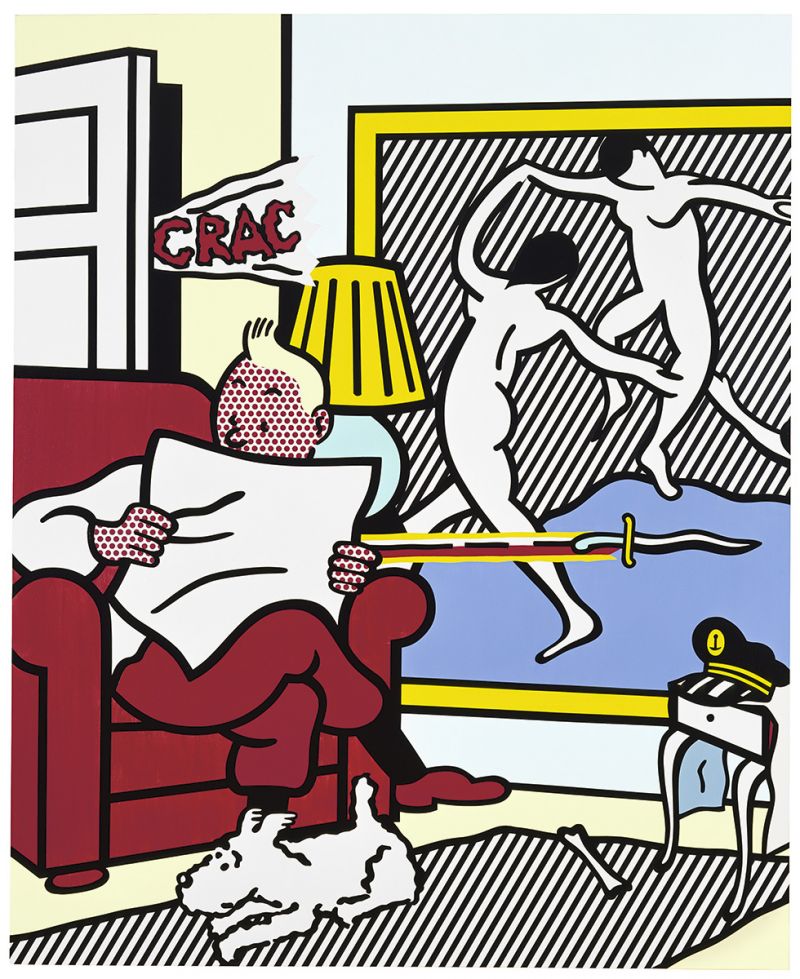
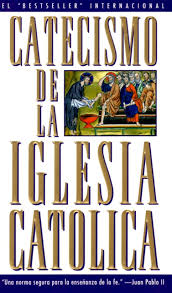
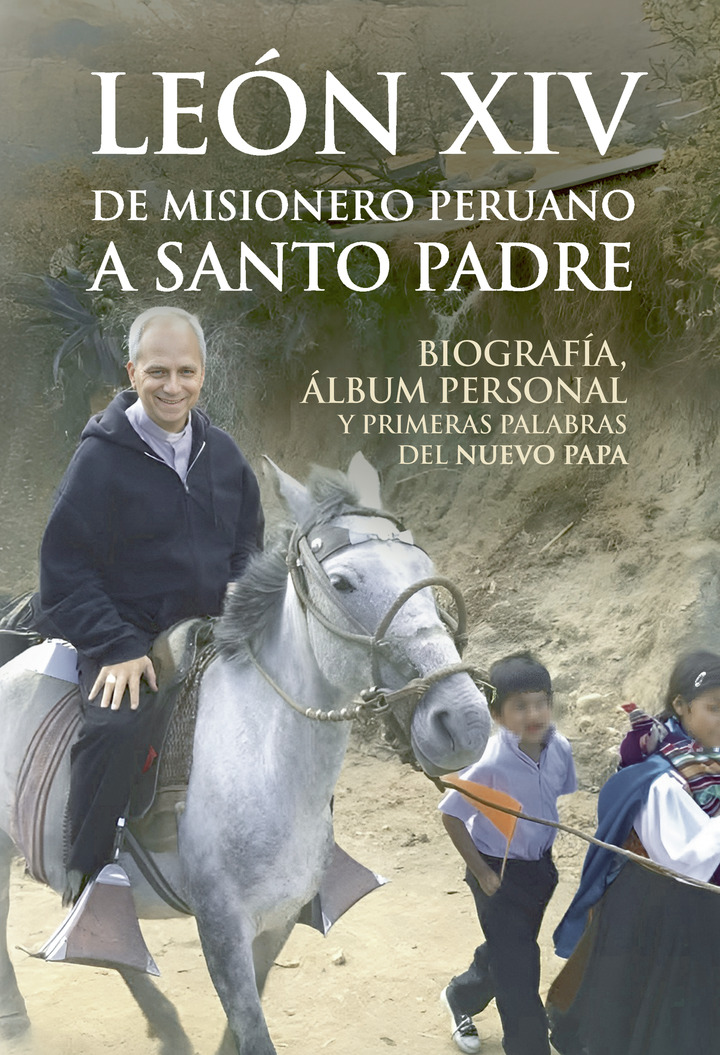

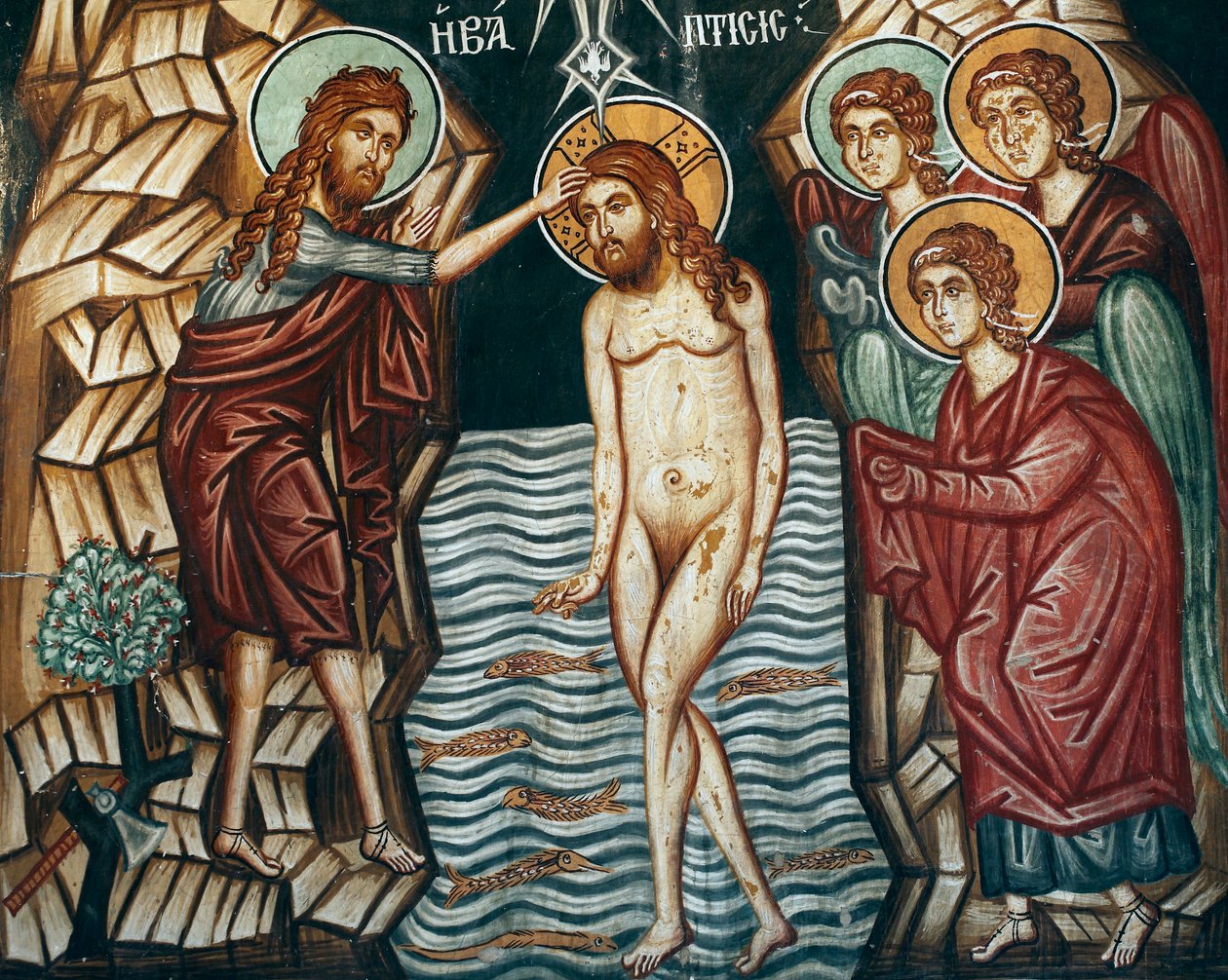


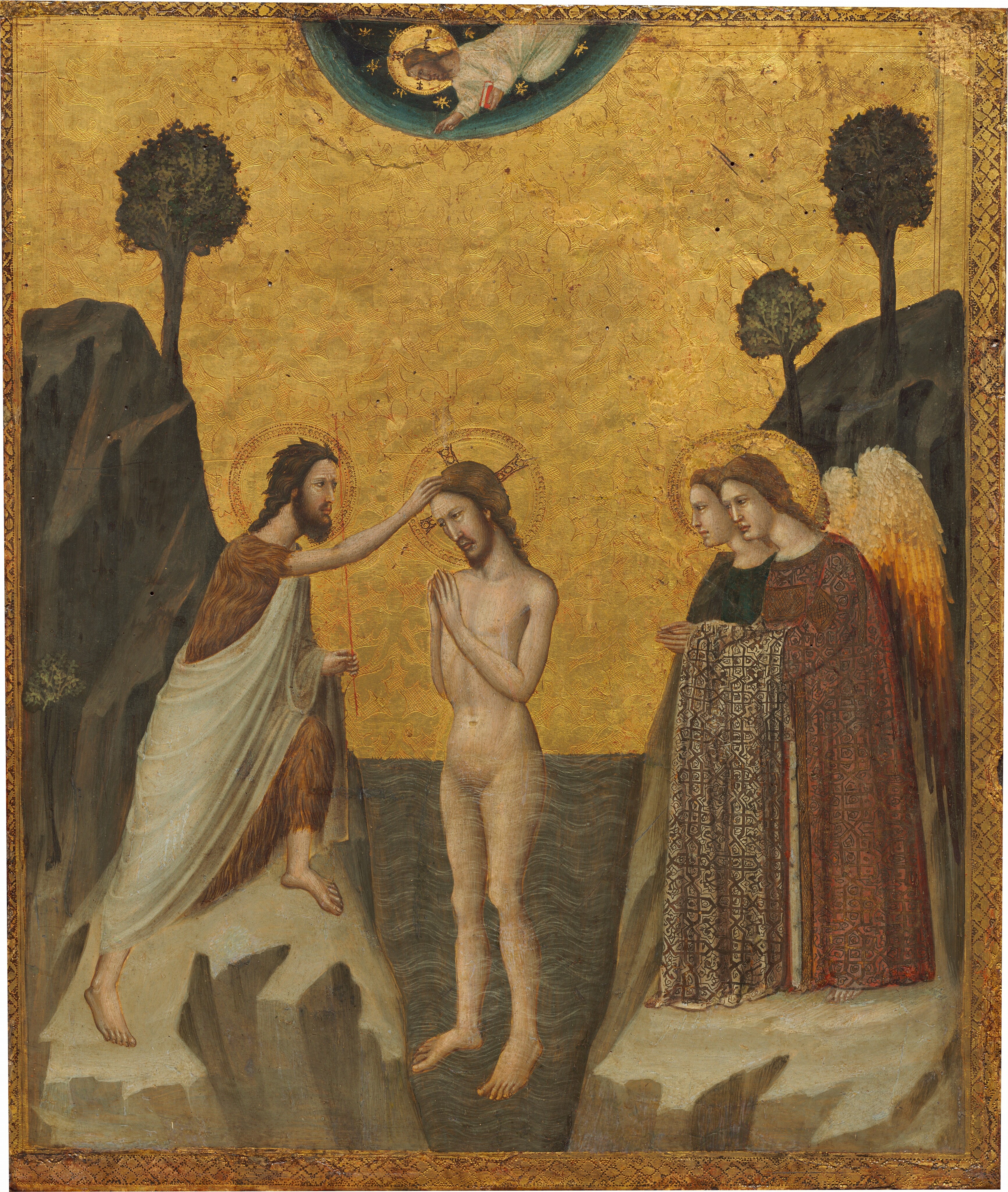


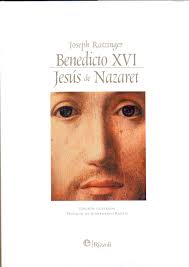







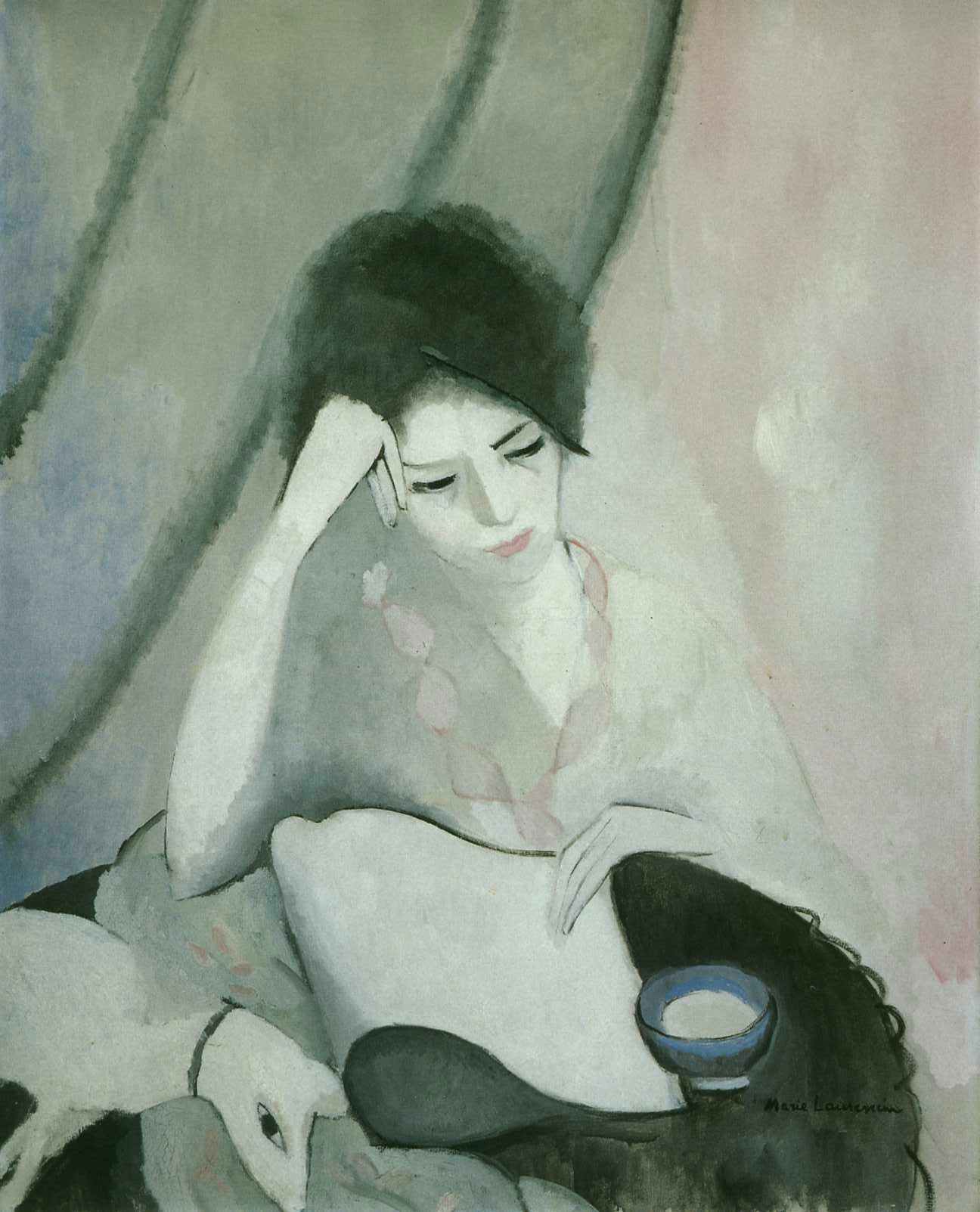

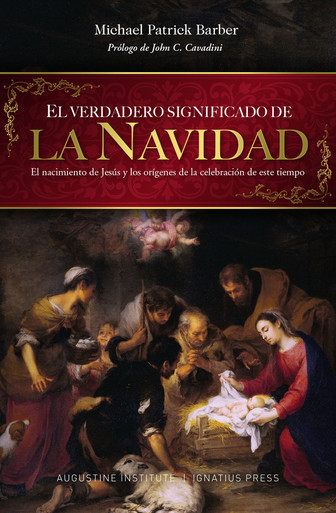
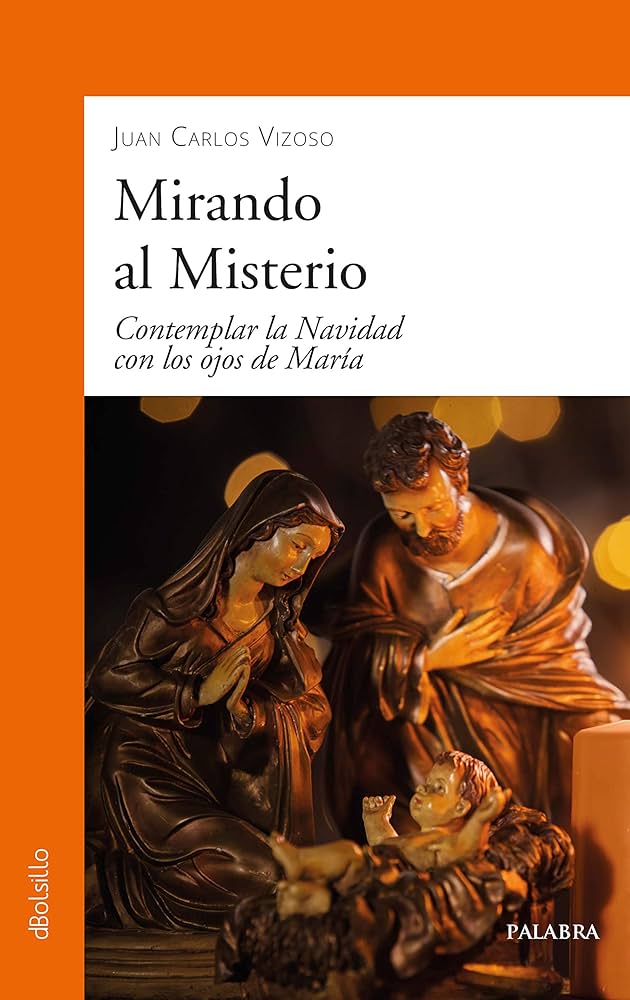
 LA MEDITACION DE LA ESPOSA