
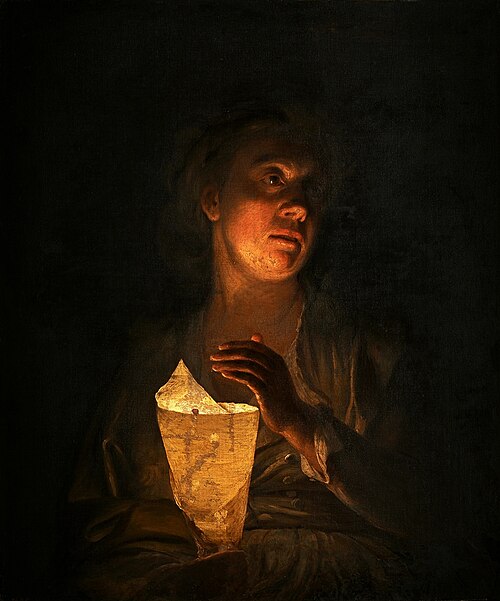
Martin F. Quadal, By the Light of Candle (1801), oil on canvas, National Museum in Warsaw (Poland)
Jesus does not speak here in gentle images but in demands. He does not say, “Try to become salt” or “Aim to be light.” He says, “You are.” Salt and light exist only by being spent. Salt disappears so that something else may have flavor; light exposes itself so that others may see. When faith tries to preserve itself, it loses its power. A light anxious for approval ends up hidden. What Jesus asks for is not extraordinary achievement but visible goodness—ordinary acts that point beyond themselves, not to the believer but to the Father. Dostoevsky understood this well in The Brothers Karamazov: truth is not argued into existence but embodied, often at great cost. The same movement can be heard in Mahler’s Symphony No. 2, where light emerges slowly from tension rather than forcing its way in. The Gospel works the same way. It was not given to be admired or protected, but to be lived in a way that cannot remain hidden. Jesus does not ask for explanations. He asks for coherence •

St. Joseph Catholic Church (Dilley, TX) • Weekend Schedule

Fr. Agustin E. (Parish Administrator)
Saturday, February 7, 2026.
5.00 p.m. Sacramento de la Confesión
6.00 p.m. Santa Misa.
Sunday, February 8, 2026
8.00 a.m. Sacrament of Reconciliation
8.30 a.m. Holy Mass.
10.30 a.m. Sacrament of Reconciliation.
11.00 a.m. Holy Mass.
V Domingo del Tiempo Ordinario (Ciclo A)
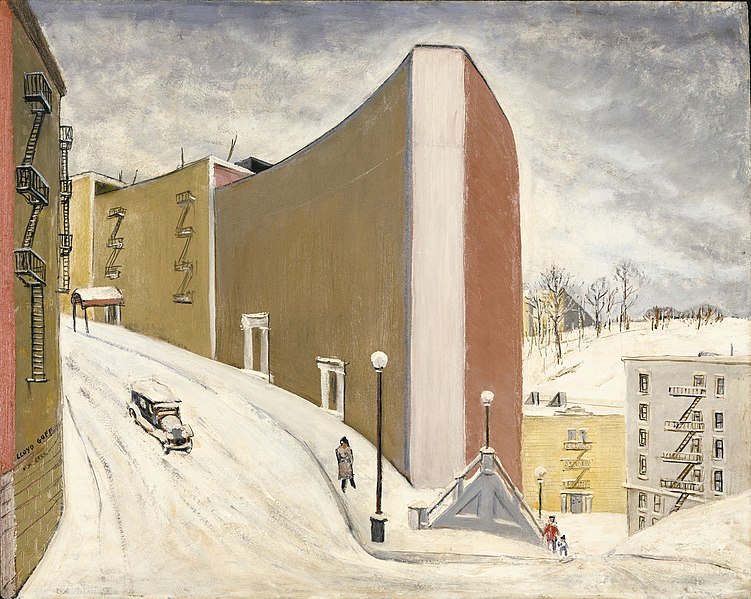
L. Goff, Suburban Apartments (1934), óleo sobre tela, Smithsonian American Art Museum (Washington DC)
Jesús no halaga a sus discípulos cuando los llama sal y luz; los compromete. Porque la sal que no entra en contacto con la herida no sirve, y la luz que no molesta a la oscuridad es apenas decoración. Este Evangelio no habla de identidad religiosa sino de responsabilidad: lo que somos tiene consecuencias visibles. No basta con creer bien, ni siquiera con sentir profundo; la fe se verifica cuando cambia el ambiente, cuando algo se vuelve más habitable gracias a nuestra presencia. Una ciudad en lo alto no se explica, se ve. Una lámpara no discute, alumbra. Algo parecido sucede en los interiores tardíos de Rembrandt, donde la luz no elimina la sombra, pero la atraviesa y la ordena, revelando lo esencial sin estridencia. Así actúa el Evangelio: no humilla, no grita, pero deja todo expuesto. Y cuando la vida cristiana se repliega por miedo, comodidad o cálculo, no se vuelve neutral: se vuelve irrelevante. Jesús no propone una santidad escondida por prudencia, sino una fe suficientemente luminosa como para que otros puedan orientarse. No para que nos miren a nosotros, sino para que Dios sea reconocido •

Y hOY, ¿quÉ lEEs?
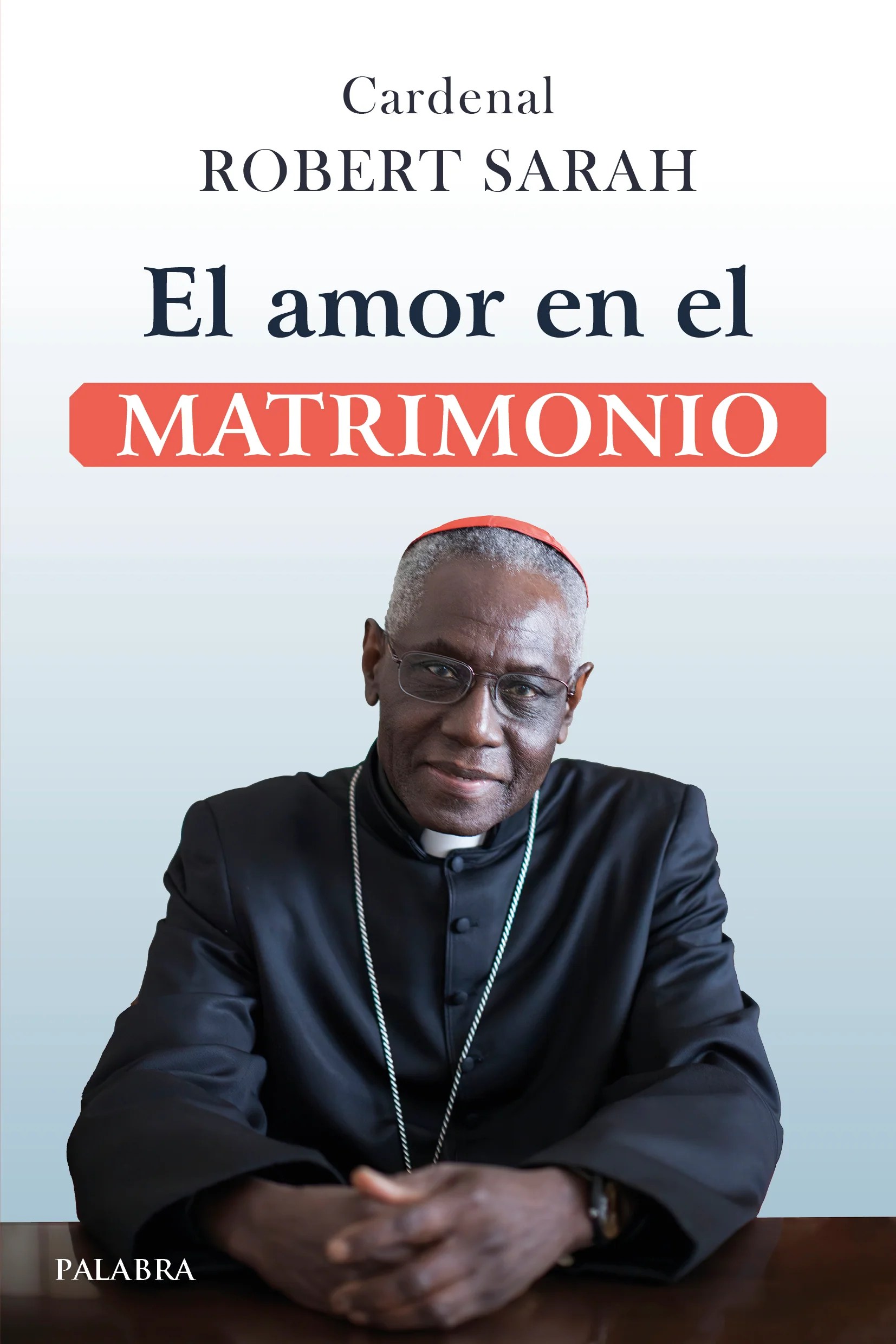
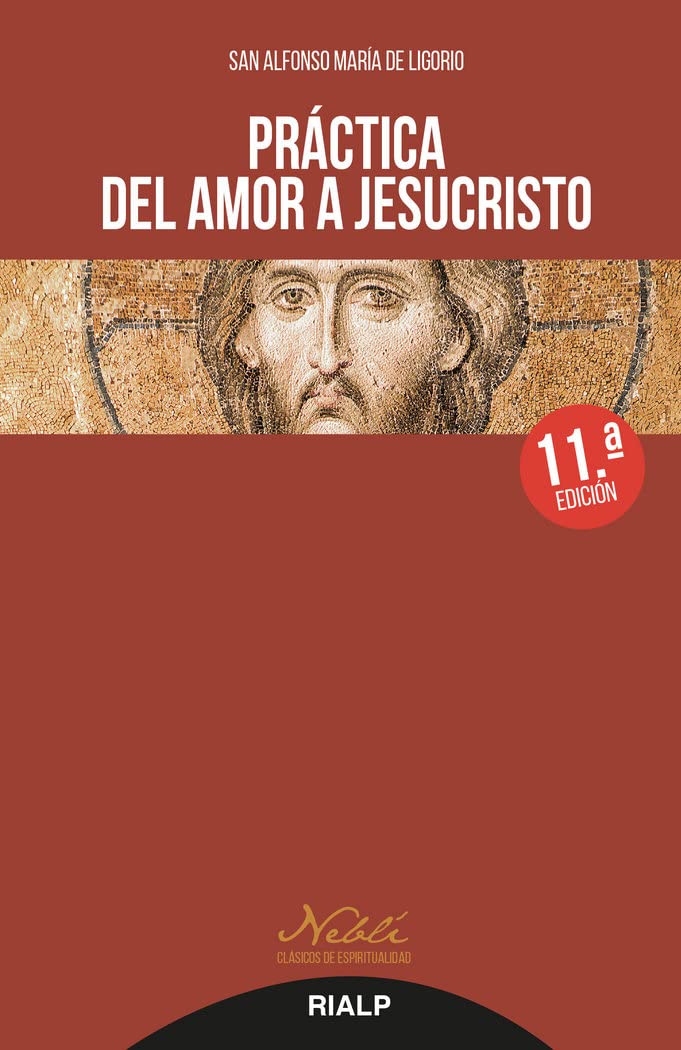
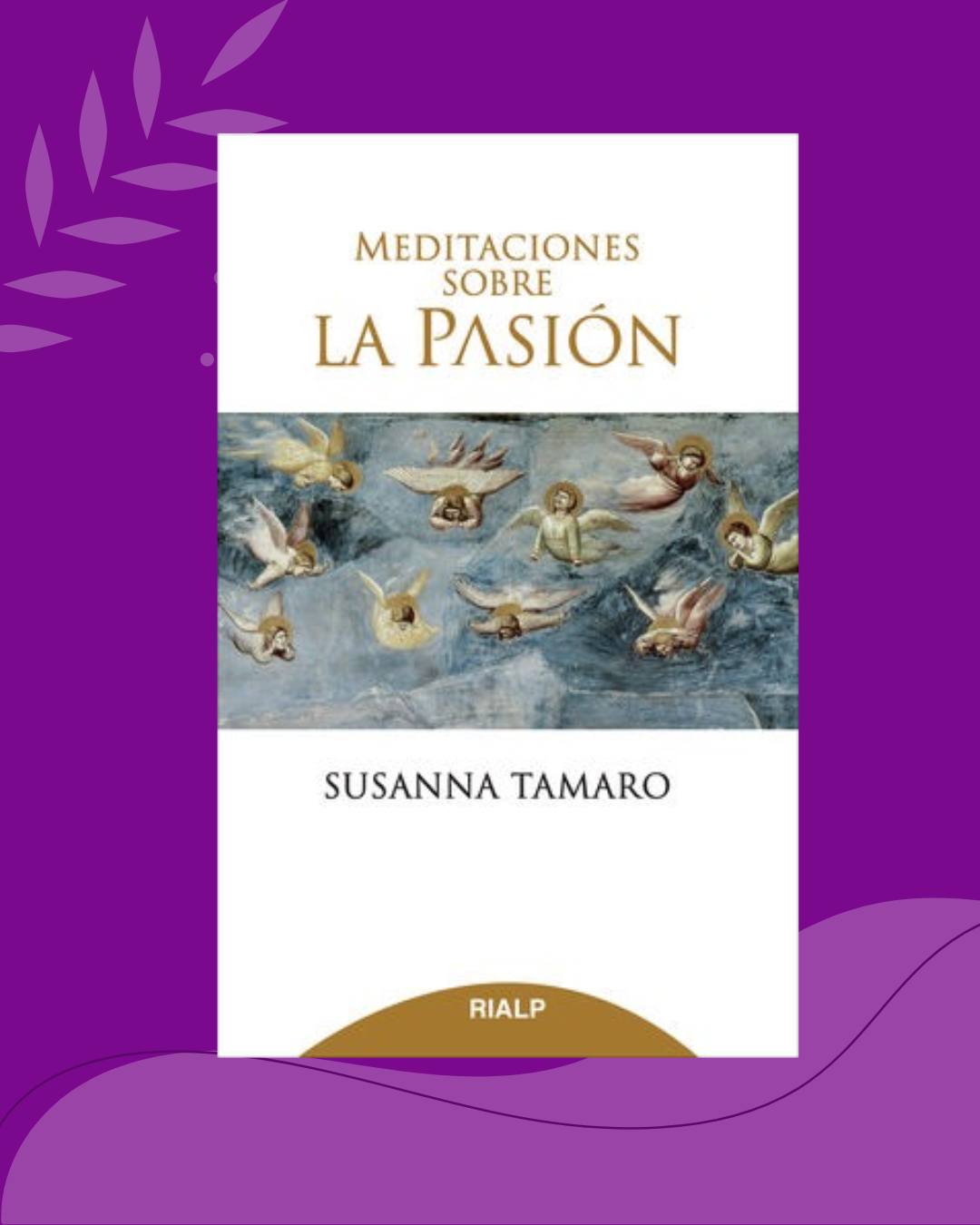

 LA MEDITACION DE LA ESPOSA