
Eighteenth Sunday in Ordinary Time (Cycle C)

Vanity of vanities, says Qoheleth, the Preacher from the Book of Ecclesiastes, our first reading for this Sunday[1]. Vanity of Vanities. We kill ourselves, and for what? For that which are useless in relationship to the real priorities of life. We really are strange. We all know that you can’t take it with you. But we all tend to jump on an opportunity to benefit financially even if this opportunity demands that we withdraw from our family life. And what do we do when we have that extra edge? We build a new silo to hold our wealth. Vanity of Vanities says Qoheleth. Qoheleth has a message for our society, the same message the Lord is teaches in the form of today’s parable. The message is: keep your priorities straight in life. If our treasure is in heaven, if we work for that which is spiritual, mainly if we build on the sacrificial love of the Lord, then we will be able to embrace the Lord’s love in eternity. But if our treasures are mundane. If we have denied sacrificial love for the sake of acquiring more stuff, then we won’t have anything to take with us in eternity, nor will we have the capacity to accept and enjoy God’s love. So, the goal of life, our Christian life, is to be eternally happy, not temporarily happy. Without God all life is meaningless. But with God, every aspect of our lives proclaims the reason for our creation: to know him, to love him, to serve him. This is the point, and this weekend is a wonderful opportunity to do interior silence, deep soul-searching -examination on conscience- and make a couple of resolutions that lead us to live a simpler, more sober, more selfless life. Freer from so much vanity • AE

[1] Ecc 1:2; 2:21-23


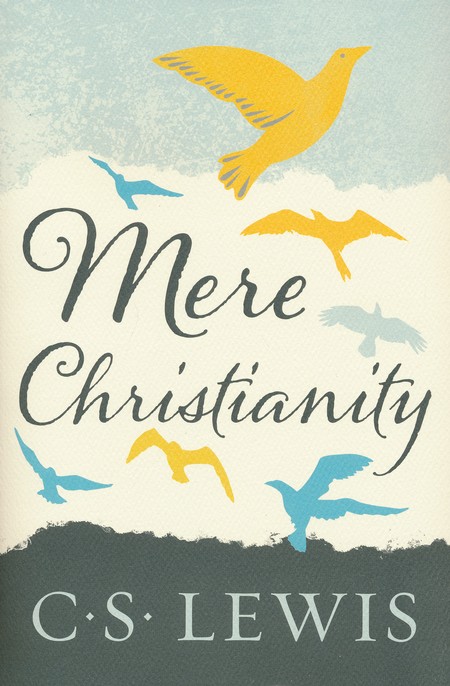
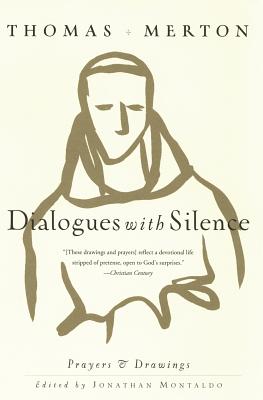
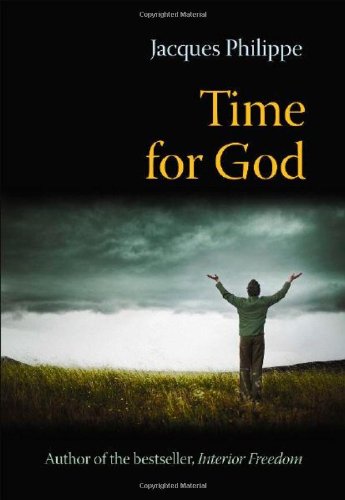
Summer reading
Fr. Agustin Schedule for the Eighteenth Sunday in Ordinary Time St. Dominic Catholic Church

Saturday July 30, 2022

3.30 p.m. Sacrament of Reconciliation (Confessional)

5.00 p.m. (English Mass @ Main Church)

Sunday July 31, 2022

7.30 a.m. Holy Mass (English Mass @ Main Church)

10.00 a.m. Holy Mass (English Mass @ Main Church)


XVII Domingo del Tiempo Ordinario (Ciclo C)
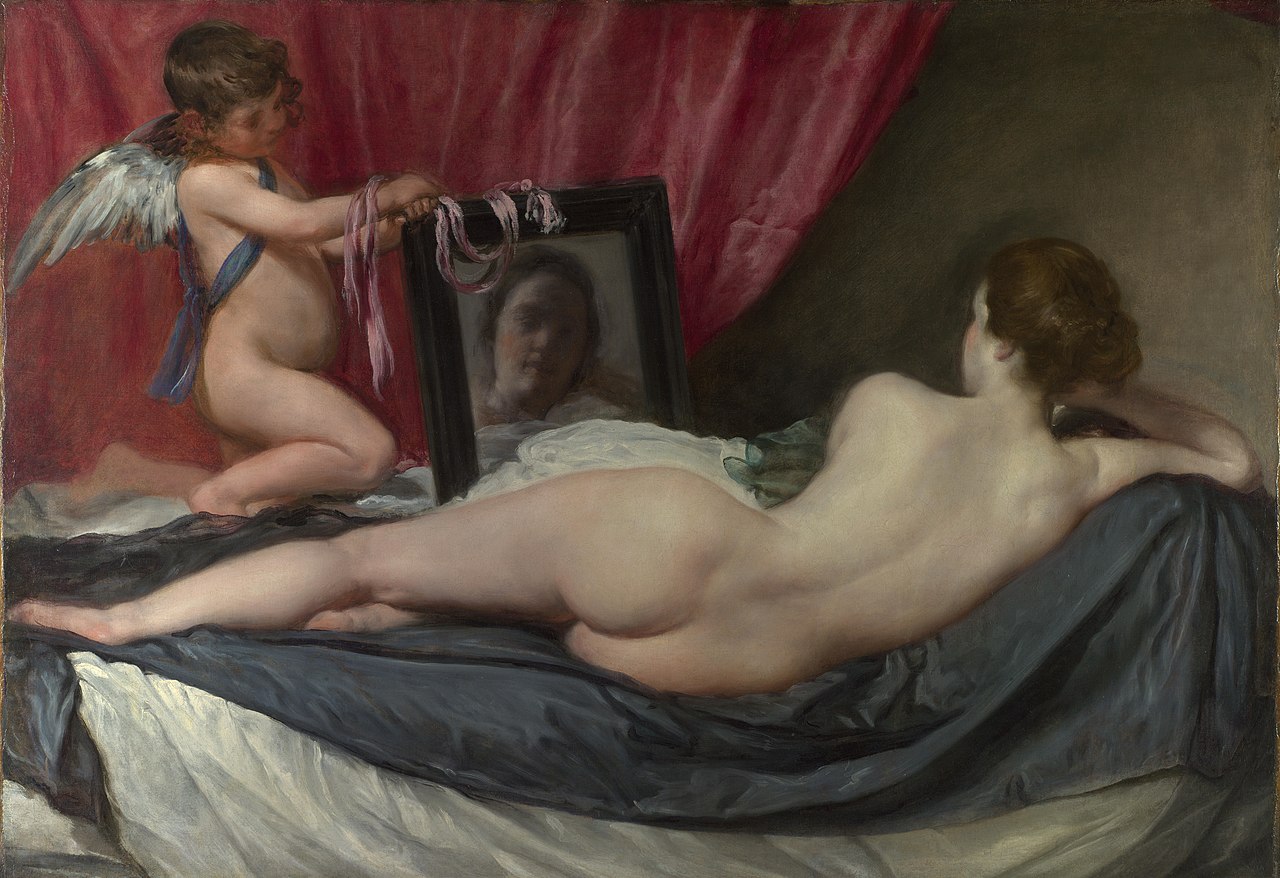
Diego Velázquez, Venus del Espejo (1647-1651), Óleo sobre lienzo, National Gallery (Londres)

«Date como magnate», es un poco la consigna del hombre rico de la parábola evangélica de este domingo. Y también el ideal de no pocos. Hace mucho que la sociedad moderna ha institucionalizado el consumo: casi todo se orienta a disfrutar de productos, servicios y experiencias siempre nuevas. La consigna del bienestar es clara: Date como magnate. A través del marketing se nos ofrece es juventud, elegancia, seguridad, feminidad o virilidad, naturalidad, poder, vitalidad. La vida la hemos de alimentar en el consumo. Y desde luego el mundo de la moda, que se ha convertido en el guía principal de la sociedad moderna. Ya no son las religiones ni las ideologías las que orientan los comportamientos de la mayoría. La publicidad y la seducción de la moda van sustituyendo a la Iglesia, la familia o la escuela. Es la moda la que nos enseña a vivir y a satisfacer todo aquello que anhela el corazón. Lo mismo sucede con la seducción de los sentidos y el cuidado de lo externo. Hay que atender el cuerpo, la línea, el peso, la gimnasia. Hay que seguir de cerca los programas de consejos médicos y culinarios. Hay que aprender a sentirse bien con uno mismo y con los demás; hay que saber moverse de manera hábil en el campo del sexo: conocer todas las formas de posible disfrute, gozar y acumular experiencias nuevas. Desde luego sería un error condenar por completo esta sociedad que ofrece tantas posibilidades para cuidar las diversas dimensiones del ser humano y para desarrollar una vida integral e integradora. Pero no sería menos equivocado dejarse arrastrar sin prudencia por cualquier moda o reclamo reduciendo la existencia a puro bienestar material. La parábola de hoy nos invita a descubrir la insensatez que se puede encerrar en este planteamiento de la vida. Para acertar en la vida no basta pasarlo bien. No somos solamente animales hambrientos de placer y bienestar. Fuimos creados para cultivar el espíritu, conocer la amistad y la ternura, experimentar el misterio de lo transcendente, agradecer la vida, vivir la solidaridad. Ganamos poco o nada llevándonos las manos a la cabeza y lamentado lo mal que van las cosas. Lo importante es actuar de manera inteligente y buscar un buen balance. Ya lo decían los maestros medievales: in medio, virtus: en medio, ahí está la virtud • AE


LECTURAS PARA EL VERANO

Seventeenth Sunday in Ordinary Time (Cycle C)

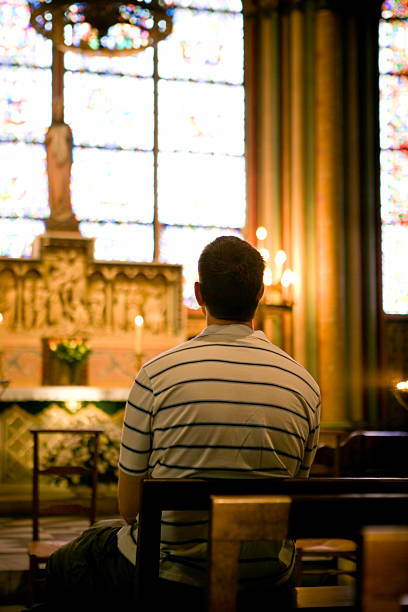
Last Sunday, in the Gospel reading, Jesus said that Martha had chosen the best part and that part is that of silence and prayer #Contemplation In today´s gospel the Lord speaks to us again about that, about asking, about seeking, about finding a balance between doing and contemplating[1]. So, how to find that balance between our inner Martha and our inner Mary? Even more: How to work hard without forgetting that the best part is being close to Jesus, listening, spending time with Him? There is a time to listen and there is a time to get busy. As the Book of Qoheleth says, ‘for everything there is a season, and a time for every matter under heaven.’[2]  This morning, our prayer time, we are asking the Lord to give us His wisdom. Wisdom consists in knowing what is appropriate at any particular time. So today we could ask ourselves “What is Jesus asking me to do right now?” In our own relationship with the Him there is a time for both sitting at his feet to listen to him and for rolling up our sleeves and getting down to some serious work. We need to be attentive to both: the Lord of the work and the work of the Lord. The Lord needs us at times to be the good Samaritan to others, serving people in practical ways: He needs us to visit the sick, to support the weak, to help carry the burdens of others[3]. And there are other times when he needs us and wants us to be still before Him and to ponder his word. In silence. So, these are the two fundamental attitudes: listening prayerfully to the word of God and then keeping it by the way we live. This is the balance we should achieve! It is difficult, yes, but it is possible. In our Christian faith nothing is impossible. Due to the speed and stress in which we live, our tendency is to do things, being Mr. busy-busy-busy rather than contemplate, so, we have a lot to learn from the prayerful attitude of Jesus. If there is no prayer, if there is no silence, if there are no personal sacrifices, if there is no frequent moments of reconciliation and intimacy with the Lord, we are not going to achieve this balance. If we want to grow and to be filled with the love of God, it is necessary to plant our life firmly on three great realities: the Cross, the Host, and the Virgin [crux, hostia, et virgo] These are three mysteries that God gave us in order to structure, fructify, and sanctify our spiritual life and to lead us to Jesus. And these three mysteries are to be contemplated in silence.”[4] So, we always need to ask, ‘What is it that love requires of me at this moment, under these circumstances? How can I best serve this person at this time?’ In terms of our relationship with Jesus, there is a time to be present to him by actively serving him, as one of his workers. Yet, there is also a time to be present to Jesus by silently attending to his presence to us. Let us think about this at some point this weekend and let us not forget our Lady. The blessed Virgin Mary is the creature that achieved this balance between action and contemplation with absolute perfection, because she is the woman who best knows how to love Jesus. When we feel that we are hyperactive, super busy, and not very contemplative… that’s the time to look for her help and intercession. Our Lady is always the way to Jesus • AE

[1] Cf Lk 11:1-13. [2] Ecclesiastes 3:1-8 [3] Cf. Lk 10:25-37 [4] Cf. Robert Sarah, The Power of Silence: Against the Dictatorship of Noise.

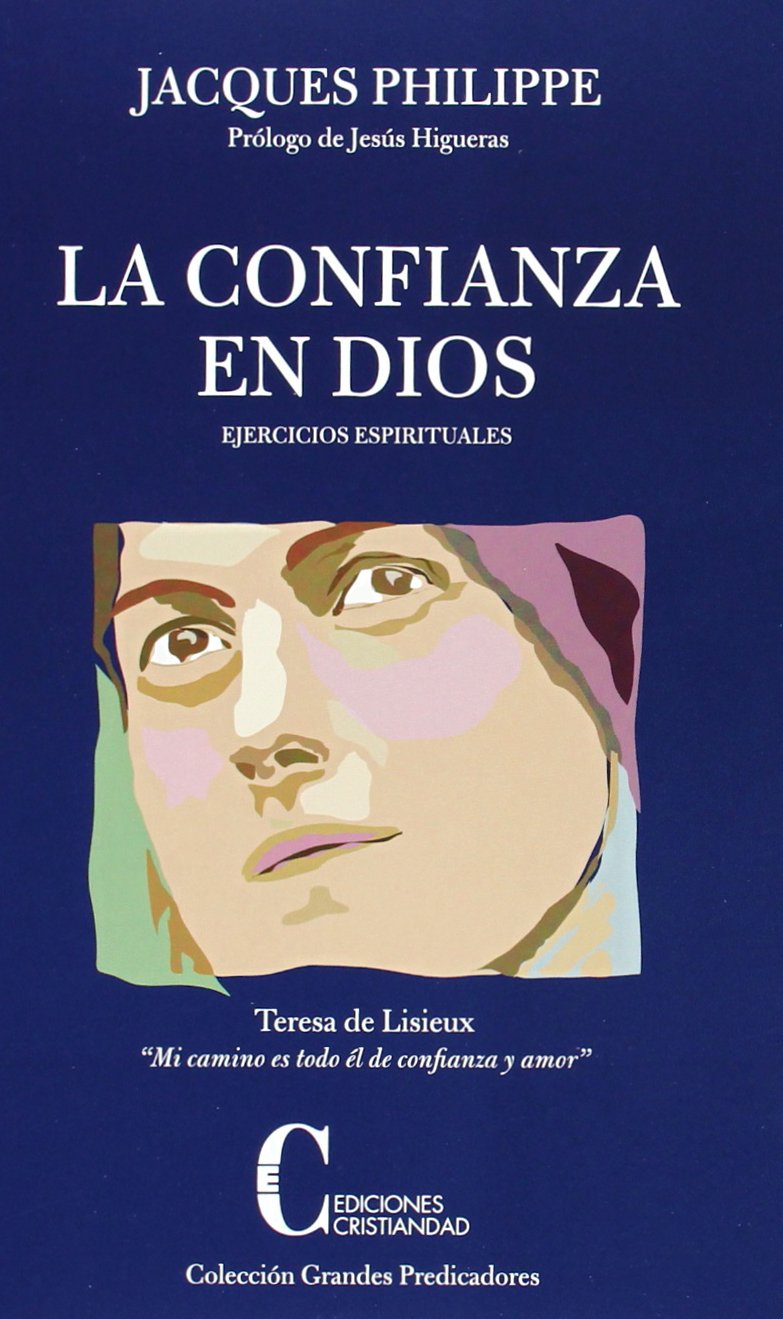
READING? HERE SOME RECOMMENDATIONS (SUMMER 2022)


Fr. Agustin Schedule for the Seventeenth Sunday in Ordinary Time

St. Dominic Catholic Church

Saturday July 23, 2022

3.30 p.m. Sacrament of Reconciliation (Confessional)

5.00 p.m. (English Mass @ Main Church)

Sunday July 24, 2022

12.30 p.m. Holy Mass (English Mass @ Main Church)

3.00 p.m. Misa en Español (iglesia principal)


XVII Domingo del Tiempo Ordinario (Ciclo C)

La tragedia más grave de hoy es que no tenemos tiempo para la oración. Se nos esta está olvidando lo que es orar. Los más jóvenes han abandonado casi por completo las prácticas religiosas y las fórmulas de oración que nos alimentaros a nosotros, nuestros padres, nuestros abuelos…. Hemos ido reduciendo el tiempo dedicado a la oración y la reflexión interior hasta prácticamente excluirlo de nuestra vida. Y hay algo aún peor: hemos ido poco a poco perdiendo capacidad de silencio interior y de encuentro sincero con nosotros mismos y con Dios. Distraído por mil sensaciones, embotados interiormente, encadenados a un ritmo de vida a ratos deshumanizador…hemos dejado de orar. En una sociedad en la que se acepta como criterio primero y casi único la eficacia, el rendimiento y la utilidad inmediata, la oración queda desvalorizada como algo inútil y poco importante. Fácilmente se afirma que lo importante es la vida, como si la oración perteneciera al mundo de la muerte. Y, sin embargo, necesitamos orar. No es posible vivir con vigor la fe cristiana y la vocación humana, si estamos mal alimentados interiormente. Tarde o temprano llegamos a esa insatisfacción que produce en el corazón humano, el vacío interior, la banalidad de lo cotidiano, el aburrimiento de la vida y la incomunicación con el misterio. Necesitamos orar para encontrar silencio, serenidad y descanso que nos permitan sostener el ritmo de nuestro quehacer diario. Necesitamos orar para vivir en actitud lúcida y vigilante en medio de una sociedad superficial y deshumanizadora. Necesitamos orar para enfrentarnos valientemente a nuestra propia verdad y ser capaces de una autocrítica personal sincera. Necesitamos orar para no desalentarnos en el esfuerzo de irnos liberando individual y colectivamente de todo lo que nos impide ser más humanos. Necesitamos orar para liberarnos de nuestra propia soledad interior y poder vivir ante un Padre, en actitud más festiva, agradecida y creadora. Felices los que sean capaces de experimentar en lo más profundo de su ser, la verdad de las palabras de Jesús: «Quien pide está recibiendo, quien busca está hallando y al que llama se le está abriendo» • AE


LECTURAS PARA EL VERANO 2022

Sixteenth Sunday in Ordinary Time (Cycle B)

Pieter de Bloot, Christ with Martha and Mary (1637), oil on canvas, Liechtenstein Museum (Vienna)

Let’s take a little deeper look at today´s Gospel passage. We can understand Martha’s frustration. Jesus shows up with at least twelve disciples. They will all need to eat. The food is not going to prepare itself, and Mary is being no help. Similarly, you might say to me, “What, I should not take care of my children, or my sick spouse, and instead go off someplace to pray? That doesn’t make sense.” You are right! What we need to do is not separate the work of Martha and the prayers of Mary, but combine them. We should become, let´s say, Marthacized Marys. How about praying while you drive? Why not have rosary beads in your car? If your work is more than fifteen minutes away, you’ll have time to say a rosary. Or maybe put on a religious stations. Basically, there are things that even a busy person can do to cultivate a daily prayer life. I have a luxury as a priest that most of you do not have. I can schedule daily prayer in the morning, while you might be busy with taking care of children, making breakfast, etc. If you can make a bit of a prayer schedule for yourself, do so, and keep it. If you can’t, then at least make the morning offering. When you wake up and wash up give God your day and ask Him to walk with you through all the developments of the day. When we walk alone in the world, we don’t do so well. But when we walk with the fLord, well, I, we, can do all things in Him who strengthens us. The morning offering helps us make the entire day a prayer. But why? Why do we need to pray every day? We need to pray because we live, as Sheldon Vanaukin writes in his autobiography, A Severe Mercy, we live under the mercy of God. We are dependent on God to give meaning and purpose to our lives. We recognize that the only real peace we have in our lives is the peace that
comes from Him and flows back to Him, the Peace that only He can give. We need to pray because we need to adore Him. We need to pray because we need to thank Him for His many gifts. We need to pray because we always need to seek His Forgiveness. And we need to make our petitions to the Lord: prayers for our family, our marriages in your case, priesthood in my case, prayers for the sick we know, prayers for those suffering throughout the world, prayers to end the horrible events we have blasted to us in the news every day. There is much for which we need to pray. The Lord is one of us. He shares our human nature. He understands how we can get so tied up by the demands of the day. He also knows how much we need to spend time with Him. If we can find time to be alone in silent prayer, we should treasure this time. But if we can’t, we shouldn’t give up on daily prayer. After all, we don’t have to choose between being Marthas or Marys. We can be Marthacized Marys, people who pray through the events of our day in the best o our capabilities • AE


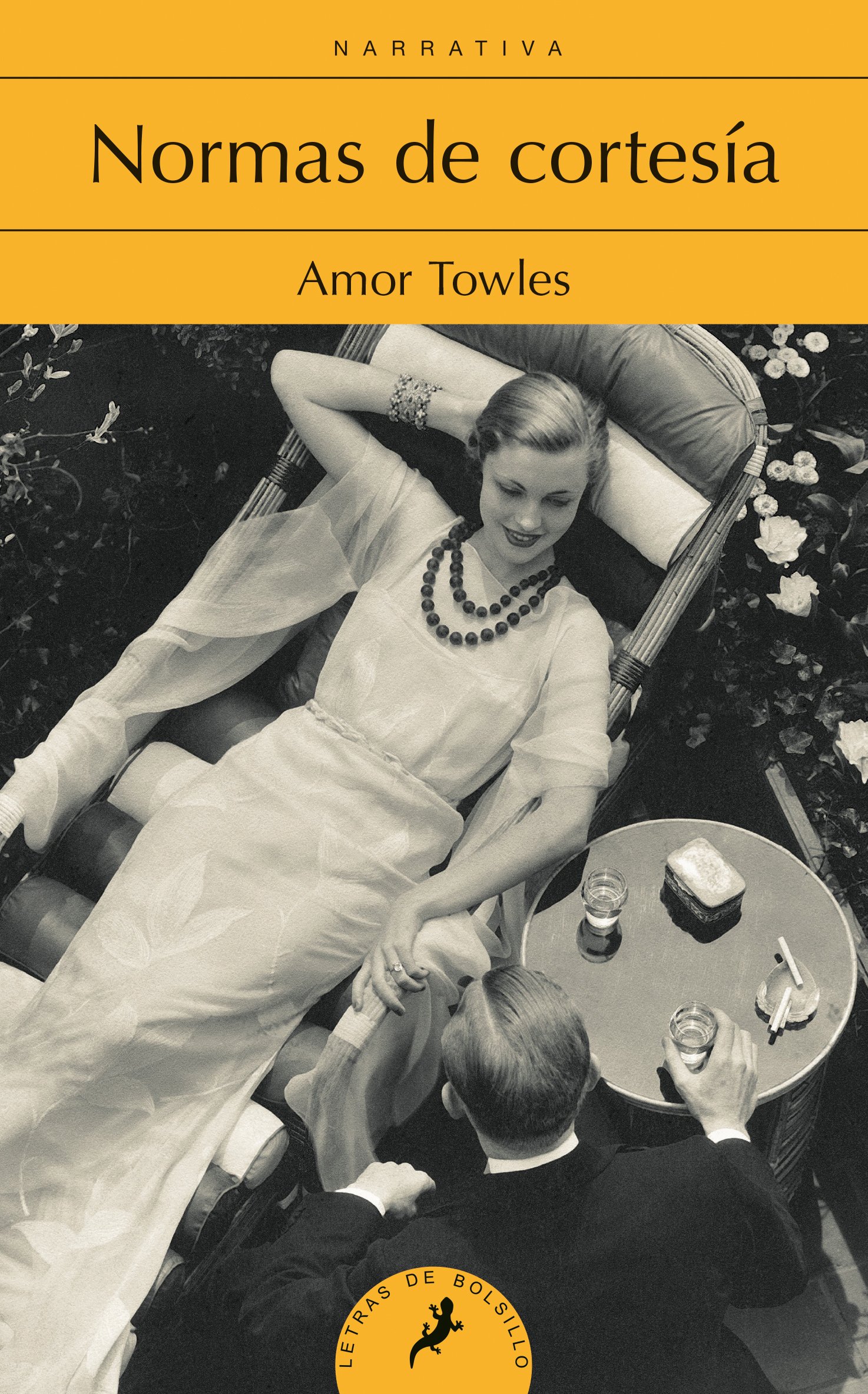
(WE RECOMMEND) A COUPLE OF SUMMER READS

Fr. Agustin Schedule for the Sixteenth Sunday in Ordinary Time (2022)

Saturday July 16, 2022

12.00 p.m. Mass for Reception into the Catholic Churc of Mrs. Katherine M.

3.30 p.m. Sacrament of Reconciliation (Confessional)

5.00 p.m. (English Mass @ Main Church)

Sunday July 17, 2022

7.30 a.m. Holy Mass (English Mass @ Main Church)

10.00 a.m. Holy Mass (English Mass @ Main Church)


XVI Domingo del Tiempo Ordinario (Ciclo C)

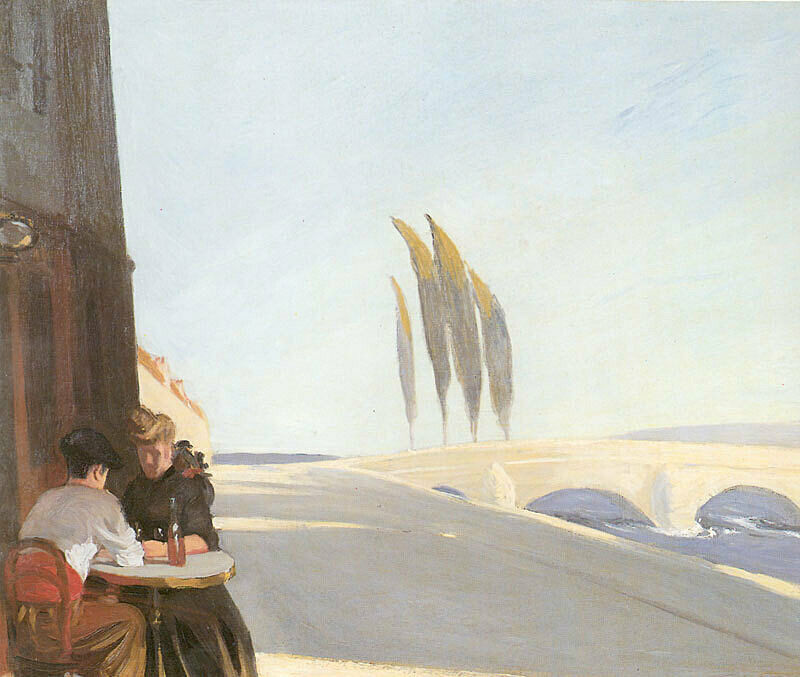
E. Hopper, Le Bistro (1909), Whithney Museum of American Art (New York)

Verano del 2022. Vacaciones. La inmensa mayoría interrumpirá su trabajo, se liberará de la esclavitud diaria de una ocupación forzada e iniciará un modo de vida diferente. Pero, ¿qué es este tiempo libre? ¿en qué se ocupa? ¿es verdaderamente libre? ¿qué es descansar? ¿cómo puede descansar y renovarse una persona? Son preguntas que pocos se plantearán mientras meten el traje de baño en la maleta o echan el último vistazo al mapa de carreteras. Para muchos, lo importante es huir. Escapar de esa cotidianeidad que agobia, aburre y asfixia. Consolarse de la vida anodina y penosa de cada día. Otros vivirán comprando diversión y consumiendo, de manera incontenible, playas, paisajes, restaurantes de todas clases. No es extraño que ciertas vacaciones terminen agotando a bastantes y que este tiempo libre haga a muchos más esclavos aún de la trivialidad y más prisioneros de la superficialidad y el consumismo. Cuánto bien podrían hacernos a todos las palabras de Jesús alabando la actitud de escucha de María, sentada serenamente a sus pies. Son palabras que nos deben hacer pensar: «Marta, Marta: andas inquieta y nerviosa con tantas cosas. Sólo una es necesaria. María ha escogido la mejor parte». Necesitamos aprender el arte de escuchar. Necesitamos hacer silencio, curarnos de tanta prisa, detenernos despacio en nuestro interior, sincerarnos con nosotros mismos, sentir la vida a nuestro alrededor, sintonizar con las personas, escuchar la llamada silenciosa de Dios. No se trata de buscar el silencio por el silencio, sino de reencontrarnos a nosotros mismos, enraizarnos más sinceramente en nuestro ser, y, sobre todo, escuchar al que es la fuente de la vida. Dedicar un tiempo de nuestras vacaciones a estar sencillamente en silencio, a la escucha de nuestra pobre vida y a la escucha de la ternura de Dios, puede resultar insoportable al comienzo, pero puede ser una experiencia de renacimiento gozoso. Con frecuencia, nuestra oración está tan llena de nuestras peticiones, preocupaciones e intereses, que nos resulta difícil encontrarnos con el Dios vivo. Y, sin embargo, lo que cambia el corazón del hombre y lo renueva es la comunicación con ese Dios Viviente. Descubrir en lo más profundo de mí, allí donde yo estoy solo y donde ningún otro puede penetrar la paz, la reconciliación y la ternura de ese Dios que me ama tal como soy • AE


LECTURAS (y música) PARA EL VERANO


Fifteenth Sunday in Ordinary Time (Cycle C)

I wonder how many times we have all heard the parable for this Sunday, the Parable of the Good Samaritan. Hundreds of times I would think, depending on our age. I know this sounds strange, but in one sense maybe we have heard this parable too much. The parable has tended to get watered down, sanitized, turned into a great story about a man helping someone who was hurting. We think that the man just happens to be a Samaritan, but that is just a side story. That is not so. The Parable of the Good Samaritan is calling us to a radical following of the Lord Jesus. The Samaritans of Jesus’ day did not like the Jews and the Jews did not like the Samaritans. Actually, they didn’t just dislike each other. They hated each other[1].  «Who, then Lord,» asks the lawyer, «is my neighbor?» Who do I need to show God’s love to?» Well, the Samaritan should show God’s love to the Jew, and the Jew to the Samaritan. Even though a Samaritan would rather hate a Jew than help him, and even though a Jew would rather die than take the help of a Samaritan, the radical call of the Lord is to extend God’s love to all, this shall be the norm for all Christians: Love your enemies. If someone slaps you on the right cheek, offer him your left cheek. Be a neighbor and extend the Love of God to all, including those who have hurt you. The radical demands of the Lord are summed up in: «Take up your cross and follow me.» It is so much easier for you and I to nurture our grudges and our hatreds than it is for us to follow Christ. But we are Christians, not pagans. Jesus calls us to join him on a cross where he looks down on those who have crucified him and says, «Father, forgive them, they know not what they do.» It’s tough stuff following the Lord. It’s tough stuff being crucified. But the Kingdom of God is worth it. We have been called to bring the love of God to the world. And sometimes this isn’t easy. And sometimes, nothing can be more difficult. But the resurrection of the Lord is worth the cross. “Love your neighbor as yourself……but who Lord is my neighbor?” The Parable of the Good Samaritan is more than a mandate to care for others. It is a radical demand that we reach out even to those who have hurt us deeply. One of the reasons that we go to Church is to pray for the amazing grace to be Christ-like • AE

[1] The Samaritans were descended from the Jews who had remained in Palestine during the Babylonian Captivity in the 6th century BC. Many of these people had married pagans and had combined pagan practices with Jewish practices. To the Jews, they were despicable, worse than the pagans. They were attacking the Jewish Law and Traditions from within. In 128 BC the Jews raided Samaria and burned their Temple down. Most likely this was the temple on Mt Gerizim that the Samaritan Woman was referring to in John 4. The Samaritans retaliated by sneaking into the Jewish Temple in Jerusalem and desecrated it by throwing around the bones of dead people. The entire Temple had to be cleansed and re-consecrated


Fr. Agustin Schedule for the Fifteenth Sunday in Ordinary Time (2022)

Saturday July 9, 2022

1.00 p.m. Marriage preparations sessions.

3.30 p.m. Sacrament of Reconciliation (Confessional)

5.00 p.m. (English Mass @ Main Church)

Sunday July 10, 2022

7.30 a.m. Holy Mass (English Mass @ Main Church)

10.00 a.m. Holy Mass (English Mass @ Main Church)

12.30 p.m. Holy Mass (English Mass @ Main Church)

3.00 p.m. Santa Misa en Español (@ iglesia principal)


XV Domingo del Tiempo Ordinario (Ciclo C)

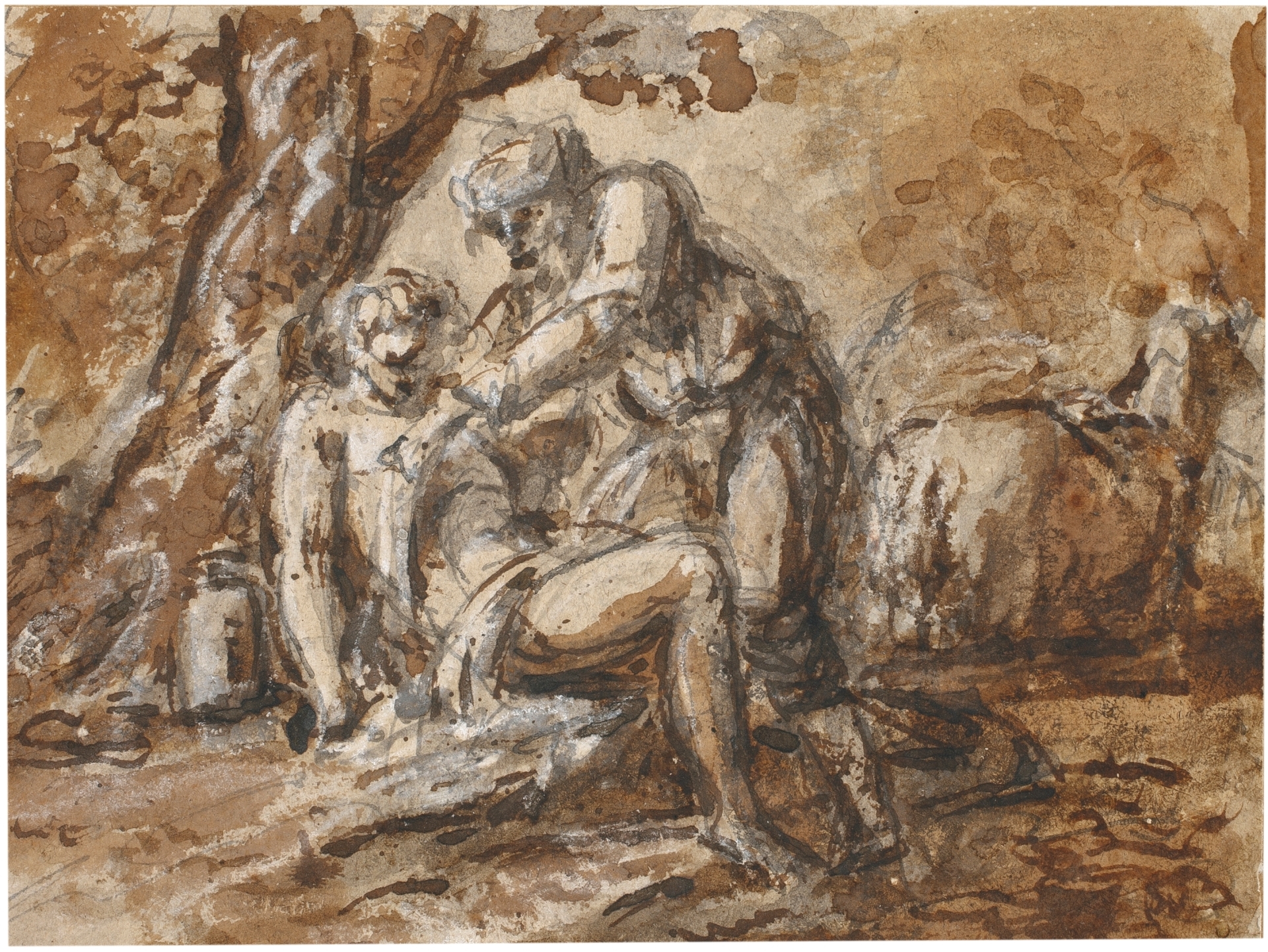
Anónimo, El buen samaritano (1675), Pluma y Tinta parda sobre papel agarbanzado, Museo Nacional del Prado (Madrid)

No siempre somos conscientes de los rechazos, desprecios y condenas que alimentamos dentro de nosotros a causa de perjuicios heredados del pasado o construidos por nosotros mismos. Sin embargo, son esos prejuicios los que modelan con frecuencia nuestra manera de sentir, de pensar y de comportarnos con otros grupos que no son el nuestro. En todas las culturas, antiguas o modernas, el ser humano trata de afirmar su pertenencia al propio grupo social, político o religioso poniendo límites frente a los otros. Levantamos fronteras para marcar las diferencias y asegurar nuestra propia identidad. Lo grave es que, con frecuencia, tendemos a considerar como inferiores a quienes son diferentes y no pertenecen a nuestra raza, nación, religión o partido. No sólo es eso. La lealtad al propio grupo nos puede conducir a una hostilidad o rechazo que nos pasa desapercibido, pero que forma parte de nuestro ser. Cuando esto sucede, desaparece la mirada amistosa y compasiva con la que un ser humano ha de mirar a otro. ¿Un cristiano debe actuar así?  La parábola que nos presenta la liturgia de la Palabra este domingo es un desafío del sectarismo que envenena nuestras relaciones. El hombre caído en el camino ve cómo se desentienden de él aquellos de los que podía esperar ayuda: los suyos, los representantes de su religión, los de su pueblo. Cuando se acerca un samaritano, enemigo proverbial de Israel, sólo puede esperar lo peor. Es él, sin embargo, quien se acerca, lo mira con compasión y le salva la vida. Este hombre es capaz de reaccionar contra prejuicios seculares y ser desleal a su propio pueblo para identificarse con un ser humano que sufre y necesita ayuda. El mensaje de Jesús es claro. No ha de ser el propio grupo, la propia religión o el propio pueblo los que nos indiquen a quién amar y a quién odiar, a quién acercarnos o a quién ignorar. El amor evangélico exige lealtad, no al propio grupo, sino al hombre que sufre aunque no comparta nuestra identidad. La parábola es revolucionaria: ¿Para qué sirve una religión si no es capaz de romper los sectarismos y crear fraternidad? • AE