

I wonder how many times we have all heard the parable for this Sunday, the Parable of the Good Samaritan. Hundreds of times I would think, depending on our age. I know this sounds strange, but in one sense maybe we have heard this parable too much. The parable has tended to get watered down, sanitized, turned into a great story about a man helping someone who was hurting. We think that the man just happens to be a Samaritan, but that is just a side story. That is not so. The Parable of the Good Samaritan is calling us to a radical following of the Lord Jesus. The Samaritans of Jesus’ day did not like the Jews and the Jews did not like the Samaritans. Actually, they didn’t just dislike each other. They hated each other[1]. «Who, then Lord,» asks the lawyer, «is my neighbor?» Who do I need to show God’s love to?» Well, the Samaritan should show God’s love to the Jew, and the Jew to the Samaritan. Even though a Samaritan would rather hate a Jew than help him, and even though a Jew would rather die than take the help of a Samaritan, the radical call of the Lord is to extend God’s love to all, this shall be the norm for all Christians: Love your enemies. If someone slaps you on the right cheek, offer him your left cheek. Be a neighbor and extend the Love of God to all, including those who have hurt you. The radical demands of the Lord are summed up in: «Take up your cross and follow me.» It is so much easier for you and I to nurture our grudges and our hatreds than it is for us to follow Christ. But we are Christians, not pagans. Jesus calls us to join him on a cross where he looks down on those who have crucified him and says, «Father, forgive them, they know not what they do.» It’s tough stuff following the Lord. It’s tough stuff being crucified. But the Kingdom of God is worth it. We have been called to bring the love of God to the world. And sometimes this isn’t easy. And sometimes, nothing can be more difficult. But the resurrection of the Lord is worth the cross. “Love your neighbor as yourself……but who Lord is my neighbor?” The Parable of the Good Samaritan is more than a mandate to care for others. It is a radical demand that we reach out even to those who have hurt us deeply. One of the reasons that we go to Church is to pray for the amazing grace to be Christ-like • AE
[1] The Samaritans were descended from the Jews who had remained in Palestine during the Babylonian Captivity in the 6th century BC. Many of these people had married pagans and had combined pagan practices with Jewish practices. To the Jews, they were despicable, worse than the pagans. They were attacking the Jewish Law and Traditions from within. In 128 BC the Jews raided Samaria and burned their Temple down. Most likely this was the temple on Mt Gerizim that the Samaritan Woman was referring to in John 4. The Samaritans retaliated by sneaking into the Jewish Temple in Jerusalem and desecrated it by throwing around the bones of dead people. The entire Temple had to be cleansed and re-consecrated


Fr. Agustin Schedule for the Fifteenth Sunday in Ordinary Time (2022)
Saturday July 9, 2022
1.00 p.m. Marriage preparations sessions.
3.30 p.m. Sacrament of Reconciliation (Confessional)
5.00 p.m. (English Mass @ Main Church)
Sunday July 10, 2022
7.30 a.m. Holy Mass (English Mass @ Main Church)
10.00 a.m. Holy Mass (English Mass @ Main Church)
12.30 p.m. Holy Mass (English Mass @ Main Church)
3.00 p.m. Santa Misa en Español (@ iglesia principal)
XV Domingo del Tiempo Ordinario (Ciclo C)
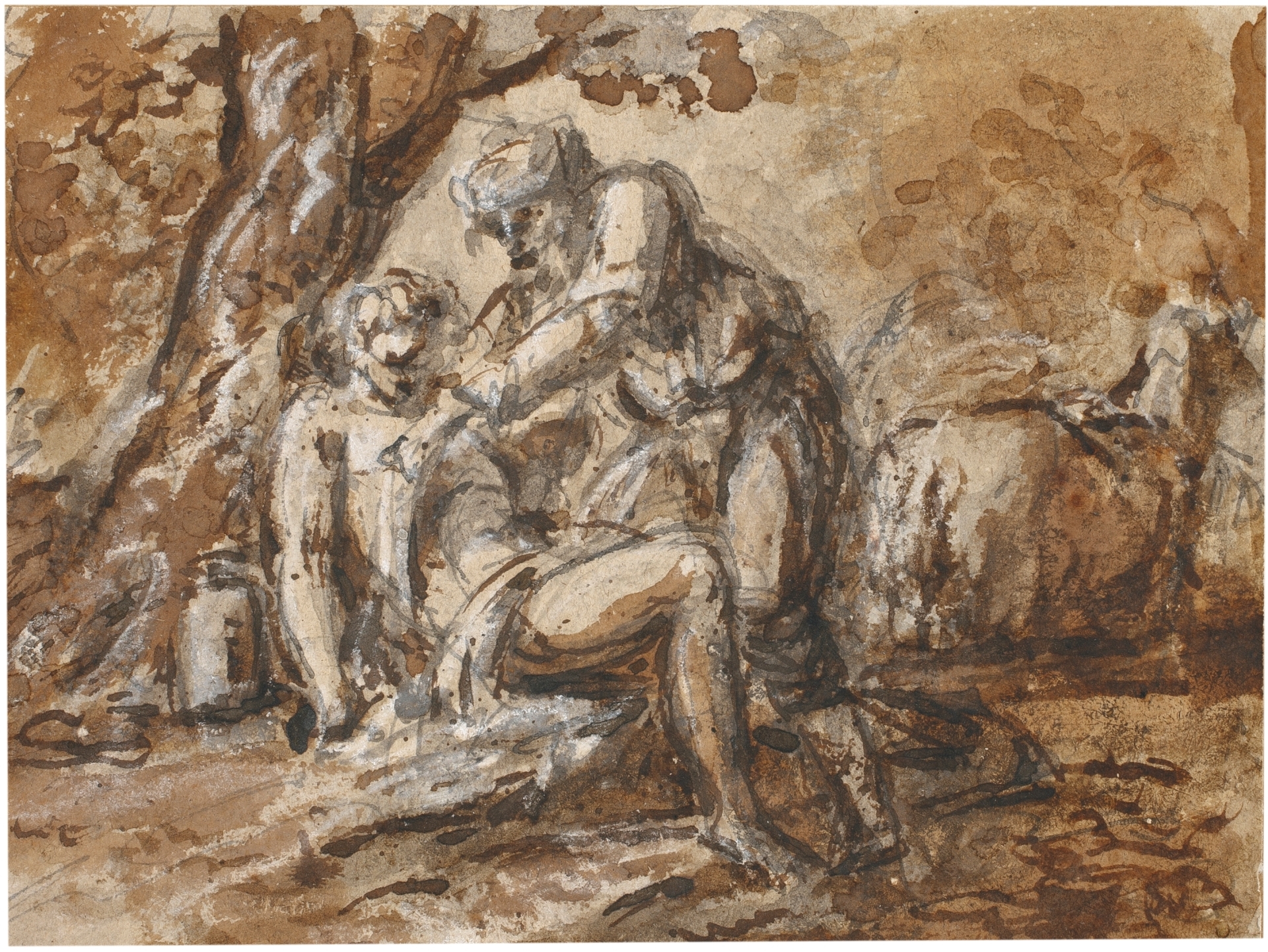
No siempre somos conscientes de los rechazos, desprecios y condenas que alimentamos dentro de nosotros a causa de perjuicios heredados del pasado o construidos por nosotros mismos. Sin embargo, son esos prejuicios los que modelan con frecuencia nuestra manera de sentir, de pensar y de comportarnos con otros grupos que no son el nuestro. En todas las culturas, antiguas o modernas, el ser humano trata de afirmar su pertenencia al propio grupo social, político o religioso poniendo límites frente a los otros. Levantamos fronteras para marcar las diferencias y asegurar nuestra propia identidad. Lo grave es que, con frecuencia, tendemos a considerar como inferiores a quienes son diferentes y no pertenecen a nuestra raza, nación, religión o partido. No sólo es eso. La lealtad al propio grupo nos puede conducir a una hostilidad o rechazo que nos pasa desapercibido, pero que forma parte de nuestro ser. Cuando esto sucede, desaparece la mirada amistosa y compasiva con la que un ser humano ha de mirar a otro. ¿Un cristiano debe actuar así? La parábola que nos presenta la liturgia de la Palabra este domingo es un desafío del sectarismo que envenena nuestras relaciones. El hombre caído en el camino ve cómo se desentienden de él aquellos de los que podía esperar ayuda: los suyos, los representantes de su religión, los de su pueblo. Cuando se acerca un samaritano, enemigo proverbial de Israel, sólo puede esperar lo peor. Es él, sin embargo, quien se acerca, lo mira con compasión y le salva la vida. Este hombre es capaz de reaccionar contra prejuicios seculares y ser desleal a su propio pueblo para identificarse con un ser humano que sufre y necesita ayuda. El mensaje de Jesús es claro. No ha de ser el propio grupo, la propia religión o el propio pueblo los que nos indiquen a quién amar y a quién odiar, a quién acercarnos o a quién ignorar. El amor evangélico exige lealtad, no al propio grupo, sino al hombre que sufre aunque no comparta nuestra identidad. La parábola es revolucionaria: ¿Para qué sirve una religión si no es capaz de romper los sectarismos y crear fraternidad? • AE