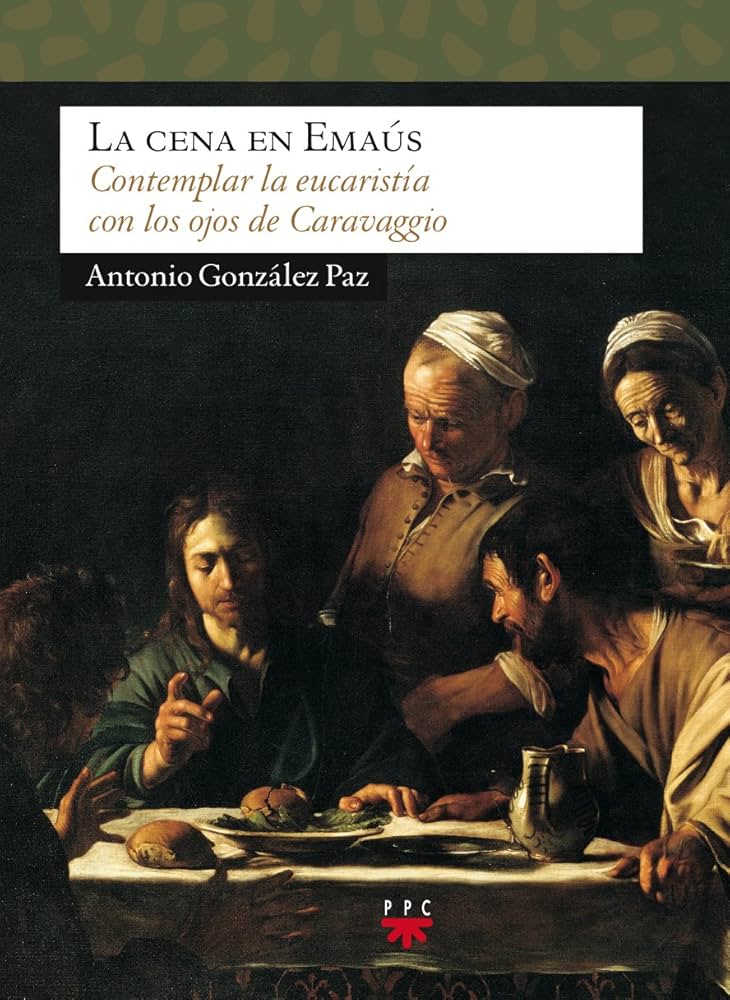
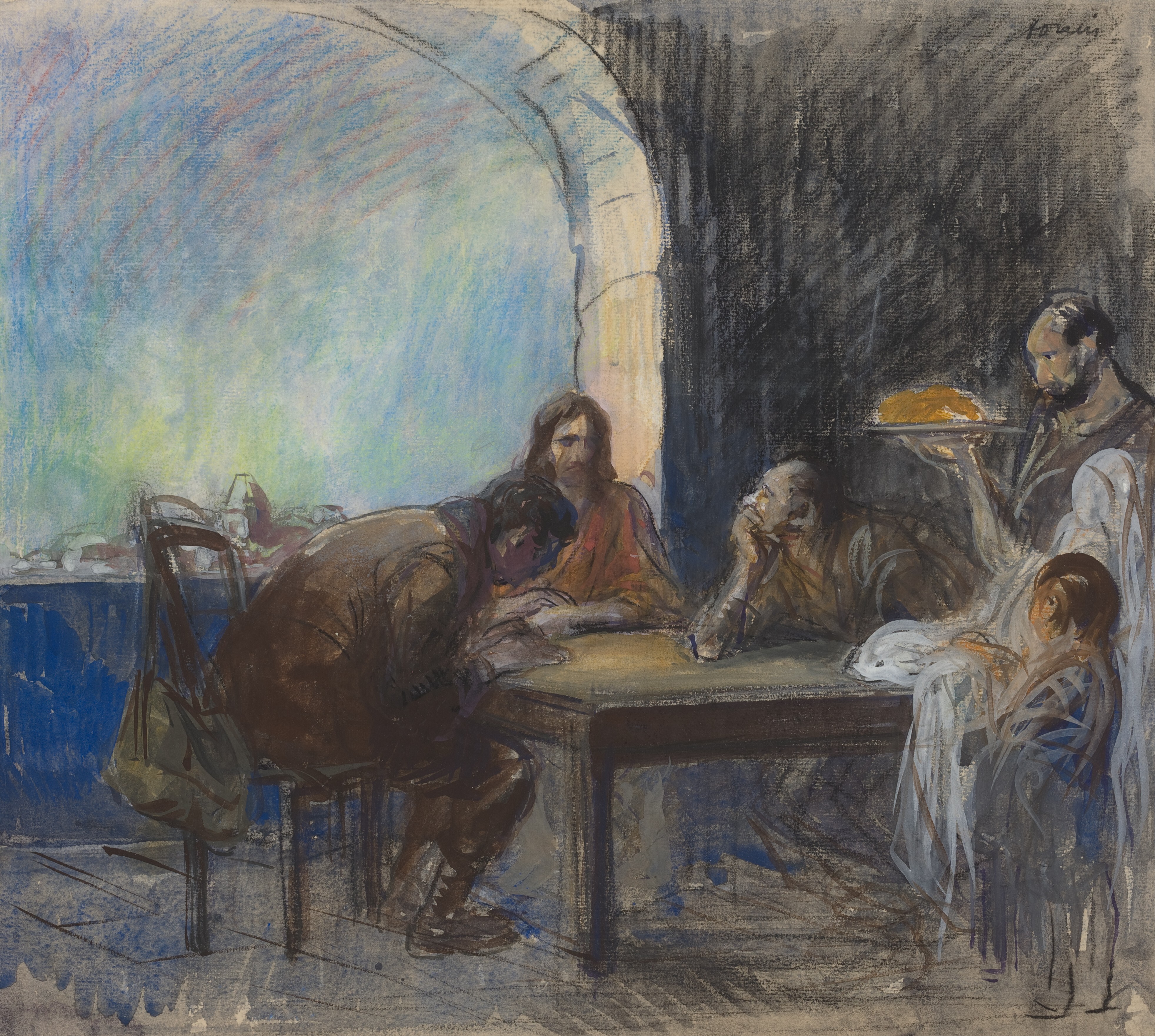
J. L. Forain, The Supper at Emmaus, (1913), oil on canvas. National Gallery (London)
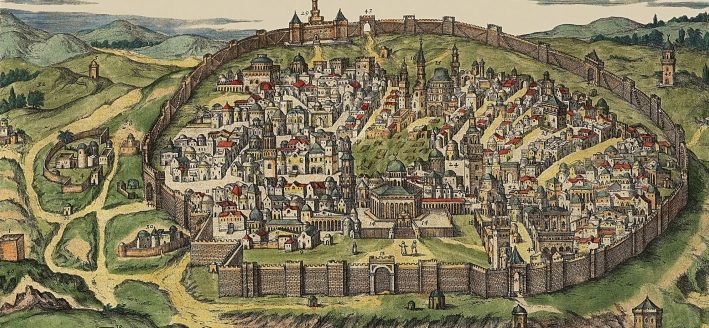
There is a quiet honesty in the Gospel of the road to Emmaus: sometimes, when everything collapses, we do not rebel—we simply walk away; the two disciples are not making a dramatic decision, they are just leaving Jerusalem behind, carrying disappointment, confusion, and a faith that no longer seems to make sense, and it is precisely there, in that slow retreat, that Christ comes to meet them, not with force but by walking beside them, listening, and gently reordering their story until something within them begins to awaken again, quietly, without spectacle, the way certain passages of Frédéric Chopin seem to say more in a few restrained phrases than others in entire movements; they do not recognize Him immediately, and perhaps that is the point, because God rarely imposes Himself, but comes with a kind of discretion that respects our freedom, and when at last they recognize Him in the breaking of the bread, everything changes—not because their situation improves, but because they see differently, and that shift is enough to make them turn back, to begin again, something that echoes the simple but demanding spiritual realism of Jacques Philippe, who reminds us that God often works in us quietly, patiently, through what seems small, almost unnoticed •
One of Chopin’s most beloved works, this nocturne unfolds with remarkable simplicity and grace. A lyrical, almost vocal melody floats above a gentle, steady accompaniment, creating an atmosphere that is intimate rather than dramatic. Its beauty lies not in complexity, but in nuance—the delicate ornamentation, the subtle shifts of color, and the natural, unhurried flow of the line. Marked Andante, it invites a calm, reflective listening. The music does not seek to impress; it seeks to remain. It moves with quiet elegance, allowing each phrase to breathe, and in doing so, draws the listener into a space of stillness and attentive presence •

St. Joseph Catholic Church (Dilley, TX) • Weekend Schedule
Fr. Agustin E. (Parish Administrator)
Saturday. April 18, 2026
10.00 a.m. First Confessions 2026 (CCD Kids)
5.00 p.m. Sacramento de la Confesión
6.00 p.m. Santa Misa.
Sunday, April 19, 2026
8.00 a.m. Sacrament of Reconciliation
8.30 a.m. Holy Mass
10.30 p.m. Sacrament of Reconciliation
11.00 a.m. Holy Mass
III Domingo de Pascua (Ciclo A)
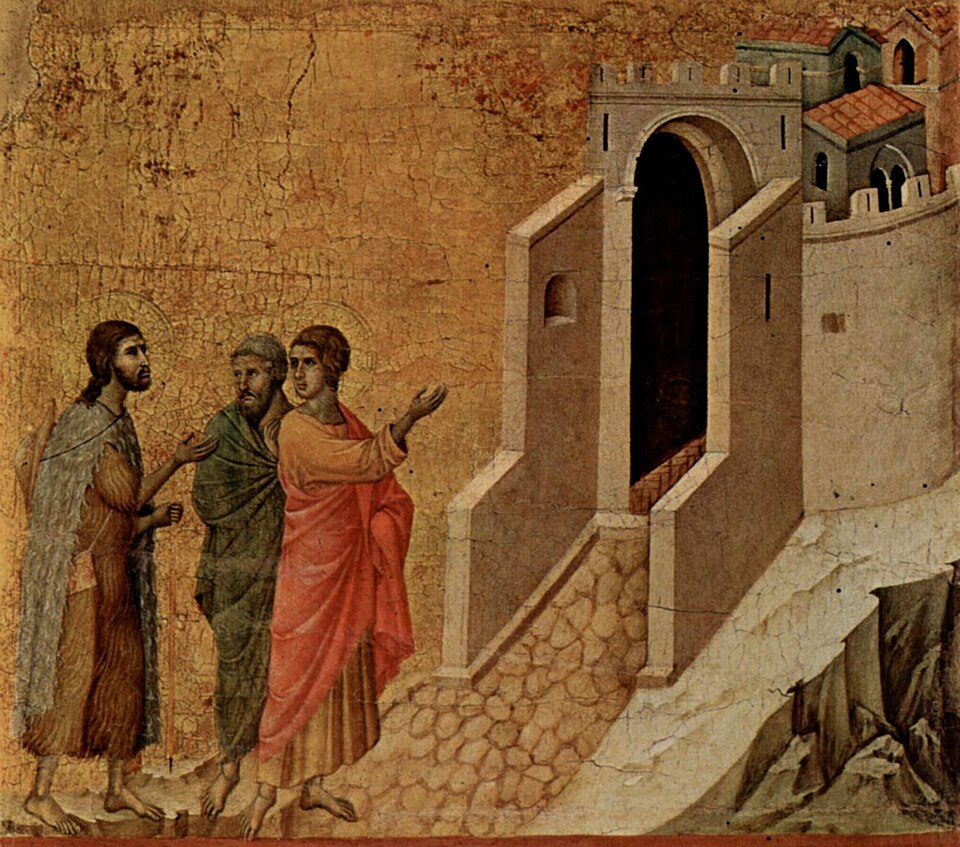
Duccio di Buoninsegna, Jesús y los dos discípulos en el camino de Emaús (c. 1308), tempera sobre tabla, Museo dell’Opera del Duomo (Milán)
Andando por el camino, te tropezamos, Señor,
te hiciste el encontradizo, nos diste conversación;
tenían tus palabras fuerza de vida y amor,
ponían esperanza y fuego en el corazón.
Te conocimos, Señor, al partir el pan.
Tú nos conoces, Señor, al partir el pan.
Llegando a la encrucijada, Tú proseguías, Señor;
te dimos nuestra posada, techo, comida y calor;
sentados como amigos a compartir el cenar,
allí te conocimos al repartirnos el pan.
El Evangelio del camino de Emaús tiene una estructura sorprendentemente precisa, casi pedagógica: primero, dos discípulos se alejan de Jerusalén; después, Jesús se acerca sin ser reconocido; más adelante, les explica las Escrituras; y finalmente, lo descubren al partir el pan. No es un relato improvisado, sino una verdadera síntesis de la vida cristiana. El detalle inicial no es menor: se están alejando de Jerusalén, es decir, del lugar de la cruz, de la comunidad, de donde Dios ha actuado; no es solo un trayecto físico, es un movimiento interior. Luego, Cristo no se impone: escucha, pregunta, deja que expresen su decepción y solo después ilumina su historia a la luz de la Escritura, mostrando que lo que parecía fracaso era, en realidad, cumplimiento. Pero el reconocimiento no llega en el camino, sino en la mesa: en el gesto concreto de partir el pan. Ahí se abren los ojos. Y entonces viene el último movimiento, quizá el más importante: regresan. El encuentro con Cristo no termina en consuelo, sino en cambio de dirección. Esa es la clave del relato: la fe no consiste solo en comprender mejor, sino en volver, en rehacer el camino, en reintegrarse a la comunión de la que, casi sin darnos cuenta, tantas veces nos hemos ido alejando •

¿Qué lees estos días?