
Thirty-first Sunday in Ordinary Time (Cycle B)

As we gather here this weekend, our country is on the brink of a very important day: the presidential election. Many of you may be planning to vote for Ms. Kamala Harris, Mr. Donald Trump, and their running mates. As your priest, my role isn’t to tell you whom to vote for—that’s not the Church’s place. My role is to guide you to Jesus, to the values of the Gospel, the teachings of the Magisterium of the Church, and to remind you that our faith must always inform our choices.

This time of elections can stir up strong feelings—hope, concern, even division. But we are all called, as Pope Francis says, “to be instruments of peace.” We must enter this election with respect for each other and come out of it the same way. This means respecting not just those who agree with us but also those who might vote differently.

In his wisdom, Pope Francis reminds us that true faith “is inseparable from self-giving, from membership in the community, from service.” Our country needs healing and unity, and this can only come when we look beyond politics to the dignity and humanity of each person. This is the heart of the common good.

You know, nationalism—a love of our country—is a beautiful thing, but like all loves, it must be tempered by faith and respect. When patriotism becomes fanaticism, it blinds us to the needs of others and leads to division. True love for our country means contributing to its well-being through peace, justice, and mercy, not through division. As Christians, we are called to build a nation that reflects the Kingdom of God—a kingdom rooted in love, compassion, and respect.

Our Catholic faith teaches us that each of us has a conscience, a place within us where God speaks to guide us in truth. As you go to the polls, listen to this voice of God in your heart. Pope Francis encourages us to “form consciences, not to replace them.” This means that each of us must make choices with a heart that listens to Christ’s teachings, honoring life in every form, from the unborn to the elderly, and promoting a society that serves everyone. This is so important.

As we make this journey, let us look to the Blessed Virgin Mary, our Mother. She gave her “yes” to God with humility and courage, always helping others and guiding them to her Son. Like Our Lady, let us be people of “yes”—yes to love, yes to peace, yes to compassion. She can lead us to Christ, where we find the strength to put the good of others before ourselves.

Finally, we must be prepared to accept the outcome of this election with grace, knowing that our ultimate hope is in God, not in any political leader. Whoever is elected, our duty as Catholics does not change. We are still called to work for justice, to care for the poor, to defend life from conception until natural deatch, and to respect each other. We are called to be builders of peace, instruments of peace. So let us pray for our country, for our leaders, and for each other. May God bless us with wisdom, and may our Lady, the Blessed Virgin Mary, guide us always toward her Son, who is our peace • AE


St. Joseph Catholic Church (Dilley, TX) • Weekend Schedule
Fr. Agustin E. (Parish Administrator)

Friday November 1: Solemnity of All Saints

5.00 p.m. Sacrament of Confession

6.00 p.m. Holy Mass

7.00 p.m. Eucharistic Adoration

Saturday November 2: The Commemoration of All the Faithful Departed

12.00 p.m. Holy Mass.

5.00 p.m. Sacramento de la Confesión

6.00 p.m. Santa Misa.

Sunday, November 3

8.00 a.m. Sacrament of Reconciliation

8.30 a.m. Holy Mass.

10.30 p.m. Sacrament of Reconciliation.

11.00 a.m. Holy Mass.


XXXI DOMINGO DEL TIEMPO ORDINARIO (CICLO B)
A Jesús le hacían preguntas. Siempre he creído que le hacían muchas, y es que la gente lo veía como un maestro; de hecho le llaman así: maestro. Pero la pregunta que esta vez le hace aquel hombre no es una pregunta más. Lo que le plantea, preocupaba a muchos: ¿qué mandamiento es el primero de todos?, ¿qué es lo primero que hay que hacer en la vida para acertar? Y Jesús le responde con unas palabras que, tanto aquel como él mismo, han pronunciado esa misma mañana al recitar la oración Shemá: «Dios es el único Señor: amarás al Señor tu Dios con todo tu corazón, con toda tu alma, con toda tu mente, con todo tu ser». A Jesús le ayudaban a vivir a lo largo del día amando a Dios con todo su corazón y todas sus fuerzas. Esto es lo primero y decisivo. Y a continuación, Jesús añade algo que nadie le ha preguntado: «El segundo mandamiento es semejante: Amarás a tu prójimo como a ti mismo». Ésta es la síntesis de la vida. De estos dos mandatos depende todo: la religión, la moral, el acierto en la existencia.

El amor no está en el mismo plano que otros deberes. No es una norma de siempre, como dicen algunos, o una norma más, perdida entre otras normas más o menos importantes. Amar, podemos decir, es la única forma sana de vivir ante Dios y ante las personas. Si en la política o en la religión, en la vida social o en el comportamiento individual, hay algo que no se deduce del amor o va contra él, no sirve para construir una vida humana. Sin amor no hay progreso. Se puede vaciar de Dios la política y decir que basta pensar en el prójimo. Se puede vaciar del prójimo la religión y decir que lo decisivo es servir a Dios. Para Jesús Dios y prójimo son inseparables. No es posible amar a Dios y desentenderse del hermano, y de esto el santo padre Francisco nos ha hablado muchísimo, ¿le ponemos atención?

Corremos el riesgo de que nuestra fe se vaya deformando si nuestro egoísmo va creciendo, justo por eso es tan necesario recordar este mensaje del Señor. Dicho de otra forma: No podemos encontrarnos con Dios y al mismo tiempo vivir ignorando a los demás. No es posible adorar a Dios en el fondo del alma y vivir de espaldas a los que sufren. El amor a Dios, Padre de todos, que excluye al prójimo se reduce a mentira. Lo que va contra el amor, va contra Dios • AE


Do you want something to feed and guide your ideas?

https://www.usccb.org/issues-and-action/faithful-citizenship/forming-consciences-for-faithful-citizenship-title

En español:

https://www.usccb.org/es/issues-and-action/faithful-citizenship/formando-la-conciencia-para-ser-ciudadanos-fieles-indice.cfm


Thirtieth Sunday in Ordinary Time (Cycle B)

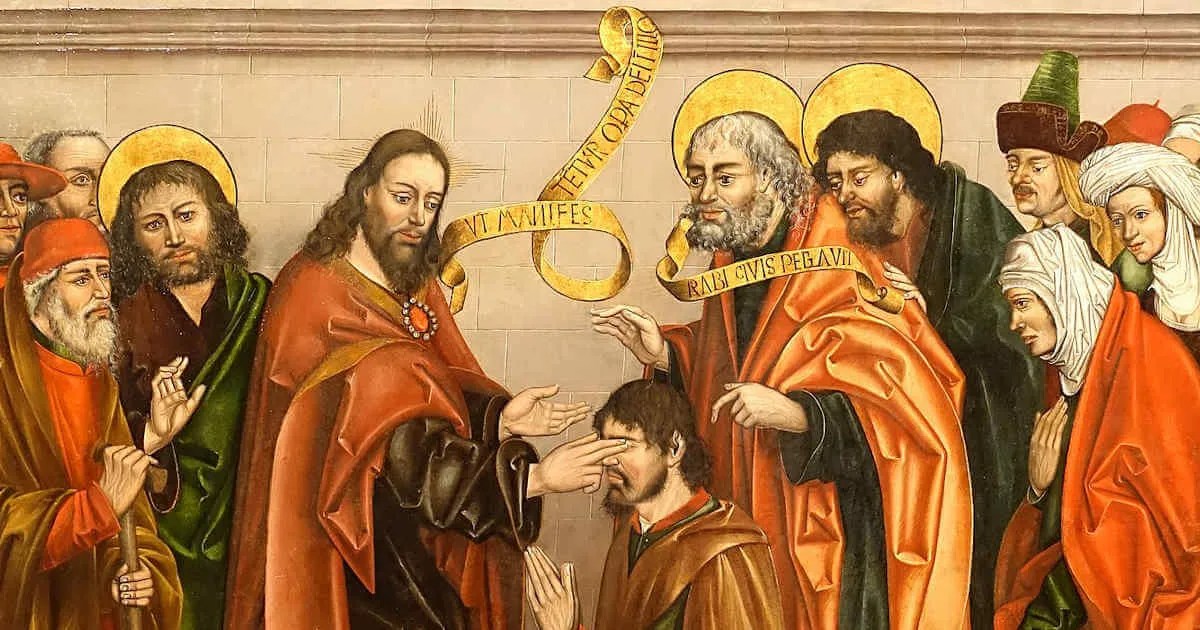
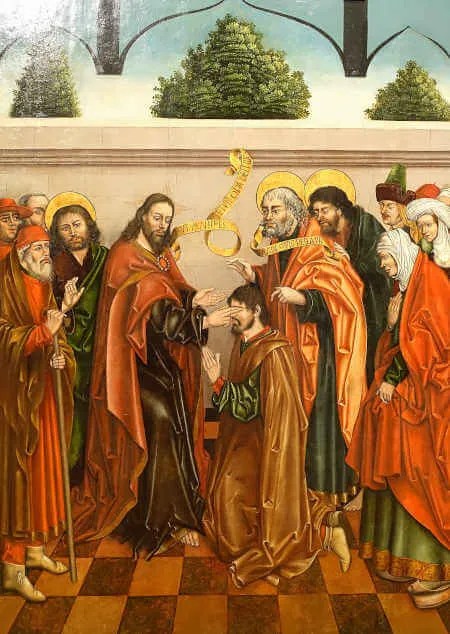
Workshop of Fernando Gallego, The Healing of the Blind Bartimaeus (1480), oil on panel, The University of Arizona, Museum of Art

Bartimaeus, the blind man of today’s Gospel, was dependent on others for sight. But he could hear well. He heard that Jesus of Nazareth was passing by, so he called out to him. He was healed. And then, Bartimaeus did something a blind person cannot do. He followed Jesus, not just figuratively, but literally. Bartimaeus walked behind Jesus along with the other disciples of the Lord. The first reading from the Prophet Jeremiah tells us that a day will come when the lame will walk and the blind will see. That day began with the Lord. Certainly, this is one of the teachings in today’s Gospel. Bartimaeus sees. The great days that Jeremiah had prophesied had begun. But this Gospel reading is deeper than a demonstration of the powers of the Messiah to give sight to the blind. It is speaking about seeing with the eyes of faith. Bartimaeus saw with the Lord’s eyes even before the Lord healed him. He called out, “Son of David, have mercy on me.” He saw with the eyes of faith. His faith resulted in his seeing with his physical eyes. Then, Bartimaeus followed Jesus. The blind cannot follow someone. Can you imagine the joy that Bartimaeus must have had to be able to follow someone on his own, without being led?

But the reading has a deeper level. Those whose souls are blind to the Presence of God cannot follow him. Only those who are willing to take a step of faith, a leap of faith, and seek out the Lord can follow Him. We are those people. We are the ones who had been in darkness and who now have light. We have been entrusted with a treasure, the very presence of the Lord. When we feel we are lost, then, we need to get back to basics. Jesus has brought profound joy to our lives. He has given us sight. We can see where we need to go. We can follow Him. We can go to that place where all happiness dwells. Our joy is realizing that like Bartimaeus we are not blind any more. We can follow the One who gives Light to our lives • AE


St. Joseph Catholic Church (Dilley, TX) • Weekend Schedule

Fr. Agustin E. (Parish Administrator)

Saturday October 26, 2024.

9.00 a.m. Eucharistic celebration at the Archdiocesan Assembly (St. Mary´s University, San Antonio, TX)

5.00 p.m. Sacramento de la Confesión

6.00 p.m. Santa Misa.

Sunday, October 27, 2024

8.00 a.m. Sacrament of Reconciliation

8.30 a.m. Holy Mass.

10.30 p.m. Sacrament of Reconciliation.

11.00 a.m. Holy Mass.


XXX DOMINGO DEL TIEMPO ORDINARIO (CICLO B)

H. Chappuzeau, Ulises, sirenas y delfines (2017), Museo de Arte Contemporáneo Parque Forestal, Santiago de Chile.

Tener vida no significa necesariamente vivir. Para vivir es necesario amar la vida, liberarse día a día de la apatía, no hundirse en el sinsentido, no ceder ante el canto de las sirenas, como le pasó Ulises. Los hombres somos seres inacabados, llamados a renovarnos y crecer constantemente. Por eso, nuestra vida comienza a echarse a perder en el momento en que nos detenemos pensando que todo ha terminado. Garaudy decía que lo más terrible que le puede suceder a un hombre es sentirse acabado.

El mundo en el que vivimos nos abruma con toda clase de recetas para vivir mejor, estar en forma y lograr un bienestar que dure. Pero sabemos por experiencia que la vida no es algo que nos viene desde fuera. Cada uno hemos de descubrirla y alimentarla en lo más hondo de nosotros mismos, por eso la importancia de cuidar el deseo de vivir. Es un error pensar que todo se ha acabado o que es inútil seguir luchando. En nuestro bautizo recibimos una buena dosis de esperanza. Para cada uno de nosotros, la vida sólo termina en el momento en que decidimos dejar de vivir, cuando nos damos por vencidos. Otra equivocación es replegarse sobre uno mismo y encerrarse en los propios problemas. Sólo vive intensamente el que sabe interesarse por la vida de los demás. Quien se esconde detrás de su egoísmo y permanece indiferente ante todo lo que no sean sus cosas, corre el riesgo de matar la vida. El amor renueva a las personas, el egoísmo las seca. “Mi madre solía que el amor nunca se malgasta, aunque no te lo devuelvan en la misma medida que te mereces o deseas. -Déjalo ir a raudales. -decía- Abre tu corazón y no tengas miedo de que te lo rompan. Los corazones rotos se curan. Los corazones protegidos acaban convertidos en piedra” (Penélope Stokes J, Heartbreak Cafe) Es también importante vivir hasta el fondo, no quedarnos en la corteza, reafirmar a diario en el silencio de la oración nuestras convicciones más profundas. Hay momentos en que, para sentimos de nuevo vivos, es necesario despertar nuestra fe en Dios, descubrir de nuevo nuestra alma, recuperar la oración.

El evangelista, al relatarn este precioso episodio de la curación de Bartimeo, lo describe con tres rasgos que caracterizan bien al hombre acabado. Bartimeo es un hombre ciego al que le falta luz y orientación. Está sentado, incapaz ya de dar más pasos. Se encuentra al borde del camino, es decir, descaminado: sin una trayectoria en la vida. Sin embargo dentro de él hay una fe que le hace reaccionar. Bartimeo percibe que Jesús no está lejos, y entonces pide a gritos su ayuda. Escucha la llamada del Maestro, se pone en sus manos y le invoca confiado y sencillo: Señor que vea.

A nadie se le puede convencer desde fuera para que crea. Para descubrir la verdad, cada uno tenemos que experimentar que Cristo siempre está cerca, y que la fe -que también recibimos en el bautismo- ayuda a vivir de una manera más gozosa, más intensa y más joven. Mas mejor, que diría el ranchero • AE

¿Lecturas para el otoño?


Twenty-ninth Sunday in Ordinary Time (Cycle B)

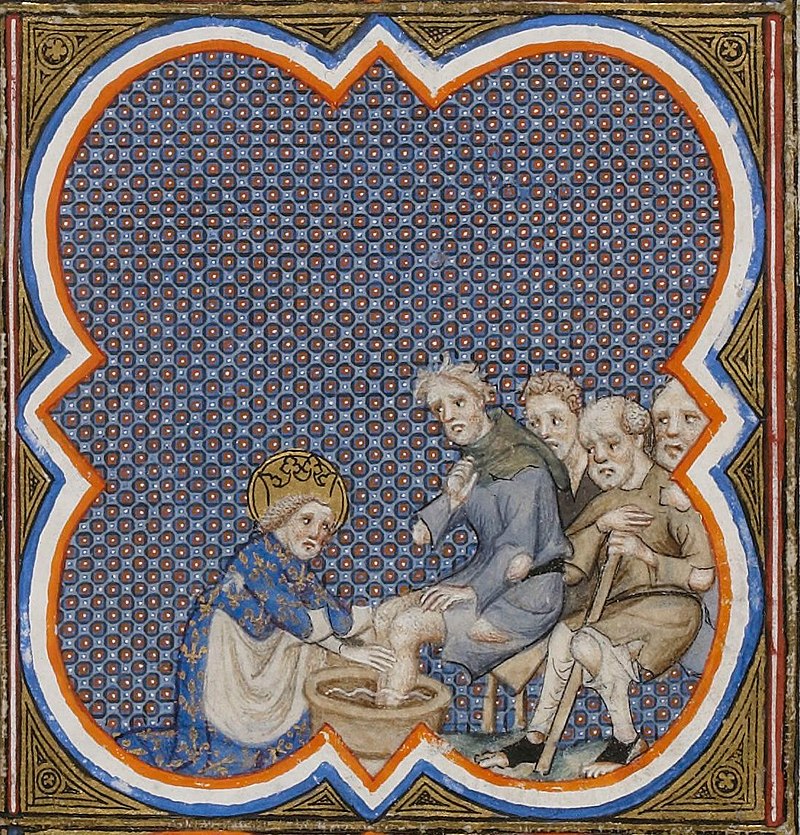
Saint Louis washes the feet of a beggar, Illumination from the Grandes Chroniques de France (14th century), National Library of France (Paris)

Jesus understood how to be great. He told James and John, and He tells us, that greatness comes through service. On the night of the Last Supper, before Jesus gave us His Body and Blood, He washed the feet of His disciples, and then gave them and us this mandate: what you have seen me do, you also must do. That was the path to greatness. Think about St. Teresa of Calcutta. She died in 1997, so most of us have been blessed to have been witnesses to some of her life. Everyone would admit that she was a great lady. But how did she become great? She became great by emptying herself to serve the poorest of the poor, first in Kolkata (Calcutta) and then throughout the world. Think about people you know that you can say with confidence that he or she is a great person. My guess is that a person is someone who continually reaches out to other people. Someone is sick, he or she is there. Someone is having a difficult day, he or she is there. Someone needs help with a difficult job, he or she does not even need to be asked. You see, genuinely great people have learned how to be great from Jesus Christ, the Greatest of All Time. All of us have different gifts. We have a responsibility to develop our gifts in service to the Lord. What can I do best? What do you do best? Some people are capable of caring for the incarcerated with mercy, compassion and justice. Others have a great deal of empathy for the sick. Still others have a heart for the poor. Some are capable of teaching. Others are great parents not just to their own children but to those orphaned by the circumstances of their lives. We all have many talents. Our talents are given to us to serve others. We are called to develop these talents. We are called greatness.

The Lord understands our failures, our limitations, our fears, the times that we lack confidence in ourselves to do His work. He sees this, but He also sees so much more. He sees our talent. He sees our love. He sees our determination to seek Him out in others and serve His Presence. Some people think that because of situations in their past, they will never be good enough to bring Christ to others. Perhaps we all have those thoughts at time. We need to stop ourselves from that way of thinking. Christ has called us to be his disciples. We are Christians. We did not take Christianity on ourselves. We were given this Grace freely by the Lord. We are good enough! He makes us good enough! It is not the size of a person’s entourage that demonstrates that he or she is great. It is not the position of authority that a person holds that demonstrates his or her greatness. True greatness come from Jesus Christ. He calls us to be people of service. It is through service that every one of us is capable of becoming the best version of ourselves • AE


St. Joseph Catholic Church (Dilley, TX) • Weekend Schedule

Fr. Agustin E. (Parish Administrator)

Saturday October 19, 2024.

(exceptionally) 4.00 p.m. Sacramento de la Confesión

(exceptionally) 5.00 p.m. Santa Misa.

PARISH FALL FESTIVAL! 6.00 p.m. to 11.00 p.m.

Sunday, October 20, 2024

8.00 a.m. Sacrament of Reconciliation

8.30 a.m. Holy Mass.

10.30 p.m. Sacrament of Reconciliation.

11.00 a.m. Holy Mass.


XXIX DOMINGO DEL TIEMPO ORDINARIO (CICLO B)

El que quiera ser grande entre ustedes que sea su servidor, y el que quiera ser el primero, que sea el esclavo de todos ¿Qué eco pueden tener estas palabras de Jesús en la sociedad actual? Nadie quiere ser hoy grande ni héroe ni santo. Basta con triunfar, asegurándonos una buena calidad de vida, éxito profesional y un bienestar afectivo suficiente. El ideal no es crecer y ser persona. Lo importante es sentirse bien, cuidar la salud, gestionar bien el stress, no complicarse la vida y desde luego tener una buena presencia en redes sociales. Lo inteligente es vivir a gusto, tener siempre algo interesante que hacer o contar. Ser…un triunfador (?)

Y, ¿los demás? ¿Quién piensa en los demás? Lo que haga cada uno es cosa suya. No vamos a metemos en la vida de los otros. Hay que ser tolerantes. Lo importante es no hacer daño a nadie. Respetar siempre a todos. Eso sí, a ser posible, es mejor vivir sin tener que depender de los demás. Mantener una sana independencia sin quedar presos de ningún vínculo exigente. Hay que ser hábil y no asumir compromisos, responsabilidades o cargas que luego no nos dejarán vivir a gusto.

¿Servir a los demás? Un triunfador no entiende exactamente qué quiere decir servir. Más bien tiende a servirse de los demás y a utilizarlos para sus intereses y juegos. Pero ¿qué es triunfar en la vida? Con frecuencia, este individuo autosuficiente y triunfador termina sintiéndose más frágil y perdido que lo que nunca pudo pensar. Poco a poco, puede uno quedarse sin raíces ni fuerza interior, centrado en uno mismo, encerrado en la soledad de su propio corazón. El riesgo de todo triunfador es caer derribado por su falta de amor.

Jesús es muy claro en el evangelio de este domingo. De sus palabras podríamos deducir que si alguien quiere triunfar en la vida, ha de saber amar, salir de su narcisismo, abrir los ojos y ser sensible al sufrimiento de los demás. No es una piadosa consideración cristiana. Podría ser que mientras creemos estar triunfando en la vida, podríamos estarla estropeando cada día un poco más. Nadie es triunfador si no hace más feliz la vida de los demás • AE


¿Algo para leer?


Twenty-eight Sunday in Ordinary Time (Cycle B)

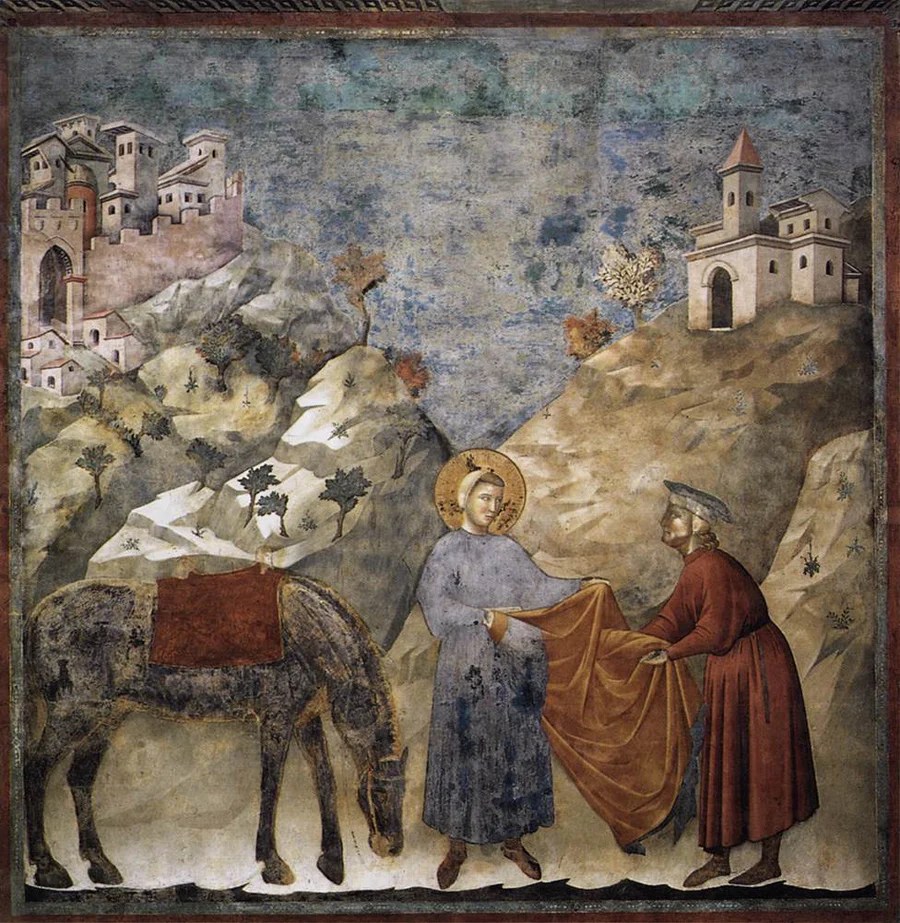
Giotto di Bondone, Saint Francis Giving His Mantle to a Poor Man (1223), fresco, Basilica of Saint Francis of Assisi (Italy)

The young man in the Gospel reading wanted to be a follower of the Lord, but he also wanted his possessions. He was called to be a disciple, perhaps one of the closest followers of the Lord. After all, Jesus looked at him and loved him. But the young man walked away from the Lord. His possessions dominated him. He did not own them. They owned him. We need the wisdom of God to protect us from the allure of materialism.

Today’s first reading comes from the Book of Wisdom. Listen again to what it says: I prayed, and prudence was given me; I pleaded, and the spirit of wisdom came to me. I preferred her to scepter and throne, and deemed riches nothing in comparison with her, nor did I liken any priceless gem to her; because all gold, in view of her, is a little sand, and before her, silver is to be accounted mire. Beyond health and comeliness I loved her, and I chose to have her rather than the light, because the splendor of her never yields to sleep. Yet all good things together came to me in her company, and countless riches at her hands.

The ancient sages who wrote this knew what mattered in the world: Wisdom. What is wisdom? There are many definitions of wisdom, mostly revolving around the use of knowledge, but for the believer, the best definition of wisdom is simply the ability to see as God sees, to choose to do what God would do.

St. Joseph was a wise man. Before he had the dream where the angel told him to take Mary into his home, Joseph had already decided that he was not going to expose Mary to the Jewish law. Mary, his beautiful young betrothed, was pregnant. Joseph knew that if he had let it be known that he was not the father of the child, Mary would be tried for adultery and most likely would be stoned to death. That is what the law said must be done to a woman caught in adultery. Joseph was certain that this could not possibly be what God would want. He saw this matter as God saw it. He would save the life of this young girl. It was only then, after he made this decision, that the angel came to him in the dream and told him that he was should not be afraid to take Mary into his home. More than this, because he was a righteous man, right with God, Joseph would be given the honor of naming the child. This form of adoption meant that all that was Joseph would descend upon the child. The child would be of the line of David because Joseph was of the line of David. All this happened because Joseph chose the wisdom of God.

St. Francis of Assisi was a wise man. He saw the world as God sees it. His joy was not in the accumulation of wealth that the new middle class, the merchant class, had defined as being successful. He cut himself off from the distractions of life and focused on the beauty of God’s creation. His stomach may have grumbled at times, but his joy continually increased as he focused on God’s wonders. St. Francis had the wisdom to find where peace could be attained, in the possession of God.

We have to keep our priorities in life straight. Yes, it is wonderful to work hard and to earn good benefits. But if that is the goal of our lives, then where do we go after that? Our lives will have value not in the money or power we have won, but in the love that we have brought to the world. This love can only come through Jesus Christ. Our union to Jesus Christ, our determination to be the Lord’s disciples, will bring a unique reflection of God’s love to the world. To the extent that this is how we live our lives, to that extent we are wise • AE


St. Joseph Catholic Church (Dilley, TX) • Weekend Schedule

Fr. Agustin E. (Parish Administrator)

Saturday October 12, 2024.

5.00 p.m. Sacramento de la Confesión

6.00 p.m. Santa Misa.

Sunday, October 13, 2024

8.00 a.m. Sacrament of Reconciliation

8.30 a.m. Holy Mass.

10.30 p.m. Sacrament of Reconciliation.

11.00 a.m. Holy Mass.


XXVIII Domingo del Tiempo Ordinario (Ciclo B)

El episodio es intenso. Jesús se pone en camino hacia Jerusalén, pero antes de que se aleje de aquel lugar aparece un desconocido que cae de rodillas. Necesita urgentemente a Jesús. No es un enfermo que pide una curación. No es un leproso que desde lejos implora la compasión del maestro. La petición de este hombre es de otro tipo. Lo que él busca es luz para orientar su vida: ¿Qué haré para heredar la vida eterna?, pregunta.El problema que tiene es realmente existencial. Además, no habla en general; aquel hombre quiere saber qué ha de hacer personalmente. Antes que nada, Jesús le recuerda que no hay nadie bueno más que Dios, lo cual quiere decir queantes de plantearse qué hay que hacer, es importante recordar que vivimos delante de Dios, y que en su bondad hemos de apoyar nuestra vida. Luego Jesús le recuerda a aquel joven los mandamientosde ese Dios Bueno. Según la tradición bíblica, ése es el camino para la vida eterna. La respuesta del hombre es admirable:  todo eso lo ha cumplido desde pequeño, pero siente dentro de sí una aspiración más honda. Y es que anda buscando algo más. Jesús se le queda mirando con cariño. Su mirada está ya expresando la relación personal e intensa que quiere establecer con él. Jesús entiende muy bien su insatisfacción. Si aquel muchacho sigue metido en esa lógica de hacer lo mandado para poseer la vida eterna, aunque viva de manera intachable, nunca estará plenamente satisfecho. Esto nos recuerda que dentro de nosotros siempre hay una aspiración más profunda. Por eso, Jesús le invita a orientar su vida desde una lógica nueva. Lo primero es no vivir aferrado a lo material. Vende lo que tienes, le dice con firmeza. Ayuda a los que menos tienen y luego sígueme. Los dos podrán recorrer juntos el camino hacia el reino de Dios, pero ¡ay! aquel hombre se marcha triste. Sabe que nunca podrá conocer la alegría y la libertad de quienes siguen a Jesús.

¿No es ésta nuestra experiencia de cristianos satisfechos en países llenos de privilegios? ¿No vivimos atrapados por el bienestar material y aferrados a lo que podemos atrapar entre las manos? ¿no nos ha apagado el espíritu el materialismo en el que vivimos? ¿No le hace falta a nuestra fe cristiana un amor, let us say, más práctico hacia los pobres, los rechazados, los que menos tienen? ¿No nos falta la alegría y, sobre todo, la libertad de quien sigue a Jesús sin nada en los bolsillos, asin (sic) como Francisco de Asís, y el otro Francisco? • AE


¿qUÉ vAmoS a lEEr?


Twenty-seventh Sunday in Ordinary Time (Cycle B)

Every October in the Catholic Church in the United States. we consider more deeply why every human life is significant, we reflect on how to build a culture that protects life from conception to natural death. We all are familiar with this, however, to reach to this point, to create a society where life is always defended, we have to go back to the basics; [I mean], no one begins to build a house from the roof. You always start with the foundations. So, in the context of this interesting conversation between Jesus and the Pharisees in today’s gospel, we have a good chance to reflect on something important: “Is it lawful for a man to divorce his wife?” This is the question; #challenging topic. And Jesus’ response is a great lesson to understand what exactly a marriage is. But to fully realize what Jesus says, we must first see what the Jews had in mind at that time. According to the law of Moses the husband could break the marriage contract and expel his wife from home. As simple as that. And so unfair. The woman, subject in everything to the man, could not do the same. As simple as that. And so unfair. So, with his answer, Jesus is going back to the basics, He is going to God’s original project, a project above any human law:  God made them male and female (…) and the two shall become one flesh (…) so, they are no longer two but one flesh. So, right here is the point where we can start to build up a real culture that always respects life: Man and woman, the two have been created equal. God has not created the male with power over the female. God has not created the woman subdued to the man. Between men and women there must be no domination. God’s original plan is that is male, and female will unite to “be one flesh,” sharing life in mutual surrender without imposition or submission. This is for Jesus the authentic expression of human love:  The man has no right to control the woman as if he were the owner of her. The woman does not have to accept living subordinate to the man. That is why Jesus categorically concludes: What God has joined; man must not separate. With this Jesus is ending the foundation of domination and imposition of the man on the woman and of the woman to the man. Patriarchy may have been practical in Old Testament times, but no longer because with Jesus a New Covenant came, and with the New Covenant an authentic family model. SO, to defend life, to say “I am a pro-life person,” we should first start by building families according with God’s original plan. And what is that plan? Well, the passage from the book of Genesis that Jesus quotes is clear: God made them male and female (…) and the two shall become one flesh (…) So, they are no longer two but one flesh, This means that we must build families based on this model, and that we Catholic do not believe in divorce as a solution to a any obstacle. Of course, divorces do happen, and there are times when divorces are absolutely necessary, but we Catholics would not consider divorce as an option, because by doing so, we would be building marriages and families of the type «well, you know… let’s see if this works» avoiding a serious commitment and a solid promise of fidelity So, the important topic of defending human life has many aspects, as you may notice already, they are all important and we must reflect on all of them. This is just one of them. We Catholics are called to defend the traditional model of the family, the model that God presents through his Word, the model that the Catholic Church defends and will continue to defend tooth and nail. Of course, we will find opposition. Of course, we are going to be branded old-fashioned and rétrograde people. Of course, we are going to find different situations that will require special pastoral care, but if we start from here, from the solid conviction of what God has wanted for humanity, we could lay the solid foundations for a society where human life is untouchable because human life is sacred. And let me give you some piece of advice: take a look at your children’s school curriculums; ask your children how they understand the family; check if their understanding is based on ideologies, or if is really supported by the Christian faith that you are transmitting to them.

Hopefully, the Holy Spirit will light up our hearts and minds with his fire and his wisdom and we can take a moment this weekend to meditate on Jesus´ words in today’s Gospel: God made them male and female and the two shall become one flesh. So, they are no longer two but one flesh. This is the traditional teaching of the Magisterium of the Church. Everything else stems from this. If we can say that here at St. Joseph Catholic Church in Dilley, TX we are a community that loves and defends life, it is because we believe in these words of Jesus • AE


St. Joseph Catholic Church (Dilley, TX) • Weekend Schedule

Fr. Agustin E. (Parish Administrator)

Saturday October 5, 2024.

5.00 p.m. Sacramento de la Confesión

6.00 p.m. Santa Misa.

Sunday, October 6, 2024

8.00 a.m. Sacrament of Reconciliation

8.30 a.m. Holy Mass.

10.30 p.m. Sacrament of Reconciliation.

11.00 a.m. Holy Mass.

Monday, October 7, 2024 – Wednesday, October 9, 2024

Annual Convocation of the Archdiocese of San Antonio, Texas.


XXVII DOMINGO DEL TIEMPO ORDINARIO (CICLO B)

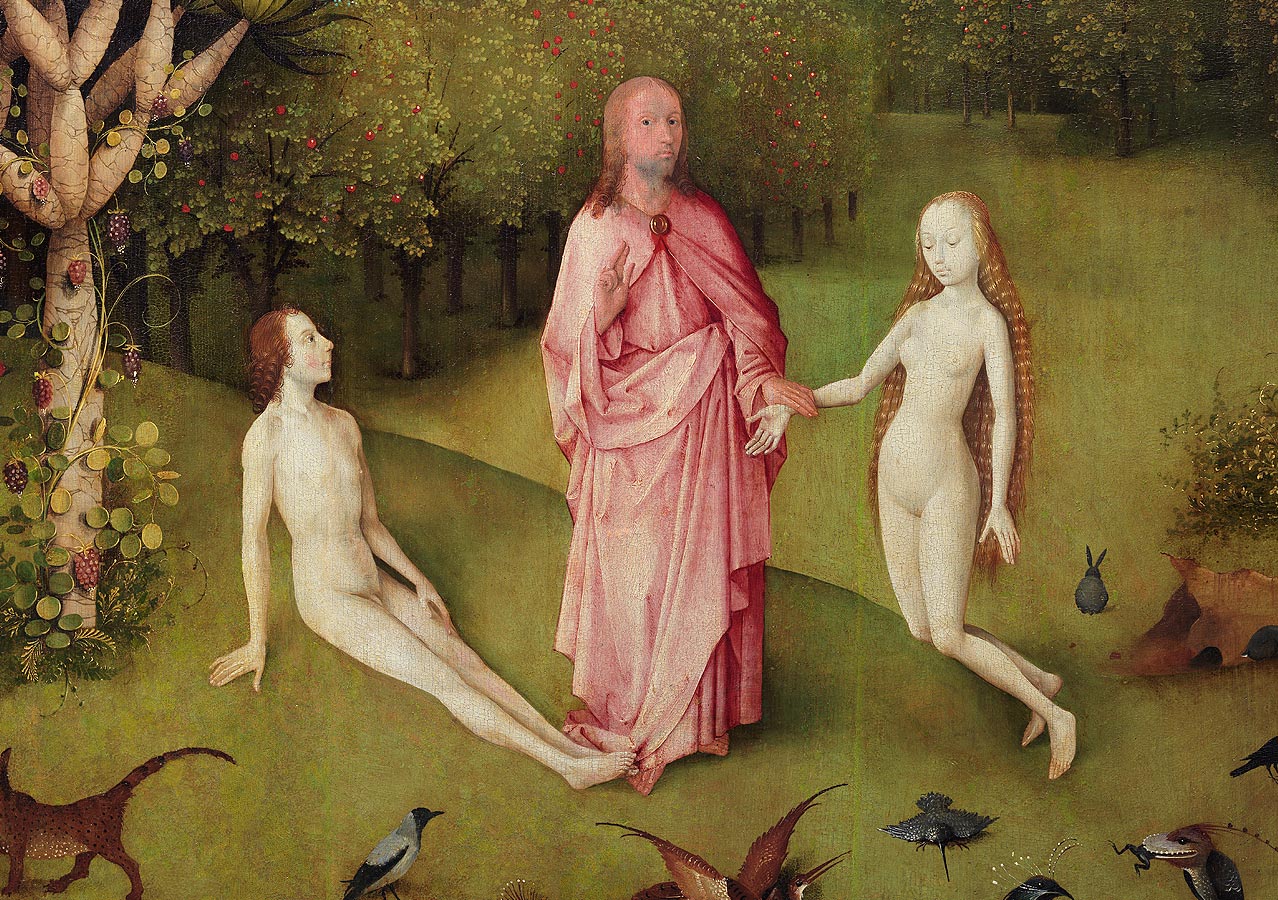
Jheronimus Bosch, El Bosco, El Jardín de las Delicias (1505), óleo sobre tabla, Museo Nacional del Prado (Madrid)

Entre las cosas más difíciles de comprender en la Galilea del tiempo del Señor está el sometimiento de la mujer en ese ambiente patriarcal. El esposo las podía incluso repudiar en cualquier momento abandonándolas a su suerte. Este derecho se basaba, según la tradición judía, nada menos que en la Ley de Dios. Los maestros discutían sobre los motivos que podían justificar la decisión del esposo. Según los seguidores de Shammai, sólo se podía repudiar a la mujer en caso de adulterio; según Hillel, bastaba que la mujer hiciera cualquier cosa desagradable a los ojos de su marido. Mientras los doctos varones discutían, las mujeres no podían alzar su voz para defender sus derechos. Y así las cosas, la pregunta llegó un día hasta Jesús: «¿Puede el hombre repudiar a su esposa?», preguntaron. Su respuesta desconcertó a todos. Las mujeres no lo podían creer. Según Jesús, si el repudio está en la Ley, es por la «dureza de corazón» de los varones y su mentalidad machista, pero el proyecto original de Dios no fue un matrimonio patriarcal dominado por el varón. Dios creó al varón y a la mujer para que fueran una sola carne. Los dos están llamados a compartir su amor, su intimidad y su vida entera, con igual dignidad y en comunión total. De ahí las palabras del Señor: «lo que ha unido Dios, que no lo separe el varón». Dios quiere una vida más digna, segura y estable para aquellas mujeres de Galilea. No puede bendecir una estructura que genere superioridad del varón y sometimiento de la mujer. Después de Jesús, ningún cristiano podrá legitimar con la Biblia o el Evangelio nada que promueva discriminación, exclusión o sumisión de la mujer. El mensaje de Jesús es una clara y fuerte invitación a superar la dureza de corazón, a promover relaciones más justas e igualitarias entre varón y mujer. ¿Dónde se escucha hoy este mensaje? ¿Qué estamos haciendo los seguidores de Jesús para revisar y cambiar comportamientos, hábitos, costumbres y leyes que van claramente en contra de la voluntad original de Dios al crear al varón y a la mujer? El Santo Padre, como siempre, tiene unas palabras acertadísimas: «No se puede conseguir un mundo mejor, más justo, más inclusivo y plenamente sostenible sin la contribución de las mujeres. Así que debemos trabajar, todos juntos, para ofrecer la igualdad de oportunidades a hombres y mujeres, en todos los contextos, para lograr una situación de igualdad en la diversidad estable y duradera, porque el camino de la afirmación de las mujeres es reciente, problemático y, por desgracia, no es definitivo. Se puede retroceder fácilmente. El pensamiento de las mujeres es diferente al de los hombres, están más atentas a la protección del medioambiente, su mirada no se dirige al pasado sino al futuro. Las mujeres saben que dan a luz con dolor para lograr una gran alegría: dar vida y abrir vastos y nuevos horizontes. Por eso las mujeres desean la paz, siempre. Las mujeres saben expresar tanto fuerza como ternura, son buenas, competentes, están preparadas, saben inspirar a las nuevas generaciones (no solo a sus hijos). Es justo que puedan aplicar estas competencias en todos los ámbitos, no solo en el familiar, y que reciban la misma remuneración que los hombres a igualdad de funciones, compromiso y responsabilidad. Las diferencias que aún existen son una grave injusticia» • AE


Para el otoño, Para leer


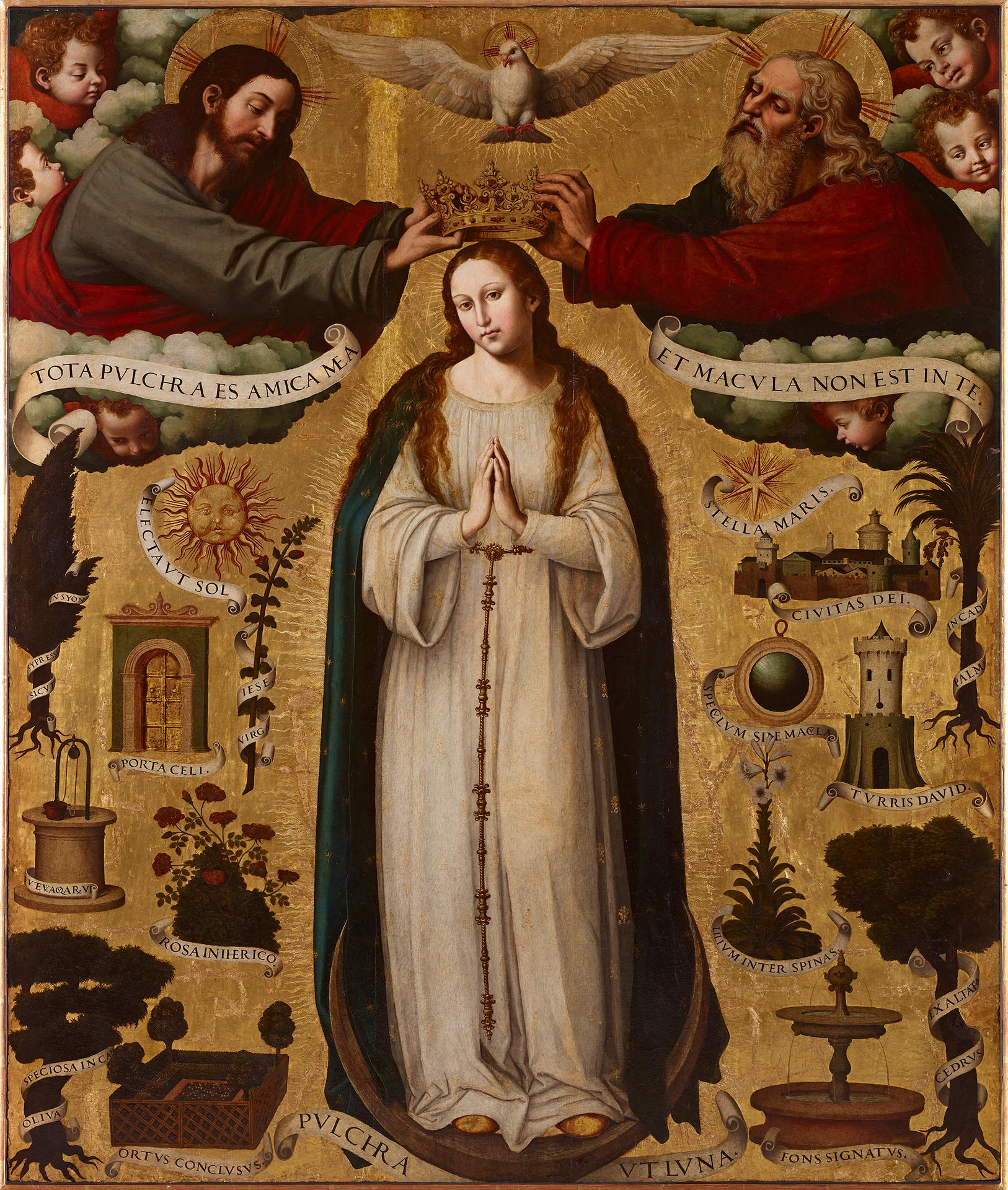
Las Letanías de la Santisima Virgen en el Mes del Rosario

Juan de Juanes, Inmaculada Concepción (1579), óleo sobre tela, Colección del Banco de Santander

Las letanías lauretanas (o, letanía de la Virgen o de Loreto) son las letanías más difundidas como forma de alabanza y de súplica a María, madre de Jesús de Nazaret. Etimológicamente la palabra letanía proviene del vocablo griego litanéia que significa súplica, rogativa u oración de súplica.​ Las letanías a los santos se originaron en el siglo VII, y las relativas a María se multiplicaron progresivamente en distintas Iglesias cristianas. El decreto Quoniam multi (1601) del papa Clemente VIII aprobó específicamente las letanías lauretanas, ya testimoniadas por un manuscrito del siglo XII,1​ y que deben su nombre a la advocación de la Virgen de Loreto, cuyo santuario constituyó el ámbito en que se desarrollaron.

Los orígenes de las letanías se remontan a los primeros siglos de la cristiandad. Las letanías eran súplicas dialogadas entre los sacerdotes y los fieles, y se rezaban sobre todo en las procesiones. Aunque al principio eran dirigidas sólo a Dios (en súplicas) se añadieron con el tiempo invocaciones a santos y sobre todo a la Virgen María (en intercesiones) usadas a partir del siglo VII. Las más antiguas letanías a María propiamente dichas se encuentran en un códice de Maguncia del siglo XII titulado: Letania de Domina Nostra Dei genenetrice Virgine Maria. Ora valde bona, cotidie pro quacumque tribulatione dicenda est, con alabanzas largas y en cada verso repitiendo el Sancta Maria. En 1603 el Papa Paulo V ordenó que se cantasen en la basílica romana de Santa María la Mayor en festividades de la Virgen María. Los dominicos, en 1615 ordenaron que se recitasen en todos sus conventos después de sus oraciones de los sábados, y en 1771 Wolfgang Amadeus Mozart ¡les puso música! •