Solemnity of the Blessed Virgin Mary, the Mother of God (The Octave Day of Christmas)

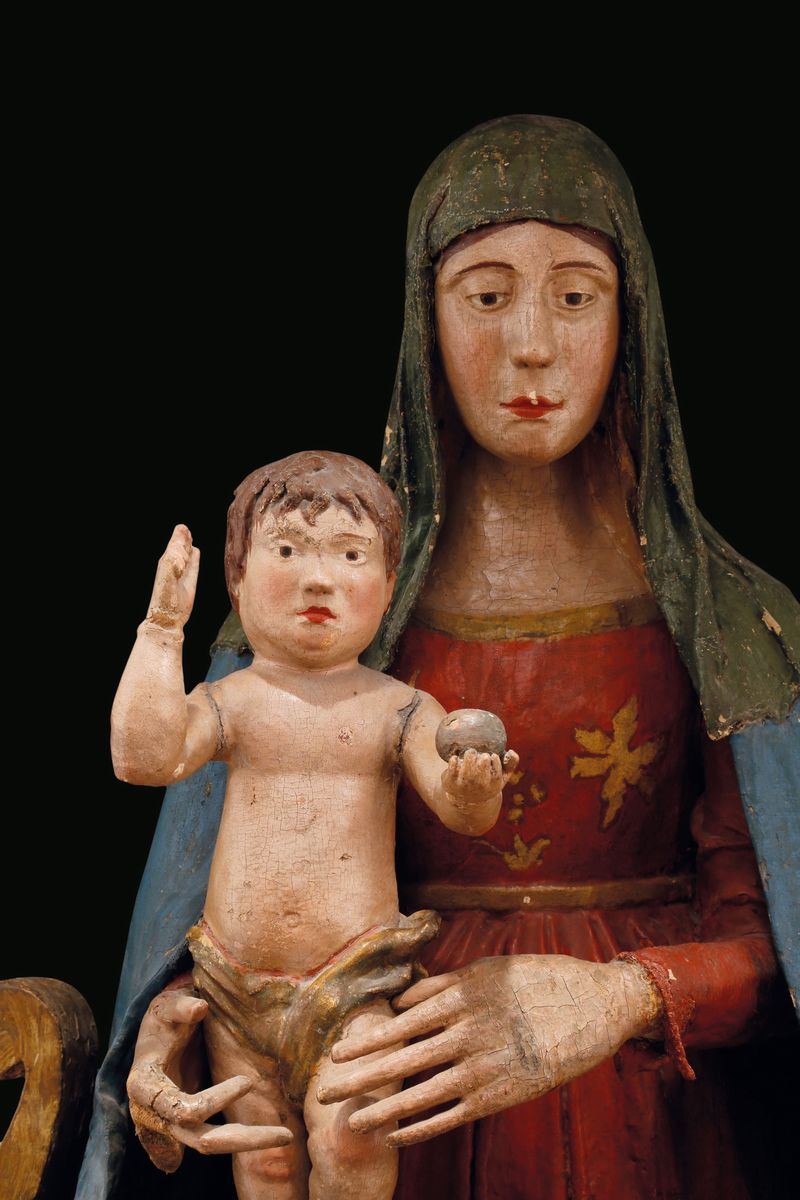
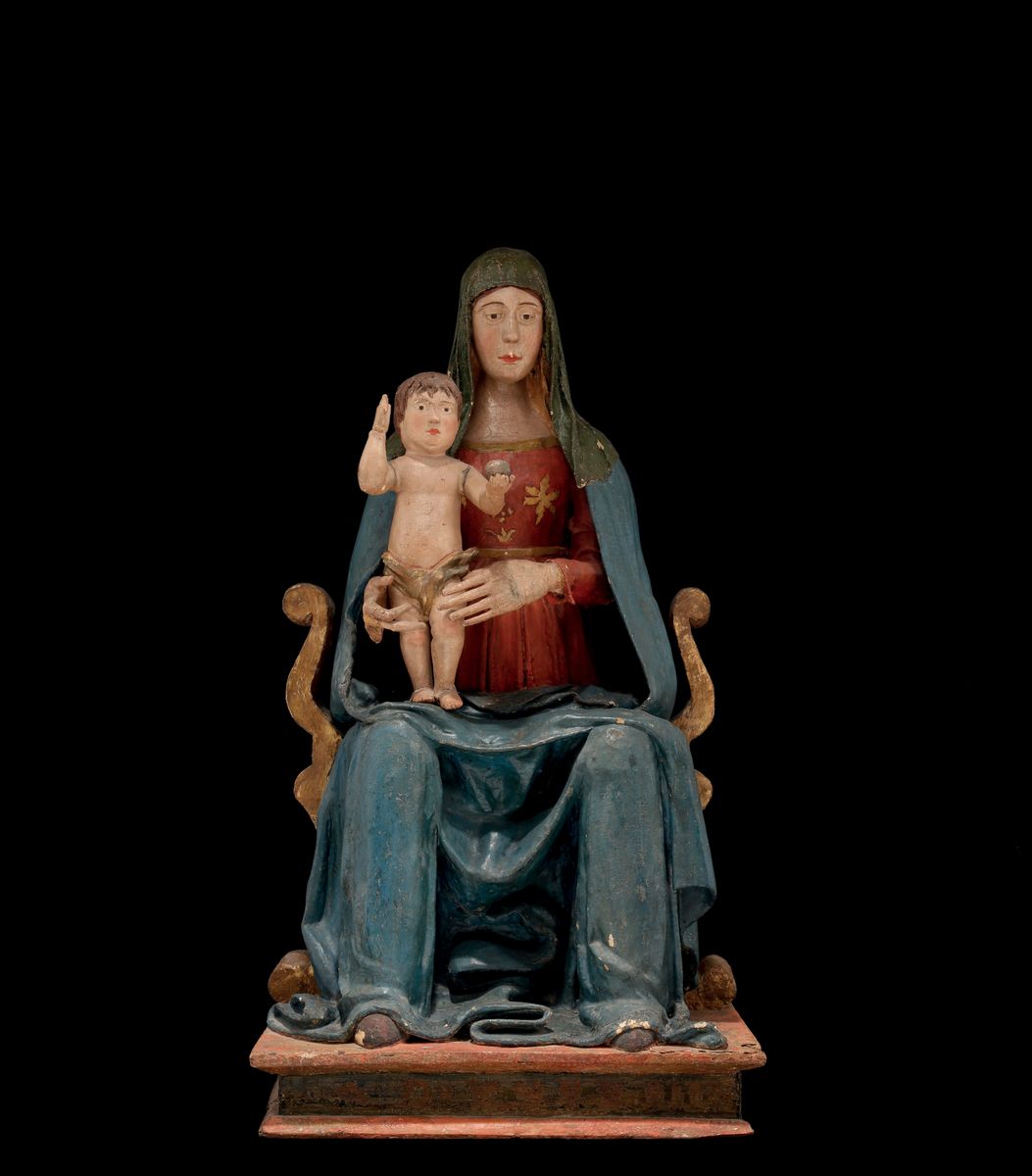
Unknown master, Madonna with Child Sedes Sapientiae (16th century), Abruzzo Region (Italy).

Mary was the perfect person to be the mother of God. She continually turned to the Lord, making God present not only physically, at Bethlehem, but spiritually wherever she was.  To meet her would be to understand the quality of love the Lord was bringing to the world. The paintings and statues of Mary that I like best are those that depict her as a young mother, holding up her baby for him to bless the world.  As a man, I can never fathom what it must be like to hold in your arms the child that lived inside you for nine months.  Does a mother see her husband, the baby’s father, in the infant?  Does she see herself?  I’m sure she see a unique individual that came from her yet is not her.

A mother must experience love of a different type than she ever has experienced before. She also must experience love to a greater degree than she ever understood she could have.  What must have it been like for Mary to hold Jesus?  Did she see herself?  Did she see her family traits, her father’s eyes, her Uncle Solomon’s cleft chin?  Did she see the baby’s Eternal Father, the First Person of the Trinity? Did Mary see in Jesus the Mercy of God, the Peace of God, the Compassion of God for his people, a people that struggled to get by in the darkness of a world that had rejected its Creator? How much did Mary love this child? Certainly, she loved him as much as every mother loves her child.  But she must have loved him even more than this.  She must have loved this child with, as the beautiful preface for Advent says, “with love beyond all telling” She loved the child created within her, and she loved the Creator whom the child perfectly reflected. So, it is reasonable to depict Mary holding the child up for him to bless the world, to bless us. Her resolve to fulfill God’s plan for her and for all people resulted in our Savior becoming one of us.  

Mary is the only person in scripture to be present in every aspect of Jesus’ life, from his birth to his death. She is always there, saying to us: “Look here is your Savior, my son”. Just as Mary was resolved to make God present in the world through her faith and obedience, we are called to make God present to the world.  Even though the beginning of the Church year is the first Sunday of Advent, and even though we concentrate during Lent on those areas of our lives that need spiritual refining, it is still proper for us to consider New Year’s resolutions regarding our faith. This is a good time of year to consider how to make Jesus present to the world. Joseph and Mary pondered in their hearts the mysteries of the presence of the Lord.  You and I need to begin this year considering the mystery of Jesus’s presence in our lives.  We need to search for ways to bring this presence to others. Like Mary, we have to hold Jesus up to a world that seeks His peace, His presence, a world that yearns for His salvation • AE
An examination of conscience at the end and beginning of a new year

We are about to begin a New Year. What will it be like? What do I expect of the New Year? What do I really wish for? What is it I need? To what will I dedicate my most precious and important time? What will truly be new and good for me in this year that starts today? Will I live just in any way, going from one occupation to another, without knowing exactly what I want or what to live for, or will I learn to distinguish what is important and essential from what is secondary? Will I spend my life in a rut and bored, or will I learn to live with a more creative spirit? Will I keep on this year distancing myself a little more from God, or will I start to look for him more trustingly and more sincerely? Will I continue this year being muter before him, not opening my lips or my heart, or will a small, humble but sincere invocation finally spring from my shattered soul? Will I again go through life worrying only about my own welfare, or will I know how to be concerned sometimes about making others happy? To which people will I draw near? Will I sow joy in them, or will I spread discouragement and sadness? Wherever I go, will life be more pleasant there and less hard? Will it be one more year devoted to doing more and more things, piling up selfishness, tension and nervousness, or will I have time for silence, rest, prayer and encounter with God? Will I just lock myself up in my problems, or will I live trying to make a more human and livable world? Will I follow with indifference the news coming daily from nations plagued by hunger? Will I look coldly at those who come as far as where we are, looking for work and bread? When will I learn to look at those who suffer with a heart that is responsible and committed to solidarity?

What is “new” about this year will not come from outside. Its newness can only spring from within us. This year will be new if I learn to believe in new and more trusting ways, if I find new and more loving gestures, so as to share a life of fellowship with those of my own flesh and blood, if I awaken in my heart a new compassion toward those who suffer. We are about to start a new year. But can it be for us something truly new and good? Who is able to bring in us a new joy? What psychologist will teach us to be more human? Little do our good intentions count! What is decisive is to be more attentive to the good that Jesus awakens in us, the salvation we are offered each day. We don’t need to wait for anything other helps. This very day can be for me a day of salvation • AE


St. Joseph Catholic Church (Dilley, TX) • Christmas Season Schedule

Tuesday, December 31, 2024.

5.00 p.m. Sacrament of Reconciliation.

6.00 p.m. Holy Mass.

Wednesday, January 1, 2025

10.00 a.m. Sacrament of Reconciliation

11. 00 a.m. Holy Mass.

Friday, January 3, 2025

5.00 p.m. Sacrament of Reconciliation

6.00 p.m. Holy Mass.

6.45 p.m. Eucharistic Adoration & Benediction

Saturday, January 4, 2025.

5.00 p.m. Sacramento de la Confesión

6.00 p.m. Santa Misa.

Sunday, January 5, 2025

8.00 a.m. Sacrament of Reconciliation

8.30 a.m. Holy Mass.

10.30 p.m. Sacrament of Reconciliation.

11.00 a.m. Holy Mass.


Solemnidad de María Santísima, Madre de Dios (2024)
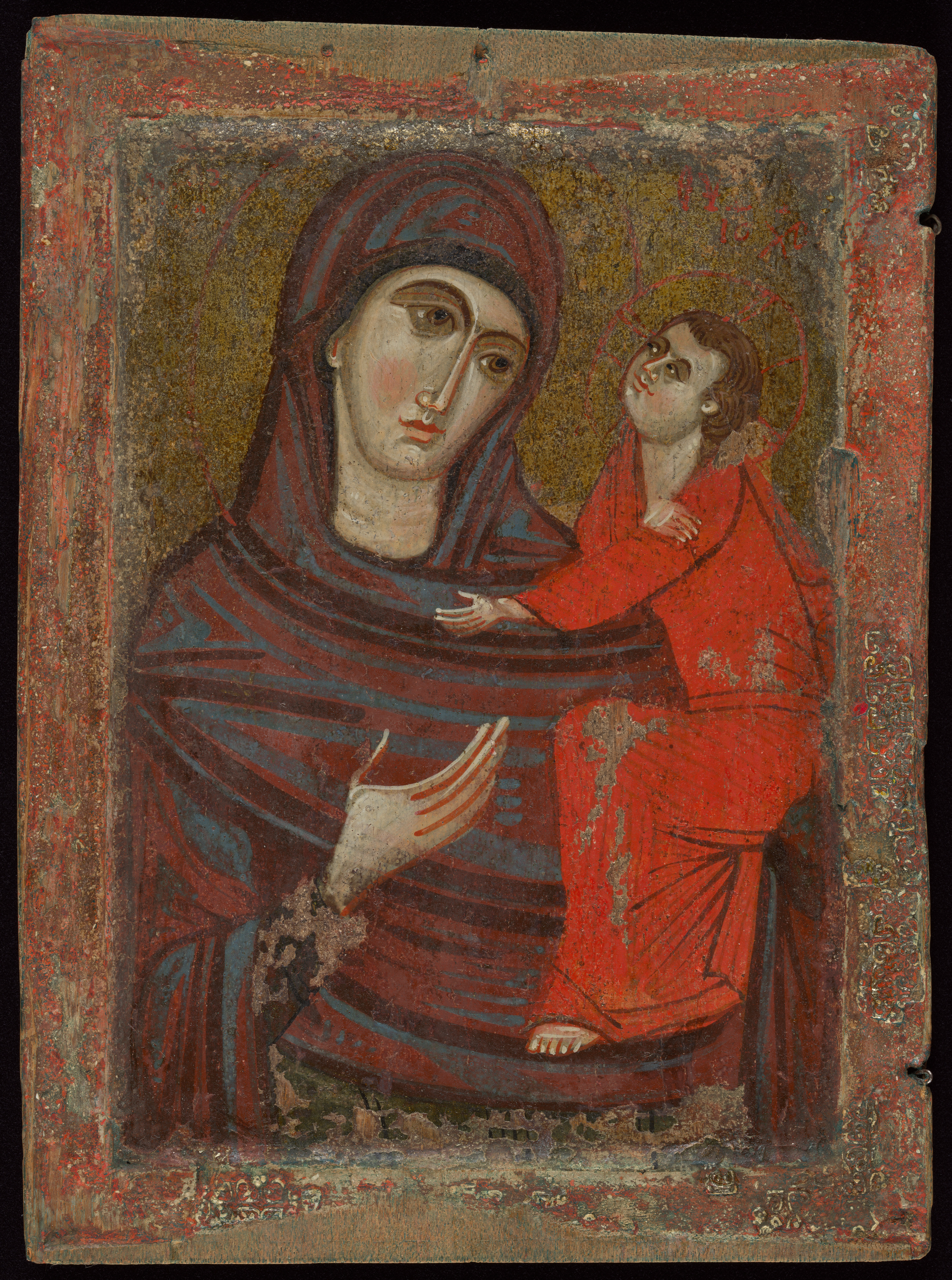
Maestro anónimo, La Virgen con el Niño (S. XIII), Metropolitan Museum (New York)

Una de las cosas más consoladoras de nuestra fe cristiana es la certeza de que Dios comienza siempre de nuevo. Con él nada hay definitivamente perdido. En él todo es comienzo y renovación. Por decirlo de manera sencilla, Dios no se deja desalentar por nuestra mediocridad. La fuerza renovadora de su perdón y de su gracia es más vigorosa que nuestros errores y nuestro pecado. Con él, todo puede comenzar de nuevo. He aquí que yo hago nuevas todas las cosas, dice en el libro del Apocalipsis. Por eso, es bueno comenzar el año con voluntad de renovación.

Cada año nuevo es un tiempo abierto a nuevas posibilidades, un tiempo de gracia y de salvación en el que se nos invita a vivir de manera nueva. Por ello, es importante escuchar las preguntas que pueden brotar de nuestro interior. ¿Qué espero yo del nuevo año? ¿Será un año dedicado a hacer cosas, resolver asuntos, acumular tensión, nerviosismo y malhumor o será un año en que aprenderé a vivir de manera más humana? ¿Qué es lo que realmente quiero yo este año? ¿A qué dedicaré el tiempo más precioso e importante? ¿Será, una vez más, un año vacío, superficial y rutinario, o un año en que amare la vida con gozo y gratitud? ¿Qué tiempo reservaré para el descanso, el silencio, la música, la oración, el encuentro con Dios? ¿Alimentaré mi vida interior o viviré de manera agitada, en permanente actividad, corriendo de una ocupación a otra, sin saber exactamente qué quiero ni para qué vivo? ¿Qué tiempo dedicaré al disfrute íntimo con mi pareja y a la convivencia gozosa con los hijos? ¿Viviré fuera de mi hogar organizándome la vida a mi aire o sabré amar con más dedicación y ternura a los míos? ¿Con quiénes me encontraré este año? ¿A qué personas me acercaré? ¿Pondré en ellas alegría, vida, esperanza, o contagiaré desaliento, tristeza y muerte? Por donde yo pase, ¿será la vida más gozosa y llevadera o más dura y penosa? ¿Viviré este año preocupado sólo por mi pequeño bienestar o me interesaré también por hacer felices a los demás? ¿Me encerraré en mi viejo egoísmo de siempre o viviré de manera creativa, tratando de hacer a mí alrededor un mundo más humano y habitable? ¿Seguiré viviendo de espaldas a Dios o me atreverá a creer que es mi mejor Amigo? ¿Permaneceré mudo ante él, sin abrir mis labios ni mi corazón, o brotará por fin desde mi interior una invocación humilde pero sincera? Y la Virgen María ¿estará presente? Es año nuevo ¡levantemos hoy la mirada hacia la santa Madre del Redentor! Si queremos, la Virgen María nos acompañará con cuidado y ternura. Ella es Madre. Ella es vida, dulzura y esperanza nuestra • AE


ALMA REDEMPTORIS MATER (Augusta Madre del Redentor)


The Feast of the Holy Family of Jesus, Mary and Joseph (2024)

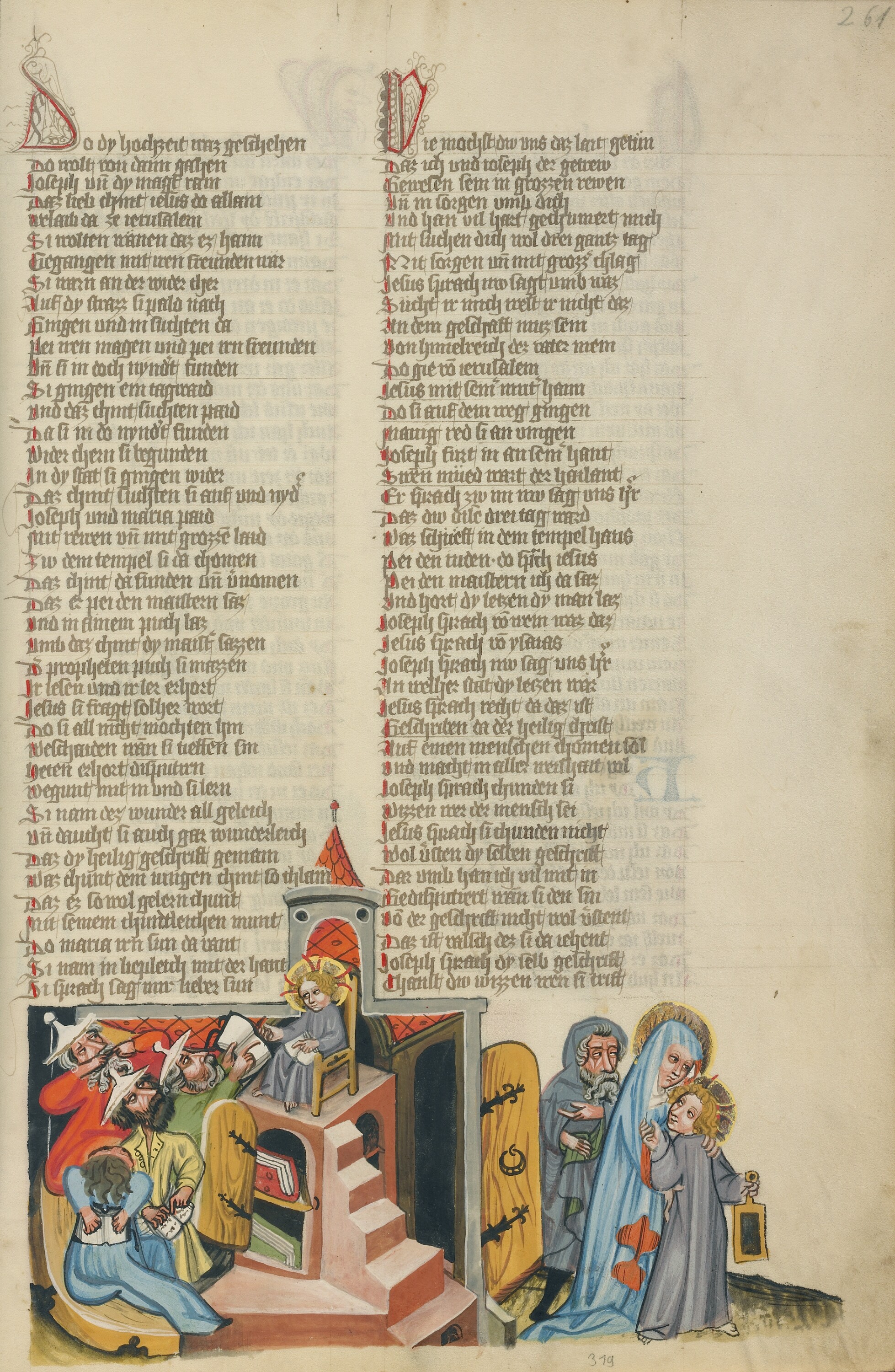
Unknown artist, Jesus Among the Doctors (c. 1410), tempera & gold, J. Getty Museum (Los Angeles)

When we hear the title of the celebration, the Feast of the Holy Family, we are inclined to just dismiss the possibility that our families can be like the Holy Family. We forget that Jesus’ family was holy because they lived united to God. Still, many of you may be thinking that your own families are far from the ideal. Well, join the crowd! Every family is far from the ideal, because every family is made of unique individuals with their positive qualities and their negative quirks. Or, to put it simply, if you think your family is strange, you’re right. You have crazy Uncle Fred whose behavior has to be interpreted to the younger children. And then there is nasty old Aunt Martha, who you would have sat next to Msgr. Joe at your daughter’s wedding reception, but he was smart enough to decline the invitation (I’m laughing a lot and enjoying writing this!)

All families have their positive and negative aspects. The fact is that the very negatives become the opportunities of grace leading the rest of the family to God. Sometimes parents get down on themselves for not being the best parents possible. Being the best parent possible is an ideal you strive for, not a reality you will reach. Same with me, being the best priest possible is an ideal I strive for, not a reality I will ever reach. We all need to trust in God! We do our best and let Him do the rest. He fixes at night the mistakes we make during the day. For you parents with children still at home, there is nothing more difficult than raising a holy child. Nothing is more rewarding either. The tremendous effort you are making instilling the faith into your children, allowing them to reach out towards their own spiritual ideals, is one of the ways that you reverence God. Each child is your child, yes. But each child is also His child. Keep working hard to allow His child to be a holy child. And, please don’t give up on yourselves, even when you make a mistake. Even Mary and Joseph left their child behind in the Temple, and they only had one to worry about! Never, ever give up plugging away to lead your children to be good Christian men and women.

Perhaps, on Christmas Day more than most other days we sense the Presence of the Lord in our families. Perhaps, on Christmas Day more than most other days we realize that we have been given the gift of being a Holy Family. Perhaps, on Christmas Day more than most other days we realize that the center of the Holy Family is our Lord Jesus Christ, whether that Holy Family was Mary and Joseph’s, or whether that Holy Family is our family • AE


St. Joseph Catholic Church (Dilley, TX) • Weekend Schedule

Fr. Agustin E. (Parish Administrator)

Saturday, December 28, 2024.

5.00 p.m. Sacramento de la Confesión

6.00 p.m. Santa Misa.

Sunday, December 29, 2024

8.00 a.m. Sacrament of Reconciliation

8.30 a.m. Holy Mass.

10.30 p.m. Sacrament of Reconciliation.

11.00 a.m. Holy Mass.


Fiesta de la Sagrada Familia (2024)

D. Velázquez, La Sagrada Familia del Pajarito (1650), óleo sobre tela, Museo Nacional del Prado (Madrid)

La Virgen como e’ gitana
A los gitanos camela
San José como e’ gachón
Se rebela, se rebela

La Virgen lavaba (La Virgen lavaba)
San José tendía (San José tendía)
La Virgen lavaba (La Virgen lavaba)
San José tendía (San José tendía)

Ay, curricutín (Ay, curricurricutín)
Agua le traía
Agua le traía
Agua le traía

Madroño’ al niño no le demo’ má’
Que con los madroño’ se pue’ emborrachar
Que sí, que no
Rocío se llama la madre de Dio

Son muchas las personas que no conocen la felicidad ni la alegría de la amistad. No se debe a que carezcan de amigos o amigas. Lo que sucede es que no saben vivir amistosamente. Son hombres y mujeres que sólo buscan su propio interés y bienestar. Jamás han pensado hacer con su vida algo que merezca la pena para los demás. Sólo se dedican a sentirse bien. Todo lo demás es perder el tiempo. Basta asomarse a las redes sociales: es todo un estanque con narcisos a su alrededor. Hoy, al sexo practicado sin compromiso alguno lo llaman amor. La relación interesada es amistad, pero la realidad es que viven sin vincularse a fondo con nadie, atrapados por un individualismo atroz. En todo momento buscan lo que les apetece. No conocen otros ideales. Nada es bueno ni malo, todo depende de si sirve o no a los propios intereses. No hay más convicciones ni fidelidades. En estas vidas puede haber bienestar, pero no dicha. Estas personas pueden conocer el placer, pero no la alegría interior. Pueden experimentarlo absolutamente todo menos la apertura amistosa hacia los demás. Sólo saben vivir alrededor de sí mismos. Para ser más humanos necesitarían aprender a vivir amistosamente. La verdadera amistad significa relación desinteresada, afecto, atención al otro, dedicación. Algo que va más allá de las amistades de negocio, o de los contactos eróticos de puro pasatiempo.

Al afecto y la atención al otro se une la fidelidad. Uno puede confiar en el amigo, pues el verdadero amigo sigue siéndolo incluso en la desgracia y en la culpa. El amigo ofrece seguridad y acogida. Vive haciendo más humana y llevadera la vida de los demás. Es precisamente así como se siente a gusto con los otros. Alguien dijo que una de las tareas pendientes del hombre moderno es aprender esta amistad, purificada de falsos romanticismos y tejida de cuidado, atención y servicio afectuoso al otro. Es verdad. Una amistad que debería estar en la raíz de la convivencia familiar y de la pareja, y que debería dar contenido más humano a todas las relaciones sociales.

Hoy celebramos la preciosa y luminosa fiesta de la familia de Nazaret. Lo que sabemos de la vida familiar de María, José y Jesús nos lo cuentan los evangelios, y aunque es poco, es elocuente. Y precioso. En aquel hogar convivieron Jesús, el hombre en el que se encarnaba la amistad de Dios a todo ser humano, y María y José, aquellos esposos que supieron acogerlo como hijo con fe y amor. Esa familia sigue siendo para los creyentes estímulo y sobre todo modelo de una vida familiar enraizada en el amor y la amistad • AE  


The Nativity of the Lord (Christmas) 2024

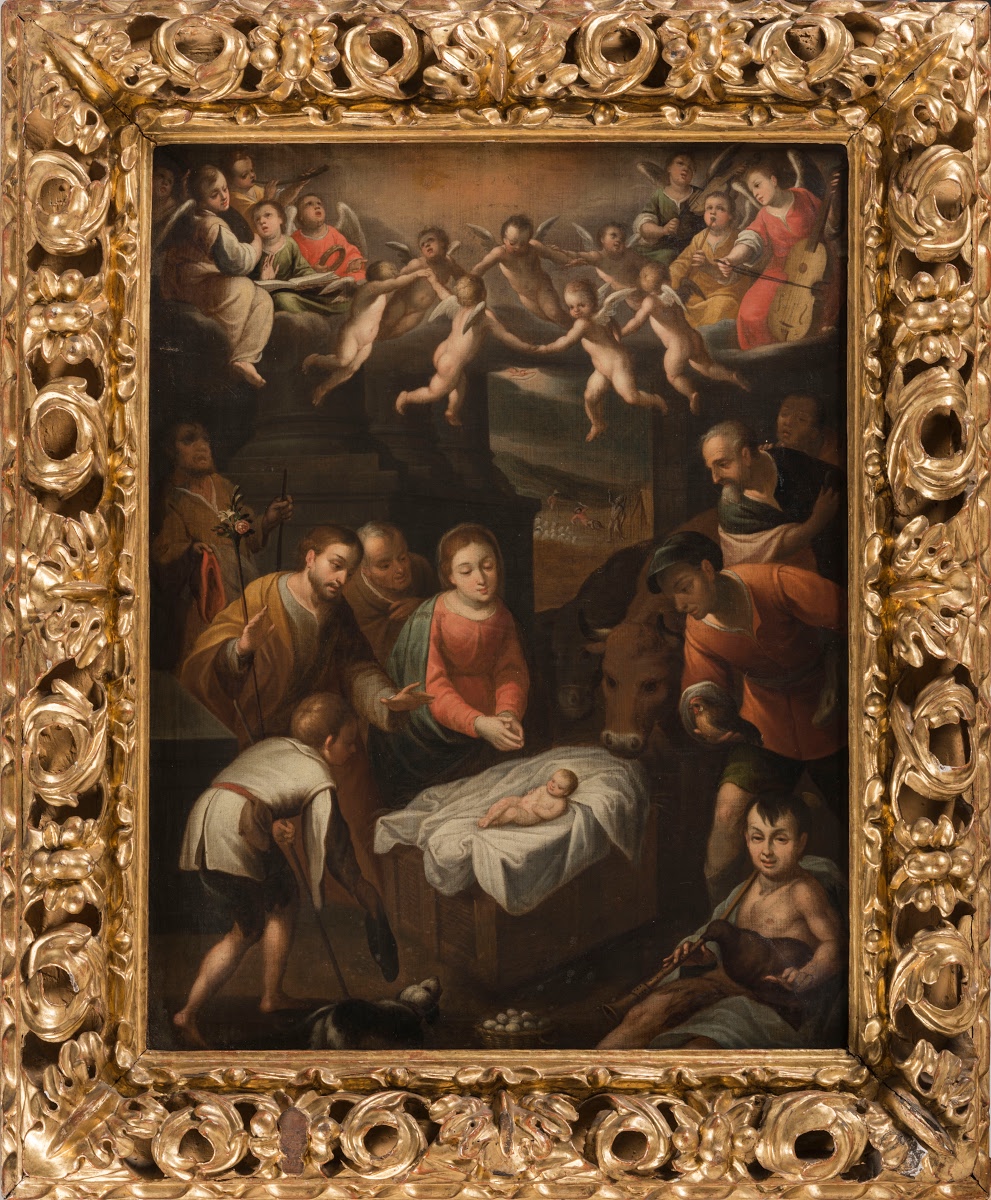
G. Vásquez de Arce, Adoration of the Shepherds, Oil on canvas, 17th century, Museo Colonial (Bogotá)

Despite the lights and the Christmas carols, or maybe because of them, the solemnity of the Nativity of the Lord is a celebration full of nostalgia (I love this word!) We sing about peace, but do not know how to build it. We wish each other happiness, but it seems it is more and more difficult to be happy. We buy one another gifts, but what we really need is tenderness and affection. We sing to a child God, but sometimes our Christian faith is being extinguished in our hearts. Life is not what we would like it to be, but we do not know how to make it better. It is not just a Christmas feeling. Life itself is packed with nostalgia. Nothing fills up our desires entirely. There is no wealth that can provide real peace. There is no love that fully responds to our deepest desires. There is no profession that can satisfy all our aspirations. It is not possible to be loved by everyone. So, nostalgia can have very positive effects. It allows us to discover that our desires go beyond what we can possess or enjoy nowadays. Nostalgia could help us to keep the horizon of our existence open to something that is greater and fuller than everything we know. Nostalgia could teach us not to ask of life what it cannot give us, not to expect from our relationships what they cannot provide. Nostalgia does not allow us to live chained only to this world. So, the celebration of the Nativity of the Lord creates a different climate: one grasps better these days the need for home and security. Sooner than later we make contact with our hearts, we get the intuition that the mystery of God is our final destiny.

Today our Christian faith invites us to discover or rediscover this mystery in a newborn child, Jesus Christ. Today we must approach God the way we approach a child, that is to say, gently and quietly, without solemn speeches, but with simple words that come from the heart.

In spite of the frivolous and superficial tone we create in our society, the season of Christmas can bring us closer and closer to the Lord, at least as long as we live it with simple faith and clean, humble heart. Let’s try it, it’s worth it! • AE


St. Joseph Catholic Church (Dilley, TX) • Weekend Schedule

Fr. Agustin E. (Parish Administrator)

Christmas EveDecember 24, 2024.

5.00 p.m. Sacrament of Confession

6.00 p.m. Holy Mass  

Christmas DayDecember 25, 2024.

10.00 a.m. Sacrament of Confession   

11.00 a.m. Holy Mass


La Natividad del Señor (Navidad) 2024

Georges de La Tour, El recién nacido (Le Nouveau-né) 1645, óleo sobre tela, Museo de Bellas Artes de Rennes (Francia).

Los seres humanos terminamos por acostumbrarnos a casi todo. Con frecuencia, la costumbre y la rutina van vaciando de vida nuestra existencia. Decía Charles Péguy que hay algo peor que tener un alma perversa, y es tener un alma acostumbrada. Por eso no nos puede extrañar demasiado que la celebración de la Navidad, envuelta tantas veces en superficialidad y consumismo apenas nos diga nada nuevo ni gozoso a tantos hombres y mujeres de alma acostumbrada. Estamos acostumbrados a escuchar que Dios nació en un porta. Ya no nos sorprende ni conmueve un Dios que se ofrece como niño. Lo dice Antoine de Saint Exupéry en el prólogo de El Principito: “Todas las personas mayores han sido niños antes. Pero pocas lo recuerdan”. Se nos olvida lo que es ser niños. Y se nos olvida que la primera mirada de Dios al acercarse al mundo ha sido una mirada de niño.

Pero esa es justamente la gran noticia de la Navidad. Dios es y sigue siendo Misterio. Pero ahora sabemos que no es un ser tenebroso, inquietante y temible, sino alguien que se nos ofrece cercano, indefenso, entrañable, desde la ternura y la transparencia de un niño. Y este es el mensaje de la Navidad. Hay que salir al encuentro de ese Dios, hay que cambiar el corazón, hacernos niños, nacer de nuevo, recuperar la transparencia del corazón, abrirnos confiadamente a la gracia y el perdón. A pesar de nuestra aterradora superficialidad, nuestros escepticismos y desencantos, y, sobre todo, nuestro inconfesable egoísmo y mezquindad de adultos, siempre hay en nuestro corazón un rincón íntimo en el que todavía nos hemos dejado de ser niños. La invitación hoy, la Natividad del Señor es a atrevernos a mirarnos con sencillez y sin reservas, a hacer un poco de silencio a nuestro alrededor, apagando el televisor para poder olvidar por un momento nuestras prisas, nerviosismos, compras y compromisos. Escuchemos dentro de nosotros ese “corazón de niño” que no se ha cerrado todavía a la posibilidad de una vida más sincera, bondadosa y confiada en Dios. Es posible que comencemos a ver nuestra vida de otra manera. “No se ve bien sino con el corazón. Lo esencial es invisible a los ojos” (otra vez El Principito).

Hoy es el momento ideal para renacer a una fe nueva. Una fe que no paraliza sino que rejuvenece; que no nos encierra en nosotros mismos, sino que nos abre; que no separa, sino que une; que no recela, sino que confía; que no entristece, sino que ilumina; que no teme, sino que ama: la fe en Cristo Jesús que por nosotros, los hombres y por nuestra salvación bajó del cielo, y por obra del Espíritu Santo se encarnó de María, la Virgen ¡y se hizo hombre! • AE  


¿Quieres (algo para) leer?


Fourth Sunday of Advent (2024)

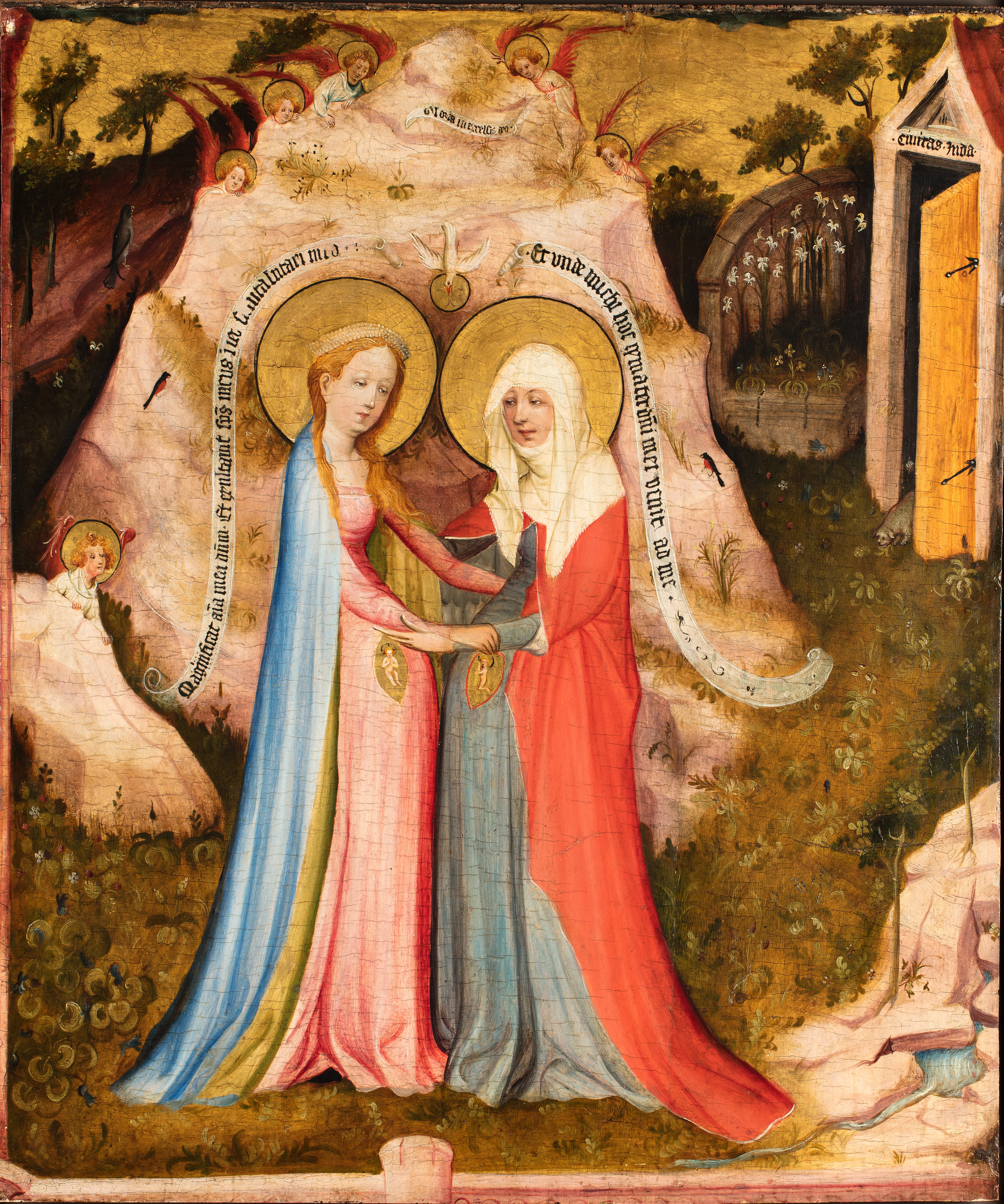
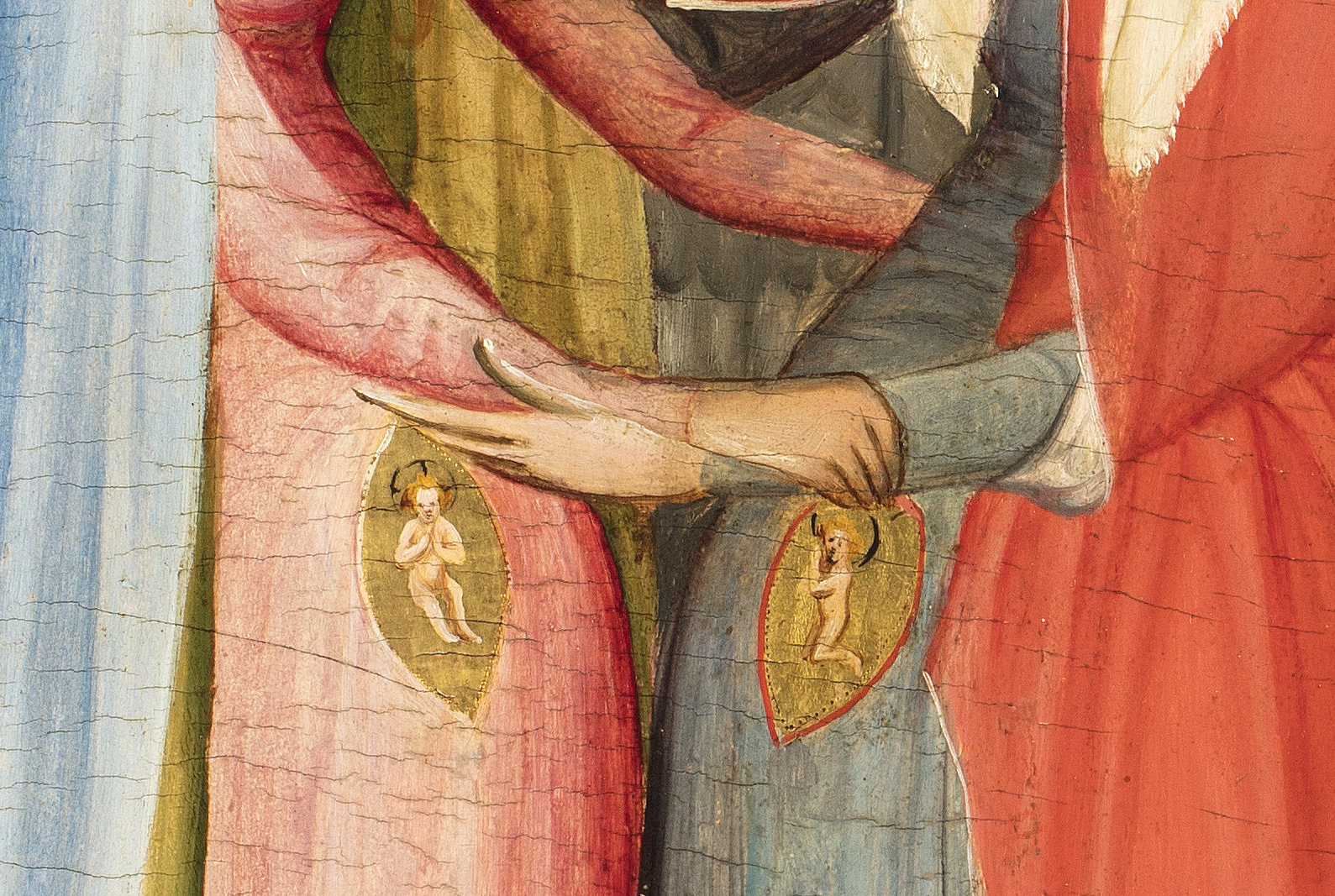
Unknown German artist, The Visitation (1414), Museum Catharijneconvent (Utrecht, Netherlands)

Today’s Gospel presents two pregnant women, Mary and Elizabeth, in that wonderful meeting we refer to as the Visitation. Mary knew that she had to go to Elizabeth. Why? To help Elizabeth with the childbirth? Probably not. After all, Elizabeth was the wife of the priest Zechariah who was high enough in rank to be chosen to offer the sacrifice in the Holy of Holies. There had to be plenty of women around Elizabeth to help her. Why then did Mary proceed with haste to the hill country of Judah to be with Elizabeth? Well, somehow Mary knew that it was part of God’s plan for the two pregnant women to allow the babies they were carrying to come close to each other. So, let us meditate on Mary and Elizabeth as women of prophecy.

The prophecy of Mary’s role began in Genesis. Immediately after the Fall, after Eve convinced Adam that they should eat the fruit of pride, arrogance and disobedience, and be like gods themselves, as the serpent said they would be, immediately God said that another woman would come whose child would destroy the power of evil in the world, the hold of the devil. This woman, of course, was Mary. As time went on the prophet Isaiah declared to King Ahaz that God would give a special sign to the House of David. A virgin would be with child. She will have a son. He will be named Immanuel. It was quite clear that she would be a virgin and yet would be pregnant. The mystery of how this could happen was solved in the fullness of time. I love that phrase fullness of time. It means when God, the One who was beyond time, says the time was right in the economy of salvation. The angel appeared to Mary, and Mary agreed to allow the prophecy to be fulfilled in her. The fact that Mary was a common, everyday Hebrew girl, not a princess in a palace, was significant. As Mary would tell Elizabeth, she, a lowly servant of God, would be raised up. All generations would call her blessed. Only God could do this. To this day we call her the Blessed Virgin Mary. The ancient prophets did not predict anything that referred directly to Elizabeth, but Elizabeth was firmly part of the Biblical tradition of very special women. Like Isaac’s mother, Sarah, like Samson’s mother, the wife of Manoah, like Samuel’s mother, Hanna, Elizabeth, a woman past child bearing years, would be chosen so that her child could demonstrate from the very beginning of is life the miraculous hand of God. This child was to have a significant role in God’s plan for the salvation of mankind. Isaiah said that one would come who would be a voice in the wilderness calling out, “Prepare the way of the Lord.”

Mary and Elizabeth were participants in the transformation of the world into the Kingdom of God. Elizabeth’s child would point to Mary’s child and call him the Lamb of God who would take away the sins of the world. The birth, life, death and resurrection of Mary’s child would be the central event of human history. Prophets said that a Messiah would come. Prophets said that one would come who would prepare the way of the Lord. We are the benefactors of the prophecy. We are the people God came to save. We are the people called to usher in the End Times, the day of the Lord. We are to proclaim with our lives that the Kingdom of God is upon us.

Behold! Behold the birth of John the Baptist, the last of the Old Testament Prophets and the first of the New Testament Prophets. Behold the birth of Jesus. Behold the one whom all of creation is calling out to come. This is the mystery that excites us. It is the same mystery that excited Mary and Elizabeth. They realized that they had each in their own way been chosen to be vehicles of God’s plan of love. Elizabeth’s son, John the Baptist, would point to this Love become flesh. Jesus, Mary’s son, would be this love. We also have been chosen to be part of this plan by the One who loves us and who calls us to make His Love a reality for others • AE


St. Joseph Catholic Church (Dilley, TX) • Weekend Schedule

Fr. Agustin E. (Parish Administrator)

Friday, December 20, 2024.

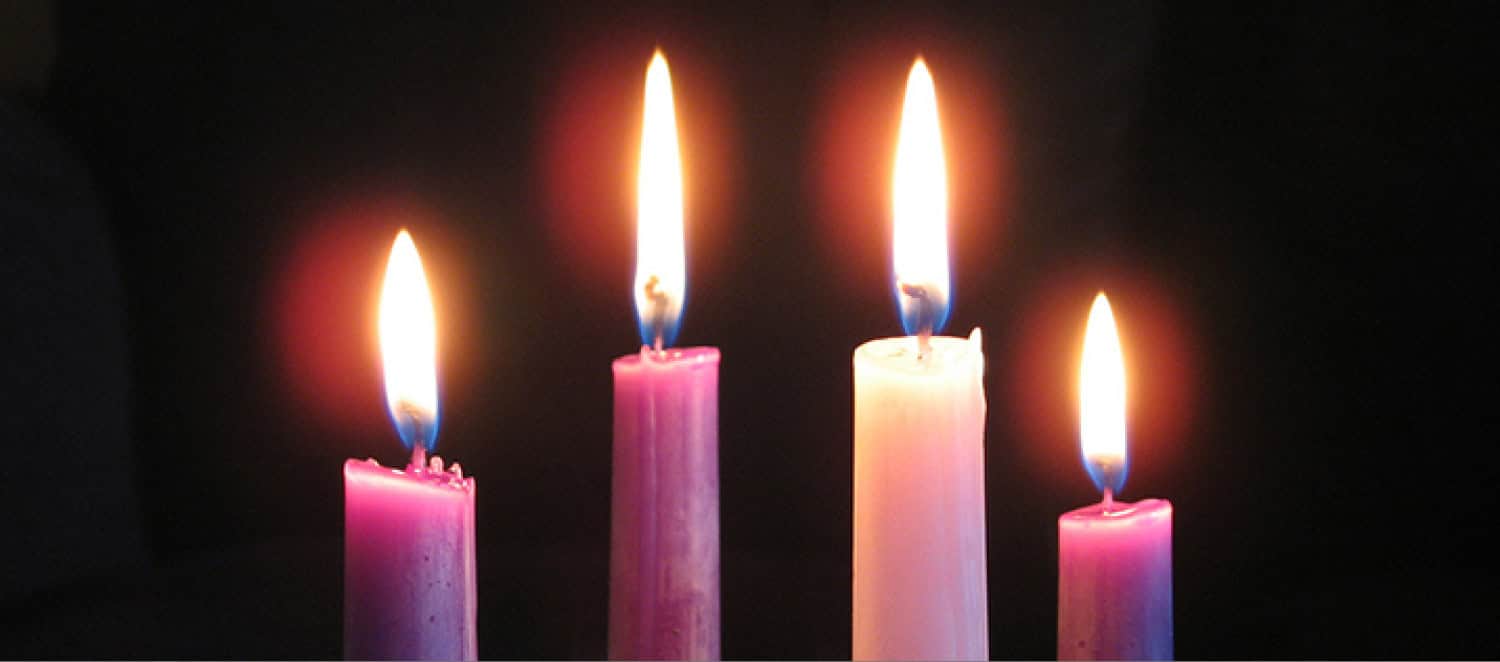
6.00 p.m. Advent Rosary & Candlelight @ St. Mary’s Chapel

Saturday, December 21, 2024.

5.00 p.m. Sacramento de la Confesión

6.00 p.m. Santa Misa.

Sunday, December 22, 2024

8.00 a.m. Sacrament of Reconciliation

8.30 a.m. Holy Mass.

10.30 p.m. Sacrament of Reconciliation.

11.00 a.m. Holy Mass.


IV Domingo de Adviento (2024)

Bradi Barth, La Visitación de la Virgen a Isabel (1973), óleo sobre tela, colección particular.

No es fácil la alegría. Nunca lo ha sido, tampoco hoy. Algunos de los que analizan la epidemia moderna de pesimismo y depresión dicen que estamos en realidad llegamos ya a la era de la ansiedad y la melancolía. Ya no vivimos tan ansiosos por satisfacer nuestros deseos, pero no encontramos descanso en nada. Nos falta algo para alimentar la alegría de vivir y no sabemos qué. No hemos de confundir la alegría con el sentido del humor. Saber reírse de uno mismo y de los sinsabores de la vida con ternura y piedad hace bien. El humor se niega a que el sufrimiento y la frustración se impongan. Por eso, el humor ayuda a mantener la alegría, pero la alegría es otra cosa, es algo mucho mas profundo. Tampoco hemos de identificarla con el optimismo, esa inclinación a esperar siempre lo mejor. Ser optimista no es verlo todo de color de rosa. No es sustituir la esperanza alimentando ilusiones baratas. El optimista lee la vida de manera positiva y esto es bueno. No olvidemos que no son los hechos los que, por lo general, nos hacen sufrir, sino nuestro modo de interpretarlos y vivirlos. Pero tampoco el optimismo es la alegría.

La alegría nace de lo más hondo de la persona y nos llena por entero. Da un brillo especial y una luz nueva a la existencia. Hace vivir con una confianza básica, nos lleva a darnos, a abrirnos y abrazar. El que vive con alegría no es indiferente a los sufrimientos de los demás. El dolor no le incomoda, le conmueve. Así, la auténtica alegría no se fabrica desde fuera, introduciendo en nuestra vida diversión o entretenimientos, o lujos. Brota del interior. En realidad, la alegría emerge cuando aprendemos a vivir en la verdad y el amor. O menor dicho: en la Verdad y en el Amor: Jesucristo. La alegría es el mejor signo de una vida vivida de manera sana desde su raíz, una vida en la que el Señor esta presente.

Los cristianos decimos que Dios es fuente de alegría. Y es así. Pero sólo cuando lo percibimos no como un sargento cuentachiles que está ahí para hacernos la vida miserable, apuntando en un papelito todo y cada uno de nuestros errores, sino cuando entendemos que camina con nosotros y nos levanta con su misericordia y con su amor. Sólo entonces podemos vivir una vida de manera confiada y no resentida. Sólo entonces podemos experimentar la alegría de vivir.

En este último domingo del tiempo de Adviento, toda la liturgia de la Palabra nos recuerda que la alegría, la autentica, es más fácil cuando nos damos cuenta que no caminamos solos el camino de la vida. Navidad es, de hecho, el gran anuncio de esa grande y maravillosa noticia: ningún ser humano está solo. A todos nos acompaña Dios. Siempre • AE  


Third Sunday of Advent (2024)

This Sunday is Gaudete Sunday or Rejoice Sunday. It takes its name from the readings for today, particularly the second reading from Paul’s Letter to the Philippians, “Rejoice in the Lord always. I say it again, rejoice.” One way of looking at this Sunday is to focus on the joy that Christmas is only two weeks away. Another way of considering this Sunday is to focus in on the joy of the ancient Hebrews as they heard their prophets tell them that God is coming soon and will remove his judgment against them. In light of the events of the last number of years, I would like to consider another facet of today’s readings. We have been so besieged with negativity. A few years ago, we heard that the world was coming to an end due to the pandemic. Sometimes we hear that the world as we know it is coming to an end because the enemies of our country have an upper hand against us. During the election we heard that the world would be coming to an end as long as this party remains in power, or that party resumes power. Gaudete Sunday reminds us that this line of thinking is incorrect. We are not victims of whatever we think is happening around us. No, we are not victims, we are victors. Our God loves us so much that He became One of us and One with us. He has showered us with Grace. We sing “Joy to the World,” not just as a pleasant Christmas carol, but as a statement of our faith. We believe that God has brought joy to the world. We cannot allow anything, any circumstance to steal this joy from us. Instead of succumbing to the “Woe is Me” attitude, focusing on the negatives of our lives, we need to see the bigger picture, the infinitely bigger picture. We may not be full of Grace as Mary was, we are not immaculately conceived, but we have received a great deal of Grace. We have been made children of God. Jesus calls us his brothers and sisters. We have received so much Grace that God has transformed even the worst circumstances of our lives in avenues of growth.

So, this Sunday reminds us that no matter what is going on in the world, or in our lives, God is in control. Knowing that He is in control brings us joy. The only thing that matters is that which comes from God and that which returns to God. Jesus Christ is the Victor. He is in control of our lives, if we let Him take control of our lives. And yes, this physical life will load us with challenge after challenge, but with Jesus Christ, we can meet each challenge with the joy of knowing that all we need in life is the Presence of the Lord • AE


St. Joseph Catholic Church (Dilley, TX) • Weekend Schedule

Fr. Agustin E. (Parish Administrator)

Saturday, December 14, 2024.

5.00 p.m. Sacramento de la Confesión

6.00 p.m. Santa Misa.

Sunday, December 15, 2024

8.00 a.m. Sacrament of Reconciliation

8.30 a.m. Holy Mass.

10.30 p.m. Sacrament of Reconciliation.

11.00 a.m. Holy Mass.

12.15 p.m. Christmas Festival (CCD Program)


Tercer Domingo de Adviento, Domingo Gaudete (2024)

La predicación de Juan el Bautista tocó el corazón de quienes le ponian atención. Su llamada a la conversión y al inicio de una vida más fiel a Dios despertó en muchos de ellos una pregunta concreta: ¿Qué debemos hacer? Es la pregunta que brota siempre en nosotros cuando escuchamos una llamada radical y no sabemos cómo concretar nuestra respuesta. El Bautista no les propone ritos religiosos, ni tampoco normas ni preceptos. No se trata propiamente de hacer cosas ni de asumir deberes, sino de ser de otra manera, de vivir de forma más humana, de desdoblar algo que está ya en nuestro corazón: el deseo de una vida más justa, digna y fraterna. Lo más decisivo y realista es abrir nuestro corazón a Dios mirando atentamente a las necesidades de los que sufren. Juan resume su respuesta con una fórmula genial, por su simplicidad y su verdad: «El que tenga dos túnicas, que las reparta con el que no tiene; y el que tenga comida, haga lo mismo». Así de simple y claro.

¿Qué podemos decir ante estas palabras quienes vivimos en un mundo donde más de un tercio de la humanidad vive en la miseria luchando cada día por sobrevivir, mientras nosotros seguimos llenando nuestros armarios con toda clase de caprichos y tenemos nuestros frigoríficos repletos de comida? ¿Qué podemos decir los cristianos ante esta llamada tan sencilla y tan humana? ¿No hemos de empezar a abrir los ojos de nuestro corazón para tomar conciencia más viva de esa insensibilidad y esclavitud que nos mantiene sometidos a un bienestar que nos impide ser más humanos?

Mientras nosotros seguimos preocupados, y con razón, de muchos aspectos del momento actual del cristianismo, no nos damos cuenta de que vivimos inmersos en un gran materialismo. El cristianismo, tal como nosotros lo vivimos, no parece tener fuerza para transformar la sociedad del bienestar. Al contrario, es ésta la que está desvirtuando lo mejor de la religión de Jesús, vaciando nuestro seguimiento a Cristo de valores tan genuinos como la solidaridad, la defensa de los pobres, la compasión y la justicia. Por eso, hemos de valorar y agradecer mucho más el esfuerzo de tantas personas que se rebelan contra este cautiverio, comprometiéndose en gestos concretos de solidaridad y cultivando un estilo de vida más sencillo, austero y humano, haciendo que el amor y la ternura de la fe cristiana, se trasformen en obras. ¿Quién decía aquello de que obras son amores y no buenas razones? Pues eso • AE  


Música para el Adviento

El Oratorio de Navidad (BWV 248; en alemán, Weihnachtsoratorium), es una obra sacra compuesta por Johann Sebastian Bach para las fiestas de Navidad, y está compuesto de seis partes, cada una de las cuales es una cantata. Está caracterizado por solemnes coros de apertura y clausura, ambientación del relato navideño del Nuevo Testamento en los recitativos, corales navideños intercalados y arias de los solistas. Las seis partes están unidas por la alegría del nacimiento de Cristo. Musicalmente, el Oratorio está cerca de sus Pasiones. Es la más popular de las obras vocales sacras de Bach y una de sus composiciones sacras más famosas.  Este oratorio se compuso para la Navidad de 1734 en Leipzig, para ser interpretado en la iglesia, para las seis festividades del ciclo navideño: la propia Navidad y los dos días inmediatamente posteriores (26 y 27 de diciembre), primer domingo después de Navidad, Año Nuevo (fiesta de la Circuncisión de Cristo), y el primer domingo después de Año Nuevo y la fiesta de Epifanía• AE  


¿Qué Lees?