
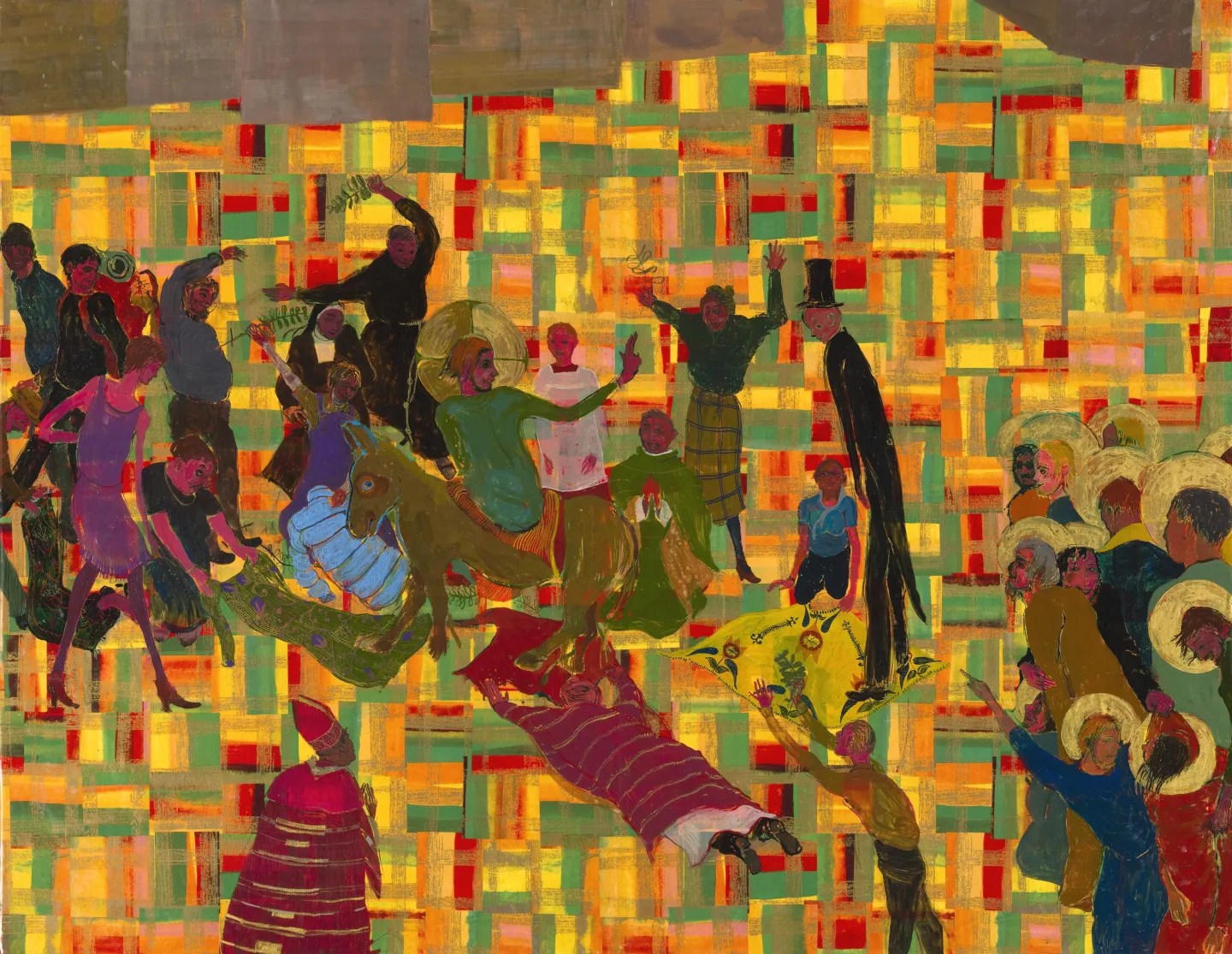
K. Althoff, Palmsonntag (Palm Sunday), 2002. Watercolor and tinted paper on canvas. Private collection, Berlin.
Palm Sunday begins with branches, with acclaim, with the fragile joy of a crowd that believes it understands what is happening. But the narrative moves quickly, almost relentlessly, toward betrayal, denial, and silence. Matthew does not soften the descent. The same voices that cry “Hosanna” fade into the distance as Jesus walks a path that grows narrower, lonelier, and more exposed. What makes this Passion so unsettling is not only the suffering, but the isolation. One by one, the supports fall away. Judas hands Him over. Peter denies Him. The disciples scatter. Even the sky seems to withdraw its light. At the cross, Jesus does not speak in triumph but in desolation: “My God, my God, why have you forsaken me?” And yet, this cry is not the collapse of faith, but its deepest expression. It echoes the psalm that begins in abandonment and ends in trust. The Church has long recognized in this moment not despair, but solidarity — the Son entering fully into the human experience of distance, fear, and loss. Something of this descent is mirrored in Bach’s St Matthew Passion, where sorrow is not rushed toward resolution but allowed to unfold in its full gravity; and in another register, Dante’s journey through darkness reminds us that the path toward redemption often passes first through the experience of apparent abandonment. Palm Sunday invites us to walk with Him through that narrowing path. Not to explain it. Not to rush toward Easter. But to remain near as the story unfolds — to see how love persists even when recognition fails. The question is not whether we will carry palms. It is whether we will stay when the road leads to the cross •
Bach’s St Matthew Passion sets the Gospel of Matthew’s account of Christ’s suffering to music, first performed on Good Friday in 1727. This is not just a musical retelling, but a way of entering the Passion. Bach allows the sorrow and abandonment of the Gospel to unfold slowly, helping us stay with Christ on the road to the cross rather than rushing past it toward the Resurrection •

St. Joseph Catholic Church (Dilley, TX) • Weekend Schedule

Fr. Agustin Estrada (Parish Administrator)
Saturday, March 29, 2026
5.00 p.m. Sacramento de la Confesión
6.00 p.m. Santa Misa y bendición de las palmas
Sunday, March 29, 2026
8.00 a.m. Sacrament of Reconciliation
8.30 a.m. Holy Mass and palm´s blessing
10.30 a.m. Sacrament of Reconciliation
11.00 a.m. Holy Mass
Domingo de Ramos “De la pasión del Señor” (2026)
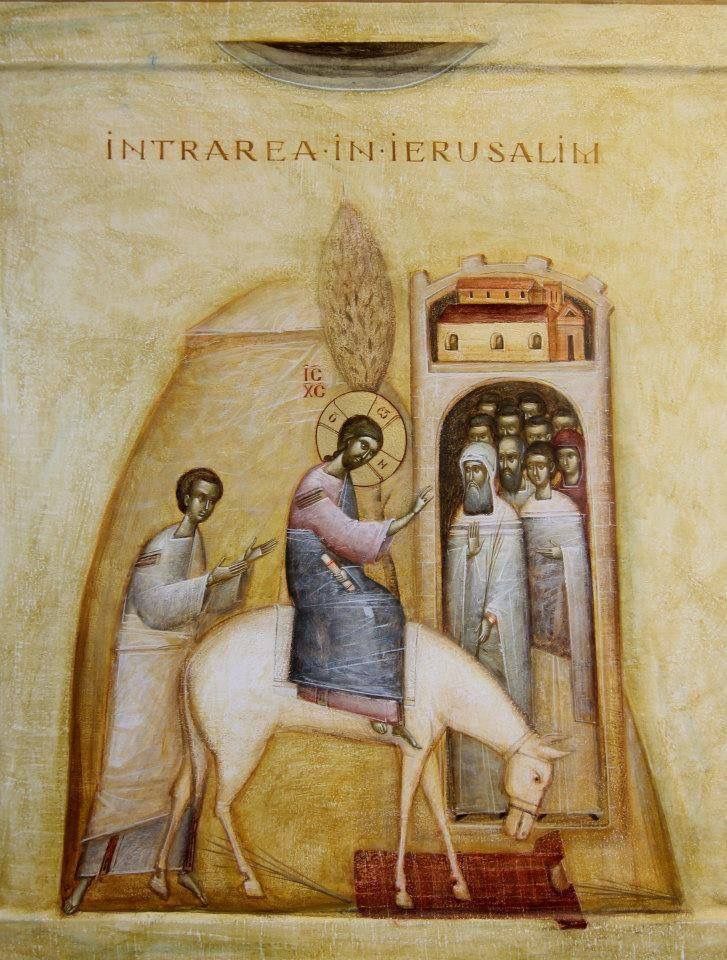
Palmas al viento, grita la ciudad,
entra el Señor sobre un asno humilde;
la gente canta, la esperanza vive,
todo parece pura claridad.
Mas pronto cambia la multitud,
calla el fervor, se enfría la voz;
el que hoy aclaman como Dios,
mañana carga la cruz en soledad.
Hosanna suena como ilusión,
mientras la noche gana el lugar;
el triunfo pasa, queda la pasión.
Seguir al Rey no es solo aclamar:
es caminar con su corazón
cuando el camino lleva al pesar.
La entrada en Jerusalén está llena de movimiento, de expectativas, de una multitud que parece haber comprendido quién es Jesús. Pero el relato de la Pasión según san Mateo nos lleva rápidamente más allá de esa superficie, hacia un terreno donde las certezas se desvanecen. La fidelidad prometida se fractura, la cercanía se transforma en distancia, y el camino se vuelve cada vez más solitario. Lo que impresiona no es solo el sufrimiento físico, sino el desmoronamiento de las relaciones. La traición no viene de los enemigos lejanos, sino del círculo cercano. El abandono no sucede de golpe, sino poco a poco. Y en medio de esa desolación, el grito de Jesús en la cruz no es el final de la confianza, sino la expresión más radical de una fe que se mantiene incluso cuando todo parece perdido. La tradición espiritual ha visto en este momento no solo la historia de Cristo, sino el espejo de toda vida humana que atraviesa la oscuridad sin entender su sentido. Como en tantas páginas de la literatura que exploran el descenso antes de la redención, el paso por la noche no es negación del amor, sino su prueba. El Domingo de Ramos nos sitúa en ese umbral. No solo para acompañar el inicio, sino para recorrer el camino completo. Porque el verdadero desafío no es aclamar al comienzo, sino permanecer cuando la historia se vuelve incomprensible •

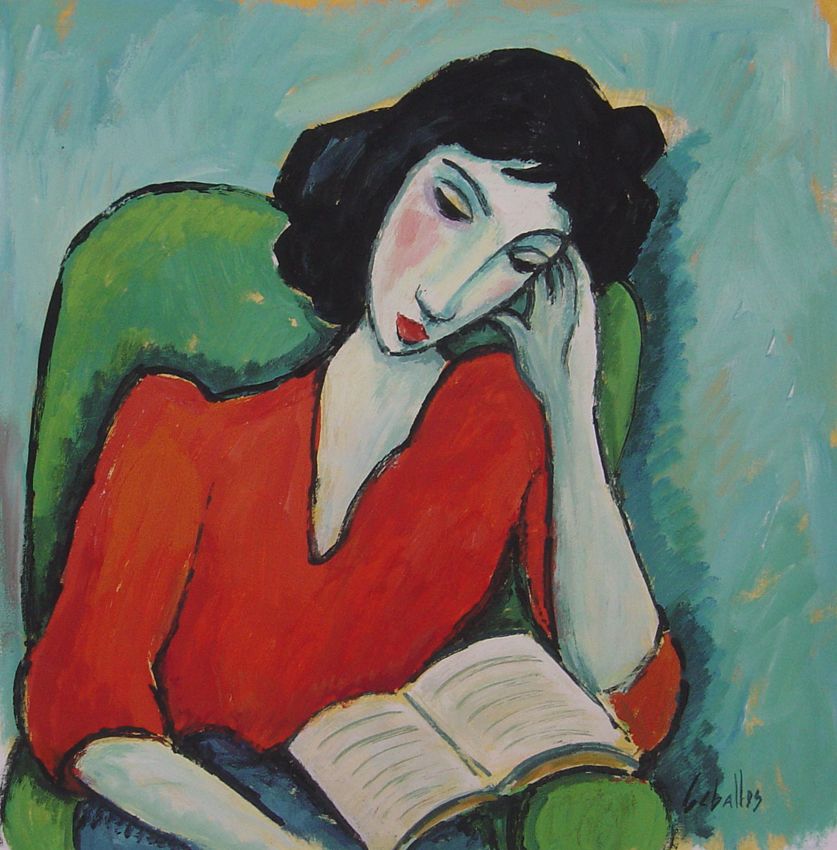
¿Qué Lees?

 LA MEDITACION DE LA ESPOSA