The Baptism of the Lord (2024)

Anonymous artist, The Baptism of the Lord (Epiphany), XVII century), The Victoria and Albert Museum (London)

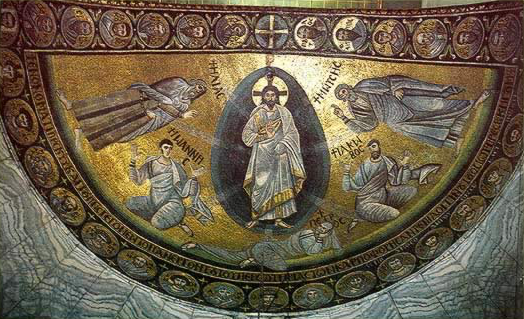
The Feast of the Baptism of the Lord speaks eloquently to us of two things: commitment and Spirit. First of all, we must be committed to the Kingdom of God. The Olympic athlete does not take a break from training because he or she has made a commitment to perfect his or her abilities. And the dedicated professional, doctor, lawyer, nurse, priest, educator, etc., never completes his or her education because he or she must continue to develop along with the advances in his or her profession. The sincere Christian must be thoroughly committed to the Kingdom of God. This means that we must grow in our faith life through prayer and study. Prayer time is not something that we just add on to our day. It has to be fundamental to our day. When we think about what we are going to do tomorrow or any day of the week, we have to first consider making the time we need to be united with Christ in prayer. For some families that might mean fifteen to thirty minutes before the kids get up or after the children go to sleep. For all of us that means making a prayer schedule and keeping it. The sincere Christian must be so thoroughly committed to the Kingdom of God that he or she is capable of defending the faith when challenged by those who would destroy the body of Christ. This challenge is most often caused by the hedonists mentality which dominates so many aspects of our society. Hedonism destroys the Body of Christ because its main focus is selfishness. It proposes that we do what is most pleasing for our bodies here and now without considering our responsibility to others or even to ourselves. It is a rather immature mentality, one that is only interested in immediate pleasure. The committed Christian ascertains the effects of an action upon his or her sharing in the Life of Christ. He or she is not concerned with what a majority of people say. He or she is concerned with the effects of an action upon the spread of the Kingdom.

When John baptized Jesus, his human nature received the Holy Spirit. Of course, His Divine nature was always united to the Holy Spirit, but now His human nature was raised up, if you will, spiritualized. As his human nature received the Holy Spirit, so too does the human nature of all who accept the baptism of the Lord. Baptism gives life, the life of God. We often refer to this as the Indwelling of the Holy Trinity. Think about this. We are no longer just the rational part of creation. We are spiritualized. We are sons and daughters of God. We have dignity, the dignity of the One about whom the voice from heaven said at his baptism by John, “This is my son, my beloved, in whom I am well pleased.” Our Father in heaven says this about each of us when we live our commitment to the Lord. Called to commitment and led by the Spirit, which is the combo we need. Daily. Determined to live the Christian life • AE


St. Joseph Dilley, TX • Weekend Schedule

Fr. Agustin E. (Parish Administrator)

Saturday, January 11, 2025.

5.00 p.m. Sacramento de la Confesión

6.00 p.m. Santa Misa.

Sunday, January 12, 2025

8.00 a.m. Sacrament of Reconciliation

8.30 a.m. Holy Mass.

10.30 p.m. Sacrament of Reconciliation.

11.00 a.m. Holy Mass.


El Bautismo del Señor (2024)

José de Ribera, El Bautismo de Cristo (1643), óleo sobre tela, Museo de Bellas Artes de Nancy (Francia)

Jesús vivió en el Jordán una experiencia que marcó para siempre su vida. No se quedó al lado del Bautista. Tampoco volvió a su trabajo en la aldea de Nazaret, donde probablemente había vivido hasta ese momento. Después del bautizo en el Jordán comenzó a recorrer los caminos de Galilea anunciando la Buena Noticia de Dios. Como es natural, los evangelistas no pueden describir lo que ha vivido Jesús en su intimidad, pero han sido capaces de recrear una escena conmovedora para sugerirlo. Está construida con rasgos de hondo significado. Los cielos se rasgan y ya no hay distancias; Dios se comunica íntimamente con Jesús. Se oye una voz venida del cielo: Tú eres mi hijo querido. En ti me complazco.

De esta experiencia brotan dos actitudes que Jesús vivió y trató de contagiar a todos: confianza increíble en Dios y docilidad. Jesús confía en Dios de manera espontánea. Se abandona a él sin recelos ni cálculos. No vive nada de forma forzada o artificial. Confía en Dios. Se siente hijo querido. Por eso enseña a todos a llamarle a Dios Padre. Le apena la fe pequeña de sus discípulos. Con esa fe raquítica no se puede vivir. Les repite una y otra vez: No tengan miedo. Confíen. Toda su vida la pasó infundiendo confianza en Dios. Y al mismo tiempo Jesús vive en una actitud de docilidad total a Dios. Nada ni nadie le apartará de ese camino. Como hijo bueno, busca ser la alegría de su padre. Como hijo fiel, vive identificándose con él, imitándole en todo.

En tiempos de crisis de fe, o de mas oscuridad, o se obstáculos en el camino, no hay que perderse en lo accesorio, en lo accidental, o en lo secundario. Hay que cuidar lo esencial: la confianza total en Dios, y la docilidad humilde a lo que Él va diciendo -comunicando- a través de su Palabra, de la liturgia, de la gente con la que nos relacionamos ¡de lo que sucede a diario! Todo lo demás viene después • AE


lECtUrAS iNVernaLeS


The Solemnity of the Epiphany of the Lord (2025)

Anonymous artist, Adoration of the Magi (c. 744), low relief of the altar of Duke Rachis, Cividale del Friuli (Italy).

There is message that is fundamental to the Epiphany that we might not reflect on as we should. We hear this message in today’s second reading. St. Paul speaks about a great mystery that has been revealed. The mystery is simply this: «the Gentiles are coheirs with the Jews, members of the same body, and copartners of the promise of Christ in the gospel.»

The wise men came from the East. They were pagan astrologers called to the manger, called to faith. Their journey is our journey, the journey of people throughout the world and throughout history being called to the manger, being called to faith. The Epiphany is the celebration of our being included in the Mystery of Jesus Christ. And not just included, more than included. The Epiphany is the celebration of our being equal to the very people chosen to be the physical ancestors of the human nature of our Lord. This was certainly difficult for the Jewish people of the first century to understand. They normally referred to those who were not Jews, the Gentiles, as dogs. Yes: dogs. It was mind overwhelming for them to think that God would consider the Gentiles their equals. The Jews were the chosen people. Would God include others in His Plan for their salvation? Well, Yes! And the Epiphany is telling us that this was always God’s plan! He never intended to be the God for only one portion of mankind. Even more, all people would be co-heirs of the Grace of Christ. It was difficult for Jewish Christians to buy into the message of the Epiphany. It is also difficult for many of us. When we envision the birth of the Lord, we tend to see him in the viewpoint of our own frame of reference. Most of the pictures of Mary and Jesus are from European painters. Mary is often a fair skinned girl with a bouncing, blue-eyed baby. But Jesus and Mary were not Europeans, not even Italian (as hard as that is to believe!). Mary and Jesus were Semitic. There is a certain arrogance that many Catholics have that is evident when they look down on people who are not from their culture. So, this beautiful and luminous feast of the Epiphany is telling us that African Catholics are as Catholic as Asian Catholics and European Catholics and all Catholics.  We Catholics do not have the right to assume a spiritual superiority over any members of our faith whose background may be different than ours, or whose history in the Church might be shorter than ours. If we are intolerant of others, then others will be denied seeing his presence in us. Spiritual arrogance, whether that of ancient pharisees or modern ones, hides the presence of the Lord.  

The word Epiphany means a showing or manifestation of the Lord. He was first shown to the wise men; astrologers whose faith guided them to Bethlehem. We need to show Him to all people seeking the spiritual body where they can be one with God • AE


Solemnidad de la Epifania del Señor (2024)

G. David, La Adoración de los Magos (1515), óleo sobre tela, National Gallery of Art (Londres)

Llegaron ya los reyes y eran tres
Melchor, Gaspar y el negro Baltazar
Arropa y miel le llevarán
Y un poncho blanco de alpaca real

Llegaron ya los reyes y eran tres
Melchor, Gaspar y el negro Baltazar
Arropa y miel le llevarán
Y un poncho blanco de alpaca real

Changos y chinitas muévanse
Que ya Melchor, Gaspar y Baltazar
Todos los regalos dejarán
Para jugar mañana al despertar

El niño Dios muy bien agradeció
Comió la miel y el poncho lo abrigo
Y fue después que los miró
Y a medianoche el Sol relumbro

¿Estamos atrofiados para descubrir a Dios? ¡Es la gran pregunta de hoy, 2025! El hombre contemporáneo no es que sea ateo, es quizá que se ha hecho incapaz de Dios. Cuando un hombre o una mujer sólo busca o conoce el amor bajo formas degeneradas y cuando su vida está movida exclusivamente por intereses egoístas de beneficio o ganancia, algo se seca en su corazón. Cuántos viven hoy un estilo de vida que les abruma y empobrece. Envejecidos prematuramente, endurecidos por dentro, sin capacidad de abrirse a Dios por ningún resquicio de su existencia, caminan por la vida sin la compañía interior de nadie. A. Delp (ejecutado por los nazis, por cierto), veía en este endurecimiento interior el mayor peligro para el hombre moderno: «Entonces deja el hombre de alzar hacia las estrellas las manos de su ser. La incapacidad del hombre actual para adorar, amar, venerar, tiene su causa en su desmedida ambición y en el endurecimiento de la existencia». Esta incapacidad para adorar a Dios se ha apoderado también de muchos creyentes que sólo buscan un Dios útil. Sólo les interesa un Dios que sirva para sus proyectos privados o sus programas sociopolíticos. Dios queda así convertido en un artículo de consumo del que podemos disponer según nuestras conveniencias e intereses. Pero Dios es otra cosa. Dios es Amor infinito, encarnado en nuestra propia existencia. Y ante ese Dios, lo primero es adoración, júbilo, acción de gracias. Cuando olvidamos esto el cristianismo corre peligro de convertirse en un esfuerzo gigantesco de humanización y la Iglesia en una institución siempre tensa, siempre agobiada, siempre con la conciencia de no lograr el éxito moral por el que lucha y se esfuerza.

Pero la fe cristiana, antes que nada, es descubrimiento de la Bondad de Dios, experiencia agradecida de que sólo Dios salva. El gesto de los Magos ante el Niño de Belén expresa la actitud que todos los creyentes deberíamos tener: búsqueda, aunque sea cansada. Dios existe. Está ahí, en el fondo de nuestra vida. Somos acogidos por Él. Quizá no sabemos cómo será el camino, pero podemos vivir con confianza ante el misterio. Ante un Dios del que sólo sabemos que es Amor, no cabe sino el gozo, la adoración y la acción de gracias, ¡justo como los Magos! • AE


Solemnity of the Blessed Virgin Mary, the Mother of God (The Octave Day of Christmas)

Unknown master, Madonna with Child Sedes Sapientiae (16th century), Abruzzo Region (Italy).

Mary was the perfect person to be the mother of God. She continually turned to the Lord, making God present not only physically, at Bethlehem, but spiritually wherever she was.  To meet her would be to understand the quality of love the Lord was bringing to the world. The paintings and statues of Mary that I like best are those that depict her as a young mother, holding up her baby for him to bless the world.  As a man, I can never fathom what it must be like to hold in your arms the child that lived inside you for nine months.  Does a mother see her husband, the baby’s father, in the infant?  Does she see herself?  I’m sure she see a unique individual that came from her yet is not her.

A mother must experience love of a different type than she ever has experienced before. She also must experience love to a greater degree than she ever understood she could have.  What must have it been like for Mary to hold Jesus?  Did she see herself?  Did she see her family traits, her father’s eyes, her Uncle Solomon’s cleft chin?  Did she see the baby’s Eternal Father, the First Person of the Trinity? Did Mary see in Jesus the Mercy of God, the Peace of God, the Compassion of God for his people, a people that struggled to get by in the darkness of a world that had rejected its Creator? How much did Mary love this child? Certainly, she loved him as much as every mother loves her child.  But she must have loved him even more than this.  She must have loved this child with, as the beautiful preface for Advent says, “with love beyond all telling” She loved the child created within her, and she loved the Creator whom the child perfectly reflected. So, it is reasonable to depict Mary holding the child up for him to bless the world, to bless us. Her resolve to fulfill God’s plan for her and for all people resulted in our Savior becoming one of us.  

Mary is the only person in scripture to be present in every aspect of Jesus’ life, from his birth to his death. She is always there, saying to us: “Look here is your Savior, my son”. Just as Mary was resolved to make God present in the world through her faith and obedience, we are called to make God present to the world.  Even though the beginning of the Church year is the first Sunday of Advent, and even though we concentrate during Lent on those areas of our lives that need spiritual refining, it is still proper for us to consider New Year’s resolutions regarding our faith. This is a good time of year to consider how to make Jesus present to the world. Joseph and Mary pondered in their hearts the mysteries of the presence of the Lord.  You and I need to begin this year considering the mystery of Jesus’s presence in our lives.  We need to search for ways to bring this presence to others. Like Mary, we have to hold Jesus up to a world that seeks His peace, His presence, a world that yearns for His salvation • AE

An examination of conscience at the end and beginning of a new year

We are about to begin a New Year. What will it be like? What do I expect of the New Year? What do I really wish for? What is it I need? To what will I dedicate my most precious and important time? What will truly be new and good for me in this year that starts today? Will I live just in any way, going from one occupation to another, without knowing exactly what I want or what to live for, or will I learn to distinguish what is important and essential from what is secondary? Will I spend my life in a rut and bored, or will I learn to live with a more creative spirit? Will I keep on this year distancing myself a little more from God, or will I start to look for him more trustingly and more sincerely? Will I continue this year being muter before him, not opening my lips or my heart, or will a small, humble but sincere invocation finally spring from my shattered soul? Will I again go through life worrying only about my own welfare, or will I know how to be concerned sometimes about making others happy? To which people will I draw near? Will I sow joy in them, or will I spread discouragement and sadness? Wherever I go, will life be more pleasant there and less hard? Will it be one more year devoted to doing more and more things, piling up selfishness, tension and nervousness, or will I have time for silence, rest, prayer and encounter with God? Will I just lock myself up in my problems, or will I live trying to make a more human and livable world? Will I follow with indifference the news coming daily from nations plagued by hunger? Will I look coldly at those who come as far as where we are, looking for work and bread? When will I learn to look at those who suffer with a heart that is responsible and committed to solidarity?

What is “new” about this year will not come from outside. Its newness can only spring from within us. This year will be new if I learn to believe in new and more trusting ways, if I find new and more loving gestures, so as to share a life of fellowship with those of my own flesh and blood, if I awaken in my heart a new compassion toward those who suffer. We are about to start a new year. But can it be for us something truly new and good? Who is able to bring in us a new joy? What psychologist will teach us to be more human? Little do our good intentions count! What is decisive is to be more attentive to the good that Jesus awakens in us, the salvation we are offered each day. We don’t need to wait for anything other helps. This very day can be for me a day of salvation • AE


St. Joseph Catholic Church (Dilley, TX) • Christmas Season Schedule

Tuesday, December 31, 2024.

5.00 p.m. Sacrament of Reconciliation.

6.00 p.m. Holy Mass.

Wednesday, January 1, 2025

10.00 a.m. Sacrament of Reconciliation

11. 00 a.m. Holy Mass.

Friday, January 3, 2025

5.00 p.m. Sacrament of Reconciliation

6.00 p.m. Holy Mass.

6.45 p.m. Eucharistic Adoration & Benediction

Saturday, January 4, 2025.

5.00 p.m. Sacramento de la Confesión

6.00 p.m. Santa Misa.

Sunday, January 5, 2025

8.00 a.m. Sacrament of Reconciliation

8.30 a.m. Holy Mass.

10.30 p.m. Sacrament of Reconciliation.

11.00 a.m. Holy Mass.


Solemnidad de María Santísima, Madre de Dios (2024)

Maestro anónimo, La Virgen con el Niño (S. XIII), Metropolitan Museum (New York)

Una de las cosas más consoladoras de nuestra fe cristiana es la certeza de que Dios comienza siempre de nuevo. Con él nada hay definitivamente perdido. En él todo es comienzo y renovación. Por decirlo de manera sencilla, Dios no se deja desalentar por nuestra mediocridad. La fuerza renovadora de su perdón y de su gracia es más vigorosa que nuestros errores y nuestro pecado. Con él, todo puede comenzar de nuevo. He aquí que yo hago nuevas todas las cosas, dice en el libro del Apocalipsis. Por eso, es bueno comenzar el año con voluntad de renovación.

Cada año nuevo es un tiempo abierto a nuevas posibilidades, un tiempo de gracia y de salvación en el que se nos invita a vivir de manera nueva. Por ello, es importante escuchar las preguntas que pueden brotar de nuestro interior. ¿Qué espero yo del nuevo año? ¿Será un año dedicado a hacer cosas, resolver asuntos, acumular tensión, nerviosismo y malhumor o será un año en que aprenderé a vivir de manera más humana? ¿Qué es lo que realmente quiero yo este año? ¿A qué dedicaré el tiempo más precioso e importante? ¿Será, una vez más, un año vacío, superficial y rutinario, o un año en que amare la vida con gozo y gratitud? ¿Qué tiempo reservaré para el descanso, el silencio, la música, la oración, el encuentro con Dios? ¿Alimentaré mi vida interior o viviré de manera agitada, en permanente actividad, corriendo de una ocupación a otra, sin saber exactamente qué quiero ni para qué vivo? ¿Qué tiempo dedicaré al disfrute íntimo con mi pareja y a la convivencia gozosa con los hijos? ¿Viviré fuera de mi hogar organizándome la vida a mi aire o sabré amar con más dedicación y ternura a los míos? ¿Con quiénes me encontraré este año? ¿A qué personas me acercaré? ¿Pondré en ellas alegría, vida, esperanza, o contagiaré desaliento, tristeza y muerte? Por donde yo pase, ¿será la vida más gozosa y llevadera o más dura y penosa? ¿Viviré este año preocupado sólo por mi pequeño bienestar o me interesaré también por hacer felices a los demás? ¿Me encerraré en mi viejo egoísmo de siempre o viviré de manera creativa, tratando de hacer a mí alrededor un mundo más humano y habitable? ¿Seguiré viviendo de espaldas a Dios o me atreverá a creer que es mi mejor Amigo? ¿Permaneceré mudo ante él, sin abrir mis labios ni mi corazón, o brotará por fin desde mi interior una invocación humilde pero sincera? Y la Virgen María ¿estará presente? Es año nuevo ¡levantemos hoy la mirada hacia la santa Madre del Redentor! Si queremos, la Virgen María nos acompañará con cuidado y ternura. Ella es Madre. Ella es vida, dulzura y esperanza nuestra • AE


ALMA REDEMPTORIS MATER (Augusta Madre del Redentor)


The Feast of the Holy Family of Jesus, Mary and Joseph (2024)

Unknown artist, Jesus Among the Doctors (c. 1410), tempera & gold, J. Getty Museum (Los Angeles)

When we hear the title of the celebration, the Feast of the Holy Family, we are inclined to just dismiss the possibility that our families can be like the Holy Family. We forget that Jesus’ family was holy because they lived united to God. Still, many of you may be thinking that your own families are far from the ideal. Well, join the crowd! Every family is far from the ideal, because every family is made of unique individuals with their positive qualities and their negative quirks. Or, to put it simply, if you think your family is strange, you’re right. You have crazy Uncle Fred whose behavior has to be interpreted to the younger children. And then there is nasty old Aunt Martha, who you would have sat next to Msgr. Joe at your daughter’s wedding reception, but he was smart enough to decline the invitation (I’m laughing a lot and enjoying writing this!)

All families have their positive and negative aspects. The fact is that the very negatives become the opportunities of grace leading the rest of the family to God. Sometimes parents get down on themselves for not being the best parents possible. Being the best parent possible is an ideal you strive for, not a reality you will reach. Same with me, being the best priest possible is an ideal I strive for, not a reality I will ever reach. We all need to trust in God! We do our best and let Him do the rest. He fixes at night the mistakes we make during the day. For you parents with children still at home, there is nothing more difficult than raising a holy child. Nothing is more rewarding either. The tremendous effort you are making instilling the faith into your children, allowing them to reach out towards their own spiritual ideals, is one of the ways that you reverence God. Each child is your child, yes. But each child is also His child. Keep working hard to allow His child to be a holy child. And, please don’t give up on yourselves, even when you make a mistake. Even Mary and Joseph left their child behind in the Temple, and they only had one to worry about! Never, ever give up plugging away to lead your children to be good Christian men and women.

Perhaps, on Christmas Day more than most other days we sense the Presence of the Lord in our families. Perhaps, on Christmas Day more than most other days we realize that we have been given the gift of being a Holy Family. Perhaps, on Christmas Day more than most other days we realize that the center of the Holy Family is our Lord Jesus Christ, whether that Holy Family was Mary and Joseph’s, or whether that Holy Family is our family • AE


St. Joseph Catholic Church (Dilley, TX) • Weekend Schedule

Fr. Agustin E. (Parish Administrator)

Saturday, December 28, 2024.

5.00 p.m. Sacramento de la Confesión

6.00 p.m. Santa Misa.

Sunday, December 29, 2024

8.00 a.m. Sacrament of Reconciliation

8.30 a.m. Holy Mass.

10.30 p.m. Sacrament of Reconciliation.

11.00 a.m. Holy Mass.


Fiesta de la Sagrada Familia (2024)

D. Velázquez, La Sagrada Familia del Pajarito (1650), óleo sobre tela, Museo Nacional del Prado (Madrid)

La Virgen como e’ gitana
A los gitanos camela
San José como e’ gachón
Se rebela, se rebela

La Virgen lavaba (La Virgen lavaba)
San José tendía (San José tendía)
La Virgen lavaba (La Virgen lavaba)
San José tendía (San José tendía)

Ay, curricutín (Ay, curricurricutín)
Agua le traía
Agua le traía
Agua le traía

Madroño’ al niño no le demo’ má’
Que con los madroño’ se pue’ emborrachar
Que sí, que no
Rocío se llama la madre de Dio

Son muchas las personas que no conocen la felicidad ni la alegría de la amistad. No se debe a que carezcan de amigos o amigas. Lo que sucede es que no saben vivir amistosamente. Son hombres y mujeres que sólo buscan su propio interés y bienestar. Jamás han pensado hacer con su vida algo que merezca la pena para los demás. Sólo se dedican a sentirse bien. Todo lo demás es perder el tiempo. Basta asomarse a las redes sociales: es todo un estanque con narcisos a su alrededor. Hoy, al sexo practicado sin compromiso alguno lo llaman amor. La relación interesada es amistad, pero la realidad es que viven sin vincularse a fondo con nadie, atrapados por un individualismo atroz. En todo momento buscan lo que les apetece. No conocen otros ideales. Nada es bueno ni malo, todo depende de si sirve o no a los propios intereses. No hay más convicciones ni fidelidades. En estas vidas puede haber bienestar, pero no dicha. Estas personas pueden conocer el placer, pero no la alegría interior. Pueden experimentarlo absolutamente todo menos la apertura amistosa hacia los demás. Sólo saben vivir alrededor de sí mismos. Para ser más humanos necesitarían aprender a vivir amistosamente. La verdadera amistad significa relación desinteresada, afecto, atención al otro, dedicación. Algo que va más allá de las amistades de negocio, o de los contactos eróticos de puro pasatiempo.

Al afecto y la atención al otro se une la fidelidad. Uno puede confiar en el amigo, pues el verdadero amigo sigue siéndolo incluso en la desgracia y en la culpa. El amigo ofrece seguridad y acogida. Vive haciendo más humana y llevadera la vida de los demás. Es precisamente así como se siente a gusto con los otros. Alguien dijo que una de las tareas pendientes del hombre moderno es aprender esta amistad, purificada de falsos romanticismos y tejida de cuidado, atención y servicio afectuoso al otro. Es verdad. Una amistad que debería estar en la raíz de la convivencia familiar y de la pareja, y que debería dar contenido más humano a todas las relaciones sociales.

Hoy celebramos la preciosa y luminosa fiesta de la familia de Nazaret. Lo que sabemos de la vida familiar de María, José y Jesús nos lo cuentan los evangelios, y aunque es poco, es elocuente. Y precioso. En aquel hogar convivieron Jesús, el hombre en el que se encarnaba la amistad de Dios a todo ser humano, y María y José, aquellos esposos que supieron acogerlo como hijo con fe y amor. Esa familia sigue siendo para los creyentes estímulo y sobre todo modelo de una vida familiar enraizada en el amor y la amistad • AE  


The Nativity of the Lord (Christmas) 2024

G. Vásquez de Arce, Adoration of the Shepherds, Oil on canvas, 17th century, Museo Colonial (Bogotá)

Despite the lights and the Christmas carols, or maybe because of them, the solemnity of the Nativity of the Lord is a celebration full of nostalgia (I love this word!) We sing about peace, but do not know how to build it. We wish each other happiness, but it seems it is more and more difficult to be happy. We buy one another gifts, but what we really need is tenderness and affection. We sing to a child God, but sometimes our Christian faith is being extinguished in our hearts. Life is not what we would like it to be, but we do not know how to make it better. It is not just a Christmas feeling. Life itself is packed with nostalgia. Nothing fills up our desires entirely. There is no wealth that can provide real peace. There is no love that fully responds to our deepest desires. There is no profession that can satisfy all our aspirations. It is not possible to be loved by everyone. So, nostalgia can have very positive effects. It allows us to discover that our desires go beyond what we can possess or enjoy nowadays. Nostalgia could help us to keep the horizon of our existence open to something that is greater and fuller than everything we know. Nostalgia could teach us not to ask of life what it cannot give us, not to expect from our relationships what they cannot provide. Nostalgia does not allow us to live chained only to this world. So, the celebration of the Nativity of the Lord creates a different climate: one grasps better these days the need for home and security. Sooner than later we make contact with our hearts, we get the intuition that the mystery of God is our final destiny.

Today our Christian faith invites us to discover or rediscover this mystery in a newborn child, Jesus Christ. Today we must approach God the way we approach a child, that is to say, gently and quietly, without solemn speeches, but with simple words that come from the heart.

In spite of the frivolous and superficial tone we create in our society, the season of Christmas can bring us closer and closer to the Lord, at least as long as we live it with simple faith and clean, humble heart. Let’s try it, it’s worth it! • AE


St. Joseph Catholic Church (Dilley, TX) • Weekend Schedule

Fr. Agustin E. (Parish Administrator)

Christmas EveDecember 24, 2024.

5.00 p.m. Sacrament of Confession

6.00 p.m. Holy Mass  

Christmas DayDecember 25, 2024.

10.00 a.m. Sacrament of Confession   

11.00 a.m. Holy Mass


La Natividad del Señor (Navidad) 2024

Georges de La Tour, El recién nacido (Le Nouveau-né) 1645, óleo sobre tela, Museo de Bellas Artes de Rennes (Francia).

Los seres humanos terminamos por acostumbrarnos a casi todo. Con frecuencia, la costumbre y la rutina van vaciando de vida nuestra existencia. Decía Charles Péguy que hay algo peor que tener un alma perversa, y es tener un alma acostumbrada. Por eso no nos puede extrañar demasiado que la celebración de la Navidad, envuelta tantas veces en superficialidad y consumismo apenas nos diga nada nuevo ni gozoso a tantos hombres y mujeres de alma acostumbrada. Estamos acostumbrados a escuchar que Dios nació en un porta. Ya no nos sorprende ni conmueve un Dios que se ofrece como niño. Lo dice Antoine de Saint Exupéry en el prólogo de El Principito: “Todas las personas mayores han sido niños antes. Pero pocas lo recuerdan”. Se nos olvida lo que es ser niños. Y se nos olvida que la primera mirada de Dios al acercarse al mundo ha sido una mirada de niño.

Pero esa es justamente la gran noticia de la Navidad. Dios es y sigue siendo Misterio. Pero ahora sabemos que no es un ser tenebroso, inquietante y temible, sino alguien que se nos ofrece cercano, indefenso, entrañable, desde la ternura y la transparencia de un niño. Y este es el mensaje de la Navidad. Hay que salir al encuentro de ese Dios, hay que cambiar el corazón, hacernos niños, nacer de nuevo, recuperar la transparencia del corazón, abrirnos confiadamente a la gracia y el perdón. A pesar de nuestra aterradora superficialidad, nuestros escepticismos y desencantos, y, sobre todo, nuestro inconfesable egoísmo y mezquindad de adultos, siempre hay en nuestro corazón un rincón íntimo en el que todavía nos hemos dejado de ser niños. La invitación hoy, la Natividad del Señor es a atrevernos a mirarnos con sencillez y sin reservas, a hacer un poco de silencio a nuestro alrededor, apagando el televisor para poder olvidar por un momento nuestras prisas, nerviosismos, compras y compromisos. Escuchemos dentro de nosotros ese “corazón de niño” que no se ha cerrado todavía a la posibilidad de una vida más sincera, bondadosa y confiada en Dios. Es posible que comencemos a ver nuestra vida de otra manera. “No se ve bien sino con el corazón. Lo esencial es invisible a los ojos” (otra vez El Principito).

Hoy es el momento ideal para renacer a una fe nueva. Una fe que no paraliza sino que rejuvenece; que no nos encierra en nosotros mismos, sino que nos abre; que no separa, sino que une; que no recela, sino que confía; que no entristece, sino que ilumina; que no teme, sino que ama: la fe en Cristo Jesús que por nosotros, los hombres y por nuestra salvación bajó del cielo, y por obra del Espíritu Santo se encarnó de María, la Virgen ¡y se hizo hombre! • AE  


¿Quieres (algo para) leer?