Holy Thursday of the Lord’s Supper (2025)

V. de Boulougne, The Last Supper (1625), oil on canvas, Galleria Nazionale d’Arte Antica (Rome)

Holy Thursday is a threshold. We enter the Paschal Triduum through a scene that is as intimate as it is overwhelming: a table, bread and wine, a Master kneeling to wash the feet of His disciples. Knowing that His hour has come, Jesus does not leave behind theological arguments or strategic plans for the future. Instead, He bends down, serves, breaks the bread, and gives Himself away. The washing of the feet is the Gospel in action. Jesus does not merely speak of love; He enacts it. He wraps a towel around Himself, kneels, and touches the dust of those who will abandon Him within hours. Peter, confused, tries to resist, but Jesus tells him, “Unless I wash you, you have no share with me” (Jn 13:8). The humility of God is so radical that even those closest to Him struggle to receive it. The Last Supper is not just a farewell, but a beginning. Jesus takes the bread, blesses it, and gives it away with words that echo through every Eucharist: “This is my body, given for you.” This is not mere metaphor or symbol. It is the ultimate act of love made presence. God does not remain in concepts—He becomes food. In art, The Last Supper by Valentin de Boulogne, housed in the Louvre Museum, offers a profound depiction of this moment. The use of chiaroscuro and the realistic portrayal of the apostles’ emotions draw the viewer into the depth of the scene, reflecting the solemnity and significance of the institution of the Eucharist. For music, Louange à l’Éternité de Jésus from Olivier Messiaen’s Quartet for the End of Time captures the mystery of Holy Thursday. Written in a concentration camp, the piece moves with an unhurried, meditative slowness, as if stretching time itself—like the silence after Jesus’ words, like the stillness of love given freely.

The wisdom of Joseph Ratzinger gives us a key insight: “The Eucharist is God’s response to the hunger of the world. It is the moment when time and eternity meet, when history and heaven touch.” The Last Supper is not just a memory—it is a reality that continues to feed the world. Holy Thursday is not just the beginning of the Passion—it is the night in which God shows us that to love is to serve, that glory is found in giving oneself away, and that His real presence in the Eucharist is the greatest miracle of all.

A quiet voice resounds within the bread,
a whispered promise woven into wine,
the hands that bless now break, the hands that bled
will trace the cross in mercy’s grand design.

O feet once kissed, now washed with love’s embrace,
the humble King who bends to serve His own,
a gesture strong enough to shift and place
a throne within the dust where feet have known.

And so He kneels, so we must kneel as well,
to love, to serve, to bear the weight of grace,
to hold the chalice and be wholly fed.

The cup is full, the silence speaks to tell:
He gave, He gives, He offers still His face—
the night of love, where Heaven shares its bread.


Easter Triduum 2025

HOLY THURSDAY OF THE LORD´S SUPPER, APRIL 17

6.00 p.m. Mass of the Lord’s Supper (Bilingual)

(Adoration of the Most Holy Sacrament until 10.00 p.m. @ Chapel)

FRIDAY OF THE PASSION OF THE LORD (Good Friday), APRIL 18

10.00 a.m. Los Siete Dolores de la Santísima Virgen María

11.30 a.m. Live performance of the Passion of the Lord

(we start @ the police station, we end @ St. Joseph grounds)

6.00 p.m. Liturgical Celebration of the Lord’s Passion (Bilingual)

HOLY SATURDAY, APRIL 19

8.00 p.m. The Easter Vigil in the Holy Night (Bilingual)

EASTER SUNDAY OF THE RESURRECTION OF THE LORD, APRIL 20

8.30 a.m. English mass @ St. Mary´s Chapel 

11.00 a.m. English mass @ church

12.30 p.m. Easter Egg Hunt @ St. Joseph grounds


Jueves Santo de la Cena del Señor (2025)

Jacopo Robusti Tintoretto, El Lavatorio (1548), óleo sobre tela, Museo Nacional del Prado (Madrid)

La noche de Jueves Santo es un umbral. Nos adentramos en el Triduo Pascual con una escena tan íntima como sobrecogedora: una mesa, pan y vino, un Maestro que lava los pies a sus discípulos. Jesús, sabiendo que ha llegado su hora, no deja discursos teológicos ni estrategias para el futuro. En lugar de ello, se inclina, sirve, parte el pan y se entrega. El gesto del lavatorio de los pies es el evangelio en acción. Jesús no predica sobre el amor; lo muestra. Se ciñe una toalla, se arrodilla y toca la suciedad de los pies de aquellos que en unas horas lo abandonarán. Pedro, confundido, intenta resistirse, pero Jesús le responde con una frase que atraviesa la historia: “Si no te lavo, no tendrás parte conmigo” (Jn 13,8). La humildad de Dios es tan desconcertante que incluso los suyos no saben cómo recibirla. La última cena no es solo un adiós, sino un inicio. Jesús toma el pan, lo bendice y lo reparte con palabras que resuenan en cada Eucaristía: “Esto es mi cuerpo, que se entrega por vosotros”. No es metáfora ni símbolo. Es una realidad que atraviesa el tiempo, el acto definitivo del amor que se hace presencia. Dios no se queda en doctrinas, se hace alimento. El Lavatorio de Tintoretto, captura magistralmente este momento. La composición dinámica y el uso dramático de la luz reflejan la tensión y la profundidad del acto de servicio de Jesús. La escena, llena de movimiento y emoción, nos invita a contemplar la humildad y el amor en acción. En la música, Ubi Caritas de Maurice Duruflé es una expresión pura de lo que significa este día. Su melodía fluye como un eco de las palabras de Jesús: “Donde hay caridad y amor, allí está Dios”. El pensamiento de Raniero Cantalamessa ilumina este momento con una clave esencial: «El amor en la Eucaristía no es solo algo que recibimos, sino algo en lo que participamos. No estamos en un teatro observando un drama, sino en una mesa compartiendo un destino”. El Jueves Santo no es solo el inicio de la Pasión, sino el día en que Dios nos enseña que amar es servir, que la gloria se encuentra en la entrega y que no hay mayor milagro que su presencia real en el pan y el vino.

Te inclinaste, Señor, sobre la vida,
dejaste el cielo y te ciñó la tierra,
con agua y luz desarmas toda guerra,
y haces del pan entrega compartida.

Bendito el día en que partiste el trigo,
cuando en la mesa fue tu amor presencia,
y el sacrificio abrió la puerta inmensa
de un Dios que quiso ser hermano y amigo.

Hoy nos ofreces pan y amor profundo,
cáliz de vida que a los hombres llama,
un Dios que sirve, entregado hasta el fin.

Déjame ser contigo don fecundo,
pan que alimenta, amor que nunca exclama,
silencio santo en el umbral sin fin.


Palm Sunday of the Lord s Passion (2025)

Marc Chagall, The White Crucifixion (1938), oil on canvas, The Art Institute of Chicago.

There are moments when nothing more needs to be said because the scene speaks for itself. Today´s gospel proclamation, the Passion of the Lord, is one of those moments. It is not meant to be read like a story—it is meant to be contemplated. Not with detachment, but with the kind of silence that comes when one stands before a mystery too great for words. Palm Sunday opens Holy Week with a striking contrast. It begins in joy: cloaks are laid on the ground, palms are waved, voices cry out, “Hosanna!”. But within minutes, the tone shifts. The Passion is proclaimed, and the shouts of praise turn into a demand for execution: “Crucify Him!”. The same crowd that welcomes Him will soon reject Him. Jesus does not defend Himself, does not argue, does not justify. He is silent. Before Pilate, before the soldiers who mock Him, before the insults hurled at Him from the cross. His response is not words, but surrender. In a world that demands immediate reactions, explanations, and justifications, the Passion teaches us the power of silence that reveals truth.

In art, Marc Chagall’s White Crucifixion offers a radically different perspective on the Passion. Christ is shown on the cross, draped in a Jewish prayer shawl, surrounded by scenes of suffering and persecution. Chagall reinterprets the crucifixion as a timeless image of innocent suffering, reminding us that the Passion of Christ continues in every human being who is unjustly condemned. The painting does not depict a distant past but an ever-present reality. For music, John Tavener’s “Song for Athene” captures the essence of the Passion’s solemnity. Though originally composed for a funeral, its haunting, ethereal harmonies create an atmosphere of reverence and contemplation. It is music that does not impose but invites, like Christ’s silent presence before His accusers. This Sunday leaves us with one certainty: everything has been spoken on the cross. No homily can add to what has already been proclaimed with nails and blood. This is not a time for explanations, but for presence. For not running away like the disciples. For holding our gaze. For making silence a prayer • AE


St. Joseph Catholic Church (Dilley, TX) • Weekend Schedule
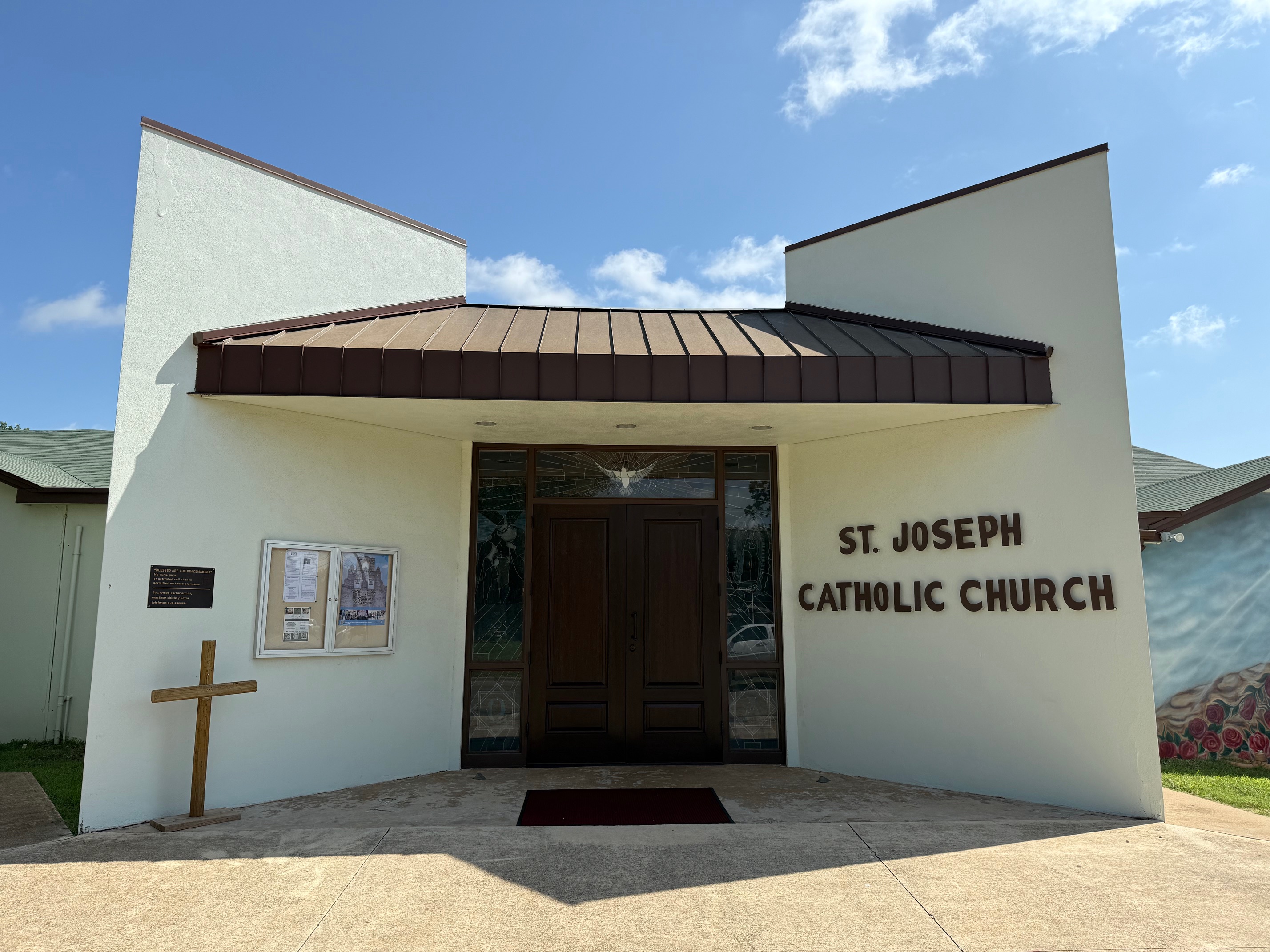
Fr. Agustin E. (Parish Administrator)

PALM SUNDAY 2025

Saturday, April 12

5.00 p.m. Sacramento de la Confesión

6.00 p.m. Santa Misa.

Sunday, April 13

8.00 a.m. Sacrament of Reconciliation

8.30 a.m. Holy Mass.

10.30 p.m. Sacrament of Reconciliation.

11.00 a.m. Holy Mass.


Domingo de Ramos de la Pasión del Señor (2025)

Hay momentos en los que no hace falta decir nada, porque la escena lo dice todo. La Pasión del Señor que escuchamos hoy en en evangelio es uno de esos momentos. No basta con leerla, o escucharla, hay que contemplarla. No con la frialdad de un observador distante, sino con el silencio de quien entiende que está ante el misterio más grande del amor. El Domingo de Ramos abre la Semana Santa con un contraste impactante. Comienza con júbilo: el pueblo extiende sus mantos, agita palmas, canta «¡Hosanna!». Pero en cuestión de minutos, la liturgia cambia de tono. Se proclama la Pasión y la euforia se disuelve en el grito de «¡Crucifícalo!». La misma multitud que aclama, condena. Jesús no se defiende, no responde a las acusaciones, no se impone. Guarda silencio. Ante Pilato, ante los soldados que lo golpean, ante los insultos en el Calvario. Su lenguaje es otro: el de la entrega. En un mundo obsesionado con el ruido, con la reacción inmediata, con la necesidad de justificar y argumentar, la Pasión nos enseña la fuerza del silencio.

En el arte, El Expolio de El Greco nos sitúa en el momento previo a la crucifixión. Jesús, vestido de rojo intenso, es rodeado por figuras que lo despojan de su túnica. La expresión de su rostro no muestra rabia ni desesperación, sino una serenidad majestuosa, como quien ya ha aceptado el destino que le espera. La composición, con su verticalidad marcada y su luz dramática, nos introduce en la tensión del momento. En la música, O Crux, ave spes unica, un himno medieval en canto gregoriano, resuena como una plegaria de contemplación. Su melodía austera y solemne evoca el peso del sacrificio, pero también la esperanza escondida en la cruz. Este domingo nos deja ante una sola certeza: todo está dicho en la cruz. No hay discurso que pueda añadir algo a lo que ya ha sido pronunciado con clavos y sangre. No se trata de comprenderlo todo, sino de permanecer. De no huir como los discípulos. De sostener la mirada. De hacer del silencio una oración • AE


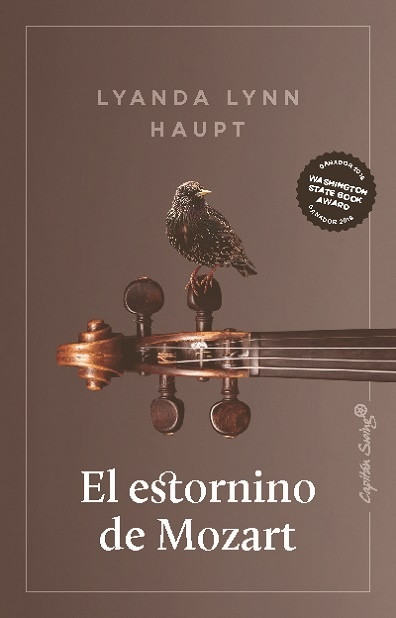
¿Qué leer en Semana Santa?


Fifth Sunday of Lent (Cycle C)

The scene in today’s Gospel is both unsettling and liberating. A woman is dragged before Jesus, accused and exposed, her guilt proclaimed before the crowd. The law is clear—she must die. The tension is palpable: will Jesus affirm the sentence or challenge it? But instead of answering, He bends down and writes on the ground. His silence speaks louder than any words. And when He finally speaks, His response is disarming: “Let the one among you who is without sin be the first to throw a stone.” One by one, the accusers leave. What began as a spectacle of judgment becomes an encounter with grace. Jesus does not deny the woman’s actions, nor does He justify them. But He refuses to reduce her to her worst moment. His mercy is not indulgence—it is an invitation to renewal. “Go, and from now on do not sin anymore.” There is no room for condemnation, but neither is there room for complacency. Mercy is not the absence of justice; it is the triumph of love over punishment. A striking artistic depiction of this scene is “Christ and the Woman Taken in Adultery” by Guercino (17th century). Unlike other versions, which emphasize the woman’s shame or the crowd’s rage, Guercino paints Jesus looking directly at her—not with accusation, but with compassion. The light falls on her, highlighting the transformative moment of mercy. It is a painting not of judgment, but of possibility. Musically, John Tavener’s “The Protecting Veil” captures the essence of this Gospel passage. Written as a meditation on the Virgin Mary’s protective love, the piece unfolds in long, soaring phrases that evoke both tenderness and transcendence. Like Jesus’ silence before speaking, Tavener’s music creates space—a space where mercy enters, where love replaces condemnation. A literary parallel can be found in “The Scarlet Letter” by Nathaniel Hawthorne. Hester Prynne, condemned by her Puritan community for adultery, carries the mark of her sin in the form of a scarlet letter on her chest. Yet, as the novel unfolds, we see that true righteousness is not found in those who judge her, but in her quiet strength, her dignity, and ultimately, in her ability to love despite rejection. Like the woman in today’s Gospel, she is more than her past—she is someone capable of renewal. This Gospel challenges us on every level. It demands that we put down our stones—not just the ones we throw at others, but also the ones we carry against ourselves. Mercy is the only path forward. The only question that remains is whether we are ready to receive it • AE


St. Joseph Catholic Church (Dilley, TX) • Weekend Schedule

Fr. Agustin E. (Parish Administrator)

STATIONS OF THE CROSS & SACRAMENT OF RECONCILITATION

Every Friday of Lent at 6.00 p.m.

 (March 7, 14, 21, 28, & April 4, 11, 2025)

Saturday, April 5, 2025.

5.00 p.m. Sacramento de la Confesión

6.00 p.m. Santa Misa.

Sunday, April 6, 2025

8.00 a.m. Sacrament of Reconciliation

8.30 a.m. Holy Mass.

10.30 p.m. Sacrament of Reconciliation.

11.00 a.m. Holy Mass.


V Domingo de Cuaresma (Ciclo C)

L. Lotto, La Mujer adúltera (1527), óleo sobre tela, Museo de Louvre (Paris)

El Evangelio de este domingo nos ofrece una de las escenas más conmovedoras de la misericordia de Cristo: la mujer sorprendida en adulterio, expuesta ante la multitud, esperando su condena. En lugar de un veredicto de muerte, recibe un acto de gracia. Jesús, inclinándose hacia el suelo, escribe con el dedo, guarda silencio, deja que la acusación se disuelva en su propia inconsistencia. “El que esté sin pecado, que tire la primera piedra”, dice. Y una a una, las piedras caen al polvo. Lo que parecía un juicio se convierte en una liberación. Este pasaje nos invita a mirar el rostro de la misericordia. No es un perdón superficial ni una negación del pecado, sino una invitación a la transformación. Jesús no dice “no importa lo que hiciste”, sino “a partir de ahora, no peques más”. La misericordia no borra la verdad, pero la redime.

Una imagen que puede ayudarnos a meditar esta escena es Cristo y la mujer adúltera de Lorenzo Lotto. En su versión renacentista del episodio, la mujer no es una simple figura pasiva, sino alguien que encuentra en la mirada de Cristo no solo compasión, sino una llamada. La luz, que en otras representaciones ilumina el acto de la denuncia, aquí resalta la oportunidad de conversión. En el claroscuro del Renacimiento, Lotto nos recuerda que la misericordia es una invitación a caminar hacia la luz. En la música, Stabat Mater de Francis Poulenc resuena con la emoción de este Evangelio. Compuesta en el siglo XX, su dramatismo no es grandilocuente, sino íntimo. Poulenc, tras un periodo de indiferencia religiosa, experimentó un reencuentro con la fe y dejó en esta obra una profunda expresión de compasión. Es la súplica de quien, como la mujer adúltera, ha sido confrontado con su miseria y, en lugar de condena, ha encontrado ternura. En la literatura, La caída de Albert Camus ofrece un contrapunto interesante. Su protagonista, Jean-Baptiste Clamence, es un hombre que construye su vida en la justicia, en la apariencia de integridad, hasta que un día, en un puente de París, oye un grito en la noche y no se detiene a ayudar. A partir de ese momento, su vida cambia: se da cuenta de su propia hipocresía, de su falta de compasión. Camus nos muestra cómo el juicio que lanzamos contra otros a menudo esconde nuestra propia fragilidad. Es lo que Jesús revela en este Evangelio: todos hemos caído, todos necesitamos misericordia.

Este domingo nos pone frente a una pregunta esencial: ¿qué hacemos con la misericordia que recibimos? Podemos dejarla pasar de largo o podemos permitir que nos transforme. Dios no nos condena, pero nos invita a una vida nueva. La elección sigue siendo nuestra • AE
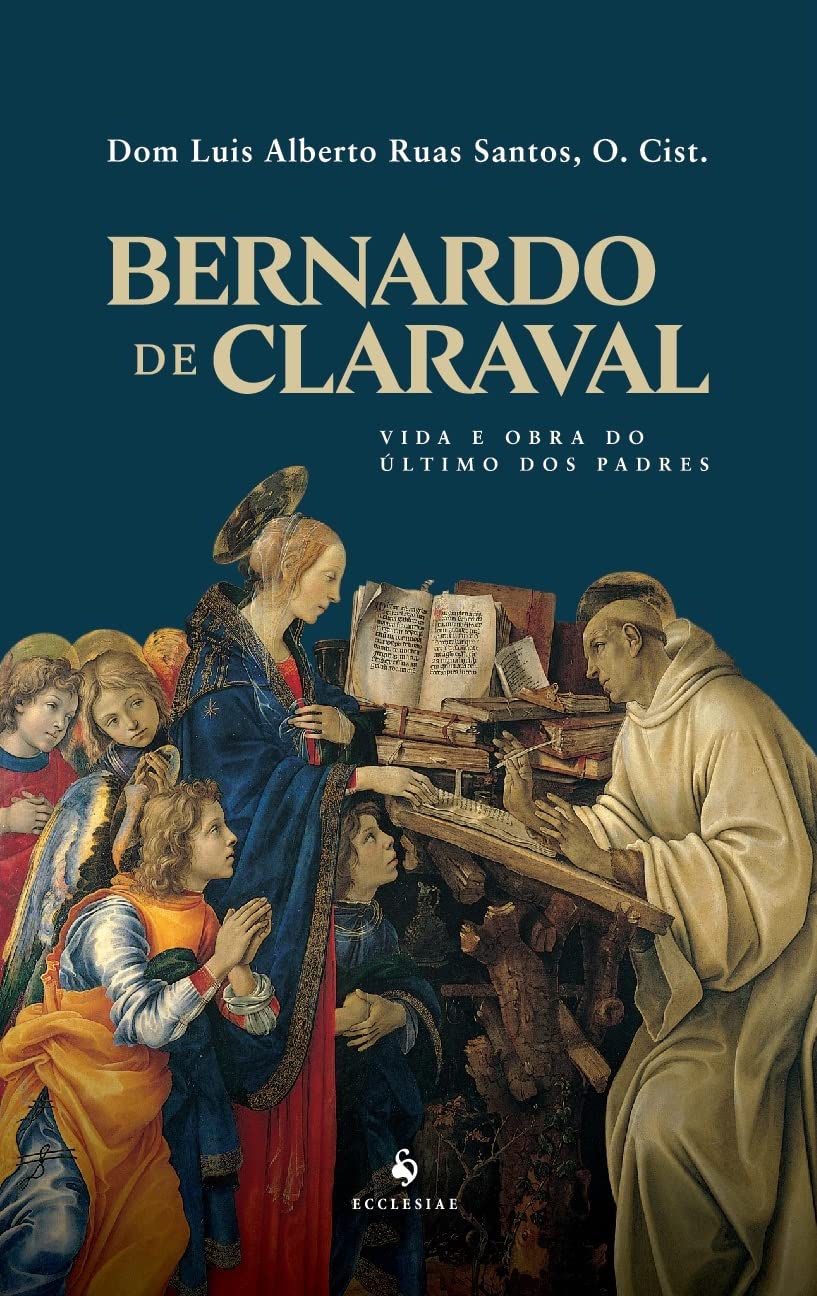

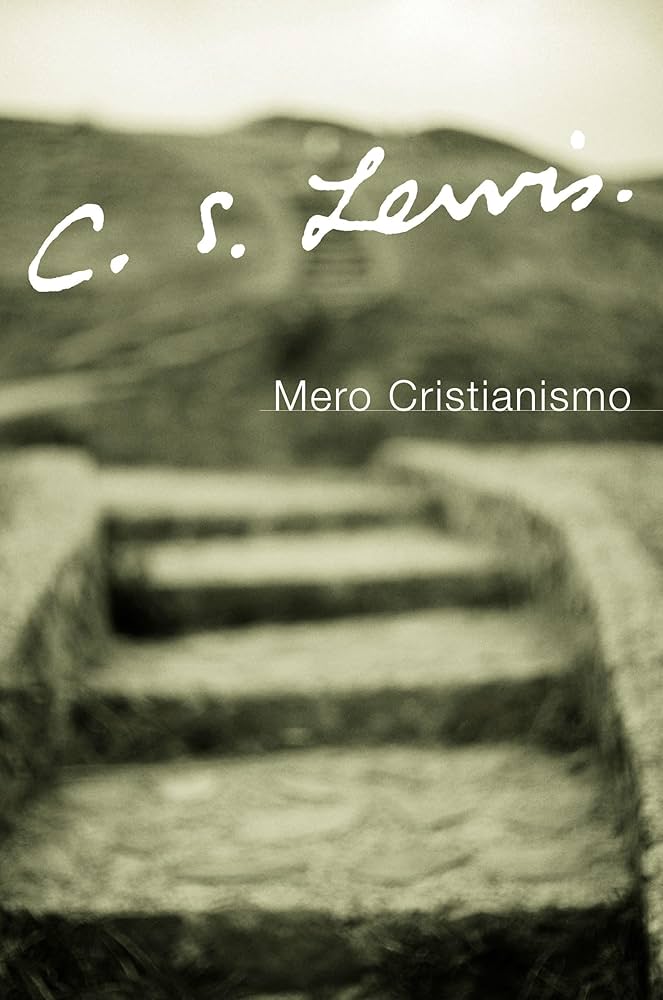
¿Qué leemos?
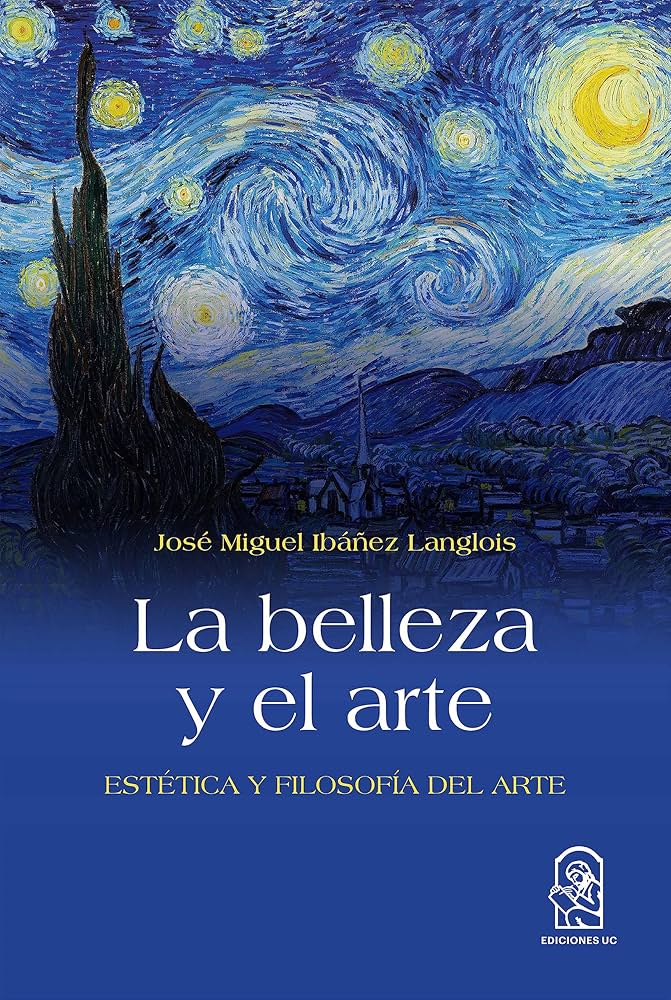

Fourth Sunday of Lent (Cycle c)

J. J. Tissot, The Prodigal Son (The Return) (1862), oil on canvas, Private Collection.

The parable of the prodigal son is perhaps one of the most misunderstood passages in the Gospel. Many focus on the wayward son, his rebellion, his squandering of the inheritance, and his eventual return. Others see the older brother as the central figure, the one who never left, the one who remained faithful yet felt overlooked. But at the heart of this parable lies the father—his patience, his longing, his radical mercy. Lent is a time of return. Not just a return to God, but also a return to ourselves, to our truest identity as beloved children. The younger son had to lose everything to understand what he had lost. It was not just his wealth, but his dignity, his place at the table, his belonging. Yet even in the lowest moment of his exile, something within him remembered home. That memory, however faint, was enough to set him on the path back. The father, seeing him from a distance, does something unimaginable for a man of his time: he runs. He does not wait for his son to kneel before him, to beg, to prove his repentance. He runs and embraces him before the boy can even finish his rehearsed speech. The love of the father is not transactional; it does not weigh offenses before deciding whether to forgive. His mercy precedes everything. It always has.

Perhaps what is most unsettling in this story is the reaction of the older brother. His resentment is familiar, almost instinctive. He has worked, obeyed, remained constant. He is the one who should be celebrated. And yet, when faced with the father’s generosity, he cannot rejoice. How often do we fall into this same trap? How often do we see God’s mercy towards others and feel that it diminishes us? But grace is not a limited resource. The love of God is not a wage to be earned, but a gift freely given. One of the most striking artistic representations of this scene is James Tissot’s The Return of the Prodigal Son. Unlike Rembrandt’s famous depiction, which focuses on the father’s embrace, Tissot captures the moment before—the son on his knees, the father extending his hand, the tension still present. It is a moment of decision. Will he accept the love being offered to him? Will he allow himself to be restored? The same question is asked of us. In music, Henry Purcell’s Hear My Prayer, O Lord echoes the cry of the soul longing for reconciliation. The repeated invocation, rising in intensity, mirrors the journey of the prodigal—from distance to nearness, from despair to hope. A parallel can be found in literature as well. In Les Misérables, the character of Jean Valjean experiences a moment similar to that of the prodigal son. Having been hardened by injustice, he encounters mercy in the form of a bishop who refuses to condemn him. That single act of undeserved grace transforms him completely. He could have chosen to remain in bitterness, just as the prodigal son could have chosen never to return. But the invitation to mercy is always there, waiting to be accepted.

Lent is not simply about penance; it is about rediscovering the joy of belonging. The prodigal son was not just forgiven—he was clothed, embraced, and celebrated. And so it is with us. God does not simply tolerate our return; He rejoices in it. The only question is whether we will take the first step home • AE


St. Joseph Catholic Church (Dilley, TX) • Weekend Schedule

Fr. Agustin E. (Parish Administrator)

STATIONS OF THE CROSS & SACRAMENT OF RECONCILITATION

Every Friday of Lent at 6.00 p.m.

 (March 7, 14, 21, 28, & April 4, 11)

Saturday, March 29, 2025.

5.00 p.m. Sacramento de la Confesión

6.00 p.m. Santa Misa.

Sunday, March 30, 2025

8.00 a.m. Sacrament of Reconciliation

8.30 a.m. Holy Mass.

10.30 p.m. Sacrament of Reconciliation.

11.00 a.m. Holy Mass.


IV Domingo de Cuaresma (Ciclo C)

Rembrandt H. van Rijn, Return of the Prodigal Son (1668), óleo sobre tela, Museo de L´Hermitage (St. Petesburgo)

En el camino cuaresmal, este domingo nos invita a hacer una pausa en el rigor penitencial para vislumbrar el gozo de la reconciliación. La liturgia nos ofrece una de las parábolas más conmovedoras del Evangelio: el hijo pródigo, una historia de alejamiento y retorno, de caída y restauración, de justicia y misericordia entrelazadas en un abrazo. La parábola es, en el fondo, la historia de todos nosotros. En algún momento nos hemos alejado, hemos tomado nuestra parte de la herencia para dilapidarla en terrenos estériles, creyendo que la autosuficiencia es sinónimo de libertad. Pero la vida nos devuelve a la verdad: somos hijos, no vagabundos; nacimos para la casa del Padre, no para la miseria del exilio. Sin embargo, el corazón de la parábola no está en la caída del hijo, sino en el padre que espera. Un padre que, lejos de responder con resentimiento, corre al encuentro de su hijo, lo cubre con un manto, lo devuelve a su dignidad y organiza un banquete en su honor. Esta imagen nos revela el verdadero rostro de Dios: un amor que no humilla, sino que levanta. Como señala Henri Nouwen en El regreso del hijo pródigo, inspirado en la obra de Rembrandt: «Dios no nos espera con un libro de cuentas, sino con un abrazo. Su justicia es la justicia del amor que restaura, no del castigo que destruye.”

En este domingo, conocido como Laetare, la Iglesia nos recuerda que la Cuaresma no es solo penitencia, sino camino hacia la alegría pascual. La pintura de Rembrandt, El regreso del hijo pródigo, plasma el momento exacto del reencuentro. La luz se centra en el gesto del padre, cuyas manos —una firme, otra delicada— expresan tanto la autoridad como la ternura. El hijo, despojado de todo, se rinde en la humildad del arrepentimiento, mientras que el hermano mayor observa con frialdad. Esta escena nos recuerda que la misericordia no es siempre comprendida por quienes se sienten justos. La música también tiene su lugar en esta meditación. La Aria de la Suite para orquesta No. 3 en Re mayor de Johann Sebastian Bach es el sonido de la reconciliación. Su melodía serena y envolvente transmite la sensación de un regreso pacífico, de un hogar que nunca dejó de esperarnos. En esta Cuaresma, nos invita a confiar en la ternura del Padre. En la literatura, el príncipe Myshkin, protagonista de El idiota de Dostoievski, encarna una bondad casi sobrehumana, una misericordia incomprendida por quienes lo rodean. En él resuena la figura del padre de la parábola: un amor sin reservas, que desafía la lógica de la justicia humana. Como en el Evangelio, el verdadero escándalo no es el pecado del hijo, sino la misericordia que lo acoge. El Cuarto Domingo de Cuaresma nos recuerda que siempre es tiempo de volver. No importa cuán lejos hayamos ido ni cuántos errores hayamos cometido; el Padre no cierra la puerta. Hoy, la invitación es clara: levantarnos, volver y dejarnos abrazar. ¿Estamos dispuestos a entrar en la alegría del banquete? • AE


¿Algo para leer?


Third Sunday of Lent (Cycle C)

Georges de La Tour, The Penitent Magdalen (ca. 1640), oil on canvas, Metropolitan Museum of Art (new York)

The parable of the barren fig tree is not just about judgment but about the mystery of grace working in hidden ways. The gardener pleads for one more year, promising to cultivate the soil and nurture the tree. This silent labor represents God’s grace in our lives, constantly working beneath the surface, unseen but transformative. Georges de La Tour’s The Repentant Magdalene is a striking depiction of conversion and inner reflection. Mary Magdalene, seated in dim candlelight, gazes at a skull in deep contemplation, symbolizing the fleeting nature of life and the urgency of repentance. This image reminds us that transformation begins with an honest look at our own hearts, much like the barren fig tree must face the reality of its unfruitfulness before it can receive new life.

Tolstoy’s The Death of Ivan Ilyich presents a man who realizes too late that he has lived a superficial life. His final moments, however, become a moment of grace as he acknowledges a truth greater than himself. The fig tree in Jesus’ parable stands at a similar crossroads: will it remain barren, or will it embrace the nourishment being offered?

Originally composed as Adagio for Strings, Samuel Barber’s Agnus Dei carries an overwhelming sense of longing and redemption. It mirrors the deep need of the soul to turn back to God and bear fruit. Lent is a time to acknowledge the silent yet powerful work of grace in our lives. The barren tree is not immediately cut down, but it is given one final season. Will we allow God to cultivate our souls, or will we resist until it is too late? • AE

St. Joseph Catholic Church (Dilley, TX) • Weekend Schedule

STATIONS OF THE CROSS & SACRAMENT OF RECONCILITATION

Every Friday of Lent at 6.00 p.m.

 (March 7, 14, 21, 28, & April 4, 11, 2025)

Saturday, March 22, 2025.

5.00 p.m. Sacramento de la Confesión

6.00 p.m. Santa Misa.

Sunday, March 23, 2025

8.00 a.m. Sacrament of Reconciliation

8.30 a.m. Holy Mass.

10.30 p.m. Sacrament of Reconciliation.

11.00 a.m. Holy Mass.


Tercer Domingo de Cuaresma (Ciclo C)

El Bosco, El jardín de las delicias (De tuin der lusten) c. 1500-15051​, óleo sobre tabla, Museo del Prado (Madrid).

En el Evangelio de este domingo, Jesús nos confronta con una verdad ineludible: el tiempo de nuestra conversión no es infinito. Cuando sus discípulos le hablan de los galileos asesinados por Pilato, Jesús no se detiene en explicaciones políticas ni en buscar culpables, sino que dirige la mirada hacia el corazón de cada uno: «Si no se convierten, todos perecerán de la misma manera». La parábola de la higuera estéril nos invita a preguntarnos si nuestra vida está dando fruto o si estamos desaprovechando el tiempo que Dios nos concede.

El panel central de El Jardín de las Delicias de El Bosco puede interpretarse como un recordatorio de la fugacidad de la vida. Sus escenas de placeres efímeros contrastan con la realidad del juicio y la responsabilidad moral. ¿Estamos viviendo solo para el momento, sin pensar en la eternidad? La paciencia de Dios no es indiferencia; su misericordia nos llama a despertar. Meursault, el protagonista de El Extranjero de Albert Camus, vive ajeno a cualquier sentido trascendente hasta que la cercanía de la muerte lo confronta con la verdad. Su indiferencia existencial refleja la aridez de una higuera estéril. Al final de la novela, hay un atisbo de aceptación, pero ¿qué hubiera sido de su vida si hubiera abrazado antes la posibilidad de una transformación interior? Las Siete Palabras de Cristo en la Cruz de Haydn, profundamente meditativa, nos sitúa ante la última oportunidad que cada alma tiene para responder al amor de Dios. Nos recuerda que aún en el último momento, la conversión es posible, pero no debemos posponerla. Cuaresma es el tiempo de revisar nuestra vida, de preguntarnos si estamos aprovechando la gracia que Dios nos da. No esperemos hasta el último instante. La higuera todavía está en pie, pero no lo estará para siempre • AE


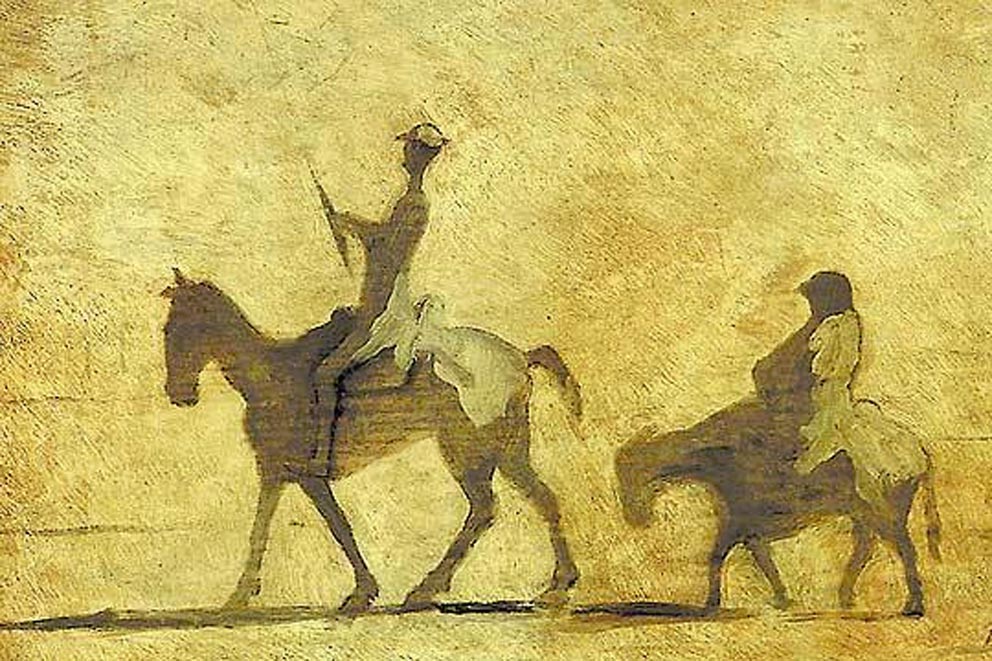
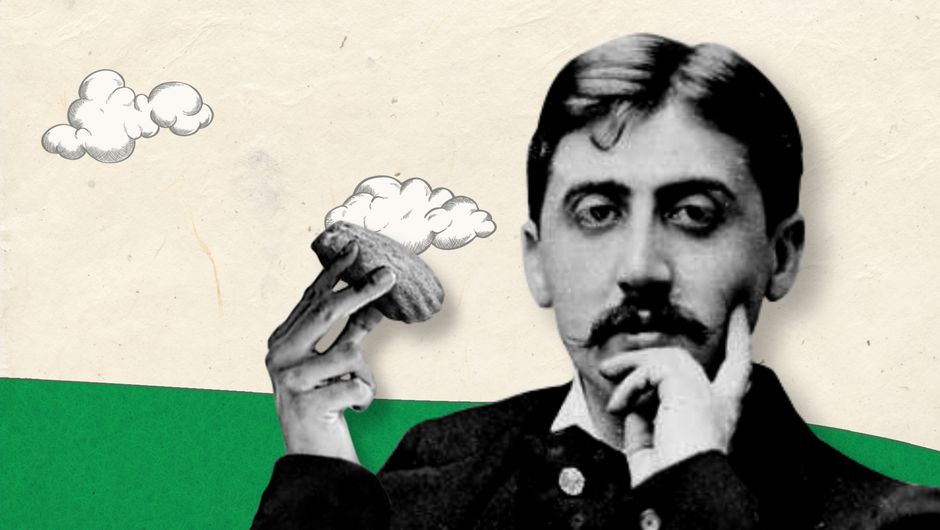
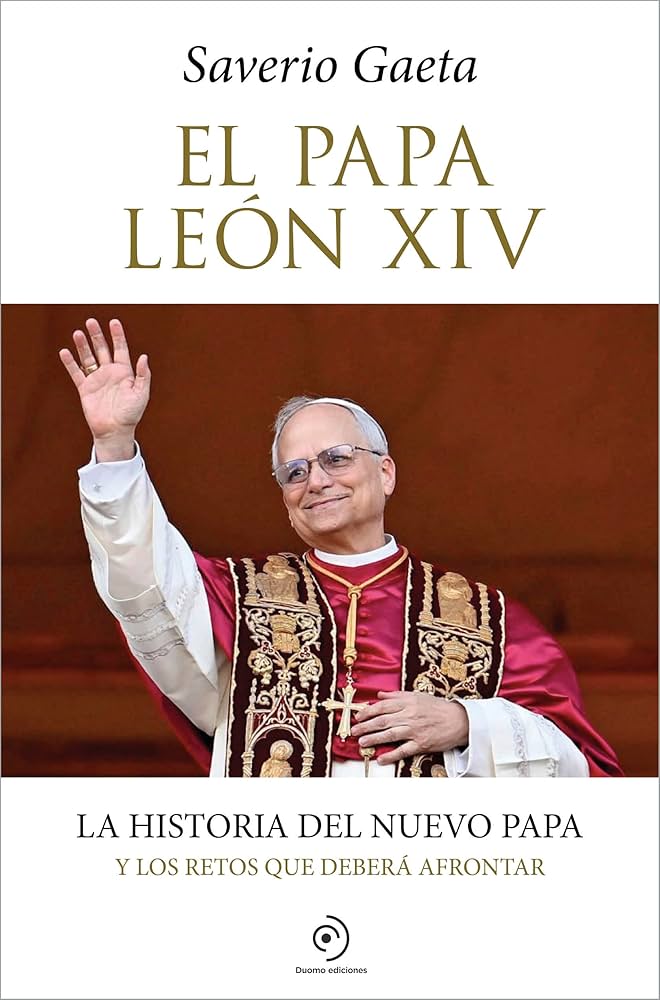
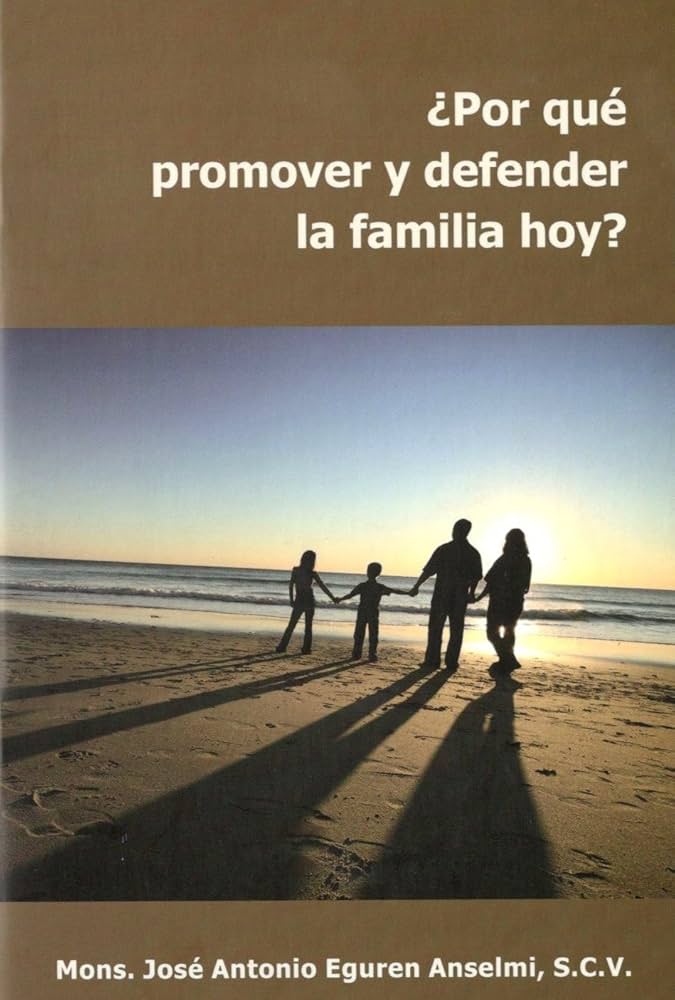
¿Algo para leer?