The Solemnity of the Ascension of the Lord (Cycle B)

A. de Lanchares, The Ascension of Christ (1630), oil on canvas, Museo Nacional del Prado (Madrid)

The Ascension of the Lord is a mystery that effects each of us intimately. Jesus took his seat at the right hand of the Father where he became the judge of the living and the dead. Jesus Christ judges those who lived their lives in a way that they could be admitted into the presence of the Father and those who lived their lives in a way that excluded them from the presence of God. This is tough for us to take. We know the Lord is Merciful. We have the devotion to Divine Mercy to remind us that God’s mercy is greater than we could ever imagine. What we might miss is that the Lord is merciful because we need His mercy. We live under the mercy of God. We have to be humble enough to recognize our need for His mercy and want His mercy.

The literary figures of Faust and Don Juan portray those people who do not want God in any aspect of their lives including their need for His mercy after their deaths. Jesus is the judge of the living and the dead. This mystery is in direct conflict with that part of us that wants to reduce Jesus to Barney. But Jesus is not a pink bear who sings for all eternity, “I love you and you love me.” (That would be hell, not heaven.) Jesus is a judge, the judge of the living and the dead. Those who live their lives in a way that exclaims, “I neither need you nor want you,” cannot expect to receive the mercy that they reject. Those who live their lives doing their best to make their unique reflection of God a reality in the world can trust in God’s Divine Mercy.

After Jesus ascended and sent the Holy Spirit, the small band of disciples proclaimed Jesus Christ to the world. And Christ worked through them. And He worked through their successors. Now, He works through us. Proclaiming the gospel means far more than teaching articles of faith. Proclaiming the Gospel means making the presence of Christ a reality to the world. This is the commission that we Christians have received from the Lord. Jesus works through us attracting others to Himself. People do not become Christians through of the words of Christianity. People become Christians through the presence of Jesus Christ in Christians. The battles of the Book of Revelation continue daily. The early Church believed that every Mass, every prayer, every work of charity, was a skirmish in the fight against evil. The eighteenth century saw this in the Enlightenment when rationalism challenged faith. The nineteenth century saw the enemy embrace the industrial revolution as a way to turn people against each other, against God, and toward the worship of materialism. The first half of the twentieth century saw the battle change to the political front with the ideals of socialism, fascism and communism twisted to eliminate the presence of the Lord. The second half of the century and continuing into this century suffers from the attack of evil upon personal holiness through the misuse of technology. The battle for or against the Gospel continues. The Lord fights with us. His power, His presence is greater than all evil, even the evil we come up with ourselves. He ascended into heaven. But He did not leave us, he promised that he would be with us always. Like the apostles, we have been commissioned to go out and preach with our lives that Jesus lives. It is a mystery of the Mercy and Justice of God. It is the mystery of our summons to proclaim that Jesus lives • AE


St. Dominic Catholic Church • Weekend Schedule

Saturday May 11, 2024

3.00 p.m. Sacrament of Reconciliation – Fr. Jaime P.

5.00 p.m. Holy Mass and First Communions – Fr. Fr. Jaime P.

Sunday, May 12, 2024

7.30 a.m. Holy Mass – Fr. Paco

10.00 a.m. Holy Mass and First Communions – Fr. Paco

12.30 p.m. Holy Mass and First Communions – Fr. Jaime

3.00 p.m. Santa Misa y Primeras Comuniones – Padre Paco


Solemnidad de la Ascención del Señor (Ciclo B)

Autor anónimo, La Ascención del Señor, Manuscrito iluminado sobre pergamino (s. XIII), Biblioteca Nacional de Francia (Paris)

¿Y dejas, Pastor santo,
tu grey en este valle hondo, obscuro,
con soledad y llanto;
y tú, rompiendo el puro
aire, te vas al inmortal seguro?

Los antes bienhadados
y los agora tristes y afligidos,
a tus pechos criados,
de ti desposeídos,
¿a dó convertirán ya sus sentidos?

¿Qué mirarán los ojos
que vieron de tu rostro la hermosura,
que no les sea enojos?
Quien oyó tu dulzura,
¿qué no tendrá por sordo y desventura?

A aqueste mar turbado,

¿quién le pondrá ya freno? ¿Quién concierto
al viento fiero, airado,
estando tú encubierto?
¿Qué norte guiará la nave al puerto?

¡Ay! Nube envidiosa
aun de este breve gozo, ¿qué te quejas?
¿Dó vuelas presurosa?
¡Cuán rica tú te alejas!
¡Cuán pobres y cuán ciegos, ¡ay!, nos dejas!

Tú llevas el tesoro

que sólo a nuestra vida enriquecía,
que desterraba el lloro,
que nos resplandecía
mil veces más que el puro y claro día.

¿Qué lazo de diamante,
¡ay, alma!, te detiene y encadena
a no seguir tu amante?
¡Ay! Rompe y sal de pena,
colócate ya libre en luz serena.


¿Que temes la salida?
¿Podrá el terreno amor más que la ausencia
de tu querer y vida?
Sin cuerpo no es violencia
vivir; más es sin Cristo y su presencia.

Dulce Señor y amigo,
dulce padre y hermano, dulce esposo,
en pos de ti yo sigo:
o puesto en tenebroso
o puesto en lugar claro y glorioso.

Le ponemos poca atención a la Ascensión de Jesús, sin embargo este hecho en la vida del Señor nos ofrece la clave para entender mejor el cristianismo, pero sobre todo para vivir nuestra de una manera más responsable y adulta. Para entender el significado de la Ascensión tenemos que recordar el diálogo entre Jesús y sus discípulos: «Yo me voy al Padre y ustedes están tristes… Sin embargo, les conviene que yo me vaya para que reciban el Espíritu Santo». La tristeza y preocupación de los discípulos tiene una explicación. Desean seguridad: tener siempre junto a ellos al Maestro para que les resuelva los problemas o, al menos, les indique el camino seguro para encontrar la solución. Es la tentación de vivir la fe de manera protegida, infantil e irresponsable. La respuesta de Jesús cobra particular importancia en estos tiempos en que parece crecer en ciertos sectores de la Iglesia la tentación del inmovilismo, el miedo a la creatividad, la nostalgia por reproducir un determinado cristianismo. La pedagogía del Señor consiste en ausentarse para que pueda crecer la libertad de sus seguidores. Sólo les dejará el fuego de su Espíritu. Así es siempre la auténtica pedagogía: el padre o el educador han de retirarse en un determinado momento y dejar sólo su inspiración para no ahogar la creatividad, sino permitir el crecimiento responsable y adulto.

Siempre será una tentación vivir de manera infantil la religión, sin mediación alguna de la propia conciencia, buscando en la letra del evangelio soluciones prefabricadas para nuestros tiempos o pretendiendo que la autoridad religiosa nos dicte sin ambigüedad y con precisión absoluta la doctrina que hemos de creer y las normas morales que hemos de cumplir. La Ascensión nos recuerda que vivimos el tiempo del Espíritu, tiempo de creatividad y crecimiento responsable, ya que el Espíritu no nos da nunca recetas concretas para los problemas. Sin embargo, cuando lo acogemos, nos hace capaces de ir buscando siempre el evangelio de Jesús, un evangelio que no se impone desde la autoridad o la presión, sino haciéndolo pasar por las conciencias y el corazón antes que por las leyes y las instituciones. La Ascensión nos invita a vivir bajo la pedagogía del Espíritu, ese Espíritu que nos hace fieles al evangelio de Jesús y fieles a nuestras convicciones más profundas • AE


¿Y para leer?

¡Con música y todo!


Sixth Sunday of Easter (Cycle B)

Valentin de Boulogne, Christ and the Adulteress (1620), Getty Museum (Los Angeles)

The Book of the Revelation begins with seven letters to seven Christian communities. The communities represent all of Christianity. The letters are the framework for the entire Book of Revelation. All but two of these letters condemn the new Churches for watering down Christianity, for restoring pagan practices, for being part-time Christians, etc. The first of these seven letters addresses something that is fundamental to Christianity. This is the Letter to Ephesus. Note now, this is not the New Testament Letter to the Ephesians, but a message from Jesus through the Book of Revelation to all who were making the terrible mistake which was prevalent among the Ephesians. The letter begins by complimenting the Ephesians for their courage and faith. «I know your works, your toil and your patient endurance.» That term patient endurance refers to suffering for the faith including martyrdom. The Ephesians are commended for fighting against evildoers and for rooting out false apostles from their community. They are commended for hating the works of the Nicolatians. The Nicolatians were people who tried to water down Christianity saying that Christians could attend and participate in pagan sacrifices and pagan immorality. Still the Ephesians are censured. They are told they are fallen. They are told that unless they change something that is fundamental in what they are doing, the Light of Christ will be removed from them. What is this they are doing? The letter says: «I hold this against you: you have abandoned the love you had at first.» You see, the Ephesians were fierce in defending the faith. They were brutal to others and among themselves. In the name of orthodoxy, they broke charity. That is where they were losing their Christianity. Orthodoxy for the sake of orthodoxy always defeats itself. Orthodoxy only has value when it is founded upon love. In the second reading for today from the First Letter of John, we read: «the person without love has known nothing of God, for God is love.» Stern and fierce in their decisions, never considering the pain and grief of the person they censured, the Ephesians were following the rules, keeping the dogmas, but not practicing the faith. Their community was not reflecting the love of God. They were orthodox for the sake of being orthodox, but in reality they were not Christian.

We can look at the history of the Church and see how in certain areas in certain epochs this mistake was repeated. For example, how can we find justification for the Spanish Inquisition, for the pillaging that was part of the Crusades, or for the religious wars occasioned by the Protestant Reformation? The love of God was not in evidence in any of this. Still, we, as a community and as individuals, should not be as concerned with history as with our own tendency to repeat the mistakes of the Ephesians. One example. A person may have a homosexual orientation and not be engaging in any form of immorality just as a person may have a heterosexual orientation and not be engaging in any form of immorality. But even if people are immoral, openly so, no one has the right to attack them, to treat them with scorn, to refuse compassion when they are hurting. Where is the presence of the love of God in the reputedly good Christian who seeks ways to hurt someone who is homosexual? Is the love of God evident in our own family structures? We have to have rules in our families. That´s for sure. Out of love for our children and our teenagers, we have to set guidelines so they can grow, develop, and spread their wings while they are still under our protection. That´s for sure. More important than these rules are the reason for their establishment: love. No good was every accomplished by hiding love behind rules. So, today’s gospel leads us to pray: Lord, help us to be people whose structures as a country, a family, and in all relationships, reflect the presence of your love, and mercy, and compassion • AE


St. Dominic Catholic Church • Weekend Schedule

Saturday May 4, 2024

10.00 a.m. First Communion Mass – Fr. Agustin

3.00 p.m. Sacrament of Reconciliation – Fr. Agustin

5.00 p.m. Holy Mass – Fr. Agustin

Sunday, May 5, 2024

7.30 a.m. Holy Mass – Fr. Agustin

10.00 a.m. Holy Mass – Fr. Agustin

12.30 p.m. Holy Mass – Fr. Jaime

3.00 p.m. Santa Misa – Padre Paco


VI Domingo de Pascua (Ciclo B)

Lucas Cranach El Viejo, Jesús y la Mujer sorprendida en adulterio (1550), óleo sobre tela, Bauhaus-Museum Weimar (Alemania)

No se trata de una frase más. Este mandato, cargado de misterio y de promesa, es la clave de toda la fe cristiana: Como el Padre me ha amado, así los he amado yo: permanezcan en mi amor. Este es el criterio último para discernir su verdad. Únicamente permaneciendo en el amor podemos caminar en la verdadera dirección. Olvidar este amor es perderse, entrar por caminos no cristianos, deformarlo todo, desvirtuar el cristianismo desde su raíz. Y sin embargo, no siempre hemos permanecido en este amor. En la vida de bastantes cristianos ha habido (y hay todavía) demasiado temor y falta de confianza en Dios. La teología y la predicación que nos ha alimentado ha olvidado el amor de Dios, ahogando así aquella alegría inicial, viva y contagiosa que tuvo el cristianismo. Aquello que un día fue Buena Noticia (eu-angellion) porque anunciaba el amor increíble de Dios, se ha convertido para muchos en la mala noticia (dis-angellion) de un Dios amenazador y cuenta-chiles que está anotando en un papelito todos nuestros errores para pasarnos la cuenta el día en el que lleguemos a su presencia.

Sin embargo, la fe cristiana sólo puede ser vivida sin traicionar su esencia como experiencia positiva, confiada y gozosa. Por eso, en un momento en que muchos abandonan la fe, los que permanecemos en la Iglesia habríamos de preguntarnos si en el origen de este abandono no se esconde una reacción a esas cosas que no suenan a evangelio. La aceptación de Dios o su rechazo se juegan, en gran parte, en cómo sintamos a Dios: Si lo percibimos sólo como vigilante implacable de nuestra conducta, haremos cualquier cosa para rehuirlo. Si lo experimentamos como un papá que impulsa nuestra vida, entonces lo buscaremos con gozo. Por eso uno de los servicios más grandes que la Iglesia puede hacer al hombre de hoy es ayudarle a pasar del miedo al amor de Dios. Sin duda hay un temor a Dios que es sano y fecundo, La Escritura misma dice que es el comienzo de la sabiduría. Es el temor a malograr nuestra vida encerrándonos en la propia mediocridad. Un temor que despierta al hombre de la superficialidad, y le hace volver hacia Dios. Y hay también un miedo a Dios que es malo, uno que no acerca a Dios sino que aleja cada vez más de Él. Es este un miedo que deforma el verdadero ser de Dios haciéndolo inhumano. Un miedo destructivo, sin fundamento real, que ahoga la vida y el crecimiento sano de la persona.

Pasar del miedo a Dios que podría traer angustia a una confianza en él, que hace brotar en nosotros esa alegría prometida por Jesús: «Les he dicho esto para que mi alegría esté en ustedes y su alegría llegue a la plenitud. Este podría ser el cambio decisivo • AE


Mayo, el mes de la Santísima Virgen María

El mes de mayo toma su nombre de la diosa romana Maia, diosa de la primavera y la fertilidad, a quien estaba dedicado en la antigüedad. Fue en la Edad Media cuando los cristianos empezaron a asociar este mes con la Virgen María. A partir del siglo XIII se menciona en las Cantigas de Santa María del rey Alfonso X de Castilla, llamado el Sabio (1252-1284) donde compara la belleza de María con la del mes de mayo.

Poco a poco, los dominicos y los franciscanos fomentaron esta devoción en Italia: se erigían altares a la Virgen a principios de mayo y se tejían coronas de flores para ella. A finales del siglo XVIII, los jesuitas, a su vez, la retomaron y la difundieron en prácticamente todas sus misiones. En 1785, el padre jesuita Alfonso Muzzarelli publicó ‘El mes de María o mayo en Ferrara’ (Italia), que tuvo una gran difusión, proponiendo meditaciones sobre las virtudes de la Virgen María para cada día del mes de mayo. El texto Se tradujo al inglés, al español y al portugués, e incluso al árabe en Beirut. El éxito de esta obra llevó al papa Pío VII a extender la devoción al mes de María en toda la Iglesia católica, concediendo indulgencias a quienes la practicaban. Su sucesor, el papa Pío IX, confirmó su decisión • AE


¿Qué vamos a leer?

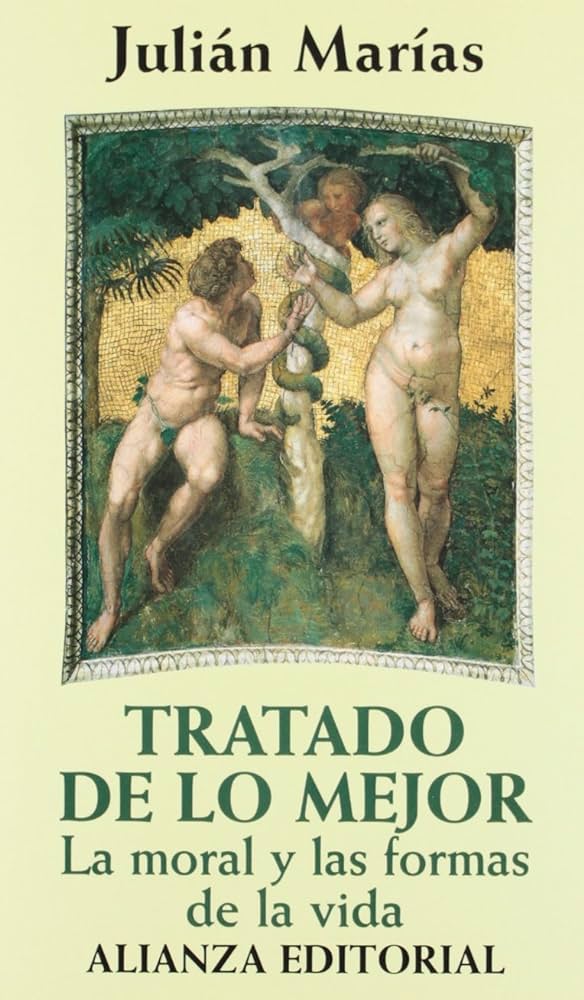
La mitad de la vida como tarea espiritual

(¡Muchas gracias Patricia!)

Fifth Sunday of Easter (Cycle B)

I am the vine, you are the branches,” the Lord says. We have great strength and power when we are attached to, united to the Eternal Vine. We have the life force of the Lord flowing through us. Our strength comes from our union with Christ. We are under the beautiful umbrella tree of Christ’s love. But the beauty of all those leaves is due to the source of their life. They get their life from the main vine. Christ is the source of our beauty. We must fight to stay united to our Lord, our Vine. He is our life blood. We have to pray to him every day. We have to continue to seek his love as he extend it to us. We have to avoid severing our relations with him. «See what love the Father has bestowed on us in becoming children of God,» says St. John in the second reading for this Sunday . Look at all the beautiful parts of our lives. The beauty is there because God is there. Should we lose God we will be cut off from the vine. Cut off from God we also become an eyesore to humanity and to ourselves. But united with him we are a work of divine art.

The Gospel today speaks about bearing fruit. If the branch is united to the vine, it bears much fruit. God calls us to make His message real in the world. He calls us to bring His Love to the world. He is not calling us just to be in His presence. He is calling us to use His Presence to transform the world. Husbands and wives, parents and children, neighbors and friends, priests and laity, are called to live the only Life that matters so completely that others are attracted to that Life, within the home, within the neighborhood and within the world. The Life of Christ is indeed a magnet. When people experience this Life in others they want it for themselves. These people, those who turn to God, are fruit. Our union with God draws them to God. They are the fruit we have been called to bear. «By this is my Father glorified, that you bear much fruit and become my disciples.» We come to Church to praise God, to worship God, but if this is all we do, reverence His Presence here, and then return to a pagan world living like pagans, accepting and even flaunting pagan values, we are not really worshiping God. We are only worshiping God when we take what we experience in church out to a world that longs for His Presence.

The motto for this year Archbishop’s Appeal is to Walk United in Christ. This is what we do every time we are at Mass. We gather so we may be nourished. We are nourished so we may be sent to others. When we live our Christianity in our workplace, at our schools, in our neighborhoods, others experience the Word of God that is within us. And the very Power of God will work through us in ways beyond our understanding, for that is Who God is, the one who is beyond our understanding. When we do this, when we are united to the vine, then we can do the work of the Christian. We can draw others to Him. We can bear fruit. We fight against all evil forces trying to keep us from union with the Vines • AE


St. Dominic Catholic Church • Weekend Schedule

Saturday, April 27, 2024

8.30 a.m. Spiritual Retreat for First Communion Kids.

3.00 p.m. Sacrament of Reconciliation – Fr. Jaime

5.00 p.m. Holy Mass (English) – Fr. Jaime

Sunday, April 28, 2024

7.30 a.m. Holy Mass (English) – Fr. Agustin E.

10.00 a.m. Holy Mass (English) – Fr. Agustin E.

12.30 p.m. Holy Mass (English) – Fr. Jaime P.

3.00 p.m. Santa Misa – P. Paco


V Domingo de Pascua (Ciclo B)

Icono bizantino que representa a Jesús como la Vid a los apóstoles como los sarmientos

La imagen es sencilla pero de una gran fuerza expresiva. Jesús es la vid verdadera, llena de vida y sus discípulos somos los sarmientos que viven de la savia que nos llega de Jesús; el Padre es el viñador que cuida personalmente la viña para que dé fruto abundante. Lo único importante es que se vaya haciendo realidad su proyecto de un mundo más humano y feliz para todos.

Y la imagen pone de relieve dónde está el problema. Hay sarmientos secos por los que no circula la savia de Jesús. Discípulos que no dan frutos porque no corre por sus venas el Espíritu del Señor, comunidades cristianas que languidecen desconectadas de su persona. Por eso se hace una afirmación cargada de intensidad: «el sarmiento no puede dar fruto si no permanece en la vid»: la vida de los discípulos es estéril si no permanecemos en Jesús. Sus palabras son categóricas: «Sin mí no pueden hacer nada». ¿No es esta la raíz de la crisis por la que atravesamos?

Vivir sin una unión vital con Jesucristo no tiene mucho futuro, al final el cristianismo se volvería un tipo de folklore anacrónico que no aportará a nadie la Buena Noticia del Evangelio. La Iglesia no podrá llevar a cabo su misión en el mundo contemporáneo, si los cristianos no nos convertimos en discípulos de Jesús, animados por su espíritu y su pasión por un mundo más humano.

Ser cristiano exige pues una experiencia vital de Jesucristo, un conocimiento interior de su persona y una pasión por su proyecto, que no se requerían para ser practicante dentro de una sociedad de cristiandad. Si no aprendemos a vivir de un contacto más inmediato y apasionado con Jesús, la decadencia de nuestro cristianismo se puede convertir en una enfermedad mortal. Los cristianos vivimos hoy preocupados y distraídos por muchas cuestiones. Es entendible, ¡hay tanto qué hacer! Pero no podemos olvidarnos de lo esencial: somos sarmientos. Sólo Jesús es la verdadera vid. Lo decisivo en estos momentos es permanecer en él: aplicar toda nuestra atención al Evangelio; alimentar en nuestros grupos, redes sociales, comunidades y parroquias el contacto vivo con él; no separarnos de él ni física, ni espiritual ni emocionalmente • AE


¿Ya leíste?

Gaudete et Exultate (texto completo)

Una espiritualidad desde abajo (Texto completo)

Jesús de Nazareth. Desde el Bautismo a la Transfiguración (Texto completo)


FOURTH SUNDAY OF EASTER (Cycle B)

The Catacomb of Priscilla is an archaeological site on the Via Salaria in Rome, Italy, situated in what was a quarry in Roman times. This quarry was used for Christian burials from the late 2nd century through the 4th century. This catacomb, according to tradition, is named after the wife of the Consul Manius Acilius Glabrio; he is said to have become a Christian and was killed on the orders of Domitian. Some of the walls and ceilings display fine decorations illustrating Biblical scenes, images of saints and early Christian symbols, such as the painting reproduced in Giovanni Gaetano Bottari’s folio of 1754, where the Good Shepherd is depicted as feeding the lambs, with a crowing cock on his right and left hand. Simply fascinating!

In today’s gospel, Jesus says that he is the Good Shepherd, and that he gives his life for his sheep. Jesus isn’t talking about sheep here, he’s talking about people. A lot of people don’t like to be compared to sheep. For one thing, sheep are not really smart. Sheep are most of the time getting tangled up in bushes; once in a while one of them would get its head stuck in the fence as it tried to eat the grass just on the other side of it. Sometimes they could be stubborn. When they got sick, they didn’t want to take their medicine. At other times they were timid and fearful. The sheep in Jesus’ time were probably much the same. Maybe that’s why he decided to talk about sheep when he was really talking about people. So, the liturgy of the Church invites us today to consider Jesus as our Good Shepherd, and to take a look into our soul, and to check the disposition of our hearts. Despite our stupidity at times, our stubbornness and fear, he loves us and cares for us. He offers what is good for us, even when we refuse it or want to do something else.

The Good Shepherd, Jesus tells us, has a personal relationship with each of his flock. He stays with us in the midst of danger and hardship. He will not abandon us. He watches over us. He gently calls us when we begin to stray and seeks us out when we are lost. Sometimes, if we think about it, we can experience the Lord in these terms. And yet, there may be other times when the Lord seems absent–we look around and we can’t see him. There are all sorts of voices calling us, but we don’t recognize his. We feel lost, and there is no one–including God, it seems–to show us the way. At times like these, I think Jesus’ description of himself as the Good Shepherd, with all that that entails, can be reassuring to us that the Lord will never abandon us. He will protect us even though we may not see or hear him. Today, as we hear the familiar words of Jesus saying that he is the Good Shepherd, let us put our trust in the one who gives his life for us and leads us to true happiness • AE


St. Dominic Catholic Church Weekend Schedule

Saturday, April 20, 2024

3.00 p.m. Sacrament of Reconciliation – Fr. Jaime

5.00 p.m. Holy Mass (English) – Fr. Jaime

Sunday, April 21, 2024

7.30 a.m. Holy Mass (English) – Fr. Agustin E.

10.00 a.m. Holy Mass (English) – Fr. Agustin E.

12.30 p.m. Holy Mass (English) – Fr. Jaime P.

3.00 p.m. Santa Misa – P. Paco


IV Domingo del Tiempo Pascual (Ciclo B)

Nuestra vida se decide en lo cotidiano. Por lo general, no son los momentos extraordinarios y excepcionales los que marcan más nuestra existencia. Es más bien esa vida ordinaria de todos los días, con las mismas tareas y obligaciones, en contacto con las mismas personas, la que nos va configurando. En el fondo, somos lo que somos en la vida cotidiana. Esa vida, la mayor parte del tiempo, no tiene casi nada de excitante. Está hecha de repetición y rutina. Pero es nuestra vida. Somos seres cotidianos. La cotidianidad es un rasgo esencial de la persona humana. Somos al mismo tiempo responsables y víctimas de esa vida aparentemente pequeña de cada día.

En esa vida de lo normal y ordinario podemos crecer como personas y podemos también echarnos a perder. En esa vida crece nuestra responsabilidad o aumenta nuestra desidia y abandono; cuidamos nuestra dignidad o nos perdemos en la mediocridad; nos inspira y alienta el amor o actuamos desde el resentimiento y la indiferencia; nos dejamos arrastrar por la superficialidad o enraizamos nuestra vida en lo esencial; se va disolviendo nuestra fe o se va reafirmando nuestra confianza en Dios. La vida cotidiana no es algo que hay que solo soportar, es en la normalidad de cada día donde se decide nuestra calidad humana y cristiana. Ahí se fortalece la autenticidad de nuestras decisiones; ahí se purifica nuestro amor a las personas; ahí se configura nuestra manera de pensar y de creer. Rahner decía que para el hombre interior y espiritual no hay mejor maestro que la vida cotidiana. Es asín. Los seguidores de Jesús no caminamos por la vida solos y desamparados. Nos acompaña y defiende día a día el Buen Pastor. Somos las ovejas que escuchamos su voz y le seguimos. Él nos conoce a cada uno y nos regala la vida eterna. Es Cristo quien ilumina, orienta y alienta nuestra vida día a día hasta la (vida) eterna. En el día a día de la vida cotidiana hemos de buscar pues al Señor, en el amor, no en la letra muerta; en la autenticidad, no en las apariencias; en la verdad, no en los tópicos; en la creatividad, no en la pasividad y la inercia; en la luz, no en la oscuridad de las segundas intenciones; en el silencio interior, no en la agitación superficial. Ahí está Jesús, ahí está el Buen Pastor • AE


L. Cranach, El Buen Pastor (c. 1540, óleo sobre tela, Angermuseum (Alemania).

Puerta de Dios en el redil humano
fue Cristo, el buen Pastor que al mundo vino,
glorioso va delante del rebaño,
guiando su marchar por buen camino.
 
Madero de la cruz es su cayado,
su voz es la verdad que a todos llama,
su amor es el del Padre, que le ha dado
Espíritu de Dios, que a todos ama.
 
Pastores del Señor son sus ungidos,
nuevos cristos de Dios, son enviados
a los pueblos del mundo redimidos;
del único Pastor siervos amados.
 
La cruz de su Señor es su cayado,
la voz de la verdad es su llamada,
los pastos de su amor, fecundo prado,
son vida del Señor que nos es dada. Amén. 


Third Sunday of Easter (Cycle B)

St. Albans Psalter, Mary Magdalene announces the Risen Christ (12th century), illuminated manuscripit, St. Albans Abbey (Hertfortshire, England)

During the season of Lent, much of the focus of the liturgy is on sin and forgiveness. We hear about the many ways that people reject God and sin. We read about the effects of sin upon mankind. Now, at Easter time, as we celebrate the new life of the Lord, we, perhaps surprisingly, come upon a Sunday when all three readings reflect upon sin. Peter in the Acts of the Apostles tells the leaders of the Jews that Jesus’ death and resurrection had been predicted by the prophets. John in the second reading says that Jesus is our offering for sin, ours and everybody’s. Luke in the Gospel gives his account of the first meeting of the Resurrected Lord with the Eleven as concluding with the mandate: In the name of Jesus penance for the remission of sins is to be preached to all nations.

The reflections of Easter on sin and penance differ from those of Lent. The focus during Easter is not on the evils of sin but on redemption from sin. With the resurrection of Christ, the world has been transformed. We are no longer mired down by darkness, by evil. The world is being restored to God’s original plan. He has given us life. He has conquered sin, which is death, so that we may be united to his Resurrected Life. There are people in our world who do not know this. There are people in the world who have heard about Christ, about religion, about forgiveness, but have not been led to an experience of the Lord’s forgiveness. These may be the people of the deep, dark night suffering in the world of prostitution, the sex industry or the drug culture. They are exploited so others can become rich. They see their only option in life being to make the best of a terrible situation or end their lives. These people have not witnessed a transformation of life. No one has brought them the witness of the Resurrection. Perhaps the people in darkness are the people of the lonely home and lonely life. They have worked long and hard to get the most out of the world. Their lives and their houses are full of beautiful things. Now that their dreams have been fulfilled, they realize that they are not happy. They need more to life, but there is nothing left for them to buy. No one has brought them the witness of the Resurrection. Perhaps the people who have not witnessed the new life of Jesus are those who move from one new experience to another.

But we are all called to be witnesses of the faith. There are so many people whose lives are meaningless because no one has given them witness to the new and better and transformed life of the Lord. They depend on us to give this witness, us, not just in the concept of the Church, but us as each individual reflecting the New Life of the Lord in his or her life. There are people in the world who will accept your witness to Jesus Christ because they have come to know and respect you. They need you to lead them to God. They need you to lead them from a meaningless life. They need you to be a witness to freedom from darkness and sin, a witness to the New Life, a witness to the Resurrection. May we fulfill the mission that Christ gave us when he called us to tell the world that He Lives • AE

Regina Caeli

Regina caeli (Ecclesiastical Latin for Queen of Heaven) is a musical antiphon addressed to the Blessed Virgin Mary that is used in the liturgy of the Roman Rite of the Catholic Church during the Easter season, from Easter Sunday until Pentecost. During this season, it is the Marian antiphon that ends Compline (Night Prayer) and it takes the place of the traditional thrice-daily Angelus prayer. In the past, the spelling Regina coeli was sometimes used, but this spelling is no longer found in official liturgical books •


St. Dominic Catholic Church • Weekend Schedule

Saturday, April 13, 2024

3.00 p.m. Sacrament of Reconciliation – Fr. Jaime

5.00 p.m. Holy Mass (English) – Fr. Jaime

Sunday, April 14, 2024

7.30 a.m. Holy Mass (English) – Fr. Agustin E.

10.00 a.m. Holy Mass (English) – Fr. Agustin E.

12.30 p.m. Holy Mass (English) – Fr. Jaime P.

3.00 p.m. Santa Misa – P. Paco


III Domingo de Pascua (Ciclo B)

Francisco de Goya, El Entierro de la Sardina (1812), óleo sobre tela, Real Academia de San Fernando (Madrid)

Dice el Evangelio de este domingo, el tercero de Pascua, que los apóstoles no acababan de creer por la alegría.  Reír es propio de los seres humanos. Ninguna otra criatura se ríe. La risa es la manifestación más expresiva de la alegría interior. Algo que le nace de modo natural a quien vive disfrutando de la vida. Junto con la sonrisa, puede manifestar el gozo y la jovialidad de quien vive en paz consigo mismo, con los demás y con Dios. La risa ha estado, sin embargo, muchas veces bajo sospecha entre los cristianos. Reír era considerado, en algunas tradiciones ascéticas, poco digno de la seriedad y gravedad que ha de caracterizar a quien se relaciona con Dios (así como lo lees). Una manifestación excesivamente mundana, más propia de personas de vida relajada que de cristianos de fe madura. Sin embargo, resulta sorprendente con que la Biblia alude a la alegría en todos sus matices de gozo, paz interior, exultación o júbilo. Naturalmente hay muchos tipos de risa. Todos conocemos la risa irónica y burlona que pone al otro en ridículo, la risa sarcástica que hace daño, o la vengativa que hiere y destruye. La risa sana es diferente. Nace de la alegría interior, relaja las tensiones y favorece la libertad. Es risa benevolente que aproxima a las personas, crea confianza y ayuda a vivir. Freud decía que el humor es un elemento liberador. Y hay también una risa propia del creyente. Nace como respuesta gozosa al amor de Dios. Brota de la confianza total y expresa compasión y cariño hacia toda criatura. P. Berger la llama «risa redentora». Esta risa hace la vida más saludable y llevadera. Es una victoria sobre el malhumor, la impaciencia o el desaliento. No se ríen los fanáticos, los intolerantes o amargados. Se ríen los que se enfrentan a la vida de manera sana y liberada. Pascua ha sido desde antiguo un tiempo de gozo intenso. Tertuliano lo llamaba «laetissimum spatium», un espacio de tiempo lleno de inmensa alegría. Dos palabras resumen el clima que el Resucitado crea con su presencia: gozo y paz. Los apóstoles no acaban de creer por la alegría. Entoncs una de dos: o el cristianismo es demasiado grande y hermoso para ser creído, o hemos de recordar un día y  otro también aquellas palabras tan maravillosas de san Pablo: «Estad siempre alegres en el Señor. Os lo repito: estad alegres. El Señor está cerca» • AE


¿Qué lees éstos días?