Feast of Our Lady of Guadalupe (2022)

Today we celebrate the Feast of Our Lady of Guadalupe, a day when we remember how the Blessed Virgin Mary appeared to St. Juan Diego in 1531 in Mexico. The story of her appearance resulted in the conversion of many people, so on today we ask for her intercession, that she may pray for each of our hearts to be ever more fully converted to her Son. Today we are invited to look at her sweet face, and look at her eyes full of peace, talk to her and tell her everything that is in our hearts. Today more than ever, we need to feel her maternal tenderness. Deep in her heart, Mary is a mother who loves us. She doesn’t ask for anything for herself. All for Jesus! Last Sunday, our first reading at Mass was from the prophet Isaiah. It talked about John the Baptist being the voice that cried out in the wilderness, urging the people of Israel to prepare the way of the Lord. John the Baptist was the fulfillment of the prophecy of Isaiah that a messenger would come before the Messiah. As Mary visits her sister, as soon as Elizabeth hears Mary’s greeting, John leaps in the womb. He was aware of the presence of the Son of God and it made Elizabeth aware. And it allowed her to give honor to Mary, who had such an incredible faith that, even in spite of the uncertainty of being asked to be the mother of the Savior, believed that God would take care of her. Mary believed that the Lord would be with her, accompanying her throughout this journey into motherhood. Do we have that same faith? Do we believe that in the uncertainty of our lives that the Lord will always be there with us in the midst of it? Do we believe that He dwells among us? As Christians, we have become sons and daughters of God, we have become members of the new Chosen People. And so, the promise that He made to the Israelites has now been extended to us. God has also come to dwell among us. Because of our baptism, the Spirit of God dwells within us. We simply have to cooperate with the Spirit and allow Him to transform our hearts so that we can become ever more aware of that presence. As we journey through the remainder of Advent, let’s continue to make that our prayer…that the Lord may continue to prepare the way of the Lord within our hearts, transforming them from the inside out • AE


Fr. Agustin´s Schedule for the Feast of Our Lady of Guadalupe (2022)

Monday December 12, 2022

5.30 a.m. Mañanitas a la Santísima Virgen y Santo Rosario at the main church

6.00 a.m. Bilingual Mass at the main church

8.30 a.m. English Mass at the main church

6.00 p.m. Bilingual Mass at the main church


Fiesta de Nuestra Señora de Guadalupe (2022)

Concepción Avila, Nuestra Señora de Guadalupe (1885), óleo sobre cobre, Brigham Young University Museum of Art

(Del Nicán Mopohua, relato del escritor indígena del siglo dieciséis don Antonio Valeriano)

El año de 1531, pasados algunos días del mes de diciembre, sucedió que un indio pobre y afable, llamado Juan Diego, originario, según se dice, de Cuauhtitlan, cuyo cuidado pastoral pertenecía a los religiosos de Tlaltelolco, un sábado, muy de mañana, iba a Tlaltelolco en pos de las cosas divinas. Mas al llegar a la colina llamada Tepeyac, ya amanecía. Escuchó un canto de arriba del cerrillo, y, cuando cesó y no se escuchó más, oyó que lo llamaban desde la cumbre de la colina: «Amado Juan Diego», le decía. De inmediato se atrevió a subir allá a donde era llamado.

Cuando llegó a la cima, vio a una Señora que estaba ahí de pie, que le llamó junto a sí. Cuando llegó a su presencia, quedo estupefacto de cuán bella era: su vestido resplandecía como el sol. En seguida la Virgen le declaró su voluntad. Le dice: «Entérate, hijo queridísimo, que soy la perfecta siempre Virgen Santa María, Madre del verdaderísimo Dios, Autor de la vida, el que creó y sostiene todas las cosas, del Señor del Cielo y de la Tierra. Muchísimo quiero, ardientemente deseo, que en este lugar se edifique mi templo donde lo mostraré, lo alabaré al manifestarlo, lo entregaré a Él que es todo mi Amor, Compasión, Auxilio y Defensa, porque, en verdad yo soy vuestra Madre compasiva, tuya y la de todos los que en esta tierra estáis en uno, y de cualesquiera otros que me aman, que me buscan, que devota y confiadamente me invoquen. Allí escucharé sus lágrimas y tristezas, los auxiliaré en sus angustias y brindaré remedio a toda tribulación. Y para que se cumpla este deseo mío, ve a la Ciudad de México al palacio del Obispo. Le dirás que yo te envío, para hacerle saber cómo yo deseo que se me edifique aquí una casa, que se me erija aquí en el llano un templo.»

Cuando llegó a la ciudad, en seguida fue a la casa del Obispo, cuyo nombre era Juan de Zumárraga, de la Orden de San Francisco, pero cuando el prelado escuchó a Juan Diego, no creyéndole del todo, le respondió: «Hijo, vendrás de nuevo y aún te oiré. Yo pensaré qué conviene hacer respecto a tu voluntad, tu deseo.»

Otro día vio a la Reina del Cielo que bajaba de donde la había visto, y le vino al encuentro junto a la colina, lo detuvo y le dijo: «Escucha, hijo amado, de ninguna manera temas ni se angustie tu corazón, ni hagas nada por la enfermedad de tu tío o por cualquier otra angustia. ¿Acaso no estoy yo aquí, que soy tu madre? ¿Acaso no estás bajo mi sombra y amparo? ¿No soy yo la fuente de tu vida y alegría? ¿No te llevo en mi regazo, en el cruce de mis brazos? ¿Acaso necesitas cualquier otra cosa? No te aflijas ni te acongojes. Sube -le dijo- hijo querido, al cerrito, al lugar donde me viste y hablé contigo. Allí verás diversas flores. Córtalas y reúnelas y luego baja para traerlas ante mí.»

Bajó, pues, Juan Diego y le trajo a la Reina del Cielo las flores que había recogido. Ella, al verlas, las tomó con sus venerables manos y volvió a colocarlas en la tilma de Juan Diego, diciéndole: «Hijo amadísimo, estas flores son la señal que llevarás al Obispo. Y tú, tú eres mi mensajero a cuya fidelidad me encomiendo. Te mando con rigor que no despliegues tu tilma ante nadie que no sea el Obispo, y le muestres lo que llevas. Así mismo le contarás cómo te ordené que subieras al cerrito y que allí recogieras las flores, y todo lo que viste y admiraste, para que te crea y se encargue de erigir el templo que deseo.»

Habiéndole mandado esto la Reina del Cielo, tomó el camino a México. Iba alegre, porque todo saldría bien. Habiendo entrado, se postró ante el Obispo y le refirió todo lo que había visto y a lo que había sido mandado con él. Le dijo: «Señor, cumplí lo que me pediste. Fui a decirle a mi Señora, la Reina del Cielo, Santa María, la Madre de Dios, que tú pedías una señal para creerme y para que levantes el templo que la misma Virgen desea. Le dije que te había dado mi palabra de traerte algún signo de su voluntad. Oyó lo que deseabas y lo aceptó de buen grado que lo pidieras para cumplir su voluntad y hoy, muy temprano, me mandó que viniera a verte de nuevo.»

Acudió toda la ciudad, observaban la venerable imagen, se admiraban, la veían como obra divina, le rezaban. Y ese día dijo el tío de Juan Diego cuál debía ser la advocación de la Virgen, y que su imagen se llamara Santa María siempre Virgen de Guadalupe •


Third Sunday of Advent (Gaudete Sunday-Cycle A)

Giovanni di Paolo, Saint John the Baptist in Prison Visited by Two Disciples (1455), oil on canvas, Art Institute of Chicago

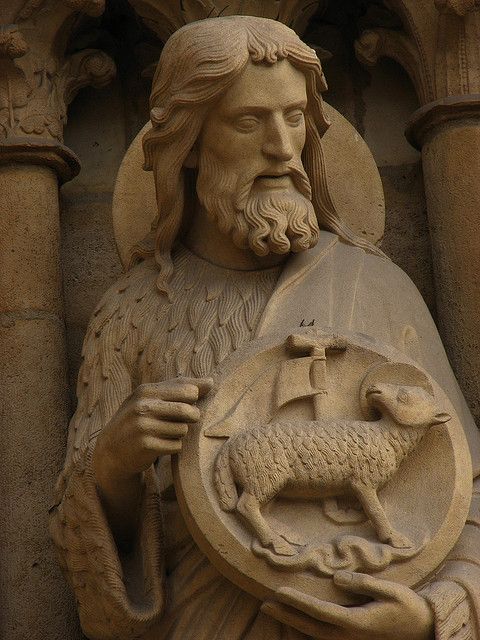
Even in the prison of Machaerus, where he’s locked up by Antipas, news of Jesus reaches John the Baptist. What he hears is really…disturbing, or at least confusing; it doesn’t respond to his expectations. He awaits a Messiah who prevails with the terrible power of God’s judgment, saving those who welcomed his baptism, and condemning those who have rejected it. So, who is this Jesus? To resolve his doubts, he charges two of his disciples to ask Jesus about his true identity: «Are you the one who is to come or are we to expect someone else? » This question was crucial in the first days of Christianity. Jesus’ answer is very concrete and precise: tell John «What you hear and see». They’re asking him about his identity, and Jesus answers them with his healing action serving the sick, the poor, and the unfortunate who he meets throughout the villages of Galilee, without resources or hope for a better life: «The blind see again, and the lame walk, those suffering from virulent skin-diseases are cleansed, and the deaf hear, the dead are raised to life and the good news is proclaimed to the poor». So, in order to get to know Jesus better, we have to see to whom He is dedicated. In order to capture well his identity, it’s not enough to confess theoretically that he is the Messiah, the Son of God. It’s necessary to focus on his way of being Messiah, that means relieving suffering, healing life and opening up a horizon of hope for the poor. Jesus knows that his answer can disappoint those who dream of a powerful Messiah. That’s why he adds: «Blessed is anyone who does not find me a cause of falling». So, let no one wait for another Messiah doing any other kinds of works; let no one invent another Christ more to our liking, since the Son has been sent to make life more dignified and happier for everyone. What kind of Messiah do we Christians, Catholic people follow today? Do we dedicate ourselves to do the works that Jesus did? And if we do not do them, what are we doing in the midst of our world? What do people see and hear in Jesus’ Church? What do they see in our particular lives? What do they hear in our words? As you can see, this morning we have many and serious questions for our prayer and coffee time (both) with the Lord • AE

Gaudete in Domino semper: iterum dico, gaudete!

Rejoice greatly, O daughter of Zion,

shout, O daughter of Jerusalem,

behold, thy King cometh unto thee.

He is the righteous Saviour,

and He shall speak peace unto the heathen.

Rejoice greatly, O daughter of Zion,

shout, O daughter of Jerusalem,

behold, thy King cometh unto thee.

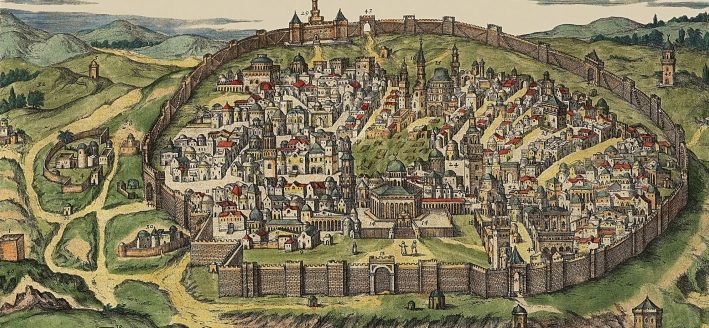
The “daughter of Zion” is mentioned several times in the Old Testament, usually in prophecy and once in poetry. “Zion” meant Jerusalem and, later, Israel as the people of God. “Daughter of Zion,” then, does not refer to a specific person. It’s a metaphor for Israel and the loving, caring, patient relationship God has with His chosen people.


Fr. Agustin´s Schedule for Third Sunday of Advent (Gaudete Sunday)

Saturday, December 10, 2022

Sacrament of Baptism for Francis Anthony Canada @ 10.00 a.m. (Main Church)

Sacrament of Reconciliation @ 3.00 p.m. (Confessional)

Sunday, December 11, 2022

12.00 p.m. Holy Mass @ Main Church

3.00 p.m. Santa Misa en Español @ Main Church


III Domingo de Adviento (Ciclo A)

Francisco de Goya, El entierro de la sardina (1812-1819), óleo sobre tela, Real Academia de Bellas Artes de San Fernando, (Madrid)

Chesterton pone en boca de sus mejores personajes, el Padre Brown, una frase que siempre me ha gustado mucho: “La alegría es el gigantesco secreto del cristiano»[1]. Sí: nuestra fe cristiana es una gran fuente  de alegría. Verdad vieja. Tan vieja como las cartas de S. Ignacio de Antioquia, que incluso cuando ya se sabía trigo de Cristo, se dirigía a sus fieles deseándoles «muchísima alegría”[2]. En el mundo también hay alegría, es cierto; pero una alegría que dura poco. Alegría como de diversiones estúpidas. La fuente de nuestra perenne alegría debe brotar más hondo: la alegría viene de un fondo de serenidad que hay en el alma. El motivo de nuestra alegría es porque Dios está cerca y porque viene a nosotros como Salvador, como Libertador. Ahí está la raíz de nuestra alegría, en que hemos sido rescatados del poder del pecado e invitados al recibir constantemente la gracia. En que Dios se ha hecho de nuestra carne y de nuestra sangre. En que su Madre es también madre nuestra y su vida es nuestra vida. En que somos pequeños y miserables, y llenos de defectos, para que en nosotros resplandezca el poder y la misericordia de Dios. Este domingo, el tercero de Adviento al que la Iglesia lo llama Gaudete[3], volvemos a ir la voz del Bautista, de ese hombre cuy vida áspera y dura está comprendida humanamente por dos soledades: la soledad del desierto y la soledad de la prisión, pero al mismo tiempo se apoya en momentos de júbilo y de alegría. Dijo su madre Isabel: “Apenas llegó a mis oídos la voz de tu saludo saltó de gozo el niño en mi seno”[4]. Estamos en el corazón del Adviento. El mensaje de la Palabra es optimista. El Señor nos invita a estar alegres, pero alegres . Él quiere cambiar nuestro corazón. Él nos anima a trabajar para transformar nuestra vida y nuestra sociedad. En efecto, el Señor está cerca, el Señor está entre nosotros. No podemos aceptar las cosas tal como son. Debemos ser portadores de la Buena Noticia, de la alegría y de la esperanza • AE

[1] Gilbert Keith Chesterton (1874-1936), más conocido como G. K. Chesterton, fue un escritor y periodista británico de inicios del siglo XX. Cultivó, entre otros géneros, el ensayo, la narración, la biografía, la lírica, el periodismo y el libro de viajes. Se han referido a él como el «príncipe de las paradojas».

[2] Ignacio de Antioquía es uno de los padres de la Iglesia y, más concretamente, uno de los padres apostólicos por su cercanía cronológica con el tiempo de los apóstoles. Es autor de siete cartas que redactó en el transcurso de unas pocas semanas, mientras era conducido desde Siria a Roma para ser ejecutado. El descubrimiento y la identificación de las cartas de Ignacio se produjeron a lo largo de los siglos XVI y XVII, tras un arduo y polémico proceso. La temática «procatólica» de las cartas soliviantó los ánimos de teólogos protestantes como Juan Calvino, que las impugnaron enérgicamente. La polémica entre católicos y protestantes continuó hasta el siglo XIX, en que se alcanzó un consenso sobre cuántas cartas, cuáles y en qué medida fueron escritas realmente por Ignacio. Desde entonces, la opinión mayoritaria, pero no indiscutida, es que Ignacio escribió cartas a las comunidades cristianas de Éfeso, Magnesia del Meandro, Trales, Roma, Filadelfia y Esmirna, además de una carta personal al obispo Policarpo de Esmirna.

[3] En latín Gaudete quiere decir «regocijaos», «alégrense», «estad alegres». Se define así a este día por ser Gaudete la primera palabra que se menciona en la celebración litúrgica, específicamente en el introito. El uso del término deriva de un pasaje de la Epístola a los filipenses.

[4] Lc 1, 44.


Solemnity of the Immaculate Conception of the Blessed Virgin Mary (2022)

Basilio de Santa Cruz Pumacallao, Immaculate Virgin Victorious over the Serpent of Heresy (ca. 1680), oil on canvas, Lima Museum of Art (Peru)

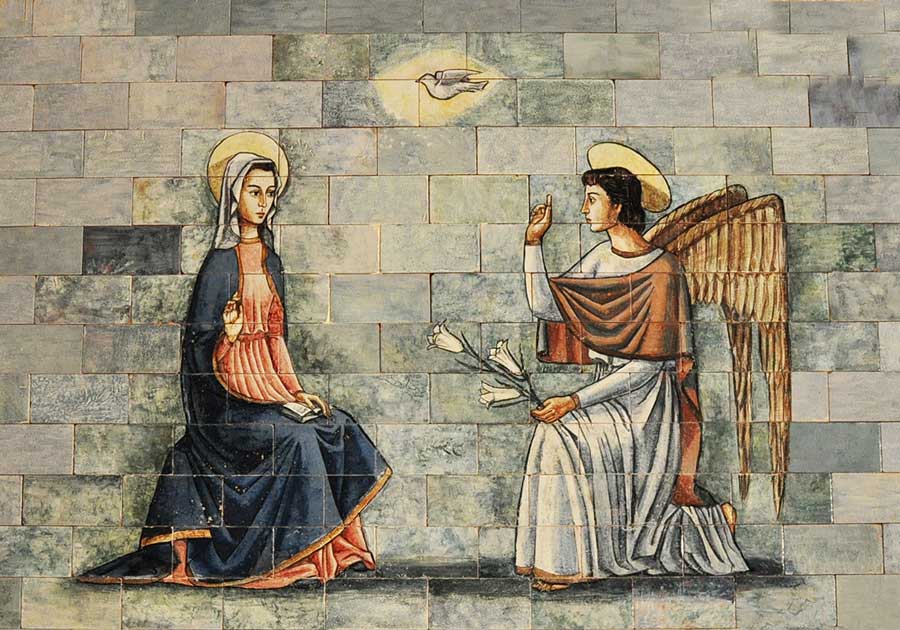
This is a bit confusing. This celebration, the Immaculate Conception of the Blessed Virgin Mary, is about Mary’s beginning within her mother, Anne, nine months before she was born.  The feast is about her conception.  But the Gospel is the Gospel of the Annunciation.  The Gospel is about Jesus’ conception within Mary. If we delve deeper into the celebration, though, today’s gospel is really the right gospel for this feast.   God had a plan to restore His life to mankind. His holiness would come into the world as the New Adam, the Perfect One. The Perfect One would respond to the God the Father with obedience. The Perfect One would save mankind through sacrificial love. The Perfect One would become a human being.  But how could God’s holiness be formed within a sinful person? How could someone whose soul carried the death of sin give birth to the Lord of Life?  A woman would have to be formed who would be fully related to God. The future Grace of the Resurrection would be given to her. And so Mary was conceived without sin, the Immaculate Conception. Still, God’s plan was not forced on Mary.  She could have chosen not to become the mother of the Lord. She was without sin, but not without free will! Adam and Eve were created without sin. But they chose not to be obedient to God’s plan. Big difference. Mary could have done the same.  She could have thought that others would persecute her and mock her for getting pregnant before living with her husband.  She could have feared that Joseph would reject her. She could have realized that her life would be very difficult if she said “Yes”.  Only, she chose God no matter what toll this would take on her. She chose to allow God to enact His plan. So, today’s Gospel is the right one for the Immaculate Conception because it relates how the Immaculate Conception bore fruit: Mary remained united to God.  She would allow his plan to take place within her. We who are related to God by the grace of our baptism are also given opportunity after opportunity to allow his plan to reach its fulfillment within us.  We are called upon to be loving in a world that celebrates hatred.  We are called to be giving to those who want to take everything they can from us. We can choose just as Mary chose. Or we can reject God and follow the choice of Adam and Eve. Choosing God’s plan may appear to be so much harder than pushing God aside and caring only for ourselves.  But happiness and joy can only be present where God is present. Has there ever been a saint, canonized or not canonized, who has not died happy? All people who die united to God die with the deep joy of knowing that they have been part of His Plan. Like Mary, we have the choice of our lives set before us. Will we choose God or choose to go our own way?  Let us ask today for the intercession of Our Lady to obtain for us the grace we need to assume our role in God’s plan • AE


TOTA PULCHRA EST MARIA!


Fr. Agustin Schedule for the Solemnity of the Immaculate Conception of the Blessed Virgin Mary (2022)

St. Dominic Catholic Church

Wednesday December 7, 2022

4.00 p.m. to 6.00 p.m. Sacrament of Reconciliation (@ Main Church)

6.00 p.m. Vigil Mass (@ Main Church)

Thursday December 8, 2022

8.30 a.m. English Mass (@ Main Church)

6.00 p.m.  Bilingual Mass (@ Main Church)


Solemnidad de la Inmaculada Concepción de la Santisima Virgen María (2022)

Francisco de Zurbarán, La Inmaculada Concepción (1632), óleo sobre tela, Museo Nacional de Arte de Cataluña (Barcelona)

En vísperas de la Navidad, la liturgia nos presenta la figura de María acogiendo en gozo a Dios en su vida. Como nos enseñó el Concilio, María es modelo para la Iglesia. De ella podemos aprender a ser más fieles a Jesús y su evangelio. ¿Cuáles podrían ser los rasgos de una Iglesia más mariana en nuestros días? Una Iglesia que fomenta la «ternura maternal» hacia todos sus hijos cuidando el calor humano en sus relaciones con ellos. Una Iglesia de brazos abiertos, que no rechaza ni condena, sino que acoge y encuentra un lugar adecuado para cada uno. Una Iglesia que, como María, proclama con alegría la grandeza de Dios y su misericordia también con las generaciones actuales y futuras. Una Iglesia que se convierte en signo de esperanza por su capacidad de dar y transmitir vida. Una Iglesia que sabe decir «sí» a Dios sin saber muy bien a dónde le llevará su obediencia. Una Iglesia que no tiene respuestas para todo, pero busca con confianza, abierta al diálogo con los que no se cierran al bien, la verdad y el amor. Una Iglesia humilde como María, siempre a la escucha de su Señor. Una Iglesia más preocupada por comunicar el Evangelio de Jesús que por tenerlo todo definido. Una Iglesia del Magníficat, que no se complace en los soberbios y ricos de este mundo, sino que busca pan y dignidad para los pobres y hambrientos de la Tierra, sabiendo que Dios está de su parte. Una Iglesia atenta al sufrimiento de todo ser humano, que sabe, como María, olvidarse de sí misma y salir de prisa para estar cerca de quien necesita ser ayudado. Una Iglesia preocupada por la felicidad de todos los que «no tienen vino» para celebrar la vida. Una Iglesia que anuncia la hora de la mujer y promueve con gozo su dignidad, responsabilidad y creatividad femenina. Una Iglesia contemplativa que sabe guardar y meditar en su corazón el misterio de Dios encamado en Jesús para transmitirlo como experiencia viva. Una Iglesia que cree, ora, sufre y espera la salvación de Dios anunciando con humildad la victoria final del amor • AE


¡SALVE MADRE!


Second Sunday of Advent (Cycle A)

Thomas Hudson, George Frideric Handel, oil on canvas, National Gallery of Art (London)

In today’s Gospel reading John the Baptist confronted people who thought they were entitled. The Sadducees and Pharisees and many of the people He spoke to thought they were entitled to the Kingdom of God simply because they were Jewish. He called them a brood of vipers. They thought that they had a right to salvation simply because they were sons of Abraham, Hebrews. “God can raise up sons of Abraham from these rocks,” the Baptist yelled. «Stop making presumptions,» the Baptist warns them….and us. The message for the Second Sunday of Advent is «prepare» or, more precisely, «Don’t presume; instead prepare.» We have been brought into the sacred through the merciful gift of God that is our baptism. When we refuse to live our faith, we are treating our baptism as a mere ritual act. We are entitled to nothing other than the fruit of our Christian life. George Frederick Handel understood this. He lived during the first half of the 18th century. All of us, even if we have only a smattering of knowledge of classical music, are well aware of his greatest work, the Messiah Oratorio. Christmastime brings innumerable performances this masterpiece and its rousing conclusion, the Hallelujah Chorus. Did you know that Handel never received a penny for this his greatest work? Whatever money the work made in his lifetime went to the London Foundling Hospital, a poor orphanage. It was not that Handel was a rich man at that time. In fact he was very poor. He had gone bankrupt. And then he suffered a paralyzing stroke. Handel had been rich and famous. There was a day when he was the most important composer in Europe. He was lured to England to direct the London Royal Academy of Music. But 25 years later, his operas lost their appeal. By age 52 he was deeply in debt. And then he had the stroke. A few years later, in 1742, Handel was asked to write an oratorio based on meditations on the Life of Christ written by one his close friends, Charles Jennen. Handel felt inspired by God. He completed the work in 24 days. He refused any commission for the initial performances because he said that this was God’s work. He had received the gift of music from the Lord and was paying Him back by giving the gift of loving God through music to the Lord’s people. Although the Oratorio was acclaimed, the London clergy was vehemently against it. It was too modern for them. Some called it a sacrilege and even blasphemy. The Anglican Church influenced what would be performed in the concert halls of London, so The Messiah would not be performed there. This made no difference to Handel. He gave the piece to the London Foundling Hospital for its fund raising. Every year for the next 20 years, Handel rehearsed and directed the Oratorio at sites determined by the hospital. And he did this for free. Handel did not feel entitled to anything other than that which the Lord gives to His faithful servants. Handel did not presume. He prepared. Entitlement is the way of the selfish. Sacrifice is the way of the Christian. «Prepare the way to the Lord,» John the Baptist enjoins us. Live in such a way that others will welcome the Lord into their lives. «Stay awake,» we heard last week. «Prepare,» we hear this week. Stay awake for the opportunities to serve the Lord. Prepare to find Him • AE


Readings for the Season of Advent


Fr. Agustin’s Schedule for The Second Sunday of Advent (2022)

St Dominic Catholic Church

Saturday November 3, 2022

10.00 a.m. Sacrament of Baptism for Aiden Arguello.

11.00 a.m. Sacrament of Baptism for Humberto Celis.

1.30 p.m. Funeral Mass for Deacon Harry Flavin (Our Lady of Grace Catholic Church)

3.30 p.m. Sacrament of Reconciliation (Confessional)

5.00 p.m. Holy Mass (English @ Main Church)

Sunday November 4, 2022

7.30 a.m. Holy Mass (English @ Main Church)

10.00 a.m. Holy Mass (English @ Main Church)


Segundo Domingo de Adviento (Ciclo A)

Francesco Solimena, San Juan Bautista (1730), óleo sobre tela, Museo Nacional del Prado (Madrid)

La figura del Bautista resulta a veces un tanto sombría. Su predicación gira en torno al juicio inminente de Dios. Llega ya el Juez Supremo. Nadie se librará de su terrible juicio. «Ya está el hacha puesta a la raíz de los árboles» (Mt 3, 10). Lo único que nos queda es hacer penitencia, volver al cumplimiento de la ley para evitar el castigo. No son sólo palabras. El Bautista se convierte con su vida en símbolo de este mensaje amenazador. Se retira al desierto y hace vida de ayuno y penitencia. El Bautista no acoge a los que sufren, no se acerca a los leprosos, no cura a los enfermos, no perdona a los pecadores, no bendice a los niños. Lo suyo es predicar el juicio de Dios, bautizar y llamar a hacer penitencia. El Bautista introduce en los corazones un poco de miedo, entiende la religión como espera y preparación de su juicio terrible. Pero he aqui que la aparición de Jesús representa algo nuevo y sorprendente. Su predicación ya no se centra en el juicio de Dios. El que llega no es un Juez airado, sino un Padre que quiere reinar y ser acogido y que busca una vida más digna y dichosa para todos. Desde luego que Jesús no oculta el riesgo de quedarse fuera, pero Dios ofrece su perdón gratuito a todos, incluso a los paganos y pecadores. El mismo Jesús se convierte en el mejor símbolo de ese Dios bueno. No vive ayunando en el desierto, sino comiendo con pecadores. No le llaman bautizador, sino «amigo de publicanos y pecadores». Jesús defiende a los débiles, cura a los enfermos, perdona a los pecadores, bendice a los niños. Jesús introduce en los corazones confianza en un Dios bueno porque entiende la religión no como la preparación de un juicio, sino como la acogida de un Dios Padre que quiere vernos convivir como hermanos. Juan fue un gran hombre. Según Jesús, «el mayor entre los nacidos de mujer». Pero entre Juan y Jesús no hay confusión posible. «La Ley y los Profetas llegaron hasta Juan; a partir de entonces se anuncia la Buena Noticia del Reinado de Dios». No nos podemos quedarnos solamente en Juan. Los cristianos seguimos a Jesús, no al Bautista. La nuestra no es una religión fincada en el miedo, sino de la confianza en Dios. La penitencia es una parte del camino, y la actitud es ser misericordiosos como el Padre es misericordioso • AE


Lecturas para el Tiempo de Adviento


First Sunday of Advent (2022)

Georges de La Tour (French, 1593–1652), The Magdalen with the Smoking Flame (ca. 1635–37), Oil on canvas. Los Angeles County Museum of Art (California)

The Gospel speaks about the suddenness of the end of time, be that the end of all time or the end of our own particular time. We have to be ready because the Lord will Come a Second Time when we least expect. As long as we are doing our best to live as his sons and daughters, we really don’t have anything to fear. In fact, we can look forward to the times prophesied by the first reading from Isaiah, a time when there will be at peace, a time when swords will be beaten into plowshares and spears into pruning hooks, and aircraft carriers into skateboard parks and tanks into chicken coops. The only thing we have to do, according to the conclusion of the first reading, is walk in the light of the Lord. What does that mean, though, “to walk in the light of the Lord.” St. Paul clarifies this in today’s second reading. He says that we need to throw off the works of darkness and put on the armor of light. We need to conduct ourselves properly as in the day. We need to put on Jesus Christ and make no provision for the desires of the flesh. We need to walk in the Light of the Lord. Isn’t it amazing how things that do not belong to the Lord tend to be covered in darkness? Be they places that no Christian should go or actions that no Christian should do, it seems that there is a commonality to all immorality that much of it takes place in dark places. So we have to ask ourselves, do I want to pray over a particular decision or course of action be it in business, family, work? Or would I rather not pray over it? Would I rather just do something without considering my dignity as a son or daughter of God? Do I prefer the selfishness of the darkness over the selfless ness of the Light of Christ? Do I recognize my responsibility to others to live in the light? So, this First Sunday of Advent is inviting us to stay awake. Awake now and at the end of time. May we have the enough wisdom to distinguish what belongs to the darkness and what to the Light • AE


Fr. Agustin’s Schedule for The First Sunday of Advent (2022)

St Dominic Catholic Church

Saturday November 26, 2022

3.30 p.m. Sacrament of Reconciliation (Confessional)

Sunday November 27, 2022

12.30 p.m. Holy Mass (English Mass @ Main Church)

3.00 p.m. Santa Misa en Español (@ iglesia principal)


Primer Domingo de Adviento (2022)

V. Van Gogh, La siesta, (1889), óleo sobre tela, Musée d’Orsay (Paris)

Un día la historia apasionante de los hombres terminará, como termina inevitablemente la vida de cada uno de nosotros. Los evangelios ponen en boca de Jesús un discurso sobre este final, y siempre destacan una exhortación: «vigilad», «estad alerta», «vivid despiertos». Las primeras generaciones cristianas dieron mucha importancia a esta vigilancia. El fin del mundo no llegaba tan pronto como algunos pensaban. Sentían el riesgo de irse olvidando poco a poco de Jesús y no querían que los encontrara un día dormidos. Han pasado muchos siglos desde entonces. ¿Cómo vivimos los cristianos de hoy?¿Seguimos despiertos o nos hemos ido durmiendo poco a poco? ¿Vivimos atraídos por Jesús o distraídos por toda clase de cuestiones secundarias? ¿Le seguimos a él o hemos aprendido a vivir al estilo de todos? Vigilar es antes que nada despertar de la inconsciencia. Vivimos el sueño de ser cristianos cuando, en realidad, no pocas veces nuestros intereses, actitudes y estilo de vivir no son los de Jesús. Este sueño nos protege de buscar nuestra conversión personal y la de la Iglesia. Sin despertar, seguiremos engañándonos a nosotros mismos. Vigilar es vivir atentos a la realidad. Escuchar el llanto del que sufre. Sentir el amor de Dios a la vida. Vivir más atentos a su venida a nuestra vida, a nuestra sociedad y a la tierra. Sin esta sensibilidad, no es posible caminar tras los pasos de Jesús. Vivimos inmunizados a las llamadas del evangelio. Tenemos corazón, pero se nos ha endurecido. Tenemos los ojos abiertos, pero no escuchamos lo que Jesús escuchaba. Tenemos los ojos abiertos, pero ya no vemos la vida como la veía él, no miramos a las personas como él las miraba. Puede ocurrir entonces lo que Jesús quería evitar entre sus seguidores: verlos como «ciegos conduciendo a otros ciegos». Si no despertamos, a todos nos puede ocurrir lo de aquellos de la parábola que todavía, al final de los tiempos, preguntaban: «Señor, ¿cuándo te vimos hambriento o sediento o extranjero o desnudo o enfermo o en la cárcel, y no te asistimos?» • AE