Solemnity of Saint Joseph, spouse of the Blessed Virgin Mary (2023)

Dios te salve, José, lleno de la gracia divina.
Entre tus brazos descansó El Salvador y ante tus ojos creció.
Bendito eres entre todos los hombres,
y bendito es Jesús, el hijo divino de tu Virginal Esposa.
San José, padre adoptivo de Jesús,
ayúdanos en nuestras necesidades familiares, de salud y de  trabajo,
hasta el fin de nuestros días, y socórrenos a la hora de nuestra muerte. Amén”.


There is a movie from the early fifties, «The Quiet Man» starring screen legends John Wayne, Maureen O’Hara and Barry  Fitzgerald. It took place in Ireland, where John Wayne had returned after a boxing career in the US to find some peace and quiet, hence the film’s title «The Quiet Man.» Ironically, he fell in love and found just the opposite.  Today is the solemn feast of St. Joseph, the Spouse of Mary. If a film would be made of his life today, I think it might also be called «The Quiet Man» but with a different storyline than that portrayed by John Wayne. St. Joseph was truly «the quiet man» in the history of human salvation. Holy Scripture does not have much to say ABOUT him nor does it contain much of a record ABOUT THING HE SAID. And, yet, his quiet and unassuming role in the lives of the Blessed Virgin Mary and her Divine Son Jesus have earned him an unforgettable and amazing place in our Christian faith. He was husband of the Blessed Virgin Mary. If it were not for that fact, if it were not for her, the world would never have heard of this «quiet man.» He loved a young Jewish maiden who said «yes» to God in complete trust and confidence and he joined her in that «yes.» St. Joseph and the world would never be the same. For the Christian, Joseph as «husband of Mary» is the model of openness to God’s will. Joseph was the «foster-father of the Lord Jesus.» St. Thomas Aquinas wrote that in the incarnation and birth of Jesus Christ, he needed the care and protection of a father. Pope Francis describes the fatherhood of Joseph in several ways: «A beloved father, a tender and loving father, an obedient father, an accepting father, a creatively courageous father, a working father, a father in the shadows.» A quiet man of whom Pope Benedict XVI encouraged, «Let us allow ourselves to be ‘infected’ by the ‘silence of St. Joseph.’ So, we have much need of it in a world which is often too noisy, which does not encourage reflection and listening to the voice of God. For the Christian, Joseph as «foster-father of the Lord Jesus» is the father, guardian and protector of the Church, the «Body of Christ throughout time.» He is our «foster-father.» Joseph was a «working man who found God’s presence in human labor.» Joseph was a humble man who did not seek recognition or privilege in the conduct of his daily life. The callouses on his hands bore great witness to the dignity of everyday ordinary life. For the Christian, Joseph as a quiet «working man» showed what it meant to «practice the presence of God.» He is a «model of quiet prayer and closeness to Jesus, whose example invites us to think about the time we devote to prayer each day.»  «Each of us,» Pope Francis has said, «can discover in Joseph – the man who goes unnoticed, a daily, discreet and hidden presence – an intercessor, a support and a guide in times of trouble. Saint Joseph reminds us that those who appear hidden or in the shadows can play an incomparable role in the history of salvation.» On this Feast of St. Joseph let us beg God for the grace to imitate «the quiet man» in the daily unfolding of our own personal salvation • AE


Solemnidad de San José, esposo de la Bienaventurada Virgen María (2023)

B. Esteban Murillo, San José y el niño (1668), óleo sobre tela, Museo de Arte Kemper (Kansas City)

Cuando María recibió el anuncio del ángel tendría unos quince años. En aquella época la vida era muy breve, por lo tanto las jóvenes se casaban en cuanto podían ser madres. José tendría algunos años más. Las imágenes del San José adulto o viejito no tienen base en la realidad. Eran dos jóvenes de Nazaret que se habían enamorado y ya estaban comprometidos para casarse. Dios interviene en sus vidas. No las invade, les propone un proyecto enrome, de consecuencias increíbles. En primer lugar a María. Aquella jovencita pobre y humilde que iba a la fuente con un cántaro de barro recibe la propuesta más profunda y bella que han escuchado los oídos humanos. Y su respuesta no es ni obligada ni  ingenua: “He aquí la esclava del Señor hágase en mi según tu palabra”. Y queda embarazada sin intervención de un varón, sino por obra del Espíritu Santo. La Palabra se hizo carne en María y habitó entre nosotros. No se sentía libre de comunicárselo a su novio. Dios vería qué hacer. El pobre José no entendía nada. Confiaba plenamente en su prometida. Él no la había tocado. Debió pasa días muy duros decidiendo dejarla sin hacer escándalo. Hasta que Dios le comunica la vedad. En ese momento José podía haber rechazado el plan de Dos, pero lo amaba, igual que a su novia. Y acepta. El ángel le dicé: «Le podrás por nombre Jesús». Con ello le está dando toda la función de padre. El profundo amor de José a Dios, a María y a Jesús compensó ampliamente el sacrificio que Dios le pedía. En estas páginas del evangelio hay un ambiente de castidad. Eso no significa de ninguna manera desprecio por lo sexual. Dios todo lo hace bien, y ha querido que las relaciones sexuales sean la forma privilegiada y más bella de manifestar el amor de una pareja. Pero estamos ante un caso muy especial. Ningún varón podía dar la naturaleza divina a Jesús. Jesús no podía tener un padre fisiológico, porque su Padre es Dios. Pero ¿había amor entre María y José? La mejor respuesta es la de Jean Guitton, un teólogo francés: “En general nos quieren hacer creer que María no amó a José realmente, sino que más bien encontró en él a un protector, a una especie de sombra que ocultaba a los demás lo que estaba ocurriendo en su seno. De manera semejante nos hacen creer que José amaba a María como un patriarca ama a una criatura que le ha sido confiada. Si así fuera, efectivamente, el amor no habría tenido lugar en su vida. Pero no fue así, José experimentó el amor de una forma absolutamente inexpresable. Fuerte como los torrentes de la montaña, tranquilo y suave como un lago sereno y con el frescor del agua de una fuente cristalina. El amor del hombre se amolda al amor de la mujer que como hábil educadora modera su impulso para que se transforme en cuidado y ternura que le hace capaz de recibir y dar. (La Vierge Marie, Aubier, Paris, 1949). José y María no eran semidioses sino personas normales, y como tales se amaron. El cardenal  Suenens, en los años del Concilio Vaticano II, decía: «María amó a José como ninguna otra mujer ha amado a su marido. José era para ella una permanente fuente de alegría. Ambos se aman plenamente y en sintonía con el llamado que habían recibido. La renuncia a tener relaciones matrimoniales no era ningún obstáculo para el amor, al contrario, lo eleva y fortalece.” La encarnación del Hijo de Dios no hubiera estado completa sin el aporte de su padre adoptivo. De la misma manera que nuestra vida ha sido  profundamente marcada por nuestro papá. María le dio la carne y junto con José moldearon su espíritu. José le enseñó muchas cosas. Jesús, percibiendo la ternura de José, descubrió la ternura de Dios Padre. Luego nos dirá que llamamos a Dios Abba (papito), porque así él llamaba a José. Llama la atención que el evangelio nos diga tan poco de una figura tan grande. Ni siquiera  nos dice cómo y cuándo murió. Pero si no estaba al pie de la cruz acompañando a María es porque ya habia muerto. Y nada menos que en los brazos de Jesús y María. En un mundo hipersexualizado en el que para muchos el sexo es lo único que importa, la figura de San José tiene un relieve especial por eso nuestra oración, sencillísima, podría ser que nos sintamos agradecidos y orgullosos por estar al cuidado de San José y que luchemos todos los días por parecernos un poco más a él • AE


Fourth Sunday of Lent (Cycle A)

E. Hopper, Rooms by the sea (1951), oil on canvas, Yale University Art Gallery

The Man Born Blind, had experienced the worst of times and was continuing to experience them. He had been born blind. He had never seen his mother and father. There was nothing for him to do in the world except beg, which he did every day by the Pool of Siloam. Perhaps, his parents brought him there every day with the hope that he might got a little help. Or maybe his parents had put him out of the house once he reached a certain age. The man lived in a dark world. Then Jesus came and healed the man. He gave him sight. Now the man was attacked by the Pharisees for daring to say that this Jesus was a prophet. He was thrown out of the Temple, shunned by society. The man did not need the Temple anymore. Nor did he need society. He had Jesus. As the drama progresses, he grows in faith until at the end he worships Jesus. He was living in the best of times. Throughout our lives we all struggle through times of darkness, grasping for light. When will the darkness be over? When will we see the light at the end of the tunnel. Well, we do not know our struggles will come to an end. But we do know this: we can already see the light. Perhaps we are caring for a loved one who is lingering on in a slow death. Or maybe we are going from one crisis to another and wondering if we will ever see light again. We will. We will because the light is there for us. That light is the light of the Lord. A few verses before today’s Gospel, Jesus called out: «I am the Light of the world; he who follows Me will not walk in the darkness, but will have the Light of life.» Jesus is not just setting the scene for the drama of the Man Born Blind. He is speaking directly to us, to you and to me. He is telling us to put our trust in Him, to rest in him, and to know that no matter what happens in this world, good or bad, positive or negative, we will always enjoy the Light of Life. Together let us pray this morning for all who are suffering in anyway. We pray that they and all of us can recognize that Jesus provides us with the Light to guide us through the worst of times to the best of times • AE


Fr. Agustin´s Schedule for the Fourth Sunday of Lent

Saturday, March 18, 2023

3.30 p.m. Sacrament of Reconciliation (Confessional)

5.00 Holy Mass (main church)

Sunday, March 19, 2023

7.30 Holy Mass (main church)

10.00 Holy Mass (main church)


IV Domingo del Tiempo Ordinario (Ciclo A)
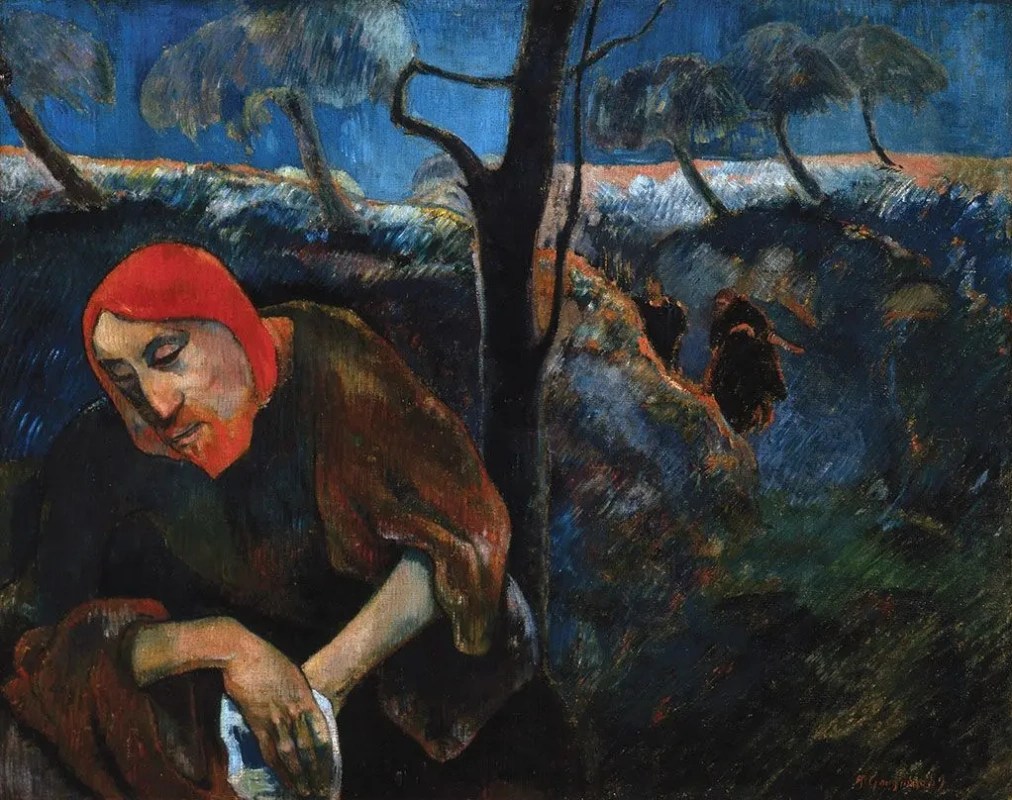
M. Gerung, La Curación del Ciego de Nacimiento (1430), OttheinrichBibel, Biblioteca estatal de Baviera (Munich)

Es «ciego de nacimiento». No sabe lo que es la luz. Nunca la ha conocido. Ni él ni sus padres tienen la culpa, pero allí está él, sentado, pidiendo limosna. Su destino es vivir en tinieblas. Un día, al pasar Jesús por allí, ve al ciego. El evangelista dice que Jesús es nada menos que la «Luz del mundo». Tal vez recuerda las palabras del viejo profeta Isaías asegurando que un día llegaría a Israel alguien que «gritaría a los cautivos: ¡salid! y a los que están en tinieblas: ¡venid a la luz!». Jesús trabaja los ojos del pobre ciego con barro y saliva para infundirle su fuerza vital. La curación no es automática. También el ciego ha de colaborar. Hace lo que Jesús le medica: se lava los ojos, limpia su mirada y comienza a ver. Cuando la gente le pregunta quién lo ha curado, no sabe cómo contestar. Ha sido «un hombre llamado Jesús». No sabe decir más. Tampoco sabe dónde está. Sólo sabe que, gracias a este hombre, puede vivir la vida de manera completamente nueva. Esto es lo importante. Cuando los fariseos y entendidos en religión le acosan con sus preguntas, el hombre contesta con toda sencillez: pienso que «es un profeta». No lo sabe muy bien, pero alguien capaz de abrir los ojos tiene que venir de Dios. Entonces los fariseos se enfurecen, lo insultan y lo «expulsan» de su comunidad religiosa. La reacción de Jesús es conmovedora. «Cuando se enteró de que lo habían echado fuera, fue a buscarlo». Así es Jesús. No lo hemos de olvidar nunca: el que viene al encuentro de los hombres y mujeres que se sienten echados de la religión. Jesús no abandona a quien lo busca y lo ama, aunque sea excluido de su comunidad religiosa.El diálogo es breve: «¿Crees tú en el Hijo del Hombre?». Él está dispuesto a creer. Su corazón ya es creyente, pero lo ignora todo: «¿Y quién es, Señor para que crea en él?». Jesús le dice: no está lejos de ti. «Lo estás viendo: el que te está hablando, ése es». Según el evangelista, esta historia sucedió en Jerusalén hacia el año treinta, pero sigue ocurriendo hoy entre nosotros en pleno 2023 • AE


Third Sunday of Lent (Cycle A)

The Woman at the Well, from a 1684 Arabic manuscript of the Gospels, copied in Egypt by Ilyas Basim Khuri Bazzi Rahib (Coptic monk), The Walters Art Museum (Baltimore)

A woman came. She is a symbol of the Church not yet made righteous. Righteousness follows from the conversation. She came in ignorance, she found Christ, and he enters into conversation with her. Let us see what it is about, let us see why a Samaritan woman came to draw water. The Samaritans did not form part of the Jewish people: they were foreigners. The fact that she came from a foreign people is part of the symbolic meaning, for she is a symbol of the Church. The Church was to come from the Gentiles, of a different race from the Jews. We must then recognize ourselves in her words and in her person, and with her give our own thanks to God. She was a symbol, not the reality; she foreshadowed the reality, and the reality came to be. She found faith in Christ, who was using her as a symbol to teach us what was to come. She came then to draw water. She had simply come to draw water; in the normal way of man or woman. Jesus says to her: Give me water to drink. For his disciples had gone to the city to buy food. The Samaritan woman therefore says to him: How is it that you, though a Jew, ask me for water to drink, though I am a Samaritan woman? For Jews have nothing to do with Samaritans. The Samaritans were foreigners; Jews never used their utensils. The woman was carrying a bucket for drawing water. She was astonished that a Jew should ask her for a drink of water, a thing that Jews would not do. But the one who was asking for a drink of water was thirsting for her faith.

Listen now and learn who it is that asks for a drink. Jesus answered her and said: If you knew the gift of God, and who it is that is saying to you, “Give me a drink”, perhaps you might have asked him and he would have given you living water. He asks for a drink, and he promises a drink. He is in need, as one hoping to receive, yet he is rich, as one about to satisfy the thirst of others. He says: If you knew the gift of God. The gift of God is the Holy Spirit. But he is still using veiled language as he speaks to the woman and gradually enters into her heart. Or is he already teaching her? What could be gentler and kinder than the encouragement he gives? If you knew the gift of God, and who it is that is saying to you, “Give me a drink,” perhaps you might ask, and he would give you living water. What is this water that he will give if not the water spoken of in Scripture: With you is the fountain of life? How can those feel thirst who will drink deeply from the abundance in your house? He was promising the Holy Spirit in satisfying abundance. She did not yet understand. In her failure to grasp his meaning, what was her reply? The woman says to him: Master, give me this drink, so that I may feel no thirst or come here to draw water. Her need forced her to this labor, her weakness shrank from it. If only she could hear those words: Come to me, all who labor and are burdened, and I will refresh you. Jesus was saying this to her, so that her labors might be at an end; but she was not yet able to understand •

(This reflection on the conversation between Jesus and the Samaritan Woman at the Well (John 4:7-42) is used in the Roman Office of Readings for Sunday of the third week in Lent. It is taken from Augustine’s Treatise on the Gospel of John (Tract. 15, 10-12, 16-17: CCL 36, 154-156) written by St. Augustine in the early 5th Century)


Fr. Agustin´s Schedule for the Third Sunday of Lent (Cycle A)

Saturday March 11, 2023

3.30 p.m. Sacrament of Reconciliation (Confessional)

5.00 p.m. Holy Mass (Main Church)

Sunday March 12, 2023

12.30 p.m. Holy Mass.

3.00 p.m. Santa Misa


III Domingo de Cuaresma (Ciclo A)

J. de Ibarra, Jesús con la Samaritana (c. 1680), óleo sobre tela, Museo Nacional de Arte (Ciudad de México)

Cansado del camino, Jesús se sienta junto al manantial de Jacob, en las cercanías de la aldea de Sicar. Pronto llega una mujer samaritana a apagar su sed. Espontáneamente, Jesús comienza a hablar con ella de lo que lleva en su corazón. En un momento de la conversación, la mujer le plantea los conflictos que enfrentan a judíos y samaritanos. Los judíos peregrinan a Jerusalén para adorar a Dios. Los samaritanos suben al monte Garizim desde donse se ve el pozo de Jacob. ¿Dónde hay que adorar a Dios? ¿Cuál es la verdadera religión? ¿Qué piensa el profeta de Galilea? Jesús comienza por aclarar que el verdadero culto no depende de un lugar determinado, por muy venerable que pueda ser. El Padre del cielo no está atado a ningún lugar, no es propiedad de ninguna religión. No pertenece a ningún pueblo concreto. No lo hemos de olvidar. Para encontrarnos con Dios, no es necesario ir a Roma o peregrinar a Jerusalén. Es más, ni siquiera hace falta entrar en una capilla o visitar una catedral. Desde la cárcel más secreta, desde la sala de cuidados intensivos de un hospital, desde cualquier cocina o lugar de trabajo podemos elevar nuestro corazón hacia Dios y encontrarnos con Él. Jesús no habla a la samaritana de adorar a Dios. Su lenguaje es nuevo. Hasta por tres veces le habla de «adorar al Padre». Por eso, no es necesario subir a una montaña para acercarnos un poco a un Dios lejano, desentendido de nuestros problemas, indiferente a nuestros sufrimientos. El verdadero culto empieza por reconocer a Dios como Padre cercano, que nos acompaña de cerca a lo largo de nuestra vida. Jesús le dice algo más. El Padre está buscando verdaderos adoradores. No está esperando de sus hijos grandes ceremonias, celebraciones solemnes, inciensos y procesiones, aun cuando sean bonitas o vistosas. Lo que desea son corazones sencillos que le adoren en espíritu y en verdad. Adorar al Padre en espíritu es seguir los pasos de Jesús, es dejarnos conducir como él por el Espíritu del Padre que lo envía siempre hacia los últimos a los que nadie presta atención, siendo compasivos como es el Padre. Lo dice Jesús de manera clara: «Dios es espíritu, y quienes le adoran deben hacerlo en espíritu». Dios es amor, perdón, ternura, aliento vivificador…, y quienes lo adoran deben parecerse a él. Adorar al Padre en verdad es, pues, vivir en la verdad. Volver una y otra vez a la verdad del Evangelio. Ser fieles a la verdad de Jesús sin encerrarnos en nuestras propias mentiras. Después de veinte siglos de cristianismo, ¿hemos aprendido a dar culto verdadero a Dios? ¿Somos los verdaderos adoradores que busca el Padre? ¡Tanto qué preguntarnos en este tercer domingo de Cuaresma, fascinados por la conversación entre el Señor y la Samaritana • AE


Second Sunday of Lent (Cycle A)

Anonymous artist, Eucharistic Pelican, mosaic, sidealtar of Votivkirche cathedral (Vienna)

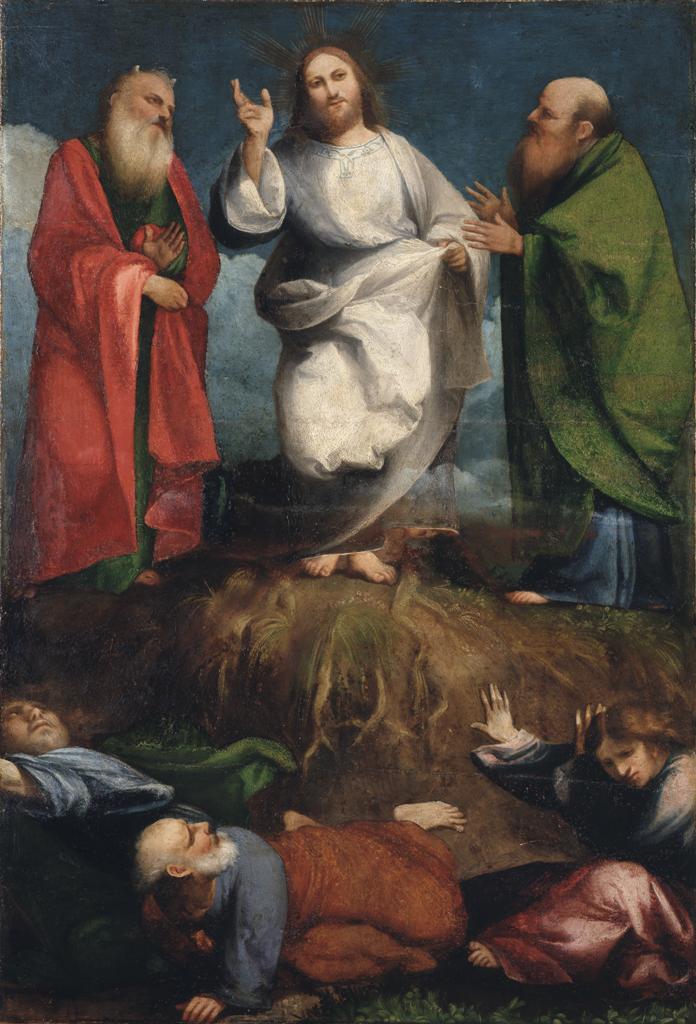
The lesson of the Transfiguration on this second Sunday of lent is quite simple: we have to follow the Lord without fear, weariness and regret. As what the three disciples ultimately realized, there is definitely a certain assurance that everything eventually turns out fine. It is like reading a novel where the happy ending is already known to us. No matter how difficult the problems that the main character encounters, we are not disheartened and continue reading because we know the story is sure to have a happy ending. At the Last Supper, Jesus left us an indelible memorial: the Eucharist. It is the sacrament of his Real Presence, thereby fulfilling His promise: “I am with you always until the end of the age.” No matter what happens, he is always with us, especially in the Eucharist. Should we open our eyes of faith, just as what the three disciples on the mountain did, we, too, will experience what Pope St. Gregory the Great proclaims, “The Liturgy is primarily a sacred act before God, which means that “at the hour of Sacrifice, in response to the priest’s acclamation, the heavens open up; the choirs of angels are witnessing this Mystery; what is above and what is below unite; heaven and earth are united, matters visible and invisible become united”. Is this not a Transfiguration experience? True, our senses do not perceive any change. The bread looks the same bread to us. The wine, too. But the change is not in the appearance, but in the substance. The bread still looks like bread; the wine still looks like wine. But at the Consecration, it has become the Body and Blood of Christ. Our Catholic Theology calls this “Transubstantiation.” St. Francis de Sales explains, “But when the Blessed Sacrament of the Altar is there, then this Presence is no longer imaginary, but most real; and the sacred species are but a veil from behind which the present Savior beholds and considers us, although we cannot see him as he is.” That’s why the holy Mass is accurately called “Heaven on Earth.” Heaven is the state of being in union with God. If we believe that Jesus is truly present in the Eucharist, it means, therefore, that the Mass is the experience of heaven on earth. How deeply do we cherish and appreciate those priceless moments while we are present in Holy Mass? Jesus is truly present. He is with us. Heaven begins right here. Today we could repeat those words of Thomas Aquinas in that precious hymn, Adoro te Devote; a hymn he himself composed for the celebration of the Corpus Christi solemnity in 1264, and which goes like this:

I devoutly adore you, hidden deity,

Who are truly hidden beneath these appearances.

My whole heart submits to You,

because in contemplating You, it is fully deficient.

Sight, touch, taste all fail in their judgment of you,

But hearing suffices firmly to believe.

I believe all that the Son of God has spoken;

There is nothing truer than this word of Truth.

On the cross only the divinity was hidden,

But here the humanity is also hidden.

Yet believing and confessing both,

I ask for what the penitent thief asked.

I do not see wounds as Thomas did,

But I confess that You are my God.

Make me believe much more in You,

Hope in you, and love You.

O memorial of our Lord’s death,

Living Bread that gives life to man,

Grant my soul to live on You,

And always to savor your sweetness.

Lord Jesus, Good Pelican,

clean me, the unclean, with Your Blood,

One drop of which can heal

the entire world of all its sins.

Jesus, whom now I see hidden,

I ask You to fulfill what I so desire:

That the sight of Your Face being unveiled

I may have the happiness of seeing Your glory. Amen • AE


Fr. Agustin´s Schedule for the Second Sunday of Lent (2023)

Saturday March 4, 2023

2.30 p.m. 50 Wedding Anniversary for Alicia and Manuel (Main church)

3.30 p.m. Sacrament of Reconciliation (Confessional)

Sunday March 5, 2023

7.30 a.m. Holy Mass

10.00 a.m. Holy Mass


Segundo Domingo de Cuaresma (Ciclo A)

G. De La Tour, Magdalena Penitente (1640), óleo sobre tela, Metropolitan Museum of Art (New York)

Hasta hace unos pocos años la religión la que ofrecía a la mayoría de las personas criterios para comprender la realidad y principios para orientar la vida con sentido y responsabilidad. Hoy son muchos los que prescinden de toda religión para enfrentarse solos y sin guía alguna a su vida, sus deseos, miedos y expectativas. No es fácil. Probablemente nunca le ha resultado al ser humano, tan difícil y problemático, pararse a pensar, reflexionar y elaborar decisiones sobre sí mismo y sobre qué es importante en la vida. Vivimos sumergidos en una cultura de la intrascendencia, que ata a las personas al aquí y al ahora, haciéndoles vivir sólo para lo inmediato, sin apertura alguna al misterio último de la vida. Nos movemos en una cultura del goce y la diversión que empuja al hombre a vivir olvidado de las grandes cuestiones que lleva en su corazón. El hombre y la mujer de hoy han aprendido muchas cosas, están verdaderamente informados de lo que acontece alrededor del mundo, pero no saben el camino para conocerse a sí mismos y construir su libertad. Muchos suscribirían la oscura descripción que hacía el G. Hourdin, hace algunos años: «El hombre se está haciendo incapaz de querer; de ser libre, de juzgar por sí mismo, de cambiar su modo de vida. Se está convirtiendo en el robot disciplinado que trabaja para ganar el dinero que después disfrutará en unas vacaciones colectivas. Lee las revistas de moda, interactúa en las redes sociales en las que están todos. Aprende así lo que es, lo que quiere y cómo debe pensar y vivir.» Por eso necesitamos más que nunca atender a la voz de Dios, la misma que escuchamos en el evangelio de este segundo domingo del tiempo de Cuaresma: «Este es mi Hijo, el amado, mi predilecto. Escuchadlo». Necesitamos detenernos, guardar silencio y escuchar más a Dios. Esa escucha interior ayuda a vivir en la verdad, a saborear la vida en sus raíces, a no malgastarla de cualquier manera, a no pasar superficialmente ante lo esencial. Escuchando a Dios, descubrimos nuestra pequeñez y pobreza, pero también nuestra grandeza de seres amados infinitamente por Dios. Cada uno es libre para caminar por la vida escuchando a Dios o dándole la espalda. Pero, en cualquier caso, hay algo que hemos de recordar todos, aunque resulte escandaloso y contracultural: vivir sin un sentido último es vivir de manera insensata; actuar sin escuchar la voz interior de la conciencia es ser un inconsciente • AE

Si tienes tiempo, y a propósito de la obra de arte que ilustra ésta texto, echale un vistazo a este maravilloso podcast:


First Sunday of Lent (Cycle A)

Anonymous artist, The Temptations of Christ in the Desert (1128), Fresco transferred into canvas, The Cloisters at the Metropolitan Museum of Art (New York)

We are all tempted to sin. That is part of life. But we can defeat temptation. In some ways we all experience each of the temptations that the devil put before the Lord. The devil wanted Jesus to trust in His own power, rather than the Father. He wanted him to change rocks into bread. We also are tempted to trust in ourselves instead of trust in God. We cannot fall for the temptation to think that we can do everything ourselves. We have to trust in God. We have to have faith. Yes, we must do our best to provide for our future that of our loved ones, but, ultimately, we rely on the Lord to care for us. We can resist the temptation to push God out of our lives. This call to faith is not always that easy. In fact, it is usually quite difficult. It is quite difficult to spend so much time and energy on a child, or on a situation, for example a career, and then trust the future to God rather than to ourselves. It is tempting to think that we do not need God. In fact, that is the temptation of the atheistic elements of the world. The so-called intellectual elite often mock people of faith, belittling us for believing in God and asserting that they have wonderful lives without God. And then they write books about the quiet desperation of everyday man. We cannot allow these fools to sway us. We know that we need God. Daily. We cannot survive without God. We cannot be happy without Him. And we cannot live forever without Him. Like Jesus’ second temptation, we are tempted to force God into action instead of simply trusting in Him to care for us. We may not be standing on the edge of a building deciding that God must save us if we jump, but we may be toying with that which can destroy us, alcohol, sex, drugs, etc, and think, erroneously, that if we fall God will catch us. We may be living on the edge. It is presumption to think that God will take care of us if we live rejecting the way of life he has given us. God is All-Merciful, true, but He is also All Just. We trust in God, but, as Jesus told the devil, we don’t put God to a test. We have to resist the temptation to live life on the edge because if we slip, we fall into eternal death. And like Jesus, we can fight the temptation to be bought by the world. The devil tempts us to join those who do evil, tune down or turn off our consciences, and reap wealth beyond our imaginations. There is a lot of money to be made working in the low industries of our society, a lot of money to be made cheating our way to the top of the business world, but we refuse to sell our souls to the devil. We live for One and One only. We live for our Heavenly Father, not for ourselves. So, the goal of our lives is not to amass a fortune. The goal of our lives is to live for God. We have bought into the Kingdom, not sold our souls to the world, or to the devil, often the same thing. At the end of the Gospel Satan left Jesus, and the angels came to help Him. There are angels here. How many are in our parish? How many angels are in our homes? The angels are our protectors and our spiritual care givers. They will minister to us also as we join the Lord in the fight against evil. Let us not forget that we are warriors in the battle of the Lord against the power of the devil. We don’t fight alone. The Lord and His forces fight with us. We ask the Lord today to protect us from the temptations of the world, lead us not into temptation, and to deliver us from evil. And we trust in God for we know that we are loved; for as St. Paul says in the First Letter to the Corinthians, we have been purchased, and at what a price! • AE


• St. Dominic Catholic Church •

First Sunday of Lent 2023

Saturday February 25, 2023

4.00 p.m. Sacrament of Reconciliation

5.00 p.m. Holy Mass

Sunday February 26, 2023

7.30 a.m. Holy Mass

10.00 a.m. Holy Mass

12.30 p.m. Holy Mass

3.00 p.m. Misa en Español


I Domingo de Cuaresma (Ciclo A)

Lo propio de nuestra sociedad consumista es que no sólo consumimos lo necesario para la vida, sino que consumimos sobre todo y fundamentalmente bienes superfluos. Éste es un hecho que, además, mueve la política y la economía. Lo importante, segun esta mentalidad, es aumentar el crecimiento y subir el nivel de consumo. Todo gira en torno a este consumo de bienes superfluos. Los seres humanos hemos aprendido a cifrar el éxito, la felicidad y hasta la personalidad en poseer tal modelo de coche o vestir con tal marca. Es el modo natural de vivir. En este consumo vivimos, nos movemos y existimos. Pero, ¿sabemos lo que estamos haciendo?, ¿queremos seguir consumiendo de esta manera?, ¿es éste el mejor estilo de vida?, ¿no nos interesa cambiar y humanizar un poco más nuestra vida? Tal vez, lo primero es tornar conciencia de lo que estamos haciendo. Es un primer paso, pero importante. ¿Por qué compro tantas cosas?, ¿es para estar a la altura mis amigos?, ¿para demostrarme a mí mismo y a los demás que soy alguien y que quede claro que he triunfado? Podemos preguntamos también si somos libres o esclavos. ¿Soy dueño de mis decisiones, o termino comprando lo que me dicta la publicidad?, ¿tengo lo que me ayuda a vivir de manera digna y dichosa, o estoy llenando mi vida de cosas inútiles? Nos hemos de preguntar, sobre todo, si este consumismo tan irresponsable nos parece justo. Ya nada es bastante para vivir bien. Seguimos creando y creando necesidades siempre nuevas, sin sentirnos satisfechos. Mientras tanto, millones de seres humanos no tienen lo necesario para sobrevivir. ¿Qué pensar de todo esto? ¿No es injusto y estúpido? No sólo de pan vive el hombre, dice Jesús en el evangelio de hoy, una verdad que necesitamos volver escuchar una y otra vez. Este primer domingo del tiempo de Cuaresma nos trae, sí, preguntas incómodas, pero necesarias. Vitales • AE