
Twenty-sixth Sunday in Ordinary Time (Cycle C)

The parable in today’s gospel warns us to be concerned about being isolated. We have to be careful, or our possessions will isolate us from the community. It is easy for us to form the mentality that what we have is totally and only ours. It is easy to assume that we have no obligation to others. This does not just refer to financial wealth. It refers to anything we might possess. But does the community have a right to that which belongs to you and belongs to me? Didn’t we work hard for our positions of authority, or for the wonderful things we want to provide for our families? How can the community make a claim to what is mine? Ultimately, all that we have belongs to someone else. That someone else is God. We are all stewards of His creation. Again, this does not just refer to possessions, it refers to intelligence, to artistic talent, to the ability to lead, etc. All that we have is ultimately God’s. It flows from Him and is only beneficial to us if it leads back to Him. We are all going to be called to give an account for all that we have been given. So, we cannot allow our possessions to isolate us from the community. The great American spiritual writer of the last century, Thomas Merton, wrote: “No man goes to heaven alone.” No woman either. We all receive our salvation as members of a community, the Body of Christ. So, should we trust our government to add to our taxes to help the poor? Not necessarily. Our obligation to the poor does not oblige us to put our trust in organizations that are often inept, incompetent, and sometimes even corrupt. What should we do then? We need to follow the lead of the universal Church. When he was named pope, the first words that Jorge Maria Bergoglio, the new Pope Francis, heard was a cardinal telling him, “Please remember the poor.” Our wonderful Catholic Church continually reaches out to the poor and suffering throughout the world. It is not relevant to the Church whether the suffering are Christian or not. An American Cardinal was once asked why the Church puts so much effort into helping those who may not be Catholic. He responded, “We don’t help them because they are Catholic. We help them because we are Catholic.” Nor is it is not relevant to the Church whether those suffering have brought the pain on themselves. What matters is that the Church has a responsibility to aid the suffering. The Church would not be Catholic if it did not exercise its responsibility to the total community of the world. The word catholic means universal. The Church can never be content as long as one brother or one sister cries out in vain for bread or justice or love. Along with warning us to be careful less our possessions lead us to blindness or being isolated, the parable of the Rich Man and Lazarus warns us to be careful or our possessions will lead us to faithlessness. The one true need that we have in life is the need for purpose, for meaning for our existence. Purpose and meaning can only be found in God. But to possess God means that we have to look beyond all that is mundane. Sometimes we fight this call to love. It is too demanding for us. So, what do we do? We hide behind our stuff. We want to find meaning in the amount we have accumulated. We let our material possessions define us. We condemn ourselves to a life of futility. We condemn ourselves to our own hells. Maybe, though, if someone were to rise from the dead, we would change our priorities. Maybe if someone were to rise from the dead we would be infinitely more concerned with the spiritual than we are with the physical. Maybe if someone were to rise from the dead we would use our gifts, our talents, our intelligence, our possessions, to reach out to the presence of God in others. “If only someone were to rise from the dead, my brothers would change their lives,” cried the Rich Man. But someone has risen from the dead. He has called us to have faith in Him instead of faith in our possessions. His name is Jesus. And we are here today to ask Him to help us to be Christians • AE


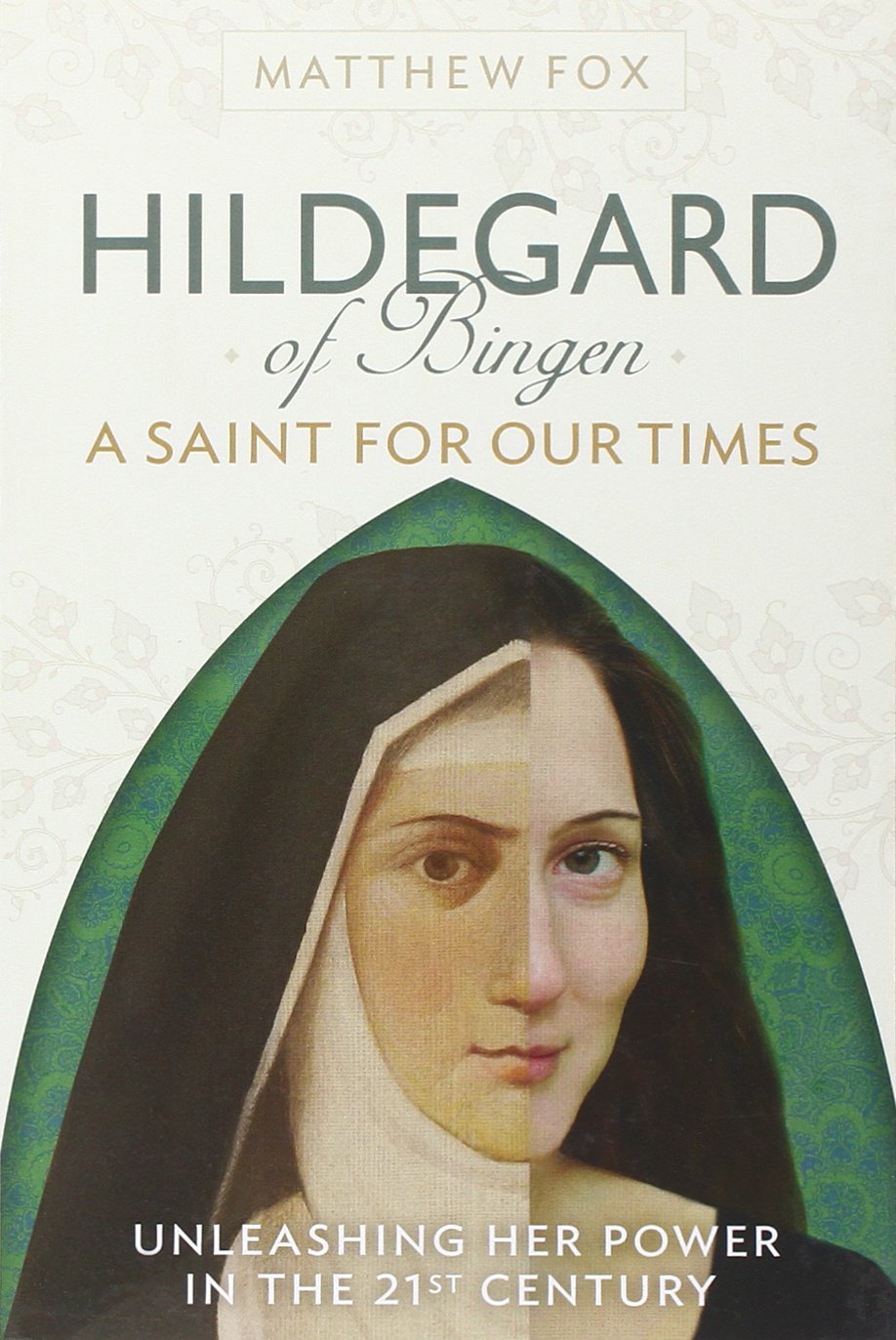
What is there to read?


Schedule for the Twenty-Sixth Sunday in Ordinary Time

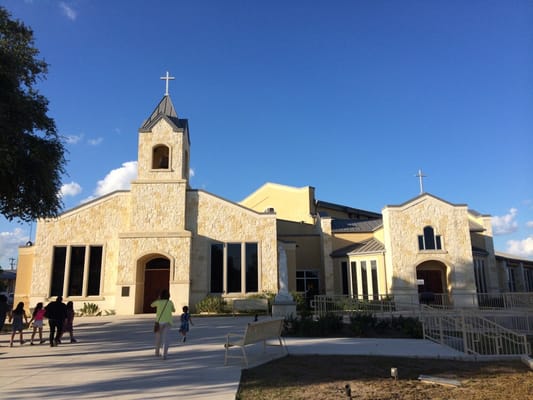
St Dominic Catholic Church (San Antonio, TX)

Saturday September 24, 2022

2.30 p.m. Sacrament of Marriage for Ricardo and Erika (@ Main Church)

3.30 p.m. Sacrament of Reconciliation (@ Confessional)

5.00 p.m. (English Mass @ Main Church)

Sunday September 24, 2022

7.30 a.m. Holy Mass (English Mass @ Main Church)

10.00 a.m. Holy Mass (English Mass @ Main Church)


XXVI DOMINGO DEL TIEMPO ORDINARIO (CICLO C)
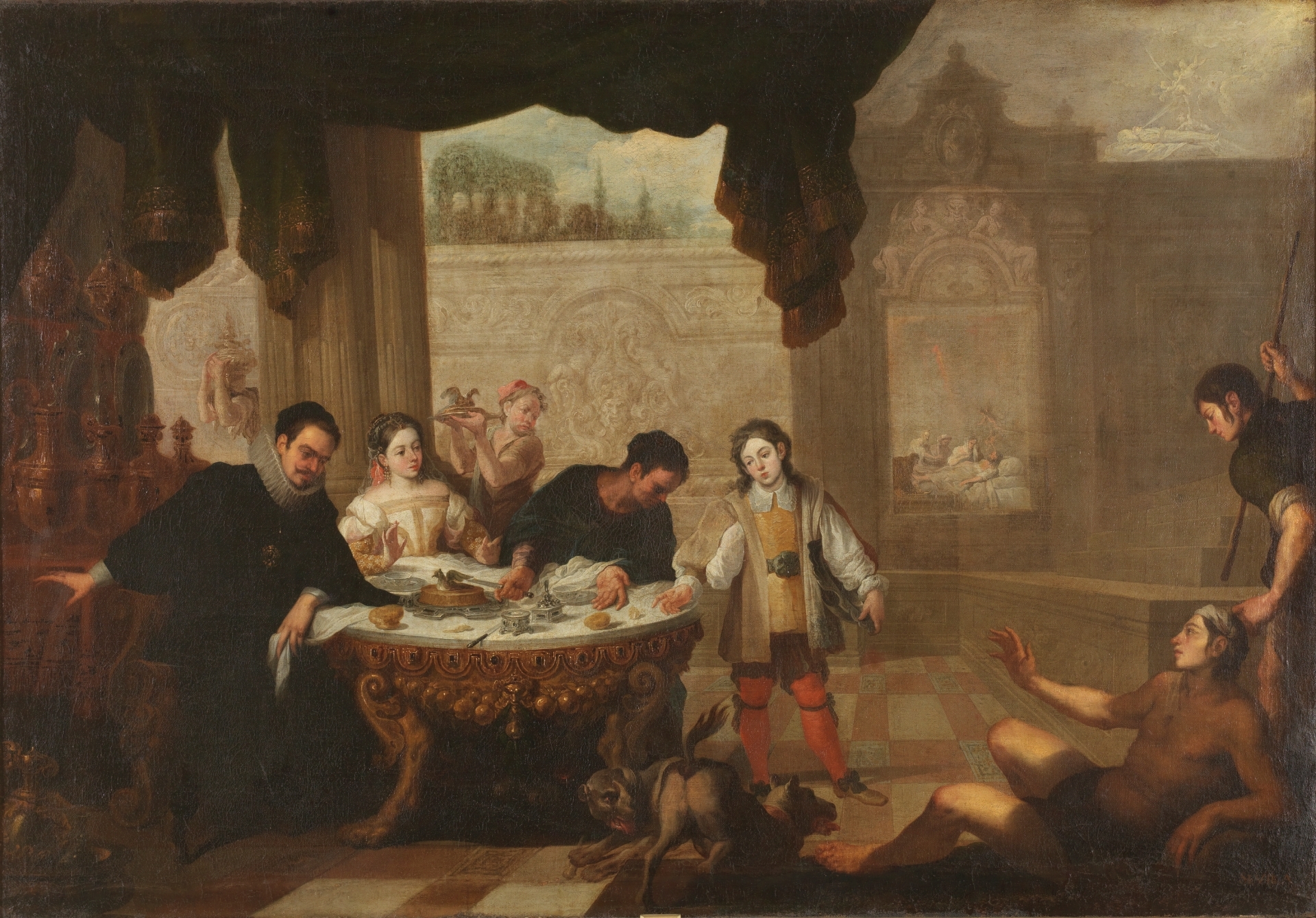
Juan de Sevilla Romero, Parábola del Pobre Lázaro (1650), óleo sobre tela, Museo Nacional del Prado (Madrid)

La parábola parece narrada para nosotros. Jesús habla de un rico poderoso. Sus vestidos de púrpura y lino indican lujo y ostentación. Su vida es una fiesta continua. Sin duda, pertenece a ese sector privilegiado que vive en Tiberíades, Séforis o Jerusalén. Son los que poseen riqueza, tienen poder y disfrutan de una vida fastuosa. Muy cerca, echado junto a la puerta de su mansión está un mendigo. No está cubierto de lino y púrpura, sino de llagas. No sabe lo que es una fista. No le dan ni de lo que tiran de la mesa del rico. Sólo los perros callejeros se le acercan a lamerle las llagas. No posee nada, excepto un nombre, Lázaro. La escena es muy incómoda. El rico lo tiene todo. No necesita ayuda alguna de Dios. No ve al pobre. Se siente seguro. Vive en la inconsciencia total. ¿Se parece a nosotros? Lázaro, por su parte, es un ejemplo de pobreza total: enfermo, hambriento, excluido, ignorado por quien le podría ayudar. Su única esperanza es Dios. ¿Se parece a tantos millones de hombres y mujeres hundidos en la miseria? La mirada penetrante de Jesús está desenmascarando la realidad. Las clases más poderosas y los estratos más míseros parecen pertenecer a la misma sociedad, pero están separados por una barrera casi invisible: esa puerta que el rico no atraviesa nunca para acercarse a Lázaro. Jesús no pronuncia palabra alguna de condena. Es suficiente desenmascarar la realidad. Dios no puede tolerar que las cosas queden así. Es inevitable el vuelco de esta situación. Esa barrera que separa a los ricos de los pobres se puede convertir en un abismo infranqueable y definitivo. El obstáculo para hacer un mundo más justo somos los ricos que levantamos barreras cada vez más seguras para que los pobres no entren en nuestro país, ni lleguen hasta nuestras residencias, ni llamen a nuestra puerta. Dichosos los seguidores de Jesús que rompen barreras, atraviesan puertas, abren caminos y se acercan a los últimos. Ellos encarnan al Dios que ayuda a los pobres • AE


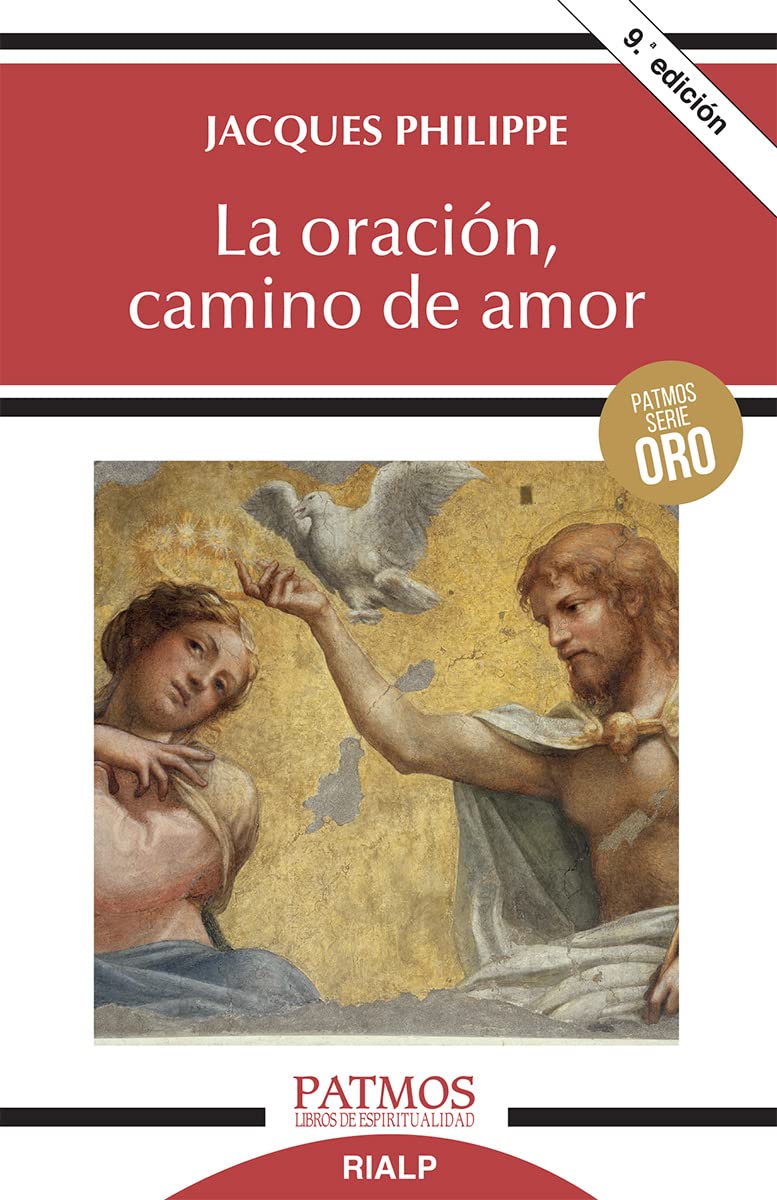
¿Qué tenemos para leer?

Twenty-fifth Sunday in Ordinary Time (Cycle C)

Q. Matsys, The Money Changer and His Wife (1514), oil on panel,  Louvre Museum (Paris)

It is amazing how astute we can be when making business deals. Whether it’s buying a used car or selling a house, all of us learn how to get the most for our money. This is not something new. It’s part of human nature to get the best deal possible. Jesus was aware of this. The parable he told in today’s gospel is about that exactly. The Lord’s point is that we often demonstrate our intelligence, but we don’t apply this intelligence to the one thing that really matter: our eternal salvation. Consider the number of times we’ve sat down and worked out how we can use our talents to be better Christians. Consider the number of times we’ve plotted out how we can foster the practice of our faith in our families. Consider the number of times we’ve thought out how we can put ourselves in situations which would avoid moral problems we’ve had in the past. If we were to add up the minutes spent a month doing this and compare them to the minutes a month spent working out our financial deals, would there be any comparison at all? “You cannot serve God and mammon,” the reading concludes. Basically, the Lord is telling us, «You have the intelligence, use it. Use it to fulfill the mission you assumed when I called you to be my disciples. We must be as resourceful and dedicated in the ways of God as we are in the ways of commerce and politics. Jesus’ parable challenges us to be as eager and ingenious for the sake of God’s reign, to be as ready to use our time and money to accomplish great things for the Gospels as we are to secure our own happiness. We cannot be successful in life by ourselves. But we are not alone. God did not create us and then abandon us. Jesus did not just call us to follow Him and then leave us to our own devices. God gives us His Holy Spirit to empower us. He strengthens us with His Word and His very Body and Blood. He gives us the courage to stand up for the poor, the vulnerable, those about to be born, those being treated poorly by others. Today, in our prayer time, in the silence of our hearts, we could ask the Lord to help us to use our ingenuity to promote His Kingdom • AE


BOOKS? HERE SOME


Schedule for the Twenty-Fifth Sunday in Ordinary Time

St Dominic Catholic Church (San Antonio, TX)

Saturday September 17, 2022

3.30 p.m. Sacrament of Reconciliation (Confessional)

5.00 p.m. (English Mass @ Main Church)

Sunday September 18, 2022

7.30 a.m. Holy Mass (English Mass @ Main Church)

10.00 a.m. Holy Mass (English Mass @ Main Church)


XXV DOMINGO DEL TIEMPO ORDINARIO (CICLO C)

No podéis servir a Dios y al Dinero». Es la sentencia que mejor refleja la actitud de Jesús ante el dinero. Hablamos mucho de la crisis religiosa provocada por el racionalismo contemporáneo, pero olvidamos que el alejamiento de Dios tiene su origen en el poder seductor del dinero. Según Jesús, quien se ata al dinero termina alejándose de Dios. El evangelio no denuncia tanto el origen inmoral de las riquezas conseguidas de manera injusta cuanto el poder que el dinero tiene de deshumanizar a la persona separándola del Dios vivo. Las palabras de Jesús buscan por tanto que tomemos conciencia de la gran diferencia que hay entre el señorío de Dios y el del dinero. No se puede ser fiel a Dios y vivir esclavo del dinero. La riqueza tiene un poder subyugador irresistible. Cuando el individuo entra en la dinámica del ganar siempre más y del vivir siempre mejor, el dinero termina sustituyendo a Dios y exigiendo obediencia absoluta. En esa vida ya no reina el Dios que pide amor y solidaridad, sino el dinero que sólo mira el propio interés. En el evangelio el término «dinero» viene designado con el término de «mammona», y este aparece cuatro veces en el Nuevo Testamento y siempre en boca de Jesús. Se trata de un término que proviene de la raíz aramea «aman» (confiar, apoyarse) y significa cualquier riqueza en la que el individuo apoya su existencia. El pensamiento de Jesús aparece así con más claridad: cuando una persona hace del dinero la orientación fundamental de su vida, su único punto de apoyo y su única meta, la obediencia al Dios verdadero se diluye. La razón es sencilla. El corazón del individuo atrapado por el dinero se endurece. Tiende a buscar sólo su propio interés, no piensa en el sufrimiento y la necesidad de los demás. En su vida no hay lugar para el amor desinteresado y la solidaridad. La consecuencia es que no hay lugar para un Dios Padre de todos. El mensaje evangélico no ha perdido actualidad pues restituye al dinero su verdadero valor y su carácter humano. También hoy es un error hacer del dinero el valor absoluto de la existencia. ¿Qué humanidad puede encerrarse en quien sigue acaparando más y más, olvidado absolutamente de quienes padecen necesidad? • AE


PARA LEER


Twenty-fourth Sunday in Ordinary Time (Cycle C)

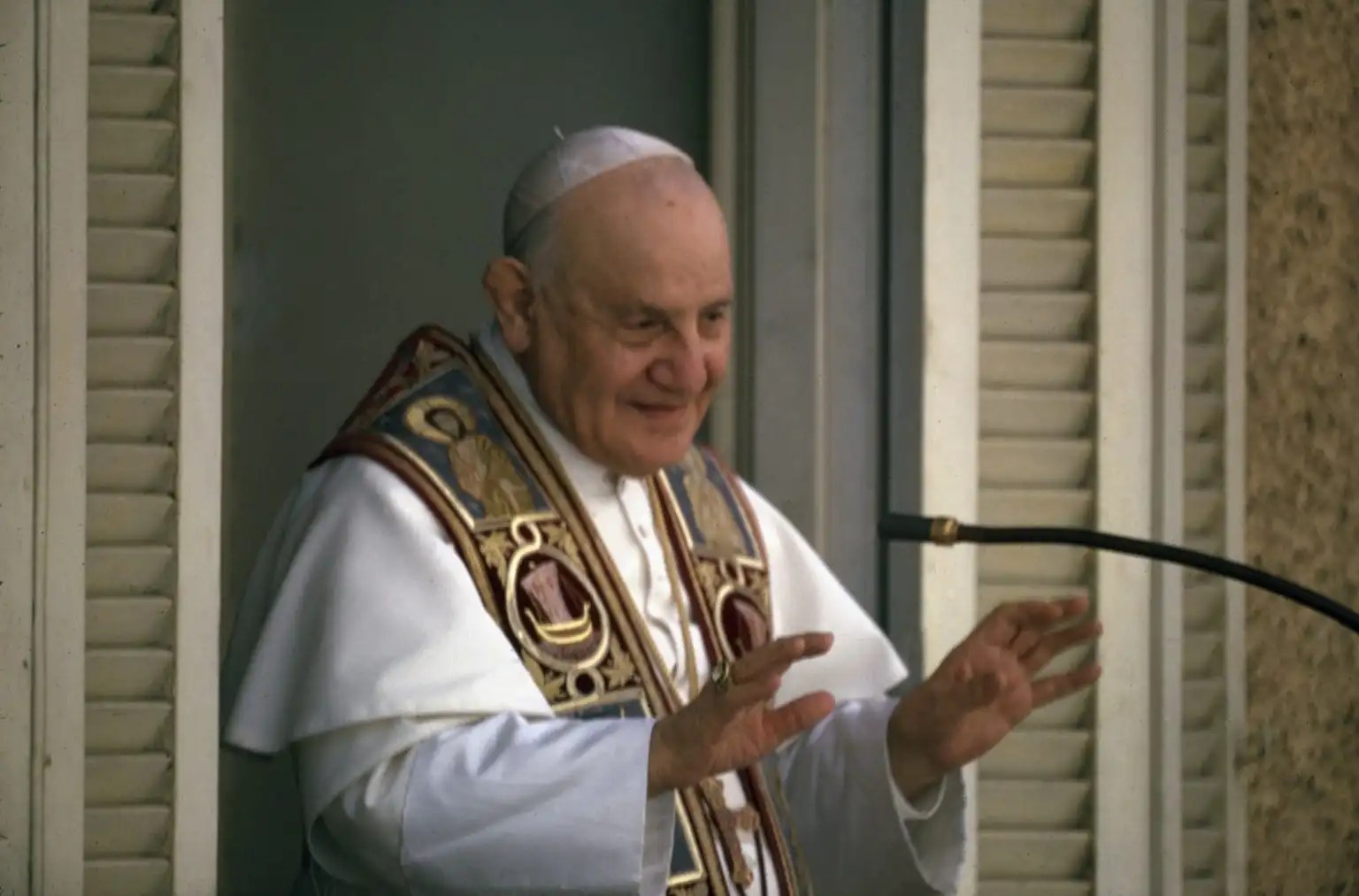
Pope St. John XXIII (Rome)

The readings for today invites us to consider that our God is a God of Beginnings, not a God of endings. He lets Moses begin anew with the Hebrew people even after they turned to idolatry. Paul tells Timothy in our second reading how he had been a blasphemer, arrogant, and a persecutor of the Lord’s presence in the Church. But God began again with him, actually, the God of beginnings gives us an opportunity to start new. He can forgive us because He wants to forgive us and because, well, He is God. He can do all things. God forgives you and me because he loves you and me. When someone loves someone, he or she is willing to give the offending person a chance to begin again. God can and does forgive you and me because he is the God of beginnings who sees all we can be, not just all we could have been. And God values the results of new beginnings. In 1958, before many of you were born, Angelo Giuseppe Roncalli was elected Pope. He served for only five years, but he transformed the world with his openness to God’s love. Politically, he was most probably elected to keep the status quo in the Church. But God used him to renew the Church. He started out with a bang, not taking the name Pius, as the two popes before him, but taking a new name, one that had not been used for centuries, John. John XXIII had a personal motto that he took with him to the papacy and shared with the rest of the world. His motto was simple: Now I begin. He sought forgiveness for the past each day. He renewed his personal life every day. His determination to entrust his life to the God of beginnings result in the transformation of the Church, notably in his calling the Second Vatican Council. His Holiness was indeed a holy man. He is now Pope St. John XXIII. He was canonized at the same time as Pope St. John Paul II. So let’s not give up on ourselves. We don not have the right to give up on ourselves. Yes, we need to seek forgiveness over and over. Yes, we are human beings who often make mistakes. But God loves us and is always ready to give us a new beginning. He does this not just for us, but for the effect our new beginning has on our children, and through them on the world. “Now I begin,” Pope St. John XXIII said. Today and everyday is the day for us to begin. Every day is a new day in God’s Kingdom • AE


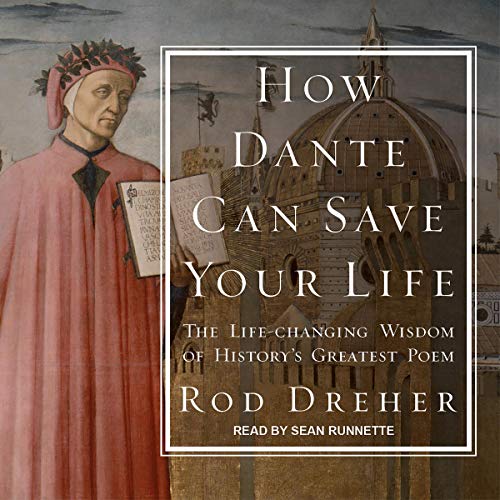
A few more reads


Schedule for the Twenty-Fourth Sunday in Ordinary Time

St Dominic Catholic Church (San Antonio, TX)

Saturday September 10, 2022

3.30 p.m. Sacrament of Reconciliation (Confessional)

5.00 p.m. (English Mass @ Main Church)

Sunday September 11, 2022

10.00 a.m. Holy Mass (English Mass @ Main Church)

12.30 p.m. Holy Mass (English Mass @ Main Church)

3.00 p.m. Santa Misa en Español (iglesia principal)


XXIV Domingo del Tiempo Ordinario (Ciclo C)

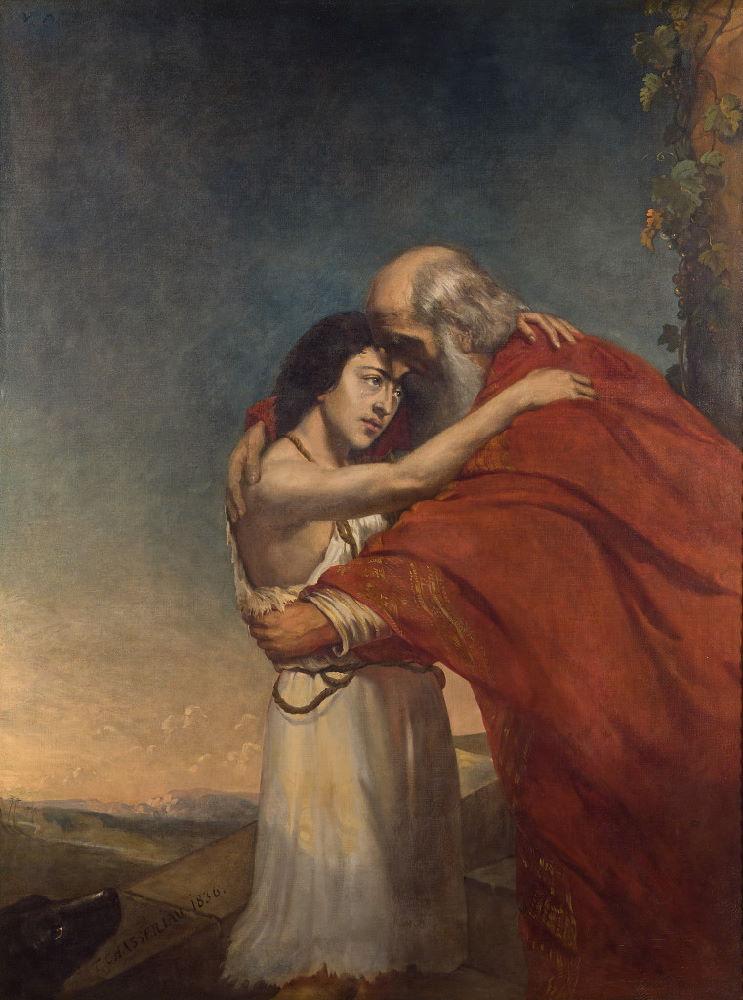
Chassériau Théodore, El Hijo Pródigo (1836), óleo sobre tela, museo d’Orbigny-Bernon (La Rochelle, Francia)

El gesto más provocativo y escandaloso de Jesús fue, sin duda, su forma de acoger con simpatía especial a pecadoras y pecadores, excluidos por los dirigentes religiosos y marcados socialmente por su conducta al margen de la Ley. Lo que más irritaba era su costumbre de comer amistosamente con ellos. Olvidamos que Jesús creó una situación sorprendente en la sociedad de su tiempo. Los pecadores no huían de él. Al contrario, se sienten atraídos por su persona y su mensaje. Lucas nos dice que “los pecadores y publicanos solían acercarse a Jesús para escucharle”. Al parecer, encuentran en él una acogida y comprensión que no encuentran en ninguna otra parte. Mientras tanto, los sectores fariseos y los doctores de la Ley, los hombres de mayor prestigio moral y religioso ante el pueblo, solo saben criticar escandalizados el comportamiento de Jesús: “Ese acoge a los pecadores y come con ellos”. ¿Cómo puede un hombre de Dios comer en la misma mesa con aquella gente pecadora e indeseable? Jesús nunca hizo caso de sus críticas. Sabía que Dios no es el Juez severo y riguroso del que hablaban con tanta seguridad aquellos maestros que ocupaban los primeros asientos en las sinagogas. El conoce bien el corazón del Padre. Dios entiende a los pecadores; ofrece su perdón a todos; no excluye a nadie; lo perdona todo. Nadie ha de oscurecer y desfigurar su perdón insondable y gratuito. Por eso, Jesús les ofrece su comprensión y su amistad. Aquellas prostitutas y recaudadores han de sentirse acogidos por Dios. Es lo primero. Nada tienen que temer. Pueden sentarse a su mesa, pueden beber vino y cantar cánticos junto a Jesús. Su acogida los va curando por dentro. Los libera de la vergüenza y la humillación. Les devuelve la alegría de vivir. Jesús los acoge tal como son, sin exigirles previamente nada. Les va contagiando su paz y su confianza en Dios, sin estar seguro de que responderán cambiando de conducta. Lo hace confiando totalmente en la misericordia de Dios que ya los está esperando con los brazos abiertos, como un padre bueno que corre al encuentro de su hijo perdido. La primera tarea de una Iglesia fiel a Jesús no es condenar a los pecadores sino comprenderlos y acogerlos amistosamente. El Santo Padre nos recuerda con frecuencia que Dios perdona siempre, perdona todo, perdona a todos, cuando la gente escucha esto, aplaude con entusiasmo. Tengo para mi -pecador y trabajador de la viña del Señor- que seguramente esto es lo que mucha gente de fe pequeña y vacilante necesita escuchar hoy con claridad de la Iglesia • AE


¿Qué leer?

Twenty-third Sunday in Ordinary Time (Cycle C)

The Lord uses a word that is shocking coming from Him or from any of His followers. That word is hate. This word has no place in Christianity. We cannot allow it to be used in our lives. We can feel strongly opposed to someone or to something, but we cannot hate that person or that thing. Hate is the antithesis of love. So, in today’s Gospel we hear the Lord using that word. How are we to understand this? Is Jesus telling us that to be his disciples we have to be people of hate? That simply does not follow. Many times Jesus spoke using apocalyptical concepts and language. Here the Lord uses extreme phrases and concepts to catch people’s attention, to get them emotionally involved. So, what is the Lord saying? Simply, he is saying that in comparison to our love for Him, all other love must be so inferior that it can be called the opposite of love. Who are you? Who am I? At our best, we are unique reflections of the love of God. Anything, anyone that prevents us from being that reflection of God’s love is unworthy of our true identity. So, therefore, no one and nothing can stand in the way of our love of God. When we fall into sin, serious sin, we become disjointed. We feel like we have been torn apart. We feel like we are not ourselves. And we are correct. When we fall into serious sin, we destroy our very identity. We sacrifice being sons and daughters of God for a lesser, insignificant love, the love of ourselves. That is why today’s difficult passage where the Lord uses the word hate is immediate followed by His command: “Whoever does not carry his own cross and come after me cannot be my disciple.” Following the Lord demands the total sacrifice of ourselves for Him. This is difficult. This is a cross, a cross we gladly embrace because there is no greater good in life than union with God. So, like the man constructing the tower or the king contemplating war, we have to use our intelligence to complete the work of building up that portion of the Body of Christ that each of us has been created to make real in the world. This takes determination. This take drive. We have to have the determination and the drive to be the people each of us has been called to be. We have to have the determination and the drive to be true to our identities. Anything that prevents us from our own unique ways of following the Lord is unworthy of who we are. When St. Perpetua’s father pleaded with her to save her life and renounce Christ, she responded, “But father, look at that pot. You cannot say it is not a pot. I cannot give up who I am. I am a Christian.” And so are we. Anything that keeps us from being who we really are, well, that we must hate • AE


SUMMER IS ALMOST OVER (To read more!)


Schedule for the Twenty-Third Sunday in Ordinary Time

St Dominic Catholic Church (San Antonio, TX)

Saturday September 3, 2022

3.30 p.m. Sacrament of Reconciliation (Confessional)

5.00 p.m. (English Mass @ Main Church)

Sunday September 4, 2022

7.30 a.m. Holy Mass (English Mass @ Main Church)

10.00 a.m. Holy Mass (English Mass @ Main Church)


XXIII Domingo del Tiempo Ordinario (Ciclo C)

Tiziano, Cristo con la Cruz a cuestas (c. 1565), óleo sobre lienzo, Museo Nacional del Prado (Madrid)

Tarde o temprano, a todos nos toca sufrir. Una enfermedad grave, un accidente inesperado, la muerte de un ser querido, desgracias y desgarros de todo tipo, nos obligan un día a tomar postura ante el sufrimiento. ¿Qué hacer? Algunos se limitan a rebelarse. Es una actitud explicable: protestar, sublevarse ante el mal. Pero, por lo general, esta reacción intensifica todavía más el sufrimiento. La persona se crispa y exaspera. Es fácil terminar en el agotamiento y la desesperanza. Otros se encierran en el aislamiento. Viven replegados sobre su dolor relacionándose sólo con sus penas. No se dejan consolar por nadie. No aceptan alivio alguno. Ese es un camino difícil de recorrer, no se sabe bien dónde podría terminar. Otros adoptan la postura de víctimas y viven compadeciéndose de sí mismos. Necesitan mostrar sus penas a todo el mundo. Es una manera de manipular el sufrimiento, que nunca ayudará a la persona a madurar. La actitud del creyente es diferente. El cristiano no ama el sufrimiento, no lo busca, no lo quiere ni para los demás ni para sí mismo. Siguiendo los pasos de Jesús, lucha con todas sus fuerzas por arrancarlo del corazón de la existencia. Pero, cuando es inevitable, carga la cruz en comunión con el Crucificado. Esta aceptación del sufrimiento no consiste en doblegarnos ante el dolor porque es más fuerte que nosotros. Eso sería estoicismo o fatalismo, pero no actitud cristiana. No se trata tampoco de buscar explicaciones artificiosas considerándolo todo castigo, prueba o purificación que Dios nos envía. Dios no es ningún sádico que encuentra un placer especial en vernos sufrir. Tampoco tiene por qué exigirlo, como a pesar suyo, para que quede satisfecho su honor o su gloria. El cristiano ve en el sufrimiento una experiencia en la que, unido a Cristo, puede vivir su verdad más auténtica. El sufrimiento sigue siendo malo, pero precisamente por eso, se convierte en la experiencia más realista y honda para vivir la confianza radical en Dios y la comunión con los que sufren. Vivida así, la cruz es lo más opuesto al pecado. ¿Por qué? Pecar es buscar egoístamente la propia felicidad rompiendo con Dios y con los demás, y cargar la cruz junto a Jesús, como Simón de Cirene, es exactamente lo contrario: es abrirse confiadamente al Padre y solidarizarse con los hermanos, precisamente en la ausencia de felicidad • AE


¿Qué leer?


Twenty-second Sunday in Ordinary Time (Cycle C)

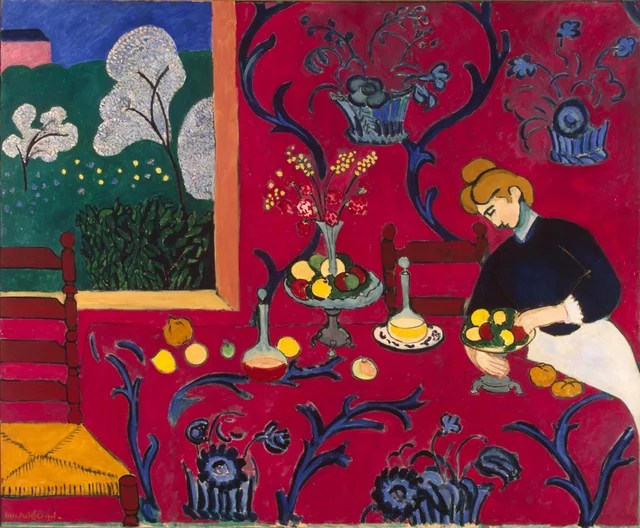
H. Matisse, The Dessert: Harmony in Red (The Red Room), 1908, oil on canvas, Hermitage Museum (St. Petersburg, Rusia)

In today’s Gospel The Lord is not playing Miss Manners. He’s not giving lessons in proper etiquette. He is teaching us the proper way to view ourselves and others. He is teaching us about honor, respect, and, particularly, about humility. The Banquet table in the first part of the Gospel is the Table of the Lord. We are invited to the celebration of God’s Kingdom. Our joy should be that we are invited to this meal. We cannot be concerned with comparing ourselves to the other guests. We are told that we shouldn’t think so highly of ourselves that we put ourselves over other people. Symbolically, we shouldn’t move to the best seat at the banquet thinking that we are so much better than everyone else. Are we better than others because we are here at Mass right now and others are not planning on worshiping this weekend? Is that how the Lord wants us to think? Of course not. I, and I am sure you, run into many people who assert their high spirituality, greater than all others, save those who share their particular experiences. They are part of a particular prayer movement or a spiritual group, or they have visited shrines, they join a traditionalist parish and consider themselves the “faithful Catholics” as in real Catholics opposed to the rest of us. They insinuate, or even say directly: “I’m sorry that you haven’t made this movement, joined this group or visited that shrine. You are really missing out here.” And in this way purport to be so much better than everyone else. What they are in fact saying is, «You haven’t made this movement, you haven’t visited this shrine, well, you’re just not up there, spiritually.» A truly holy person would never belittle the faith-life of another person. The first dinner instruction encourages us to recognize who we are before the Lord, not to be concerned with making believe we are better than others. The second part of the gospel does not speak about the Table of the Lord, but refers to honoring people for favors to come later. The Christian attitude should be to care genuinely for others, not try to buy them. If we are concerned with whom they are, not what they can do for us, then we are honoring the Lord who is present within them. Put both dinner instructions together and we have, simply enough: recognize the presence of the Lord in ourselves and in others and honor that presence. This is Christian humility. Humility is rejoicing in whom we are and who others are before the Lord. If we live this way then we, the humble, will be exalted by the Lord • AE


Fr. Agustin Schedule for the Twenty-Second Sunday in Ordinary Time

St. Dominic Catholic Church

Saturday August 27, 2022

3.30 p.m. Sacrament of Reconciliation (Confessional)

5.00 p.m. (English Mass @ Main Church)

Sunday August 28, 2022

12.30 p.m. Holy Mass (English Mass @ Main Church)

3.00 p.m. Santa Misa en Español (Final del Retiro de ACTS)


XXII Domingo del Tiempo Ordinario (Ciclo C)

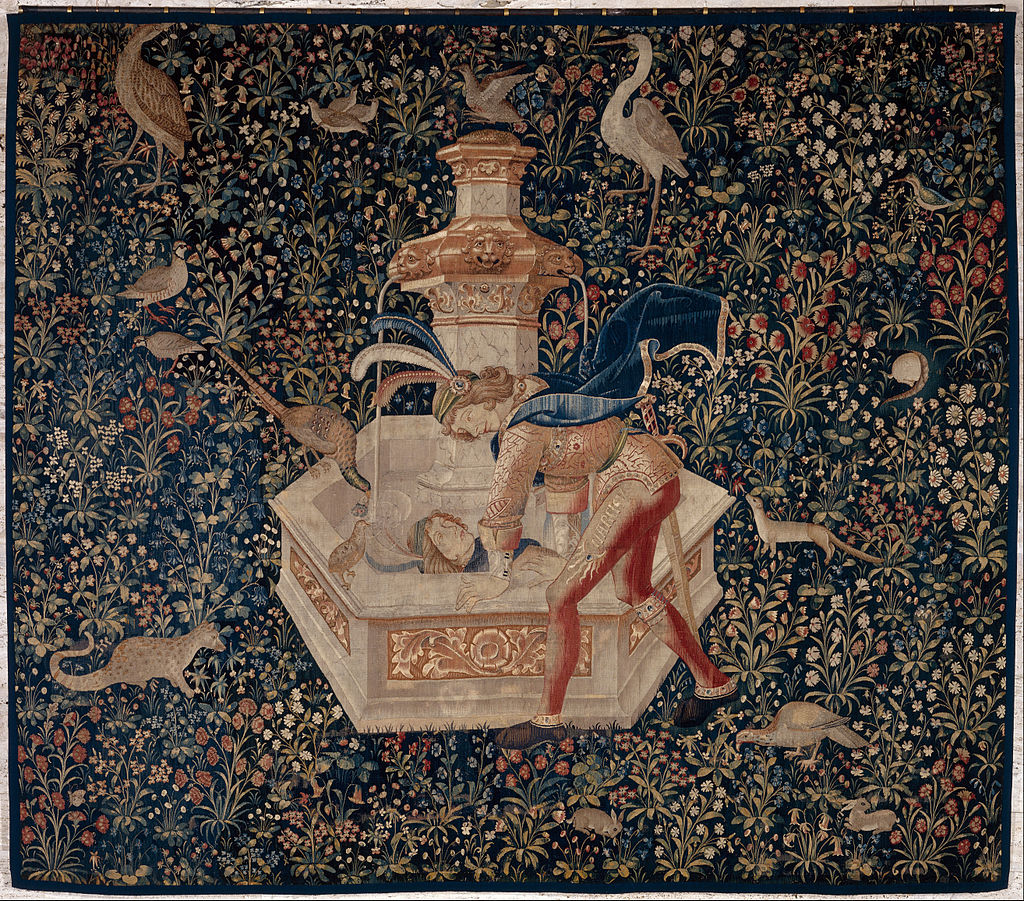
Autor anónimo, Narciso, (c. 1500), tapiz, Museo de Bellas Artes de Boston,

A finales de los años setenta, CH. Lasch escribió La cultura del narcisismo (1979), un libro que podría ayudarnos a entender mejor que el individualismo al que tanto se nos invita, en realidad no es autoafirmación, sino pérdida de identidad, vacío interior y empobrecimiento. Basta tomar nota de algunos de sus rasgos. La personalidad narcisista centra al individuo sobre sí mismo. La meta casi única es el propio bienestar y el equilibrio emocional. Fuera problemas. Lo importante es vivir en paz y tranquilo evitando lo que pueda complicarnos las cosas. En consecuencia, se vive a distancia de aquello que pueda comprometer. No se toma en serio lo que puede significar exigencia y esfuerzo comprometido. Se habla de derechos, pero poco o nada de obligaciones. El individuo defiende por encima de todo su interés personal, y así el resultado es empobrecedor. La persona no crece ni despliega sus posibilidades. Busca seguridad y bienestar. Toda su identidad consiste en vivir cómodamente en cada momento. Todo vale con tal de vivir bien: creencias de cualquier tipo, religión «a la carta», ética de conveniencia, etc. Los problemas personales se magnifican y así poco a poco se cae en la apatía e indiferencia ante los sufrimientos de los demás. El evangelio de este domingo evangelio invita a ver la vida de otra manera: «Hay más alegría en dar que en recibir». Una frase absolutamente contracultural, sin embargo la experiencia nos dice que es verdad para aquel que tenga un espíritu suficientemente humano y que busque verdaderamente seguir al Señor. Más contrarias aún al espíritu de los tiempos son las palabras recogidas por el evangelio de Lucas: «Cuando des un banquete, invita a los pobres, lisiados, cojos y ciegos: dichoso tú porque no pueden pagarte». Reconozcámoslo: tenemos miedo a la verdadera felicidad porque creemos que ésta se encuentra sólo en el placer y no en la entrega generosa. Sin embargo, la sabiduría de ser feliz supone la libertad de desprenderse. Hay una dicha que sólo conoce quien sabe dar sin recibir nada a cambio, amar a fondo perdido. Todo lo contrario a lo que el mundo nos dice, pero todo ello profundamente humano y gratificante y del color del camino de Cristo • AE