Fourth Sunday of Lent (Cycle C)

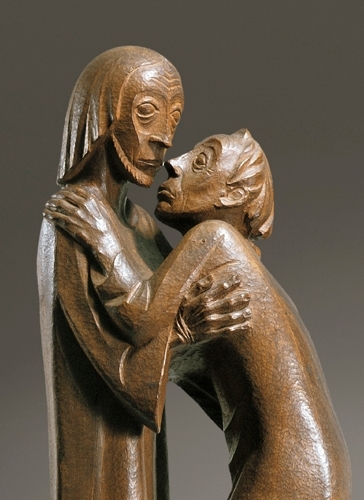
A Prodigal son. A Forgiving Father. We have heard today’s parable so many times that most of us can repeat it almost line for line. It is such a beautiful story told by the Lord with so much drama that we can vividly picture each scene. We can see the nasty younger son, demanding his piece of the inheritance so he can spend it foolishly. We see the scene of his wild parties and then his so-called friends deserting him when his money ran out. We can picture his disgust at the smell of the pigs, and here he was, a Jew, feeding pigs and longing to eat pig slop. We can picture the father, looking out across the fields every day hoping that perhaps his son will return, and then the tears of joy when he saw the boy. We can picture the older brother, furious that the one who had caused his family so much pain was now being welcomed back into the fold. And we can see the pain of the father when the older brother refuses to join in the Banquet of the Father’s Love. Perhaps, though, the parable is so familiar that it has lost its impact. We have to remember over and over that the Forgiving Father does not want us sitting in misery on our rocks, overwhelmed with guilt and shame. No, the Forgiving Father wants to embrace us and bring us home. This is Laetare Sunday, the Sunday where we express joy that the celebration of our redemption is only three weeks away. But there is more to our joy than that. This is the Sunday when we come to a more profound understanding of how deep our Father’s love is for us. He doesn’t care about what we have done. He doesn’t care about how we have hurt him, whether its squandering his money, running away from home and embracing a horrible life, destroying his hard work in the fields, or whatever it is that might lead us to sit on a rock shuddering in shame. All that God the Father cares about is that we were lost, but now are found. He just wants to put his arm around us and say, “Let’s go home.” This beautiful parable gives us a hint at how deep is God’s mercy, and how profound is his compassion. May we have the humility to seek forgiveness. And may we forgive others as we have been forgiven • AE


Fr. Agustin Schedule for the Fourth Sunday of Lent

Saturday March 26, 2022

3.30 p.m. Sacrament of Reconciliation @ Confessional

5.00 p.m. English Mass @ Main Church

Sunday, March 27, 2022

12.30 p.m. English Mass @ Main Church

3.00 p.m. Misa en Español @ Main Church


IV Domingo del Tiempo de Cuaresma (Ciclo C)

J. Palma, La Diversión del Hijo Pródigo (1600), óleo sobre tela, Galería de la Academia (Venezia)

Jesús no queria que quienes lo escuchaban sintieran a Dios como un rey, un señor o un juez. Él lo experimentaba como un padre increíblemente bueno, así fue que en esta parábola (que más bien deberíamos llamar «Del padre bueno»), nos presenta la forma en la que él experimenta a su Padre. Dios es como un padre que no piensa en su propia herencia. Respeta las decisiones de sus hijos. No se ofende cuando uno de ellos le da por muerto y le pide su parte de la herencia. Lo ve partir de casa con tristeza, pero nunca lo olvida. Aquel hijo siempre podrá volver a casa sin temor alguno. Cuando un día lo ve venir hambriento y humillado, el padre se conmueve, pierde el control y corre al encuentro de su hijo. Se olvida de su dignidad de señor de la familia, y lo abraza y besa efusivamente, como una madre. Interrumpe su confesión para ahorrarle más humillaciones. Ya ha sufrido bastante. No necesita explicaciones para acogerlo como hijo. No le impone castigo alguno. No le exige un ritual de purificación. No parece sentir siquiera la necesidad de manifestarle su perdón. No hace falta. Nunca ha dejado de amarlo. Siempre ha buscado su felicidad. Él mismo se preocupa de que su hijo se sienta de nuevo bien. Le regala el anillo de la casa y el mejor vestido. Ofrece una fiesta a todo el pueblo. Habrá banquete, música y baile. El hijo ha de conocer junto al padre la fiesta buena de la vida, no la diversión falsa que buscaba entre prostitutas paganas. Así le sentía Jesús a Dios y así lo repetiría también hoy a quienes olvidados de él, se sienten lejos o comienzan a verse como perdidos en medio de la vida. Cualquier teología, predicación o catequesis que olvida esta parábola central de Jesús e impide experimentar a Dios como un Padre respetuoso y bueno, que acoge a sus hijos perdidos ofreciéndoles su perdón gratuito e incondicional, no proviene de Jesús ni transmite su Buena Noticia de Dios. No lo olvidemos • AE



Third Sunday of Lent (Year C)

A. Grimmer, The Parable of the Barren Fig Tree (1611), oil on canvas, Particular Collection.

In a second incident, Jesus mentions that eighteen other people were killed when a tower fell in the city of Siloam. Sadly, this is a common tragedy in construction, even in the time of the Lord. But it wasn’t an everyday event for the families of the dead. They were in turmoil. How can anyone make sense of their loss? People have always suffered. Whether it is through disease, or the results of violence, or the result of natural disasters. It is normal for people to ask, as perhaps you have asked, “Has God lost control? Doesn’t he recognize what is happening to his people?” In the Gospel for today Jesus says, «God knows,» but the time is not yet ready for him to come to judge all people, to bring evildoers to their just ends and to protect the innocent victims of evil. Just as the farmer gives the fig tree one more chance to bear fruit, God gives mankind in general and us in particular a little more time to change our ways. This same teaching is found in the Book of Revelations, the Fifth Seal[1]. The Book of God’s Plan for mankind is brought forward, but it is bound by Seven Seals. When the Fifth Seal is broken, the blood of the martyrs is heard calling out to God from underneath the Altar of God, “How long O Lord, Holy and True, how long until you judge those who live on earth and avenge our blood.” And they are each given a white robe and told to rest until the full number of witnesses to the Lord is complete. Then God will come with power, the power of his name. Then all people will recognize him just as the Pharaoh of Egypt was forced to recognize who God was after Moses proclaimed God’s name in power. When the power of God is revealed then we, who are no longer under a cloud of uncertainly as our ancestors of the Old Testament times were, as St. Paul says in today’s second reading, when the power of God comes then we will stand before God and present ourselves and our lives to him[2]. The fig tree only has so long before it has to produce fruit. We are the fig tree. In all of this, Jesus is saying, “Life is short. Make the best use of whatever time you have.” Life is short, and at the same time, life is a journey. On this journey there is joy and there is turmoil. There are continual crises. There are continual celebrations. There’s the drudgery of everyday chores and the joy of completing our chores with and for the ones we love. All of life has meaning to the extent that we walk with the Lord. We have to take the responsibility of letting him into our lives. He wants to walk with us. We still have time. It is Lent, the time for us to face up to the evil that is around us and within us. Lent is the time for reconciliation. Great word, reconciliation. Lent is the time for us to recognize our own participation in the cumulative effects of evil in the world. Lent is a time for us to view our own personal tragedies as resulting from the effect of evil on the innocent. Lent is a time for us to ask for forgiveness and courage so that we might bear fruit. Lent is a time for us to face up to our own failings as we recognize that God can and will heal us and help us. Towers fall. Massacres take place. Loved ones die. But God gives us the strength and the courage to overcome these tragedies. It is not too late! The fig tree has been given another year. May God give us the courage to use his time and our time wisely. May we bear fruit • AE

[1] 6:9- 10 [2] Cf. 1 Cor 10:1-6, 10-12.


Fr. Agustin Schedule for the Third Sunday of Lent

Saturday March 19, 2022

3.30 p.m. Sacrament of Reconciliation @ Confessional

5.00 p.m. English Mass @ Main Church

Sunday, March 19, 2022

12.30 p.m. English Mass @ Main Church

3.00 p.m. Misa en Español @ Main Church


III Domingo de Cuaresma (Ciclo C)

Pablo Picasso, Paloma, (1949), Tate Gallery (Londres)

Unos desconocidos le comunican a Jesús la noticia de la horrible matanza de unos galileos en el recinto sagrado del templo. El autor ha sido, una vez más, Pilato. Lo que más los horroriza es que la sangre de aquellos hombres se haya mezclado con la sangre de los animales que estaban ofreciendo a Dios. No sabemos por qué acuden a Jesús. ¿Quieren que les diga algo a las víctimas? ¿Quieren que les explique qué pecado han podido cometer para merecer una muerte así? Y si no han pecado, ¿por qué Dios ha permitido aquella muerte sacrílega en su propio templo? Jesús responde recordando otro acontecimiento dramático ocurrido en Jerusalén: la muerte de dieciocho personas aplastadas por la caída de un torreón. De ambos sucesos hace Jesús la misma afirmación: las víctimas no eran más pecadores que los demás. Y termina su intervención con la misma advertencia: «y si ustedes no se arrepienten, perecerán de manera semejante». La respuesta de Jesús hace pensar. Antes que nada, rechaza la creencia tradicional de que las desgracias son un castigo de Dios. Jesús no piensa en un Dios «justiciero» que va castigando a sus hijos e hijas repartiendo aquí o allá enfermedades, accidentes o desgracias, como respuesta a sus pecados. Después, cambia la perspectiva del planteamiento. No se detiene en teorías sobre el origen último de las desgracias, hablando de la culpa de las víctimas o de la voluntad de Dios. Vuelve su mirada hacia los presentes y los enfrenta consigo mismos: han de escuchar en estos acontecimientos la llamada de Dios a la conversión y al cambio de vida. Estamos estremecidos por la tragedia de la guerra entre Rusia y Ucrania ¿Cómo leer esta tragedia desde la actitud de Jesús? Ciertamente, lo primero no es preguntarnos dónde está Dios, sino dónde estamos nosotros. La pregunta que puede encaminarnos hacia una conversión no es «¿por qué permite Dios esto?», sino «¿Estoy contribuyendo con mis pequeños grandes odios y resentimientos a lastimar la paz?”. Al Dios crucificado no lo encontraremos pidiéndole cuentas a una divinidad lejana, sino identificándonos con las víctimas. No lo descubriremos protestando de su indiferencia o negando su existencia, sino colaborando de mil formas por mitigar el dolor alrededor de nosotros. Entonces, tal vez, intuiremos entre luces y sombras que Dios está en las víctimas, defendiendo su dignidad eterna, y en los que luchan contra el mal, alentando su combate • AE


Second Sunday of Lent (Cycle C)

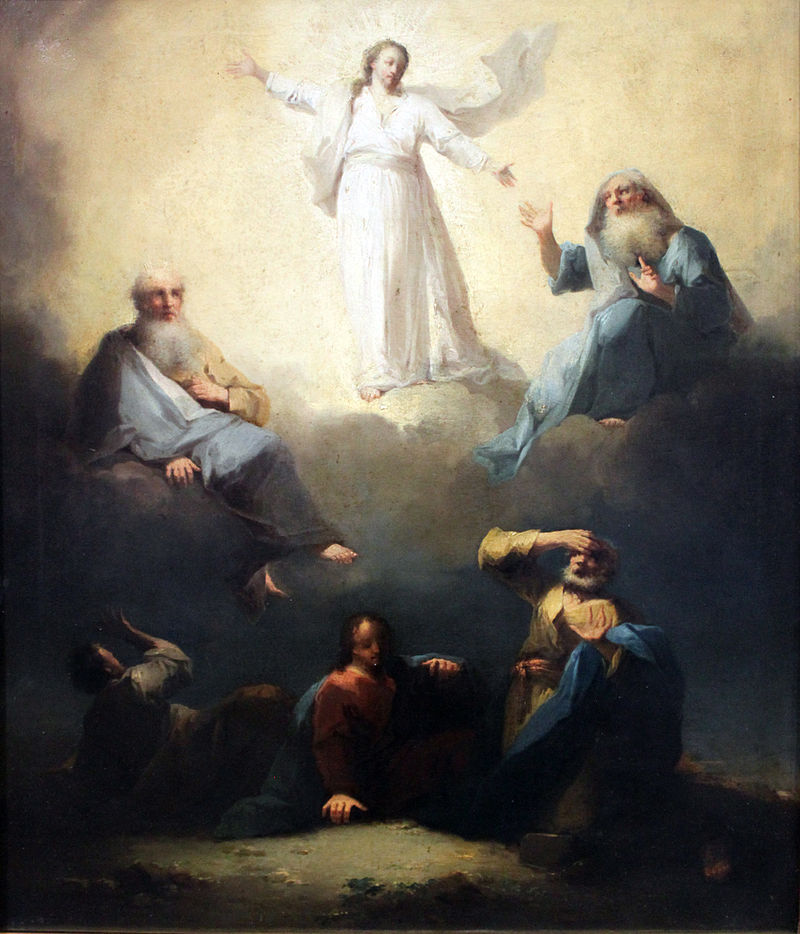
Johann Georg Trautmann, The Transfiguration of Christ (1760), oil on canvas, Städel Museum (Frankfurt)

On the Second Sunday of Lent we consider the way we are following the Lord. And there are many questions that we could ask ourselves today in our time of prayer. Do we allow ourselves to be exposed to the spiritual? Do we pray, really pray? Do we allow the spiritual to become real in our lives? Are we allowing God’s plan to take effect in our world? Are we living as citizens of heaven, or is our glory the mere external following of our religion? If someone were to ask any of us, “What exactly is a Catholic?” In what terms would we form our answer? If we were to answer the question in terms of religious practices, such as “a Catholic is a person who goes to Church on Sundays, receives the sacraments, says the Rosary, etc.,” we would be given far too much importance to what we do and not enough importance to what God is doing. However, if we were to answer the question, “What is a Catholic?” in terms of what God does, if we were to say, “A Catholic is someone united to God in such a way that others experience the Mystery of God working in him,” then it is God and his works that are the essence of lives. Few people are drawn to Catholicism because they want to do the things that Catholics do. People are drawn to Catholicism because they want to experience God as Catholics experience Him. Spiritually alive, living with God, united in the Holy Spirit, we can become the Divine Magnet for the world. We began today’s Gospel with Jesus at prayer, in union with the Father, entering into the mystery of his Being. He is transfigured. The disciples call out, “It is good for us to be here.” Yes it is! It is good for all of us to be here in the presence of the Lord. We also are called into the mystery of our being, the depth of whom we are where physical, and spiritual unite. We are called into our depth, into union with the Holy Spirit so others might say, “It is good for us to be here.” So, may the Lord transform us. Transfigure us. Me he help us so that the spiritual can be real in our lives. He knocks on the door of our hearts. May we let him in and may he help us to fight for the reign of the spiritual, the mystical. Help us to be vehicles of his presence! • AE


Fr. Agustin Schedule for the Second Sunday of Lent

Sunday, February 13, 2022

7.30 a.m. English Mass @ St. Dominic Catholic Church

10.00 a.m. English Mass @ St. Dominic Church


II Domingo de Cuaresma (Ciclo C)

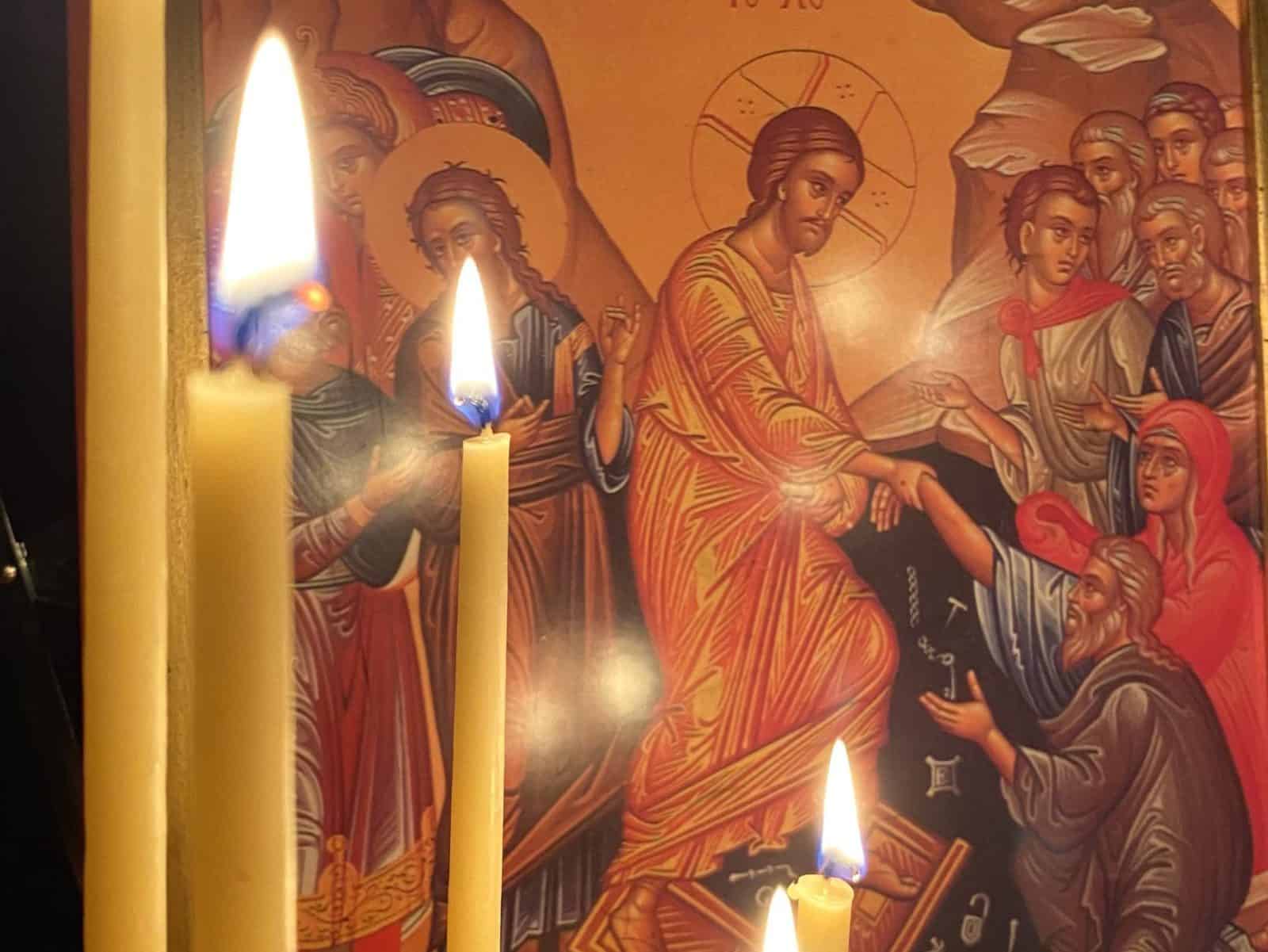
Autor anónimo, icono ortodoxo representando el descenso de Jesús al lugar de los muertos

Uno de los mayores riesgos de los creyentes es ir llenando la palabra “Dios” de cualquier contenido y seguir pensando todavía que uno cree e invoca al Dios verdadero. Más aún. Con bastante frecuencia, nuestra imagen deformada de Dios puede ser, de manera inconsciente, el mayor obstáculo para descubrir el verdadero rostro de Dios. Estamos llenos, qué duda cabe, de caricaturas de Dios. El “Dios intimista” que nos compensa de nuestras frustraciones, nos consuela en nuestras tribulaciones y nos tranquiliza en la ansiedad, pero no nos estimula a vivir la fraternidad y la solidaridad con el necesitado. El “Dios de nuestros intereses” puesto al servicio de cruzadas y estrategias políticas diferentes, utilizado para “rearmes religiosos” interesados y apoyo de ideologías de un signo y otro. El “Dios popular” con quien se negocian favores temporales y eternos a base de promesas, ritos y oraciones. El “Dios riguroso” y terrible, reflejo de una sociedad autoritaria, en quien es difícil confiar o el “Dios permisivo” y complaciente de los nuevos tiempos, que no exige ni inquieta porque le hacemos decir sólo lo que queremos oír de Él. El “Dios encerrado” en una parcela privada de nuestra vida, que no tiene apenas influencia alguna en esferas importantes de nuestra vida como los negocios, la profesión, la actividad pública o el comportamiento afectivo. El “Dios irrelevante” que no tiene apenas impacto alguno en la vida real de cada día y cuya desaparición no cambiaría de manera notable la existencia de quienes se dicen creyentes. La gran pregunta es ¿Dónde podríamos purificar nuestras imágenes deformadas de Dios y descubrir el verdadero rostro de Dios? El verdadero camino -en realidad el único- es Jesucristo. Los apóstoles escucharon esa órden: “Éste es mi Hijo, mi escogido; escúchenlo”. Para acoger al verdadero Dios es necesario seguir a Jesús, escuchar su mensaje, vivir su experiencia, dejarse animar por su Espíritu. Si: todo éso. Los cristianos habríamos de purificar nuestra fe de tantas adherencias y deformaciones, volviendo de nuevo a Jesucristo, el Señor ¿Cuándo? ¡La Cuaresma es un tiempo estupendo para hacerlo! • AE


First Sunday of Lent (Cycle C)

George Romney, The Temptation of Christ.

Every year we begin Lent with one of the accounts of the temptation of the Lord. The account this year is taken from the Gospel of Luke. Forty is an important number in the Bible. It usually refers to a period of preparation. For example, Moses was on Mount Sinai for forty days before he received the Law of God.  When we consider the 40 days of Lent, we focus on preparing for Easter. That is one reason for Lent, but only one. We are also preparing ourselves for the full sharing in Jesus’ Resurrected Life that will take place when we pass from this life to the next. We are preparing for eternal life. That is why during Lent we need to consider our personal battles against evil. As human beings, we will always be confronted with the temptation to do wrong. As long as we have human bodies we are going to be tempted to seek joy in places where the Lord is not found. If you get to the end of the day and can honestly say, “I had no temptations of any kind today,” you should take your pulse. You are probably dead! Jesus himself was tempted to accept the pleasures of the world rather than remain united to the Father. One of the problems we have, though, is that we live in a society that gives little weight to temptation. Instead, it suggests that whatever we do is acceptable as long as, supposedly, no one gets hurt. This is the lie that claims that there is such a thing as a victimless crime. Many of us buy into an additional lie of society that it is psychologically unhealthy to deny yourself. This is not true. When we fall for this psycho babel temptation, we are really saying that doing evil is a good thing. We are falling for the initial temptation of the devil in Genesis. “Do it and don’t worry about God. It’ll be good for you.” Taken to its logical conclusion, this is also saying that there should be no morality of any kind or level in society. Everybody should do whatever they want whenever they want to do it. People should not have to live together in a way that respects each other and their Creator. Of course, we could decide that others should follow the laws of morality, as long as we are not held to the same moral principals. In which case we condemn ourselves to hypocrisy. Society also tries to convince us that human beings are too weak to combat temptation. This leads some parents to insult their children by expecting them to behave like animals when they become teenagers, or leave home for college. These are the parents who provide alcohol for the Teen’s parties or give their children the opportunity for sexual immorality, or put their daughters on birth control because, they argue, “They are going to have sex anyway.” These parents are basically saying that their children cannot resist temptation, so they provide the temptation for them. They don’t consider the fact that when parents facilitate sin, they carry a deeper guilt than their children for the sin and have more for which they will need to answer to God. I often tell the young people that they are not animals, that they have the dignity of being sons and daughters of God. They have the right to demand that others respect their dignity. We have the power to resist sin, to defeat the temptation. But we have to want to resist it. We have to be determined to do the Will of God. Jesus was determined to do the will of the Father. It is great, wonderful, that so many people approach the sacrament of penance during Lent. Along with the forgiveness of sin, and perhaps even as important, the sacrament of penance strengthens our resolution to avoid sin. So, how determined are we to live the Life of the Lord? Do we really want to fight off temptation? Do we really want to be healed? These are the deep questions we ask ourselves at the beginning of Lent. We pray for strength during Lent, strength not just to fight off evil, but to want to fight it off •AE

Fr. Agustin will be out of town this weekend. He will resume his regular schedule on Saturday March 12, 2022. St. Dominic Catholic Church will continue in its regular Mass schedule both weekdays and weekends.


Primer Domingo de Cuaresma (Ciclo C)

Anónimo, Las Tentaciones de Cristo, manuscrito iluminado del s. XVI, Biblioteca Nacional de la Haya

El relato de las tentaciones de Jesús no es un episodio cerrado, que acontece en un momento y en un lugar determinado. El evangelista advierte que «el demonio se marchó hasta otra ocasión». Las tentaciones volverán en la vida de Jesús y en la de sus seguidores. Quizá por esto mismo los evangelistas colocan el relato antes de narrar la actividad profética de Jesús. Sus seguidores han de conocer bien estas tentaciones desde el comienzo, pues son las mismas que ellos tendrán que superar a lo largo de los siglos, si no quieren desviarse de él. En la primera tentación se habla de pan. Jesús se resiste a utilizar a Dios para saciar su propia hambre: «no solo de pan vive el hombre». Lo primero para Jesús es buscar el reino de Dios y su justicia: que haya pan para todos. Por eso acudirá un día a Dios, pero será para alimentar a una muchedumbre hambrienta. También hoy nuestra tentación es pensar solo en nuestro pan y preocuparnos exclusivamente de nuestra crisis. Nos desviamos de Jesús cuando nos creemos con derecho a tenerlo, y olvidamos el drama, los miedos y sufrimientos de quienes carecen de casi todo En la segunda tentación se habla de poder y de gloria. Jesús renuncia a todo eso. No se postrará ante el diablo que le ofrece el imperio sobre todos los reinos del mundo: «Al Señor, tu Dios, adorarás». Jesús no buscará nunca ser servido sino servir. También hoy se despierta en algunos cristianos la tentación de mantener, como sea, el poder que ha tenido la Iglesia en tiempos pasados. Nos desviamos de Jesús cuando presionamos las conciencias tratando de imponer a la fuerza nuestras creencias. Al reino de Dios le abrimos caminos cuando trabajamos por un mundo más compasivo y solidario. En la tercera tentación se le propone a Jesús que descienda de manera grandiosa ante el pueblo, sostenido por los ángeles de Dios. Jesús no se dejará engañar: «No tentarás al Señor, tu Dios». Aunque se lo pidan, no hará nunca un signo espectacular del cielo. Solo hará signos de bondad para aliviar el sufrimiento y las dolencias de la gente. Nos desviamos de Jesús cuando confundimos nuestra propia ostentación con la gloria de Dios. Nuestra exhibición no revela la grandeza de Dios. Solo una vida de servicio humilde a los necesitados manifiesta su Amor a todos sus hijos. El verdadero poder, es el servicio, como tanto nos ha repetido el Santo Padre Francisco ¿estamos dispuestos a caminar por ahí? • AE

Ash Wednesday (2022)

Today’s gospel warns us to pray in private, to give alms in private, to fast in private. It is very ironic then that we are gathered here today in a public place of worship to get our foreheads marked with ashes for the entire world to see. It seems that Matthew does not want us showing the world that we are fasting, praying, giving alms, yet we will leave here today with ashes on our foreheads, for all of us to see. What are we to make of this admonition to pray, fast, and give alms in private? Lent is a time to grow closer to the Lord Jesus. It is a time for deepening our prayer, intensifying our support of the body of Christ, and growing closer to the Jesus who hears all of our prayers. We will grow closer to the Lord by praying the most intimate, deep-down prayers that we have. These prayers that we share with the Lord in privacy tend to be the prayers that are closest to our hearts. We are not tempted to shout these prayers out on the street corner because they are prayers between ourselves and God. These are our most intimate prayers, and this sharing of our most intimate prayer with God will bring us closer to our Lord Jesus. It is like with any close friend we have, when we trust this person with most intimate fears, hopes, dreams, and weaknesses, we will grow closer to that person. The same thing happens with Jesus when we share these intimate private prayers with him in the security of our own private room. What are your deepest, most intimate concerns? What keeps you up at night or worried during the day? Bring them today in the privacy of your own heart here before the Lord. But we are not in a private place right now. We are sitting in a public place of worship. Perhaps we take this chance to learn a little bit about the Church as the people of God. The Church, as a group of people in Christ, is the place where we can safely share these intimate prayers. This is what Church means for us today–a place where we come together as God’s people willing to bring our private prayers together and place them before each other and the Lord. It is a tremendous act of trust to belong to such a body as this Church. We all come to this place because we will not be judged on the basis of our most secret and most profound prayer. We trust that all here have such prayers, and we draw strength from the courage of one another to be here in public, praying to God with our most private affairs. And so we come together today, though we are signed outwardly with marks of ashes, with our hearts are full of the prayers that are most important to us. We come together as the body of Christ trusting in one another and in the Lord as we make our Lenten journey following Christ •AE


Fr. Agustin Schedule for Ash Wednesday of 2022

8.30 a.m. Holy Mass with distribution of Ashes (English)

6.00 p.m. Holy Mass with distribution of Ashes (Bilingual)


Miércoles de Ceniza (2022)

Durante muchos años ciertas espiritualidades –o escuelas de espiritualidad o movimientos- la llegada del miércoles de ceniza equivale a empezar algo triste. Y no es así. Por otro lado, en medio de la sociedad en la que nos movemos y de la que no podemos ni debemos desaparecer o sustraernos, la Cuaresma no significa mucho. La Liturgia –que es, en palabras del Papa, un oasis en el que nos podemos refugiar para llenar las alforjas- nos invita a que acojamos bien la palabra áspera de los profetas y del mismo Señor con todo lo que exige: una separación de la vida cómoda pero que no perdamos la alegría y la sencillez. El tiempo de Cuaresma que comenzamos hoy con la imposición de la ceniza es un tiempo precioso para estar más cerca de la Palabra de Dios. Del Miércoles de Ceniza al Domingo de Ramos tenemos decenas de lecturas, salmos, oraciones, prefacios, etc. Durante éstas cinco semanas el Señor nos hablará de que debemos enfrentar las tentaciones, ponernos en camino, buscar el agua viva, que es posible curar de nuestra ceguera y finalmente resucitar con Él. En la liturgia de cada día también es abundante el alimento espiritual que podemos encontrar. Si buscamos un propósito para esta cuaresma, he aquí uno muy sencillo: poner más atención a la palabra de Dios en la Misa. El tiempo de Cuaresma es una llamada vigorosa a la santidad y esto exige que hagamos un sereno y serio balance espiritual, una revisión de lo que hasta hoy es nuestra vida, dejando entrar la luz del Espíritu de Dios hasta lo más profundo, con confianza, con alegría con sencillez. Quizá hemos tomado poca conciencia de lo mucho que nos aleja de los demás –de la familia y de la propia comunidad- el pecado.

Señor Jesús,

no sólo me he alejado de ti,

sino de mí.

Tráeme a mí,

para que pueda llegar hasta ti.

Hazme conocer mis tinieblas

para que busque tu luz.

Y es que, si me observo mejor, tendré ganas de cambiar, de cambiarme. Eso es lo que indica la que es quizá la palabra clave de todo este tiempo que nos regala la Iglesia: convertirse, sabiendo que es importante no decir eso de: “Yo quiero convertirme” pues eso nunca ha transformado a nadie. Hemos de tomar más bien la decisión de mirar al Señor y de escucharle. Haciéndolo sentiremos el deseo sereno y fuerte de ser mejores. Éste primer encuentro con la Cuaresma –la imposición de la ceniza- nos ayuda a guardar silencio, a centrarnos en lo importante y darnos cuenta de que la llamada sigue siendo la misma: ¿das de verdad limosna, sí o no? Y esto quiere decir: ¿compartes con los otros y vas a compartir más aún durante esta cuaresma?; ¿rezas o no rezas, y estás dispuesto a rezar más durante esta cuaresma?; ¿aceptarás una vida más ascética para salir de la comodidad… y también para poder compartir un poco más? No hay nada que nos impida escoger otros esfuerzos, otros progresos; no faltan sugerencias para ello en el evangelio. Lo que debe animarnos y hasta entusiasmarnos es que una cuaresma tomada así, en serio, puede marcar profundamente nuestra vida •AE