Solemnity of the Immaculate Conception of the Blessed Virgin Mary

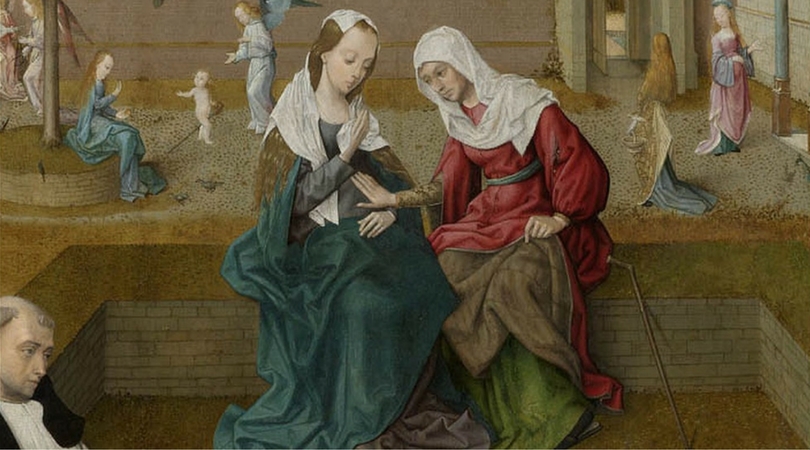
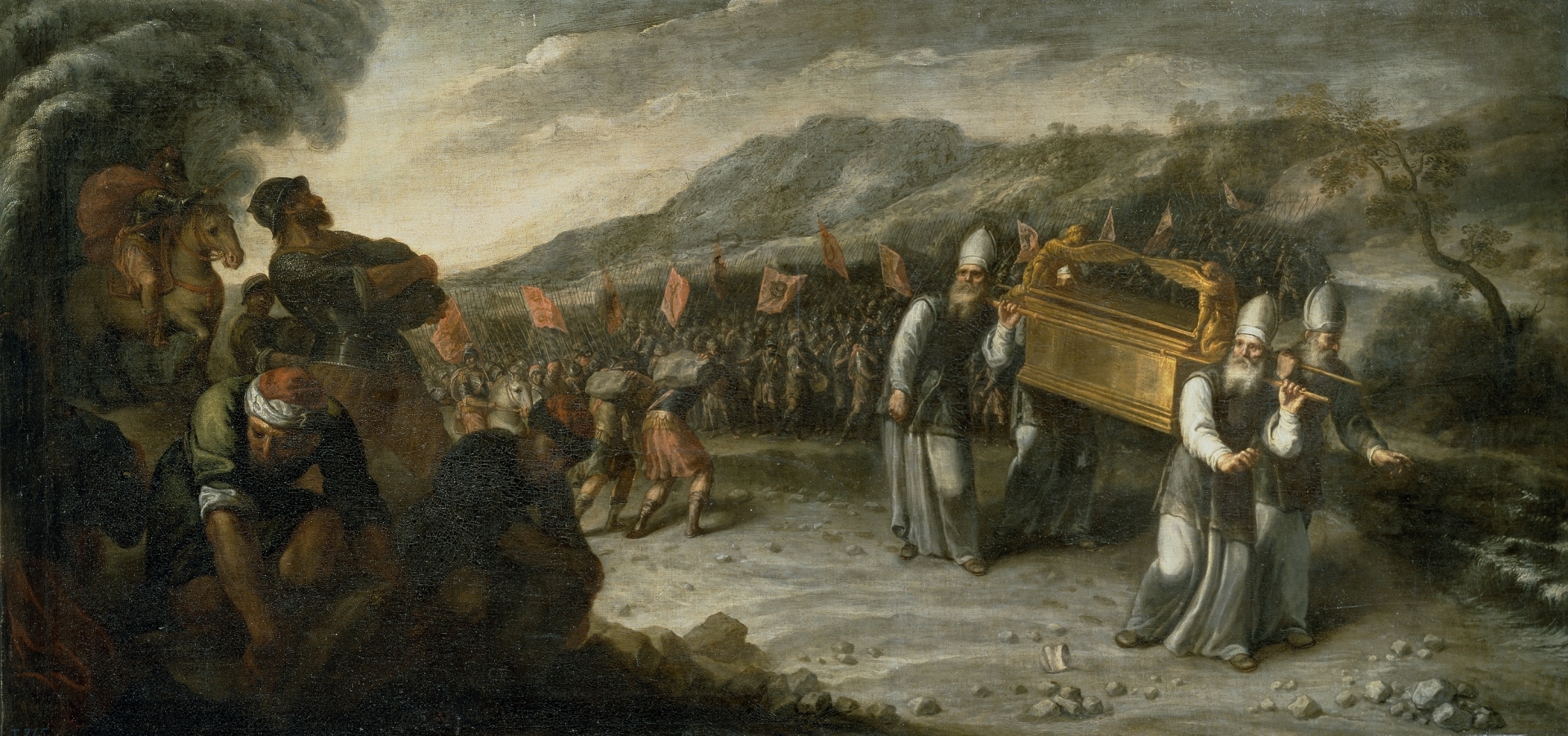
J. Montero de Rojas, The crossing of the Jordan River with the Ark of the Covenant (1667), oil on canvas, Museo Nacional del Prado (Madrid)

In the Gospel today, the Archangel Gabriel came to Mary in Nazareth, bearing the Good News of God’s salvation. Why is it that Mary is so special? That is because God has prepared her to be part of His plan for the salvation of His people, as she was to be the one who would bear the Messiah, the Savior of the world inside her. For this special role, God is certainly able to give an exception to Mary among all mankind, that for her alone, she was conceived, and born of her parents without the taints of the original sin of man. And this special grace is related to the role she played in our salvation, as the one who bore God within herself. In order to understand this better, we must know that Mary is the New Ark, bearing the New Covenant of God. The old Ark of the Covenant was built by Moses from precious metals and materials, and adorned to be worthy of bearing the Law of God and His Covenant, and the Ark came to represent God’s presence among His people, so much so that it is hallowed and no one may touch it without dropping dead. That is why the Ark had to be carried on two poles born by four people. And if this old Ark is made by the hands of man, carved and designed by man, and bearing within it, two slabs of stone upon which the Ten Commandments were written, and was considered so holy and precious, then all the more that the New Ark bearing the New Covenant must be hallowed, pure and holy. Thus, God has prepared Mary, who is to be the mother of God, and made her holy and pure, clean from any taint of the original sins of man. And this New Ark is all the more precious, far surpassing the old Ark, because Mary, as all men and women are, she was crafted and designed by the Lord Our God. And she bore within her womb for nine months, none other than the Lord Himself, who has willingly come down upon us in human flesh, Jesus Christ, Son of God. That is why today the whole universal Church rejoice together celebrating this wonderful mystery of the Immaculate Conception of the Blessed Virgin Mary, for through Mary, the final defeat of the devil and his forces have been made a reality, as the promises God has made about our salvation has been fulfilled in their entirety. And even more so, in Mary, the devil has encountered a great enemy, who is always thwarting his plans all the time. That is because Mary is also the greatest of all the saints of God, and she is the one ever closest to her Son in heaven. She is, as the Queen Mother of heaven, a close advisor to her Son, and she is always active trying to help the people of God to return to Him. She appeared several times to us, in various places and ways, appealing to us mankind to repent from our sins. Through her example of obedience and commitment to fulfil God’s will, walking faithfully in His ways throughout her whole life, Mary has become a great example for each and every one of us, on how we should behave and act in this life, in obedience to God. Ultimately, through our renewed obedience, and by believing in the Savior, Our Lord Jesus Christ, we shall be saved and redeemed from our past sins. Let us today therefore, by following the examples of Mary, mother of God, conceived without sin, dedicate ourselves anew to the Lord. Let us abandon our sinful ways and put our trust in God from now on, striving to live worthily in accordance with God’s words. May the Lord be with us all, and may our mother Mary intercede for us sinners, that we may find our way towards God and His salvation • AE

Fr. Agustin´s schedule for the Solemnity of the Immaculate Conception of the Blessed Virgin Mary (2020)

Monday, December 7

5.30 p.m. Vigil mass at St. Peter Prince of the Apostles Catholic Church

Tuesday, December 8

7:00 a.m. St. Peter Prince of the Apostles Catholic Church

8.00 a.m. School mass St. Peter Prince of the Apostles Catholic Church

5.30 p.m. St. Peter Prince of the Apostles Catholic Church

Solemnidad la Inmaculada Concepción de la Santísima Virgen María
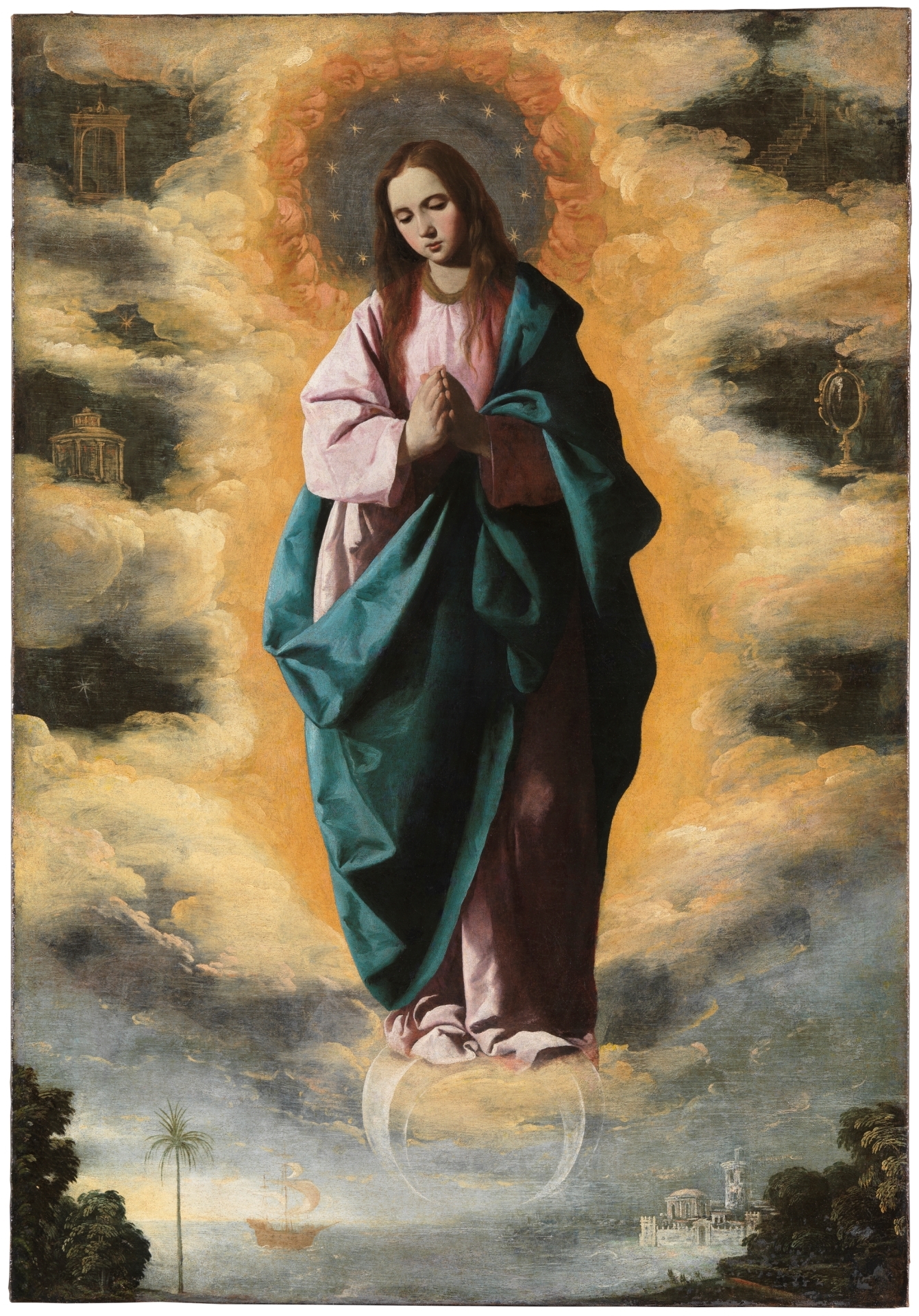
F. de Zurbarán, Inmaculada Concepción (1628), óleo sobre tela, Museo del Prado (Madrid)

Tú eres toda hermosa
Oh madre del Señor
Tú eres de Dios gloria
La obra de su amorOh rosa sin espinas
Oh vaso de elección
De ti nació la vida
Por ti nos vino DiosSellada fuente pura
De gracia y de piedad
Bendita cual ninguna
Sin culpa original
María, MaríaPureza inmaculada
Espejo del Señor
Oh fuente de la gracia
Unida al redentorBelleza sin manzilla
Encanto virginal
Tú eres la alegría
La gloria del mortalSellada fuente pura
De gracia y de piedad
Bendita cual ninguna
Sin culpa origina
l.

La liturgia elige, para esta hermosísima solemnidad de la Inmaculada Concepción de la Santísima Virgen María, un fragmento de la Carta a los efesios en el que nos presenta el destino final al que estamos llamados los cristianos[1]. Vendrá un día en que encontraremos la plenitud. Mientras tanto, proclamar a María Inmaculada es afirmar que, «en la persona de Cristo», ella fue bendecida plenamente con toda clase de bienes espirituales y celestiales; fue elegida para ser santa e irreprochable por el amor; fue destinada a la plenitud de la gracia. Por eso es, sin esperar al fin de los tiempos y desde su concepción, inmaculada, la sin pecado. Y todo ello, «en la persona de Cristo», por los méritos de Cristo, por el que nos viene la redención universal. Lo que Dios podía hacer –potuit-; lo que era oportuno que hiciese –decuit-; realmente lo hizo en María –fecit– «en la persona de Cristo»[2]. Hoy confesamos a María Inmaculada y nos sentimos atraídos por la limpieza, la frescura, la inocencia y la verdad de aquella mujer en que se hizo realidad plena esa santidad a la que lo mejor del corazón humano se siente elegido y destinado. Hoy, en tiempos de ambigüedad, hipocresía y falsedad, de tanto barro y miseria sentimos la atracción por la verdad pura de la que la Purísima. Pero María no sólo fue negativamente inmaculada, la sin-mancha, la sin-pecado. María fue mucho más que incontaminación, pureza o inocencia. María fue sobre todo irreprochable en el amor. Amor es entregarse a uno mismo, es volcar la propia vida en los otros. La actitud humilde y confiada de la Virgen, que acepta ser la Madre de Dios, nos motiva a entregarnos también al Señor, llenos de esperanza. Esta celebración tan luminosa y tan bonita puede ser la ocasión para preguntarnos si con nuestra vida diaria buscamos una unión más íntima y más personal con el Señor • AE


[1] Cfr. Efe 1, 3-6. 11-12.

[2] El 8 de diciembre de 1854, el beato Pío IX proclamó el dogma que reconocía la Concepción Inmaculada de María como «una verdad divinamente revelada», zanjando una controversia de casi diecinueve siglos. La famosa Disputa de la Sorbona, que mantuvieron en 1305 los dominicos partidarios de la «menos pia opinión» maculista, y los inmaculistas franciscanos, representados por Duns Escoto, convirtió a este último en vencedor de la discusión con su célebre argumento «Potuit, decuit, ergo fecit»: «Podía hacerlo, convenía hacerlo, pues lo hizo».
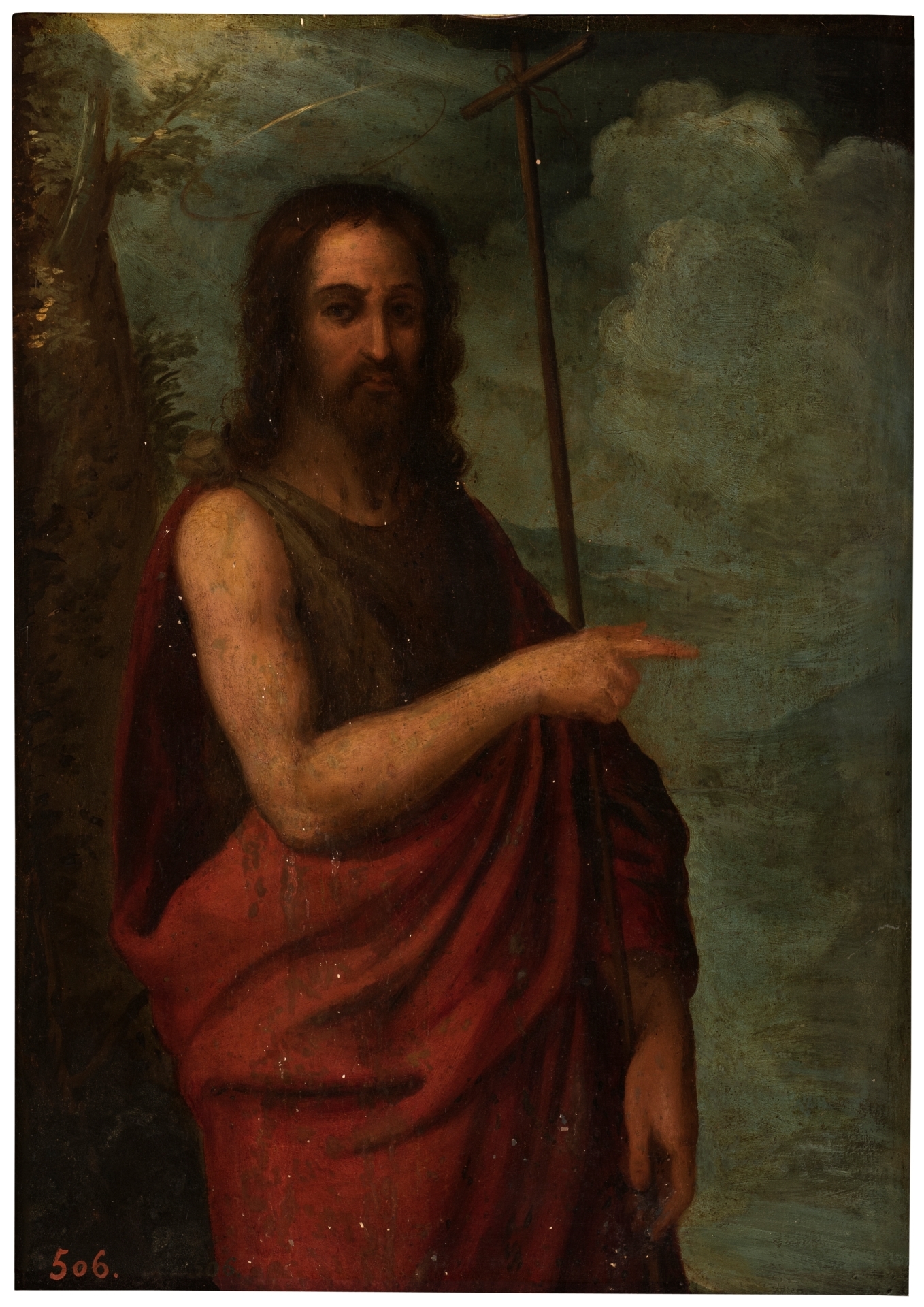
Second Sunday of Advent (Year B)

Anonymous 16th century author, John the Baptist with the Lamb of God, Museo Nacional del Prado (Madrid)

The people of the first reading were the Chosen People. They celebrated their deliverance from Egypt every Passover. But they still pushed God aside, even out of their lives. They had become wealthy.  They thought they had less need for God than ever before.  It was almost as though they forgot about Him.  Certainly, they were too proud to recognize their own weakness. The nations around them saw them as an important military ally. Full of themselves, they made treaties with the pagans. They worshiped the pagan gods of these nations. Then, everything fell apart. In their worst nightmare, they never thought their lives could get so bad. First, the Northern Kingdom, Israel, was defeated and taken into captivity by the Assyrians. Then the Babylonians conquered the Southern Kingdom, Judah. The people were led off into slavery, bound together with hooks in their noses. The Temple and the Holy City were destroyed.  They wanted to be like the pagans. Now they were forced to live in a pagan land and serve pagans. But in their poverty they became rich. They turned from their pagan ways.  They embraced their identity as devout followers of God. They had no power except their faith in the All Powerful One. And they realized that they had more power than they could ever need. And God witnessed their conversion.  He heard their prayers. He sent His prophet to preach consolation for Israel: Comfort, give comfort to my people, says your God.  Speak tenderly to Jerusalem and proclaim to them that their service is at an end, their guilt is expiated.  Indeed, they have received double for their sins.  But , now a voice cries out in the desert, ‘Prepare the way of the Lord. God will come with mercy. Over and over in the history of God’s people as well as in our personal histories, the events that led to the Babylonian captivity are repeated. We think that we have it all. We allow evil to creep into our lives. We allow something to destroy us.  Actually, we destroy ourselves by relying on our own abilities instead of the Power of God. But then we find ourselves completely alone. Through the Grace of God, through the prayers of others, we come to the Wisdom that we are only alone when we forget about Him who said He would always be with us.  We are people of faith. We realize that no matter how bad life might have become, no matter how deep we or someone else may have sunk, there is no depth that God will not descend to in order to pick us up and grasp us to Himself. We just need to have the humility to seek forgiveness, to let Him enter into our lives. What is it that we have done that has been so terrible? Have we destroyed others? Have we taken a life? Have we participated in an abortion? Have we destroyed our own lives? We are tempted to think that our sins are too great or too habitual for God to have compassion on us. Do we feel this way? Do we know others who feel this way?  There is nothing that the Lord does not want to forgive! Jesus came to bring forgiveness, to bring mercy, to bring comfort. Give comfort, comfort to my people, the prophet is instructed. Sometimes we underestimate God. We think that maybe God can help us a bit, but to get Him to solve our dilemma, well that is asking too much. And to request over and over again that He forgive the same problem, well, that seems to be way beyond the limit of His compassion. We forget that God sets no limits to His Love. Perhaps we think that we do not deserve His mercy and compassion.  We are correct there.  We do not deserve Him, but that does not mean that He does not give Himself totally for us. Let us look at the cross! How can we underestimate what our God will do out of Love for us? “Prepare the way of the Lord,” both the prophet of the first reading and John the Baptist in the Gospel proclaim. There is no limit to God’s love, to His Mercy. Pope Francis reminds us that the only limit there is to God’s mercy is the limit that we put on His Mercy. In this season of gift giving, we can give a wonderful gift to ourselves and to others.  This gift is the reassurance that Jesus loves us and loves them.  We need to prepare ourselves and we need to prepare others to turn to Jesus, to trust in the Lord • AE

Comfort ye my people! (Is 40:1-5, 9-11)

Kiko Arguello, The Good Sheperd (1979), oil on wood, Private Collection.

Comfort, give comfort to my people,
says your God.
Speak tenderly to Jerusalem, and proclaim to her
that her service is at an end,
her guilt is expiated;
indeed, she has received from the hand of the LORD
double for all her sins.

A voice cries out:
In the desert prepare the way of the LORD!
Make straight in the wasteland a highway for our God!
Every valley shall be filled in,
every mountain and hill shall be made low;
the rugged land shall be made a plain,
the rough country, a broad valley.
Then the glory of the LORD shall be revealed,
and all people shall see it together;
for the mouth of the LORD has spoken.

Fr. Agustin’s Schedule for the Second Sunday of Advent.

Saturday, December 5, 2020.

4.00 p.m. Sacrament of Confession

5.30 p.m. English Mass @ St. Peter Prince of the Apostles Catholic Church

Sunday, December 6, 2020.

9.00 a.m. English Mass @ St. Peter Prince of the Apostles Catholic Church

11.00 a.m. English Mas @ St. Peter Prince of the Apostles Catholic Church

12.00 p.m. Celebration of the Sacrament of Baptism. 

5.30 p.m. English Mas @ St. Peter Prince of the Apostles Catholic Church.

II Domingo de Adviento (Ciclo B)

Fue en Londres y el año era 1741. En aquellos días George Frederick Handel le ponía música a las hermosas y esperanzadoras palabras del profeta Isaías que escuchamos en la primera de las lecturas y que nos hablan ¡ay! del consuelo de Dios, de ese consuelo que tanto necesita nuestro atribulado corazón: 

Consuelen, consuelen a mi pueblo,

dice nuestro Dios.

Hablen al corazón de Jerusalén

y díganle a gritos que ya terminó el tiempo de su servidumbre

y que ya ha satisfecho por sus iniquidades,

porque ya ha recibido de manos del Señor

castigo doble por todos sus pecados.

Sí, Dios viene a consolar a su pueblo. ¿Nos detenemos de vez en cuando a pensar en la ternura de Dios? No quiere que uno solo de los suyos se pierda, ni que viva en la oscuridad o la desesperación. Nuestro Dios es ese Pastor apacienta a su rebaño y esto debería de llenarnos de paz y de alegría. La liturgia de la Palabra de éste segundo domingo de Adviento nos anuncia a ese Dios que ya viene. En aquel tiempo, cuando el destierro de Babilonia había arrebatado al pueblo el último resto de valor, era necesario que Dios le consolara. Sí: había valles que levantar, montes que abajar, escarpaduras que salvar y caminos tortuosos que enderezar: no faltaban trabajos. Pero Dios, con una palabra que no podía fallar, prometía que él mismo se pondría al frente de la caravana y caminaría a su paso. En nuestros días quedan muchas murallas por derribar y muchos obstáculos por superar para que podamos vivir en paz en un mundo en el que los más pequeños sean los más queridos, y las relaciones humanas pasen por el corazón más que por las armas. La tarea parece imposible y vivimos como exiliados, lejos de un Evangelio que ha perdido su sabor de Buena Noticia por eso hoy la Palabra de Dios de éste domingo es fuente de consuelo. Necesitamos descubrir de nuevo la ternura de Dios, su amor, su paciencia, su dulzura. Necesitamos que Dios nos tome en sus brazos; debemos reconocernos heridos y necesitados de su amor, su ternura y su misericordia. La buena noticia es que Dios viene diario a cambiarlo todo con su gracia y su perdón ¡Dichosos si acoremos su venida con un con corazón sencillo y bueno! • AE

First Sunday of Advent (Cycle B)

We begin this holy season of Advent with the simple word: Watch. Next week we will be told: Stay Awake, and the third week we have: Rejoice. For the fourth week we have: Behold! Watch! So, there are three ways that we need to watch.  The first is to watch for those moments when the Lord is calling on us to reach out to others.  St Teresa of Avila used to say something like «Christ has no body now on earth, but yours; no feet, but yours. It is your eyes through which Christ’s compassion looks out to the world; your feet with which he must walk about doing good; your hands with which he blesses humanity; your voice with which his forgiveness is spoken; your heart with which he now loves. Jesus is calling upon us to bring his presence to others». There is a second way that we need to watch. We need to watch for those seemingly minor changes or additions to our lives that might change the very direction of our lives. If we watch, sometimes things that might seem to be a good idea, might be the Lord giving us a great idea. The point is paying attention to the prompts of the holy Spirit. The third way we need to watch might appear a bit scary, but it is realistic. We need to watch is for the time that the Lord is calling us to leave this world and be fully united to Him. We always need to be ready to come before the Lord. Actually, we need to live as though every day might be both the best day and even the last day of our lives. We all like to think that we are going to live to be a hundred, but what if we don’t live that long?  Will we be ready for Him when we are 80? How about 50? How about 25?  We always need to be ready for the Lord! No matter how old we are, our lives on earth will end much sooner than we expect.  We always need to be ready to hear the Lord say, «Well done, good and faithful servant. Enter into the joy of the Father»[1]. So, let us watch for the times to bring Jesus to others. Let us watch for the quiet call from the Lord to refine the direction of our lives more towards Him, and let us watch for the time when we are called to present our lives to our God.  This first Sunday of the season of Advent let us remember that the Lord Jesus has marvelous things in store for us all • AE


[1] Cfr. Matthew 25:23.

Fr. Agustin’s Schedule for the First Sunday of Advent of 2020.

Saturday, November 27, 2020.

4.00 p.m. Sacrament of Confession and 5.30 p.m. English Mass @ St. Peter Prince of the Apostles Catholic Church.

Sunday, November 28, 2020.

10.30 a.m. English Mass @ Our Lady of Grace (Outdoors mass)

12.00 p.m. English Mass @ Our Lady of Grace (Main church)

4. 00 p.m. Sacrament of Confession and 5.00 p.m. English Mass @ Trinity University (Margarite B. Parker Chapel)

Primer Domingo de Adviento del año del Señor del 2020 (Ciclo B)

El Adviento debe despertar nuestra espera de Cristo. Hoy podríamos preguntarnos si esperamos verdaderamente al Señor, si lo esperamos no con un egoísmo posesivo, sino también para nuestros hermanos, para el mundo. Hoy por hoy todos buscamos la felicidad. Los cristianos sabemos dónde y de quién hay que esperarla, por tanto ¿qué hacemos para que nuestros hermanos vuelvan sus ojos y sus corazones al Dios que viene a nosotros en Navidad? ¡Ay si tuviéramos respuestas de vida a este inmenso clamor de los hombres! Aún más ¿Cómo debemos obrar para que nazca en nosotros la esperanza? Este tiempo de Adviento que hoy comenzamos podría ser como el despertar a una fuerza interior capaz de transformar el sentimiento del mero pasar el tiempo a una actitud más espiritual. El auténtico Adviento procede de nuestro interior. A nuestro alrededor muchos no esperan a Aquél a quien nosotros esperamos y, sin embargo, esperan al menos un poco de alegría y paz. La espera está inscrita en el corazón de todos. El primer paso hacia ellos, la primera manera de amarlos, podría ser que estemos atentos a su espera, compartirla con ellos para hacerles partícipes de la buena noticia del evangelio de Jesús que nosotros ya conocemos: ¡Hablarles de Dios, en menos palabras! Los cristianos iniciamos este camino del Adviento con una súplica sincera y profunda: que se abran de nuevo los cielos y el Justo aparezca como el resplandor y el camino de toda la humanidad, que los cielos lluevan su justicia, y que la lluvia venga bien cargada de esperanza[1]. Este es nuestro grito en este tiempo de Adviento que hoy comenzamos • AE


[1] Rorate Caeli, del Libro de Isaías (45,8) son las palabras iniciales de un texto usado en la liturgia católica y, con menos frecuencia, en la liturgia protestante durante el tiempo de Adviento. Con frecuencia se canta en la Misa y en el Oficio Divino durante el Adviento, donde expresa los anhelos de los Patriarcas y Profetas, y simbólicamente de la Iglesia, de la venida del Mesías. A lo largo del Adviento ocurre diariamente como el versículo y la respuesta después del himno en Vísperas.

The Solemnity of Our Lord Jesus Christ, King of the Universe (2020)

One more parable. The third one. This time about goats and sheep. And we hear it on the last Sunday in Ordinary Time, when we celebrate Christ as King of the Universe. It could be a good opportunity to meditate on the Kingdom of God on earth and our belonging to the Church. First, the Church is not just a humanitarian organization. The Church is the Mystical Body of Christ on earth[1]. It looks to serve Christ and to be Christ in every area of its life. Humanitarians are concerned with the good of their fellow men. This is wonderful. The world has certainly benefitted from the determination of so many rich individuals who have given a great deal of their wealth for worthy causes. God sees them. God will reward them. But what we do in the Church is far more than humanitarian. We seek the very presence of the Lord in those who are hurting. When He tells the sheep that they will be rewarded or the goats that they will be condemned, the Lord does not just say that those who are suffering are important to Him. No, He identifies Himself with them. He says, “I was hungry;  I was thirsty; I was naked; I was a stranger; I was sick; I was in prison[2].” Our charity is not just something we do. It is our caring for the presence of Jesus Christ in those with profound needs. We are Christians, servants of the One who identifies Himself with the marginalized. Secondly, we cannot be satisfied just with encouraging the government to care for all who are suffering.  Yes, it is kind of patriotic for the Church to demand that our government be just and moral. But efforts to change the laws of the country do not supplant our responsibility to care for the weakest of our society ourselves. Whether the country is just or unjust, we must always be charitable. Thirdly, we must respond to what we have received from the Lord. We have received mercy.  We have received reconciliation. We have received acceptance as sons and daughter of God. It is a challenge for us to live out the gratitude we owe God. We demonstrate our gratitude in the way in which we treat those who are abandoned in the world today. What is often called the preferential option for the poor is then something we undertake not out of a sense of duty, but out of a sense of gratitude for the extraordinary gift of God’s love. Love is amazing. We receive love only by giving love. We receive God’s love by sharing his love with others, particularly with those people with whom Jesus Christ has said he is present in a special way. Our American society is suffering from extreme polarization:  liberals vs conservatives, Republicans vs Democrats. Each side sees little good in the other side and little wrong in their side.  Many people, including Catholics, are identifying  themselves with political parties and political ideals. My brother, my sister, this is wrong. The Lord did not call us into a political party. He called us into the Kingdom of God. The way we need to identify ourselves is as authentic followers of Jesus Christ. It is from here that our identity is clear and we can be well equipped to serve others, and make what we say at the end of the Lord’s Prayer every Sunday come true: For the Kingdom, the Power and the Glory are His, forever and ever. Amen • AE

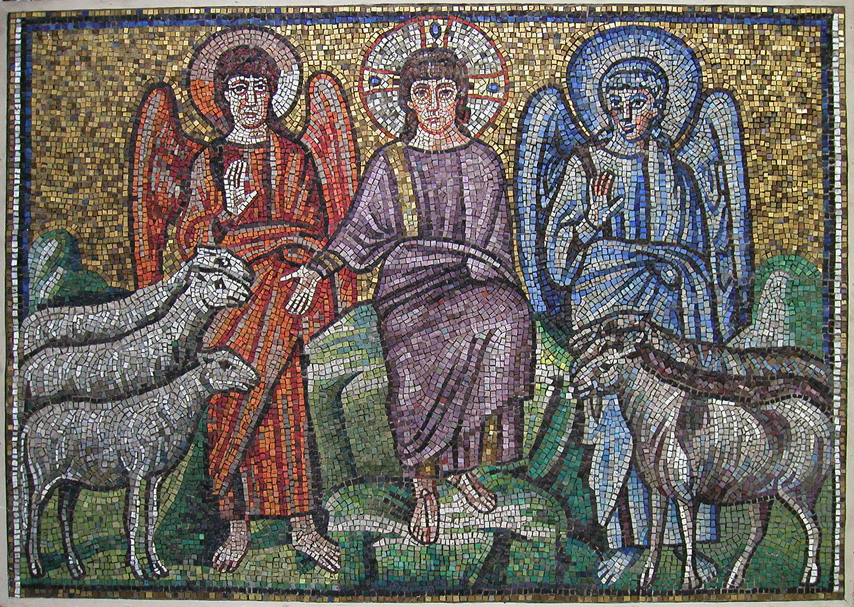
Illustration: ANONYMOUS AUTHOR, SEPARATION OF SHEEP AND GOATS (6TH CENTURY), TESSERAE, GLASS IN WOODEN FRAME, METROPOLITAN MUSEUM OF ART (NEW YORK).


[1] Cfr. 1 Cor 12:27.

[2] https://bible.usccb.org/bible/readings/112220.cfm

Fr. Agustin’s Schedule for the Solemnity of Our Lord Jesus Christ, King of the Universe (2020)

Saturday, November 21, 2020.

4.00 p.m. Sacrament of Confession

5.30 p.m. English Mass @ St. Peter Prince of the Apostles Catholic Church

Sunday, November 22, 2020.

9.00 a.m. English Mass @ St. Peter Prince of the Apostles Catholic Church

11.00 a.m. English Mas @ St. Peter Prince of the Apostles Catholic Church

5.30 p.m. English Mas @ St. Peter Prince of the Apostles Catholic Church.

Solemnidad de Nuestro Señor Jesucristo, Rey del Universo (último domingo del Tiempo Ordinario)

La celebración del último domingo del Tiempo Ordinario, la solemnidad de Cristo Rey, quizá trae a nuestra mente la imagen del Cristo Majestad sentado entre ángeles bizantinos y oros, o aquellas imágenes de los solemnes mosaicos de las grandes basílicas orientales. Para otros la imagen de Cristo Rey está unida a esa pequeña estatua de pasta presente en muchos hogares. Habrá quien recuerde, como Teresa de Jesús, a ese Jesús-Rey, coronado de espinas y llagas, burlado por los soldados y ofrecido en almoneda a un pueblo despectivo e implacable. Otros recordarán el (tristemente) famoso Jesucristo Superstar, arrojando a los mercaderes de ese templo. Y así tantas y tantas imágenes de nuestra devoción y de nuestro particular afecto y concepción de la fe. La pregunta es  ¿Es que hay muchos Cristos? ¿Hay alguno con el cual tengamos que conformarnos hoy? La Liturgia, con su bimilenria sabiduría, nos brinda esta mañana una gran ayuda. Tanto con la Liturgia de la Palabra[1]  como las oraciones propias, nos revelan el rostro que hoy y aquí tiene Jesús. Hoy vemos a Jesús como el Señor de la Historia. El criterio de pertenencia (o exclusión) de su Reino está en el compromiso por aquellos que tenemos cerca “Lo que hicisteis con un hermano mío de esos más humildes, lo hicisteis conmigo”[2]. Celebrar a Cristo Rey por tanto es volver a ver y a escuchar a Jesús, pobre hombre entre los hombres, sencillo maestro de la humanidad y a pensar cómo vamos a ser más solidarios y más cercanos con los maltratados, los indefensos y ¡ay! la víctimas de nuestra propia capacidad de humillar o dignificar. En menos palabras: el Reino de Jesús se entra, sí, por una adhesión a su Persona, pero sobre todo por una práctica de vida y un real servicio a los demás • AE


[1] https://bible.usccb.org/es/bible/lecturas/112220.cfm

[2] Idem.

Thirty-third Sunday in Ordinary Time (Cycle A)

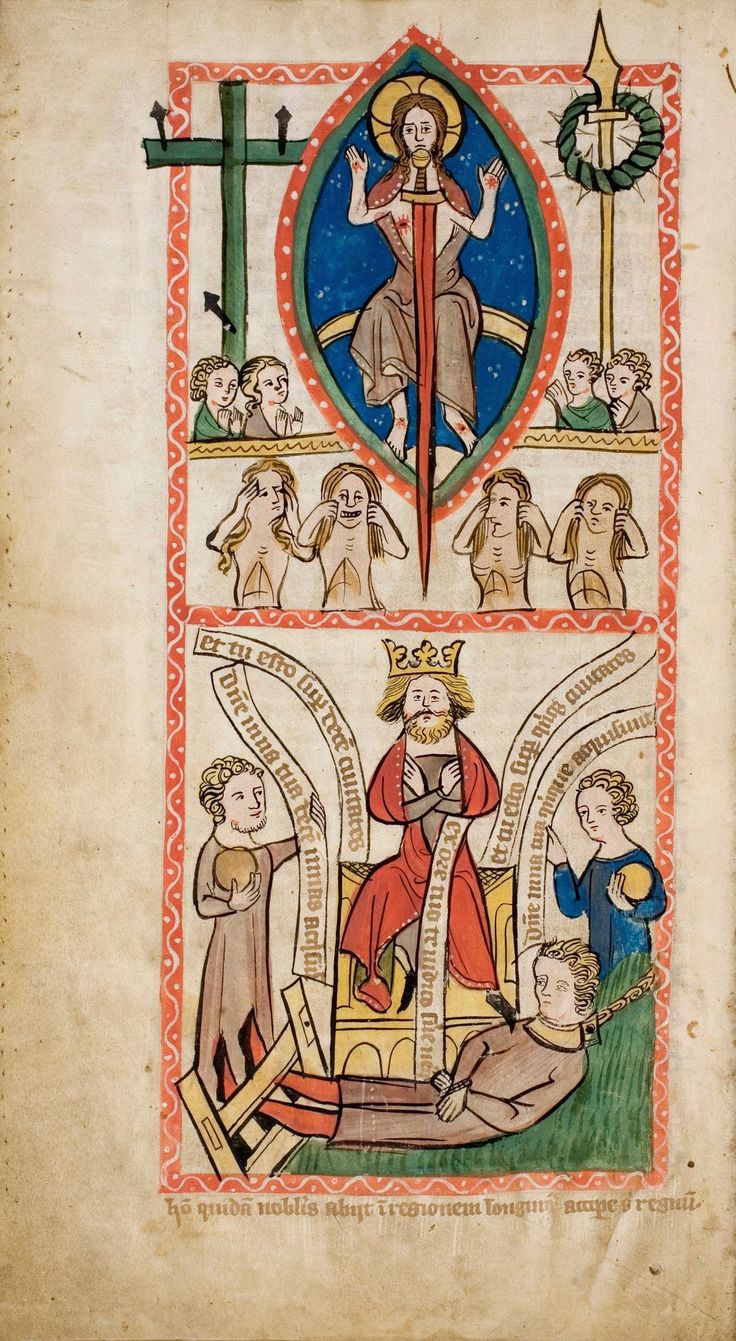
Parable of the Talents, Speculum Humanae Salvationis, c. 1360 Artist Unidentified, Universitäts- und Landesbibliothek Darmstadt Manuscript illumination, Darmstadt, Germany

Just as last Sunday’s Gospel was really not about bridesmaids but about the proper use of time to prepare for the Lord, this Sunday’s Gospel is really not about investing money, but is also about preparing for the Lord to come. It might seem strange that those entrusted with a number of talents should be expected to return a greater number to the Lord, and the one man who protected the money given to him would be admonished. It really is not strange if we consider that the parable isn’t about money after all.  It is about the Word of God and about His grace. The parable demands that we consider the grace that we have received and how well we are using this grace to spread the Kingdom of God. Most of us are cradle Catholics. We received the grace of God from our infancy.  We were brought up in Catholic homes. We have been given the opportunity to grow in our faith throughout our lives.  For most of you there were and are the graced moments of marriage, and children being born, and their receiving the sacraments. For those of us in religious life or the priesthood, there are other graced moments. There are the graced moments of religious profession and ordination to the diaconate and priesthood. For all of us there are the graces of the Church year. The question is…. what do we do with the grace we have received?  That is what we are invited today to consider. How well have we lived our faith? Is the Kingdom of God stronger on earth because of us, or have we squandered the grace we have received and done little or nothing to enrich the world with the Presence of the Word Become Flesh? #Honestly We are called to respond to the grace we had received and not in a position to comment on how others have responded to the grace they have received.  We also do not have the right to judge how others have responded to the Grace they have received.  We do not know what Graces they have receive, nor do we know anything that they have experienced in life. My deepest concern, and my deepest regret, are both the same. That is: how many times have I not taken advantage of all the Lord has given me?  How often have I allowed His Grace to slip through my fingers like sand?  How many people would have come closer to God if I had only invested what I was given better? I am sure you all have the same concern! How much better would others have become if you, and I, were more concerned with spreading the love of the Lord than we were with returning insult for insult and hurt for hurt? So, almost at the end of the Church year, we are told to consider the end of time, including the end of our own time.  We are reminded that the end has not yet come.  There is still time, time to take advantage of a bull market of grace.  We can and we must reach out to others.  We can use the grace we have received well.  There is still time, plenty of time, to invest wisely • AE

Fr. Agustin’s Schedule for the Thirty-third Sunday in Ordinary Time

Saturday, November 14, 2020.

4.00 p.m. Sacrament of Confession and 5.30 p.m. English Mass @ St. Peter Prince of the Apostles Catholic Church.

Sunday, November 15, 2020.

10.30 a.m. English Mass @ Our Lady of Grace (Outdoors mass)

12.00 p.m. English Mass @ Our Lady of Grace (Main church)

4. 00 p.m. Sacrament of Confession and 5.00 p.m. English Mass @ Trinity University (Margarite B. Parker Chapel)

XXXIII Domingo del Tiempo Ordinario (Ciclo A)

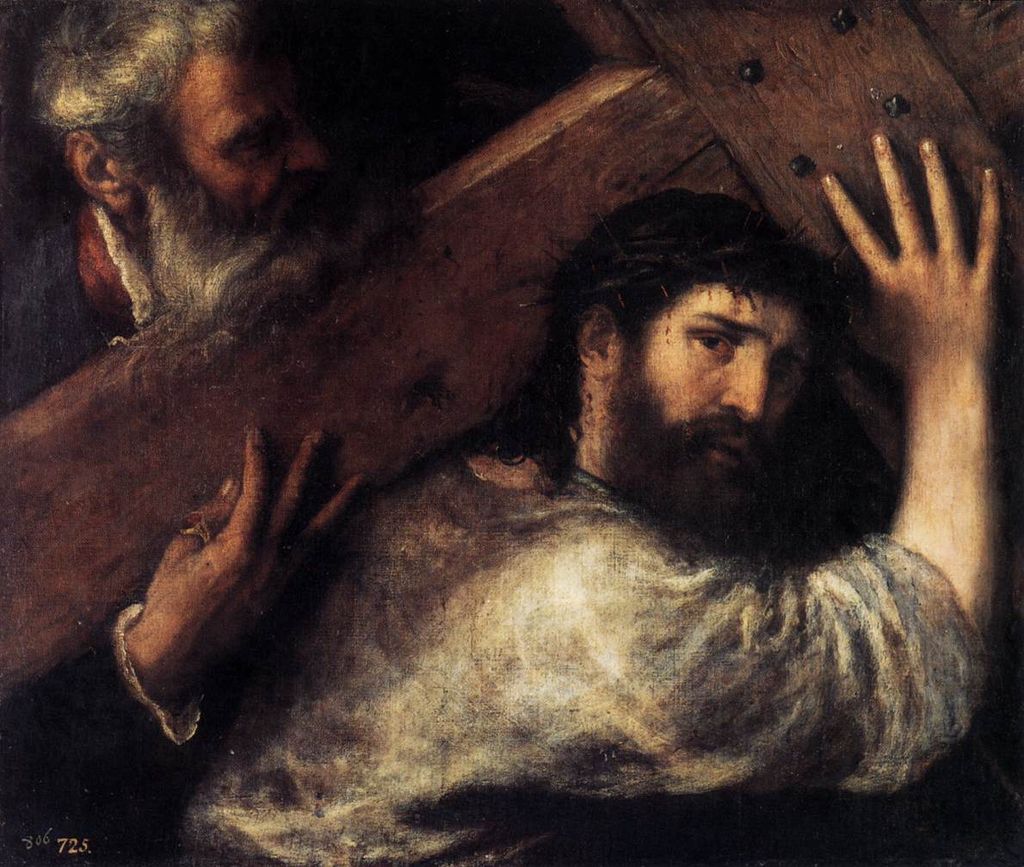
Tiziano, Cristo con la Cruz a cuestas (1565), óleo sobre tela, Museo Nacional del Prado (Madrid)

En la segunda mitad del siglo XX empezamos a ver cómo poco a poco se empezaron a demoronar los grandes ideales sociales y religiosos que despertaban la generosidad y entrega de hombres y mujeres. Para muchos de nuestros jóvenes mejor es vivir el presente intensamente exprimiéndole el máximo placer. Al mismo tiempo, valores tan importantes como la familia, la autoridad, la tradición, el magisterio de la Iglesia, han quedado oscurecidos o se han debilitado profundamente en la conciencia de muchos. El desconcierto se ha hecho todavía mayor al caer por los suelos normas concretas de comportamiento y leyes de conducta que hace unos años eran todavía intocables. La crisis ha provocado en muchos una sensación de vértigo, vacío y desorientación. No pocos se preguntan con inquietud: ¿Ha cambiado la moral? ¿El pecado terminó por disolverse en medio de una sociedad en la que todo es relatico y todo depende del cristal con que se mire? ¿Hemos vivido equivocados hasta ahora? ¿Volverán de nuevo los tiempos pasados? Al mismo tiempo tenemos el reverso de la moneda: la reacción de muchos que se defienden instalándose íntegramente en el pasado, cerrándose a toda novedad y gastando casi todas sus energías en conservar intacta la moral de siempre. El choque o la fricción resultan mortales. El tercer siervo de la parábola de este domingo –el penútimo del Tiempo Ordinario- condenado solamente por preocuparse de conservar el talento sin arriesgar nada más, nos recuerda que seguir a Jesús es mucho más que conservar intacta nuestra moralidad frente a todo y frente a todos. La moral cristiana no consiste en conservar fielmente la herencia que hemos recibido del pasado, sino en, además buscar movidos por el Espíritu de Jesús, cómo ser más humanos y cómo mejores cristianos precisamente en el mundo de hoy. Más. Siempre más #Magis Las leyes son necesarias. Nos indican la dirección en que hemos de buscar y nos señalan los límites que no debemos franquear. Pero sería una equivocación pensar que estamos respondiendo a las exigencias profundas de Dios sólo porque nos mantenemos íntegros en el cumplimiento de unas leyes. Hay que ir más allá. Ser creyente, ser cristiano, es algo mucho más grande y apasionante que enterrar nuestra vida en unas leyes para conservarla segura. El seguimiento a Jesús es siempre llamada a buscar y crear una humanidad nueva y siempre mejor. Por eso mismo, seguir a Jesús es riesgo más que seguridad. Exigencia fecunda más que cumplimiento estéril. Urgencia de amor más que satisfacción del deber cumplido. Y esa urgencia de amor sólo la satisface Jesucristo. Él es el unico que sacia el corazón humano. El Santo Padre Benedicto XVI lo escribió de manera maravillosa: «No se comienza a ser cristiano por una decisión ética o una gran idea, sino por el encuentro con un acontecimiento, con una Persona, que da un nuevo horizonte a la vida y, con ello, una orientación decisiva»[1]. Hoy, en esta Eucaristía, nos encontramos con Él ¿tiene este encuentro la fuerza  y la luz suficientes para reorientar nuestro caminar? • AE


[1] Enciclica, Deus Caritas est, n. 1