Twenty-eighth Sunday in Ordinary Time (Cycle C)

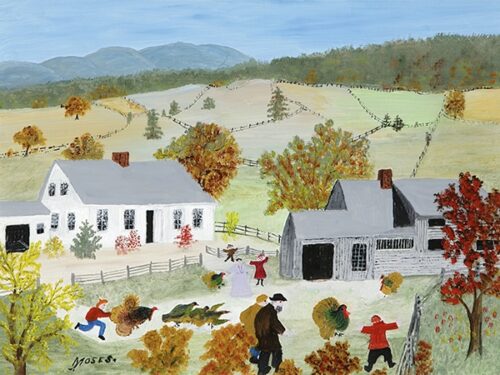
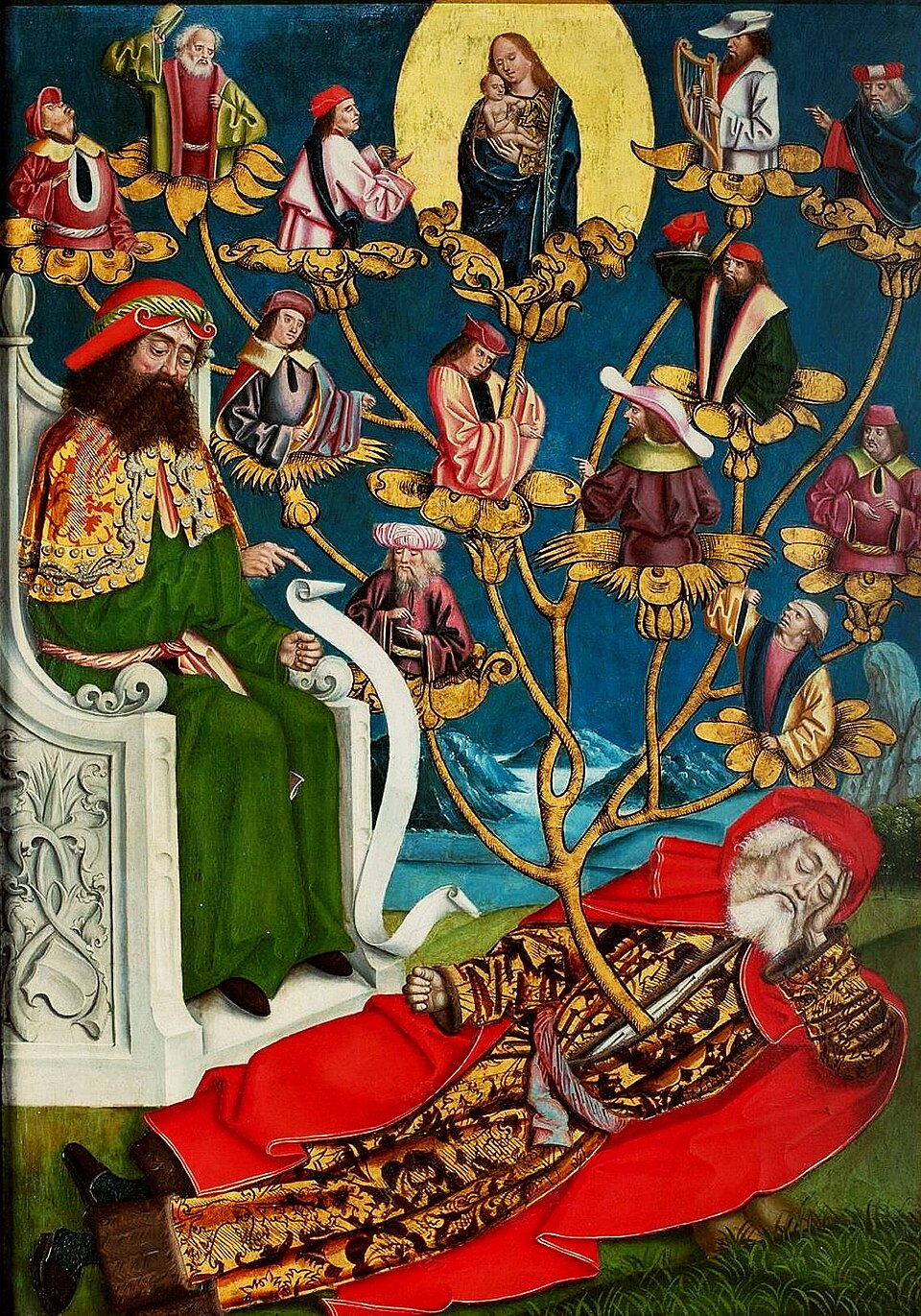
J. Christensen — Ten Lepers (2016 ), giclée on canvas, Private collection

Not every healing leads to salvation. Ten men were cleansed on the road to Jerusalem, but only one discovered the deeper miracle: he returned, gave thanks, and heard the words, “Your faith has saved you.” Gratitude is not an accessory virtue; it is the path into communion. This dynamic of suffering, recognition, and thanksgiving runs through our human story. Albert Camus, in The Plague, describes a city imprisoned by disease. Some survive, but remain unchanged. Others, touched by compassion, discover that even in the midst of affliction, the heart can learn to say yes to life. The Samaritan leper is that kind of figure: healed, but more importantly, awakened. Henryk Górecki’s Symphony of Sorrowful Songs carries the same truth in sound. Its slow movements begin in lament—like the cry of the lepers at a distance—but gradually rise into a fragile brightness. It is as if the music itself returns to give thanks, showing that gratitude can be born even out of sorrow. Pope Francis often reminded us that gratitude was the memory of the heart: the ability to recognize that everything is gift, and to let that recognition shape our lives. Without this memory, he warned, we risk being like the nine who walked away healed but unchanged. The nine received health. The one who returned received salvation. Gratitude did not just close his wounds; it opened his soul • AE


St. Joseph Catholic Church (Dilley, TX) • Weekend Schedule
Fr. Agustin E. (Parish Administrator)

Saturday, October 11, 2025

5.00 p.m. Sacramento de la Confesión

6.00 p.m. Santa Misa.

Sunday, October 12, 2025

8.00 a.m. Sacrament of Reconciliation

8.30 a.m. Holy Mass.

10.30 p.m. Sacrament of Reconciliation

11.00 a.m. Holy Mass

12.30 p.m. Sacrament of Baptism


XXVIII Domingo del Tiempo Ordinario (Ciclo C)

Autor anónimo, Purificación de diez leprosos, manuscrito iluminado en el Codex Aureus Epternacensis, Museo Nacional Germano (Nuremberg)

Diez fueron curados, pero solo uno volvió. Y era extranjero. No fue la lepra lo que distinguió a los diez —todos la sufrían—, sino la capacidad de reconocer el don y regresar. Jesús muestra con fuerza que la salvación no se da solo en el milagro, sino en la gratitud que despierta el milagro. Dostoyevski lo intuyó en Los hermanos Karamázov: no basta sobrevivir al sufrimiento, hay que aprender a mirar la vida con gratitud. Iván, con sus preguntas desgarradas, representa a los nueve que siguieron su camino, sanos pero vacíos. Aliósha, en cambio, encarna al extranjero agradecido: descubre que la bondad pequeña y la ternura son más fuertes que la desesperanza. Su fe no nace de la ausencia de dolor, sino de la capacidad de agradecer aún dentro de él. Esa misma voz se escucha en el Magnificat de Bach. No es una gratitud tímida, sino un estallido de júbilo: un canto que reconoce la grandeza de Dios en medio de la pequeñez humana. Es Maria, la Madre de Jesus quien lo entona. Así suena el corazón del samaritano al caer a los pies de Jesús: su fe se convierte en música. Este domingo el evangelio nos deja frente al espejo: ¿somos de los nueve que reciben sin volver, o de ese único que regresa, que canta, que agradece? La salvación no está en haber recibido un don, sino en haber descubierto al Dador • AE


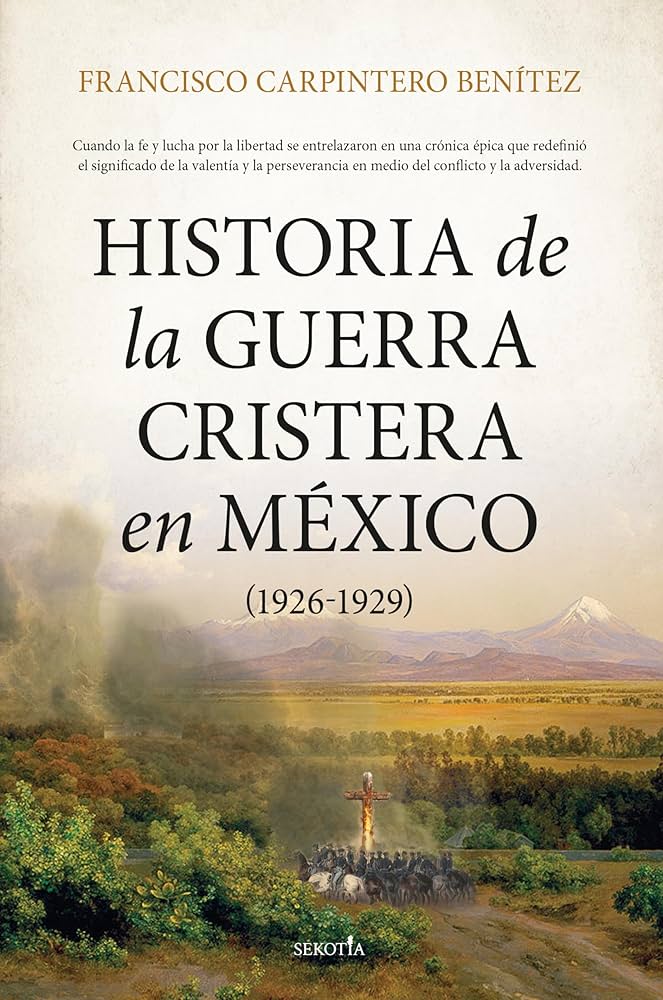
¿Qué lees?


Twenty-seventh Sunday in Ordinary Time (Cycle C)

The apostles once turned to Jesus with a disarmingly honest request: “Increase our faith.” His answer, however, did not point to quantity but to quality. Faith does not need to be vast like the ocean; it can be as small as a mustard seed and still move what seems immovable. This Gospel invites us to reconsider our expectations. Faith is not magic, nor is it a transaction where we “earn” miracles by our efforts. Instead, faith is trust—trust that God’s word is enough, that His promises hold, even when our lives seem to contradict them. But Jesus does not stop there. He adds a teaching that sounds almost jarring to modern ears: the parable of the servant. After working all day, the servant does not expect praise but fulfills his duty. Here lies the paradox of discipleship: faith and humility are inseparable. True faith does not demand recognition; it simply serves, trusting that God sees and God remembers. The novelist Georges Bernanos once wrote: “Faith is not a thing which one ‘loses’; we merely cease to shape our lives by it.” In other words, faith withers when we stop letting it define our choices, our words, and even the hidden attitudes of our hearts. Perhaps that is why Jesus links the mustard seed with obedience. A small seed of faith, lived daily in humility, has a hidden power that astonishes. It reshapes not only trees and mountains but the heart itself. To pray with this Gospel, you might listen to Coldplay’s Fix You. Its refrain—“Lights will guide you home, and ignite your bones, and I will try to fix you”—is not theology, but it resonates with the experience of faith. God’s grace works quietly, often in our weakness, guiding us when we stumble, lifting us when we fall. The song’s slow build mirrors the life of faith: fragile at first, then stronger, radiant, and unstoppable. Faith as small as a mustard seed, offered in humility, can indeed change everything • AE


St. Joseph Catholic Church (Dilley, TX) • Weekend Schedule

Fr. Agustin E. (Parish Administrator)

Saturday, October 4, 2025.

10.00 a.m. Sacrament of Baptism

5.00 p.m. Sacramento de la Confesión

6.00 p.m. Santa Misa.

7.00 p.m. Bendicion de los animales (fiesta de San Francisco de Asis)

Sunday, October 5, 2025

8.00 a.m. Sacrament of Reconciliation

8.30 a.m. Holy Mass.

10.30 p.m. Sacrament of Reconciliation.

11.00 a.m. Holy Mass.


XXVII Domingo del Tiempo Ordinario

Cuando los apóstoles le piden al Señor que les aumente la fe, esperaban quizá un don visible, algo extraordinario. Pero Jesús respondió con la paradoja de la semilla de mostaza: lo pequeño, lo escondido, lo humilde tiene un poder desproporcionado ante Dios. La fe no es un espectáculo. No se mide por demostraciones exteriores, ni por discursos encendidos, ni por emociones pasajeras. La fe se vive como servicio silencioso, como el siervo del Evangelio que cumple su tarea sin esperar recompensas. El padre Leonardo Castellani lo expresó con palabras inolvidables:

«La fe es interior, la fe no ama los alborotos, la fe no hace aspavientos, la fe se nutre en el silencio: ella es callada y operosa, es sosegada, es modesta, es fecunda, es más amiga de las obras que de las palabras, es fuerte, es aguantadora, es discreta. Es pudorosa. Los hombres profundamente religiosos no ostentan su religiosidad, como los Don Juan Tenorio de la religión, porque todo amor profundo es ruboroso; lo cual no impide que reconozcan a Cristo ante los hombres cuando es necesario.»

Esta visión coincide con el Evangelio: la fe verdadera no se gasta en adornos, sino en frutos. No busca reconocimiento, pero sostiene la vida y transforma el mundo desde dentro. Para acompañar este pasaje, vale la pena escuchar el Pie Jesu del Réquiem de Fauré. Su dulzura sobria refleja la fe humilde: no clamorosa, no ruidosa, sino confiada en la misericordia. Es música que no invade, sino que abre espacio al silencio fecundo donde la fe crece. La fe callada es la que dura. Una semilla humilde, nutrida en el silencio, puede sostener toda la esperanza de la Iglesia • AE


Lecturas de Otoño


Twenty-sixth Sunday in Ordinary Time (Cycle C)

Lazarus and Dives (The Rich Man and Lazarus), Miniature from the Codex Aureus of Echternach
(c. 1035–1040), Ink and pigments on parchment, Germanisches Nationalmuseum (Nuremberg)

Samuel Barber’s Adagio for Strings begins almost as a whisper, a single line stretching toward the unbearable. The parable of Lazarus is written in the same tone: slow, haunting, impossible to ignore once you truly listen. The Gospel places two lives side by side. One draped in purple and linen, satisfied with daily feasts. The other abandoned at the gate, covered in sores, longing for crumbs. The scandal is not excess on one side or hunger on the other, but the silence that flows between them. A silence made of doors never opened, words never spoken, compassion never risked. This is where Scripture cuts deeper than statistics. Poverty is not an abstract number but a Lazarus waiting at the threshold of our own homes and routines. To ignore him is to choose deafness—to let music play in the banquet hall while the silence outside swells like Barber’s lament. Literature, too, warns us of this blindness. In The Brothers Karamazov, Dostoevsky puts into Father Zosima’s mouth the unsettling reminder: “Each of us is responsible for all—for everyone and everything.” The parable echoes the same truth: responsibility does not stop at my gate. When the reversal comes—Lazarus cradled in Abraham’s bosom, the rich man tormented—it is not so much a punishment as a revelation. The gulf fixed in eternity is the same gulf the rich man dug in time. What he refused to bridge with mercy has become unbridgeable. Perhaps the invitation of this parable is to hear again what we have silenced: the cry of Lazarus, the sobbing of Barber’s strings, the unfinished chord that will not resolve until we dare to cross the threshold • AE


St. Joseph Catholic Church (Dilley, TX) • Weekend Schedule

Fr. Agustin E. (Parish Administrator)

Saturday, September 27, 2025.

10.00 a.m. Sacrament of Baptism

5.00 p.m. Sacramento de la Confesión

6.00 p.m. Santa Misa.

Sunday, September 28, 2025

8.00 a.m. Sacrament of Reconciliation

8.30 a.m. Holy Mass.

10.30 p.m. Sacrament of Reconciliation.

11.00 a.m. Holy Mass.


XXVI Domingo del Tiempo Ordinario (Ciclo C)

Jesús cuenta una historia muy incómoda, y muy actual: un hombre rico que celebraba banquetes todos los días y, tirado en su puerta, un mendigo con nombre —Lázaro— que apenas soñaba con las migajas. La escena es tan cotidiana que parece sacada de cualquier calle de hoy. O de nuestros hogares. Lo sorprendente no es la riqueza ni la pobreza. Es la indiferencia. El rico no le hizo mal alguno a Lázaro; simplemente no lo miró. Y esa ausencia de mirada acabó siendo un abismo más profundo que la muerte. Dickens retrató esa misma ceguera social en esos personajes que viven en mansiones mientras Londres se hunde en la miseria. Y en la música, el último movimiento de la Novena Sinfonía de Beethoven rompe el silencio con un canto inesperado: “todos los hombres serán hermanos”. Son dos recordatorios, desde mundos distintos, de que la fraternidad no es un adorno, sino el corazón mismo de la vida humana. La parábola nos obliga a preguntarnos: ¿a quién estoy dejando en la penumbra de mi puerta? Tal vez no se trate de un mendigo literal, sino de alguien cercano, esperando un gesto, una palabra, una mano, una sonrisa. Abrir la puerta: ahi está siempre el comienzo del Evangelio • AE

¿Y qUÉ lEeS eSToS díAS?


Twenty-fifth Sunday in Ordinary Time (Cycle C)

F. de Ribalta, Christ Embracing Saint Bernard (1625–1627), oil on canvas, Museo Nacional del Prado (Madrid)

The parable of the dishonest steward unsettles us. How can Jesus commend someone who manipulates debts to save his own future? But the Lord is not praising dishonesty; he is pointing to the urgency, creativity, and determination with which people act when their life is at stake. And then he turns to us: “The children of this world are more prudent in dealing with their own generation than are the children of light.” Faith is not meant to be passive or timid. It calls for boldness, for a kind of holy cunning. We are asked to use our gifts, relationships, even our material goods, with foresight and courage — not to build an empire of our own, but to prepare a place in the eternal dwelling of God. Trustworthiness in small things, Jesus reminds us, is the seed of true greatness in the Kingdom. Graham Greene once wrote in The Power and the Glory: “When you visualized a man or woman carefully, you could always begin to feel pity — that was a quality God’s image carried with it.” This is the turning point: the steward, flawed as he was, looked at others and dared to risk generosity. That same gaze is asked of us — to see others deeply, and to let pity grow into mercy. A song like Nick Cave’s “Into My Arms” captures this gaze. It is not church music, but its fragile prayer, sung almost like a whispered plea, expresses what Jesus demands: a heart that chooses one master, one love, one home. In the end, only God can receive us into “eternal dwellings.” — AE


St. Joseph Catholic Church (Dilley, TX) • Weekend Schedule

Fr. Agustin E. (Parish Administrator)

Saturday, September 20, 2025.

10.00 a.m. Sacrament of Baptism

5.00 p.m. Sacramento de la Confesión

6.00 p.m. Santa Misa.

Sunday, September 21, 2025

8.00 a.m. Sacrament of Reconciliation

8.30 a.m. Holy Mass.

10.30 p.m. Sacrament of Reconciliation.

11.00 a.m. Holy Mass.


XXV Domingo del Tiempo Ordinario (Ciclo C)

La parábola del administrador infiel nos sorprende. No porque Jesús alabe el engaño, sino porque subraya la audacia de quien, al verse en crisis, se mueve con decisión. Y entonces nos dice que los hijos de este mundo son más astutos que los hijos de la luz. Es una llamada incómoda: ¿vivimos nuestra fe con la misma pasión, con la misma creatividad, con el mismo empeño con que otros persiguen sus propios intereses? La vida cristiana exige valentía. No se trata de acumular riquezas ni de asegurarnos un puesto, sino de aprender a usar lo que tenemos para el bien, para abrir puertas, para sembrar confianza. Ser fiel en lo pequeño es ya entrar en la lógica del Reino. Quien administra con cuidado un instante, una palabra, una amistad, administra también la eternidad. Octavio Paz decia que “Dar es desnudarse de lo propio y ser otro, ser los otros.” El administrador, aun con sus sombras, entendió que el futuro dependía de su capacidad de abrirse al otro. Nosotros estamos llamados a algo más grande: dejar que la caridad nos despoje del egoísmo para que Dios sea nuestro único dueño. Algo asi como el Spiegel im Spiegel de Arvo Pärt, esa preciosa melodia que es como un diálogo entre un piano y un violín; como si uno confiara en el otro para sostenerse mutuamente. O como los castillos de naipes, que decia mi tita Amparo. Así también el Evangelio nos invita a administrar la vida como una armonía compartida: cuando dejamos de servir al dinero y nos dejamos guiar por Dios para servir a los demás, todo suena distinto, más puro, más verdadero. — AE

Spiegel im Spiegel (1978) es una de las piezas más conocidas de Arvo Pärt, compositor estonio contemporáneo. Escrita para violín y piano, su título significa “espejo en el espejo” y alude a un reflejo infinito. La obra pertenece al estilo tintinnabuli, creado por Pärt después de un largo silencio interior y de su regreso a la fe, donde cada nota se convierte en eco de sencillez, pureza y contemplación.


¿Qué Lees estos días?


Feast of the Exaltation of the Holy Cross (2025)

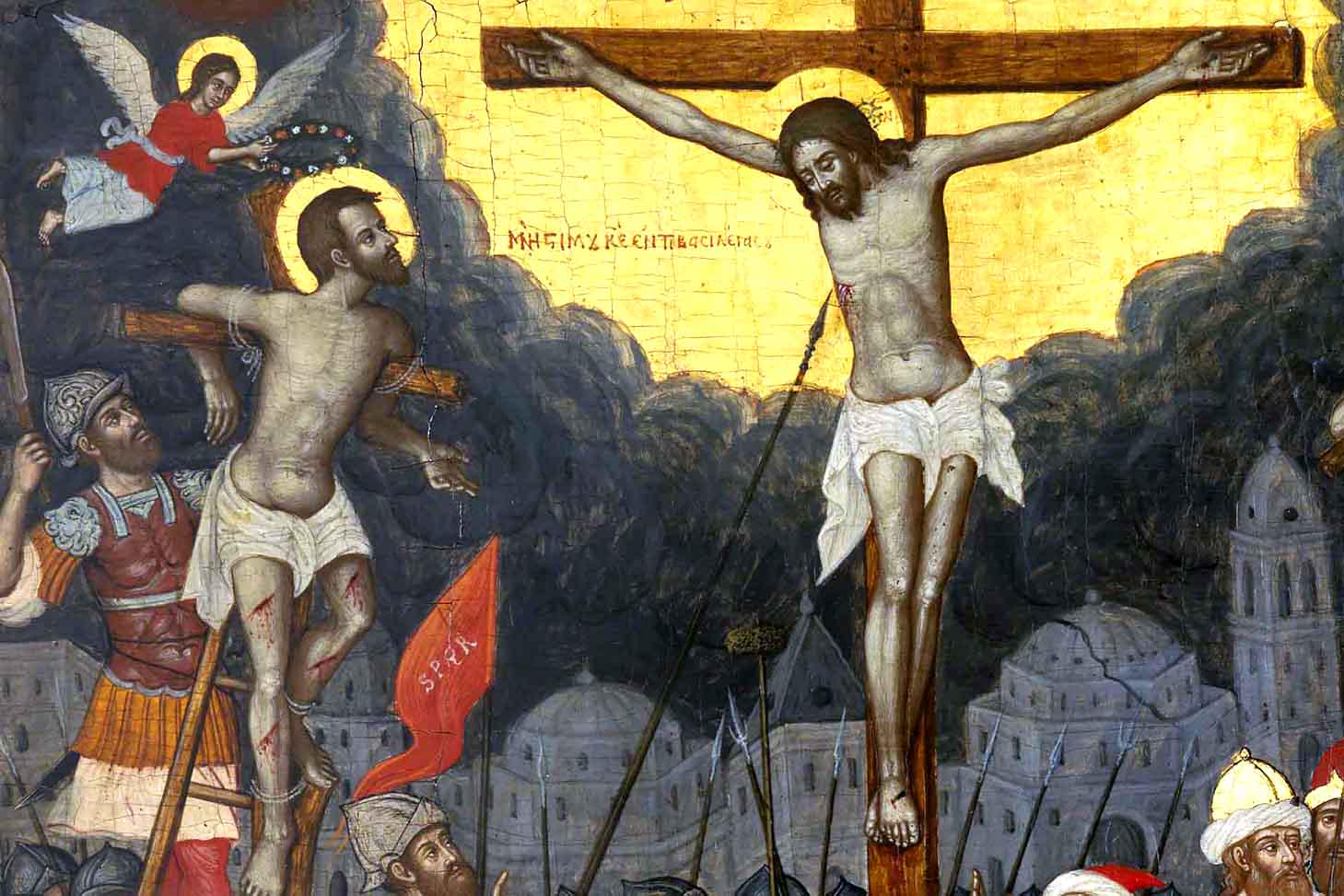
Fra Angelico, The Crucifixion (ca. 1423), tempera on panel, The Metropolitan Museum of Art (New York).

This Sunday we celebrate the Feast of the Exaltation of the Holy Cross. It is a feast that only falls on a Sunday once every seven years, making this moment a rare gift for the Church. In the Gospel, Jesus tells Nicodemus that “the Son of Man must be lifted up,” so that everyone who believes may have eternal life. The Cross is not an accident of history—it is the place where God’s love is revealed in its fullness: “For God so loved the world that he gave his only Son.” For Christians, the Cross is not a symbol of condemnation, but of salvation. It is not defeat, but victory; not despair, but hope. To exalt the Cross is to proclaim that love is stronger than death. The Carthusian motto expresses it beautifully: Stat crux dum volvitur orbis—“The Cross is steady while the world turns.” While nations rise and fall, while cultures shift and human plans collapse, the Cross remains unmoved. It stands as the center point of history and of our lives, the one truth that does not change. Because this feast comes so rarely on a Sunday, it is a chance to look again at the Cross, not only as an image on our walls, but as the steady anchor of our faith. The question is personal: do I believe in the love revealed there, the love that never wavers though the world turns? • AE

Giovanni Pierluigi da Palestrina’s Popule meus (“O my people”) is a moving setting of the Good Friday Reproaches. Written in the luminous polyphonic style of the late Renaissance, the piece captures both the sorrow of Christ’s lament and the tenderness of His mercy toward His people.


St. Joseph Catholic Church (Dilley, TX) • Weekend Schedule

Fr. Agustin E. (Parish Administrator)

Saturday, September 13, 2025.

5.00 p.m. Sacramento de la Confesión

6.00 p.m. Santa Misa.

Sunday, September 14, 2025

8.00 a.m. Sacrament of Reconciliation

8.30 a.m. Holy Mass.

10.00 a.m. Sacrament of Reconciliation.

11.00 a.m. Holy Mass.


Fiesta de la Exaltación de la Santa Cruz (2025)

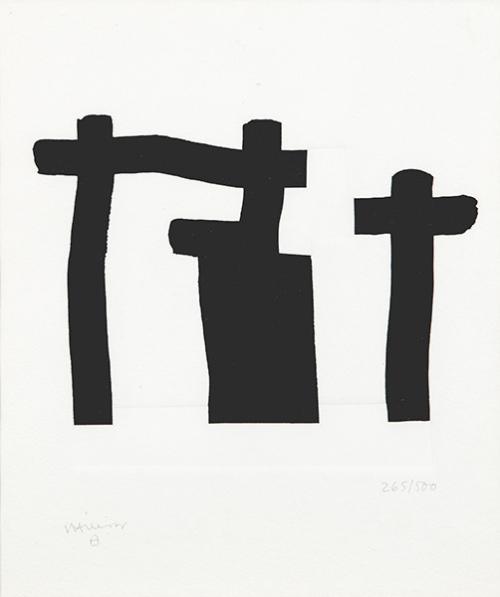
G, Manzù, Muerte de Cristo (1951), Relieve en bronce, Basilica de San Pedro (Ciudad del Vaticano).

La cruz es, a primera vista, un escándalo. ¿Cómo puede el instrumento de la muerte convertirse en signo de vida? Sin embargo, eso es lo que celebramos en la Exaltación de la Santa Cruz: que el amor de Dios tomó lo más oscuro de la historia humana y lo transformó en fuente de salvación. Jesús dice a Nicodemo: “El Hijo del hombre tiene que ser levantado, para que todo el que cree en Él tenga vida eterna.” No habla de una derrota, sino de una victoria inesperada: el amor que no se guarda nada, el amor que se entrega hasta el extremo. Este año la fiesta adquiere un matiz especial: cae en domingo, algo que ocurre solo cada siete años. La liturgia misma nos recuerda así que la cruz no es un detalle marginal, sino el centro que ilumina todo el camino cristiano. El mundo cambia, gira, se agita entre luces y sombras. Pero la cruz permanece firme. Es brújula, es ancla, es promesa. Quien mira a Cristo elevado, no encuentra condena, sino la certeza de un Dios que salva. Por eso hoy la Iglesia no mira la cruz con miedo, sino con gratitud. Porque allí está escrito, para siempre, que Dios nos amó primero. La pregunta es inevitable: ¿dejo que esa cruz dé sentido a mis luchas, mis cansancios y mis heridas? Allí donde yo veo límite, Dios puede abrir vida nueva • AE

El canto “Dulce lignum, dulces clavos” es un himno de alabanza a la cruz. Se dirige directamente a la madera (lignum) y a los clavos que sostuvieron a Cristo, llamándolos “dulces” no por lo que fueron en sí mismos —instrumentos de dolor— sino porque, al tocar el cuerpo del Señor, se convirtieron en signos de amor y salvación. La cruz es proclamada como única digna de llevar al Rey del cielo y Señor del universo, porque en ella se cumplió el misterio de la redención.


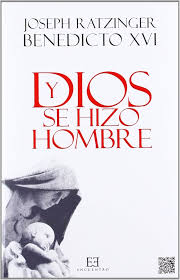
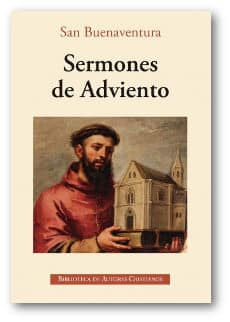
Lecturas para el otoño