The Nativity of the Lord (Christmas) 2023

O Come All Ye Faithful, Joyful and Triumphant, Come Ye O Come Ye to Bethlehem. Our Christmas liturgies most often begin with this beautiful hymn. We are called to be faithful, joyful and triumphant. We are called to celebrate the central event of humankind, the Christ Event. God has entered human history as one of us. He has come to destroy the grip of sin. He has come to restore spiritual life. So we return to Bethlehem to find Mary and Joseph with their newborn son, our newborn Savior. Some people say that they were homeless, but they weren’t. They just didn’t have a place to stay. Joseph was a carpenter. He could afford a room, only there was no room available in the Inn; so the stable had to do. I’m sure he was devastated that he couldn’t provide better for Mary and Jesus. But they had all they needed. They had each other. They had love. They had God in the center of their love. The birth of a child should be celebrated. But Joseph and Mary were far away from their relatives. Who would celebrate their child? Then the shepherds came telling their story of angels singing “Glory to God on High,” Joseph knew that God was in control. Jesus’ birth was celebrated greater than any child ever born. And it still is.

O Come, all ye faithful! Come all you who are grieving. Come all ye who cringe at the thought of an empty place at the table this year. Come to Bethlehem, the City of Bread, and know that a day will come when you will sit with your loved ones at the Banquet of the Lord.

Come you who are sick with chronic ailments. Come before the One who heals. Know that when you are with him you are only physically ill. Know that when you are before the Christ child, you are spiritually strong.

Come all you who have pain in your family. Come you who are suffering from a marriage that is in trouble. Come you who are dealing with adult children who are more aggressive than loving. Come before the Holy Family. Come and pray that their love might reignite the love of your family.

Come you who are elderly and waiting for what is next. Come you who fear that this might be your last Christmas. Come before the One who is eternal and know that you have only begun to number your Christmas celebrations. O Come, all ye faithful. Come you who are poor. Come you who are in pain that you cannot provide more for your family. Come to the stable where the best that Joseph could do for his family is provide a manger for their baby. Come and realize that your family needs nothing more than love.

Come you who are poor in your riches. Come all you who try to buy happiness. Come and worship before the source of all joy. Come and find the pearl that is beyond all price. Come before Jesus.

Come you who fear for the future of our country. Come before the King and pray for our country and our world. Come to Bethlehem, the City of David, David the King. Come and remember that our citizenship lies in heaven. O Come, all ye faithful. Come all you who are fighting addictions. Come before the only one who knows your struggles, who hurts for you and with you. Come to Bethlehem before the One who will always pick you up so that you can fall on your knees before Him.

Come all you sinners, all us sinners. Come before the One who was born to forgive. Weak and weary sinners, Come to Jesus. Weak and weary world, Come to Jesus. O Come all ye faithful. Experience the One who has come for you, for us.

O Come, all ye faithful. Come before Jesus, born to a Virgin in Bethlehem •


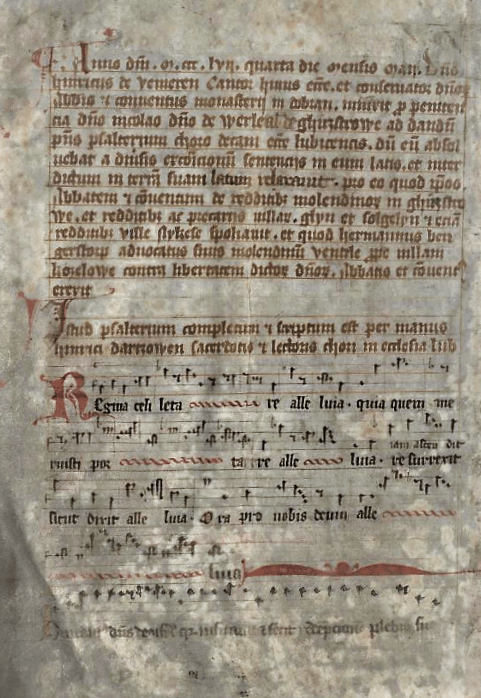
Music for Christmas

The Christmas Oratorio (German: Weihnachtsoratorium), BWV 248, is an oratorio by Johann Sebastian Bach intended for performance in church during the Christmas season. It is in six parts, each part a cantata intended for performance in a church service on a feast day of the Christmas period. It was written for the Christmas season of 1734.


Solemnidad de la Natividad del Señor (2023)

Te diré mi amor, Rey mío,

en la quietud de la tarde,

cuando se cierran los ojos

y los corazones se abren.

Te diré mi amor, Rey mío,

con una mirada suave,

te lo diré contemplando

tu cuerpo que en pajas yace.

Te diré mi amor, Rey mío,

adorándote en la carne,

te lo diré con mis besos,

quizá con gotas de sangre.

Te diré mi amor, Rey mío,

con los hombres y los ángeles,

con el aliento del cielo

que espiran los animales.

Te diré mi amor, Rey mío,

con el amor de tu Madre,

con los labios de tu Esposa

y con la fe de tus mártires.

Te diré mi amor, Rey mío,

¡oh Dios del amor más grande!

¡Bendito en la Trinidad,

que has venido a nuestro valle!

Amén.

Celebramos hoy la natividad del Señor, por todos lados se oyen villancicos que un día fueron compuestos para para adorar a un Dios cercano pero que se han ido deformando por la publicidad o repetidos hasta la saciedad en comercios y grandes almacenes. Símbolos llenos de ternura sólo sirven para incitar a la compra. Todo se llena de luces que no iluminan el interior de nadie y de estrellas que no guían a ninguna parte. ¿Qué se esconde detrás de todo esto? ¿A qué viene esta atmósfera tan especial? En el ambiente flota el recuerdo vago de un niño nacido en un pesebre. Pero, ¿por qué este niño y no otro? ¿Es todo una leyenda ingenua? ¿Sólo un pretexto para poner en marcha los mecanismos de la sociedad de consumo? ¿Por qué sigue teniendo la Navidad esa fuerza tan evocadora? Tiene que haber algún secreto.

Según algunos, se trata, en buena parte, de un deseo secreto de recuperar la infancia perdida. El hombre moderno está necesitado de ternura y protección. La vida se le hace demasiado dura y despiadada. Es muy fuerte la contradicción entre la realidad penosa de cada día y el deseo de felicidad que habita al ser humano. Por eso, al terminar la Navidad, son bastantes los que sienten el sabor agridulce de una fiesta fallida o inacabada.

Por otra parte, es fácil observar que, tras el derroche, las cenas abundantes y la fiesta, también hay nostalgia. Se canta la paz, pero no es posible olvidar las guerras y la violencia. Nos deseamos felicidad, pero nadie ignora la crisis y las desgracias. Se hacen gestos de bondad, pero no se puede ocultar la crueldad y la insolidaridad. Nuestros deseos navideños están muy lejos de hacerse realidad.

Sin embargo, una experiencia común aflora estos días en el corazón de muchos: el mundo no es lo que quisiéramos. Creyentes y no creyentes todos parecen percibir que el ser humano está reclamando algo que no es capaz de darse a sí mismo. Navidad es la fiesta que mejor puede ser compartida por todos, cualesquiera que sean nuestras convicciones o nuestras dudas, pues, en el fondo, todos captamos que nuestra existencia frágil y desvalida está necesitada de salvación.

Estos días la liturgia nos recuerda una frase del evangelista Juan. Nos dice que este niño que nace en Belén es «luz para todo hombre que viene a este mundo», para los que creen y para los que dudan, para los que buscan y para los que no creen necesitarlo. Este Dios hecho hombre por nuestra salvación es más grande que todas nuestras dudas o esperanzas, más grande que nuestros gritos y blasfemias. Es Dios. Es amor infinito al hombre. Es nuestra salvación y lo tenemos al alcance de una mirada, de un deseo, de un volvernos hacia él con todo el corazón, o al menos con una parte de nuestro corazón ¿por qué no intentarlo? •


Fourth Sunday of Advent (2023)

P. de Champaigne, The Annunciation (ca. 1644), oil on oak, The Metropolitan Museum of Art (New York)

This small work of art representing the Annunciation is exhibited in the Metropolitan Museum in New York. The dove represented, of course, the Holy Spirit. Rays of light emanated from the dove and seemed to be entering into one of Mary’s ears. The artist’s point was that Mary heard the Word of God. That was why the Holy Spirit was able to overshadowed her. That was how the Word of God became flesh through her. Mary was given a choice. The world waited for her answer. She could have refused to allow God’s plan to work through her, but our Lady was open to the Word of God. She allowed the Word to enter her and transform her from a simple maiden to the mother of the Second Person of the Blessed Trinity, to the Queen of the Universe. She was open to the Word of God, and the Word of God used her to transform the world.

Mary said “Yes!” to the Word in her ear and became the Mother of God. That same Word of God whispers into our ears, yours and mine. He calls us to continue the transformation of the world. He calls us to make the Savior real to those who long for his presence. Will we reject the Word and force Him to look for another ear? Will we obey grudgingly and limit His action through us? Or will we make a decision for the Lord, and offer ourselves totally to God? We are here because we have chosen Jesus Christ. We recognize our humanity, our weakness, and we seek strength to remain faithful to this choice. Mary’s great virtue was her obedience. In contrast to Eve, Mary, the New Eve, brought new life, Divine Life, to the world. The Word of God calls us to nurture the presence of Christ within us. We are not pregnant like Mary became, but we still have the Living Jesus within us. Like an expectant mother, all of us care for this new and wonderful presence. We eat the food we need, the Eucharist, to allow this Presence to grow. The Word of God whispers into our ears and calls upon us to bring this Divine Presence within us to others. We do this by standing up for our faith. We do this by searching out for those who need His Strength. So many people hurt at Christmas time. People who have lost loved ones need special attention. People who are wandering the world listlessly, from thing to thing, need special care. People who are sick and elderly and wondering if this will be their last Christmas, need the assurance that God’s love will usher them an eternal Christmas.

What a wonderful time we are living in. Not just Christmas time. We are living in the time of the Word of God. His Presence is within us. His Presence is around us. His presence is real. He is Real. The Word of God whispered into Mary’s ear, and she conceived. The Word of God is shouting into our ears, and we are transforming the world with His Presence. Hail Mary, Full of Grace. Because you let God work within you, we have become the Masterpiece of His Hand • AE


St. Dominic Catholic Church • Weekend Schedule

Fourth Sunday of Advent 2023

Christmas Eve & Christmas Day 2023

Saturday, December 23, 2023

3.00 p.m. Sacrament of Reconciliation – Fr. Agustin.

5.00 p.m. Holy Mass (English) – Fr. Agustin.

6.30 p.m. Christmas Pageant

Sunday, December 24, 2023

7.30 a.m. Holy Mass (English) – Fr. Agustin E.

10.00 a.m. Holy Mass (English) – Fr. Agustin E.

12.30 p.m. Holy Mass (English) – Fr. Jaime P.

Christmas Eve 2023

6.00 p.m. Holy Mass (Bilingual) – Fr. Agustin

11.00 p.m. Holy Mass (Bilingual) – Fr. Jaime

Monday, December, 25, Solemnity of the Nativity of the Lord 2023

10.00 a.m. Holy Mass (English) – Fr. Jaime P.

12.30 p.m. Holy Mass (English) – Fr. Agustin E.


IV Domingo de Adviento (Ciclo A)

A. Turcci, La Anunciación (1635), óleo sobre lienzo, Museo Nacional del Prado (Madrid)

En vísperas de la Navidad, la liturgia nos presenta la figura de la Santísima Virgen María acogiendo en gozo a Dios. Como nos dijo el concilio hace cincuenta años, la Virgen es modelo para la Iglesia. De ella podemos aprender a ser más fieles a Jesús y su evangelio. ¿Cuáles podrían ser los rasgos de una Iglesia más mariana en nuestros días?

Una Iglesia que fomenta la ternura maternal hacia todos sus hijos cuidando el calor humano en sus relaciones con ellos. Una Iglesia de brazos abiertos, que no rechaza ni condena, sino que acoge y encuentra un lugar adecuado para cada uno. Para todos. Si: para todos.

Una Iglesia que, como María, proclama con alegría la grandeza de Dios y su misericordia también con las generaciones actuales y futuras. Una Iglesia que se convierte en signo de esperanza por su capacidad de dar y transmitir vida.

Una Iglesia que sabe decir a Dios sin saber muy bien a dónde le llevará su obediencia. Una Iglesia que no tiene respuestas para todo, pero que busca con confianza, abierta al diálogo con los que no se cierran al bien, la verdad y el amor #Sinodalidad.

Una Iglesia humilde como la Virgen, siempre atenta a la escucha de su Señor. Una Iglesia más preocupada por comunicar el Evangelio de Jesús que por tenerlo todo definido y planeado.

Una Iglesia del Magníficat, que no se complace en los ricos e importantes del mundo, sino que busca pan y dignidad para los pobres y hambrientos, sabiendo que Dios está de su parte.

Una Iglesia atenta al sufrimiento de todo ser humano, que sabe, como la Virgen. olvidarse de sí misma y salir aprisa para estar cerca de quien necesita ser ayudado. Una Iglesia preocupada por la felicidad de todos los que no tienen vino para celebrar la vida. Una Iglesia que anuncia la hora de la mujer y promueve con gozo su dignidad, responsabilidad y creatividad femenina.

Una Iglesia, en fin, contemplativa que sabe guardar y meditar en su corazón el misterio de Dios que se hace realidad  -¡se hace carne!- en Jesús. Una Iglesia que cree, ora, sufre y espera la salvación de Dios anunciando con humildad la victoria final del amor • AE


De luz nueva se viste la tierra,

porque el Sol que del cielo ha venido

en el seno feliz de la Virgen

de su carne se ha revestido.

El amor hizo nuevas cosas,

el Espíritu ha descendido

y la sombra del que es poderoso

en la Virgen su luz ha encendido.

Ya la tierra reclama su fruto

y de bodas se anuncia alegría,

el Señor que en los cielos moraba

se hizo carne en la Virgen María.

Gloria a Dios, el Señor poderoso,

a su Hijo y Espíritu Santo,

que en su gracia y su amor nos bendijo

y a su reino nos ha destinado. Amén •


Third Sunday of Advent (Cycle B)

So many people are hurting. So many people are searching for some sort of meaning to the madness of life. They need us to be heralds of God’s presence. We are called upon to assume the role of John the Baptist, proclaiming a new way of life, a new kingdom. Who was this John the Baptist? In the Gospel for today we hear him declare that he is not Elijah, not the prophet Moses spoke about, nor is he the anointed one, the Christ. Who was this John the Baptist? The first words of today’s gospel tell us everything we need to know about him. He is the one who was sent to give testimony. He was sent. The word in the original Greek is apostolein, apostle. He was sent to give testimony. The word here in the original Greek is marturios, martyr. John the Baptist, Apostle and Martyr. John was the first apostle. He was the first one sent to proclaim the presence of the Christ. He was also the first Christian martyr. John was the first one to give testimony to the Truth of Christ among us. He paid with his life for his testimony to Truth. We are called to be like John the Baptist. We are called to be apostles and witnesses. We have been entrusted with a mission from God. We have been created for a purpose. We were given God’s life at baptism so we can share his life with others. We are his witnesses. We are called to make the presence of Christ a reality in our worlds by giving witness to his presence in our own lives.

The world deeply needs our witness to Christ. Look how evident that is right now, just two weeks before Christmas. For many people Christmas has become a pagan celebration. Materialism is their god. All mention of spirituality is rejected. They claim that Christ does not exist, or that if he ever did exist, he has lost his impact upon the world. With this as the basis of their lives, they condemn themselves to a life of frustration. Because they reject Christ, they reject his cross and find themselves incapable of putting sacrifice for others before their own selfishness. They demand that all mention of Jesus be taken out of Christmas. They refer to Christmas as the gifting season. They want the feast of Christ’s presence among us to become the exact opposite of the whole reason why God sent his Son. They reject Christ and contort Christmas into a celebration of materialism. Their Christmas models their lives: shallow, empty, meaningless. And they hurt. They hurt because deep within themselves they need this Messiah whose life they have rejected. But where can they find him? The world that has rejected Jesus Christ needs witnesses to His Presence. The world needs new John the Baptists to point to Jesus. We are called to be these witnesses • AE


St. Dominic Catholic Church

Weekend Schedule

Saturday, December 16, 2023

3.00 p.m. Sacrament of Reconciliation – Fr. Jaime P.

5.00 p.m. Holy Mass (English) – Fr. Jaime P.

Sunday, December 17, 2023

7.30 a.m. Holy Mass (English) – Fr. Jaime P.

10.00 a.m. Holy Mass (English) – Fr. Jaime P.

12.30 p.m. Holy Mass (English) – Fr. Agustin E.

3.00 p.m. Santa Misa – Fr. Agustin E.


Tercer Domingo de Adviento (Ciclo B)

J. de Ribera, San Juan Bautista en el desierto (1641), óleo sobre tela, Museo Nacional del Prado (Madrid)

Es curioso cómo presenta en el evangelio de este domingo, el tercero de Adviento, la figura de Juan el Bautista. Es un hombre, sin más calificativos ni precisiones. Nada se nos dice de su origen o condición social. El mismo sabe que no es importante. No es el Mesías, no es Elías, ni siquiera es el Profeta que todos están esperando. Sólo se ve a sí mismo como la voz que grita en el desierto. Sin embargo se nos dice que Dios lo envía como testigo de la luz» capaz de despertar la fe de todos. Una persona que puede contagiar luz y vida. ¿Qué es ser testigo de la luz?

El testigo es como Juan. No se da importancia. No busca ser original ni llamar la atención. No es narcisista. No trata de impactar a nadie. Sencillamente vive su vida de manera convencida. Se le ve que Dios ilumina su vida. Lo irradia en su manera de vivir y de creer. El testigo de la luz no habla mucho, pero es una voz. Vive algo inconfundible. Comunica lo que a él le hace vivir. No dice cosas sobre Dios, pero contagia algo. No da lecciones de moral, y su levanta el dedo es para señalar al Señor, no para decir “El magisterio de la Iglesia dice…”, sino que, sencillamente invita a creer. Invita. Nunca impone. La vida del testigo atrae y despierta interés. No culpabiliza a nadie. No condena. Contagia confianza en Dios, libera de miedos. Abre siempre caminos. Es como el Bautista: allana el camino al Señor. El testigo se siente débil y limitado. Muchas veces comprueba que su fe no encuentra apoyo ni eco social. Incluso se ve rodeado de indiferencia o rechazo. El testigo de Dios no juzga a nadie. No ve a los demás como adversarios que hay que combatir o convencer. Dios sabe cómo encontrarse con cada uno de sus hijos e hijas.

Se dice que el mundo actual se va convirtiendo en un desierto, pero el testigo nos revela que algo sabe de Dios y del amor, algo sabe de la fuente y de cómo se calma la sed de felicidad que hay en el ser humano. La vida está llena de pequeños testigos. Son creyentes sencillos, humildes, conocidos sólo en su entorno. Personas entrañablemente buenas que viven desde la verdad y el amor. Ellos nos allanan el camino hacia Dios ¡Qué afortunados somos al tenerlos cerca! • AE


Ellas

(a propósito de la noche que ahi viene: la Nochebuena)


Feast of Our Lady of Guadalupe (2023)

Very early one Saturday morning at the beginning of December of 1531, a poor but respected Indian called Juan Diego (born, it is said, in Cuauhtitlan and under the pastoral care of the religious community of Tlatelolco) was on his way to Tlaltelolco on a holy errand. When he reached the hill called Tepeyac dawn was breaking and he heard singing coming from above the hill. The singing stopped and was not heard again, but he heard a voice calling to him from the top of the hill. “Beloved Juan Diego”, it said. He responded at once, bravely climbing the hill towards the place where the voice was coming from. When he reached the top he saw a Lady standing there, who called him to herself. When he came close to her he was stunned with how beautiful she was: her clothes shone like the sun. Then the Virgin gave him her command: “Know, beloved son, that I am the immaculate ever-virgin Mary, Mother of the true God who is the Origin of all life, who creates all things and keeps them in being, the Lord of Heaven and Earth. “I greatly wish, I earnestly desire, that my house should be built in this very place. I will show him to you there and praise him as I show him, my Love and Compassion, my Help and Defense. For in truth I am your compassionate Mother, yours and of all who live together in this land and of any others who love me, seek me, and call on me with confidence and devotion. In that house I will listen to their weeping and their sadness, I will give them help in their troubles and a cure for their misfortunes. “So that this desire of mine may be fulfilled, go to Mexico City, to the palace of the Bishop. Tell him that I have sent you to him to tell him how much I want a house to be built here for me, a church built here at the bottom of the hill.”

When Juan Diego arrived in the city he went immediately to the house of the Bishop, Juan Zumárraga, a Franciscan. But when the bishop heard what he had to say, he did not believe him completely and said “My son, come another time and I will listen to you then. Meanwhile I will consider what should be done about your wish and your desire.”

Another day he saw the Queen of Heaven coming down from where he had seen her. She came to meet him next to the hill, stopped him, and said “Listen, my beloved son, have no fear or anxiety in your heart. Do not try to do anything about your uncle’s grave illness or about any other trouble of yours. For am I not here with you, your mother? Are you not safe in the shadow of my protection? Am I not the source of your life and your happiness? Am I not holding you in my lap, wrapped in my arms? What else can you possibly need? Do not be upset or distressed. Climb again, my beloved son, to the summit of this hill, to the place where you saw me and heard me speak. You will find flowers growing there. Pick them and gather them and bring them down to me.” Juan Diego came back down with the flowers he had picked. She looked at them, took them with her blessed hands and put them in his tilma, or cape. She told him: “Most beloved son, these flowers are the sign that you are to carry to the Bishop. You yourself are my messenger and I entrust myself to your faithfulness. I strictly command you not to unfold your tilma in front of anyone except the Bishop; but to him you should show what it is you are carrying. As you do so, tell him the story of how I asked you to climb to the top of the hill and pick the flowers there. Tell him everything you saw and marvelled at, so that he will believe you and undertake to build the church I wish for.”

Obedient to the command of the Queen of Heaven, he took the road to Mexico City. He went happily, confident that all would turn out well. Coming into the palace he prostrated himself before the Bishop and recounted all that he had seen and told him the errand on which he had been sent. “My Lord,” he said, “I have done as you asked. I went to my Lady, the Queen of Heaven, holy Mary, the Mother of God, and told her that you had asked for a sign so that you might believe me and build the church that the Virgin herself desires. I told her that I had given my word to bring you back some sign of her wishes. She heard what you had asked and accepted with good grace your request for some sign so that you could fulfill her will. Today, very early, she sent me back to see you.” The whole city came running to see the holy image. They wondered at it, accepted it as the work of God and made prayers to him. And that day Juan Diego’s uncle, whom the Virgin had cured, told them in what way she should be revered and said that her image should be known as the ever-virgin Saint Mary of Guadalupe • 

The account of the apparition is found in the Nican Mopohua, or Huei Tlamahuitzoltica, written in Nahuatl, the Aztec language, by the Indian scholar Antonio Valeriano around the middle of the sixteenth century.  Unfortunately the original of his work has not been found. A copy was first published in Nahuatl by Luis Lasso de la Vega in 1649.


Fiesta de Nuestra Señora de Guadalupe (2023)

Schedule

Tuesday, December 12, 2023

5.30 a.m. Mañanitas a la Santísima Virgen de Guadalupe

6.00 a.m. Holy Mass – Fr. Jaime

8.30 a.m. Holy Mass Fr. Agustin

12.00 p.m. Holy Mass – Fr. Agustin

6.00 p.m. Holy Mass – Fr. Jaime


Nuestra Señora de Guadalupe (2023)

M. Cabrera, la Virgen de Guadalupe con la Santísima Trinidad, San Ignacio de Loyola y San Antonio (1767), Óleo sobre lienzo, Colección Museo de Historia Mexicana

Hace cuatro y medio siglos que María Santísima nos hizo un don: nos visitó en una mañana inolvidable. Nuestro suelo se estremeció de respeto y de amor, el aroma de las rosas del milagro embalsamó el ambiente, las estrellas del cielo tuvieron brillos misteriosos y el esplendor de la hermosura de la Virgen llenó de luz el Continente Americano. Y la voz de María, dulce como una caricia maternal, profunda como un eco de la voz divina, resonó en nuestro suelo y nos dijo palabras de amor; nos dijo «pequeñitos y delicados»; declaró que «era nuestra Madre»; nos brindó sus ternuras y su regazo, y dijo que allí, en él, viviríamos siempre, y que no necesitaríamos de otra cosa… En aquella mañana radiante, la Patria mexicana en germen pudo decir: «¿de dónde a mí este honor y esta gloria, que la Madre de Dios venga a mí?». Y vino de una manera singular, dulce y maravillosa, Ella, la evangelizadora perfecta y la que nos trajo a Jesús, al Jesús de la Paz y al Jesús de la lucha, al Jesús del dolor y al Jesús de la gloria, y, siempre, al Jesús del Amor. Su visita no fue fugaz; no vino y se fue, ¡se quedó con nosotros! ¿Sabemos lo que entraña el misterio de su visita? Un mensaje de amor de la Madre divina; un templo que surge por la magia de su voz celestial; una fuente de gracias copiosísimas que brota de la Colina del Tepeyac. Y estas tres cosas simbolizadas y perpetuadas en esa Imagen: que es la urna de nuestros recuerdos, el centro de nuestras esperanzas, la dicha de nuestro corazón» •

Mons. Luis María Martínez y Rodríguez, Arzobispo Primado de México, trigésimo segundo sucesor de Fray Juan de Zumárraga y custodio de la venerada imagen de la Virgen de Guadalupe del Tepeyac.


Second Sunday of Advent (Cycle B)

Mattia Preti (Il Cavaliere Calabrese), Saint John the Baptist Preaching (ca. 1665), oil on canvas, Museum of Fine Arts of Boston

Comfort, comfort my people. The prophet of the first reading is told that the time of misery is coming to an end. Comfort the people. Let them know that God is going to come to free them from their sadness and their pain. Right now, we need comforting. We are living in very difficult times. Politics has polarized us. People don’t just disagree with each other; they show anger and even hatred towards those who hold a different opinion then they do. Some Republicans shout out that all Democrats are communists. Some Democrats shout out that all Republicans are fascists. Our Church is also divided between those who want a return to a traditionalist faith where Mass is celebrated in Latin and those who want the Church to continue developing with the times. Deeper than that, there are those who treat the Holy Father as a heretic, and those who treat anyone who questions Rome as being schismatic. This is very stressful for us all. Many of our families have had difficult years with tragedies. Life as they knew it will never return. They need comforting. We all need comforting. That is a great word, comfort.

The prophet of the first reading promised comfort to the people. He told them that God was aware of their pain and suffering. They had been held captive by the Babylonians for fifty years. They were totally powerless. But then, after the prophecy that God is coming to bring comfort to the people. God found a way to bring comfort to his people. People are looking for comfort. They may not realize it, but they are looking for God. It is up to us to tell them that Divine Help is near. “Prepare the way of the Lord,” John the Baptist calls out in the Gospel reading for the Second Sunday of Advent. We are called to tell people that God is in control. He is going to free us from all that is attacking us. We have got to tell people to have faith and trust in God. We are called to let others know that comfort is near. More than that, we are called to let them know that Jesus, the Divine Comforter, is here. We can do this if our faith is the very center or our lives. We can do this if our lives are motivated by the presence of the Lord within us. We can proclaim comfort by living our Christianity. The decisions that we make in life, the way that we treat other people, the very way that we approach our day, must reflect the presence of Christ within us. People need us to be men and women of faith. People need our witness to our Christianity. Others are dependent on us. We must prepare them to receive the Lord in their lives. We must bring comfort to God’s people • AE


St. Dominic Catholic Church

Weekend Schedule

Saturday, December 9, 2023

3.00 p.m. Sacrament of Reconciliation – Fr. Agustin

5.00 p.m. Holy Mass (English) – Fr. Agustin

Sunday, December 10, 2023

7.30 a.m. Holy Mass (English) – Fr. Agustin

10.00 a.m. Holy Mass (English) – Fr. Agustin

12.30 p.m. Holy Mass (English) – Fr. Jaime

3.00 p.m. Santa Misa – Fr. Jaime


Segundo Domingo de Adviento (Ciclo B)

J. de Flandes, La Crucifixión (1509), óleo sobre tabla, Museo Nacional del Prado (Madrid)

A lo largo de este nuevo año litúrgico que empezó el domingo pasado con el inicio del adviento, en la Liturgia de la Palabra iremos escuchando los domingos el evangelio de Marcos. Su pequeño escrito arranca con este título: «Comienzo de la buena noticia de Jesús, el Mesías, Hijo de Dios». Estas palabras nos permiten evocar algo de lo que encontraremos en su relato.

Con Jesús «comienza algo nuevo». Es lo primero que quiere dejar claro el evangelista. Todo lo anterior pertenece al pasado. Jesús es el comienzo de algo nuevo e inconfundible. En el relato, Jesús dirá que el tiempo se ha cumplido y que con él llega la buena noticia de Dios. Esto es lo que vivian los primeros cristianos y quien se encuentra vitalmente con Jesús y penetra un poco en su misterio sabe que con él empieza una vida nueva, algo que nunca había experimentado anteriormente. Lo que encontramos en Jesús es una autentica buena noticia. Algo nuevo y bueno. La palabra evangelio que emplea Marcos es muy frecuente entre los primeros seguidores de Jesús y expresa lo que sienten al encontrarse con él. Una sensación de liberación, alegría, seguridad y desaparición de miedos. En Jesús se encuentran con la salvación de Dios.

Cuando alguien descubre en Jesús al Dios amigo del ser humano, el Padre de todos los pueblos, el defensor de los últimos, la esperanza de los perdidos, sabe que no encontrará una noticia mejor. Cuando conoce el proyecto de Jesús de trabajar por un mundo más humano, digno y dichoso, sabe que no podrá dedicarse a nada más grande.

Esta Buena Noticia es Jesús mismo, el protagonista del relato que va a escribir Marcos. Por eso su intención primera no es ofrecernos doctrina sobre Jesús, ni aportarnos información biográfica sobre él, sino seducirnos ¡preciosa palabra! para que nos abramos a la Buena Noticia que solo podremos encontrar en él.

Marcos le atribuye a Jesús dos títulos: uno típicamente judío; el otro, más universal. Sin embargo, reserva a los lectores algunas sorpresas. Jesús es el Mesías al que los judíos esperaban como liberador de su pueblo. Pero un Mesías muy diferente del líder guerrero que muchos anhelaban para destruir a los romanos. En su relato, Jesús es descrito como enviado por Dios para humanizar la vida y encauzar la historia hacia su salvación definitiva. Es la primera sorpresa. Jesús es Hijo de Dios, pero no dotado del poder y la gloria que algunos hubieran imaginado. Un Hijo de Dios profundamente humano, tan humano que solo Dios puede ser así. Solo cuando termine su vida de servicio a todos, ejecutado en una cruz, un centurión romano confesará: «Verdaderamente este hombre era Hijo de Dios». Es la segunda sorpresa • AE


El Mesías (G.F. Haendel)

El Mesías (en inglés, The Messiah), es un oratorio en inglés compuesto por Georg Friedrich Händel en 1741, con un texto bíblico recopilado por Charles Jennens de la Biblia del rey Jacobo. Se estrenó en Dublín en 1742 y se representó casi un año después en Londres. Después de una acogida de público inicial modesta, el oratorio ganó popularidad y finalmente se convirtió en una de las obras corales más conocidas e interpretadas con mayor frecuencia en la música occidental. Lo ponemos aquí porque el aria con la que éste oratorio empieza coincide con las preciosas palabras con las que inicia la segunda lectura.

Y por cierto: el próximo martes 12 de Diciembre, 2023, a las 10 de la mañana, en la parroquia, vamos a escuchar una estupenda grabación de esta obra musical al tiempo que iremos leyendo el texto para apreciarlo mejor, ¡estás cordialmente invitado!