Second Sunday of Easter (Sunday of Divine Mercy)

Anonymus artist, The Incredulity of Saint Thomas, from the Tabernacle of Cherves (1220–30), Champlevé enamel and copper, Metropolitan Museum of Art, New York.

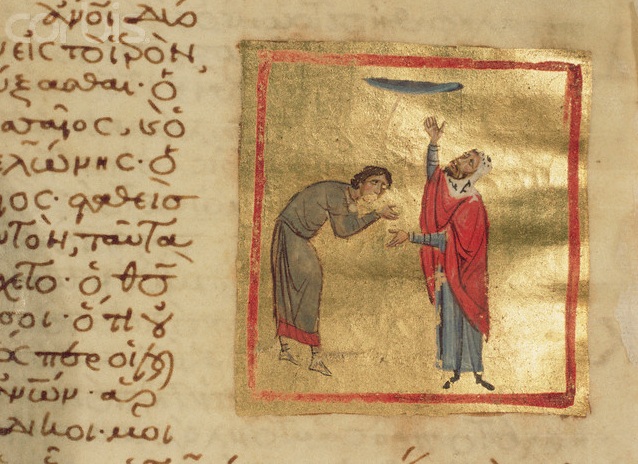
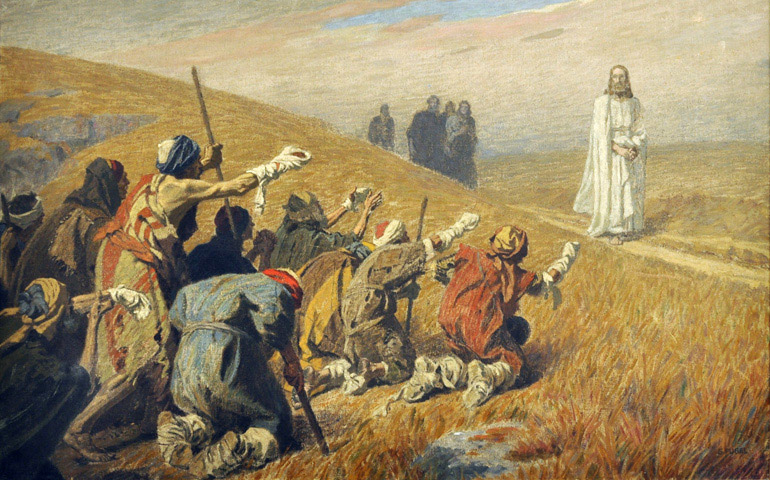
On this Second Sunday of Easter, we hear the Gospel of Doubting Thomas. This Gospel leads me pondering two main questions: «Why do we have doubts?» and, «Why do we have faith?» doubting is part of being a human being, but I am still shocked when I read that not only did the disciples doubt the Lord during His ministry on earth and during His Passion, but they also even doubted Him after the Resurrection[1]. Why did they doubt? Well, most probably, their doubts were simply part of being human beings. We are always going to have doubts until we see God face to face, However, the point is in thinking things always positive. We have faith because we have experienced the Love of God in our lives as individuals and as a people. We have faith because we have felt His Love within us at various times in our lives, usually when we least expect it. We have faith when we reflect on how pointless life would be if Jesus had not Risen from the Dead and given us His Life, gifted us with the Spiritual. At the end of today’s Gospel we heard: “Now Jesus did many other signs in the presence of his disciples that are not written in this book. But these are written that you may come to believe that Jesus is the Christ, the Son of God, and that through this belief you may have life in his name”[2]. We have faith because Jesus has given us life. The tomb is empty, but our lives are full. Jesus Christ is our deepest love. His presence makes all life worthwhile. His presence is a guarantee of eternal life. His presence is a guarantee of eternal love. This Sunday is Divine Mercy Sunday. The Lord knows us better than we know ourselves. He sees what is going on inside of us and calls us to trust in Him. We live under the mercy of God • AE

[1] And it was not just Thomas. Look at Matthew 28:16-20. As the disciples gathered on the Mount of the Ascension, Jesus appeared again to them, but, the scripture says, «some still doubted. [2] Jn 20:19-31


Fr. Agustin Schedule for the Second Sunday of Easter (Divine Mercy Sunday 2022)

12.00 p.m. Holy Mass (English Mass @ Main Church)

3.00 p.m. Holy Mass (Misa en Español @ Main Church)

5.00 p.m. Divine Mercy Chaplet with Eucharistic Adoration & Benediction (@ Main Church)


II Domingo de Pascua (Domingo de la Divina Misericordia)

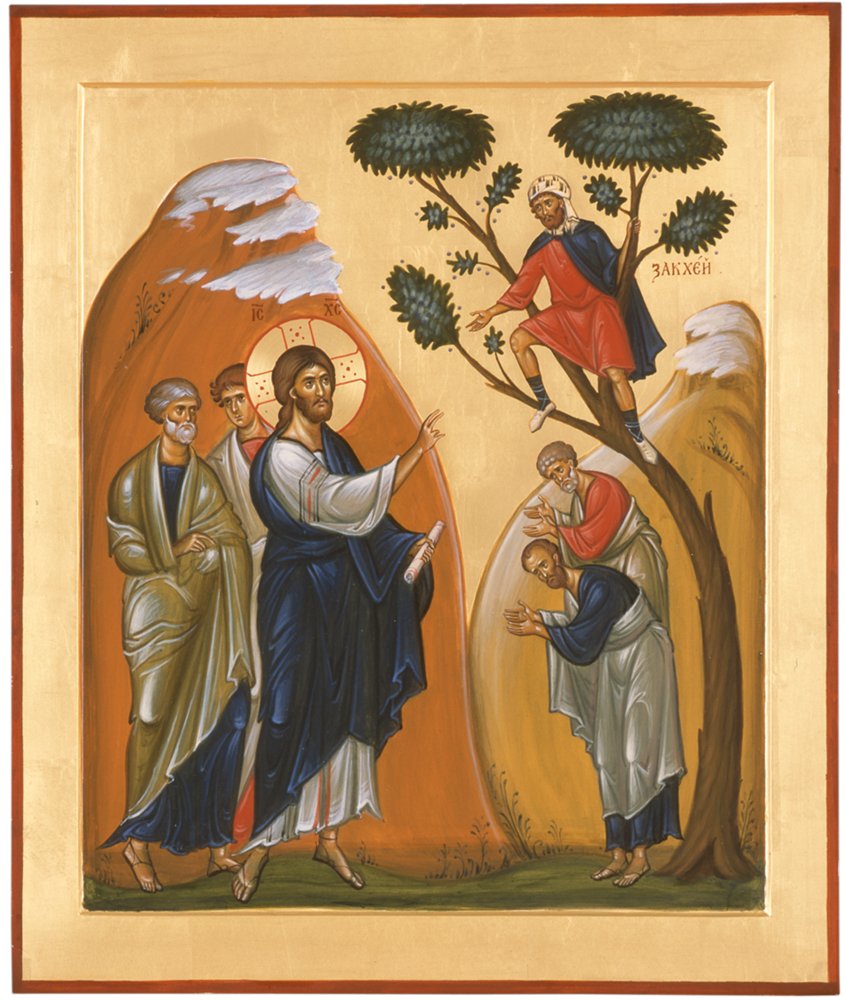
Ulyana Tomkevych, La Duda de Tomás, tempera sobre madera, Contemporary Sacred Art Gallery.

La figura de Tomás como discípulo que se resiste a creer es muy popular entre los cristianos. Sin embargo, el relato evangélico dice mucho más. Jesús resucitado se dirige a él con unas palabras que tienen mucho de llamada apremiante, pero también de invitación amorosa: «No seas incrédulo, sino creyente». Tomás, que lleva una semana resistiéndose a creer, responde a Jesús con la confesión de fe más solemne que podemos leer en los evangelios: «Señor mío y Dios mío»[1]. ¿Qué ha experimentado este discípulo en Jesús resucitado? ¿Qué es lo que ha transformado a aquel que dudaba? ¿Qué recorrido interior lo llevó del escepticismo a la confianza? A lo largo de estos años, hemos cambiado mucho por dentro. Nos hemos hecho más escépticos, pero también más frágiles. Nos hemos hecho más críticos, pero también más inseguros. Cada uno hemos de decidir cómo queremos vivir y cómo queremos morir. Cada uno hemos de responder a esa llamada que, tarde o temprano, de forma inesperada o como fruto de un proceso interior, nos puede llegar de Jesús: «No seas incrédulo, sino creyente». Tal vez, necesitamos despertar más nuestro deseo de verdad. Desarrollar esa sensibilidad interior que todos tenemos para percibir, más allá de lo visible y lo tangible, la presencia del Misterio que sostiene nuestras vidas. Ya no es posible vivir como personas que lo saben todo. No es verdad. Todos, creyentes y no creyentes, ateos y agnósticos, caminamos por la vida envueltos en tinieblas. A Dios lo buscamos a tientas, como nos recuerda el libro de los Hechosecho[2].

¿Por qué no enfrentarnos al misterio de la vida y de la muerte confiando en el Amor como última Realidad de todo? Ésta es la invitación decisiva de Jesús. Más de un creyente siente hoy que su fe se ha ido convirtiendo en algo cada vez más irreal y menos fundamentado. Tal vez, ahora que no podemos ya apoyar nuestra fe en falsas seguridades, estamos aprendiendo a buscar a Dios con un corazón más humilde y sincero. No podemos olvidar que una persona que busca y desea sinceramente creer, para Dios es ya creyente. Muchas veces, no es posible hacer mucho más. Y Dios, que comprende nuestra impotencia y debilidad, tiene sus caminos para encontrarse con cada uno y ofrecerle su salvación • AE

[1] Jn 20,19-31 [2] 17, 27.


Jesu, Joy of Man’s Desiring

Jesu joy of man’s desiring,
Holy wisdom, love most bright;
Drawn by Thee, our souls aspiring
Soar to uncreated light.

Word of God, our flesh that fashioned,
With the fire of life impassioned,
Striving still to truth unknown,
Soaring, dying round Thy throne.

Through the way where hope is guiding,
Hark, what peaceful music rings;
Where the flock, in Thee confiding,
Drink of joy from deathless springs.

Theirs is beauty’s fairest pleasure;
Theirs is wisdom’s holiest treasure.
Thou dost ever lead Thine own
In the love of joys unknown.

Easter Sunday of the Resurrection of the Lord

So, what does it mean to be a Catholic? Today is the perfect day to ask ourselves this big question! Let us consider our participation in three of the many fundamental elements of Catholicism: The Church, the Eucharist and Easter. Being Catholic means that we are part of a Church with a huge number of devoted worshipers, 1.285 billion people or more. We are all part of this, this worldwide assemblage of devoted worshipers who today come together to proclaim our belief in the resurrection of the Lord. We are all part of this, this massive and wonderful Catholic Church. What else does being a Catholic mean? It means that we receive the Body and Blood of the Lord in the Eucharist. We take Jesus inside of us. We are united to him in His death on the Cross and in His Resurrection. Being Catholic means sharing in the Eucharist, not as a meal of solidarity or fellowship, but as a real union with the Second Person of the Holy Trinity. The Eucharistic Presence of the Lord is infinitely more valuable than the most expensive works of art kept in the finest museums. And we have been given the gift of taking this Presence of the Lord within us, this Sunday and every Sunday, every day for that matter. Whether it is at a large Mass such as this, or whether it is in a hospital room with only a priest, deacon or Extraordinary Minister of the Eucharist and a person confined to bed, Jesus is present in the same way, the way of the Eucharist, the Real Presence. The Eucharist is a treasure so valuable that we realize that to receive Communion we need to be better Christians, better followers of the Lord. We realize that we need to reach out to others in humble service, just as the Lord reaches out to us in humble service. We realize that we need to do all we can to be pure, to be free from sin. We value the Eucharist to such an extent that we would deny ourselves the reception of the Eucharist if we knew that serious sin has made us unworthy recipients of communion. We experience Catholicism as part of the body of worshipers; we experience Catholicism as people who receive the Real Presence of the Lord in the Eucharist; and we experience Catholicism in our continual celebration of Easter. The central celebration of our Church year is Easter Sunday, but every Sunday, including those in Lent, is a renewal of Easter. Catholics are Easter People. That is why so many come to Mass on Easter Sunday.

Easter is a celebration of whom they are, of whom we are. Jesus Christ died on the Cross to free us from the grip of the devil. He bargained his life for our lives. He redeemed us. But it was not enough for Him, the Tremendous Lover, to free us from evil. He gave us a new life. He gave us his Resurrected Life. Through Jesus Christ we are more than the physical. We are more than that which meets the eye. Through Jesus Christ, we are spiritual. Our baptism is our reception of the Life of the Lord. Our loved ones who have passed away have only lost their physical lives. Their spiritual lives remain. Because of Easter, we look forward to full union with those whom we miss so much and whom we long for so dearly. For me, for you, being a Catholic means that we are naturally, fundamentally, optimists. No matter what horrors this world imposes on us, or on anyone, we know that our citizenship is in heaven. We have reason for joy. We are an Easter people! We luxuriate in the Life of Christ we have received, a Life that can never be taken from us. Yes, we can deny this life. We can abandon it. But the Love of God is so powerful, that He is always ready to restore His Life to us when we seek forgiveness particularly through the sacrament of penance. Many people have expressed to me, and I am sure to you, their fear for the world. They are upset by news reports be they on the war in Ukraine, politics, terrorism, mass shootings, environmental concerns, etc. Well, God bless them and God bless us all for being upset with evil in the world. When the Lord said, “Blessed are those who mourn,” he was referring exactly to that, “Blessed are those people, blessed are we who mourn the effect of evil upon the world.” We have to work hard to fight against evil. We join groups and support those under attack. We must fight against injustice. We call upon St. Michael to help us defeat the devil and all other evil spirits who prowl the world seeking the ruin of souls. But we must always keep in mind our certainty that evil will not win the final battle. Jesus Christ has won the victory over the worst that evil could do, the victory over death. He has given us His Life.

We are His. He is ours. We are people of the Resurrected Life of the Lord. We are an Easter people. This is what it means to be a Catholic. «Do not be afraid,» Pope St. John Paul II asserted. There is great reason to hope. Jesus Christ, our hope, has risen from the dead. The tomb is empty, Mary. But the world is full. The Savior Lives. May his life change the world. May we let his life change our worlds • AE


Sequence (Victimae paschali laudes)

Christians, to the Paschal Victim
            Offer your thankful praises!
A Lamb the sheep redeems;
            Christ, who only is sinless,
            Reconciles sinners to the Father.
Death and life have contended in that combat stupendous:
            The Prince of life, who died, reigns immortal.
Speak, Mary, declaring
            What you saw, wayfaring.
“The tomb of Christ, who is living,
            The glory of Jesus’ resurrection;
bright angels attesting,
            The shroud and napkin resting.
Yes, Christ my hope is arisen;
            to Galilee he goes before you.”
Christ indeed from death is risen, our new life obtaining.
            Have mercy, victor King, ever reigning!
            Amen. Alleluia.


Fr. Agustin Schedule for Easter Sunday 2022

7.30 a.m. Holy Mass (English Mass @ Main Church)

10.30 a.m. Holy Mass (English Mass @ Main Church)


Domingo de Pascua de la Resurrección del Señor


Autor anónimo, Sepulcro vacío y Noli me tangere, Retablo de San Juan (s. XIV), Museo del Prado (Madrid)

Según el relato de Juan, María de Magdala es la primera que va al sepulcro, cuando todavía está oscuro, y descubre desconsolada que está vacío. Le falta Jesús. El Maestro que la había comprendido y curado. El Profeta al que había seguido fielmente hasta el final. ¿A quién seguirá ahora? Así se lamenta ante los discípulos: «Se han llevado del sepulcro al Señor y no sabemos dónde lo han puesto». Estas palabras de María podrían expresar la experiencia que viven hoy no pocos cristianos: ¿Qué hemos hecho de Jesús resucitado? ¿Quién se lo ha llevado? ¿Dónde lo hemos puesto? El Señor en quien creemos, ¿es un Cristo lleno de vida o un Cristo cuyo recuerdo se va apagando poco a poco en los corazones? Es un error que busquemos «pruebas» para creer con más firmeza. No basta acudir al magisterio de la Iglesia. Es inútil indagar en las exposiciones de los teólogos. Para encontrarnos con el Resucitado es necesario, ante todo, hacer un recorrido interior. Si no lo encontramos dentro de nosotros, no lo encontraremos en ninguna parte. Juan describe, un poco más tarde, a María corriendo de una parte a otra para buscar alguna información. Y, cuando ve a Jesús, cegada por el dolor y las lágrimas, no logra reconocerlo. Piensa que es el encargado del huerto. Jesús solo le hace una pregunta: «Mujer, ¿por qué lloras? ¿a quién buscas?». Tal vez hemos de preguntarnos también nosotros algo semejante. ¿Por qué nuestra fe es a veces tan triste? ¿Cuál es la causa última de esa falta de alegría entre nosotros? ¿Qué buscamos los cristianos de hoy? ¿Qué añoramos? ¿Andamos buscando a un Jesús al que necesitamos sentir lleno de vida en nuestras comunidades? Según el relato, Jesús está hablando con María, pero ella no sabe que es Jesús. Es entonces cuando Jesús la llama por su nombre, con la misma ternura que ponía en su voz cuando caminaban por Galilea: «¡María!». Ella se vuelve rápida: «Rabbuní, Maestro». María se encuentra con el Resucitado cuando se siente llamada personalmente por él. Es así. Jesús se nos muestra lleno de vida, cuando nos sentimos llamados por nuestro propio nombre, y escuchamos la invitación que nos hace a cada uno. Es entonces cuando nuestra fe crece. No reavivaremos nuestra fe en Cristo resucitado alimentándola solo desde fuera. No nos encontraremos con él, si no buscamos el contacto vivo con su persona. Probablemente, es el amor a Jesús conocido por los evangelios y buscado personalmente en el fondo de nuestro corazón, el que mejor puede conducirnos al encuentro con el Resucitado • AE


Exultate, iubilate!

Exultate, iubílate (K 165/158ª) es un motete religioso de Wolfgang Amadeus Mozart escrito en 1773. Fue compuesto durante la visita del compositor austríaco a Milán, en la época en la que viajó a Italia. Fue escrito para el castrato Venanzio Rauzzini, el favorito de Mozart para sus óperas. En las representaciones modernas, es interpretado normalmente por una soprano. Es muy apropiado para escucharlo en este tiempo de Pascua • AE


The Sacred Paschal Triduum

HOLY THURSDAY OF THE LORD´S SUPPER, APRIL 14

7.00 p.m. Mass of the Lord´s Supper

(Adoration of the Blessed Sacrament until Midnight @Eucharistic Chapel)

FRIDAY OF THE PASSION OF THE LORD (Good Friday), APRIL 15

8.30 a.m. Seven Sorrowful Stations of the Blessed Virgin Mary

1.00 p.m. Living Stations of the Cross

3.00 p.m. Liturgical Celebration of the Lord´s Passion (Bilingual)

HOLY SATURDAY, APRIL 16

8.30 p.m. The Easter Vigil in the Holy Night

EASTER SUNDAY OF THE RESURRECTION OF THE LORD, APRIL 17

7.30 a.m., 10.00 a.m. and 12.30 p.m. English mass

3.00 p.m. Misa en Español


Palm Sunday of the Passion of the Lord (2022)

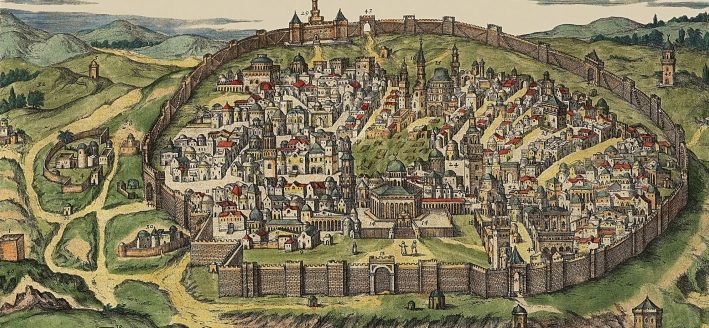
Zanino di Pietro, Entry of Christ Into Jerusalem (15th century), tempera on panel, gold ground, Sotheby’s (New York)

The contrast in today’s liturgy is shocking.  We began with the enactment of the Palm Sunday Procession of the Lord into Jerusalem.  Jesus comes in riding on a donkey as the prophet Zechariah had foretold. People lay their cloaks before Him. Men and women cheered. Children sang.   Jesus remained quiet. He knew that there would be a radical change in the way that most perceived Him. They were ready for a Messiah to rule them. They were not ready for a Messiah to suffer for them. And so we come to that huge contrast, the contrast from palms to passion.   We displayed this in our liturgy with the change of music and vestments, from white to red, and from triumphal music proclaiming All Glory Laud and Honor, to the solemn music remembering the cross.  O Sacred Head Surrounded by crown of piercing thorns. O Bleeding head so wounded, reviled and put to scorn. The events we commemorate during Holy Week often re-occur in our own lives.  One minute we are acclaimed, feted, made to feel altogether good about ourselves.  Crowds gather around us wanting to shake our hand, pat us on the back.  OK, maybe not that much.  But we do have those times when people congratulate us for doing our job well, for getting good grades in school, or for some sport accomplishment, or an accomplishment in dance, music or other areas of fine arts.  And then, suddenly, everything changes.  Suddenly we are no longer that genius in the office, that brilliant student, that protégé on the stage, that wonder on the athletic field. In this “What have you done for me lately?” world, we can find ourselves feted one moment and forgotten the next. Then when things go wrong, we wonder, “Where did the crowd go?”  And we feel very much alone, as Jesus felt when only a handful of people were there to support him on the hill of Calvary. Jesus was there on the hill because he was true to Himself.  He lived and died for the Kingdom of God.  He lived and died to lead us to the Kingdom of God. Like the Lord, we can and must be true to ourselves.  We have to realize that it is not the opinion of the masses that matter.  What matters is that we are true to ourselves.  If that brings us to our own cross, and it will, if that results in the crowd of supporters being reduced to just a handful of our closest friends and immediate family, and it will, so be it.  Standing up for what is right and true, what is moral and just, is never going to be popular.  Jesus reminds us this with clear words: “If the world hates you, keep in mind that it hated me first.”[1]  What matters is that we are who we were created to be, reflections of God’s love in the world.  If standing up for what is right and moral results in our being mocked and rejected, if there are times that we feel very alone in proclaiming and living our faith, then we are in good company.  And we lose friends, or at least people we had thought were friends.  And we are alone.  Welcome to the cross.  We need to be true to ourselves. We need to be true to the image of God we were created to reveal to the world. We need to embrace our cross as the Lord embraced His Cross. And when we take those steps of courage, when we leap into a living faith, we need to remember that no matter what is happening around us, no matter whether we are feted or forgotten, the Lord embraces us. So, we remember the Lord’s Passion this week, uniting our own struggles to His. Let us pray for the faith to recognize that the Lord sees us, knows our determination to live for Him, and is present to guide us through the cross to the joy of everlasting life • AE

[1] John 15:18


Fr. Agustin Schedule

Saturday April 9, 2022

3.30 p.m. Sacrament of Reconciliation @ Confessional

5.00 p.m. Blessing of the branches and Mass @ Main Church

Sunday, April 10, 2022

12.30 p.m. Blessing of the branches and Mass @ Main Church

3.00 p.m. Bendición de las palmas y Misa en Español @ Main Church


Domingo de Ramos de la Pasión del Señor (2022)


Juan Correa de Vivar, Lamentación ante Cristo muerto (c. 1550), óleo sobre tela, Museo Nacional del Prado (Madrid)

Esta semana que hoy comenzamos vamos a meditar en la muerte y resurrección de Jesús: una buena ocasión para escuchar de manera renovada la llamada evangélica a tomar la cruz y seguir al Señor. Hemos de recordar que el dolor y la enfermedad, los conflictos y tribulaciones de la vida no los ha inventado Cristo ni la teología cristiana. Están ahí como parte integrante de nuestra existencia. Tarde o temprano, todos hemos de enfrentarnos al sufrimiento y la prueba. Por otra parte, cuando Jesús nos llama a tomar la cruz, no nos está invitando a procurarnos una vida todavía más dolorosa y atormentada, añadiendo nuevo sufrimiento a nuestro vivir diario. Tomar la cruz es más bien descubrir cuál es la manera más acertada y sana de vivir ese sufrimiento que ha de aceptar quien quiere ser humano hasta el final. El sufrimiento no tiene ningún valor en sí mismo. Es una experiencia negativa que ningún hombre sano ha de buscar arbitrariamente y sin necesidad. Pero al mismo tiempo, es una experiencia ante la cual hemos de tomar postura. Y es aquí donde los cristianos miramos al Crucificado para aprender a vivir de manera humana los diferentes sufrimientos. Hay un sufrimiento que forma parte de nuestra condición humana, siempre frágil y caduca. Todos estamos expuestos al dolor y la enfermedad. Todos vivimos amenazados por la desgracia y la muerte. Tomar la cruz significa, entonces, vivir esa experiencia dolorosa siguiendo de cerca a Cristo, sostenidos por una confianza absoluta en un Dios que, incluso en los momentos más oscuros, está junto a nosotros y de nuestra parte. Y luego hay un sufrimiento inevitable en todo aquel que busca renovarse y crecer de manera positiva. Estamos tan arraigados en un egoísmo enfermizo que todo aquel que desea liberarse y ser cada día más humano, debe aceptar el precio que exige esa superación constante. Tomar la cruz significa, entonces, asumir y trabajar gozosamente nuestra conversión aceptando las renuncias y sacrificios que nos llevarán a una vida más plenamente humana. Finalmente, hay un sufrimiento que es resultado de seguir fielmente al Señor y de un compromiso inquebrantable por el evangelio. Así, tomar la cruz significa aceptar pacientemente el rechazo, el descrédito o la persecución que nos pueden llegar como consecuencia del seguimiento a Cristo, sabiendo que el destino de quien trata de humanizar la vida como Jesús es compartir también con él la crucifixión. Pero la cruz no es el último destino de quien sigue a Cristo. Si los cristianos asumimos esa cruz inevitable en todo aquel que se esfuerza por ser él mismo más humano y por construir un mundo más habitable, es porque queremos arrancar para siempre del mundo y de nosotros el mal y el sufrimiento. A una vida crucificada corno la de Jesús sólo le espera resurrección • AE