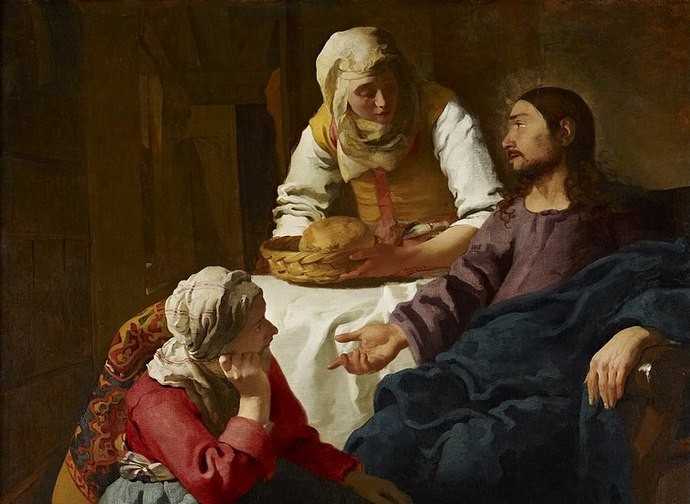
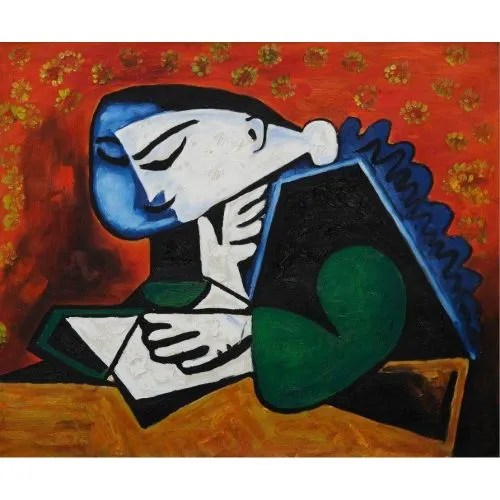
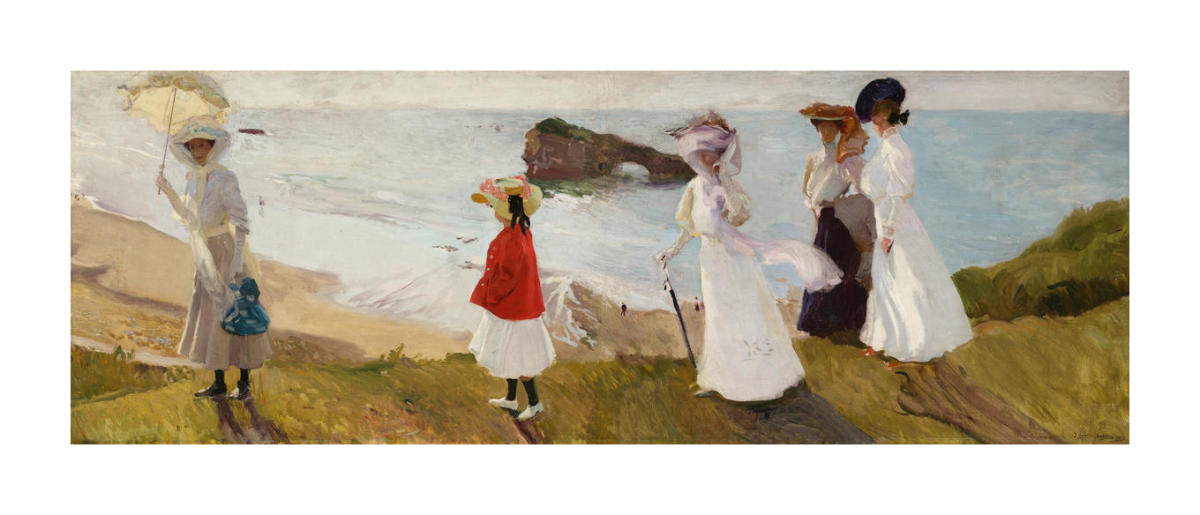
J. Vermeer, Christ with Martha and Mary (1655), oil on canvas, Scottish National Gallery, Edinburg.
Martha is not wrong to serve. But somewhere along the way, service became noise. Worry overtook presence. She forgot that the Guest she was trying to please had already come to bring peace, not performance. Mary, instead, does something radical. She stops. She listens. She chooses stillness — not to escape, but to receive. In one of her lesser-known poems, Christian poet Anne Porter writes:
“It is only in quietness that the Word can be heard.”
There’s a reason the Gospels often show Jesus withdrawing to the mountain or the sea. Not because He fled the world, but because love needs silence to deepen. Without that silence, even our best efforts turn frantic, self-referential, breathless. We all know what it feels like to be Martha — efficient, needed, exhausted. But the Gospel is not a call to choose between doing and being. It is a call to let our doing be rooted in being with Christ. “Only one thing is necessary,” says Jesus. And that one thing is not a task. It’s a presence. This week, try to stop — even for five minutes — and be still before Him. No agenda. No spiritual acrobatics. Just His gaze… and your heart. Let me suggest a soundtrack for that moment: La Pioggia by the Japanese composer Joe Hisaishi (from Piano Stories II). It’s not “sacred music” in the formal sense, but it opens a space — like Mary did — for something sacred to happen • AE
St. Joseph Catholic Church (Dilley, TX) • Weekend Schedule
Fr. Agustin E. (Parish Administrator)
Saturday, July 19, 2025.
5.00 p.m. Sacramento de la Confesión
6.00 p.m. Santa Misa.
Sunday, July 20, 2025
8.00 a.m. Sacrament of Reconciliation
8.30 a.m. Holy Mass.
10.30 p.m. Sacrament of Reconciliation.
11.00 a.m. Holy Mass.
XVI Domingo del Tiempo Ordinario (Ciclo C)
Doménikos Theotokópoulos, El Greco, Santa Verónica con el velo de Cristo (1585), Óleo sobre lienzo, Museo de Santa Cruz, Toledo (España)
Jesús no le reprocha a Marta que sirva. Le reprocha que se haya perdido en el ruido. Que su servicio se haya desconectado de la presencia. Que el activismo la haya robado del encuentro. En cambio, María se sienta. No por pereza, sino porque ha comprendido que la única urgencia es el rostro de Cristo. Esto lo intuyó también Georges Bernanos en su Diario de un cura rural. Allí, el joven sacerdote, rodeado de indiferencia, enfermedad y fatiga, anota una frase que arde como una herida: “Todo es gracia.” Gracia es poder sentarse, cuando todo empuja a correr. Es poder escuchar, cuando todo grita. Es quedarse a los pies de Cristo, incluso cuando uno no entiende, ni puede, ni sabe qué decir. Hoy, muchos de nosotros somos Marta. Nos quemamos por cosas buenas. Pero nos falta detenernos. Volver al centro. Volver a Él. Jesús no desprecia nuestras obras. Pero sí que nos pregunta si recordamos para quién las hacemos. Esta semana podríamos detenernos un momento y escuchar con calma y atencion el precioso Stabat Mater de Luigi Boccherini. No es la música que encontraríamos en una gran catedral sino en un momento de recogimiento y oración; oración llena de ternura, como una madre delante del dolor. Escúchalo como María: no con los oídos solamente, sino con el alma. La imagen que ilustra esta entrada nos muestra a Santa Verónica con el velo donde ha quedado impreso el rostro del Señor. No hay paisaje. No hay drama narrativo. Solo un rostro. Solo Cristo. Cristo es todo. Todo el consuelo. Toda la belleza. Toda la verdad. El arte, la compasión, la fe… todo converge en ese rostro. Quien lo mira con el corazón, no necesita nada más • AE
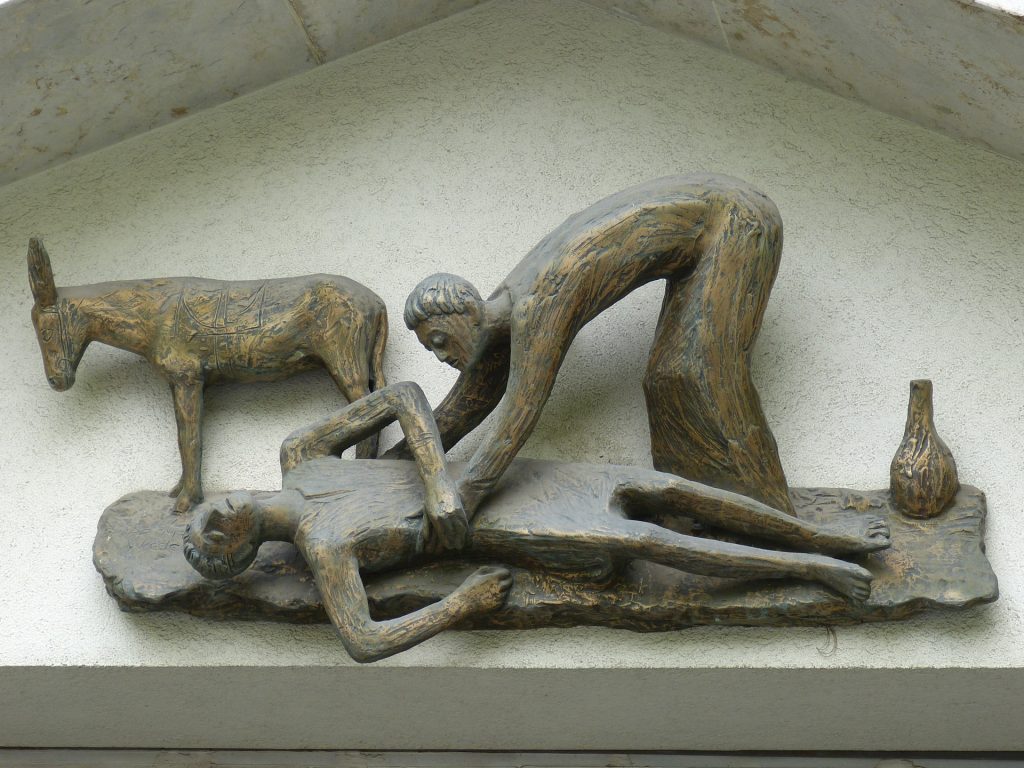
What must I do to inherit eternal life? This question, posed by a scholar of the law, is not a casual inquiry. It is the question—burning in the heart of every serious believer. But Jesus, as he often does, answers with another question. He wants not just to be understood, but to be encountered. The parable that follows—of the Good Samaritan—is not merely about kindness. It is about mercy that crosses boundaries, mercy that inconveniences itself, mercy that takes risks and refuses to look away. The priest and the Levite are not monsters; they are just… preoccupied. Respectable. Cautious. But the Samaritan, the foreigner, the “heretic,” sees—and is moved. This Gospel always calls to mind a line from Les Misérables by Victor Hugo, where Bishop Myriel says: “To love or have loved, that is enough. Ask nothing further. There is no other pearl to be found in the dark folds of life.” Like the bishop who shelters the fugitive Jean Valjean, the Good Samaritan loves first, without calculation. For reflection this week, I suggest listening to Arvo Pärt’s Cantus in Memory of Benjamin Britten. The tolling bell and mournful strings evoke the dignity of every wounded traveler and the solemn beauty of mercy in action. This music does not rush—it waits, accompanies, and gently transforms. Jesus’ final command is not complex: “Go and do likewise.” The path to eternal life is not hidden. It lies at our feet, every time we dare to love beyond our limits • AE
St. Joseph Catholic Church (Dilley, TX) • Weekend Schedule
Fr. Agustin E. (Parish Administrator)
Saturday, July 12, 2025.
10.00 a.m. Marriage Preparation for Pablo & Daniela
5.00 p.m. Sacramento de la Confesión
6.00 p.m. Santa Misa.
Sunday, July 13, 2025
8.00 a.m. Sacrament of Reconciliation
8.30 a.m. Holy Mass.
XV Domingo del Tiempo Ordinario (Ciclo C)
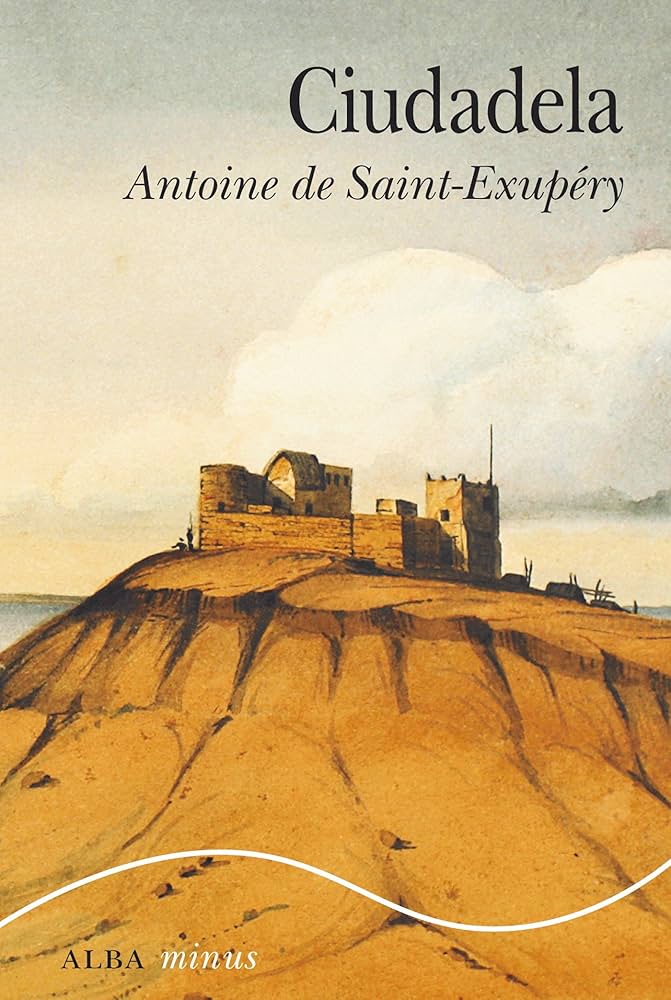
El Evangelio de este domingo no es una historia de buenos y malos. Es una historia sobre quién se detiene y quién sigue su camino. Porque el que sufre no necesita explicaciones ni excusas; necesita presencia. El sacerdote y el levita no son indiferentes por crueldad, sino por distracción, por miedo, por prioridades que consideran más “santas”. El samaritano, en cambio, interrumpe su viaje, ensucia sus manos, compromete su dinero, y se convierte en prójimo. En Ciudadela, Antoine de Saint-Exupéry escribe: “Cuando das de ti mismo, das lo que no se compra. No das pan, das el pan compartido.” Eso hizo el samaritano: no dio limosna, sino tiempo. No ofreció un gesto, sino un camino compartido. Cuidó las heridas, pagó el hospedaje, prometió volver. Ese tipo de amor tiene un peso que no se olvida fácilmente. Esta semana, mientras meditaba en este Evangelio, escuché “Abendlied” de Josef Rheinberger. Es una pieza coral breve, casi susurrada, que repite una sola súplica: “Bide with us, for evening falls…” Qué distinta suena esa súplica cuando uno ha sido golpeado por la vida. Qué honda cuando alguien, como el samaritano, decide quedarse un rato más. Jesús, que también se quedó aquella tarde con los que caminaban hacia Emaús, termina el relato del evangelio de este domingo con una orden clara: “Anda, y haz tú lo mismo.” No es poesía. Es el camino a la vida eterna. Amar sin esperar, detenerse sin cálculo, cargar con otro sin preguntar si lo merece o no • AE
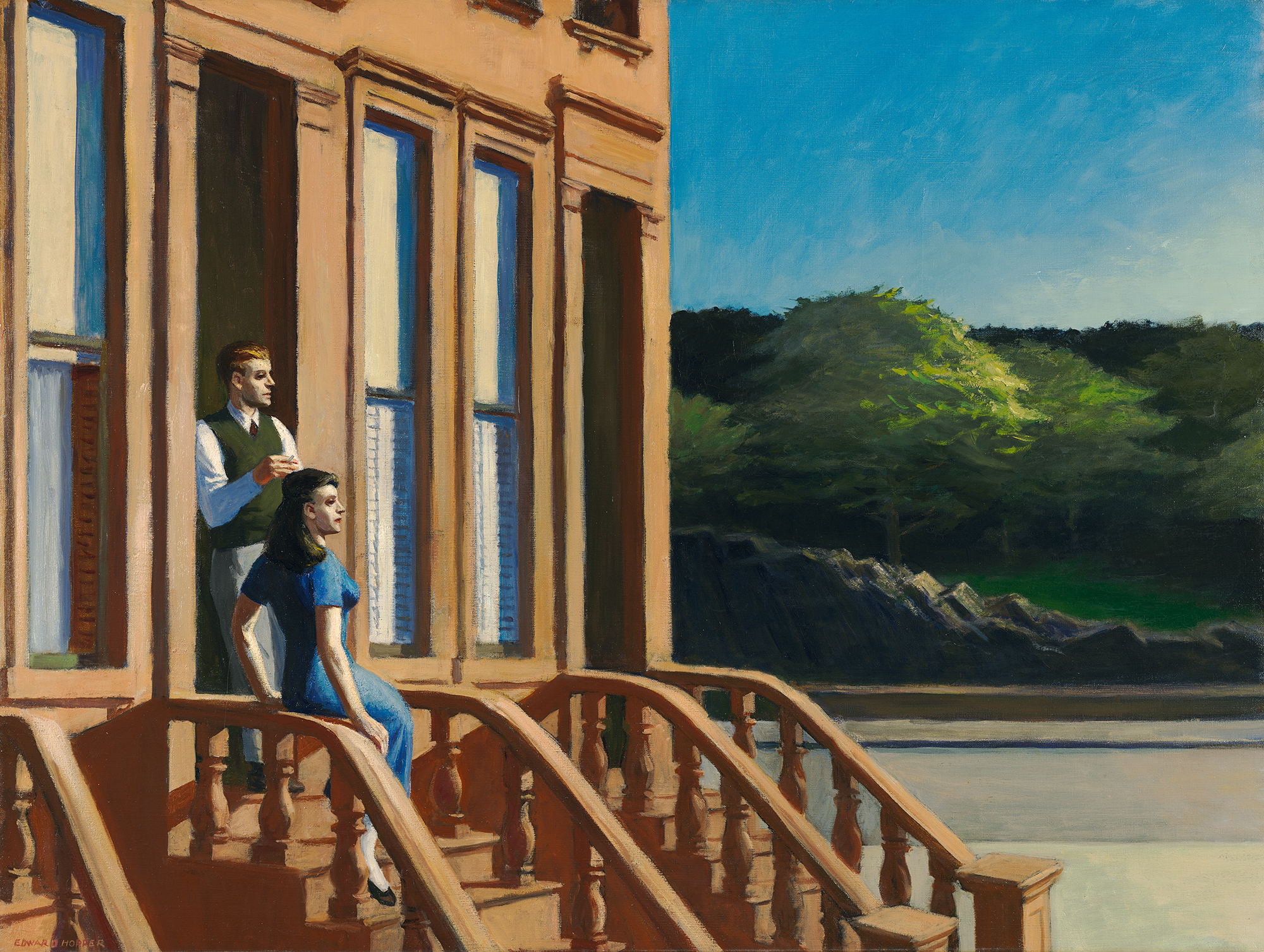
E. Hopper (1882–1967), Sunlight on Brownstones (1956), oil on canvas, Wichita Art Museum.
Ordinary Time begins. After weeks of incense and alleluias, white vestments and solemn processions, the Church returns to her quiet rhythm. The green returns. The days stretch long beneath the summer sun, and the Gospel turns to simple things. Jesus sends seventy-two disciples. Not the Twelve. Not the famous. Just seventy-two — unnamed, unadorned, obedient. He sends them ahead, two by two, into villages with no guarantee of welcome. They carry no money, no sandals, no plans. Only peace. Only presence. Only the Kingdom. This is the wisdom of the Gospel: that the world is changed not by spectacle, but by fidelity. Not by heroes, but by those who show up. In homes. In conversations. In silences. The mission does not need a stage — only a heart that says yes. George Eliot, in the final lines of Middlemarch, wrote of lives that rest “in unvisited tombs,” yet shaped the world through hidden goodness. Such is the way of the seventy-two. Such is the way of those sent in Ordinary Time. There is music that echoes this hidden grace — like Fauré’s Sicilienne, whose melody moves without urgency, touching light into shadow. It does not seek attention. It simply is. Perhaps this is the invitation of this season: to trust the quiet hours, to walk the simple paths, and to believe that even unnamed disciples carry eternity in their hands • AE
Independence Day 2025
God of mercy and justice, on this day we thank You for the gift of our country, for the blessings of freedom, and for all who have worked, fought, and prayed to build a more just and peaceful nation.
Grant wisdom to our leaders, integrity to our institutions, and courage to every citizen, that we may seek the common good and protect the dignity of every human life, from conception to natural death.
Inspire us to be peacemakers in a divided world, builders of bridges, not walls, and servants of Your Kingdom within our homes, our communities, and our land.
Bless America, Lord—not for greatness alone, but for goodness, for generosity, and for a heart always open to the stranger, the poor, and the forgotten.
We entrust this nation to the Immaculate Heart of Mary, and to the guidance of the Holy Spirit, so that, walking in Your truth, we may become a people of hope.
Through Christ our Lord. Amen.
St. Joseph Catholic Church (Dilley, TX) • Weekend Schedule
Fr. Agustin E. (Parish Administrator)
Saturday, July 5, 2025.
5.00 p.m. Sacramento de la Confesión
6.00 p.m. Santa Misa.
Sunday, July 6, 2025
8.00 a.m. Sacrament of Reconciliation
8.30 a.m. Holy Mass.
10.30 p.m. Sacrament of Reconciliation.
11.00 a.m. Holy Mass.
XIV Domingo del Tiempo Ordinario (Ciclo)
Con este domingo comienza nuevamente el Tiempo Ordinario. Después del largo y solemne recorrido de Cuaresma, Pascua, Pentecostés y Corpus Christi, la liturgia retorna a su cauce habitual. No por eso menos profundo. La fe, como la vida, también se sostiene en el andar sereno de los días comunes. En el calor inmóvil del verano, bajo cielos amplios y caminos polvorientos, el Evangelio narra el envío de setenta y dos discípulos. No reciben oro ni estrategias, sino una palabra de paz y la promesa de que el Reino de Dios está cerca. Son enviados sin certezas visibles, como corderos entre lobos, a habitar lo concreto, lo inmediato, lo posible. Así emerge una de las intuiciones más hondas de la espiritualidad cristiana: el Sacramento del Momento Presente. Lo eterno no está reservado a tiempos extraordinarios, sino que se esconde en el ahora, si se lo habita con fidelidad. No existe otro terreno para la gracia que este instante, ni otro lugar para el Reino que el aquí. Emily Dickinson escribió: “Forever – is composed of Nows.” La eternidad no vendrá: ya se construye, nota a nota, paso a paso. Como en el Aria de la Suite No. 3 de Bach, donde cada compás sostiene una belleza que no se impone, pero que permanece. El Reino no se anuncia desde lejos. Se ofrece desde dentro del tiempo. Y el tiempo, cuando es ofrecido, se vuelve cielo • AE
¿Qué ha dicho el santo Padre León XIV?
Estimados hermanos y hermanas:
Con profundo respeto y reconocimiento, poco más de un mes del inicio de mi Pontificado, pero recordando con gratitud los casi 40 años desde mi primera misión vivida en el Perú, me uno al estreno de la obra Proyecto Ugaz, que da voz y rostro a un dolor silenciado durante demasiado tiempo. Esta obra no es solo teatro: es memoria, denuncia, y sobre todo, un acto de justicia. A través de ella, las víctimas de la extinta familia espiritual del Sodalicio y los periodistas que las han acompañado —con valentía, paciencia y fidelidad a la verdad— iluminan el rostro herido pero esperanzado de la Iglesia. La lucha de ustedes por la justicia es también la lucha de la Iglesia. Porque como escribí años atrás, “una fe que no toca las heridas del cuerpo y del alma humana, es una fe que no ha conocido aún el Evangelio”. Hoy, esa herida la reconocemos en tantos niños, jóvenes y adultos que fueron traicionados donde buscaban consuelo; y también en aquellos que arriesgaron su libertad y su nombre para que la verdad no fuera enterrada.
Quiero agradecer a quienes han perseverado en esta causa, incluso cuando fueron ignorados, descalificados o incluso perseguidos judicialmente. Como dijo el Papa Francisco en su Carta al Pueblo de Dios en agosto de 2018: “El dolor de las víctimas y de sus familias es también nuestro dolor, y por tanto es urgente reafirmar nuestro compromiso para garantizar la protección de los menores y de los adultos vulnerables.” En esa misma carta, mi Predecesor, que habló de la estimulante diferencia entre el delito y la corrupción, nos llamó a todos a una conversión eclesial profunda. Esa conversión no es retórica, sino camino concreto de humildad, verdad y reparación.
La prevención y el cuidado no son una estrategia pastoral: son el corazón del Evangelio. Es urgente arraigar en toda la Iglesia una cultura de la prevención que no tolere ninguna forma de abuso —ni de poder o de autoridad, ni de conciencia o espiritual, ni sexual. Esta cultura solo será auténtica si nace de una vigilancia activa, de procesos transparentes y de una escucha sincera a los que han sido heridos. Para ello necesitamos a los periodistas. Hoy quisiera agradecer particularmente a Paola Ugaz por su valentía en acudir el 10 de noviembre de 2022 al Papa Francisco y pedirle amparo ante unos ataques injustos que sufría junto a otros tres periodistas, Pedro Salinas, Daniel Yovera y Patricia Lachira por denunciar los abusos cometidos por parte de un grupo eclesial radicado en varios países pero nacido en Perú. Entre las numerosas víctimas de abusos, también las había de abusos económicos, los comuneros de Catacaos y Castilla, lo cual hacía aún más intolerable lo denunciado.
Desde el inicio de mi pontificado, cuando tuve el privilegio de dirigirme por vez primera a los periodistas reunidos tras el cónclave, subrayé que “la verdad no es propiedad de nadie, pero sí es responsabilidad de todos buscarla, custodiarla y servirla”. Aquel encuentro fue más que un saludo protocolario: fue una reafirmación de la misión sagrada de quienes, desde el oficio periodístico, se convierten en puentes entre los hechos y la conciencia de los pueblos. Incluso con grandes dificultades.
Hoy, vuelvo a elevar la voz con preocupación y esperanza al mirar hacia mi amado pueblo del Perú. En este tiempo de profundas tensiones institucionales y sociales, defender el periodismo libre y ético no es solo un acto de justicia, sino un deber de todos aquellos que anhelan una democracia sólida y participativa. La cultura del encuentro no se edifica con discursos vacíos ni con relatos manipulados, sino con hechos narrados con objetividad, rigor, respeto y valentía. Exhortamos, pues, a las autoridades del Perú, a la sociedad civil y a cada ciudadano a proteger a quienes, desde las radios comunitarias hasta los grandes medios, desde las zonas rurales hasta la capital, informan con integridad y coraje. Donde se silencia a un periodista, se debilita el alma democrática de un país. La libertad de prensa es un bien común irrenunciable. Los que ejercen esta vocación con conciencia no pueden ver apagada su voz por intereses mezquinos o por miedo a la verdad. A todos los comunicadores peruanos me atrevo a decirles con afecto pastoral: no teman. Con su trabajo pueden ser artífices de paz, unidad y diálogo social. Sean sembradores de luz en medio de las sombras. Por ello, hago mis votos para que esta obra sea un acto de memoria, pero también un signo profético. Que despierte corazones, remueva conciencias, y nos ayude a construir una Iglesia donde nadie más deba sufrir en silencio, y donde la verdad no sea vista como amenaza, sino como camino de liberación. Con mi oración, mi afecto y mi bendición apostólica, León PP. XIV Roma, 2025 •
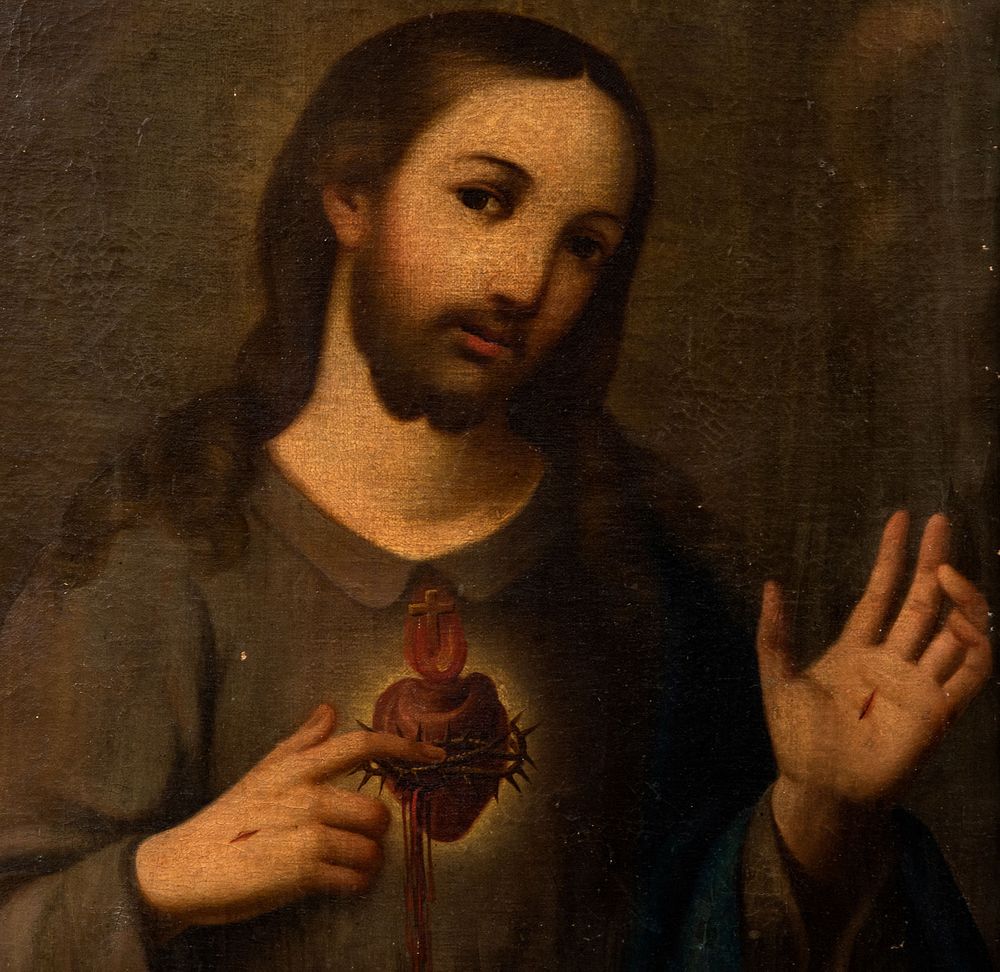
The Good Shepherd does not count efficiency. He counts hearts. In the parable we just heard at the gospel proclamation, Jesus reveals a God who is not content with percentages. Ninety-nine is not enough. One missing sheep is one too many. And so He leaves the safe, the counted, the settled—to seek the one who is wandering, wounded, or simply weary. He does not scold. He searches. And when He finds the sheep, He does not drag it back. He lifts it onto His shoulders, as if the burden were joy. This is the logic of the Sacred Heart—a heart that bleeds not only for humanity as a whole, but for each soul. A heart that is pierced, not to display suffering, but to pour out love. The image of the Sacred Heart is not sentimental. It is radical. It tells of a God who leaves behind the respectable to find the lost, not with shame but with song. “Rejoice with me,” He says—not when we get everything right, but when we let ourselves be found. There is more joy in heaven over one sinner who repents—because heaven is not a reward for the perfect, but the home of the beloved • AE
Corazón encendido, llama pura, de espinas coronado y fiel herido, en Ti reposa el mundo estremecido y el cielo canta en áurea hermosura.
Los ángeles te velan con ternura, y el aire se arrodilla agradecido. Tu sangre es luz, tu herida es el latido que salva al alma, y sana su amargura.
¡Oh llama eterna, amor que no se apaga! ¡Oh Cruz clavada en pecho tan divino! ¡Oh Rey que en vez de trono el pecho embriaga!
Que todo el corazón sea tu camino, y aun el perdido, al verte, se propaga de gozo, de perdón, de cielo y vino.
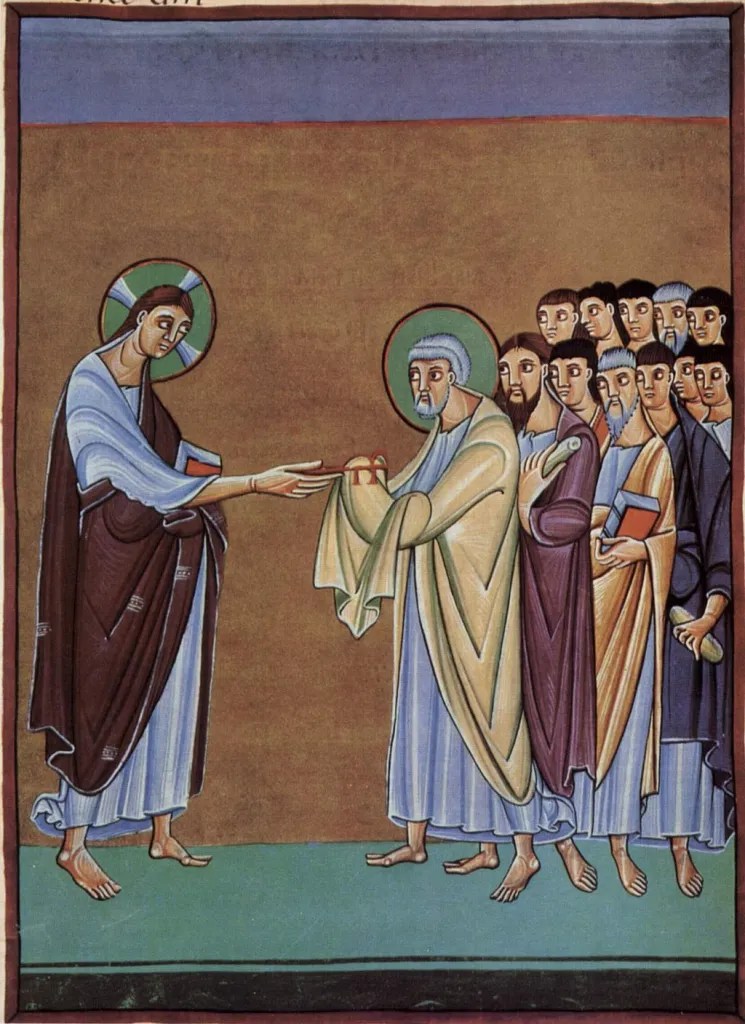
Master of the Pericopes, Book of Henry II, Saint Peter Receives the Keys (Early 11th century), Color on parchment, Bavarian State Library (Munich)
In the shadowed region of Caesarea Philippi, Jesus asks a question that reverberates through the ages: “Who do you say that I am?” Not addressed to crowds or scholars, but to his closest companions. It is not a question of opinion—it is a call to revelation. Peter, impulsive and imperfect, responds with startling clarity: “You are the Christ, the Son of the living God.” His answer does not emerge from human calculation but from divine inspiration. Jesus affirms it: “Flesh and blood has not revealed this to you, but my heavenly Father.” And with that confession, a fisherman becomes a cornerstone—not for his strength, but for his surrender. At the heart of this moment is Jesus Himself—Messiah and Son, revealer and foundation. He builds His Church not on perfection, but on grace; not on achievement, but on faith. The Solemnity of Saints Peter and Paul is not a celebration of human greatness, but of divine trust. These two apostles—one who denied Christ, the other who persecuted Him—are brought into union not by ideology, but by mercy. Their martyrdom in Rome is not a tragedy of failure but a testimony of transformation. In their very bodies, the Church was planted, watered, and made to grow.
This year, the feast bears a particular poignancy. It is the first since the death of Pope Francis, servant of the poor and herald of God’s tenderness. In the spirit of Peter, he reminded the Church that mercy is not weakness, but the deepest expression of divine strength. “The name of God is mercy,” he once said—echoing Peter’s own experience of being lifted from the waters of failure. Now the keys of Peter have been entrusted to Pope Leo XIV, whose early steps suggest a quiet strength, an interior clarity. In him, many hear echoes of Aeneas—that noble bearer of sacred fire through the ashes of Troy, carrying hope not only for survival but for rebirth. Leo XIV seems less interested in spectacle and more in substance; not a disruptor, but a re-rooter. His presence, like Peter’s, invites the Church to deepen her foundation in Christ. Among the treasures of sacred art that illumine this feast, Giovanni Pierluigi da Palestrina’s Tu es Petrus stands out. Composed not to impress, but to elevate, it reflects the serene majesty of the Church’s faith. Layer upon layer of polyphony offers not noise but clarity—the sonic icon of a Church built on confession, not control. It does not entertain; it enthrones. The promise endures: “Upon this rock I will build my Church, and the gates of the netherworld shall not prevail against it.” Not because of Peter’s brilliance, nor Paul’s eloquence, nor the pope’s popularity—but because Christ remains, speaking, guiding, forgiving. Even now, that question still lingers in the heart of the Church and in every disciple’s conscience: “Who do you say that I am?” The answer is not a slogan. It is a life, poured out like Peter’s, like Paul’s, like every saint who has stood where the world trembles and declared, “You are the Christ.” • AE
St. Joseph Catholic Church (Dilley, TX) • Weekend Schedule
Fr. Agustin E. (Parish Administrator)
Friday, June 27, 2025.
11.00 a.m. Sacrament of Marriage for Nancy & Isaac
5.00 p.m. Sacrament of Confession
6.00 p.m. Holy Mass (Solemnity of the Sacred Heart of Jesus)
7.00 p.m. Eucharistic Holy Hour.
Saturday, June 28, 2025.
10.00 a.m. Sacrament of Baptism
5.00 p.m. Sacramento de la Confesión
6.00 p.m. Santa Misa.
Sunday, June 29, 2025
8.00 a.m. Sacrament of Reconciliation
8.30 a.m. Holy Mass.
10.30 p.m. Sacrament of Reconciliation.
11.00 a.m. Holy Mass.
Solemnidad de san Pedro y san Pablo, Apóstoles (2025)
Tú eres el Cristo, el Hijo del Viviente, confiesa Pedro, y el silencio calla. No fue la carne, fue celeste sala quien puso luz de fe sobre su mente.
Y Pablo, en fuego ardiente y penitente, lleva la Cruz allí donde no hay ala. El cielo vence donde el mundo embala y Dios corona a mártir y a creyente.
Sobre esta roca, firme en tu promesa, se alza tu Iglesia, a veces vacilante, mas viva por tu amor, que no cesa.
Francisco duerme en paz, fiel caminante; y un nuevo Pedro vela la tristeza con ojos de esperanza palpitante.
Hay preguntas que definen una vida. Hay silencios que se llenan de eternidad. En Cesarea de Filipo, Jesús no da una lección. Hace una pregunta: “¿Quién dicen ustedes que soy yo?” No busca halagos, ni dogmas recitados de memoria. Busca el corazón. Pedro responde con una fe que le sobrepasa: “Tú eres el Cristo, el Hijo de Dios vivo.” Esa confesión no la aprendió en libros. Le fue revelada. Es un milagro. Y sobre esa fe temblorosa pero auténtica, Jesús promete edificar su Iglesia. Hoy celebramos a Pedro y a Pablo: dos hombres distintos, dos formas de amar a Cristo. Uno negó. Otro persiguió. Y sin embargo, ambos fueron elegidos. El primero para sostener, el segundo para anunciar. La Iglesia no nace de los mejores, sino de los transformados. No es una maquinaria perfecta, sino una comunidad tejida con gracia. Esta solemnidad, vivida en domingo, nos devuelve al centro: No celebramos a Pedro como símbolo de poder, ni a Pablo como genio teológico. Celebramos a Cristo que salva, que llama, que envía, y que nunca deja de confiar en nosotros. Este año, la memoria de San Pedro se mezcla con la de un pastor que llevó su nombre espiritual hasta el extremo: el Papa Francisco, ya en la paz de Dios. No fue un papa de equilibrio fácil. Fue, como Pedro, impulsivo, audaz, a veces incomprendido. Pero nunca dudó en señalar a Jesús, una y otra vez, como el único necesario. Nos recordó que la misericordia no es una concesión, sino el ADN del Evangelio. Que las periferias no son moda, sino lugar teológico. Que la Iglesia es madre, no aduana. Y en continuidad, no en ruptura, el Papa León XIV comienza su servicio con una voz más recogida, más contemplativa, pero no menos firme. Su primer mensaje ha sido claro: la roca sigue siendo Cristo. No se trata de inventar una nueva Iglesia, sino de redescubrir su rostro verdadero. Para esta fiesta, no resuena solo la voz de un apóstol. Resuena la voz de toda la Iglesia, que en cada Eucaristía proclama: “Credo in unum Deum.” Esa afirmación —a la vez teológica y visceral— ha sido cantada con fuego en muchas lenguas y estilos, pero pocas veces con tanta urgencia espiritual como en el Credo de la Misa en Do menor, K. 427 de Mozart. No es un credo tranquilo; es un credo atravesado por el asombro, por el vértigo de creer de verdad. Cuando el coro irrumpe con ese “Et incarnatus est…”, casi se detiene el tiempo: la fe no es solo afirmación, es adoración. La Iglesia, al decir “creo”, no cita un texto, se entrega. Y sobre esa entrega —como sobre la confesión de Pedro— Cristo sigue edificando su Iglesia.La pregunta sigue abierta, cada día: “¿Y tú, quién dices que soy yo?” La respuesta no se da con discursos. Se da con la vida. Pedro y Pablo la dieron hasta el martirio. Que nosotros, al menos, la demos con fidelidad • AE