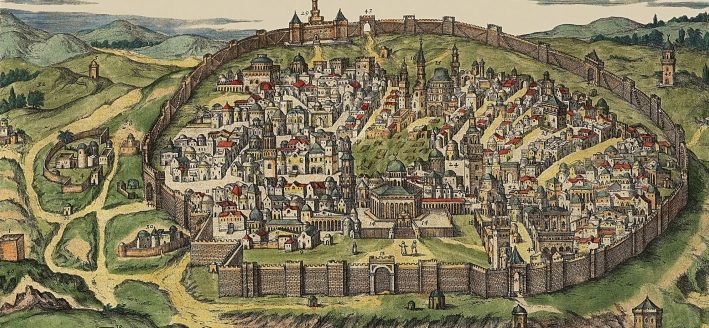
Eighteenth Sunday In Ordinary Time (Cycle A)

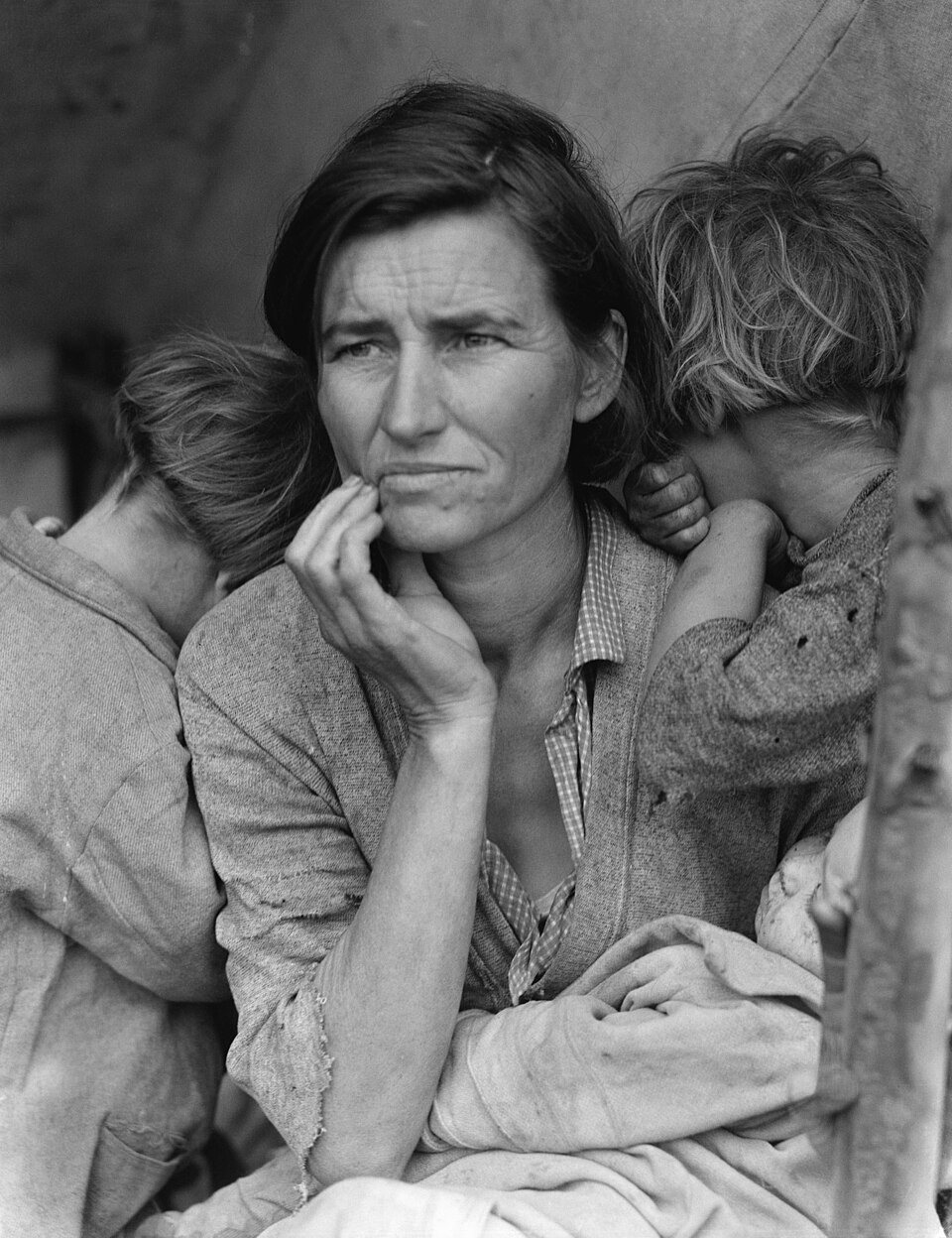
D. Lange, Migrant Mother (1936), Gelatin silver print, Museum of Moder Art (New York)

During the Great Depression, many families learned to think in terms of scarcity. Every loaf of bread mattered. Every coin was counted twice. Historians have often noted that even decades later, those who lived through those difficult years never completely lost the habit of asking, «Will there be enough?» The disciples seem to ask the very same question in this Sunday’s Gospel. Faced with thousands of hungry people, they see only five loaves and two fish, and their conclusion appears perfectly reasonable: «Dismiss the crowds so that they can buy food for themselves.» Jesus sees the same reality, yet reaches an entirely different conclusion. «There is no need for them to go away.» The miracle of the multiplication of the loaves is not simply about providing food. It reveals how God acts whenever human limitations are entrusted to Him. The disciples measure their resources; Christ measures the generosity of the Father. What seems insufficient in human hands becomes abundant in God’s hands. This Gospel also reveals something beautiful about the Heart of Christ. Before feeding the crowds, Jesus is moved with compassion and heals the sick. The miracle begins not with bread, but with mercy. Divine generosity always flows from divine love. The twelve baskets left over remind us that God does not merely provide enough. His grace is never calculated to the minimum. Again and again throughout Scripture, the Lord gives in abundance—not to encourage excess, but to reveal the immeasurable richness of His love. Every age has its own forms of scarcity. Some fear there will not be enough money, enough time, enough opportunities, enough hope. The Gospel gently reminds us that Christians are not called to ignore reality, but neither are they called to be imprisoned by it. Faith begins precisely where fear insists that nothing more can be done. The disciples offered everything they had, even though it seemed insignificant. Christ did the rest. He still does • AE

Written in 1932, at the height of the Great Depression, Brother, Can You Spare a Dime? became the anthem of a nation asking a painful question: Will there be enough? That same question echoes quietly in this Sunday’s Gospel. Faced with five loaves, two fish, and a hungry multitude, the disciples see only scarcity. Jesus, however, sees something else entirely.


St. Joseph Catholic Church (Dilley, TX) • Weekend Schedule

Fr. Agustin E. (Parish Administrator)

Saturday, August 1, 2026

5.00 p.m. Sacramento de la Confesión

6.00 p.m. Santa Misa.

Sunday, August 2, 2026

8.00 a.m. Sacrament of Reconciliation

8.30 a.m. Holy Mass.

10.30 a.m. Sacrament of Reconciliation.

11.00 a.m. Holy Mass.


XVIII Domingo del Tiempo Ordinario (Ciclo A)
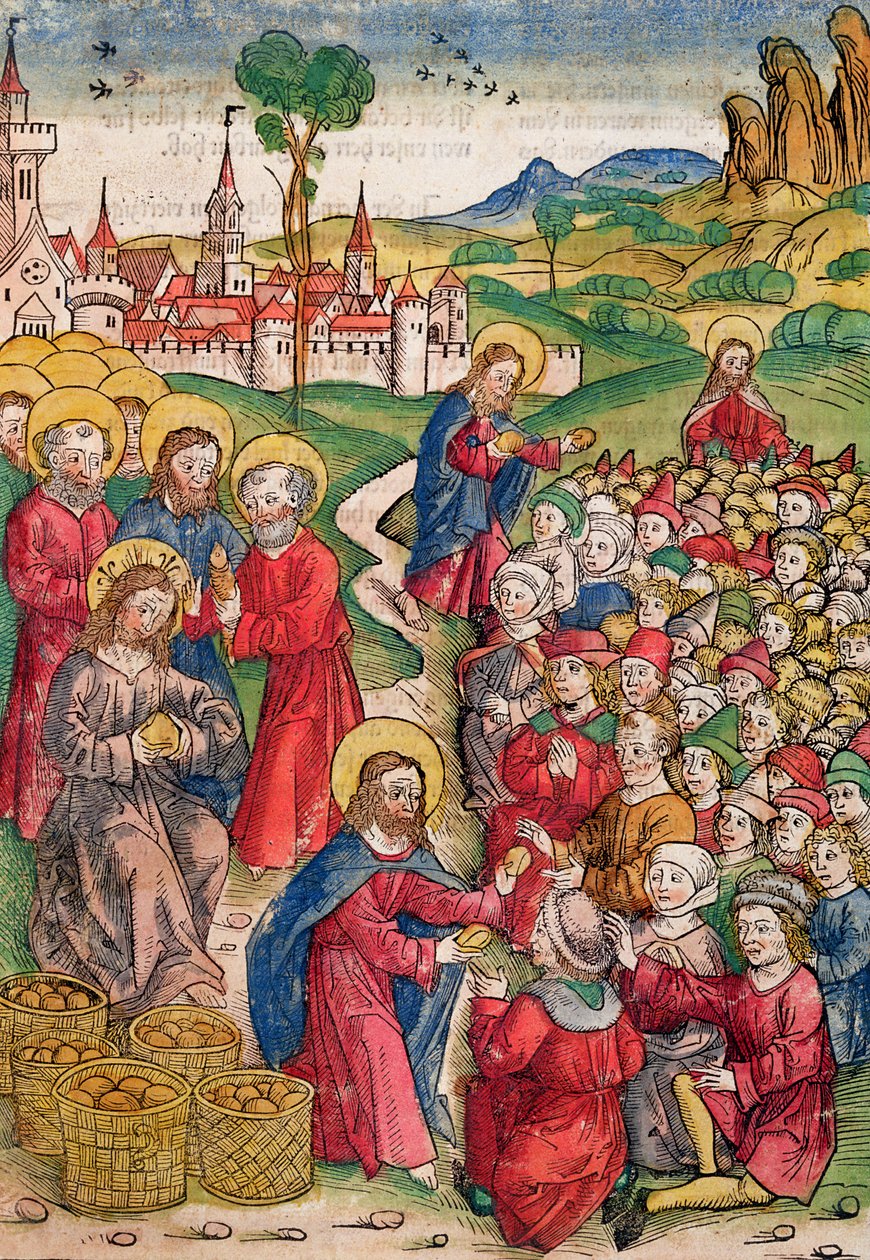
M. Wolgemut, La multiplicación de los panes y los peces (1491), Xilografía coloreada. Reproducción: MeisterDrucke.

Hay un personaje en este Evangelio del que nunca sabremos el nombre. Alguien llevó cinco panes y dos peces. Nada más. San Mateo no nos dice quién era, qué hacía, ni qué fue de él después. Sin embargo, aquel pequeño gesto anónimo terminó formando parte de uno de los milagros más conocidos de toda la historia. Así suele actuar Dios. A menudo pensamos que el Reino se construye gracias a figuras extraordinarias, cuando, en realidad, avanza gracias a personas cuyo nombre casi nadie recuerda: quien abre la iglesia cada mañana, quien prepara el altar, quien visita a un enfermo, quien enseña a un niño a hacer la señal de la cruz, quien reza en silencio por su familia. Sus gestos parecen tan modestos como cinco panes y dos peces. Pero cuando son puestos en las manos de Cristo, adquieren una fecundidad que nadie podría haber imaginado. Tal vez esa sea una de las enseñanzas más hermosas de este Evangelio: Dios no necesita acciones espectaculares para cambiar el mundo. Le bastan corazones dispuestos a ofrecer, con humildad, lo poco que tienen. Y, casi siempre, quienes hacen posible los mayores milagros son precisamente aquellos cuyo nombre sólo Dios conoce • AE

El Boléro de Maurice Ravel comienza con un sencillo ritmo de caja que se repite incansablemente mientras la orquesta crece poco a poco hasta alcanzar toda su grandeza. La caja nunca interpreta la melodía ni ocupa el centro de la escena. Sin embargo, sin ella, la obra simplemente no existiría. Algo parecido sucede en el Evangelio de este domingo. Nunca sabremos quién puso en manos de Jesús aquellos cinco panes y dos peces. Su nombre quedó en el anonimato, pero aquel pequeño gesto hizo posible uno de los milagros más recordados de la historia. Así actúa también Dios: el Reino suele sostenerse gracias a personas que pasan desapercibidas, que sirven sin buscar reconocimiento y que ofrecen, con sencillez, lo poco que tienen. Tal vez los mayores milagros de la Iglesia no lleven firma humana, porque quienes los hacen posibles son precisamente aquellos cuyo nombre sólo Dios conoce AE


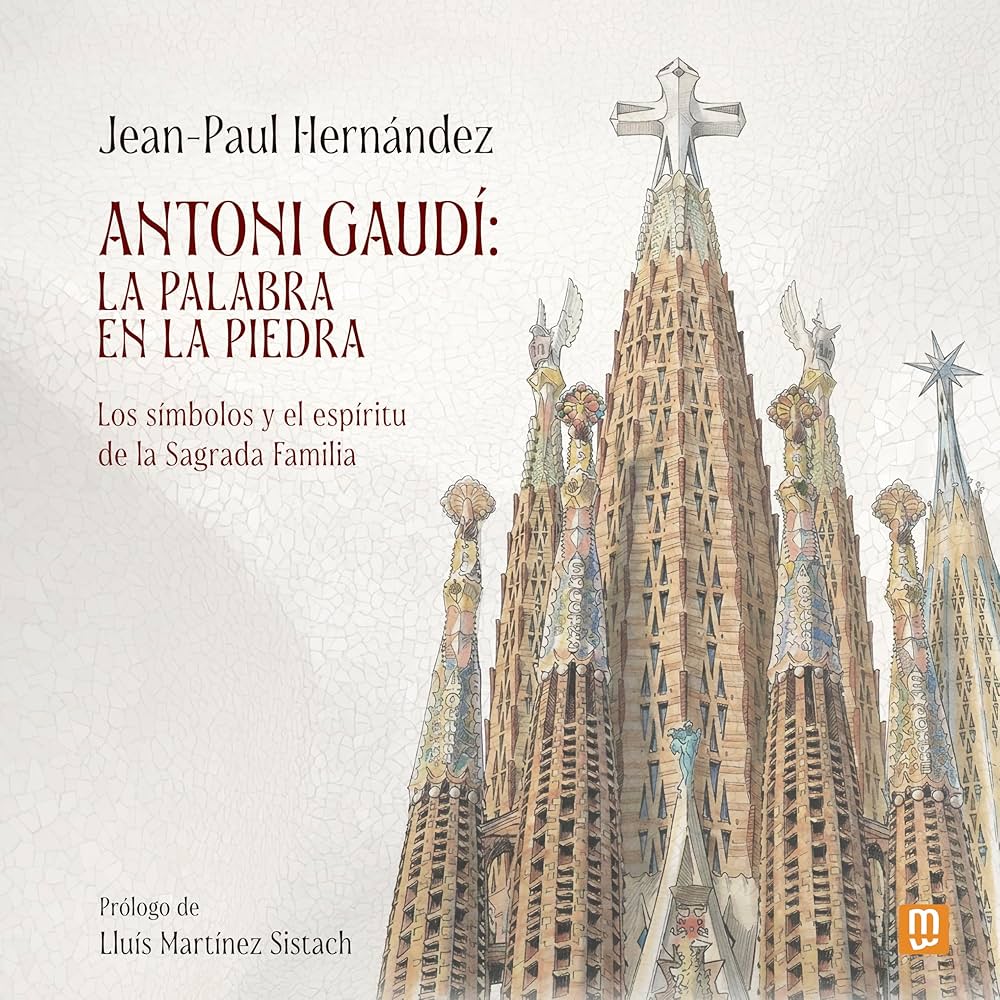
+ vEraNo + LiBRos


Seventeenth Sunday in Ordinary Time (Cycle A)

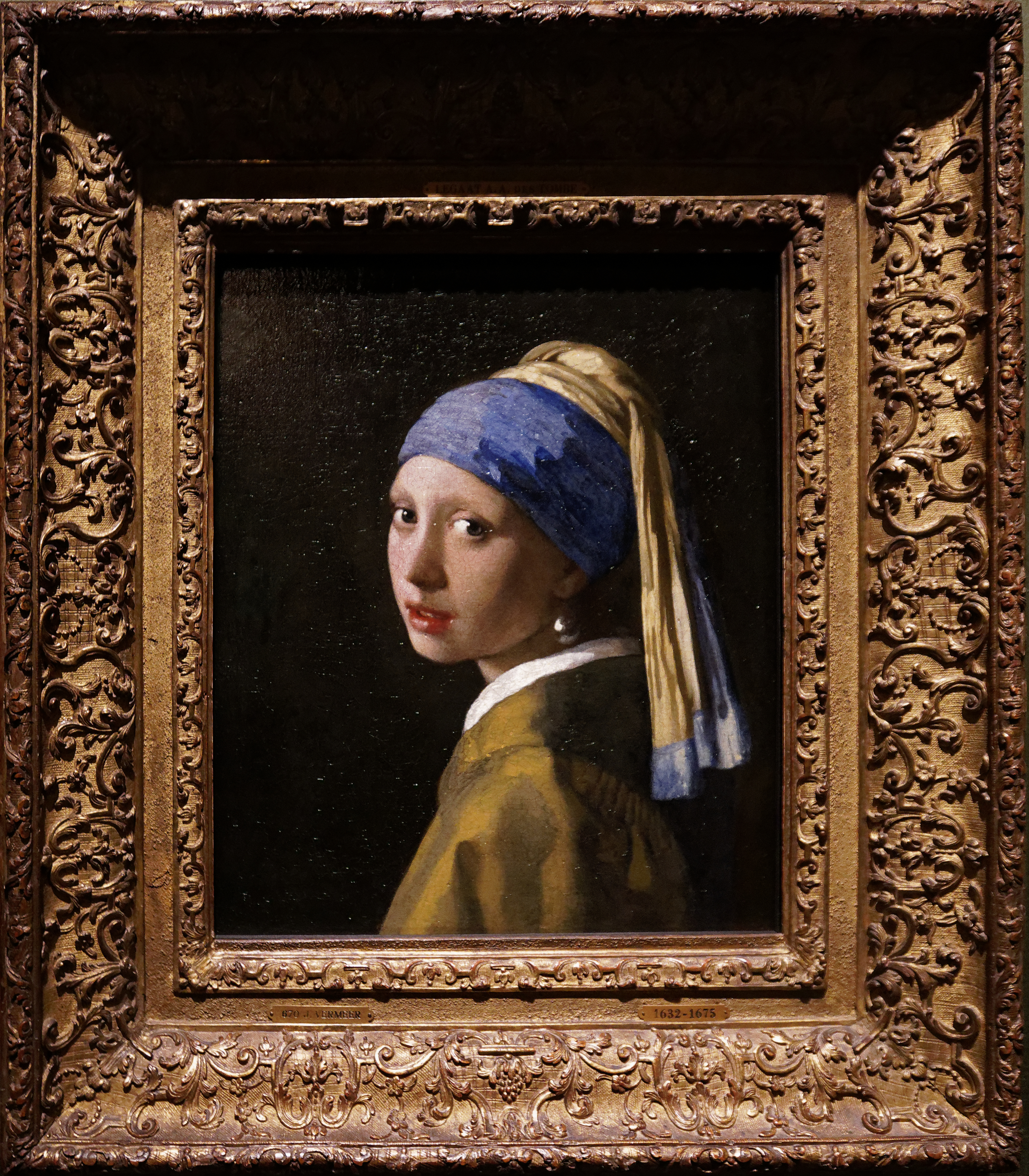
J. Vermeer, Girl with a Pearl Earring, c. 1665–1667, oil on canvas, Mauritshuis, The Hague (Netherlands).

Few paintings are as instantly recognizable as Johannes Vermeer’s Girl with a Pearl Earring. The pearl at the center of the painting draws the viewer’s attention, not because of its size, but because of its beauty and value. In this Sunday’s Gospel, Jesus speaks of a merchant who spends his life searching for fine pearls. Then, one day, he finds a pearl of such extraordinary worth that he sells everything he owns in order to possess it. The parable invites us to ask a simple but important question: What do we consider truly valuable? Much of our lives can be spent pursuing success, comfort, possessions, recognition, or security. Yet Jesus reminds us that there is something infinitely greater: the Kingdom of God. Unlike worldly treasures, it does not lose its value with time. It is worth every sacrifice because it leads us to the One for whom our hearts were made. The merchant in the parable does not act reluctantly. He acts with joy because he has finally found what he was seeking. The same is true for every authentic Christian vocation. Following Christ always involves letting go of something, but what we receive is far greater than what we leave behind. Like the pearl in Vermeer’s famous painting, the Kingdom may not appear impressive by worldly standards. It can seem quiet, hidden, and easily overlooked. Yet those who recognize its beauty discover a treasure beyond price, one that transforms every other value and gives meaning to everything else in life

This beautiful duet, Au fond du temple saint, comes from Bizet’s opera The Pearl Fishers. Two friends recall the beauty of a woman they once loved and promise to remain faithful to their friendship above all else. As we hear it today, it is hard not to think of Jesus’ parable of the pearl of great price. The merchant who discovers the pearl recognizes something so precious that everything else becomes secondary. The Christian life begins when we discover that Christ himself is that pearl. The image also calls to mind Vermeer’s Girl with a Pearl Earring. Like the merchant in the Gospel, and like the fishermen in Bizet’s opera, we are drawn by beauty. Yet every earthly beauty is only a reflection of a greater beauty—the beauty of God, hidden and waiting to be discovered by the attentive heart


St. Joseph Catholic Church (Dilley, TX) • Weekend Schedule

Fr. Agustin E. (Parish Administrator)

Saturday, July 25, 2026

10.00 a.m. Sacrament of Baptism

5.00 p.m. Sacramento de la Confesión

6.00 p.m. Santa Misa.

Sunday, July 26, 2026

8.00 a.m. Sacrament of Reconciliation

8.30 a.m. Holy Mass.

10.30 p.m. Sacrament of Reconciliation.

11.00 a.m. Holy Mass.


XVII Domingo del Tiempo Ordinario (Ciclo A)

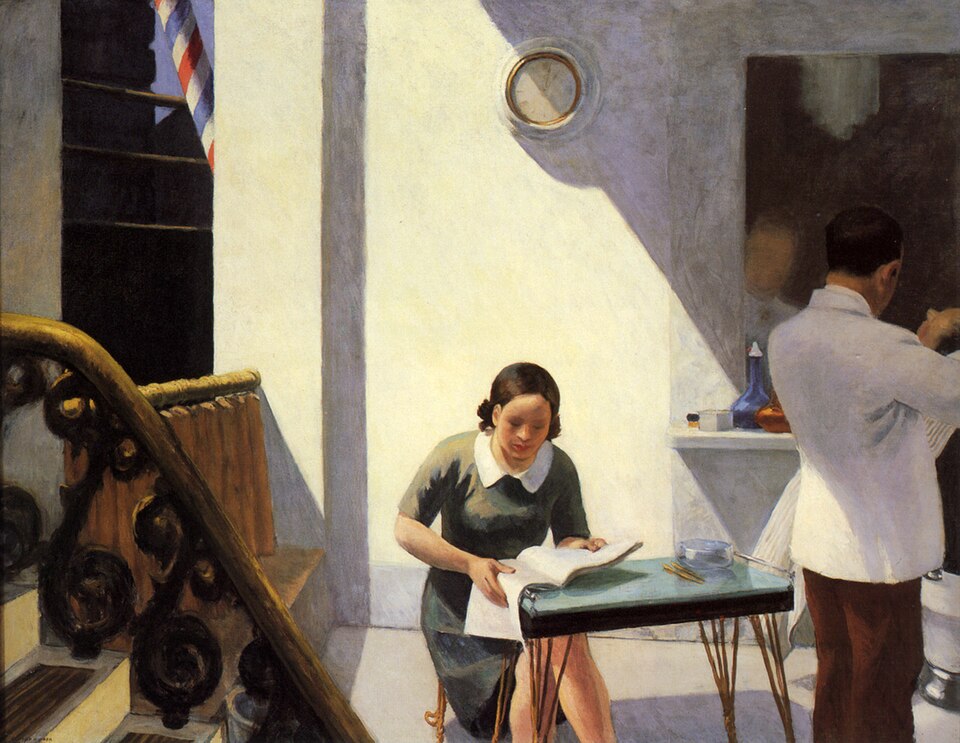
E. Hopper, Barber Shop (1931), óleo sobre tela, colección privada.

Una de las experiencias más comunes de la vida adulta es descubrir que muchas cosas no son exactamente como imaginábamos. El trabajo que soñábamos, la casa que deseábamos, el reconocimiento que buscábamos o incluso algunos de nuestros logros terminan siendo valiosos, sí, pero incapaces de sostener por sí solos el peso de una vida entera. Las parábolas de este domingo parten de una observación muy humana: hay cosas que valen más que otras. La verdadera sabiduría consiste en saber distinguirlas. No todo tiene el mismo peso. No todo merece la misma inversión de tiempo, energía y corazón. Jesús propone una inversión radical de prioridades. Nos invita a medir el valor de las cosas no por su utilidad inmediata, ni por el placer que producen, ni por el prestigio que otorgan, sino por su capacidad para acercarnos a Dios y prepararnos para la vida eterna. Esa es la lógica del Reino. El tesoro escondido y la perla preciosa representan aquello que permanece cuando tantas otras cosas pasan. Y quizá la pregunta más importante que plantea el Evangelio no es qué estamos buscando, sino qué lugar ocupa Dios entre todo aquello que ya hemos encontrado
La Sinfonía n.º 94 de Joseph Haydn, conocida como la Sinfonía Sorpresa, debe su nombre a un inesperado acorde fortísimo que irrumpe en medio de una melodía suave y tranquila. Con ese gesto, Haydn consigue despertar al oyente y recordarle que debe prestar atención. Algo parecido sucede en el Evangelio de este domingo. En medio de las preocupaciones y ocupaciones ordinarias de la vida, Jesús introduce una idea desconcertante: que el Reino de Dios vale más que cualquier otra cosa que podamos poseer o alcanzar. Como la sorpresa de Haydn, sus parábolas interrumpen nuestra rutina y nos obligan a preguntarnos si realmente estamos dando a las cosas la importancia que merecen


¿Más Verano? + Lecturas

Puedes leer aqui


Sixteenth Sunday in Ordinary Time (Cycle A)

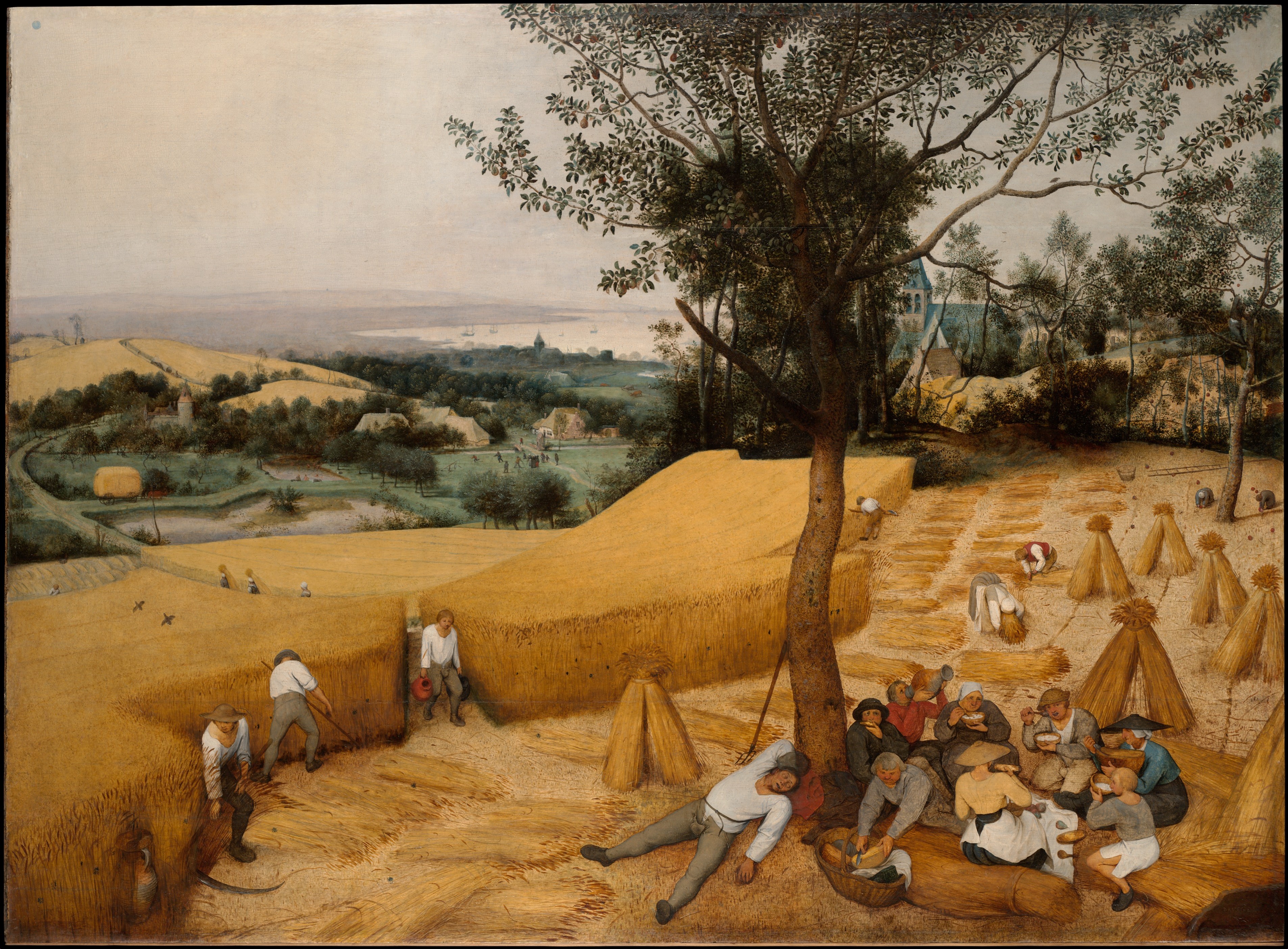
Pieter Bruegel the Elder, The Harvesters, 1565, oil on wood panel, The Metropolitan Museum of Art (New York)

One of the hardest things to accept is that good and evil often grow side by side. We see it in the world. We see it in the Church. We see it in our families. And, if we are honest, we see it in our own hearts. In this Sunday’s Gospel, Jesus tells the parable of the wheat and the weeds. A farmer sows good seed, but an enemy comes during the night and scatters weeds among the crop. When the servants discover what has happened, they want to act immediately. They want to pull up the weeds at once. Yet the master tells them to wait. His answer reveals something important about God. The Lord is patient. He sees more than we see. He knows that human judgment is often rushed and incomplete. We are tempted to divide the world neatly into the good and the bad, the worthy and the unworthy. God, however, knows every heart and never stops working through His grace. The time before the harvest is not a time of indifference; it is a time of mercy. Jesus then speaks of a mustard seed and a little yeast hidden in dough. Both images remind us that the Kingdom of God often grows quietly and unnoticed. We look for dramatic signs, but God frequently works through small acts of faith, hidden sacrifices, daily prayer, simple kindness, and quiet perseverance. What seems insignificant today may become something beautiful tomorrow. This Gospel invites us to trust God’s patience and His timing. Not everything is resolved immediately. Not every question receives an instant answer. Yet Christ continues to sow good seed, and His Kingdom continues to grow. Our task is not to despair over the weeds, but to remain rooted in Him, allowing His grace to bear fruit in our lives. The field belongs to the Lord, and so does the harvest

Composed in 1801, Joseph Haydn’s The Seasons is one of the masterpieces of the Classical era. This monumental oratorio portrays the changing seasons through vivid scenes of rural life, labor, sowing, and harvest, blending musical beauty with a deep appreciation for the rhythms of nature and the bounty of the earth. More than two centuries later, it remains a remarkable artistic tribute to the world of fields, farmers, and the enduring cycle of growth and renewal


St. Joseph Catholic Church (Dilley, TX) • Weekend Schedule

Fr. Agustin E. (Parish Administrator)

Saturday, July 18, 2026

10.00 a.m. Rosary and Funeral Mass for + Mariah Aguilar

5.00 p.m. Sacramento de la Confesión

6.00 p.m. Santa Misa.

Sunday, July 19, 2026

8.00 a.m. Sacrament of Reconciliation

8.30 a.m. Holy Mass.

10.30 a.m. Sacrament of Reconciliation.

11.00 a.m. Holy Mass.


XVI Domingo Del Tiempo Ordinario (Ciclo A)

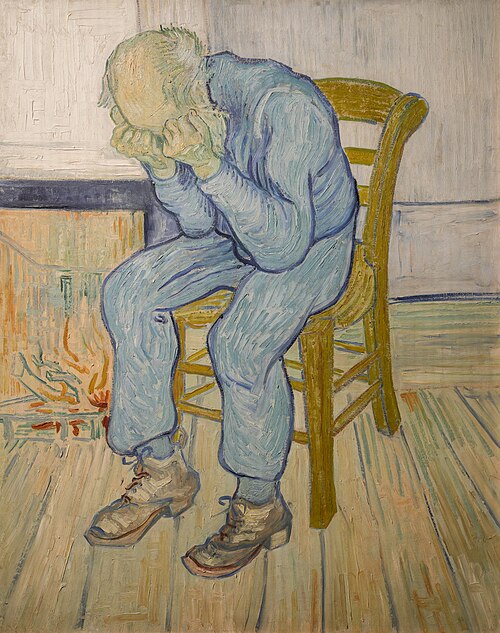
V. Van Gogh, En la puerta de la eternidad (1890), óleo sobre lienzo, Museo Kröller-Müller, Otterlo (Países Bajos)

Vivimos en una época que valora la rapidez. Queremos respuestas inmediatas, soluciones eficaces y resultados visibles. Sin embargo, las cosas más importantes de la vida suelen requerir tiempo: una amistad, una familia, una vocación, una conversión. También el Reino de Dios crece según un ritmo distinto al nuestro. Las parábolas que Jesús nos presenta este domingo hablan precisamente de esa misteriosa paciencia de Dios. El trigo y la cizaña comparten el mismo campo durante un largo tiempo. La semilla de mostaza comienza siendo casi insignificante. La levadura desaparece dentro de la masa antes de transformarla por completo. En todas estas imágenes hay una misma enseñanza: Dios actúa, pero muchas veces lo hace de manera discreta, silenciosa y gradual. Nos cuesta aceptar esta lógica divina. A menudo quisiéramos ver una Iglesia perfecta, comunidades sin conflictos y personas que cambien de un día para otro. Sin embargo, la realidad humana siempre es más compleja. La historia de la salvación no es la historia de una perfección instantánea, sino la de un Dios que acompaña, corrige, espera y sostiene. Las parábolas también nos invitan a mirar con esperanza aquello que parece pequeño. Un gesto de bondad puede parecer insignificante. Una oración breve puede parecer poca cosa. Un acto de fidelidad escondido puede pasar desapercibido. Pero Dios tiene la costumbre de hacer crecer lo pequeño y de obtener grandes frutos de semillas que nadie considera importantes. Quizá una de las lecciones más hermosas de este Evangelio sea aprender a confiar. Confiar cuando no vemos resultados inmediatos. Confiar cuando el bien parece avanzar lentamente. Confiar cuando el campo de nuestra vida todavía muestra mezclas, contradicciones e imperfecciones. El Señor no ha abandonado su obra. Sigue sembrando, sigue cultivando y sigue haciendo crecer su Reino. A nosotros nos corresponde permanecer cerca de Él y colaborar con generosidad, sabiendo que la última palabra no pertenece a la cizaña, sino al trigo que llegará a la cosecha

Compuesta entre 1807 y 1808, la Sinfonía n.º 6 «Pastoral» de Beethoven es una de las grandes celebraciones musicales de la naturaleza. Más que describir paisajes concretos, la obra busca expresar los sentimientos que despiertan el campo, los bosques, los arroyos y la vida sencilla al aire libre. Con su atmósfera serena y contemplativa, esta música ofrece un hermoso acompañamiento para el Evangelio de este domingo, que nos invita a reconocer la paciencia de Dios y los tiempos silenciosos en los que crecen la semilla, el trigo y el Reino


¿lEcTurAS parA el VeRaNO?


Fifteenth Sunday in Ordinary Time (Cycle A)

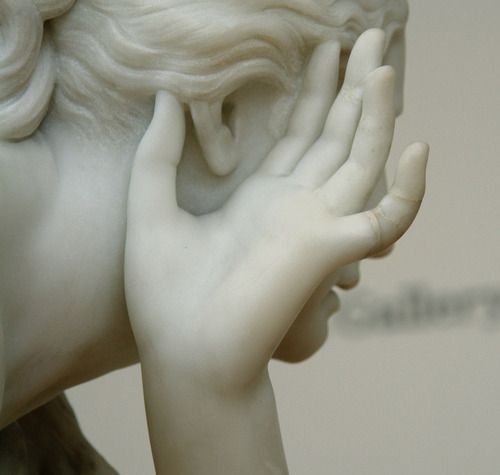
R. Rogers (1825–1892), Nydia, the Blind Flower Girl of Pompeii, 1859, Marble, Detroit Institute of Arts, Detroit (Michigan)

Most of us would like to think that, if Jesus Himself were standing in front of us, we would listen carefully to every word He said. The Gospel suggests otherwise. In the Parable of the Sower, the problem is not the seed, nor is it the sower. The seed is good, and the sower is remarkably generous, scattering it everywhere. The difference lies in the soil. Some hearts are hard and closed. Some are enthusiastic but shallow. Some are so crowded with worries, distractions, and ambitions that God’s word never has room to grow. Only a few receive it deeply enough to bear fruit. It is tempting to read this parable and think about other people, but Jesus’ parables are rarely about other people; they are invitations to examine ourselves. The real question is not whether God is speaking. He is. The real question is whether we are listening. Every Sunday the seed is sown. Every time we open the Scriptures, the seed is sown. Every time we encounter a truth that calls us closer to God, the seed is sown again. The challenge is not finding the seed but preparing the soil. Prayer softens the heart. Confession removes the weeds. Silence allows roots to grow. Perseverance helps faith survive the heat of trials. The encouraging part of this Gospel is that Jesus never stops sowing. Even knowing that some seed will be lost, He continues to scatter His word with extraordinary generosity. This Sunday, perhaps the best prayer is a simple one: Lord, make my heart good soil, remove whatever prevents Your word from taking root, and help me bear the fruit You desire, thirty, sixty, or a hundredfold

Many of us remember the great Tears for Fears and their song Sowing the Seeds of Love. While the song was written for a very different purpose, its title provides a fitting image for this Sunday’s Gospel. Every day, whether we realize it or not, we are sowing something. Through our words, decisions, and actions, we plant seeds that will eventually bear fruit. Jesus takes that familiar image and turns it into a question: not only what are we sowing, but what kind of soil have we become?


St. Joseph Catholic Church (Dilley, TX) • Weekend Schedule

Fr. Agustin E. (Parish Administrator)

Saturday, July 11, 2026.

5.00 p.m. Sacramento de la Confesión

6.00 p.m. Santa Misa.

Sunday, July 12, 2026

8.00 a.m. Sacrament of Reconciliation

8.30 a.m. Holy Mass.

10.30 a.m. Sacrament of Reconciliation.

11.00 a.m. Holy Mass.


XV Domingo del Tiempo Ordinario (Ciclo A)

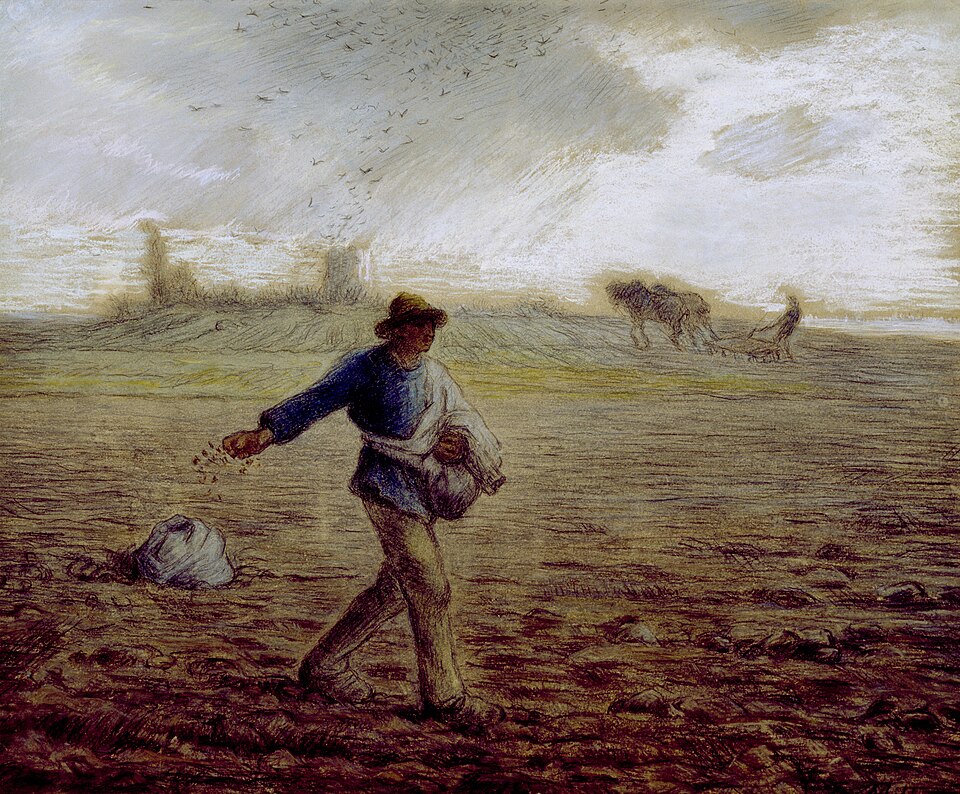
Jean-François Millet, El sembrador (c. 1850–1865), pastel sobre papel, Museo de Arte Walters, Baltimore (Maryland)

Si un agricultor sembrara como el del Evangelio, probablemente no tardaría en arruinarse. La semilla cae en el camino, entre piedras, entre espinos y sólo una parte llega a tierra buena. Desde el punto de vista de la eficiencia, parece un método desastroso. Sin embargo, Jesús describe precisamente así la acción de Dios. Dios no calcula como nosotros. No reserva su gracia para los perfectos ni su palabra para quienes parecen más prometedores. La derrama con una generosidad que, vista desde fuera, resulta casi excesiva. La ofrece al santo y al pecador, al creyente convencido y al indiferente, al que la recibirá con alegría y al que la rechazará. A veces nos impacienta esa forma de actuar. Nos gustaría que Dios distinguiera mejor, que seleccionara más cuidadosamente el terreno, que concentrara sus esfuerzos donde hubiera más probabilidades de éxito. Pero el Evangelio muestra a un Dios que prefiere correr el riesgo del rechazo antes que privar a una sola persona de la oportunidad de escuchar su voz. Quizá esa sea una de las razones por las que la parábola sigue siendo tan actual. Todos podemos recordar momentos en los que fuimos camino, roca o espino. Y, sin embargo, la semilla siguió llegando. La esperanza cristiana descansa precisamente ahí: no en la calidad del terreno, sino en la perseverancia del Sembrador. Dios nunca se cansa de sembrar

Muchos recordamos a Joan Manuel Serrat cantando Cantares en esta inolvidable grabación de 1970 en Chile. Aunque la canción habla del camino más que de la siembra, comparte con el Evangelio de este domingo una intuición profunda: la vida se construye poco a poco, con decisiones aparentemente pequeñas que terminan dejando huella. En la parábola del evangelio el Señor utiliza otra imagen igualmente sencilla y poderosa: la de un sembrador que sale a esparcir la semilla. Lo que sucede después depende del terreno. Y ahí comienza la pregunta que el Evangelio dirige a cada uno de nosotros


¿Más lecturas para el verano?


Fourteenth Sunday in Ordinary Time (Cycle A)

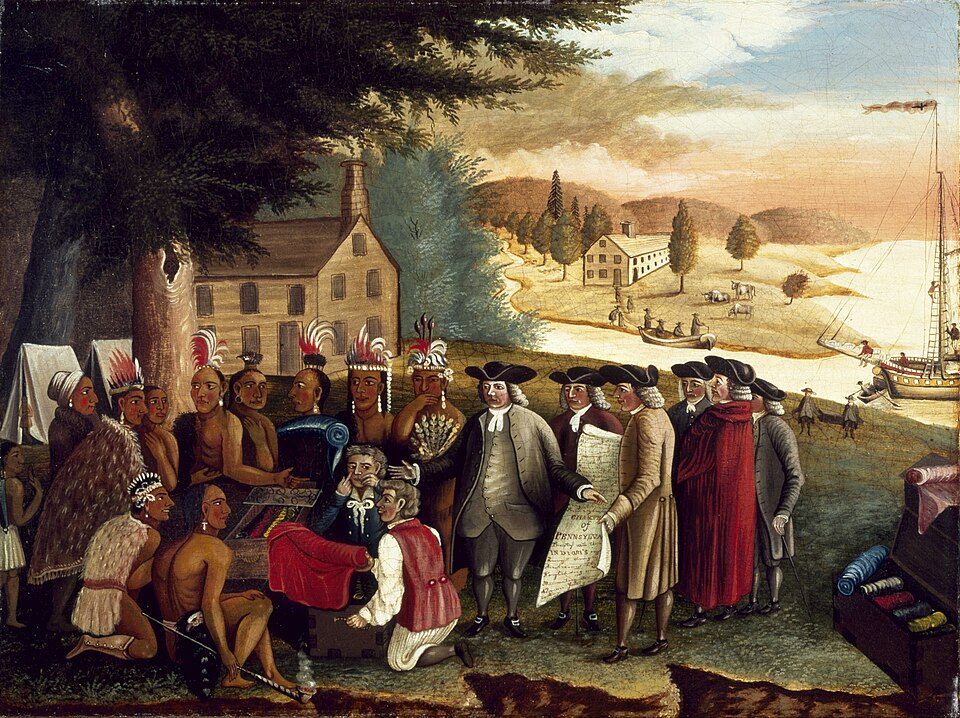
Benjamin West (1738–1820), Penn’s Treaty with the Indians, c. 1830, Oil on canvas, Museum of Fine Arts (Houston)

If someone were to ask what Americans value most, «freedom» would probably be near the top of the list. We talk about it often, celebrate it, defend it, and pass it on to our children as one of our nation’s greatest treasures. This weekend, as our country marks 250 years since the Declaration of Independence, freedom will be on many minds. Yet the Gospel places before us a question that is difficult to ignore: if we are so free, why are so many people burdened? Jesus says, «Come to me, all you who labor and are burdened, and I will give you rest.» Those words are as relevant today as they were two thousand years ago. For all our freedoms, many people still carry heavy burdens: anxiety, loneliness, fear about the future, broken relationships, the pressure to succeed, and the weight of past mistakes. We have more choices than previous generations could have imagined, yet peace often seems harder to find. Perhaps that is because freedom, by itself, is not enough. The human heart longs for more than independence; it longs for meaning, truth, and ultimately for God. Jesus does not offer a political program or a social theory. He offers Himself. «Come to me.» In a culture that prizes strength, success, and self-reliance, Christ points in another direction. He praises the «little ones,» those humble enough to recognize their need for God, and He promises rest to those willing to place their trust in Him. As we give thanks for the blessings of our nation this Independence Day weekend, we do well to remember that political freedom, precious as it is, cannot satisfy the deepest desires of the human heart. Only Christ can do that. And so, amid the celebrations and festivities, His invitation remains as timely as ever: «Come to me, all you who labor and are burdened, and I will give you rest.»

Dvořák’s Symphony No. 9, «From the New World,» was composed during the composer’s years in the United States and remains one of the most beloved musical tributes to the American experience. Filled with both optimism and longing, it captures something of the promise that has drawn generations to these shores. As our nation marks 250 years of independence, its music provides a fitting introduction to a deeper reflection on freedom—one that leads naturally to the words of Christ in this Sunday’s Gospel


St. Joseph Catholic Church (Dilley, TX) • Weekend Schedule

Fr. Agustin E. (Parish Administrator)

Saturday, July 4, 2026.

10.00 a.m. Sacrament of Baptism

5.00 p.m. Sacramento de la Confesión

6.00 p.m. Santa Misa.

Sunday, July 5, 2026

8.00 a.m. Sacrament of Reconciliation

8.30 a.m. Holy Mass.

10.30 a.m. Sacrament of Reconciliation.

11.00 a.m. Holy Mass.


XIV Domingo del Tiempo Ordinario (Ciclo A)

Doscientos cincuenta años son mucho tiempo. Son suficientes para fundar una nación, atravesar guerras, superar crisis, recibir generaciones enteras de inmigrantes y convertirse en una de las sociedades más influyentes de la historia. Este fin de semana, los Estados Unidos celebran ese largo recorrido. Sin embargo, el Evangelio de este domingo dirige nuestra atención hacia algo mucho más antiguo y mucho más permanente. Jesús dice: «Vengan a mí todos los que están cansados y agobiados, y yo los aliviaré.» Resulta llamativo que, en una época con tantas comodidades, tantas posibilidades y tantas libertades, siga habiendo tantas personas cansadas. Cansadas no sólo físicamente, sino también interiormente. Cansadas de las preocupaciones, de las divisiones, de las decepciones y de la incertidumbre. La respuesta de Cristo no consiste en ofrecer una solución política ni una fórmula para el éxito. Su invitación es mucho más sencilla: «Vengan a mí.» Antes que un programa, ofrece una relación; antes que una teoría, ofrece su propia compañía. Al celebrar los 250 años de los Estados Unidos, es justo dar gracias a Dios por las bendiciones recibidas y pedirle que siga guiando su futuro. Pero el Evangelio nos recuerda que la grandeza de un pueblo no depende únicamente de su prosperidad o de su poder, sino también de su capacidad para escuchar la voz de Dios y caminar humildemente con Él. Al final, toda celebración de la libertad encuentra su sentido más profundo en Cristo, porque sólo Él puede dar el descanso que busca el corazón humano

Compuesta por Aaron Copland en 1944, Appalachian Spring es una de las obras musicales que mejor han sabido expresar el espíritu de los Estados Unidos. Lejos de la grandilocuencia, su música evoca la sencillez de la vida, la esperanza de un nuevo comienzo y la confianza en el futuro. En el fin de semana en que nuestra nación celebra 250 años de historia, sus melodías sirven como un hermoso telón de fondo para reflexionar sobre los dones recibidos y, a la luz del Evangelio, recordar que toda esperanza humana encuentra su plenitud en Cristo


¿Lecturas para el verano?

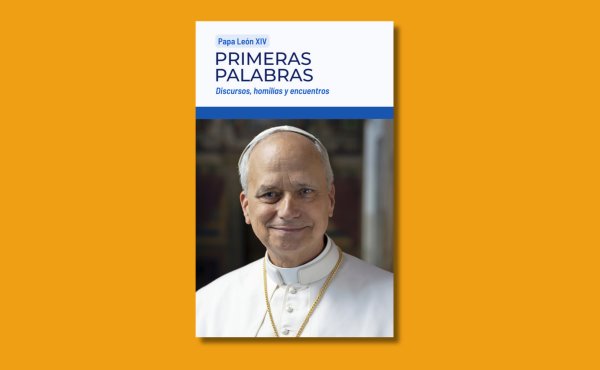
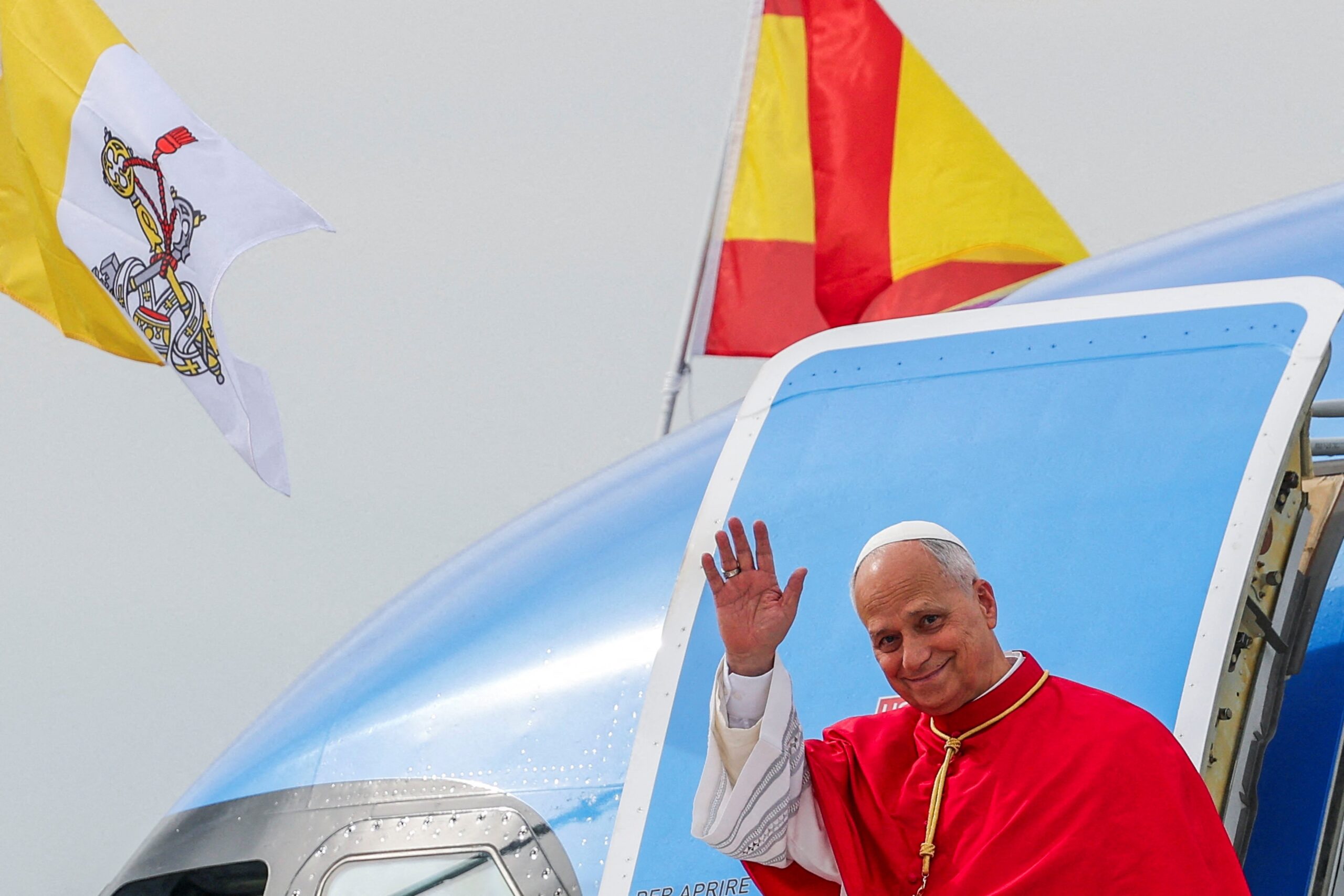
Discursos y homilías del viaje apostólico del Santo Padre Leon XIV a España