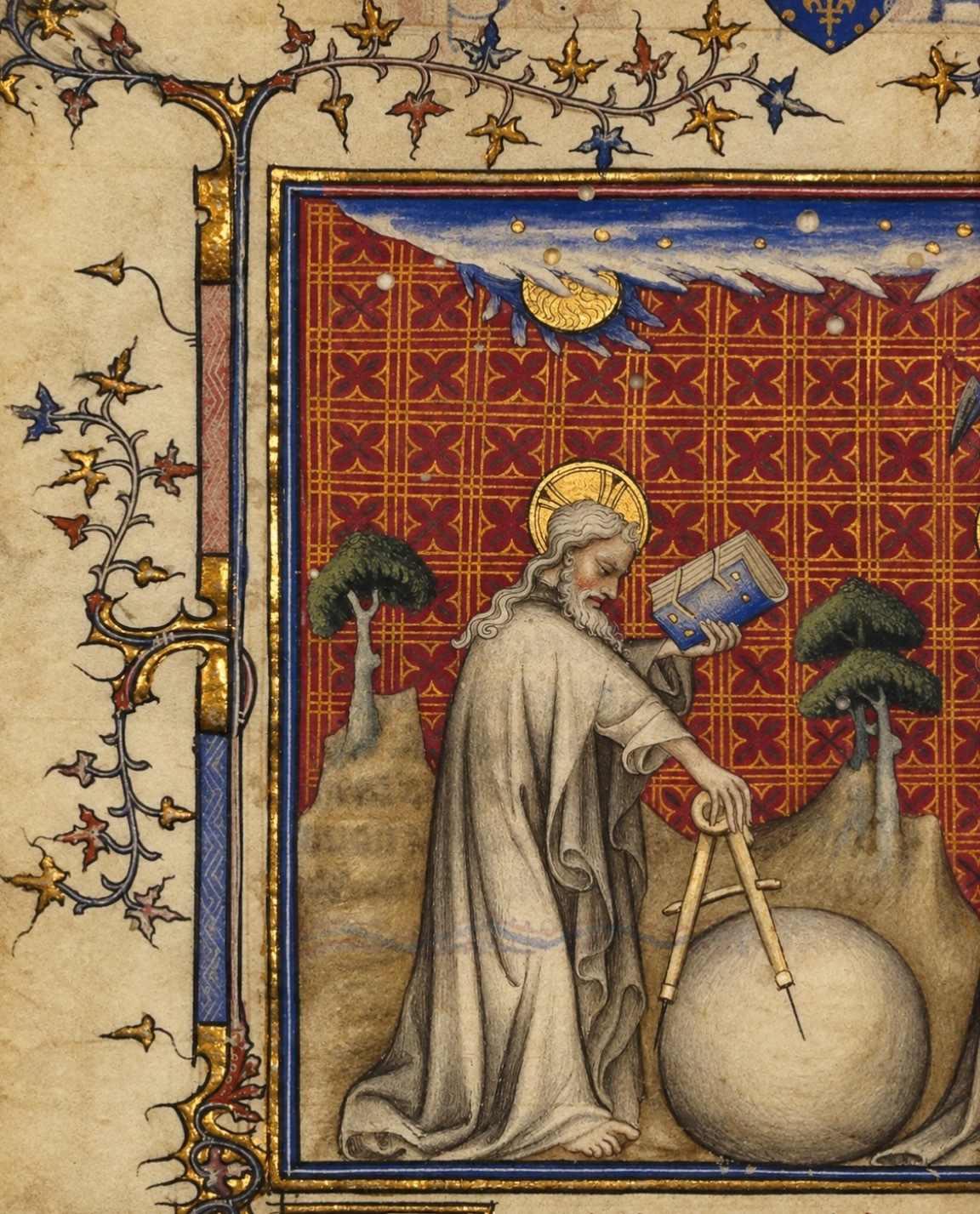
Unknown French illuminator, God the Creator Measuring the World with a Compass, early 15th century. Illuminated manuscript on parchment.
There is an unsettling detail at the beginning of this Sunday’s Gospel. The landowner does almost everything himself: he plants the vineyard, puts a hedge around it, digs the winepress, builds the tower—and then entrusts it to others. The tenants receive something they did not create, and somewhere along the way they begin to behave as though it belonged to them. Perhaps that temptation is more familiar than we think. So much of what we call “mine” was already here when we arrived. Our abilities, the people who love us, the earth beneath our feet, the faith handed down to us, even the years of our lives: we cultivate these things, certainly, but we did not create them. We are tenants more often than owners. And something changes when we remember that. Possession asks, “What can I do with this?” Stewardship asks, “What am I supposed to do with what has been entrusted to me?” The vineyard in the parable becomes violent when the tenants forget the difference. Perhaps gratitude begins by remembering it. Much of life is not something we own, but something placed for a while into our hands • AE
Louis Armstrong’s What a Wonderful World is, in its own quiet way, a song of gratitude. It simply stops to notice what is already there: the world, other people, life unfolding around us. Perhaps gratitude begins precisely there—when we stop seeing life as something we own and begin receiving it as something we have been given •

St. Joseph Catholic Church (Dilley, TX) • Weekend Schedule

Fr. Agustin Estrada (Parish Administrator)
Saturday, October 3, 2026.
5.00 p.m. Sacramento de la Confesión
6.00 p.m. Santa Misa.
Sunday, October 4, 2026.
8.00 a.m. Sacrament of Reconciliation
8.30 a.m. Holy Mass.
10.30 a.m. Sacrament of Reconciliation.
11.00 a.m. Holy Mass.
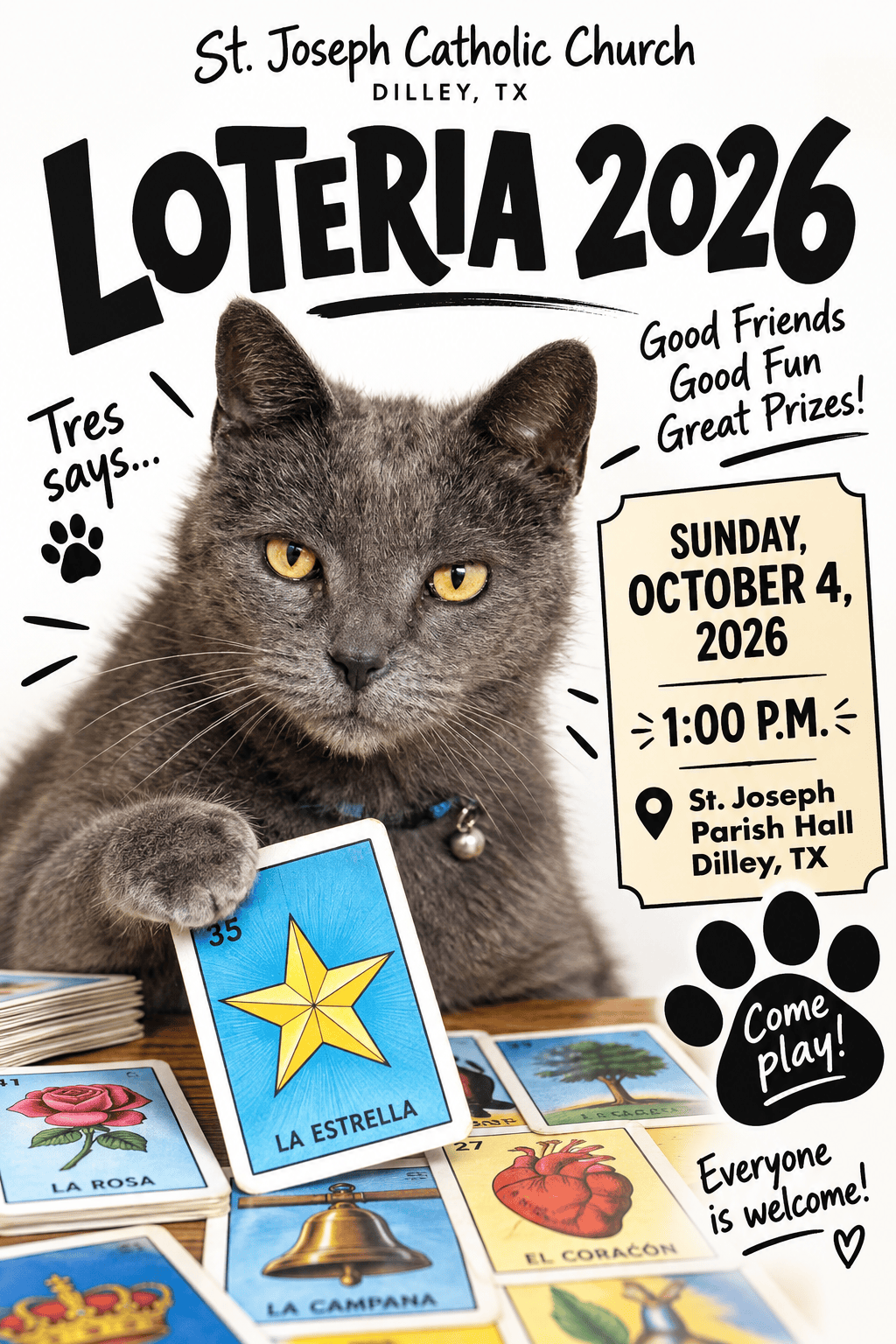
1.00 p.m. Loteria 2026
xxVII Domingo del Tiempo Ordinario (Ciclo A)
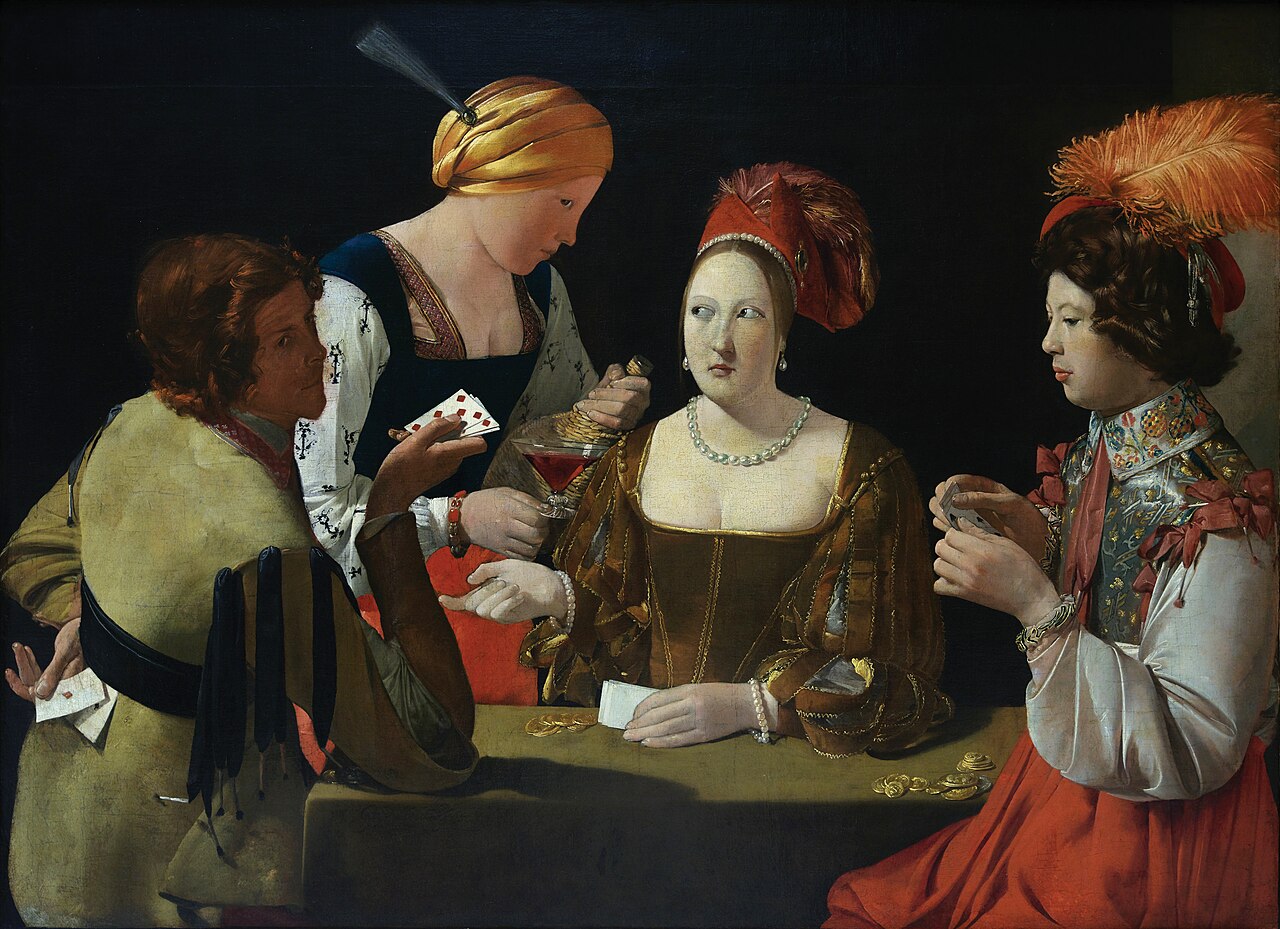
Georges de La Tour (1593–1652), El tahúr con el as de diamantes (Le Tricheur à l’as de carreau), c. 1636–1638. Museo del Louvre, París.
Hay un momento en la parábola de este domingo en que los viñadores dicen algo sorprendente: «Éste es el heredero. Vamos a matarlo y nos quedaremos con su herencia». El razonamiento es absurdo. El dueño sigue existiendo, la viña sigue teniendo dueño y matar al hijo no convertirá mágicamente a los arrendatarios en propietarios. Sin embargo, parecen convencidos de ello. Tal vez Jesús esté señalando algo profundamente humano: somos capaces de repetirnos una mentira tantas veces que termina pareciéndonos razonable. Sucede cuando justificamos un rencor durante años, cuando encontramos siempre una explicación para no pedir perdón, cuando llamamos prudencia a nuestro miedo, sinceridad a nuestra crueldad o fidelidad a nuestra incapacidad para cambiar. Poco a poco dejamos de preguntarnos si algo es verdad y comenzamos simplemente a buscar razones para seguir creyendo lo que nos conviene. Los viñadores no perdieron la viña en un instante; antes tuvieron que construir una historia en la que su violencia parecía tener sentido. Quizá por eso la vida espiritual necesita de vez en cuando una pregunta incómoda: ¿hay algo que llevo tanto tiempo justificando que ya no soy capaz de verlo como realmente es? A veces la conversión comienza simplemente cuando dejamos de defender nuestra versión de la historia y permitimos que la verdad vuelva a hablarnos • AE
En Sinceramente tuyo, Joan Manuel Serrat canta desde ese lugar difícil en el que uno intenta presentarse sin demasiadas defensas ni disfraces. Quizá la sinceridad más difícil no sea la que debemos a los demás, sino la que nos debemos a nosotros mismos. Porque algunas mentiras necesitan engañar a otros; las más peligrosas sólo necesitan convencernos a nosotros •

¿Y Hoy Qué Lees?

Puedes leer aqui

Before Speaking About the Other
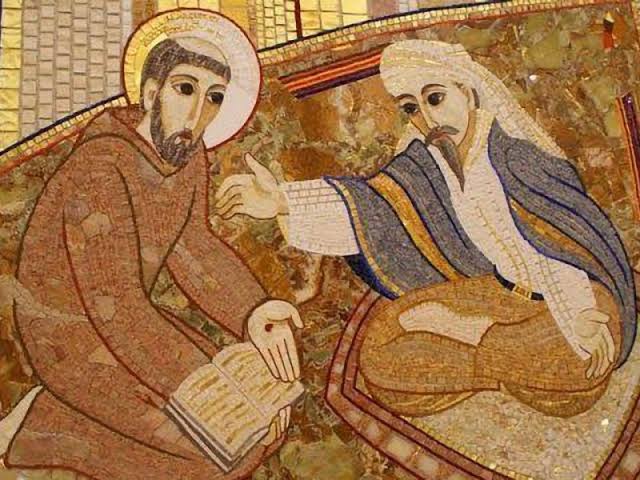
Today, October 4, is traditionally the feast of St. Francis of Assisi. This year it falls on a Sunday, so his memorial is not celebrated in the liturgy—but it seems a shame to let the day pass without remembering him. In 1219, while Christians and Muslims were fighting during the Fifth Crusade, Francis did something extraordinary: he crossed the lines and met personally with Sultan al-Malik al-Kamil. We do not know everything they said to each other, but we know that Francis was received and returned safely. He did not hide his faith or pretend that differences did not matter. He simply had the courage to meet a man whom his world called an enemy. Perhaps St. Francis can remind us of something very simple today: before judging another person, speaking about them, or fearing them, we might first try to meet them. Sometimes peace begins exactly there • AE