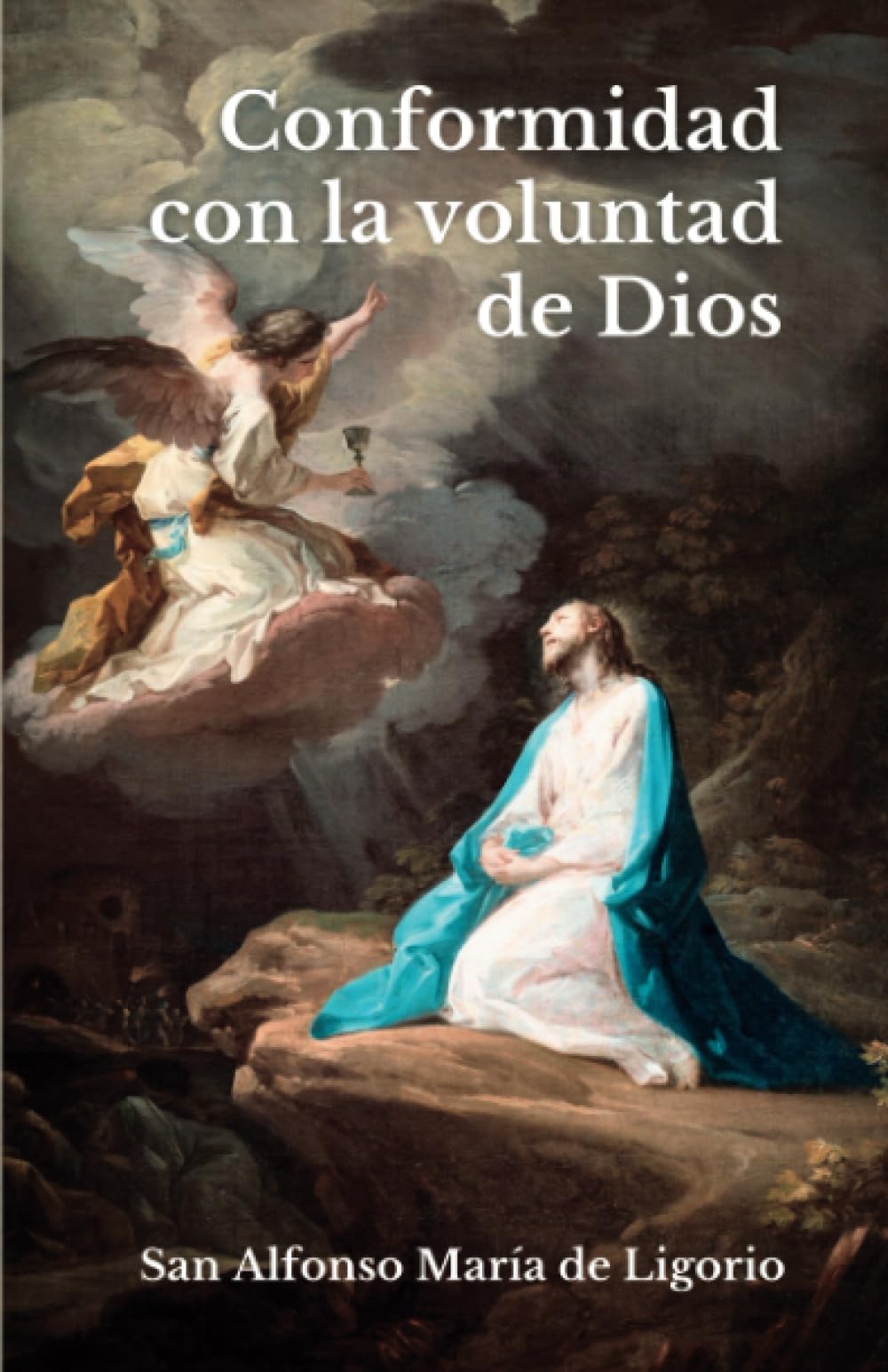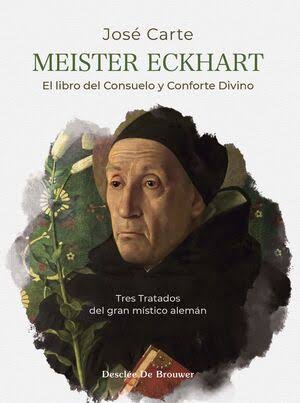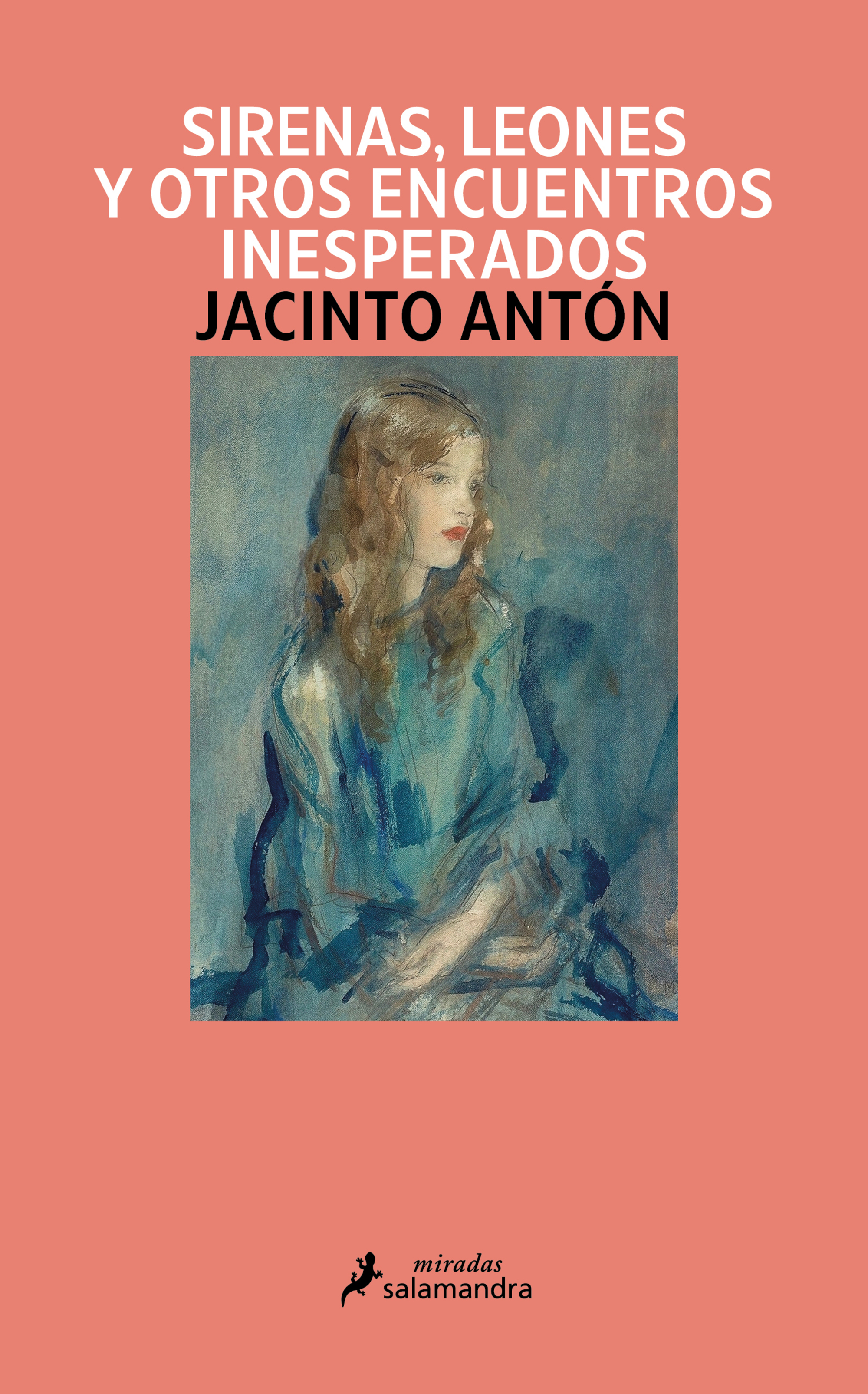
Twenty-sixth Sunday in Ordinary Time (Cycle A)

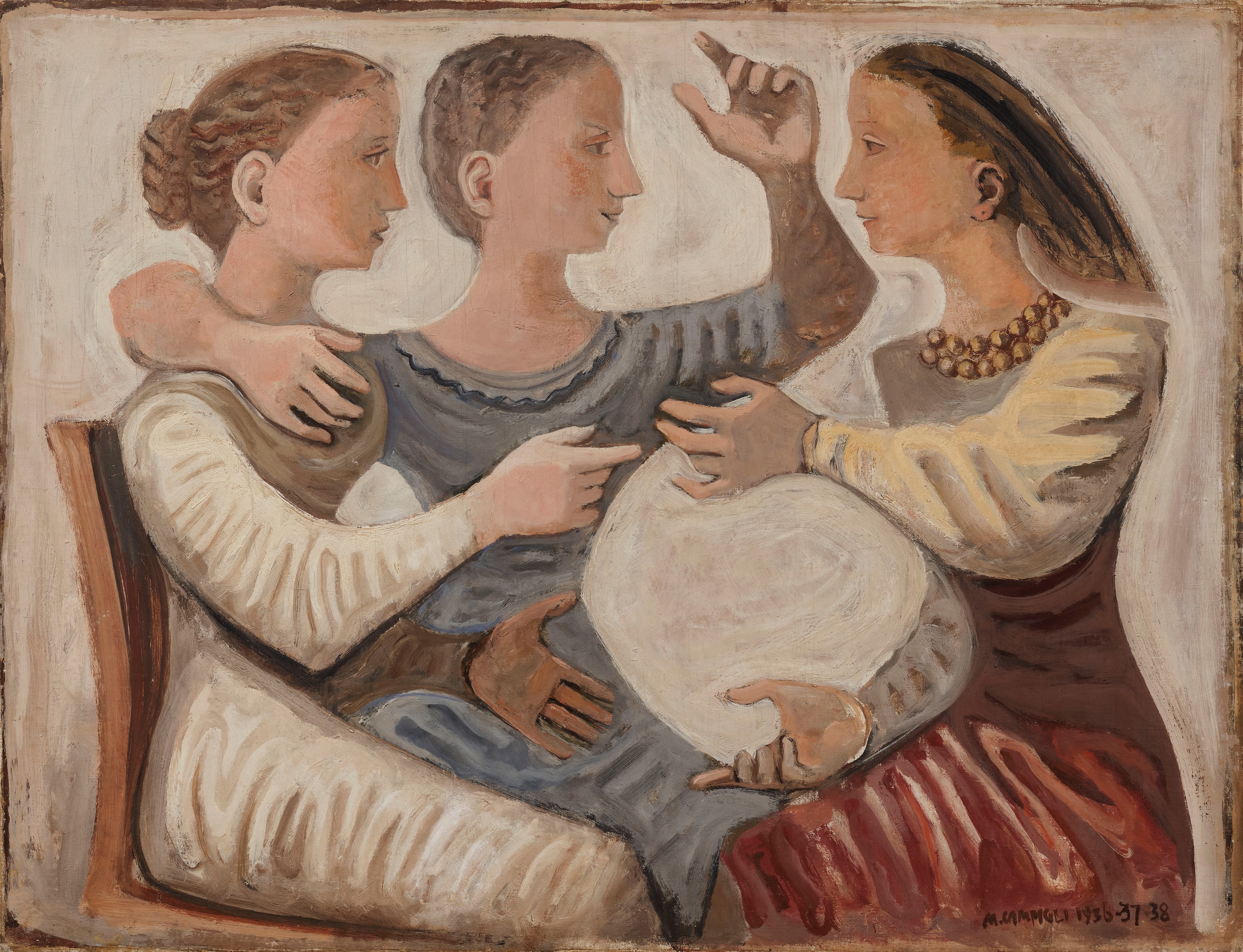
M. Campigli (1895–1971), La disputa (The Dispute), 1936–38. Oil on canvas. Private collection.

We often treat our first response as though it were final. We said no. We walked away. We made the wrong choice. We failed someone, abandoned something good, or simply became accustomed to living in a way we know is not right. Then comes one of the quietest and most hopeful words in this Sunday’s Gospel: “afterwards.” The first son refuses his father, but afterwards he changes his mind and goes to the vineyard. Jesus does not pretend that his first answer was good. It was not. But neither does He allow that answer to become the whole story of the man. There is still an afterwards. Perhaps this is why the tax collectors and prostitutes understood something that the religious leaders did not: a bad beginning does not prevent a good ending, but believing that we no longer need to change might. Christianity leaves room for the astonishing possibility that a person can reconsider, turn around, return, and become different. We are sometimes tempted to imprison people inside an old version of themselves—and perhaps we do the same to ourselves. But God seems remarkably interested in what happens next. Our first word may have been no. It does not have to be our last • AE

Schubert’s Impromptu No. 3 seems to move forward with extraordinary gentleness, as though the music knows there is always another phrase still to come. It belongs beautifully beside this Sunday’s Gospel: what has already been said does not have to be the end of the story.


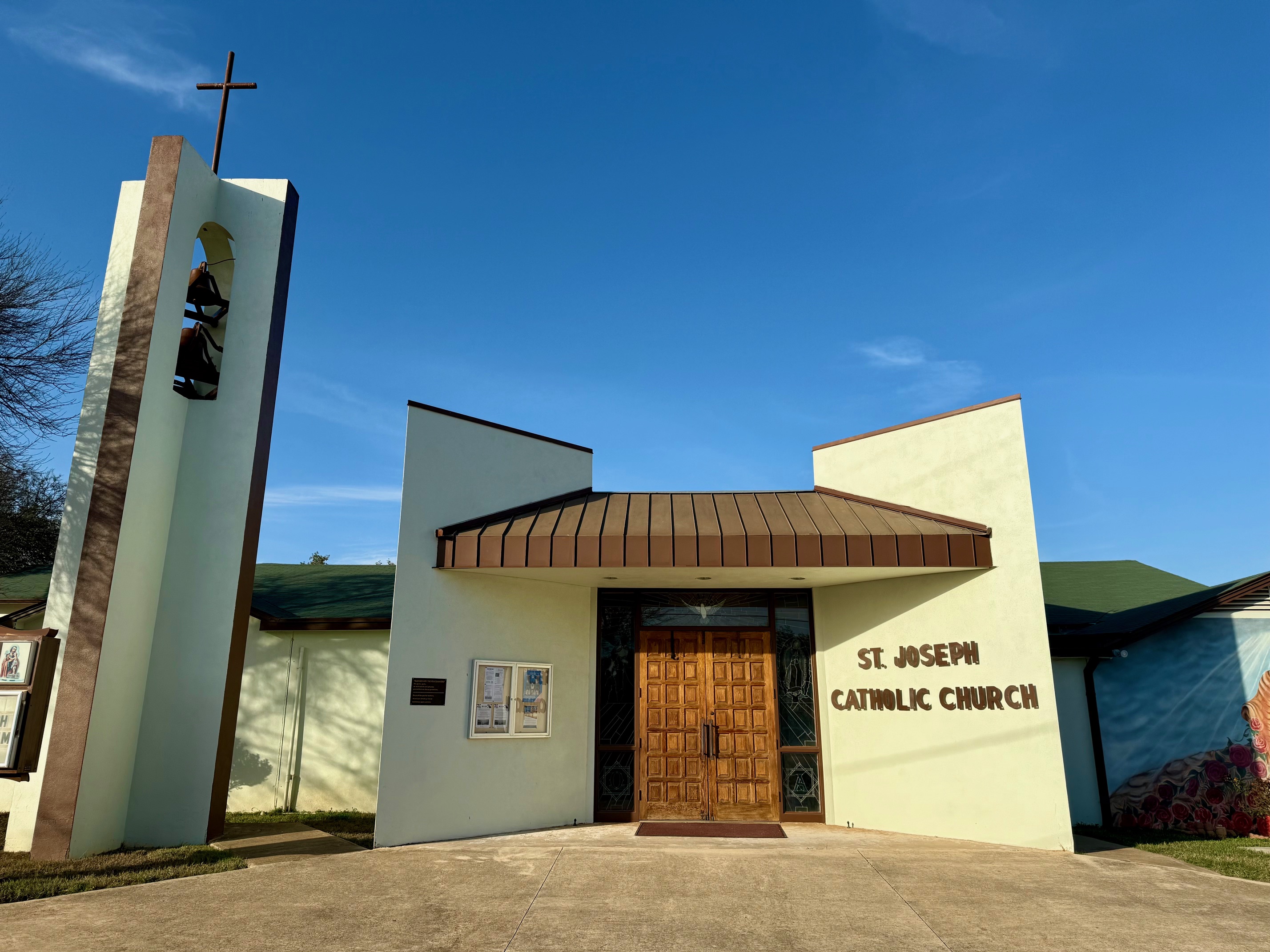
St. Joseph Catholic Church (Dilley, TX) • Weekend Schedule

Fr. Agustin E. (Parish Administrator)

Saturday, September 26, 2026

5.00 p.m. Sacramento de la Confesión

6.00 p.m. Santa Misa.

Sunday, September 27, 2026.

8.00 a.m. Sacrament of Reconciliation

8.30 a.m. Holy Mass.

10.30 p.m. Sacrament of Reconciliation.

11.00 a.m. Holy Mass.


xxvi Domingo del Tiempo Ordinario (Ciclo A)
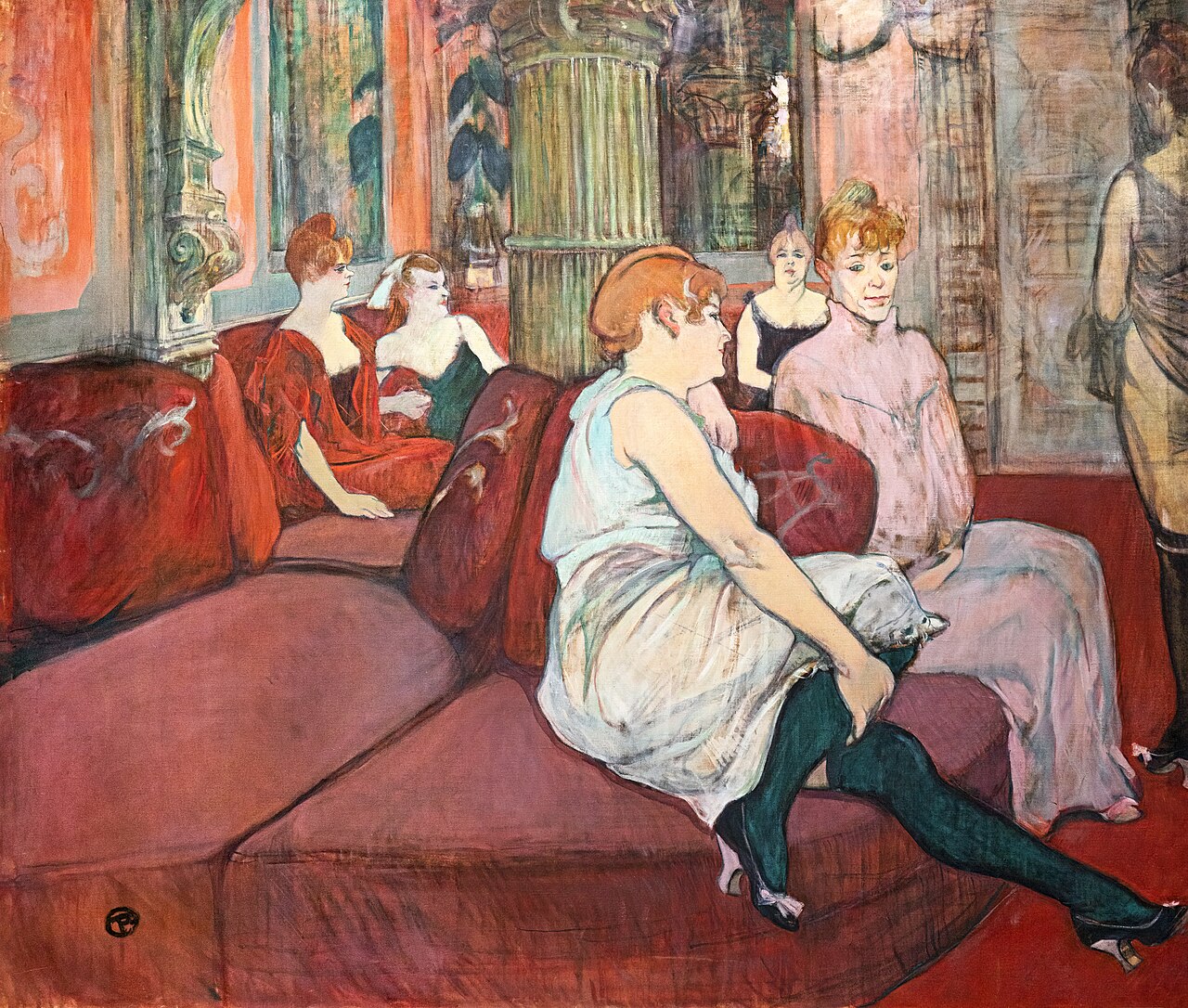

Henri de Toulouse-Lautrec, Au Salon de la rue des Moulins (1894), Museo Toulouse-Lautrec, Albi (Francia)

La pregunta que Jesús hace en el Evangelio de este domingo no parece particularmente difícil: «¿Cuál de los dos hizo la voluntad de su padre?». Los sumos sacerdotes y los ancianos responden inmediatamente: «El primero». Y tienen razón. Ésa es quizá la parte más inquietante de la escena: conocen perfectamente la respuesta correcta. Saben distinguir entre el hijo que habla bien pero no hace nada y el que termina cumpliendo la voluntad de su padre. Su problema no es falta de conocimiento religioso. Es que aquello que saben reconocer en la parábola no consiguen reconocerlo en su propia vida. También nosotros podemos aprender con sorprendente facilidad el lenguaje de la fe. Sabemos cuándo responder «Amén», qué cosas debe hacer un buen cristiano, qué comportamientos están bien o mal, e incluso podemos explicar a otros lo que Dios espera de ellos. Nada de eso es malo. Pero existe una distancia incómoda entre saber cuál es la respuesta y convertirnos nosotros mismos en esa respuesta. Tal vez por eso Jesús no termina preguntando quién habló mejor, quién sabía más o quién parecía más obediente. Su pregunta es mucho más sencilla y mucho más difícil: «¿Cuál de los dos hizo la voluntad de su padre?». Al final, quizá la fe no se juega tanto en las respuestas que sabemos dar, sino en la respuesta que nuestra vida termina dando • AE

En Simple Gifts, de Aaron Copland, una melodía de extraordinaria sencillez va creciendo hasta llenar la música de luz. En esta interpretación dirigida por Leonard Bernstein, esa sencillez parece recordarnos algo del Evangelio de este domingo: hay verdades que no son difíciles de entender; lo difícil es dejar que se conviertan en vida.


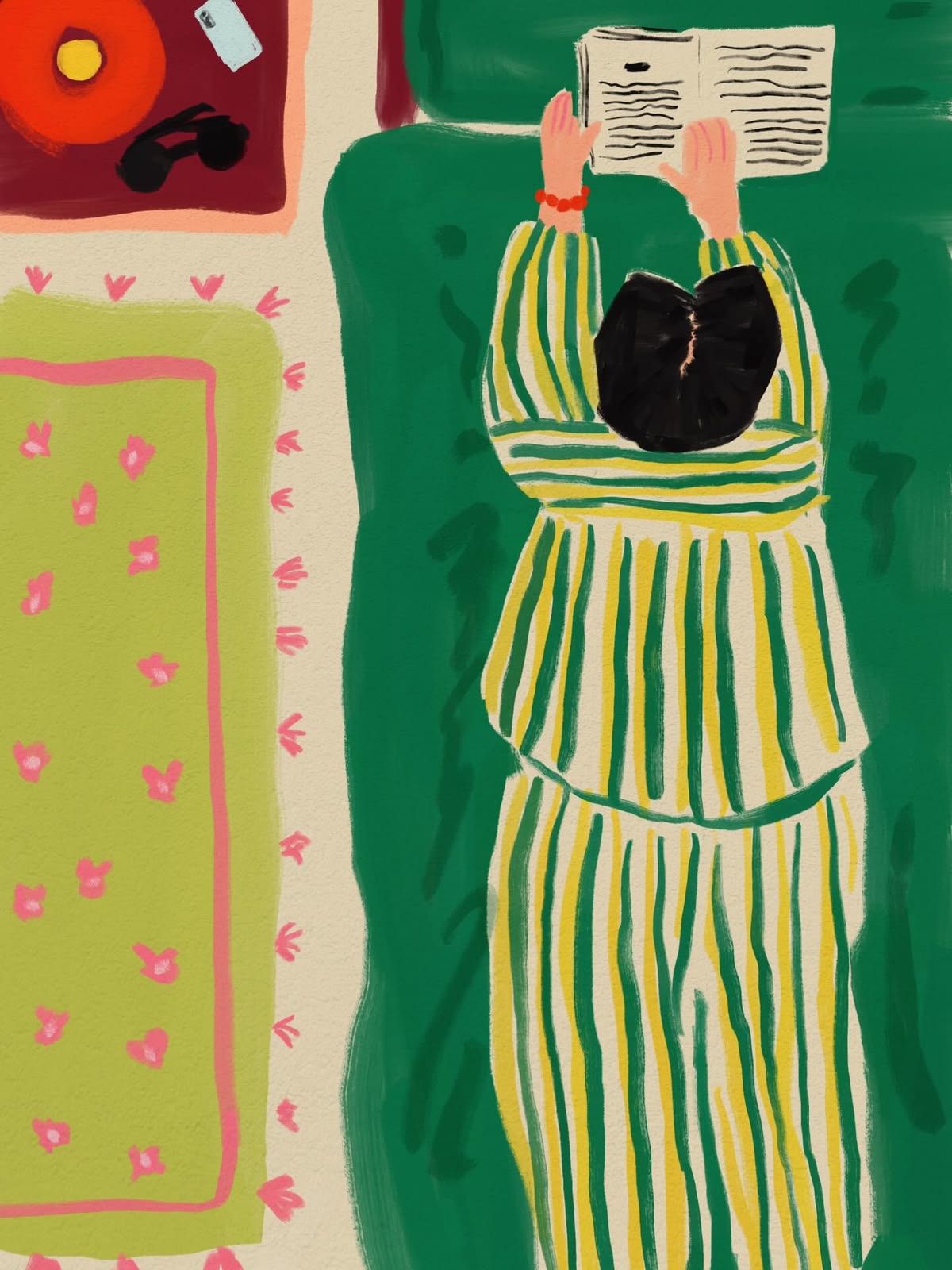
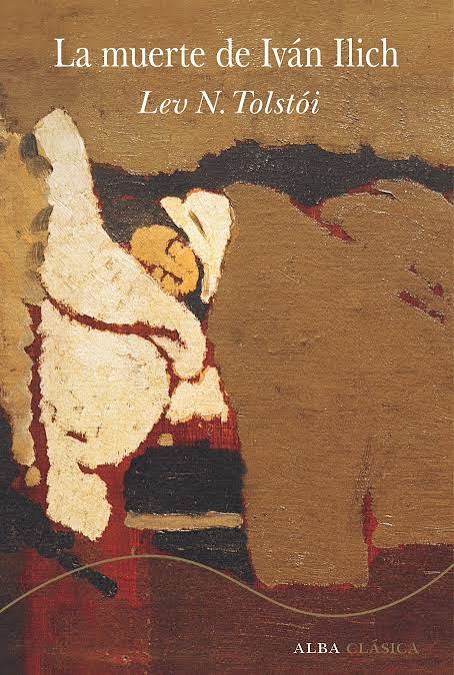
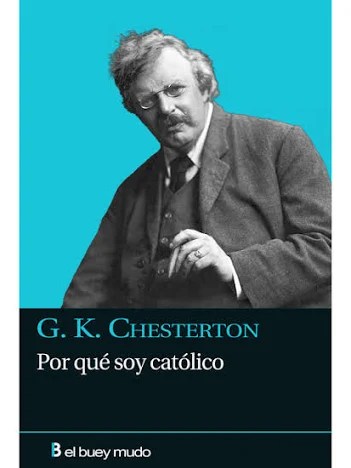
¿Qué lees estos días?


Twenty-fifth Sunday in Ordinary Time (Cycle A)

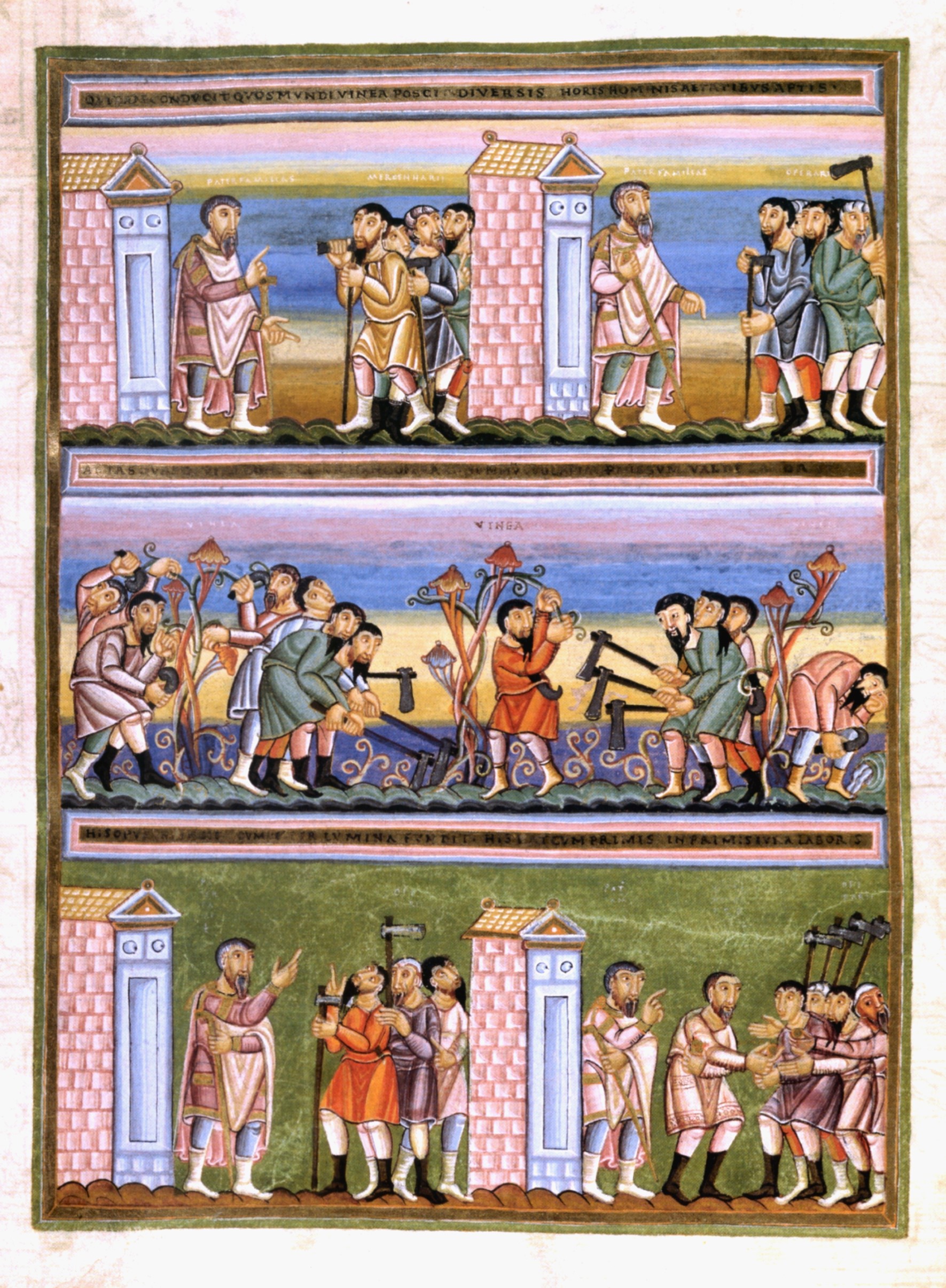
The Parable of the Laborers in the Vineyard, From the Codex Aureus of Echternach, German (Echternach), c. 1030-1050, Nuremberg, Germanisches Nationalmuseum, MS Hs 156 142, fol. 76v

The workers who arrived at dawn had no reason to be unhappy. They had found work, agreed on a fair wage, and at the end of the day received exactly what they had been promised. Everything was fine—until they saw what someone else received. Suddenly, what had been enough no longer felt like enough. Nothing had been taken from them; their lives had not become poorer. Only comparison had entered the picture. We know the feeling. A house can seem perfectly comfortable until we visit a larger one. Our work can feel meaningful until someone else receives the recognition. A vacation can be wonderful until we see someone else’s photographs. Even our gifts, our families, our accomplishments, and sometimes our faith can begin to look smaller when placed beside another person’s. Perhaps that is why the landowner’s question is so unsettling: “Are you envious because I am generous?” The problem is not that the first workers received too little. It is that they could no longer enjoy what they had received once they began measuring it against someone else’s gift. Comparison has a strange power: it can turn gratitude into grievance without changing a single thing about our lives. Perhaps one of the quiet freedoms of the Gospel is learning to receive our own portion with gratitude—and allowing someone else’s good fortune to remain good news • AE

Joni Mitchell’s Both Sides, Now is a song about the strange way our perception of things can change while the things themselves remain the same. Perhaps something similar happens in this Sunday’s Gospel. The first workers receive exactly what they had agreed upon. Their wage never changes. Only the way they see it does.


St. Joseph Catholic Church (Dilley, TX) • Weekend Schedule

Saturday, September 19, 2026.

10.00 a.m. Sacrament of Baptism

5.00 p.m. Sacramento de la Confesión

6.00 p.m. Santa Misa.

Sunday, September 20, 2026.

8.00 a.m. Sacrament of Reconciliation

8.30 a.m. Holy Mass.

10.30 a.m. Sacrament of Reconciliation.

11.00 a.m. Holy Mass.


XXV Domingo del Tiempo Ordinario (Ciclo A)

Atardecer en el sur de Texas

Hay una frase casi escondida en el Evangelio de este domingo que resulta profundamente triste. Cuando el dueño pregunta a los últimos trabajadores por qué han pasado todo el día allí, responden simplemente: «Porque nadie nos ha contratado». Es fácil imaginar lo que significaron aquellas horas. Otros fueron escogidos al amanecer. Otros a media mañana. Otros al mediodía. Ellos siguieron esperando mientras la plaza se iba vaciando y el día comenzaba a terminar. A las cinco de la tarde probablemente ya no esperaban nada. Y precisamente entonces alguien vuelve a buscarlos. Quizá ésta sea una de las imágenes más hermosas de la parábola: Dios sigue saliendo cuando nosotros pensamos que el día ya se acabó. Hay personas que llegan tarde a muchas cosas. Tarde a descubrir su vocación. Tarde a reconciliarse con alguien. Tarde a regresar a la Iglesia. Tarde a empezar de nuevo. A veces incluso podemos mirar nuestra propia vida y pensar que desperdiciamos demasiados años, que dejamos pasar demasiadas oportunidades o que aquello que debimos haber hecho ya no tiene remedio. Pero el dueño de la viña sale también a las cinco de la tarde. No pregunta dónde estuvieron antes ni les reprocha las horas perdidas. Simplemente les dice: «Vayan también ustedes a mi viña». Mientras Dios siga saliendo a nuestro encuentro, nunca es demasiado tarde para que algo bueno comience • AE

En September Song, Frank Sinatra canta con la serenidad de quien descubre que el año avanza y que los días que quedan parecen pasar cada vez más deprisa. Hay algo profundamente humano en esa sensación: mirar la tarde y pensar que quizá ya es demasiado tarde para ciertas cosas. El Evangelio de este domingo comienza precisamente ahí: cuando para algunos el día está terminando, Dios todavía sale a buscar.


¿Qué lees?
You can read here


Twenty-fourth Sunday in Ordinary Time (Cycle A)

W. Thiebaud (1920–2021), Gift Box, 1971.

There is something almost tragic about the servant in this Sunday’s Gospel: he does not seem to understand what has just happened to him. Faced with an impossible debt, he asks the king for time: “Be patient with me, and I will pay you back in full.” But the king does not give him more time. He does something far more astonishing: he erases the debt. The servant walks out a free man—and yet, only moments later, he is demanding payment from someone else. Perhaps his deepest problem is not simply cruelty. Perhaps he is still living by the old arithmetic. He has received a gift, but continues to think like an accountant. We can do the same. We quietly keep ledgers of what others owe us: a thank-you never given, a kindness never returned, a phone call never made, an apology still outstanding. Even love can become bookkeeping. The Gospel proposes another economy altogether, one in which the most important things cannot be earned, repaid, or balanced. Life itself, friendship, grace, the patience of others, the mercy of God—so much has simply been given to us. Perhaps freedom begins when we finally close the ledger and realize that we have been living, all along, on gifts • AE

Erik Satie’s Gymnopédie No. 1 seems almost indifferent to the musical instinct to accumulate, develop, and arrive somewhere. It moves slowly, with very little, leaving unusual amounts of space between its gestures. Nothing seems to be keeping score. Perhaps that is why it belongs beside this Sunday’s Gospel: some of the most important things in life begin when we stop calculating what is owed and learn simply to receive •


St. Joseph Catholic Church (Dilley, TX) • Weekend Schedule

Fr. Agustin E. (Parish Administrator)

Saturday, September 12, 2026.

4.00 p.m. Quince Celebration for Gloria C.

5.00 p.m. Sacramento de la Confesión

6.00 p.m. Santa Misa.

Sunday, September 13, 2026.

8.00 a.m. Sacrament of Reconciliation

8.30 a.m. Holy Mass.

10.30 a.m. Sacrament of Reconciliation.

11.00 a.m. Holy Mass.


XXIV Domingo del Tiempo Ordinario (Ciclo A)

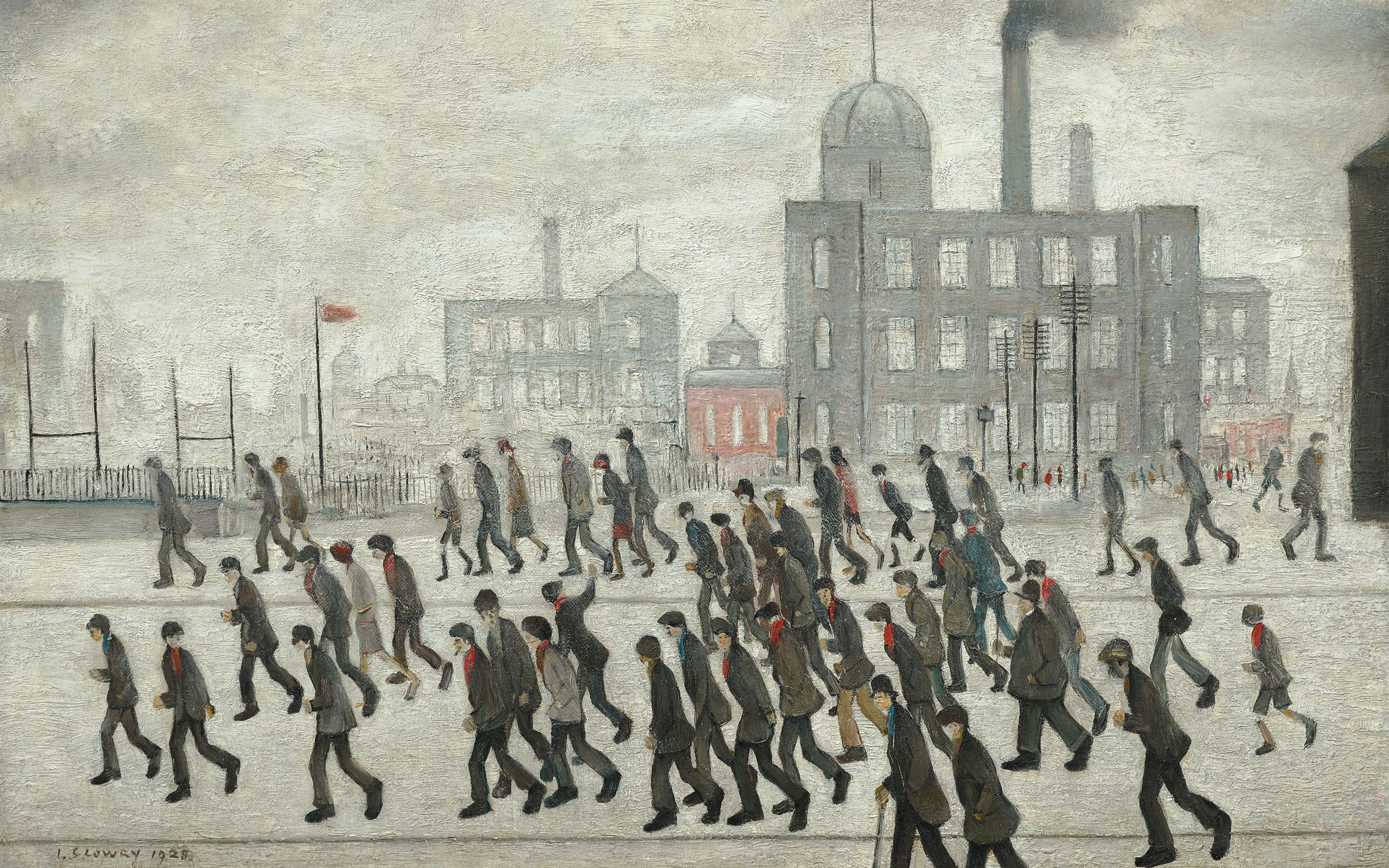
L. S. Lowry, R.A., Going to the Match (Camino al partido), 1928 (detalle). Óleo sobre lienzo. 43,4 × 53,5 cm.

Hay unos personajes en la parábola de este domingo que casi siempre pasan desapercibidos. No son el rey, ni el siervo perdonado, ni siquiera el pobre hombre al que toman por el cuello. Son los otros siervos. Jesús dice que, cuando vieron lo sucedido, «se entristecieron mucho» y fueron a contárselo a su señor. Podrían haber pensado que no era asunto suyo. Podrían haber seguido trabajando y evitarse problemas. Pero algo en ellos se negó a considerar normal lo que acababan de presenciar. Y quizá ahí se esconde una pequeña lección sobre la vida cristiana. También dentro de la Iglesia podemos encontrarnos alguna vez ante abusos de autoridad, abusos espirituales, manipulaciones de conciencia o incluso abusos cometidos en nombre de la liturgia. No todo lo que nos incomoda es un abuso, ciertamente, y la prudencia exige distinguir, escuchar y no condenar precipitadamente. Pero la prudencia tampoco consiste en aprender a mirar hacia otro lado. Los compañeros de la parábola no organizan una revuelta, no humillan públicamente al culpable ni toman la justicia por sus propias manos. Ven, se dejan afectar y acuden a quien corresponde. Tal vez ésa sea una forma muy cristiana de cuidar a los demás: conservar unos ojos capaces de ver, un corazón que todavía pueda conmoverse y el valor sereno de hablar cuando el silencio dejaría solo a quien está sufriendo • AE

The Sound of Silence, de Simon & Garfunkel, no es propiamente una canción sobre la injusticia, sino sobre algo quizá más inquietante: la posibilidad de ver y escuchar sin llegar verdaderamente a encontrarnos con el otro. Los siervos de la parábola hacen lo contrario. Ven el sufrimiento de uno de ellos, se dejan afectar por lo que han visto y rompen el silencio. A veces, el primer acto de solidaridad consiste simplemente en negarnos a que el dolor ajeno se vuelva invisible •


+ Verano y + Lecturas


Fiesta de Natividad de la Santísima Virgen María (2026)

Amanece María, y en su aurora
la tierra siente cerca la promesa;
Dios prepara en silencio aquella mesa
donde el Verbo hallará su fiel morada.

Nace pequeña, humilde, ignorada,
sin corona, sin trono ni grandeza;
mas lleva ya escondida la belleza
de una historia por Dios acariciada.

Aún no sabe del ángel ni el camino,
ni de Belén, la cruz o la alegría
que guardará en su pecho peregrino.

Hoy solamente nace. Y este día
Dios pone entre nosotros, pequeñita,
la Madre que dará al mundo la Vida.


Twenty-third Sunday in Ordinary Time (Cycle A)

We live in an age that has made public disagreement almost effortless. A few seconds are enough to post a complaint, expose someone’s mistake, forward a message, or invite an entire audience into a conflict that once belonged to two people. Against that background, one sentence in this Sunday’s Gospel sounds remarkably modern: “Go and tell him his fault between you and him alone.” Jesus begins reconciliation not with an audience, but with a conversation. His purpose is not to embarrass the person who has done wrong, nor simply to prove who is right. He says something far more beautiful: “If he listens to you, you have won over your brother.” The goal is to recover a relationship. Only when that private encounter fails does Jesus gradually widen the circle, always seeking truth, justice, and reconciliation rather than humiliation. It is a demanding vision of Christian community because it asks for something more difficult than public criticism: the courage to knock on a door, sit across from another person, speak truthfully, listen carefully, and leave room for grace. Perhaps many of our conflicts would look very different if, before telling everyone else, we first spoke to the person who actually needs to hear us. In the Kingdom of God, winning an argument is never as important as winning back a brother • AE

At the end of Mozart’s Le nozze di Figaro, after an evening of deception, jealousy, and hurt, the Count finally asks the Countess for forgiveness. She forgives him—and something beautiful happens: the discord gives way to harmony, and the scattered voices come together again. Mozart seems to remind us of something at the heart of this Sunday’s Gospel: reconciliation does not erase what happened; it makes communion possible again.


St. Joseph Catholic Church (Dilley, TX) • Weekend Schedule

Fr. Agustin E. (Parish Administrator)

Friday, September 4, 2026.

6.00 p.m. Holy Mass

6.45 Eucharistic Adoration & Benediction

Saturday, September 5, 2026

11.00 a.m. 50th Wedding Anniversary Mass for Mr. & Mrs. San Miguel.

5.00 p.m. Sacramento de la Confesión

6.00 p.m. Santa Misa.

Sunday, September 6, 2026.

8.00 a.m. Sacrament of Reconciliation

8.30 a.m. Holy Mass.

10.30 a.m. Sacrament of Reconciliation.

11.00 a.m. Holy Mass.


XXIII Domingo del Tiempo Ordinario (Ciclo A)

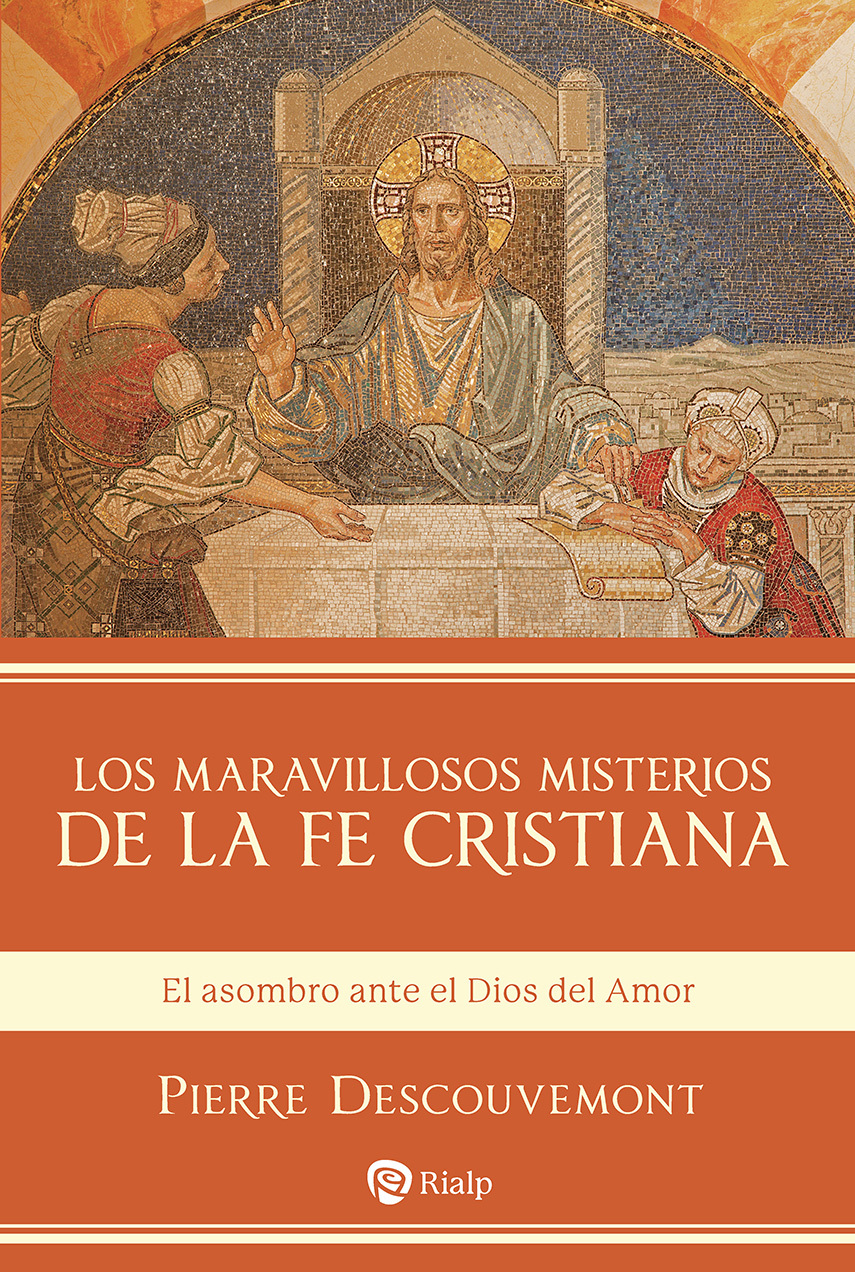
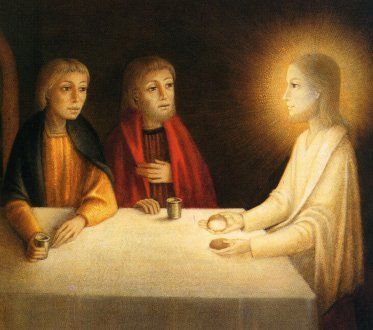
Bradi Barth (1922–2007), La cena de Emaús, temple sobre madera, Museo de Arte de Springfield (Missouri).

Hay algo sorprendente en la última frase del Evangelio de este domingo: Jesús no dice «donde miles se reúnan en mi nombre», ni siquiera «donde una gran comunidad se reúna». Dice simplemente: «donde dos o tres están reunidos en mi nombre, allí estoy yo en medio de ellos». Dos o tres. Casi nada. Y, sin embargo, suficiente. Estamos acostumbrados a medir el éxito con números: cuántos asistieron, cuántos participaron, cuántos escucharon. El Evangelio utiliza otra medida. Para Cristo, una pequeña reunión alrededor de una mesa, una familia que reza antes de dormir, dos amigos que rezan por alguien que sufre, unas pocas personas reunidas en una iglesia casi vacía pueden convertirse en lugar de su presencia. La grandeza de una comunidad cristiana nunca ha dependido solamente de cuántos la forman, sino de Quién está en medio de ella. Quizá por eso algunas de las cosas más importantes del Reino comienzan sin multitudes, sin aplausos y sin estadísticas: basta que dos o tres hagan espacio para Cristo. Cuando el Esposo ocupa el centro, nunca somos pocos • AE

Thomas Tallis compuso If Ye Love Me para apenas cuatro voces, sin orquesta ni grandes efectos. Cada voz es sencilla por sí sola, pero al encontrarse con las demás surge una armonía de extraordinaria belleza. Es una buena manera de escuchar el Evangelio de este domingo: para que suceda algo grande no siempre hace falta una multitud. A veces bastan dos o tres reunidos alrededor de una misma presencia •


Sigue el verano; seguimos leyendo