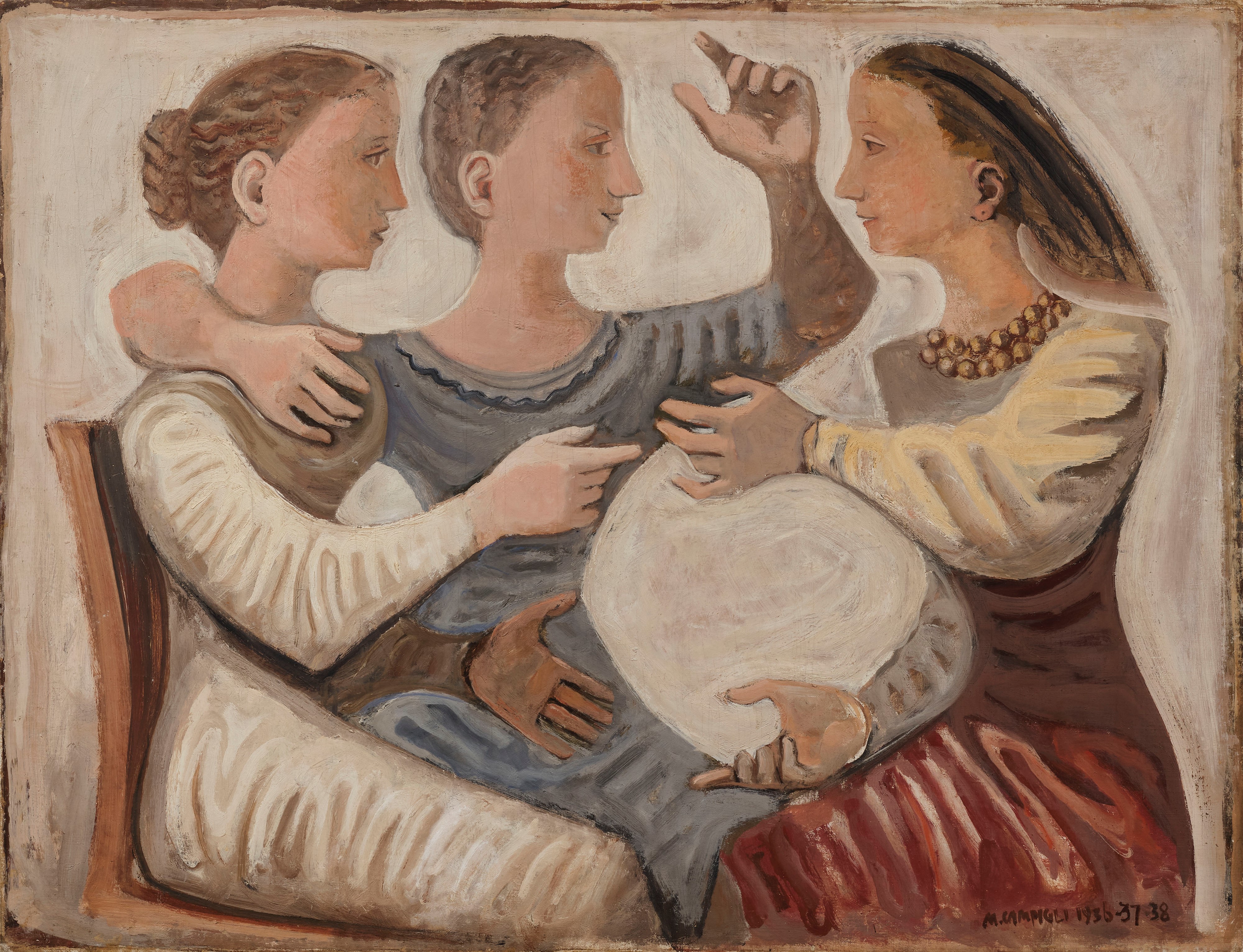
M. Campigli (1895–1971), La disputa (The Dispute), 1936–38. Oil on canvas. Private collection.
We often treat our first response as though it were final. We said no. We walked away. We made the wrong choice. We failed someone, abandoned something good, or simply became accustomed to living in a way we know is not right. Then comes one of the quietest and most hopeful words in this Sunday’s Gospel: “afterwards.” The first son refuses his father, but afterwards he changes his mind and goes to the vineyard. Jesus does not pretend that his first answer was good. It was not. But neither does He allow that answer to become the whole story of the man. There is still an afterwards. Perhaps this is why the tax collectors and prostitutes understood something that the religious leaders did not: a bad beginning does not prevent a good ending, but believing that we no longer need to change might. Christianity leaves room for the astonishing possibility that a person can reconsider, turn around, return, and become different. We are sometimes tempted to imprison people inside an old version of themselves—and perhaps we do the same to ourselves. But God seems remarkably interested in what happens next. Our first word may have been no. It does not have to be our last • AE
Schubert’s Impromptu No. 3 seems to move forward with extraordinary gentleness, as though the music knows there is always another phrase still to come. It belongs beautifully beside this Sunday’s Gospel: what has already been said does not have to be the end of the story.
St. Joseph Catholic Church (Dilley, TX) • Weekend Schedule

Fr. Agustin E. (Parish Administrator)
Saturday, September 26, 2026
5.00 p.m. Sacramento de la Confesión
6.00 p.m. Santa Misa.
Sunday, September 27, 2026.
8.00 a.m. Sacrament of Reconciliation
8.30 a.m. Holy Mass.
10.30 p.m. Sacrament of Reconciliation.
11.00 a.m. Holy Mass.
xxvi Domingo del Tiempo Ordinario (Ciclo A)
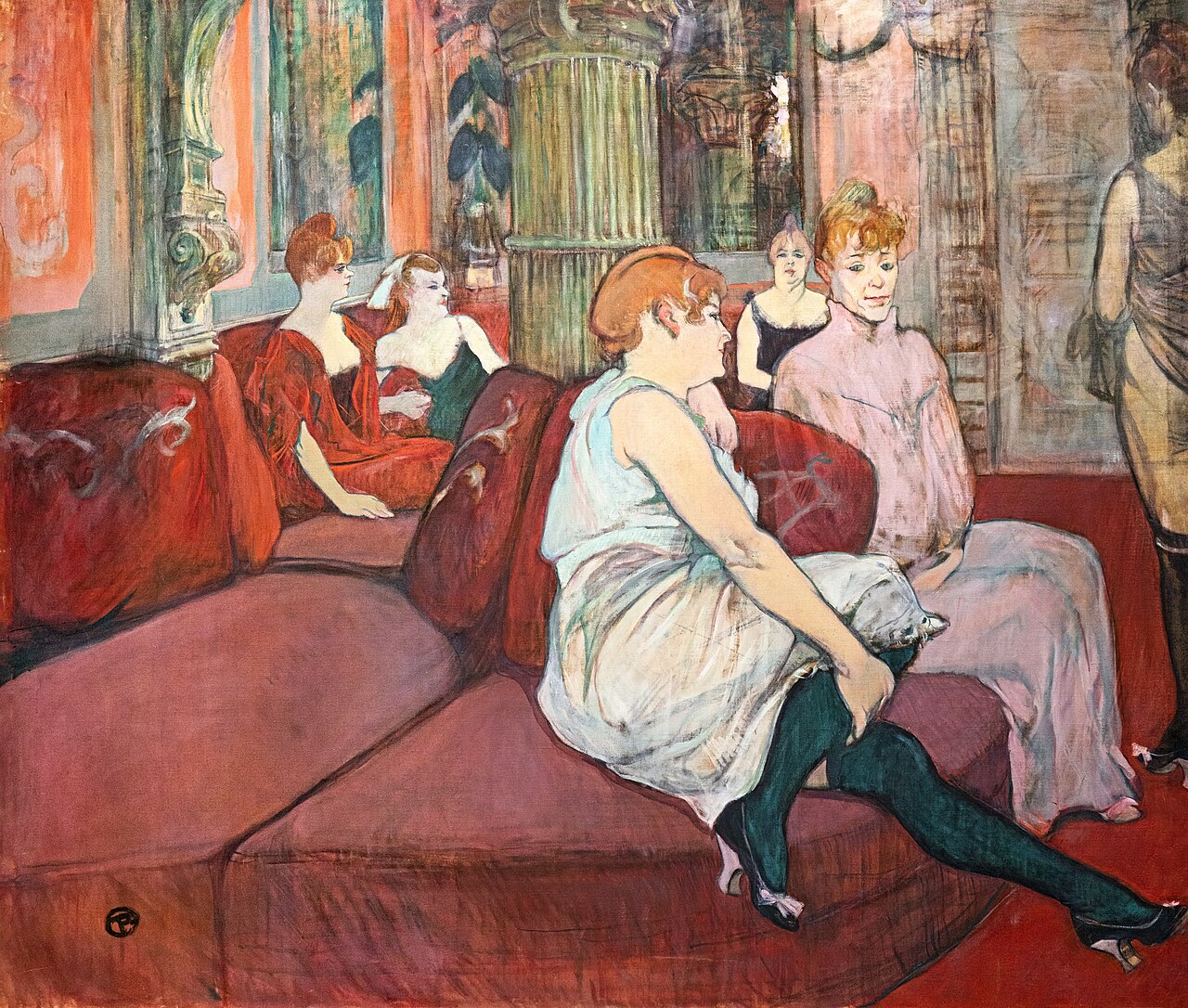
Henri de Toulouse-Lautrec, Au Salon de la rue des Moulins (1894), Museo Toulouse-Lautrec, Albi (Francia)
La pregunta que Jesús hace en el Evangelio de este domingo no parece particularmente difícil: «¿Cuál de los dos hizo la voluntad de su padre?». Los sumos sacerdotes y los ancianos responden inmediatamente: «El primero». Y tienen razón. Ésa es quizá la parte más inquietante de la escena: conocen perfectamente la respuesta correcta. Saben distinguir entre el hijo que habla bien pero no hace nada y el que termina cumpliendo la voluntad de su padre. Su problema no es falta de conocimiento religioso. Es que aquello que saben reconocer en la parábola no consiguen reconocerlo en su propia vida. También nosotros podemos aprender con sorprendente facilidad el lenguaje de la fe. Sabemos cuándo responder «Amén», qué cosas debe hacer un buen cristiano, qué comportamientos están bien o mal, e incluso podemos explicar a otros lo que Dios espera de ellos. Nada de eso es malo. Pero existe una distancia incómoda entre saber cuál es la respuesta y convertirnos nosotros mismos en esa respuesta. Tal vez por eso Jesús no termina preguntando quién habló mejor, quién sabía más o quién parecía más obediente. Su pregunta es mucho más sencilla y mucho más difícil: «¿Cuál de los dos hizo la voluntad de su padre?». Al final, quizá la fe no se juega tanto en las respuestas que sabemos dar, sino en la respuesta que nuestra vida termina dando • AE
En Simple Gifts, de Aaron Copland, una melodía de extraordinaria sencillez va creciendo hasta llenar la música de luz. En esta interpretación dirigida por Leonard Bernstein, esa sencillez parece recordarnos algo del Evangelio de este domingo: hay verdades que no son difíciles de entender; lo difícil es dejar que se conviertan en vida.
¿Qué lees estos días?