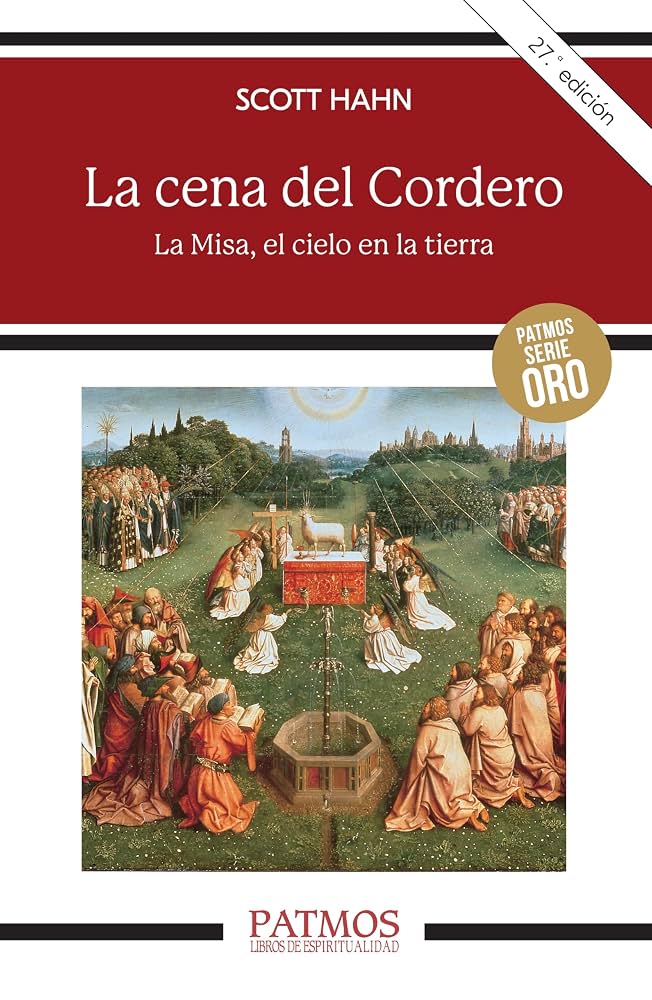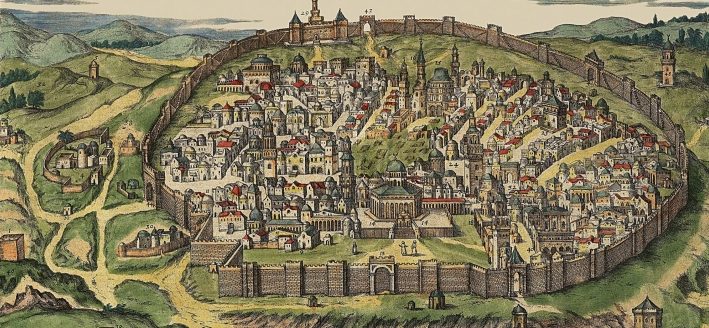

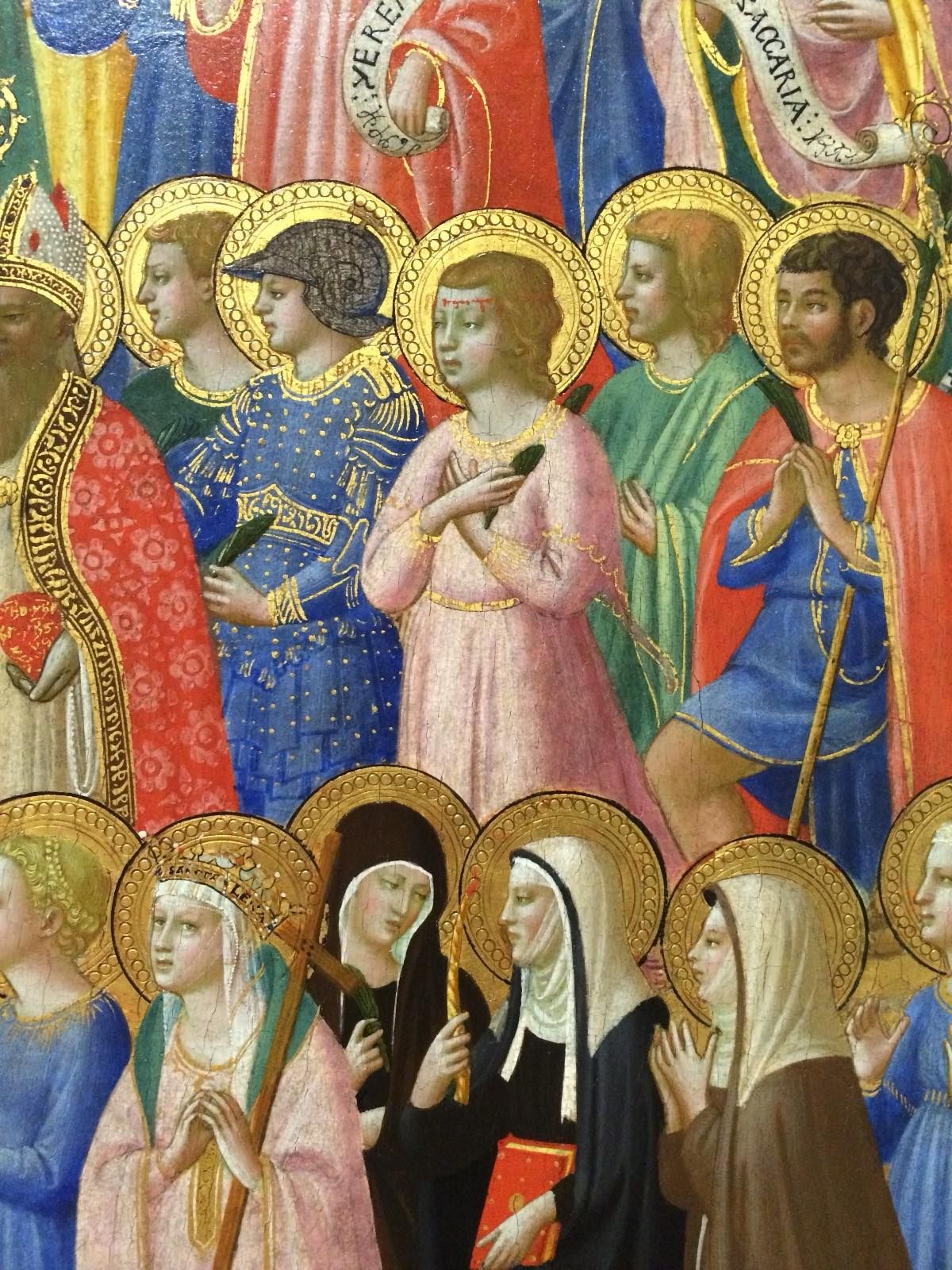
Most of the saints have never had a statue made in their honor. No churches bear their names. Their lives have not been recorded in books, and the Church has never assigned them a feast day. Yet today, on All Saints’ Day, we celebrate them all. There is something wonderfully comforting about that. We tend to associate holiness with extraordinary lives, heroic sacrifices, and remarkable achievements. But perhaps heaven is filled with people who lived quietly, loved faithfully, struggled with their weaknesses, and allowed God’s grace to work in them without ever attracting much attention. Some may have spent their lives caring for a sick relative. Others raised children, worked long hours, endured disappointments, forgave terrible offenses, or simply remained faithful through years of difficulty. They were not perfect, and they probably never imagined themselves as saints. But holiness was taking shape in their ordinary lives. In today’s first reading, St. John sees an immense multitude standing before God, people from every nation, race, and language. We know the names of only a tiny fraction of them. And perhaps that is part of the beauty of this feast. God remembers lives that the world has forgotten. He sees the love that went unnoticed, the sacrifices nobody thanked us for, and the faithfulness that never received applause. Today we celebrate not only the great saints of history, but also the countless men and women whose holiness remained hidden from everyone except God. And perhaps, among that great multitude, there are faces we once knew and loved • AE
For this All Saints’ Day, I have chosen a wonderfully joyful performance of When the Saints Go Marching In, featuring Woody Wright and Ivan Parker with Gaither. Yes, it comes from the American evangelical gospel tradition rather than our Catholic musical repertoire. But the hope it celebrates is one we share: the promise of eternal life in Christ and the joyful expectation of joining the saints in heaven. There is something beautiful about the enthusiasm of this performance, its sense of community, and its almost irresistible invitation to rejoice. After all, the communion of saints is not a solemn gathering of distant heroes, but a living fellowship into which we, too, hope to be welcomed by God’s grace. Sometimes another Christian tradition can help us rediscover, with fresh joy, something profoundly beautiful in our own faith •

St. Joseph Catholic Church (Dilley, TX) • Weekend Schedule
Fr. Agustin E. (Parish Administrator)
Friday, October 30, 2026.
Holy Mass & Eucharistic Holy Hour
Saturday, October 31, 2026.
Solemnidad de Todos los Santos.
5.00 p.m. Sacramento de la Confesión
6.00 p.m. Santa Misa.
Sunday, November 1, 2026.
Solemnity of All Saints
8.00 a.m. Sacrament of Reconciliation
8.30 a.m. Holy Mass.
10.30 a.m. Sacrament of Reconciliation.
11.00 a.m. Holy Mass.
Solemnidad de Todos los Santos (2026)
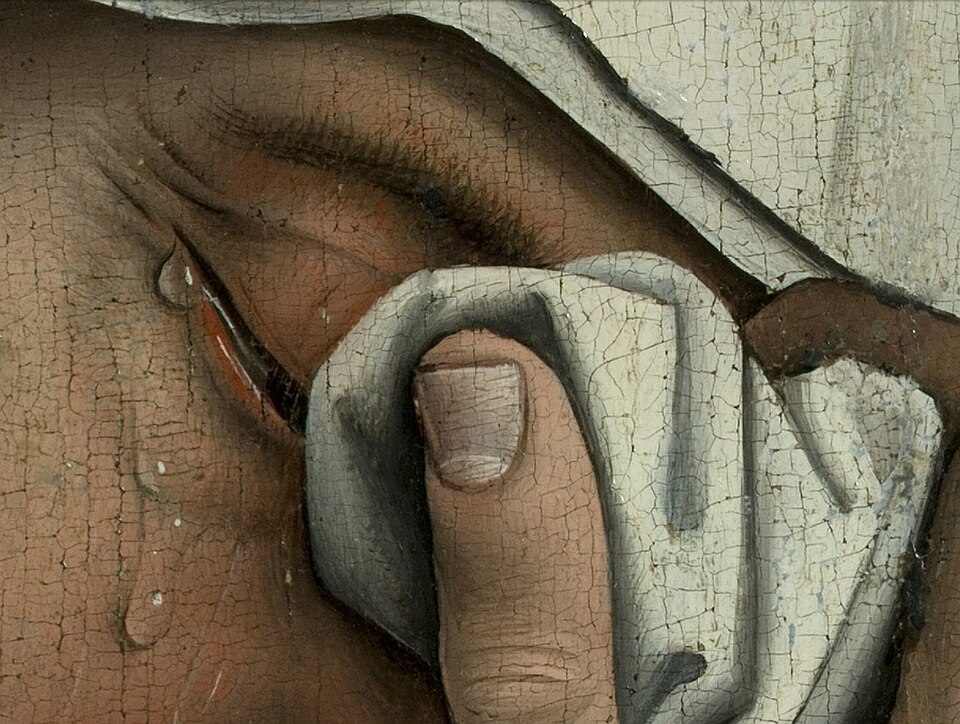
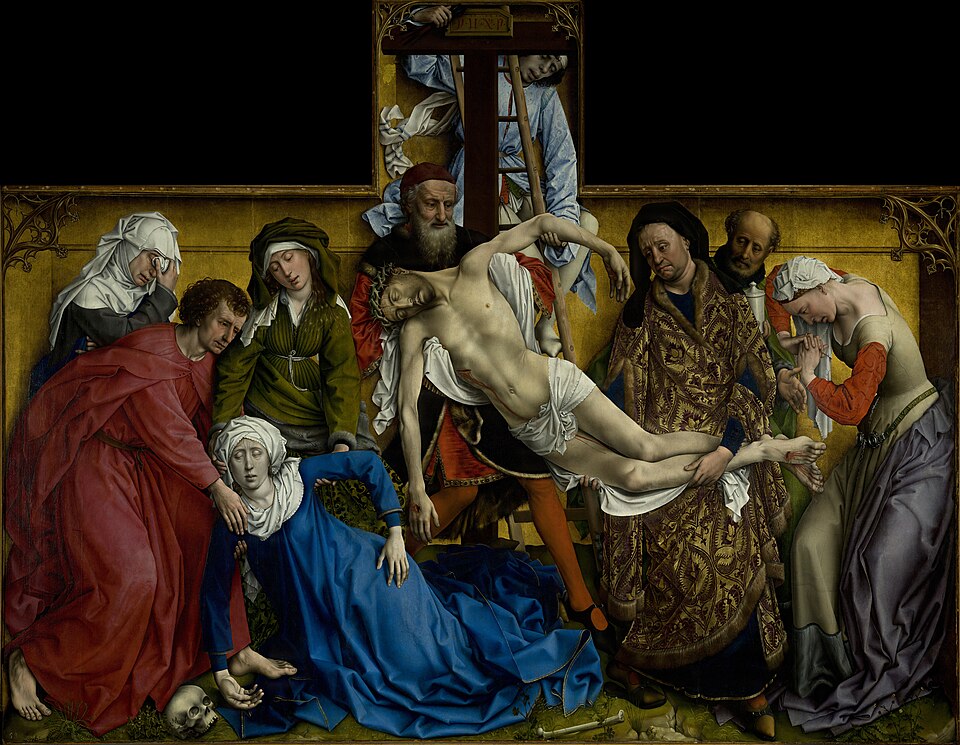
Rogier van der Weyden, El descendimiento de la cruz (detalle), anterior a 1443. Óleo sobre tabla. Museo Nacional del Prado, Madrid.
Hay lágrimas que nadie ve. Las de quien regresa a casa después de un día particularmente difícil. Las de una madre que no sabe cómo ayudar a su hijo. Las de quien ha perdido a alguien y descubre que el mundo sigue funcionando como si nada hubiera sucedido. Las de quien sonríe delante de los demás, pero lleva por dentro una tristeza que no consigue explicar. En el Evangelio de este domingo, Jesús pronuncia unas palabras sorprendentes: «Bienaventurados los que lloran, porque ellos serán consolados». No dice que llorar sea bueno, ni que el sufrimiento nos haga automáticamente mejores personas. Tampoco nos pide que disimulemos nuestras heridas detrás de una sonrisa religiosa. Nos promete algo mucho más grande: que el dolor no tendrá la última palabra. En la solemnidad de Todos los Santos celebramos precisamente esa esperanza. Los santos no fueron personas que atravesaron la vida sin conocer el sufrimiento. También ellos tuvieron pérdidas, enfermedades, decepciones, noches de incertidumbre y preguntas sin respuesta. Pero sus vidas nos recuerdan que la gracia de Dios puede sostenernos incluso cuando nuestras fuerzas parecen agotarse. La santidad no consiste en no llorar nunca, sino en aprender a confiar en Dios también entre lágrimas. Y quizá una de las imágenes más hermosas del cielo sea precisamente la que nos ofrece el Apocalipsis: Dios enjugará las lágrimas de nuestros ojos. No porque aquellas lágrimas nunca hayan existido, sino porque ninguna de ellas habrá sido olvidada. Algún día comprenderemos que el amor de Dios era más grande que todo aquello que nos hizo llorar • AE
El Pie Jesu, del Réquiem de Gabriel Fauré, tiene una serenidad extraordinaria. A diferencia de otras composiciones que expresan el dramatismo de la muerte, Fauré parece contemplarla desde la confianza y la esperanza. Su música es una súplica sencilla y profundamente humana: que el Señor conceda a los difuntos el descanso eterno. En esta solemnidad de Todos los Santos, su delicadeza nos ayuda a escuchar de otra manera las palabras de Jesús: «Bienaventurados los que lloran, porque ellos serán consolados». No es una música que niegue nuestras lágrimas, sino que parece acariciarlas con la promesa de la paz. Quizá por eso resulta tan hermosa: nos recuerda que, más allá de nuestras pérdidas y sufrimientos, nos espera la ternura infinita de Dios •

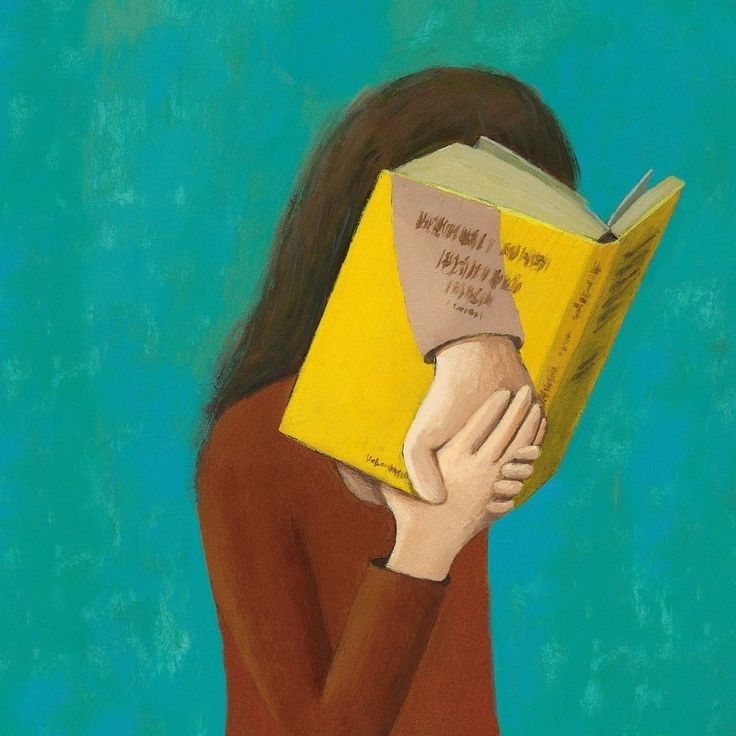
¿Qué lees?
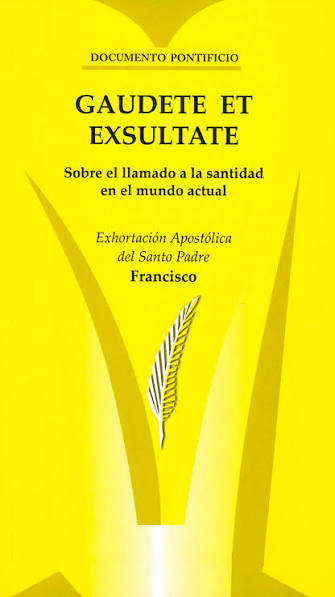
Puedes leer AQUI.