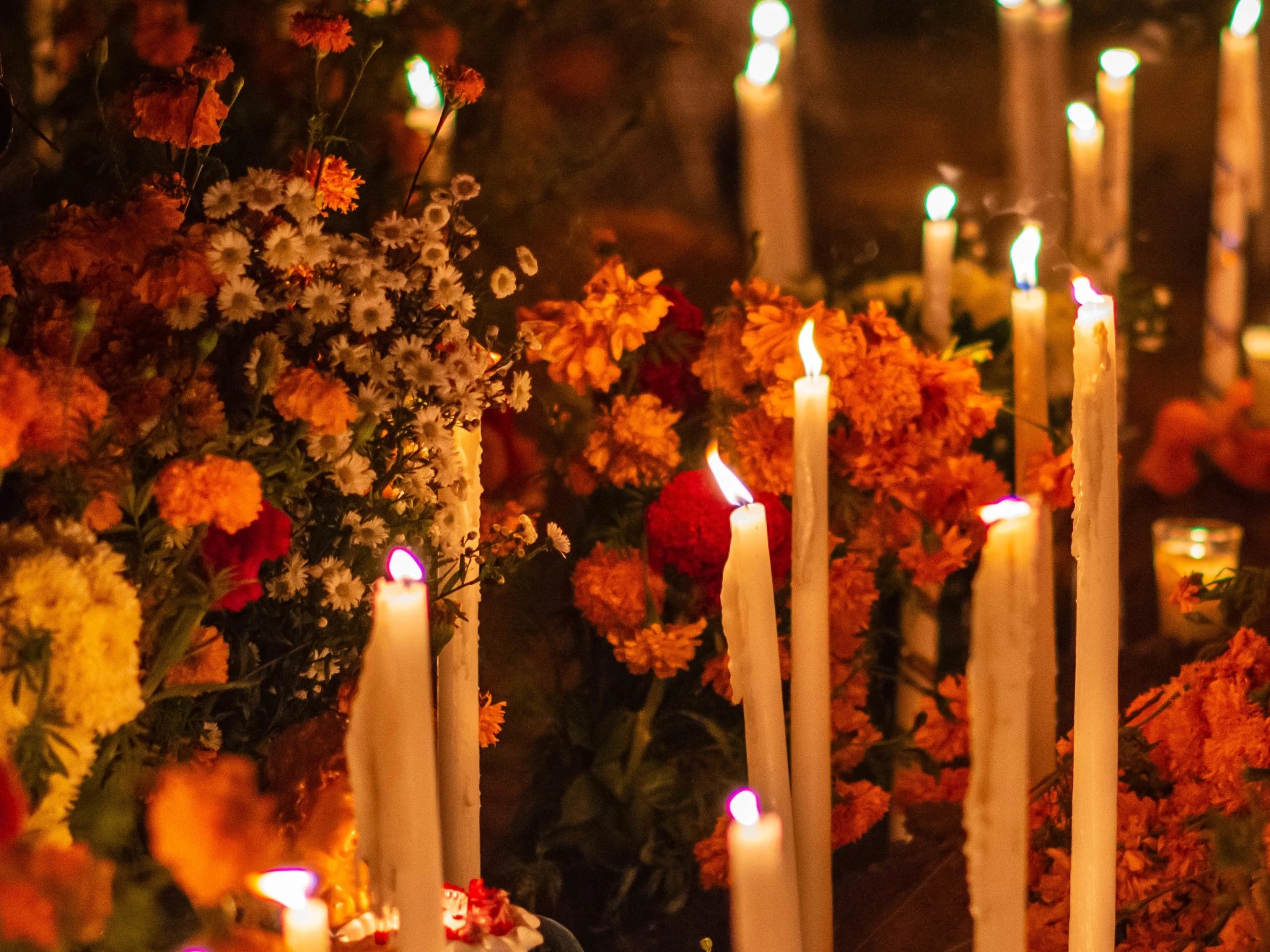
There comes a moment when the world stops asking about the people we have lost. The funeral is over. The flowers have disappeared. Friends return to their routines, and life goes on. But for those who loved them, something remains unfinished. We still remember their voices, their gestures, the ordinary things they used to say. Sometimes we even catch ourselves wanting to tell them something. Today, on All Souls’ Day, the Church does something profoundly beautiful: she refuses to let death bring our love to an end. We gather to pray for those who have died, not because we doubt God’s mercy, but because we trust it. Our prayers are not attempts to persuade a reluctant God to be kind. They are expressions of the communion that unites us in Christ, a communion that death itself cannot destroy. We believe that those who have gone before us are not simply memories preserved in our hearts. They remain in the hands of God. And so we pray for them, including those whose names have long been forgotten, those for whom no one visits a grave, and those who may have no one left on earth to remember them. There is something wonderfully generous about this day. The Church remembers even those whom the world has forgotten. We do not know precisely how our prayers help the departed, but we know that prayer is never wasted when it is offered in love. Today we bring before God the names, the faces, and the stories that still live within us. We entrust them to his mercy, asking that whatever remains imperfect may be healed and that they may enter fully into the joy of his presence. Because when we can no longer do anything for someone we love, we can still pray. And that is no small thing • AE
Wolfgang Amadeus Mozart’s Requiem in D minor, K. 626, performed by the Orchestre national de France and the Choeur de Radio France under the direction of James Gaffigan, was recorded live at the Basilica of Saint-Denis in 2017. Few works of sacred music express so powerfully the mystery of death, the fragility of human life, and the longing for God’s mercy. Mozart gives voice to human grief, but also to something deeper: the hope that death does not have the final word. There is something particularly moving about listening to this music on All Souls’ Day, when the Church remembers and prays for her departed children. The Requiem reminds us that Christian remembrance is more than nostalgia. It is an act of faith, a prayer, and an expression of love that reaches beyond the grave •

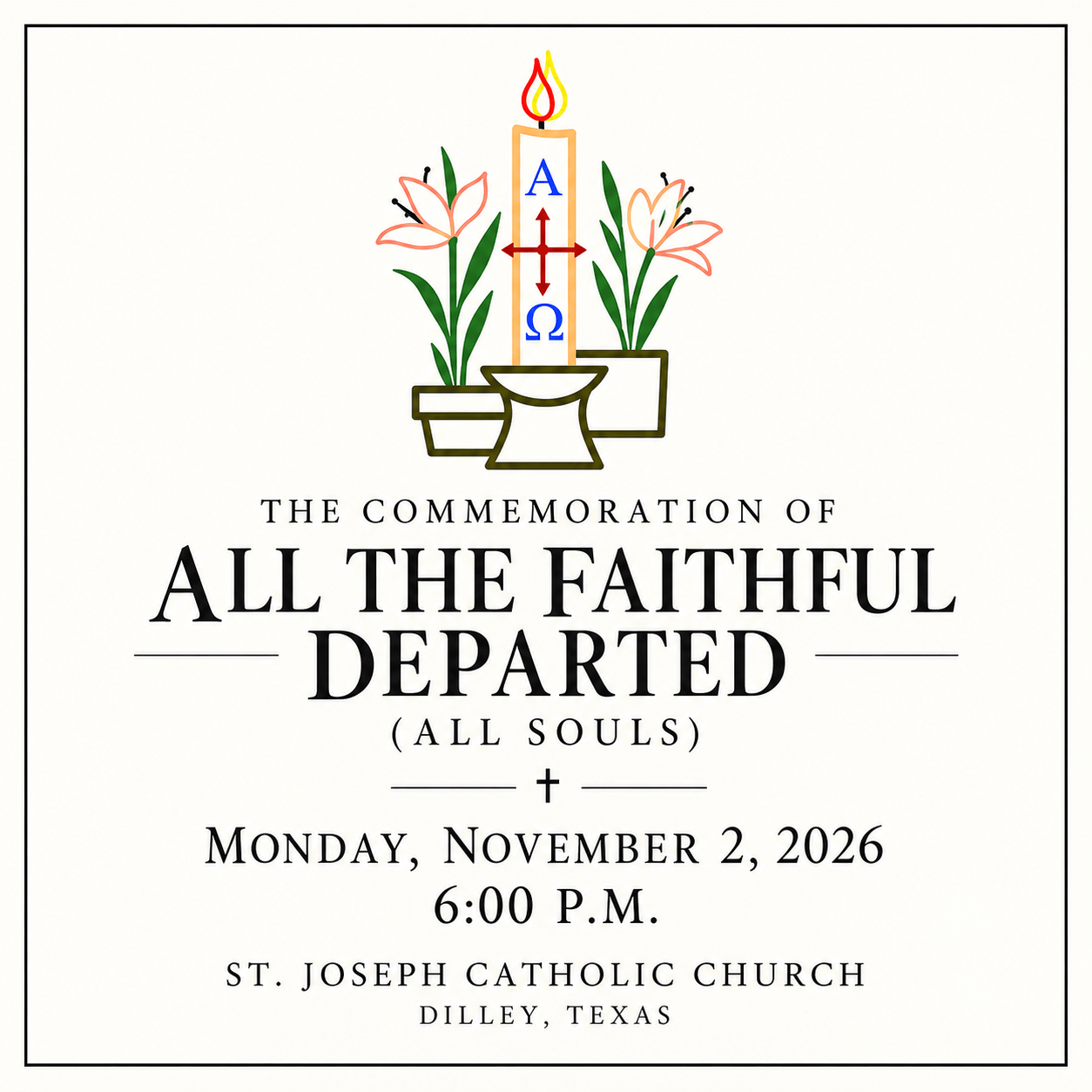
Conmemoración de Todos los Fieles Difuntos (2026)
Hay conversaciones que la muerte deja interrumpidas. Un perdón que nunca llegamos a pedir. Una palabra de cariño que fuimos dejando para después. Una discusión que parecía insignificante y terminó siendo la última. A veces, cuando muere alguien a quien queremos, descubrimos que no solamente nos duele su ausencia. También nos pesa todo aquello que quedó pendiente. Y entonces aparece una pregunta difícil: ¿qué hacemos con lo que ya no podemos cambiar? La conmemoración de los Fieles Difuntos nos invita a contemplar esa pregunta desde la fe. La muerte pone fin a muchas posibilidades humanas, pero no pone límites a la misericordia de Dios. Quienes han muerto no fueron personas perfectas. Tuvieron virtudes y defectos, momentos de generosidad y decisiones equivocadas. Como nosotros. Por eso la Iglesia no celebra hoy una supuesta perfección de nuestros difuntos, sino que los encomienda humildemente al Señor. La doctrina del purgatorio, tantas veces presentada de manera sombría, contiene en realidad una esperanza extraordinaria: Dios no abandona lo que su amor ha comenzado a transformar. La purificación final no es una segunda oportunidad para elegir a Dios después de la muerte, sino la obra de su misericordia en quienes mueren en su amistad y todavía necesitan ser plenamente sanados. Quizá también nosotros necesitemos aprender a mirar así a quienes se han ido: sin idealizarlos, sin reducirlos a sus errores y sin pretender resolver con nuestra memoria lo que solamente Dios puede sanar. Hoy podemos poner en sus manos aquello que quedó inconcluso. Las palabras que faltaron. Las heridas que no alcanzaron a cerrarse. El amor que, siendo verdadero, fue también imperfecto. Porque donde termina nuestra capacidad de reparar, no termina la misericordia de Dios • AE
Hay canciones que, con una sencillez extraordinaria, consiguen expresar lo que los grandes discursos apenas alcanzan a decir. La muerte no es el final, del sacerdote y compositor Cesáreo Gabaráin, es una de ellas. Su belleza no consiste en disimular el dolor de la separación, sino en contemplarlo desde la esperanza cristiana. La muerte es real. La ausencia duele. Y hay despedidas que dejan heridas profundas. Pero nuestra fe se atreve a proclamar algo que ninguna experiencia humana puede demostrar por sí sola: la vida de quienes mueren en Cristo no termina en el silencio de una tumba. En la conmemoración de los Fieles Difuntos, esta canción adquiere una profundidad particular. No invita a olvidar lo que hemos perdido, ni a fingir que todas las heridas están cerradas. Nos recuerda, más bien, que podemos confiar a la misericordia de Dios aquello que quedó incompleto, imperfecto o sin resolver. Porque la esperanza cristiana no consiste en negar la muerte, sino en creer que el amor de Dios es más fuerte que ella • AE

¿Mucho por leer?