June: The Month of the Sacred Heart

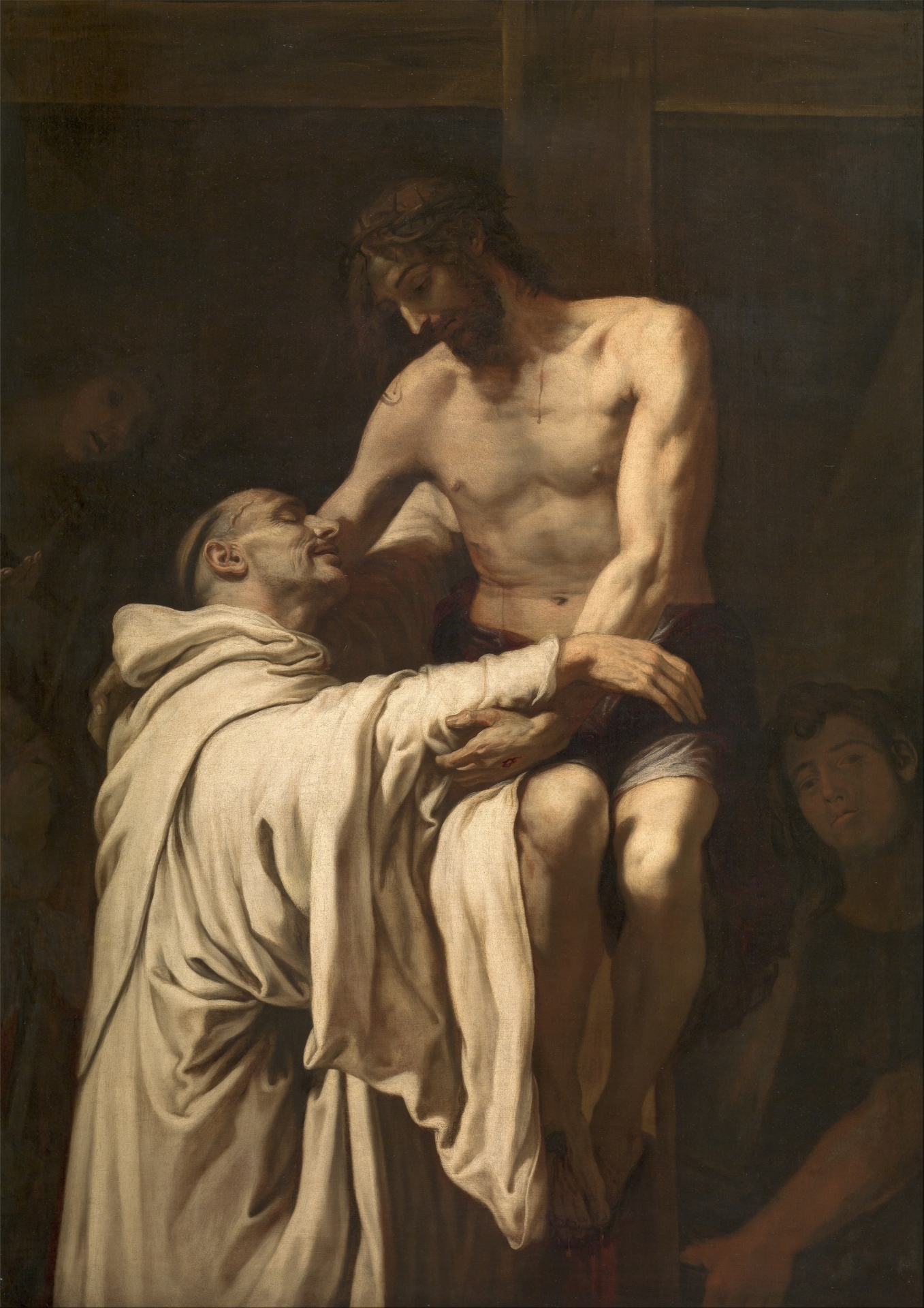
June opens with the quiet rhythm of ordinary time—but at its center burns a fire: the Heart of Christ, open and alive. The Church dedicates this month to the Sacred Heart—not as a pious decoration, but as a window into the very mystery of God. “The Heart of Christ is the ultimate symbol of God’s mercy,” Pope Francis reminded us. It is not abstract. It is pierced. It is human. It is divine. And it beats for us. In his beautiful 2024 letter on the Sacred Heart, the Holy Father wrote: “In a world wounded by violence, indifference, and selfishness, the Heart of Jesus invites us to become artisans of tenderness.” These are not soft words. They are revolutionary. Because tenderness is not weakness. It is the strength of a love that lowers itself, that suffers, that stays. To contemplate the Sacred Heart is to look at a love that refuses to turn away. A love that does not retreat when met with sin or sorrow. A love that lets itself be broken to bring healing. In that Heart, we are not only consoled—we are called. Let this month be more than a devotional habit. Let it be a return—to the pierced side, to the love that bleeds, to the place where God’s glory is most fragile and most radiant. The Sacred Heart is not just a symbol. It is a wound that loves. A furnace that purifies. A mercy that waits. This June, let us rest there. And begin again • AE


Junio: Mes del Sagrado Corazón de Jesús

Herido estás, Señor, y no te escondes;
te abres, sin miedo, al peso de mi herida.
Amor que sangra, llama que no expira,
puerta de Dios que en cruz se me responde.

No late en Ti rencor, ni voz que ronde
venganza o juicio: solo luz ofrecida.
Tu pecho abierto es paz, es nueva vida,
hogar donde el dolor su gozo aprende.

Oh Corazón, refugio del que llora,
enciéndeme en tu fuego lentamente;
hazme vivir de Ti, morir contigo.

Y si me pierdo al filo de la aurora,
que el eco de tu amor, tan dulcemente,
me traiga de la mano hasta tu abrigo.

Comienza junio, y con él, una invitación silenciosa: volver al Corazón. No a una idea, no a un símbolo frío, sino a un Corazón vivo. Herido. Abierto. Ardiente. La Iglesia consagra este mes al Sagrado Corazón de Jesús no como un gesto romántico, sino como un acto de realismo espiritual. Porque en un mundo donde tantos corazones se han endurecido, el Corazón de Cristo permanece tierno. “El Corazón de Jesús no es un refugio para escapar de la historia,” escribe el Papa Francisco, “sino el lugar donde se aprende a mirar y amar el mundo con los ojos de Dios.” El Corazón de Jesús no excluye, no se defiende, no se cierra. Es el lugar donde convergen el dolor del hombre y la misericordia del cielo. Es la herida que no cicatriza porque sigue amando. Allí no se nos juzga: se nos espera. Contemplar ese Corazón es dejarse mirar por alguien que conoce nuestras sombras y no retrocede. Es descansar, pero también arder. Porque quien se acerca al Corazón de Cristo no sale intacto: sale más humano, más libre, más capaz de amar. Junio es para eso. Para dejar de correr. Para apoyar la frente sobre ese pecho abierto. Para que, en medio de tanto ruido, volvamos a escuchar el latido de Dios • AE


CARTA ENCÍCLICA DILEXIT NOS DEL SANTO PADRE FRANCISCO

SOBRE EL AMOR HUMANO Y DIVINO DEL CORAZÓN DE JESUCRISTO


Solemnity of the Ascension of the Lord (2025)

H. S. von Kulmbach, The Ascension of Christ (1513), oil on fir, Metropolitan Museum of Art (New York)

He raised His hands to bless them. And then, slowly, almost imperceptibly, He began to vanish—not as someone leaving, but as someone crossing a threshold we cannot yet follow. He was taken up into heaven. But the strange thing is this: they were not sorrowful. They did not weep or despair. The Gospel tells us, astonishingly, that they returned to Jerusalem with great joy. Joy after absence. Joy after goodbye. Why? Because this wasn’t an ending. It was a beginning. The Ascension is not Christ escaping the world. It is Christ drawing it into Himself. His Body, once limited to one place, is now bound to no place—and so it can fill every place. His presence is no longer local but sacramental. Cosmic. Intimate. Available. “You are witnesses of these things,” He says—not only of what happened, but of what will now begin to happen through them. But first: they must wait.

“Stay in the city until you are clothed with power from on high.” That phrase has always struck me. It’s so physical. Clothed with power. Not simply given power or taught how to wield it. Clothed—wrapped, embraced, transformed. The Spirit is not a tool, but a mantle. Not a supplement, but a new skin. And it will come not through effort, but through surrender. Through remaining. Through praise. The Gospel ends in the Temple, with the disciples “continually praising God.” The Church begins, not with activity, but with adoration. There’s a quiet echo of this movement in the writings of Simone Weil, that brilliant soul of paradox and hunger. In one of her notebooks, she writes: “Attention, taken to its highest degree, is the same thing as prayer.” That’s the posture of this Gospel: a community gathered, not performing or planning, but paying attention. Looking up. Holding the space. Becoming ready. And if I had to give music to this moment—music that holds space, breathes waiting, and lets silence bloom—it would be Henryk Górecki’s Symphony No. 3 (Symphony of Sorrowful Songs), especially the second movement. It’s not triumphant. It’s tender. A lament that never loses hope. It feels like the air between the Ascension and Pentecost. Not empty but aching with promise. The Ascension is not an escape. It’s invitation. It’s the Lord saying: “I go to prepare a place for you.” And in the meantime? Wait. Worship. Witness. The Lamb is no longer here in the way we once knew—but His blessing still lingers in the air. His hands are still raised. His promise still echoes. And soon—so soon—we will be clothed with fire. Until then, we sing. We stay. We trust the silence. And we lift our eyes • AE


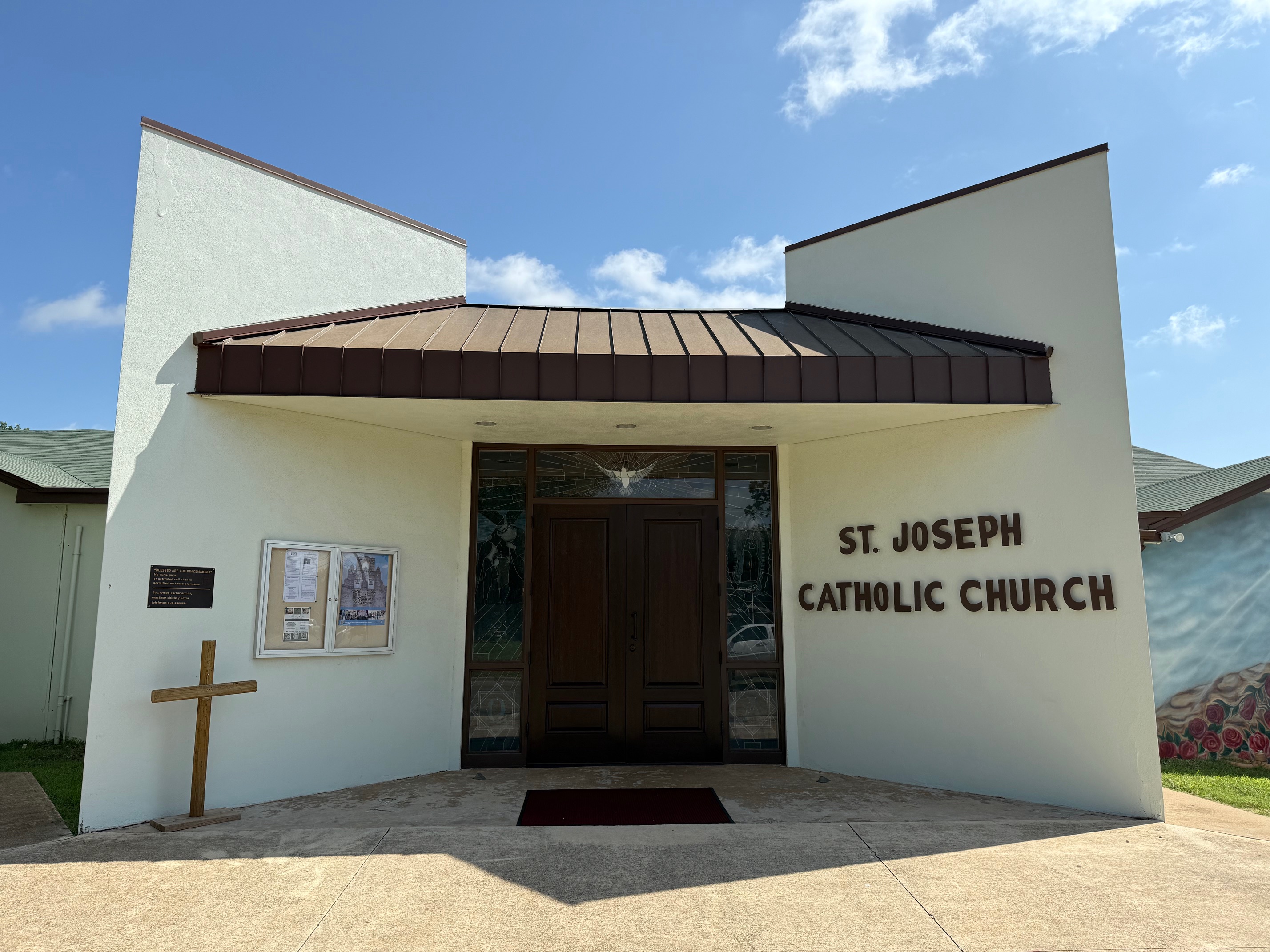
St. Joseph Catholic Church (Dilley, TX) • Weekend Schedule

Fr. Agustin E. (Parish Administrator)

Saturday, May 31, 2025.

5.00 p.m. Sacramento de la Confesión

6.00 p.m. Santa Misa.

Sunday, June 1 2025

8.00 a.m. Sacrament of Reconciliation

8.30 a.m. Holy Mass.

10.30 p.m. Sacrament of Reconciliation.

11.00 a.m. Holy Mass.


Solemnidad de la Ascención del Señor (2025)

¿Y dejas, Pastor santo,
tu grey en este valle hondo, oscuro,
con soledad y llanto,
y tú, rompiendo el puro
aire, te vas al inmortal seguro?

Los antes bienhadados
y los ahora tristes y afligidos,
a tus pechos criados,
de ti desposeídos,
a llorar vuelven, de consuelo heridos.

A ti ya no te sienten,
¡oh dulce vida de mi vida mía!,
y con dolor consienten
en perderte ese día,
día de fiesta y de melancolía.

Tú, al cielo levantado,
saliendo vas del mundo a quien diste
ser, con tu carne armado,
que tan alto subiste,
porque allá eternamente nos asiste.

Tu grey queda en el suelo
cercada de sus lobos carniceros,
y tú, Pastor del cielo,
vuelves los ojos fieros
a castigar los vicios lisonjeros.

Con ansias la desean
los que en ti de su mal hallan consuelo,
y allí suspirando vean
que tú les abres cielo,
y dejas este valle por el cielo.

Fray Luis de León (c. 1575)

El cielo no se conquista. Se abre. Y se abre no con violencia, sino con una bendición. Cristo no asciende para alejarse, sino para agrandar el espacio de su presencia. Se va de la vista, pero no del corazón. Este año, esa imagen adquiere un peso nuevo. El Papa Francisco murió el lunes. Y el domingo, en su última aparición pública, salió una vez más al balcón de la Plaza de San Pedro y, con la voz debilitada pero firme, dio la bendición urbi et orbi. A la ciudad y al mundo. Como Cristo en Betania. No pronunció grandes discursos ni buscó protagonismo. Bendijo. Consciente de que tal vez sería la última vez. Y luego volvió a su interior. ¿Qué más podría hacer un pastor? Es hermoso pensar que la última imagen que tuvimos de él no fue la de un pontífice en el poder, sino la de un anciano en paz, que alza la mano y encomienda el mundo a Dios. Una bendición suspendida en el aire, como un eco que no termina, como un cielo que no se cierra. Y esa imagen basta para cambiar el corazón. Por eso los discípulos volvieron a Jerusalén con alegría. No entendían del todo lo que había pasado, pero sabían que no estaban solos. Lo que habían visto, lo que habían tocado, lo que habían oído, ya no era un recuerdo: era promesa. El mundo se había vuelto habitable porque alguien como ellos —de carne, con llagas, con mirada humana— ya estaba en Dios. Y eso lo cambia todo.

Decía Georges Bernanos, en una de sus cartas más lúcidas, que “la esperanza es desesperar de todo… salvo de Dios”. Tal vez eso sintieron los apóstoles: ya no esperaban nada del poder, ni de los planes, ni de sus propias fuerzas. Pero sabían que Dios cumpliría lo prometido. Sabían que el Espíritu vendría. Y eso les bastó. Nosotros también vivimos entre la partida y la promesa. Entre la gloria escondida y el fuego que aún no llega. Y en ese “entre” se juega nuestra fe. La música que más se parece a ese “entre” es el Viri Galilaei de William Byrd, una obra coral del Renacimiento inglés. Allí se canta la pregunta del ángel: “Hombres de Galilea, ¿por qué estáis mirando al cielo?” Pero la melodía no acusa, no impacienta: abraza. Suspende. Crea un espacio donde el alma puede quedarse un momento en silencio, como los discípulos, mirando lo invisible. La Ascensión no es evasión. Es envío. Cristo no se desentiende del mundo: lo penetra desde lo alto. Y la Iglesia no queda huérfana, sino llenita (sic) de misión. Mirar al cielo no es una evasión si uno está dispuesto a volver con los pies en la tierra. Y volver con alegría. Porque el cielo está abierto. Y las manos de Cristo —y también las del Papa Francisco que nos enseñó a mirar la misericordia— siguen levantadas • AE


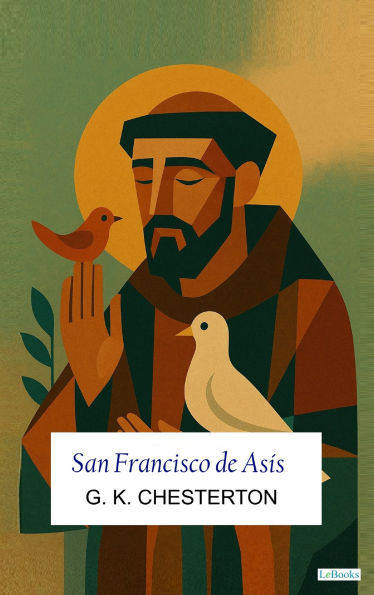
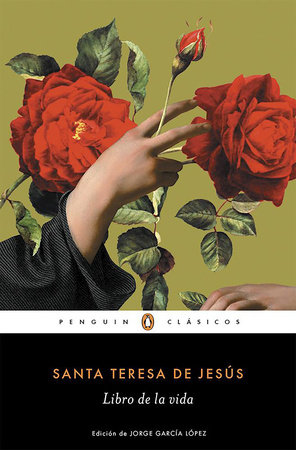
¿QUÉ LEES?


Sixth Sunday of Easter (Cycle C)

Francisco de Zurbaran, Agnus Dei (1635), óleo sobre tela, Museo Nacional del Prado

The angel took John to a high mountain. That’s where visions always begin—in the place where silence meets vastness, where heaven can be seen more clearly because the noise of earth has fallen away. And from there, he saw it: the holy city, the New Jerusalem, coming down out of heaven like a gift, gleaming with the glory of God. Not built by human hands, not polluted by ambition or fear, but radiant. Like jasper. Like crystal. Pure. Transparent. Solid. Fragile and indestructible all at once. The description is strange, almost dreamlike. Gates with angels. Walls with names. Foundations that remember. East, north, south, west—the whole compass covered. Twelve tribes. Twelve apostles. A city where memory becomes architecture and history is made of light. But then comes the most striking detail: “I saw no temple in the city, for its temple is the Lord God almighty and the Lamb.” This changes everything. No more sacred enclosures. No more boundaries between God and us. The whole city is the temple. The whole life is worship. God is no longer found behind curtains or within walls, but in the open, in the air, in the light that touches everything. There is no need for sun or moon, because the Lamb Himself is the lamp.

It is a vision of the world redeemed—not escaped from, but transformed. A world where the center is no longer power or fear or even religion, but the presence of the Lamb. It is as if John is telling us: you don’t need to climb up to God anymore. God is coming down. And He comes not as fire or storm, but as light. Quiet, steady, and faithful. This vision has always reminded me of the final paragraph of The Brothers Karamazov, where Alyosha, standing beside a grave, says: “Surely we shall rise again… and we shall joyfully tell one another all that has been.” The holy city is not just a future place—it is a promise that our stories matter. That names are not forgotten. That even now, in the brokenness of our cities and the smallness of our lives, something eternal is already being built. And perhaps the soundtrack to this vision is something like Brahms’ Wiegenlied—yes, the lullaby. Not because the holy city is sleepy, but because it is finally safe. Because it rests in God. The Lamb is its lamp, and there is no more fear, no more night. That gentle, rocking melody—so often sung to cradle children—becomes here a hymn of divine tenderness, a song not of forgetfulness but of eternal shelter. As if God Himself were humming softly over the world He now calls home, whispering peace into every corner of the redeemed creation. This Sunday, we are invited to climb the mountain with John. To look beyond what we see. To believe in a city without a temple, because the Lamb is the light. And to live, already now, as citizens of that light • AE


St. Joseph Catholic Church (Dilley, TX) • Weekend Schedule

Fr. Agustin E. (Parish Administrator)

Saturday, May 24, 2025.

10.00 a.m. Funeral Mass for + Mr. Rodolfo Sambrano

5.00 p.m. Sacramento de la Confesión

6.00 p.m. Santa Misa.

Sunday, May 25, 2025

8.00 a.m. Sacrament of Reconciliation

8.30 a.m. Holy Mass.

10.30 p.m. Sacrament of Reconciliation.

11.00 a.m. Holy Mass.


VI Domingo de Pascua (Ciclo C)

J. Vermeer, Muchacha leyendo una carta (1657), óleo sobre tela, Gemäldegalerie Alte Meister (Dresde)

«El que me ama, guardará mi palabra, y mi Padre lo amará, y haremos morada en él». Hay frases del Evangelio que no se leen, se escuchan por dentro. Esta es una de ellas. Jesús no habla aquí de normas ni de esfuerzo, sino de amor. Y no de cualquier amor, sino de ese que se vuelve casa. Ser amados hasta ser habitados. No por un instante, sino para siempre. Dios no visita: permanece. En un tiempo donde todo se mide, se exige y se compara, estas palabras son un descanso. Amar a Cristo no es entenderlo todo ni hacerlo todo bien. Es guardar su palabra. Como se guarda una carta antigua, un secreto confiado, una promesa que sigue latiendo. No es una obediencia fría, sino un amor que se queda. Lo entendió bien Juliana de Norwich cuando escribió: «Todo estará bien, y todo estará bien, y cualquier cosa estará bien». Esa es la paz que Jesús ofrece. Una paz que no viene del mundo ni depende de lo que pase. Es una paz que brota de saberse amado, incluso en la noche, incluso en la duda.

Jesús dice que se va, pero no para dejarnos huérfanos. Se va para volver más hondo. Me voy, pero volveré a su lado. Porque su ausencia es solo aparente. Él permanece en la forma del Espíritu, que aquí llama «el Consolador». En esa palabra hay promesa y ternura. El Espíritu no nos llena de datos ni de doctrinas nuevas, sino que —como dice el cardenal Cantalamessa— “hace nuevas todas las cosas dentro del Evangelio”. Él es quien nos recuerda a Jesús, quien nos ayuda a entenderlo cuando todo se ha oscurecido. En Cartas a un joven poeta, Rainer Maria Rilke invita a no temer lo que aún no se comprende. “Sea paciente con todo lo que no se ha resuelto en su corazón e intente amar las preguntas mismas”, dice. Quizá eso es también guardar la palabra: no correr, no explicar todo, sino dejar que el Evangelio eche raíces incluso cuando no florece de inmediato. Y mientras tanto, vivir en paz. Una paz como la de los intervalos de Spiegel im Spiegel, la obra de Arvo Pärt, que repite sin cesar una melodía mínima, como si el alma caminara descalza en una casa silenciosa. Esa música no impone: habita. Así es también la presencia del Resucitado en quien lo ama. Sin estridencias. Como un huésped que llega para quedarse. El Evangelio de hoy es pues una invitación a dejarse amar. A no tener miedo. A preparar el alma como se ordena una casa: con limpieza, con tiempo, con esperanza. Y entonces, sí: el Padre y el Hijo vendrán. Y harán en nosotros su morada • AE


¿Qué estás leyendo?


Fifth Sunday of Easter (Cycle C)

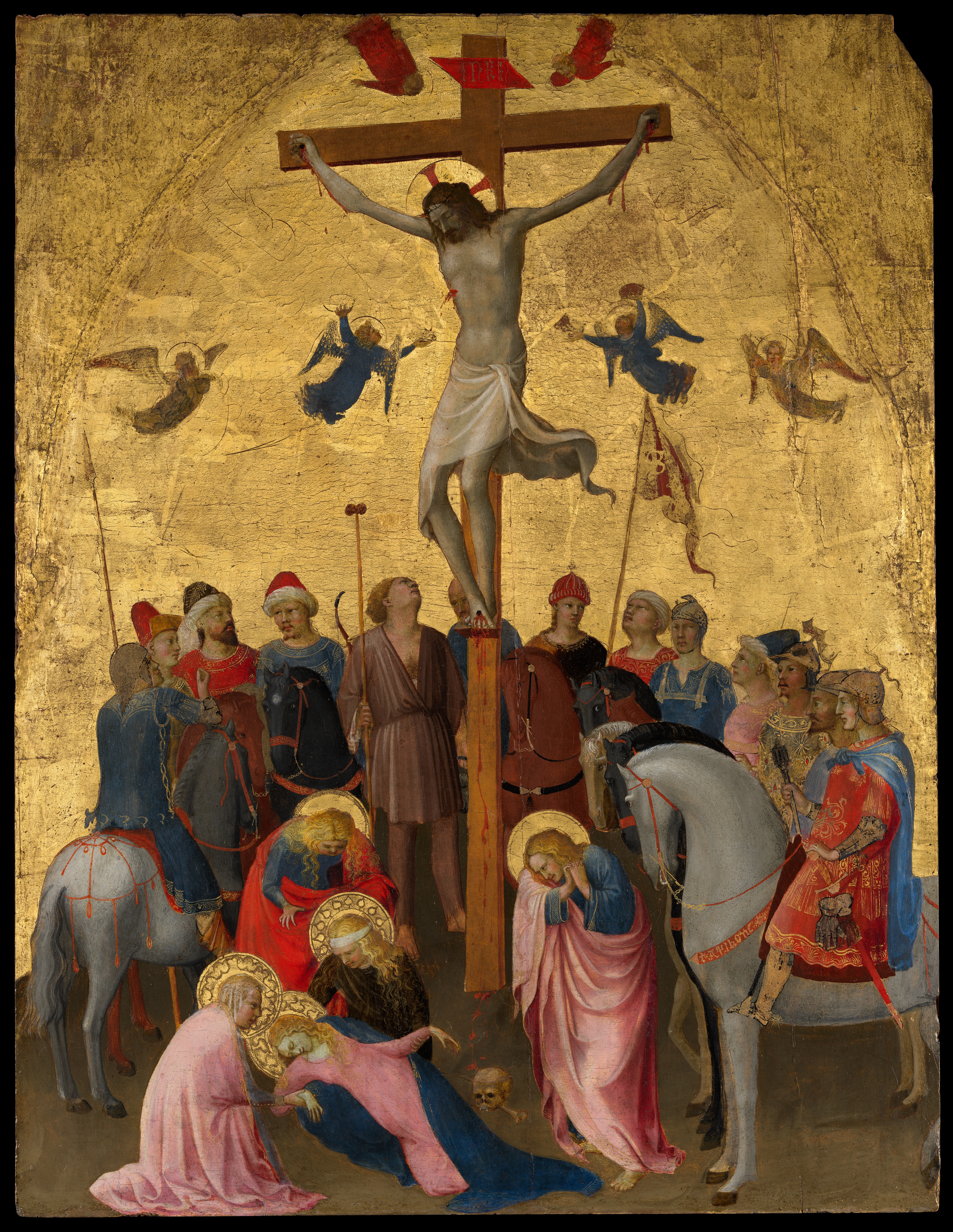
Austrian Master, Crucifixion (c. 1400–1420), tempera and gold on panel, Barnes Foundation (Philadelphia)

“This is how all will know that you are my disciples, if you have love for one another.” These words fall like a final chord—quiet, absolute, undeniable. In the shadow of betrayal, just after Judas walks out into the night, Jesus offers not a farewell speech, but a mandatum novum, a new commandment. Not a suggestion. Not a poetic flourish. A command. Not even “Love others as you love yourself.” But: “Love one another as I have loved you.” The difference is not subtle. To love as Christ loves is to embrace the Cross before the triumph, to wash the feet of those who will soon abandon you, to keep the door open even when it’s slammed in your face. Pope Francis once said: “The love of Jesus is not love in pieces; it is total, it is a love that leads to the gift of life.” (Homily, Holy Thursday, 2016) He was speaking, of course, about this very commandment—a love that does not wait to be earned, a love that chooses humility, patience, and mercy over pride, resentment, and control.

In Dostoevsky’s The Brothers Karamazov, Father Zosima warns a troubled soul: “Love in practice is a harsh and dreadful thing compared to love in dreams.” This might as well be the commentary for John 13. Jesus doesn’t call us to dream of love, but to live it. To live it when it costs, when it confuses, when it hurts. And precisely in that lived love—not in apologetics or theological treatises—is where people recognize Christ. Not admire, not debate, not suspect… but recognize. One might imagine Samuel Barber’s “Agnus Dei”—his choral arrangement of the Adagio for Strings—as the musical background to this Gospel moment. It ascends and descends, stretches and breaks, always yearning—like the heart of Christ loving the unlovable. The final notes, like the last line of today’s Gospel, do not resolve triumphantly, but in tender insistence. Not force. Not fear. But love, fragile and firm. It all returns to Him. The glory of the Son of Man is revealed not on a throne but on a cross. And His disciples are revealed not in dogmas or liturgies alone, but in how they love. To be Christian, then, is to make visible the invisible Christ—through affection, forgiveness, patience, service. It is to love as He has loved us—not theoretically, but concretely. This is not moralism. This is not sentimentality. It is revelation. As Hans Urs von Balthasar wrote: “Love alone is credible.” If Christ has loved us to the end, and if we dare to love as He did—then even today, in our wounded and weary world, someone might finally say: “There. There is a disciple of Jesus.” • AE


Welcome!

Welcome, Holy Father Leo XIV.
In your steps, may the Church walk with hope.
In your voice, may the Gospel echo with clarity.
In your heart, may the mercy of Christ find a home.
We pray for you, and we walk with you—
under the light of the Risen Lord.


St. Joseph Catholic Church (Dilley, TX) • Weekend Schedule

Fr. Agustin E. (Parish Administrator)

Saturday, May 17, 2025.

10.00 a.m. First Communions 2025

5.00 p.m. Sacramento de la Confesión

6.00 p.m. Santa Misa.

Sunday, May 18, 2025

8.00 a.m. Sacrament of Reconciliation

8.30 a.m. Holy Mass.

10.30 p.m. Sacrament of Reconciliation.

11.00 a.m. Holy Mass.


V DOMINGO DEL TIEMPO DE PASCUA (Ciclo B)

Rembrandt van Rijn, Cristo lavando los pies de los discípulos (c. 1640), pluma de caña y tinta Rijksmuseum (Amsterdam)

Hay frases que contienen el corazón entero del Evangelio. Palabras que no hacen ruido, pero que arden. Jesús dice: “Ámense los unos a los otros como yo los he amado”. Y luego añade: “En esto reconocerán todos que son mis discípulos”. No dice: “si rezan mucho”, ni “si defienden la ortodoxia bien afilada”, ni siquiera “si hacen milagros”. Dice: si se aman. Así de claro. Asi de sencillo. Y así de difícil. El amor que Jesús pide no es el de las novelas ni el de las emociones. Es el amor que se arrodilla, que lava los pies, que no se venga. Es el amor que no se escandaliza de la pobreza ni del fracaso. El amor que sabe esperar, callar, cargar con las heridas del otro sin imponer condiciones. Y eso es lo que más cuesta. Porque todos sabemos amar “a nuestra manera”. Pero Jesús no dice: “ámanse como les parezca”. Dice: como yo los he amado. Es decir: hasta la cruz. Hasta el silencio. Hasta el perdón. Este amor no nace del esfuerzo humano. Es un don. Es Cristo en nosotros. San Pablo lo dijo con fuerza: “Ya no soy yo quien vive, sino Cristo quien vive en mí”. Sin Cristo, este mandamiento es imposible. Pero con Él, comienza la verdadera libertad. Decía el Cardenal Martini: “La Iglesia no se mide por su poder ni por sus números, sino por su capacidad de amar como Cristo amó.” Ese es el examen. No lo demás. Y sí, el mundo sigue esperando testigos. No ideas, no discursos. Testigos. Gente en cuya vida pueda verse a Cristo. No perfecto, pero vivo. En medio del ruido, en medio de la noche —como cuando Judas salió del cenáculo—, esta frase resuena como una lámpara encendida: “Ámense como yo los he amado”. Ahí está todo • AE


¡Bienvenido, Santo Padre!

Santidad, la Iglesia te mira con esperanza,
como quien fija los ojos en el pastor que atraviesa la madrugada.
Que tu voz nos devuelva el Evangelio con sabor a primer amor.
Que tus manos custodien la herida y la gloria del Crucificado.
Que en tus silencios hable el Espíritu,
y en tu caminar, el rostro de Cristo se nos haga cercano.

Te acompaña la oración de los sencillos.
El amor de los pobres.
Y la promesa del Señor: “Yo estaré con ustedes todos los días”.


¿Qué andamos leyendo?


Fourth Sunday of Easter (Cycle C)

There’s something hauntingly beautiful about being recognized by someone without needing to explain yourself. Jesus doesn’t say, “I observe my sheep.” He says: “I know them.” That’s different. To be known is to be seen past the surface. To be held without being trapped. To be called not by label, but by name. “My sheep hear my voice,” He says. But how does one learn to hear that voice in a world of algorithms, breaking news, and constant buzz? The voice of Christ is not louder — it’s truer. It speaks not to the ears but to the heart. And the heart, when quiet, always knows when it is being addressed by love.

I think of Rainer Maria Rilke, who once wrote: “The only journey is the one within.” And perhaps the path of the sheep is precisely that: an inward journey toward the voice that already lives inside us. Jesus promises something almost reckless in its generosity: eternal life. Not as a distant reward, but as a present intimacy. To live in His hand is to live already beyond the reach of despair. The luminous painting at the beginning is by Kiko Argüello; it depicts the Good Shepherd, in which Christ gently embraces a lamb. His expression is tender yet alert — not passive, but protective. The background is calm, almost suspended in time. It’s not just an image of safety; it’s an image of belonging. Christ is not leading a crowd. He is holding one. And one is enough. And in the background of this Gospel, I hear the Largo from Dvořák’s New World Symphony. There’s something in that melody — almost like homesickness for heaven. A longing both aching and serene. It doesn’t speak. It listens. Just like the sheep. In the end, it’s not about proving we belong to Christ. It’s about letting ourselves be held — really held — in hands that will never let go. His voice calls. His hand steadies. His heart remembers. And nothing, nothing, can take us away from Him • AE


St. Joseph Catholic Church (Dilley, TX) • Weekend Schedule

Fr. Agustin E. (Parish Administrator)

Saturday, May 10, 2025.

5.00 p.m. Sacramento de la Confesión

6.00 p.m. Santa Misa.

Sunday, May 11 (Mother´s Day 2025)

8.00 a.m. Sacrament of Reconciliation

8.30 a.m. Holy Mass.

10.30 p.m. Sacrament of Reconciliation.

11.00 a.m. Holy Mass.


IV Domingo de Pascua (Domingo del Buen Pastor. Ciclo C)

Artista anónimo, El Buen Pastor con ovejas y palomas con ramas de olivo (segunda mitad del s. III), celda “Velatio” de las catacumbas de Priscila (Roma)

Hay voces que confunden, que gritan, que se imponen. Pero hay una que llama. Una voz que no hiere, que no empuja, que no domina. Es la voz del Pastor. Y el alma que ha aprendido a escucharla… ya no se deja engañar. Jesús dice: “Mis ovejas escuchan mi voz, yo las conozco y ellas me siguen.” Esta frase, tan breve, contiene una intimidad infinita. No dice que Jesús conozca sobre nosotros. Dice que nos conoce. Como solo se conoce en el amor. Observa la imagen que acompaña este texto: es la primera imagen del Buen Pastor de la que se tiene noticia. No es un rey armado, ni un juez distante. Es un joven sereno que carga una oveja sobre los hombros. No por fuerza sino lleno de ternura. Ese eres tú: la oveja cansada, herida, amada. Y Él te dice: “Nadie te arrebatará de mi mano.” Ese “nadie” incluye tus miedos, tus pecados, tus caídas, tus enemigos. Nadie es nadie.

En El Gran Inquisidor, de Dostoievski, Jesús vuelve a la tierra. No habla, no discute, no se defiende. Solo escucha, y cuando al fin se acerca al anciano inquisidor que lo ha acusado… le besa. Porque el Buen Pastor no pelea con espadas, sino con misericordia. Y su voz no se imponen, sino que convence desde dentro. La libertad que ofrece es tan radical, tan solida, que descoloca, pero al mismo tiempo trae una paz profunda, como el aria de Bach, Sheep may safely graze, que suena como pradera abierta al mediodía. Al final, todo se reduce a esto: Jesús me conoce. Jesús me habla. Jesús me cuida. Y Jesús me salva. Y si Él me tiene en su mano, que tiemble el mundo si quiere: yo no me suelto. Porque no hay voz más verdadera, ni amor más firme, ni camino más seguro que el suyo. Todo lo demás —el ruido, el miedo, la oscuridad— pasará. Su voz, no. Su mano, no. Su promesa, jamás • AE


¿qUé aNDAs lEYendO?