Come Holy Ghost, Creator, come
from your bright heav’nly home,
Come, take possession of our souls
and make them all your own.
For you are called the Paraclete,
best gift of God above,
The living spring, the living fire,
sweet unction and true love.
And you are sev’nfold in your grace,
finger of God’s right hand,
Whose promise teaches little ones
to speak and understand.
O guide our minds with your blest light,
with love our hearts inflame,
And with your strength, which ne’er decays,
confirm our mortal frame.
Far from us drive our deadly foe;
true peace unto us bring;
And through all perils lead us safe
beneath your sacred wing.
Through you may we the Father know,
through you the eternal Son,
And you the Spirit of them both,
thrice blessed Three in One.
Now to the Father and the Son,
Who rose from death, be glory given,
with Thou, O Holy Comforter,
henceforth by all in earth and heaven.
Amen.
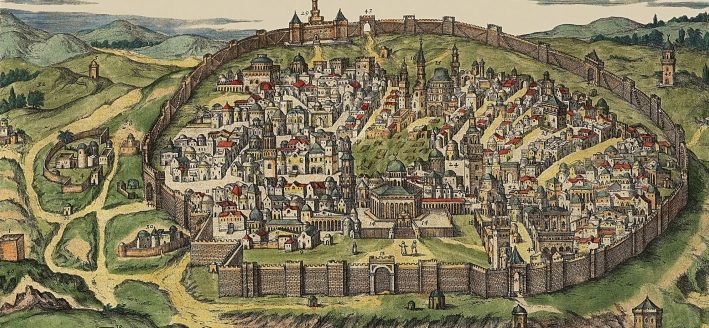
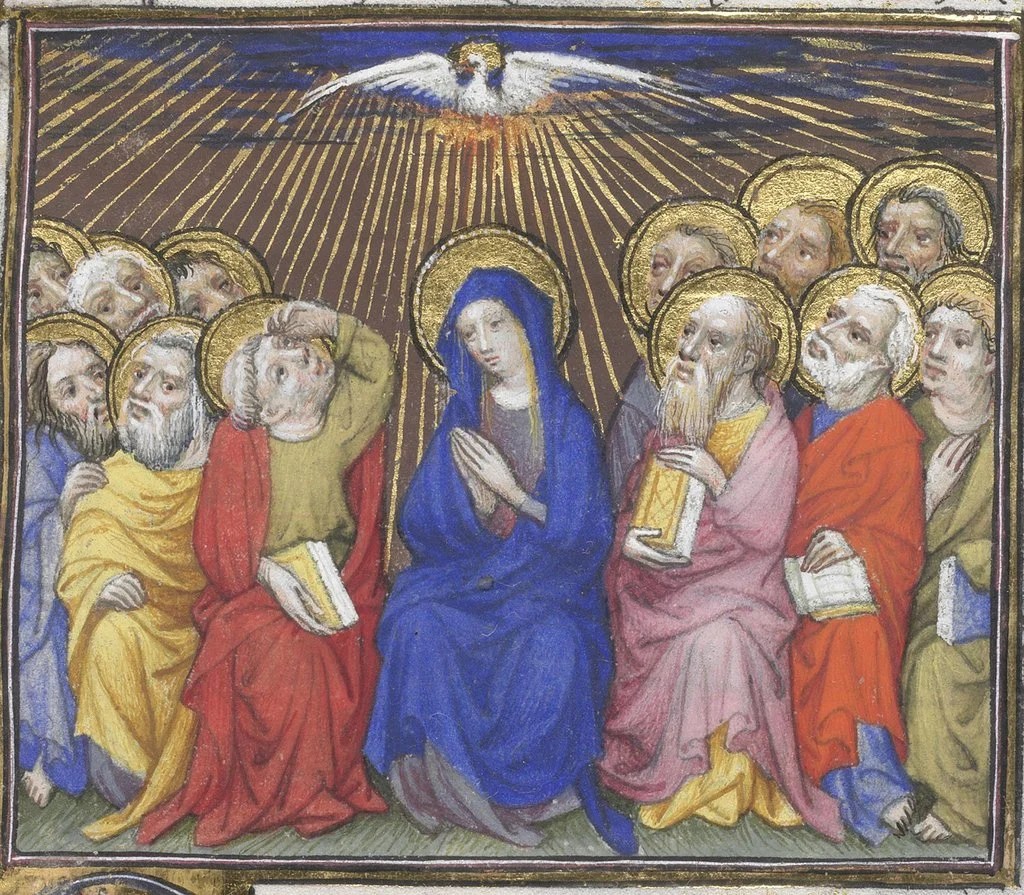
Pentecost is not the celebration of noise, emotion, or religious excitement. At its heart, Pentecost is the moment when frightened people become capable of hope again. The disciples are not introduced to us as spiritual heroes ready to conquer the world. They are gathered behind closed doors. Waiting. Hesitant. Vulnerable. Still carrying the memory of failure, fear, and confusion. And it is precisely there — not in strength, but in weakness — that the Holy Spirit descends. That detail matters. Because many people quietly imagine that God comes only to the already strong, the already certain, the already holy. But Pentecost reveals something different: the Spirit of God enters locked rooms. He enters fearful hearts. He enters exhausted lives. The apostles do not first transform themselves and then receive the Spirit; the Spirit is what begins their transformation. And what changes first is not their personality, but their courage. Until Pentecost, the disciples are mostly concerned with protecting themselves. After Pentecost, they become capable of speaking, serving, suffering, forgiving, building communion, and carrying the Gospel beyond the limits of their own fear. The Spirit does not erase their humanity; He enlarges it. Perhaps that is why Pentecost remains so important for the Church now. Ours is also an age of closed doors: isolation, anxiety, ideological division, exhaustion, distrust, endless distraction. Many people live externally connected and internally alone. And yet the Gospel insists that God still knows how to enter rooms we ourselves no longer know how to open. The symbol of fire is also deeply important. Fire gives light, but it also purifies. The Holy Spirit comforts, but He also unsettles. He burns away illusions, superficiality, pride, and the false securities we cling to. Real spiritual life is not simply feeling inspired for a moment; it is allowing God to slowly reshape the heart from within. And perhaps the most beautiful part of Pentecost is this: the Spirit does not descend upon isolated individuals scattered in different places. He descends upon a community. Christianity is never merely private spirituality. The Spirit creates the Church. He gathers. He unites. He teaches believers how to remain together even across differences, cultures, wounds, and weaknesses. That is why Pentecost is still happening wherever fearful people begin to trust God again, wherever forgiveness becomes possible, wherever faith survives exhaustion, wherever hearts reopen to grace, and wherever the Church continues — despite all human weakness — to proclaim that Christ is alive •
Few hymns in the history of Christianity have accompanied the life of the Church as deeply as the Veni Creator Spiritus. Traditionally attributed to the 9th-century Benedictine monk and theologian Rabanus Maurus, the hymn has been sung for centuries at moments of special importance: Pentecost, ordinations, papal elections, councils, and the opening of academic years. Its words are simple yet profound — a prayer asking the Holy Spirit to come, enlighten, strengthen, heal, and renew the hearts of believers. More than sacred music, the Veni Creator Spiritus is the voice of the Church invoking the presence of God before every great mission and every new beginning •

St. Joseph Catholic Church (Dilley, TX) • Weekend Schedule

Fr. Agustin Estrada (Parish Administrator)
Saturday, May 23, 2026
2.00 p.m. Firt Communion Mass
5.00 p.m. Sacramento de la Confesión
6.00 p.m. Santa Misa.
Sunday, May 24, 2026
8.00 a.m. Sacrament of Reconciliation
8.30 a.m. Holy Mass.
10.30 p.m. Sacrament of Reconciliation.
11.00 a.m. Holy Mass.
Domingo de Pentecostes (2026)
Ven, Dios Espíritu Santo,
y envíanos desde el cielo
tu luz, para iluminarnos.
Ven ya, padre de los pobres,
luz que penetra en las almas,
dador de todos los dones.
Fuente de todo consuelo,
amable huésped de alma,
paz en las horas de duelo.
Eres pausa en al trabajo;
brisa, en un clima de fuego;
consuelo, en medio del llanto.
Ven, luz santificadora,
y entra hasta el fondo del alma
de todos los que te adoran.
Sin tu inspiración
divina los hombres nada
podemos y el pecado nos domina.
Lava nuestras inmundicias,
fecunda nuestras desiertos
y cura nuestras heridas.
Doblega nuestra soberbia,
calienta nuestras frialdad,
endereza nuestras sendas.
Concede a aquellos que ponen
en ti su fe y su confianza
tus siete sagrados dones.
Danos virtudes y méritos,
danos una buena muerte
y contigo el gozo eterno.
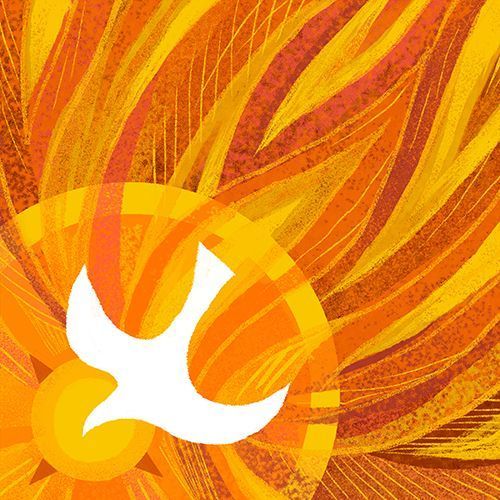
Hay oraciones de la Iglesia que parecen escritas no solamente para ser rezadas, sino para ser habitadas lentamente. La secuencia de Pentecostés es una de ellas. No habla desde la arrogancia espiritual de quien cree tener la vida resuelta, sino desde la conciencia humilde de nuestra fragilidad. “Sin tu inspiración divina los hombres nada podemos.” Qué frase tan contraria al espíritu de nuestro tiempo. Vivimos rodeados de mensajes que nos repiten constantemente que basta con creer en nosotros mismos, producir más, controlar más, demostrar más. Y, sin embargo, el corazón humano sigue cansándose, enfriándose, perdiéndose. La liturgia de Pentecostés nos recuerda algo esencial: hay heridas que no se curan solo con fuerza de voluntad; hay vacíos interiores que no se llenan con distracción; hay desiertos del alma donde solamente Dios puede hacer brotar vida. Por eso la oración llama al Espíritu Santo “amable huésped del alma”. No un invasor. No una fuerza violenta. Un huésped. Dios entra con delicadeza donde muchas veces nosotros vivimos llenos de ruido, prisas y defensas interiores. Y quizá una de las frases más hermosas sea aquella que pide al Espíritu ser “pausa en el trabajo; brisa, en un clima de fuego; consuelo, en medio del llanto.” Porque describe exactamente lo que tantos necesitan hoy: no escapar de la vida, sino encontrar dentro de ella un lugar de descanso interior. Pentecostés no promete una existencia sin problemas. Promete algo más profundo: la presencia de Dios en medio del cansancio humano. El Espíritu Santo no elimina mágicamente nuestras luchas, pero sí puede transformar lentamente el corazón, ablandar la soberbia, calentar la frialdad, sanar heridas antiguas y volvernos capaces de amar mejor. Tal vez por eso esta antigua oración sigue siendo tan actual. Porque, al final, el ser humano continúa necesitando exactamente lo mismo: luz para no perderse, consuelo para no endurecerse y gracia para no olvidar que, sin Dios, el alma termina secándose por dentro •
Aunque esta versión de Ven, Espíritu Divino pertenece al mundo de la música católica contemporánea, conserva algo muy valioso: el deseo sincero de convertir la oración de la Iglesia en una experiencia cercana y orante para la gente sencilla. La pieza toma la antigua secuencia de Pentecostés —uno de los textos más profundos y bellos de toda la liturgia— y la traduce a un lenguaje musical accesible, sereno y meditativo. No es canto gregoriano, ni pretende serlo. Pero eso no significa que no pueda ayudar auténticamente a la oración. La tradición musical de la Iglesia es inmensa y preciosa, pero también hay espacio para expresiones nuevas que, sin perder reverencia, ayuden a muchas personas a abrir el corazón a Dios. Y cuando una música logra despertar deseo de oración, silencio interior y hambre de la presencia del Espíritu Santo, entonces ya está realizando algo profundamente cristiano •

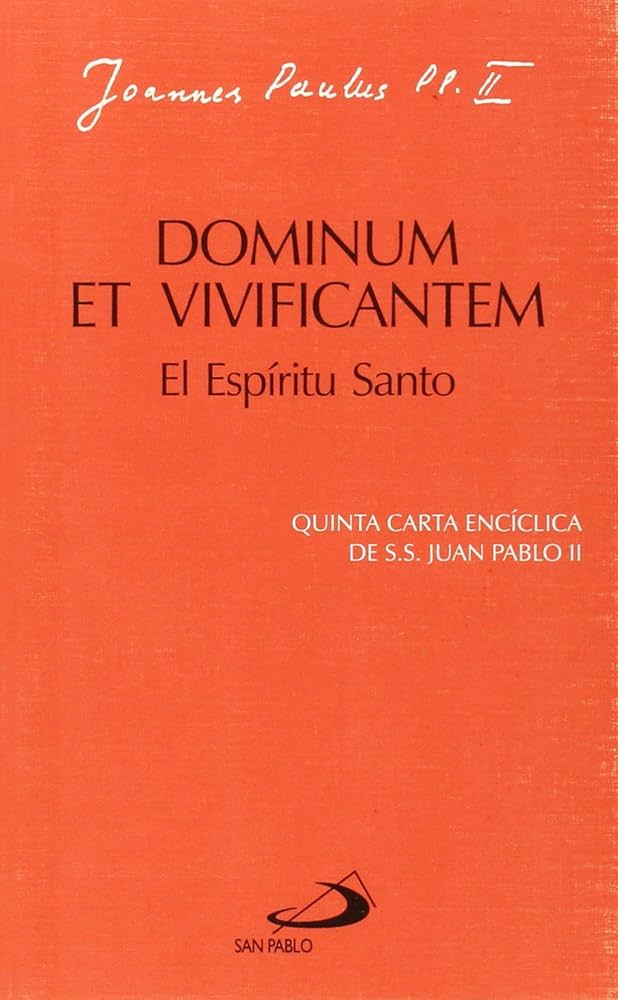
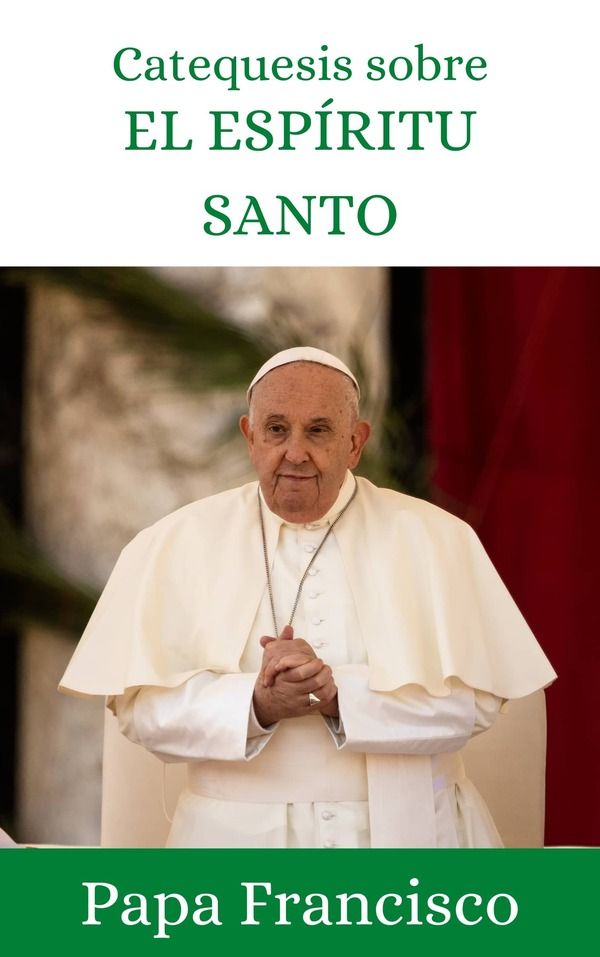
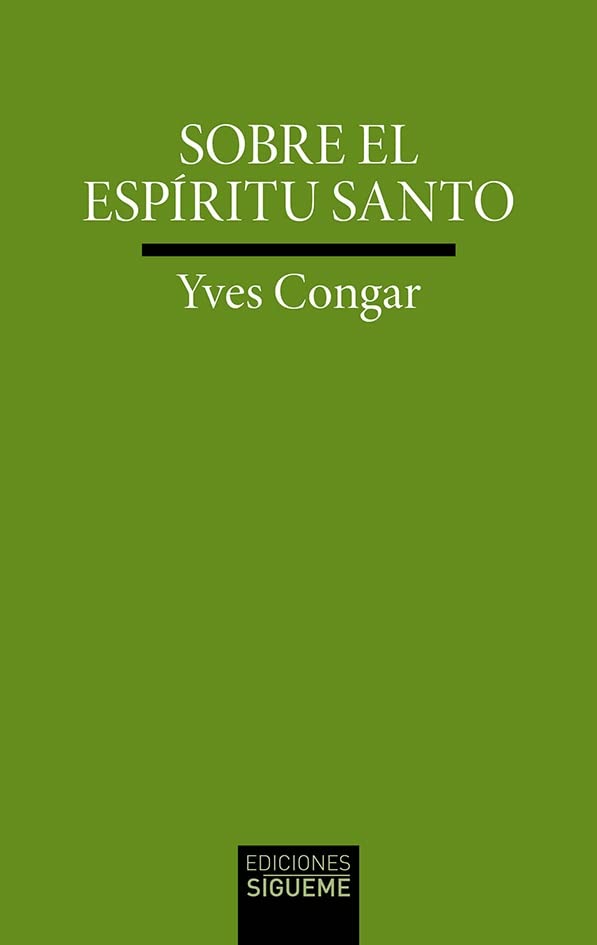
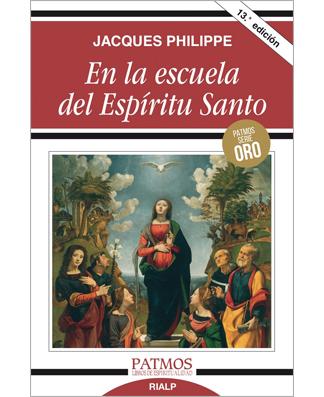
¿Qué lees estos días?
Eres Tú (1973)
Como una promesa eres tú, eres tú
Como una mañana de verano
Como una sonrisa eres tú, eres tú
Así, así eres tú
Toda mi esperanza eres tú, eres tú
Como lluvia fresca en mis manos
Como fuerte brisa eres tú, eres tú
Así, así eres tú
Eres tú como el agua de mi fuente
Eres tú el fuego de mi hogar
Eres tú como el fuego de mi hoguera
Eres tú el trigo de mi pan
Como mi poema eres tú, eres tú
Como una guitarra en la noche
Todo mi horizonte eres tú, eres tú
Así, así eres tú
Eres tú como el agua de mi fuente
Eres tú el fuego de mi hogar
Eres tú como el fuego de mi hoguera
Eres tú el fuego de mi hogar
Eres tú como el agua de mi fuente
Escrita en 1973 como una canción de amor humano e interpretada por Mocedades, Eres Tú siempre me ha parecido que su lenguaje toca accidentalmente algo profundamente espiritual. Las imágenes de agua, fuego, brisa, hogar, esperanza y pan recuerdan continuamente los símbolos con los que la Biblia describe la acción del Espíritu Santo. El Espíritu es precisamente eso: agua que da vida, fuego que transforma, viento que impulsa, presencia que sostiene el hogar interior del alma. Quizá por eso la canción conserva una extraña capacidad de conmover incluso después de tantos años. Sin proponérselo explícitamente, termina rozando una intuición muy cristiana: que hay una Presencia capaz de llenar silenciosamente todo el horizonte de la vida humana •

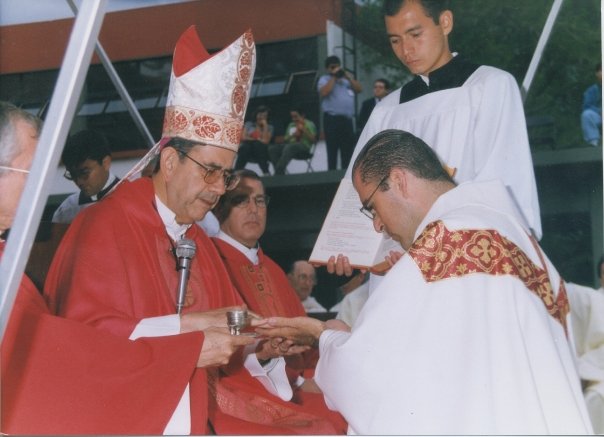
Querido lector: quien escribe estas líneas fue ordenado sacerdote un domingo como hoy hace ya 26 años. Si has llegado hasta aquí, te pido humildemente una oración: que el Espíritu Santo siga soplando sobre mi vida y mi sacerdocio, para que Cristo —y no yo— sea siempre quien ilumine, consuele y guíe al pueblo que me ha sido confiado. Que nunca falte su gracia allí donde mis fuerzas son pequeñas • AE
 LA MEDITACION DE LA ESPOSA