

A. Milton, Husband and Wife (1945), oil on canvas, Wadsworth Atheneum, Hartford, Connecticut.
We live in a culture that constantly tells us to put ourselves first. Follow your dreams. Protect your interests. Do what makes you happy. Build the life you want. There is some truth in these instincts, but the Gospel proposes something far more demanding—and far more beautiful. Jesus tells His disciples that whoever seeks to save his life will lose it, and whoever loses his life for His sake will find it. At first, those words sound like a contradiction. Yet anyone who has loved deeply knows exactly what He means. Parents lose sleep for their children. Friends sacrifice time for one another. Husbands and wives give themselves daily in countless hidden ways. Love always involves a kind of losing. A surrender. A gift of self. And yet, strangely, those are often the moments when life feels most meaningful. Jesus is not asking us to despise our families or ignore our responsibilities. He is asking us to place Him at the center so that every other love finds its proper place. When Christ comes first, we become better fathers and mothers, better sons and daughters, better friends and neighbors. The Gospel ends with an image that is easy to overlook: a simple cup of cold water offered to one of Christ’s little ones. No grand gesture. No dramatic achievement. Just an act of kindness done for love of Him. The kingdom of God is built in precisely that way. Not only through heroic sacrifices, but through ordinary acts of generosity offered day after day. In the end, the life we cling to slips through our fingers. The life we give away in love becomes the life we truly find •
Written in the nineteenth century by Fr. William Faber, Jesus, My Lord, My God, My All is one of the great English hymns of Eucharistic devotion. Its simple and heartfelt language expresses the desire of every Christian heart: to place Christ above all things and to find in Him life’s true treasure •

St. Joseph Catholic Church (Dilley, TX) • Weekend Schedule

Fr. Agustin E. (Parish Administrator)
Saturday, June 27, 2026
5.00 p.m. Sacramento de la Confesión
6.00 p.m. Santa Misa.
Sunday, Juune 28, 2026
8.00 a.m. Sacrament of Reconciliation
8.30 a.m. Holy Mass.
10.30 a.m. Sacrament of Reconciliation.
11.00 a.m. Holy Mass.
1.00 p.m. Sacrament of Matrimony for Martin & Ivonne
XIII Domingo del Tiempo Ordinario (Ciclo A)
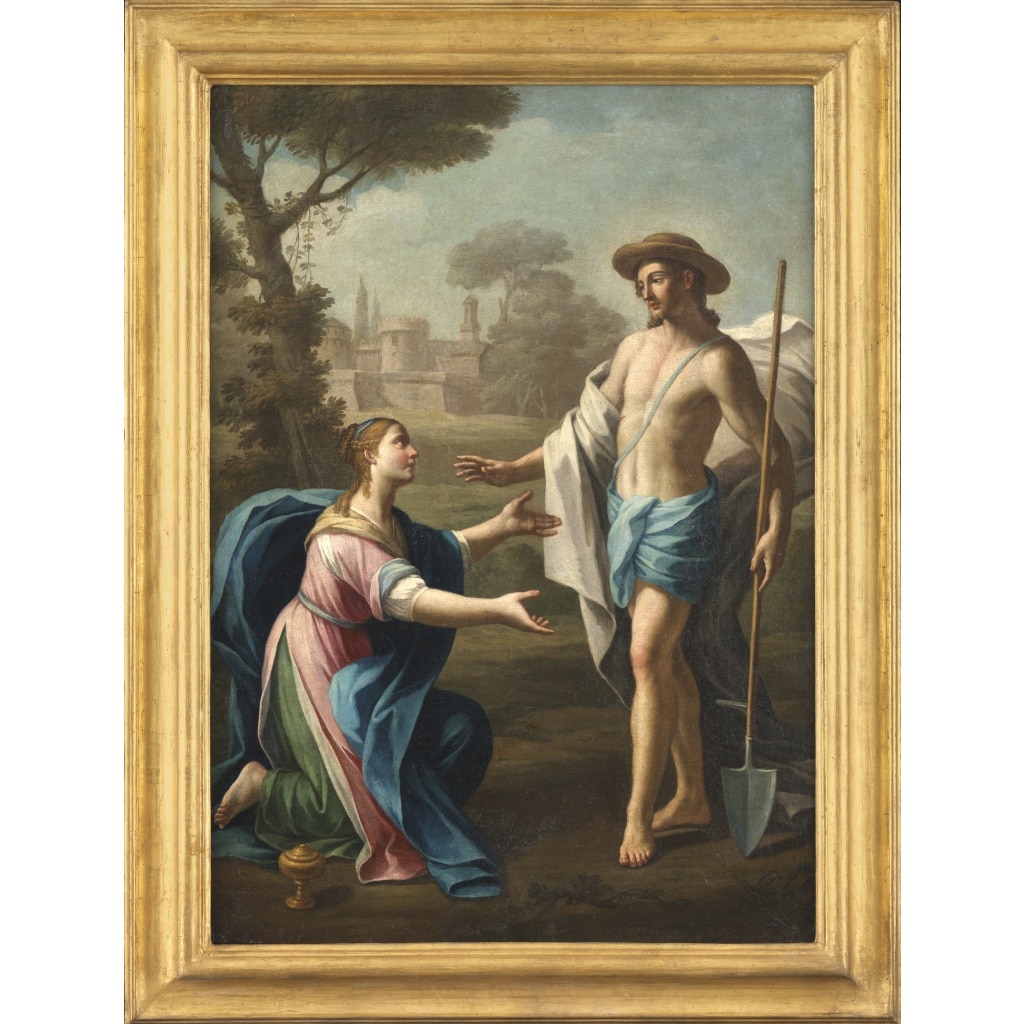
C. Maratta, Noli me tangere , óleo sobre lienzo, siglo XVII; conservado y expuesto por el histórico Mercado Biron, en el Marché aux Puces de Saint-Ouen, París.
Hay una pregunta que casi nadie formula en voz alta, pero que todos nos hacemos alguna vez: ¿qué es lo más importante de mi vida? No aquello a lo que dedico más tiempo. No aquello que más me preocupa. Sino aquello que, si lo perdiera, sentiría que todo lo demás pierde sentido. El Evangelio de este domingo nos invita precisamente a mirar ahí. Jesús no compite con nuestros afectos; los pone en orden. Porque el corazón humano tiene una extraña tendencia a convertir en absoluto lo que es bueno: la familia, el trabajo, los proyectos, incluso las personas que más amamos. Y cuando eso sucede, tarde o temprano llega la decepción. Ninguna persona puede sostener el peso de convertirse en nuestro dios. Ningún éxito puede llenar por completo el corazón. Ninguna seguridad dura para siempre. Por eso Cristo nos llama primero hacia Él. No para quitarnos algo, sino para liberarnos. Liberarnos de la necesidad de poseer, de controlar, de aferrarnos. El resultado no es una vida más pobre, sino más amplia. Quien vive centrado en sí mismo acaba encerrado en sí mismo. Quien vive para Cristo descubre que el mundo entero se convierte en un lugar de encuentro y de servicio. Por eso el Evangelio termina hablando de hospitalidad, de acogida y de un simple vaso de agua fresca. Es una imagen preciosa. Al final, la fe cristiana no consiste solamente en creer ciertas verdades, sino en aprender a reconocer a Cristo que llega disfrazado de visitante, de vecino, de pobre, de enfermo, de amigo o de desconocido. Y muchas veces, las decisiones que más cuentan para la eternidad tienen la sencillez de un vaso de agua ofrecido con amor •
Jesús Amoroso es uno de los himnos más queridos de la tradición católica hispana. Con un lenguaje sencillo y profundamente afectivo, expresa la confianza del creyente en el amor misericordioso de Cristo y el deseo de corresponder a ese amor con una vida de fe, entrega y fidelidad •

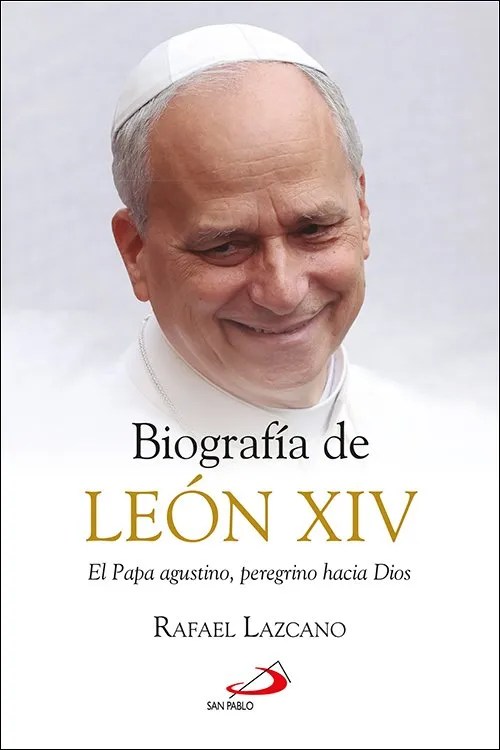
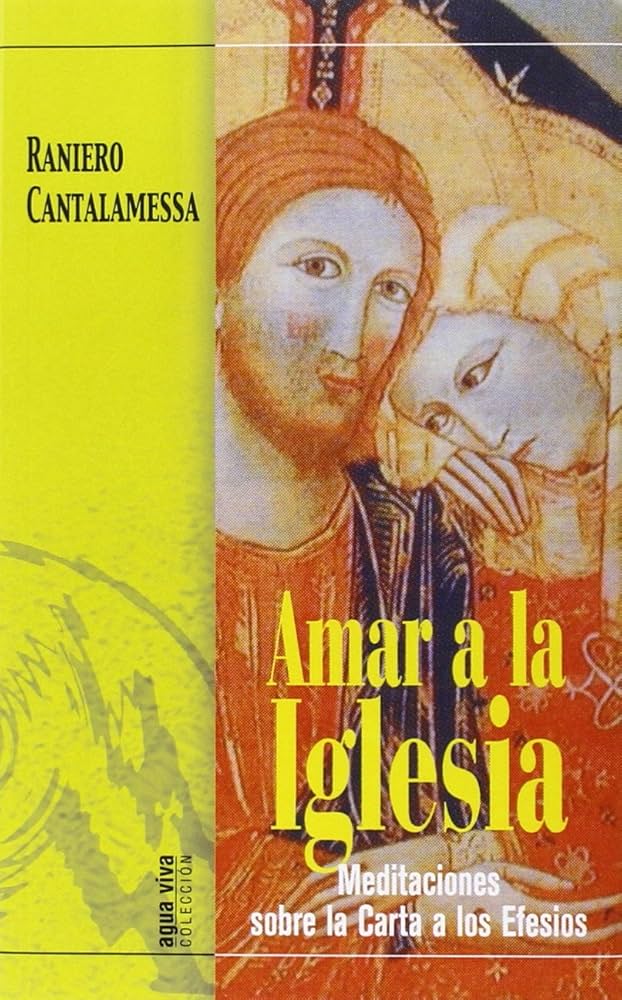
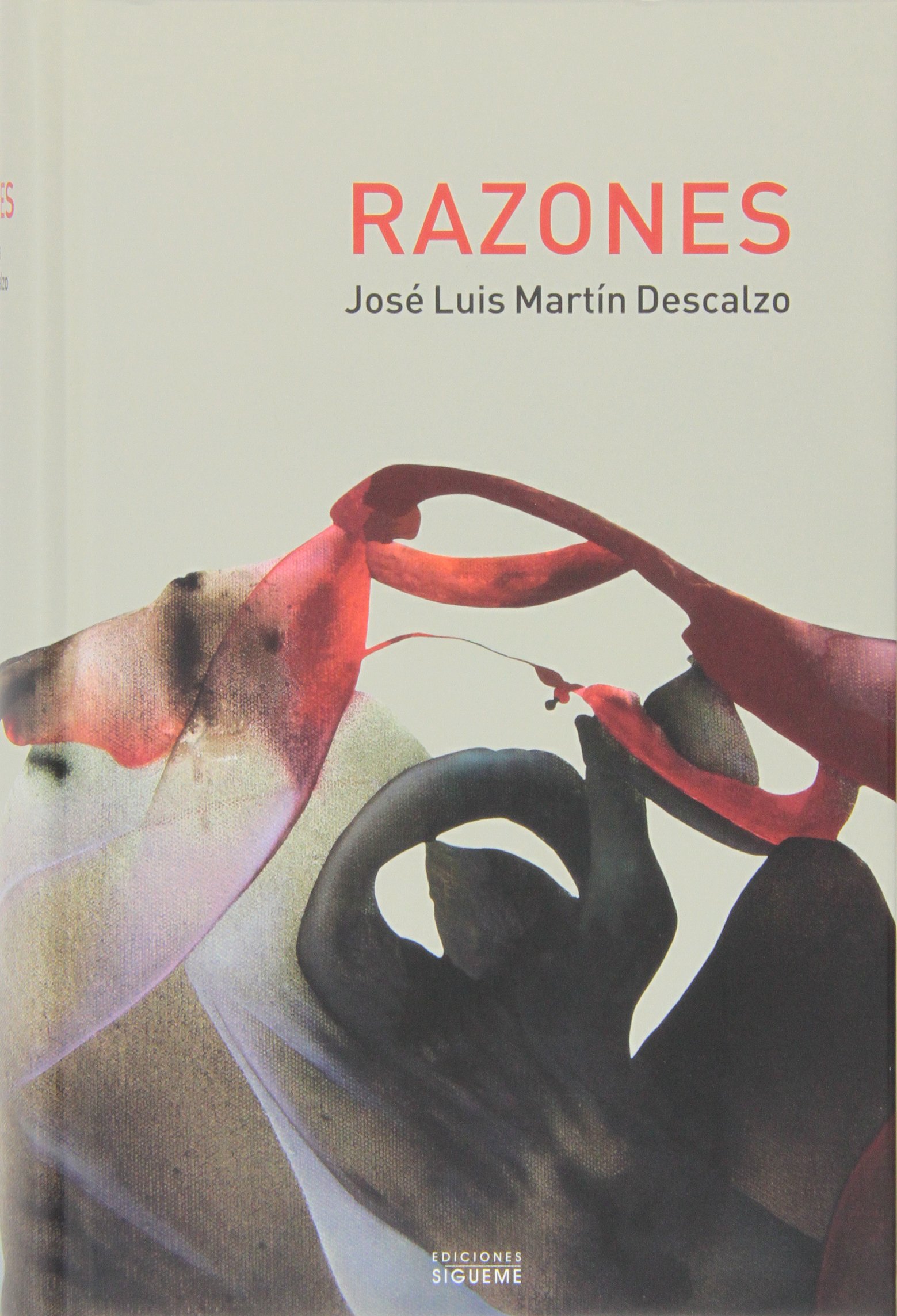
(aLGuNAs) Lecturas para el Verano

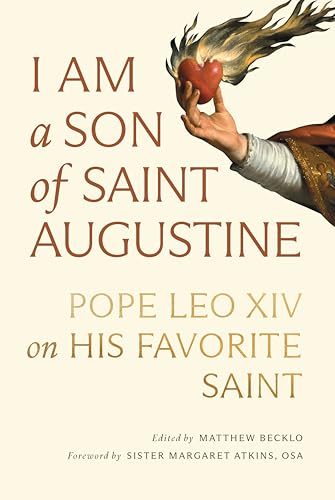

Two Hundred and Fifty Years of Grace

Lord of ages, Lord of light,
Guide our nation in Your sight.
Through the years Your hand has led,
Giving daily grace and bread.
Bless this land from sea to sea,
Keep her strong in charity.
Teach our hearts to seek the good,
Joined in peace and brotherhood.
When we wander, be our guide;
When divided, stay beside.
May our hope and trust remain
Not in power, wealth, or gain,
But in Christ, whose truth endures,
And whose Sacred Heart is ours.
Amen.

 LA MEDITACION DE LA ESPOSA