Some requests are born of quiet awe. Like the moment when a disciple, watching Jesus at prayer, simply says: “Lord, teach us to pray.” He doesn’t ask for a miracle, a sign, or a deep teaching. He just wants to learn how to pray —like that. Because watching Jesus pray, he intuits something deeper than words: prayer is the heart of his life, his strength, his refuge, his secret joy. And Jesus doesn’t respond with a system, a theory, or a mystical technique. He just says: “When you pray, say: Father.” That’s it. Just that one word —Father— and everything unfolds. No fancy phrases. No complicated instructions. The starting point of all Christian prayer is not eloquence, but relationship. The one who prays as Jesus did, prays as a child: freely, confidently, with trust that the Father is not a distant ruler, but a loving presence who always listens. That’s why Jesus tells a little story about someone knocking at midnight, asking for bread. Not to show that God is reluctant to help, but to say: don’t stop asking. Not because God is hard to persuade, but because prayer changes us. It matures our desire. It purifies our motives. It draws us deeper into communion. Most of all, it teaches us that the greatest gift is not what we ask for —but the very Spirit of God.
The real miracle of prayer is not getting what we want, but learning to want what God gives. Not changing God’s mind, but letting God reshape ours. “What father,” Jesus says, “would give his child a snake instead of a fish?” The answer is obvious. And if we, who are flawed, still know how to give good gifts, how much more will our heavenly Father give the Holy Spirit to those who ask? Maybe that’s what prayer is really about: not fixing things, but receiving the Spirit. Not controlling the outcome, but learning to dwell in trust. Not escaping reality, but entering it with open eyes and a hopeful heart. Music can open that space too. Maurice Duruflé’s Pater Noster, based on the solemnity of Gregorian chant, doesn’t try to impress. It simply rises —quietly, reverently— like a whispered “Father” in the stillness of night. And literature, too, can carry us there. In Middlemarch, George Eliot writes, “Prayer is the strongest thing a man can do.” And she’s right. True prayer is never passive. It’s the soul’s way of standing firm —in suffering, in beauty, in longing— trusting that God is near, and still at work. So maybe the most honest, most human, most powerful prayer we can offer is still the same: Lord, teach us to pray. And stay with us as we learn • AE
St. Joseph Catholic Church (Dilley, TX) • Weekend Schedule
Fr. Agustin E. (Parish Administrator)
Saturday, July 26, 2025.
5.00 p.m. Sacramento de la Confesión
6.00 p.m. Santa Misa.
Sunday, July 27, 2025
8.00 a.m. Sacrament of Reconciliation
8.30 a.m. Holy Mass.
10.30 p.m. Sacrament of Reconciliation.
11.00 a.m. Holy Mass.
XVII Domingo del Tiempo Ordinario (Ciclo C)
Hay peticiones que nacen de una intuición silenciosa, como la de aquel discípulo que vio a Jesús rezando y se atrevió a decir: “Señor, enséñanos a orar”. No le pidió un milagro, ni una enseñanza espectacular. Le pidió aprender a entrar en el corazón mismo de Jesús. Porque al verlo orar, comprendió —quizá sin palabras— que la oración era el secreto de su vida, su fuente, su alimento, su casa. Jesús no responde con teorías ni con normas. Dice simplemente: “Cuando oren, digan: Padre”. Y en esa palabra está todo. No un título genérico, sino una relación. No una fórmula mágica, sino un vínculo. No hay oración cristiana sin filiación. El que ora como Jesús lo hizo, ora como hijo. Ora con confianza, con ternura, con la libertad de quien sabe que el Padre no juega a esconderse, ni a castigar, ni a manipular. Solo sabe amar. Por eso el Padre no es presentado como un juez severo ni como un amo poderoso, sino como alguien que escucha incluso de noche, aunque ya esté con la puerta cerrada y los hijos acostados. Jesús nos invita a insistir, no porque Dios sea difícil de convencer, sino porque la insistencia nos transforma. Perseverar en la oración es dejar que el deseo madure. Es aceptar que no todo se resuelve enseguida, y que muchas veces lo que necesitamos no es que cambie el mundo, sino que cambie nuestro corazón. Ese es el verdadero milagro de la oración: no que Dios haga nuestra voluntad, sino que nosotros entremos en la suya. No que las cosas salgan como queremos, sino que aprendamos a vivir en clave de confianza. “¿Qué padre le daría a su hijo una serpiente cuando pide un pez?”, pregunta Jesús. Y la respuesta es tan clara que no necesita explicación. Dios no da cosas peligrosas cuando le pedimos lo bueno. Pero su mayor regalo no es el pan ni la salud ni la solución inmediata. Su mayor regalo es el Espíritu. El Espíritu que consuela, que guía, que purifica, que sostiene. Tal vez por eso, cuando ya no sabemos qué pedir, o cómo seguir, lo más cristiano que podemos hacer es repetir esa súplica sencilla y luminosa: Señor, enséñanos a orar. No para decir cosas bonitas, ni para lograr efectos, sino para aprender a estar. A confiar. A vivir como hijos. La música también puede ayudarnos a entrar en esa clave. Pienso en el Pater Noster de Arvo Pärt, con su sobriedad casi monástica y su línea melódica inspirada en el canto gregoriano. No busca impresionar, sino elevar. Como quien susurra “Padre” en medio del silencio, sabiendo que el verdadero milagro ocurre en lo escondido. Y en la literatura, esta escena evangélica recuerda una frase inolvidable de George Eliot en Middlemarch: “La oración es lo más fuerte que un hombre puede hacer.” En una novela llena de tensiones humanas, Eliot intuye que la oración no nos aleja del mundo, sino que nos ancla en él con mayor compasión. El que ora, no evade la realidad: la atraviesa con los ojos abiertos • AE
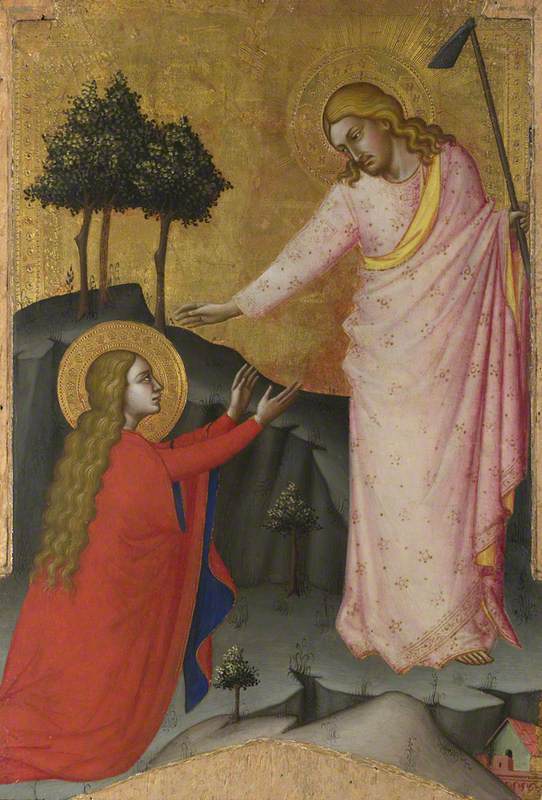
Llorabas tú, al umbral del sepulcro abierto, el alba aún velaba la mañana, y el huerto —como el alma— era una arcana soledad donde Dios ya estaba despierto.
Llorabas tú, sin miedo ni desierto, buscando al que encendió tu fe temprana, y al ver al que creíste un simple hortelano, ¡la voz del Maestro te llamó por dentro!
“¡María!”, dijo. Y todo se hizo canto. Tu nombre fue el umbral de la victoria, primicia del Amor, testigo santo.
Tu gozo fue la antífona de la historia: la Pascua comenzó con tu quebranto, y el alba fue el primer rumor de gloria •
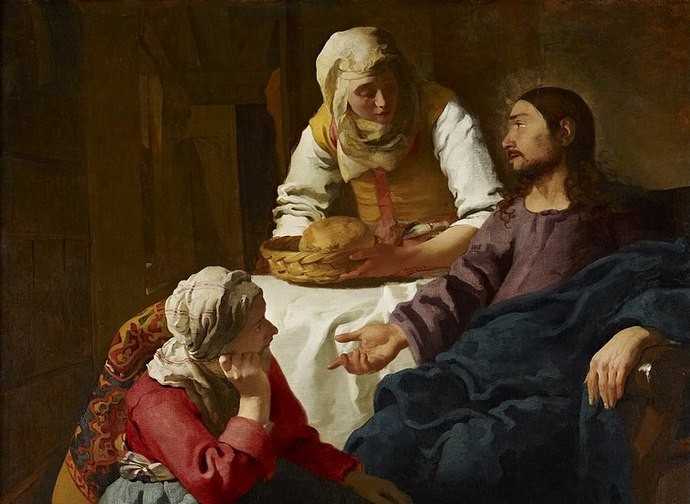
J. Vermeer, Christ with Martha and Mary (1655), oil on canvas, Scottish National Gallery, Edinburg.
Martha is not wrong to serve. But somewhere along the way, service became noise. Worry overtook presence. She forgot that the Guest she was trying to please had already come to bring peace, not performance. Mary, instead, does something radical. She stops. She listens. She chooses stillness — not to escape, but to receive. In one of her lesser-known poems, Christian poet Anne Porter writes:
“It is only in quietness that the Word can be heard.”
There’s a reason the Gospels often show Jesus withdrawing to the mountain or the sea. Not because He fled the world, but because love needs silence to deepen. Without that silence, even our best efforts turn frantic, self-referential, breathless. We all know what it feels like to be Martha — efficient, needed, exhausted. But the Gospel is not a call to choose between doing and being. It is a call to let our doing be rooted in being with Christ. “Only one thing is necessary,” says Jesus. And that one thing is not a task. It’s a presence. This week, try to stop — even for five minutes — and be still before Him. No agenda. No spiritual acrobatics. Just His gaze… and your heart. Let me suggest a soundtrack for that moment: La Pioggia by the Japanese composer Joe Hisaishi (from Piano Stories II). It’s not “sacred music” in the formal sense, but it opens a space — like Mary did — for something sacred to happen • AE
St. Joseph Catholic Church (Dilley, TX) • Weekend Schedule
Fr. Agustin E. (Parish Administrator)
Saturday, July 19, 2025.
5.00 p.m. Sacramento de la Confesión
6.00 p.m. Santa Misa.
Sunday, July 20, 2025
8.00 a.m. Sacrament of Reconciliation
8.30 a.m. Holy Mass.
10.30 p.m. Sacrament of Reconciliation.
11.00 a.m. Holy Mass.
XVI Domingo del Tiempo Ordinario (Ciclo C)
Doménikos Theotokópoulos, El Greco, Santa Verónica con el velo de Cristo (1585), Óleo sobre lienzo, Museo de Santa Cruz, Toledo (España)
Jesús no le reprocha a Marta que sirva. Le reprocha que se haya perdido en el ruido. Que su servicio se haya desconectado de la presencia. Que el activismo la haya robado del encuentro. En cambio, María se sienta. No por pereza, sino porque ha comprendido que la única urgencia es el rostro de Cristo. Esto lo intuyó también Georges Bernanos en su Diario de un cura rural. Allí, el joven sacerdote, rodeado de indiferencia, enfermedad y fatiga, anota una frase que arde como una herida: “Todo es gracia.” Gracia es poder sentarse, cuando todo empuja a correr. Es poder escuchar, cuando todo grita. Es quedarse a los pies de Cristo, incluso cuando uno no entiende, ni puede, ni sabe qué decir. Hoy, muchos de nosotros somos Marta. Nos quemamos por cosas buenas. Pero nos falta detenernos. Volver al centro. Volver a Él. Jesús no desprecia nuestras obras. Pero sí que nos pregunta si recordamos para quién las hacemos. Esta semana podríamos detenernos un momento y escuchar con calma y atencion el precioso Stabat Mater de Luigi Boccherini. No es la música que encontraríamos en una gran catedral sino en un momento de recogimiento y oración; oración llena de ternura, como una madre delante del dolor. Escúchalo como María: no con los oídos solamente, sino con el alma. La imagen que ilustra esta entrada nos muestra a Santa Verónica con el velo donde ha quedado impreso el rostro del Señor. No hay paisaje. No hay drama narrativo. Solo un rostro. Solo Cristo. Cristo es todo. Todo el consuelo. Toda la belleza. Toda la verdad. El arte, la compasión, la fe… todo converge en ese rostro. Quien lo mira con el corazón, no necesita nada más • AE
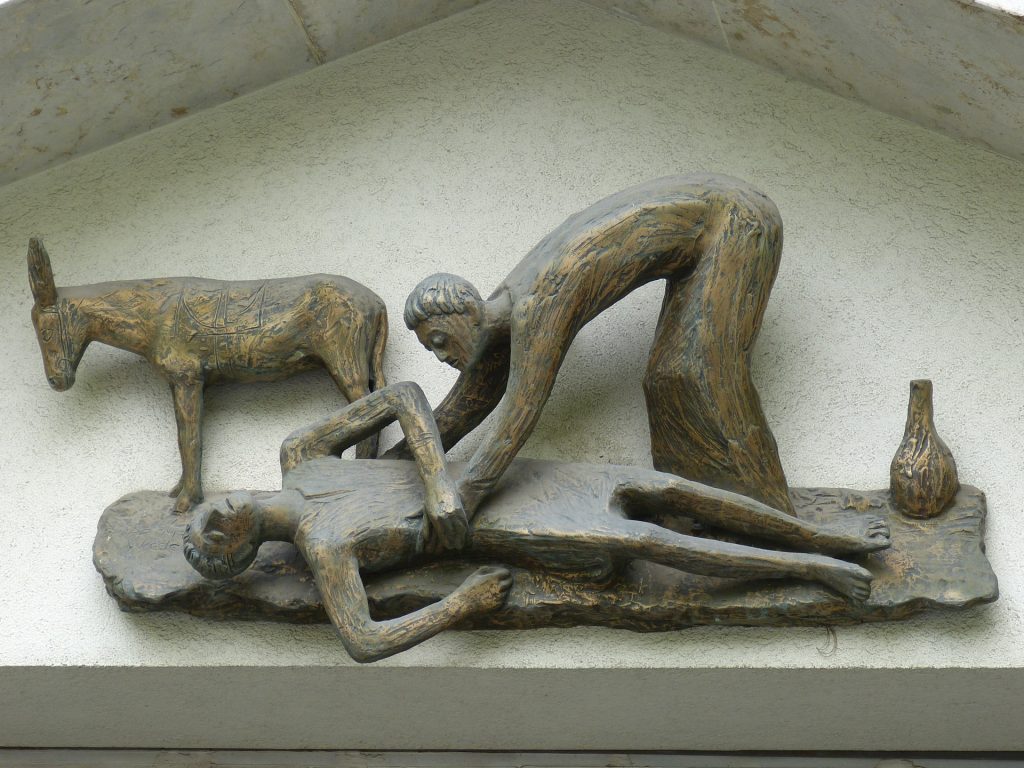
What must I do to inherit eternal life? This question, posed by a scholar of the law, is not a casual inquiry. It is the question—burning in the heart of every serious believer. But Jesus, as he often does, answers with another question. He wants not just to be understood, but to be encountered. The parable that follows—of the Good Samaritan—is not merely about kindness. It is about mercy that crosses boundaries, mercy that inconveniences itself, mercy that takes risks and refuses to look away. The priest and the Levite are not monsters; they are just… preoccupied. Respectable. Cautious. But the Samaritan, the foreigner, the “heretic,” sees—and is moved. This Gospel always calls to mind a line from Les Misérables by Victor Hugo, where Bishop Myriel says: “To love or have loved, that is enough. Ask nothing further. There is no other pearl to be found in the dark folds of life.” Like the bishop who shelters the fugitive Jean Valjean, the Good Samaritan loves first, without calculation. For reflection this week, I suggest listening to Arvo Pärt’s Cantus in Memory of Benjamin Britten. The tolling bell and mournful strings evoke the dignity of every wounded traveler and the solemn beauty of mercy in action. This music does not rush—it waits, accompanies, and gently transforms. Jesus’ final command is not complex: “Go and do likewise.” The path to eternal life is not hidden. It lies at our feet, every time we dare to love beyond our limits • AE
St. Joseph Catholic Church (Dilley, TX) • Weekend Schedule
Fr. Agustin E. (Parish Administrator)
Saturday, July 12, 2025.
10.00 a.m. Marriage Preparation for Pablo & Daniela
5.00 p.m. Sacramento de la Confesión
6.00 p.m. Santa Misa.
Sunday, July 13, 2025
8.00 a.m. Sacrament of Reconciliation
8.30 a.m. Holy Mass.
XV Domingo del Tiempo Ordinario (Ciclo C)
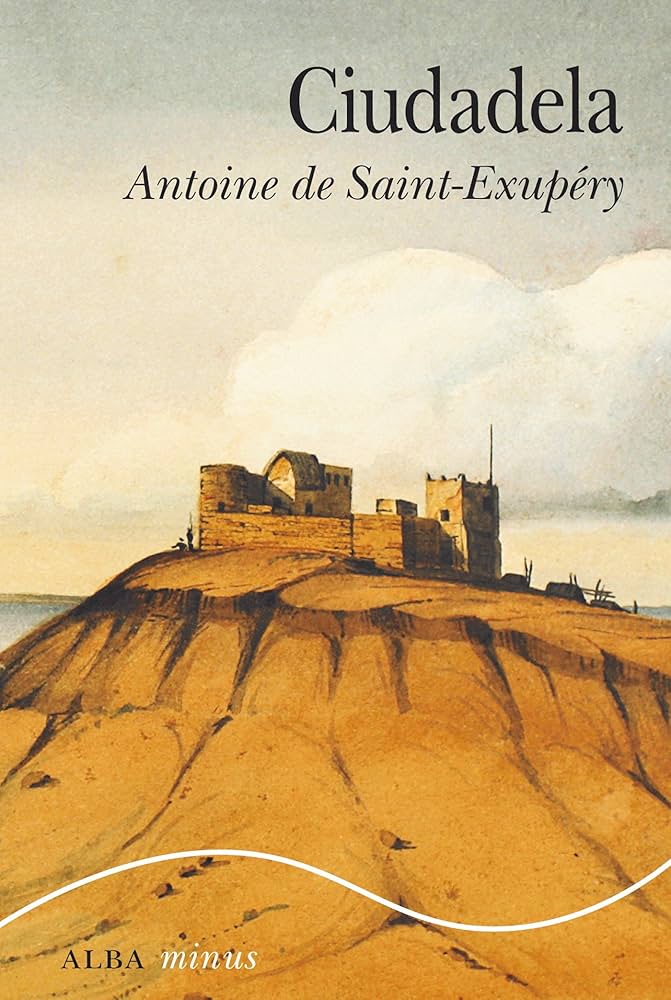
El Evangelio de este domingo no es una historia de buenos y malos. Es una historia sobre quién se detiene y quién sigue su camino. Porque el que sufre no necesita explicaciones ni excusas; necesita presencia. El sacerdote y el levita no son indiferentes por crueldad, sino por distracción, por miedo, por prioridades que consideran más “santas”. El samaritano, en cambio, interrumpe su viaje, ensucia sus manos, compromete su dinero, y se convierte en prójimo. En Ciudadela, Antoine de Saint-Exupéry escribe: “Cuando das de ti mismo, das lo que no se compra. No das pan, das el pan compartido.” Eso hizo el samaritano: no dio limosna, sino tiempo. No ofreció un gesto, sino un camino compartido. Cuidó las heridas, pagó el hospedaje, prometió volver. Ese tipo de amor tiene un peso que no se olvida fácilmente. Esta semana, mientras meditaba en este Evangelio, escuché “Abendlied” de Josef Rheinberger. Es una pieza coral breve, casi susurrada, que repite una sola súplica: “Bide with us, for evening falls…” Qué distinta suena esa súplica cuando uno ha sido golpeado por la vida. Qué honda cuando alguien, como el samaritano, decide quedarse un rato más. Jesús, que también se quedó aquella tarde con los que caminaban hacia Emaús, termina el relato del evangelio de este domingo con una orden clara: “Anda, y haz tú lo mismo.” No es poesía. Es el camino a la vida eterna. Amar sin esperar, detenerse sin cálculo, cargar con otro sin preguntar si lo merece o no • AE






















 LA MEDITACION DE LA ESPOSA