Twenty-eighth Sunday in Ordinary Time (Cycle A)

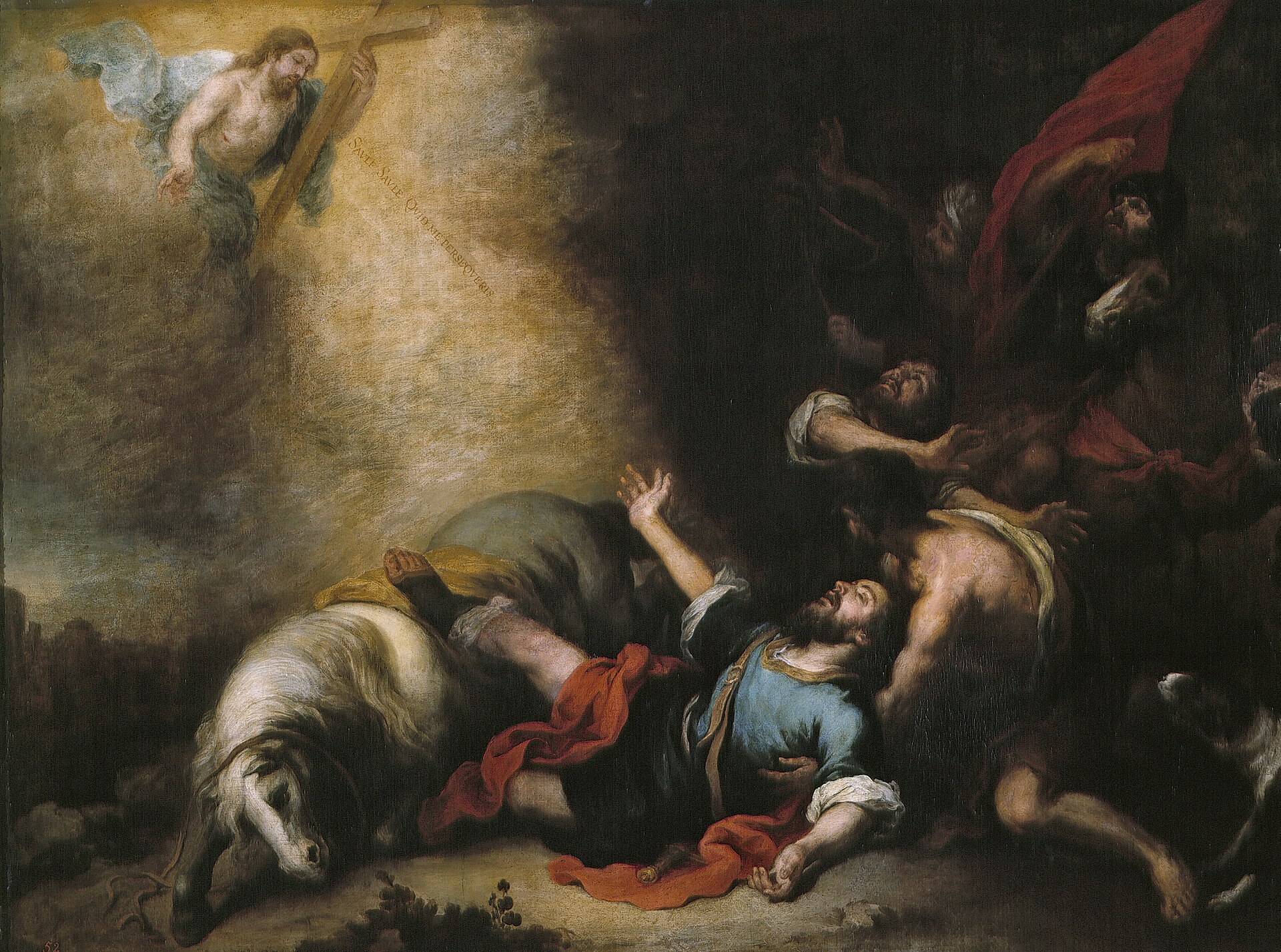
B. E. Murillo, Conversion of Paul the Apostle (1682), oil on canvas, Museo Nacional del Prado (Madrid)

In today’s second reading Paul is addressing his beloved Philippians. He is elated that they are concerned about his welfare, but he tells them not to worry about him. He knows how to live in poverty and how to enjoy abundance. He knows joy. He knows suffering. He also knows that he is not alone. He tells them that he can do all things in Him who strengthens him. And so can we. Our lives have a great deal in common with Paul’s life. There are times that we have joined with what the mob says is right. We have stood with Saul of Tarsus as St. Stephen was stoned. We kept quiet as people at work, or school, or in the neighborhood, perhaps even family members verbally attacked our Catholic Faith. In that way we participated in the stoning of Christianity. Or, perhaps, we let ourselves go, chose immorality, and then mocked those who were trying to live a decent life. Still, God does not give up on us. Ever. Sometimes he allows life to knock us to the ground, but then He calls us out of blindness into His Light. Maybe we suddenly realized that the main problem of our lives was within us, not around us. We call upon the Lord to heal us and guide us. Then we trust in Him, we trust Him to such a degree that we proclaim with Paul, «I can do all things in Him who strengthens me.» So, what exactly are we really called to do in life? What are our lives really about? The challenges of life, tension in our family, or your marriages, difficulties in school, or work, or lack of work, difficulties with friends and those who do not want our friendship, all those things that really irritate us; none of these are what life is about. Life is about Jesus Christ. Life is about proclaiming His Presence to a world that longs for Him. I can do this. We can do this. No matter what difficulties we might have, no matter what challenges we may need to overcome; we can do this. Here is what matters: Jesus Christ is what matters, or, more correctly, He is the One who matters.

We can live His Life and thereby have purpose in our lives. We can do this because He gives us His Life. We can do all things in Him who strengthens us. Jesus took a man named Saul, a man who murdered Jesus’ first followers, and transformed Saul into Paul, the great apostle of the early Church. The Lord transforms each of us. He takes each of us, with all our humanity, with all our weakness, and He uses us to make Him present for others. There is nothing that matters that we cannot do with Him. I, we, can do all things in Him who strengthens us • AE


More books and Autumn


St. Dominic Catholic Church

Weekend Schedule

Saturday October 14, 2023

3.00 p.m. Sacrament of Reconciliation – Fr. Jaime P.

5.00 p.m. Holy Mass – Fr. Jaime P.

Sunday October 15, 2023

7.30 a.m. Holy Mass – Fr. Jaime P.

10.00 a.m. Holy Mass – Fr. Jaime P.

12,30 p.m. Holy Mass – Fr. Lambert Billy

3.00 p.m. Santa Misa – P. Isidro García


XXVIII Domingo del Tiempo Ordinario (Ciclo A)
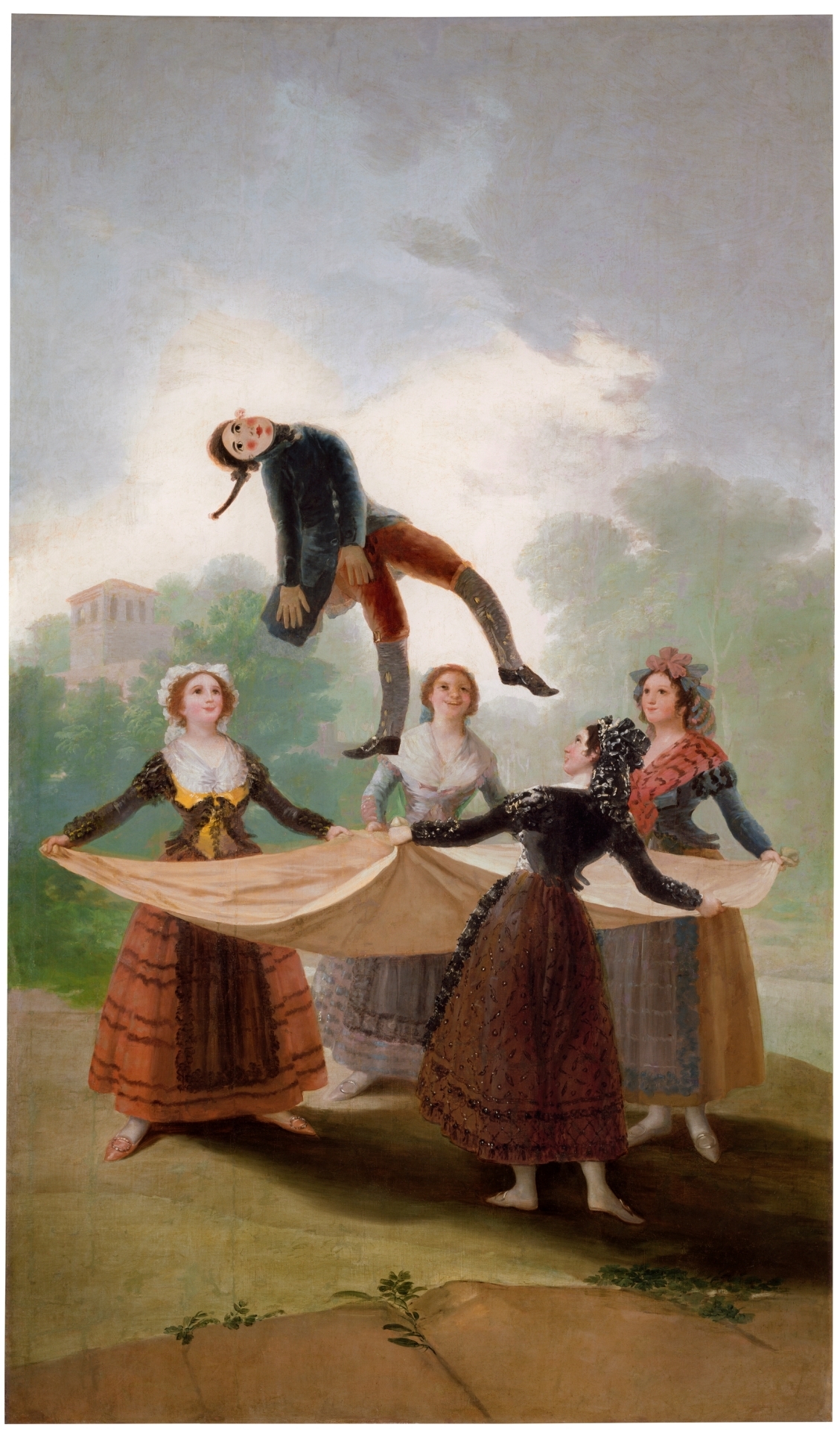
Francisco de Goya y Lucientes, El Pelele (1791), cartón para tapiz, Museo Nacional del Prado (Madrid)

La parábola de Jesús es de una gran actualidad. La invitación -Su invitación- sigue abierta, pero los convidados no hacen caso. Están ocupados en sus tierras, sus negocios… sus cosas. ¿Dónde buscan los hombres de hoy la felicidad? ¿A qué puertas llaman buscando salvación? Para la gran mayoría la felicidad está en tener más, comprar más, poseer más cosas y más seguridad. Otros buscan el goce inmediato e individualista. Es preciso huir del dolor, refugiarse en el placer del presente. Hay quienes se entregan al cuidado del cuerpo para mantenerse en forma, hay toda una ansiedad por ser eternamente joven; no envejecer nunca. Son, en fin, muchas las ofertas de salvación en nuestra sociedad. Pero son ofertas parciales, reductoras, que no proporcionan todo lo que el hombre anda buscando. El hombre sigue insatisfecho. Y la invitación de Dios sigue resonando. Su invitación la hemos de percibir no al margen, sino en medio de las insatisfacciones, gozos, luchas e incertidumbres de nuestra vida.

Es bueno que el hombre busque un bienestar mayor para todos, pero, ¿qué plenitud puede haber tras ese afán de poseer televisores cada vez más perfectos, coches más veloces, electrodomésticos más sofisticados y teléfonos más inteligentes? ¿No hay personas que poseen ya demasiadas cosas para ser felices? Porque, después de caminar a la búsqueda de tantas cosas, no son pocos los que pierden su libertad, su capacidad de amar, su ternura, el disfrute sencillo de la vida. Es normal que las nuevas generaciones busquen con afán otro tipo de salvación. Pero, ¿qué plenitud se puede encontrar cuando se han estrujado todas las posibilidades del sexo, se ha vuelto del viaje de las drogas o se ha hundido uno en el aislamiento de un consumismo total? Los hombres seguirán siendo unos eternos buscadores de orientación, felicidad, plenitud, verdad, amor. Los hombres seguirán buscando, de alguna manera, el Absoluto. Por eso, en medio de nuestra vida, a veces tan alocada y superficial, en medio de nuestra búsqueda vana de felicidad total, debemos estar alertas y detenernos un momento, no vayamos a estar ignorando la invitación del señor, invitación que otros hombres y mujeres, sencillos y pobres, están escuchando con gozo en los cruces de los caminos de este mundo nuestro tan paradójico y tan consumista. En estos momentos en que necesitamos más que nunca lugares de silencio, recogimiento y oración, los creyentes hemos abandonado nuestras iglesias, y sólo acudimos a ellos a la eucaristía del domingo, y no siempre. Se nos ha olvidado lo que es detenernos, interrumpir por unos minutos nuestras prisas, liberarnos por unos momentos de nuestras tensiones y dejarnos penetrar por el silencio y la calma de un lugar sagrado. Muchos hombres y mujeres se sorprenderían al descubrir que, con frecuencia, basta pararse y estar en silencio un cierto tiempo, para aquietar el espíritu y recuperar la lucidez y la paz. Cuánto necesitamos hoy ese silencio que nos ayude a entrar en contacto con nosotros mismos para recuperar nuestra libertad y rescatar de nuevo toda nuestra energía interior. Acostumbrados al ruido y a las palabras, no sospechamos el bienestar del silencio y la soledad. Ávidos de noticias, imágenes e impresiones, se nos ha olvidado que sólo alimenta y enriquece de verdad al hombre aquello que es capaz de escuchar en lo más hondo de su ser. Sin ese silencio interior, no se puede escuchar a Dios, reconocer su presencia en nuestra vida y crecer desde dentro como hombres y como creyentes. La parábola de Jesús es una grave advertencia. Dios no cesa de llamarnos, pero, lo mismo que los invitados del relato, seguimos cada uno ¡ay! ocupados en nuestras cosas, sin escuchar su voz con atención y con amor • AE


Música para leer


Twenty-seventh Sunday in Ordinary Time (Cycle A)

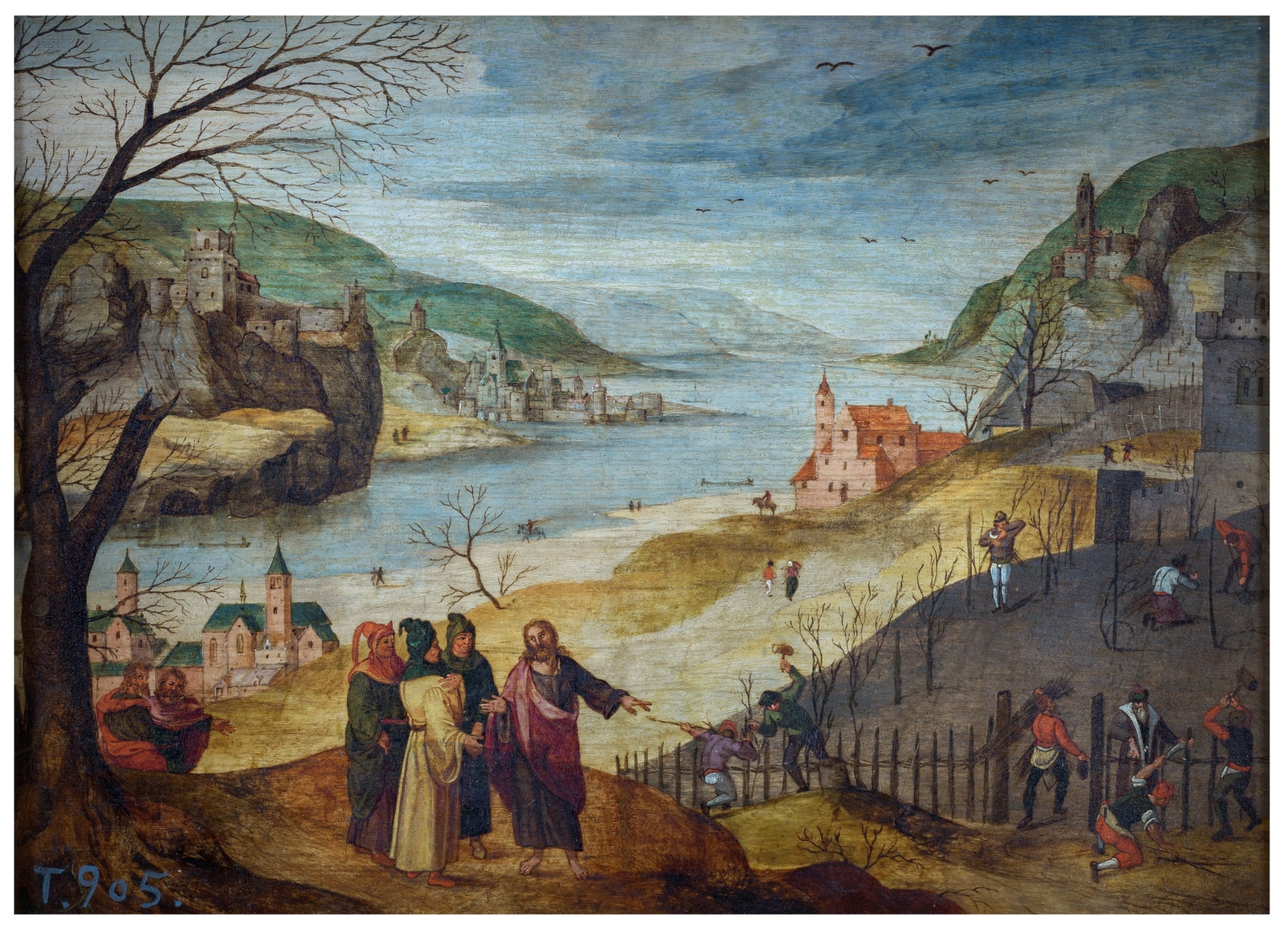
A. Grimmer, Parable of the bad tenants (1606), oil on wood, Museo Nacional del Prado (Madrid)

The parable of today’s gospel answers the question of the ancient world: if this Jesus is really the Messiah, the Christ, the Chosen One of the Hebrew people, then why is it that non-Jews, Gentiles, have flocked to him, while the Jewish people have not? The answer is that the leaders of the people had become mean spirited and even corrupt. This should be no surprise, the Lord states. Their fathers killed the prophets, and their sons would kill the Holy One. The parable gets so specific that it prophesies that the Son would be taken out of the vineyard and killed. Golgotha, where Jesus was crucified, was outside the city gates of Jerusalem.

So, throughout this parable Jesus makes a direct attack on the chief priests and leaders of the people. They are not concerned with caring for God’s people. They are concerned with themselves. The pharisees treated everyday people like dirt. Everyday people could never be holy enough for the Pharisees. At the same time they wanted everyone to realize how holy they, the Pharisees, were. They used their position in Jewish society to build themselves up in other peoples’ eyes. They were certain they were so much better than Jesus who associated with common people. The pharisees were concerned with themselves not the vineyard. The chief priests were leaders who used their position for temporal gain. They were not spiritual. They often walked the borderline between Jewish and pagan practices. And they were excellent at milking their position for every cent they could get.

That’s the background. Historical reflection on scripture is always interesting. Recognizing how this particular passage applies also to us is frightening. We have been brought into the Kingdom, the vineyard, to produce fruit for the world. We have been called to do the work of the Father. It is a great honor. It is also a deep responsibility. We are responsible to God to carry out the work of the Kingdom. We are responsible to feed the world the fruit of the Father’s Love. Evangelization, the promoting of our faith, is a responsibility we all must embrace. I am absolutely edified by so many people I ave met do their best to bring the faith to others. We have to be very careful that we don’t continue the mistakes of the chief priests. The chief priests were only concerned about monetary gain. We have seen this repeated in history, including in our modern times. Religion is big business and a great seller. Many people use their faith for business gains. Some professional people see membership in a Church as an important aspect in building up credibility in their profession. Of course, we have also come upon TV evangelists who have milked their people out of every cent they could so they could live in luxury.

We have been called to bring Christ to others. We have no right to put ourselves above others. We have been given the mercy and grace of God to serve His people. Without this mercy and Grace, we are nothing. That is the definition of a sinful life, nothingness. There are many resources available for us to strengthen our spirituality. These various spiritual experiences are given to us to help us to grow. But if we think that we are better than others because we are in this or that movement, then we are looking down on others and acting no differently than the pharisees. People who are full of themselves and their own spirituality are not all that different than the pharisees in the parable. That is why so many of the unchurched will say, «I don’t go to Church because it is full of hypocrites.»

I can remember reading C.S. Lewis’ The Screwtape Letters ages ago before joining the seminary. In this fantasy, a devil, Uncle Screwtape, was educating his nephew, Wormwood, in the art of destroying a Christian Church. Wormwood had tried scaring people with diabolic visions, possession, and all sorts of other devious devices. To his surprise, Uncle Screwtape told him to forget about those things. He told him to concentrate on tempting people to think that they are better than others. That would be far more effective in destroying a Church than anything else. So, we have been entrusted with the vineyard to bear fruit for others. This is a great honor. It is also a great responsibility. We need God’s help to fight against the devastation occasioned by seeking material gains or human glory. May God protect us from killing the presence of the Son in his own Father’s vineyard • AE


Autumn (finally in South Texas!) and some books


St. Dominic Catholic Church

Weekend Schedule

Saturday October 7, 2023

2.00 p.m. Sacrament of Marriage for Diana & Marcos (main church) – Fr. Agustin

3.30 p.m. Sacrament of Reconciliation (Confessional) – Fr. Agustin

5.00 p.m. Holy Mass – Fr. Agustin

Sunday October 8, 2023

7.30 a.m. Holy Mass – Fr. Agustin

10.00 a.m. Holy Mass – Fr. Agustin

12.30 p.m. Holy Mass – Fr. Jaime

3.00 p.m. Santa Misa – Fr. Jaime


XXVII Domingo del Tiempo Ordinario (Ciclo A)

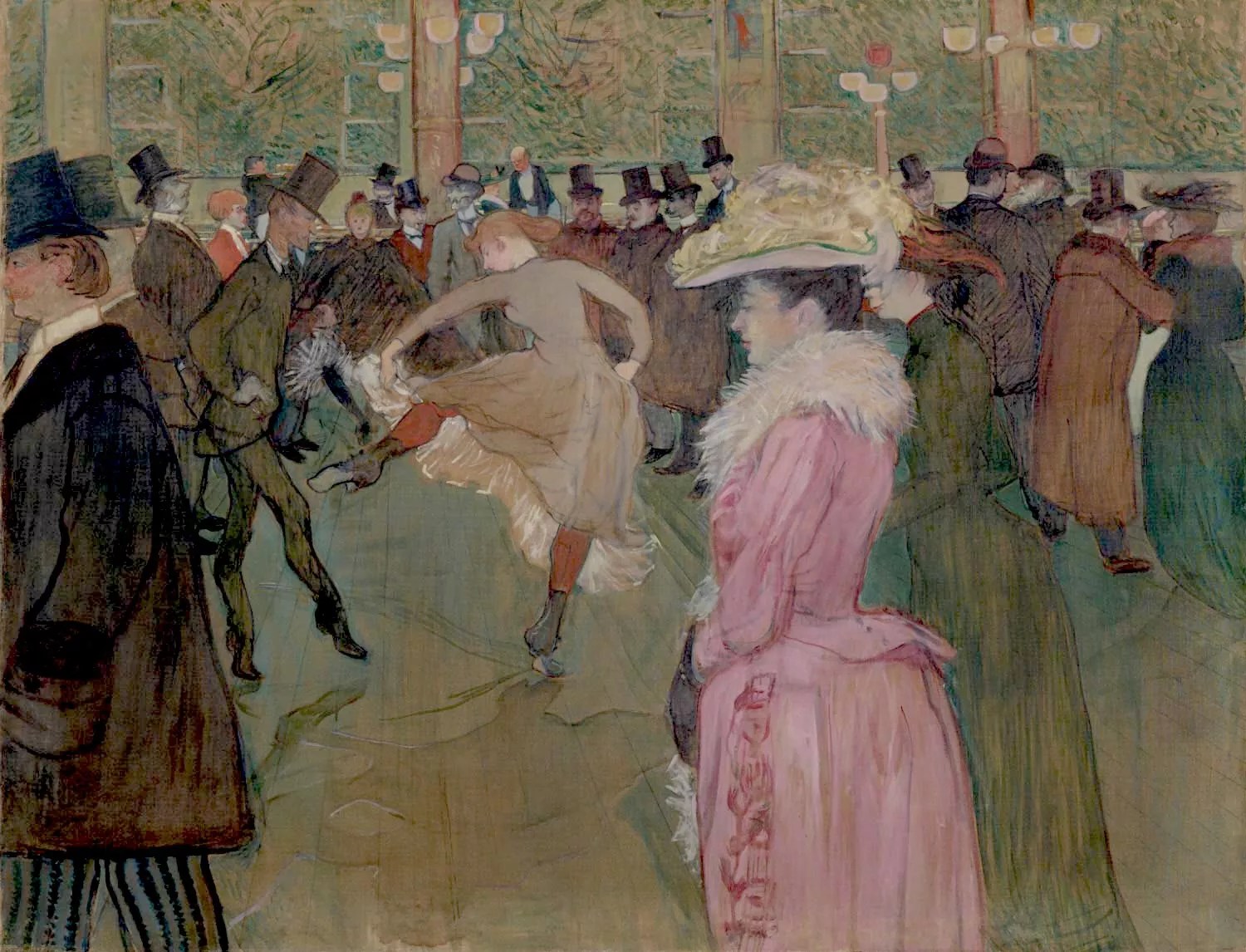
H. Tolouse-Lautrec, El baile de la Glotona y el Deshuesado, una noche muy normal en el Moulin Rouge (1890), óleo sobre tela, Museo de Arte de Filadelfia (EE.UU)

La parábola de los «viñadores homicidas» es tan dura que a los cristianos nos cuesta pensar que esta advertencia profética que el Señor dirige a los dirigentes religiosos de su tiempo tenga algo que ver con nosotros. El relato habla de unos labradores encargados por un señor para trabajar su viña. Llegado el tiempo de la vendimia, sucede algo sorprendente e inesperado. Los labradores se niegan a entregar la cosecha. El señor no recogerá los frutos que tanto espera. Su osadía es increíble. Uno tras otro, van matando a los criados que el señor les envía para recoger los frutos. Más aún. Cuando les envía a su propio hijo, lo echan «fuera de la viña» y lo matan para quedarse como únicos dueños de todo. ¿Qué puede hacer ese señor de la viña con esos labradores? Los dirigentes religiosos, que escuchan nerviosos la parábola, sacan una conclusión terrible: los hará morir y traspasará la viña a otros labradores que le entreguen los frutos a su tiempo. Ellos mismos se están condenando. Jesús se lo dice a la cara: «Por eso, os digo que se os quitará a vosotros el reino de Dios y se dará a un pueblo que produzca sus frutos». En la viña de Dios no hay sitio para quienes no aportan frutos. En el proyecto del reino de Dios, que Jesús anuncia y promueve, no pueden seguir ocupando un lugar labradores» indignos que no reconozcan el señorío de su Hijo, porque se sienten propietarios, señores y amos del pueblo de Dios. Han de ser sustituidos por un pueblo que produzca frutos. A veces pensamos que esta parábola tan amenazadora vale para antes de Cristo, para el pueblo del Antiguo Testamento, pero no para nosotros que somos el pueblo de la Nueva Alianza y tenemos ya la garantía de que Cristo estará siempre con nosotros. Esto es un gran error. La parábola está hablando también de nosotros. ¿Dios tendría que bendecir un cristianismo estéril del que no recibe los frutos que espera? ¡Esta es la gran pregunta! Dios no tiene por qué identificarse con nuestras incoherencias, desviaciones y poca fidelidad. También ahora Dios quiere que los trabajadores indignos de su viña sean sustituidos por un pueblo que produzca frutos dignos del reino de Dios. ¿No vivimos demasiado distraídos, enfiestados y llenos de vacío? ¿Nos llevará ésta parábola éste domingo a meditar aunque sea por un momento y empezar a caminar el camino de la conversión? • AE


¿Sínodo sobre la sinodalidad? ¿Qué es eso?


Twenty-sixth Sunday in Ordinary Time (Cycle A)

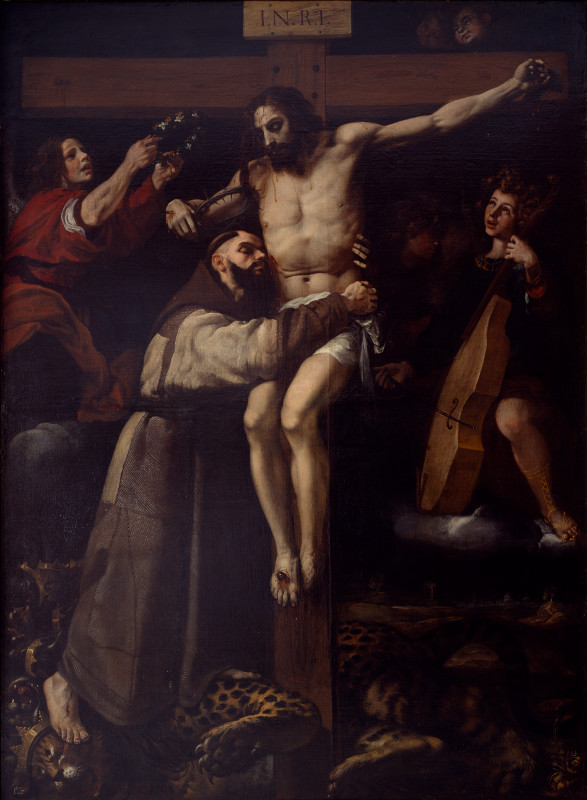
F. Ribalta, St. Francis embracing Christ (1620), oil on canvas, Museo de Bellas Artes de Valencia (Spain)

This Sunday we are treated to one of the most beautiful passages about Jesus in the entire Bible. It is found in the Letter of St. Paul to the Philippians. St. Paul begins by telling the people to be kind, and loving, and merciful to each other. And then he tells us about Jesus. He says that we should have the same attitude in life as Jesus had. He was forever God, but he did not regard this as something to be grasped. Instead, He emptied Himself of his divinity. He became a human being. More than this, he became a slave for all of us. And he obeyed His Father for our sakes, even when this obedience led to His death on the cross. Then we have the Christological hymn:

Because of this God has bestowed on Him the name that is above every other name; so that at the name of Jesus every knee should bend, both in heaven, on earth, and under the earth, and every tongue confess that Jesus Christ is Lord, to the Glory of God the Father.

It is difficult for us to explain our belief in Jesus. He is not just a theory, an intellectual doctrine. He is a living person. We have a personal relationship with Him. We go through our days speaking to Him and listening for Him to speak to us. We know that He is the eternal Son of the Father, the Word of God present from the beginning of creation. But that is not how we relate to Him or He to us. He is our closest friend, our deepest Love. We look at the Cross and are amazed at the extent of His Love for us. He is God, and yet, He became one of us, more than that, he became a slave for us. A slave serves the needs of his master without considering the impact on his life. Jesus came to serve us. He came to free us from the grasp of materialism. He came to renew the quest for the spiritual within us. He came to restore us to that place in creation that we deserted out of pride and selfishness. We would like to think that the world revolves around us and our wants. But it does not. The world is the Lord’s. With the Grace of God, we can do the work of God. But this is work, and work is hard. Work takes time and strength. So, doing the work of the Lord means emptying ourselves. It also means doing everything we can to stay away from all that could hurt us. It takes work to control that temper. It takes work to be spiritual in our homes. It takes work to turn a house into a place of prayer, a little Church. This is the work of Jesus, who humbled Himself for others, for us. So, what is the reality of Jesus in your lives, in my life? How real is He to you? Can we all realize that through the Grace of God, Jesus’ presence is stronger, and His Life is more meaningful now than ever before? This is not a matter of feeling; it is a matter of recognizing reality. Everything is for Jesus. Everything that matters in the world flows from Him and leads to Him. In our prayer time today let us ask the Lord for his grace to serve his Father as He served Him, emptying ourselves of our selfishness, humbling ourselves before our God, loving Him until the day that we are totally united to our Tremendous Lover •


St. Dominic Catholic Church

Weekend Schedule

Saturday September 30, 2023

2.00 p.m. Sacrament of Baptism • Fr. Agustin

3.00 p.m. Sacrament of Reconciliation (Confessional) • Fr. Agustin

5. 00 p.m. Holy Mass – Fr. Jaime

Sunday October 1, 2023

7.30 a.m. Holy Mass • Fr. Agustin

10.00 a.m. Holy Mass • Fr. Agustin

12.30 p.m. Holy Mass • Fr. Jaime

3.00 p.m. Santa Misa en Español • Fr. Jaime


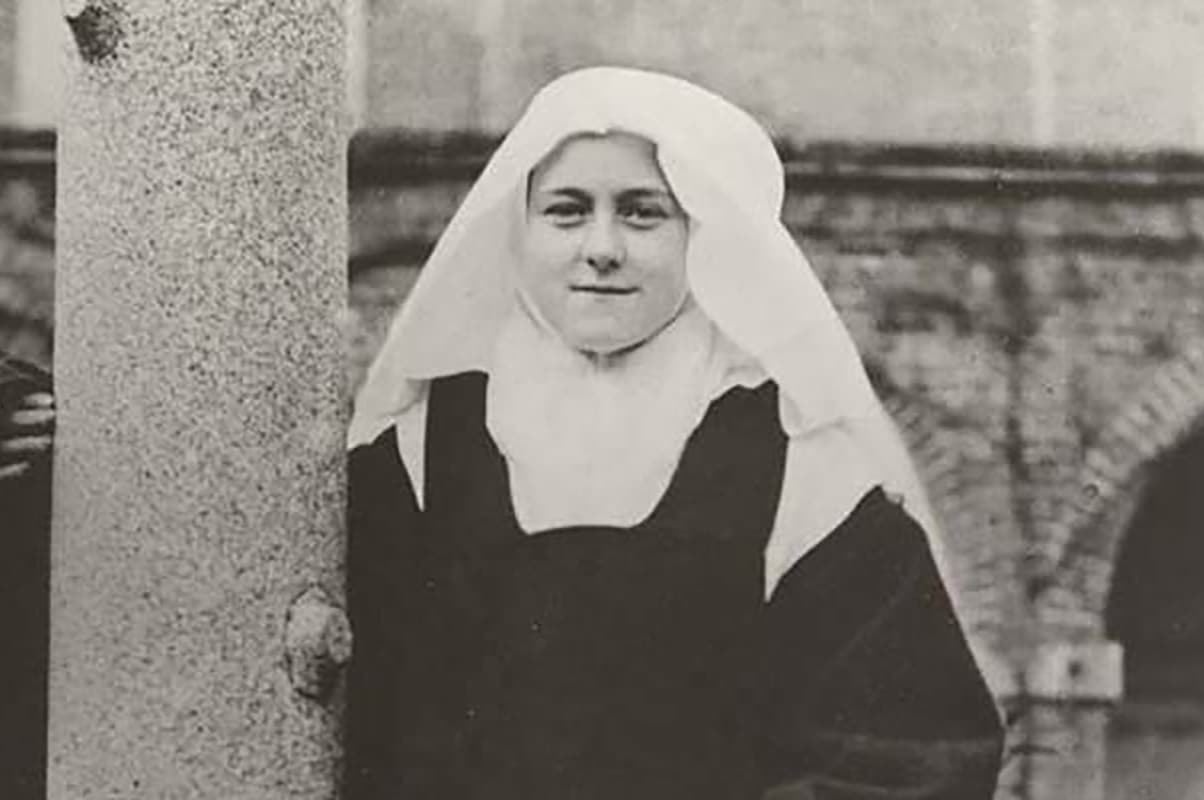
Para mí, la oración es un impulso del corazón, una simple mirada dirigida al cielo, un grito de agradecimiento y de amor, tanto en medio del sufrimiento como en medio de la alegría.

Santa Teresita del Niño Jesús (1873-1897). doctora de la Iglesia y patrona de las misiones


XXVI Domingo del Tiempo Ordinario (Ciclo A)

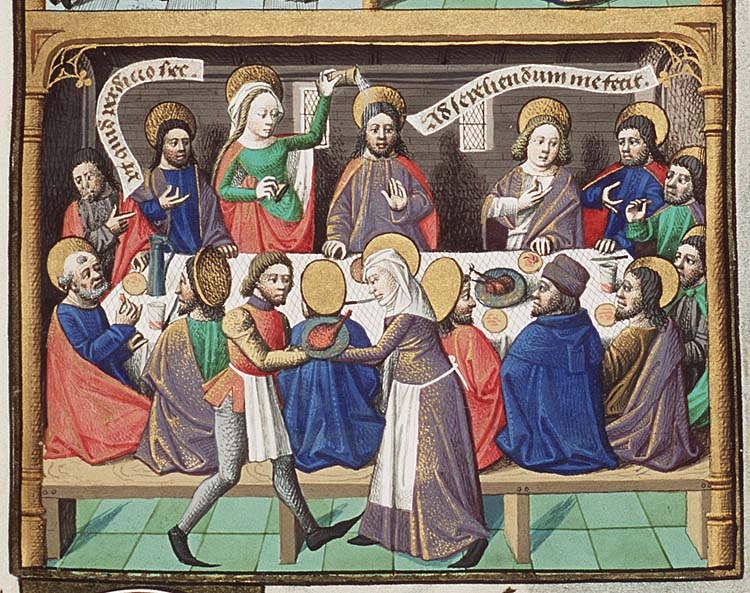
Autor anónimo, Unción de Jesús (1475-80), Manuscrito ilustrado en La Ciudad de Dios, de S. Agustín

La parábola es tan simple que parece poco digna de un gran profeta como Jesús. Sin embargo no está dirigida al grupo de niños que corretea a su alrededor, sino a los sumos sacerdotes y ancianos del pueblo, que lo acosan cuando se acerca al templo. Según el relato, un padre pide a dos de sus hijos que vayan a trabajar a su viña. El primero le responde bruscamente que no, pero no se olvida de la llamada del padre y termina trabajando en la viña. El segundo reacciona con una disponibilidad admirable, pero todo se queda en palabras. Nadie lo verá trabajando en la viña. El mensaje de la parábola es sencillo y claro. También los dirigentes religiosos que escuchan a Jesús están de acuerdo. Ante Dios, lo importante no es hablar sino hacer. Para cumplir la voluntad del Padre del cielo, lo decisivo no son las palabras, promesas y largas oraciones, sino los hechos y la vida cotidiana. Lo sorprendente es la aplicación de Jesús. Sus palabras no pueden ser más duras. Sólo las recoge Mateo. Sólo él tenía esa libertad frente a los dirigentes religiosos: «YO les aseguro que los publicanos y las prostitutas les llevan la delantera en el camino del reino de Dios». Jesús está hablando desde su propia experiencia. Los dirigentes religiosos han dicho a Dios. Son los primeros en hablar de él, de su ley y de su templo. Pero cuando Jesús los llama a buscar el reino de Dios y su justicia, se cierran a su mensaje y no entran por ese camino. Dicen no a Dios con su resistencia a Jesús. Los recaudadores y prostitutas han dicho que no a Dios. De hecho viven fuera de Su ley, están por tanto excluidos del templo. Sin embargo, cuando Jesús les ofrece la amistad de Dios, escuchan su llamada y dan pasos hacia la conversión. Para Jesús, no hay duda: el recaudador Zaqueo, la prostituta que regó con lágrimas sus pies y tantos otros… van por delante en el camino del reino de Dios. En este camino van por delante, no quienes hacen solemnes profesiones de fe, sino los que se abren al Señor dando pasos concretos y diarios de conversión, aunque haya muchas caídas •


Twenty-fifth Sunday in Ordinary Time (Cycle A)

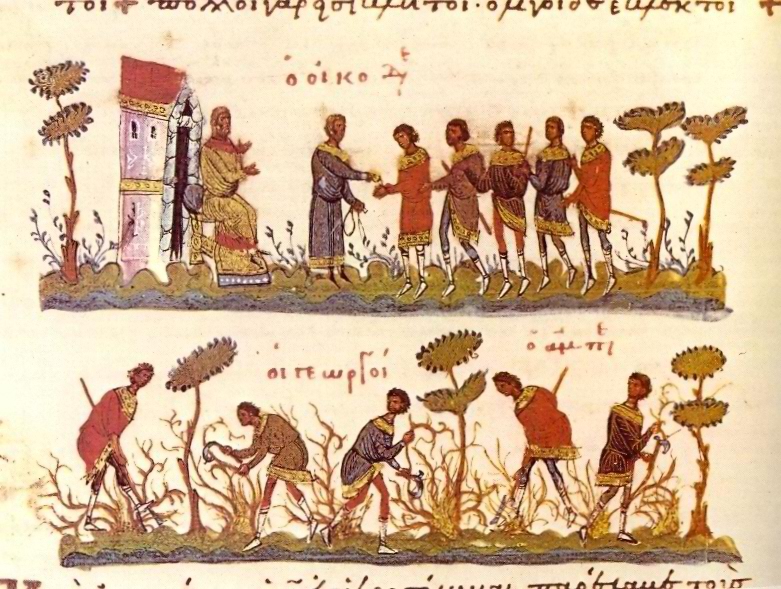
Parable of the Workers in the Vineyard, on the field (down) and pay time (up), Byzantine Gospel of 11th century, National Library of France (Paris)

After listening at today’s gospel is there anyone that feels that God had been unfair? Would any of us dare tell God that he was unjust? Or, would any of us say, “How about me, Lord? I have worked hard to serve you from the very beginning of my life. Surely, my reward will be greater than my brother or my sister or this or that guy.” No, we wouldn’t say that! We have all received Grace from God. We are not going to blame God for being so generous with all those around us, expecting Him to be even more generous to us. It is not up to us to determine how God rewards those who serve him. That is what the parable of the laborers in the vineyard is really about. God’s grace comes to different people at different times and in different ways!

Look at some of the amazing ways that God has changed people we know. So often we have all encountered a person who has done serious damage to his or her life and family through alcohol or other chemical dependency. Then we marvel how God’s Grace not only led that person to recovery, but made him or her a source of strength for others looking to recover. That is the amazing Grace of the Divine Employer!

St. John Paul II was very much aware of the working of God’s Mercy. He addressed women who had suffered through an abortion and now mourned the loss of the baby they had killed. He empowered them with the determination to work for life and protect other women from going through what they went through. This is the Amazing Grace of the Divine Employer. Sadly, many of us have given up on ourselves. But the Lord never gives up on us. Sometimes, we have the view that «it is just too late». We think that something we have done in our past is so terrible that God could never return us to a full share of His love. If this type of thought has come into your mind, let me tell you with the authority of the Gospel: You are wrong. You are judging by human standards, not by the standards of the Love and Mercy and Compassion of the Lord. God never gives up. He never gives up on us! So, we do not have the right to give up on ourselves. We can always start new, whether we have just been lukewarm Christians or whether we have been at war with God. Not only does God refuse to hold us to our pasts, He transforms us to become vehicles of conversion for others. The Lord does not want us wasting any more time. Even if we are well advanced in age, and the day is drawing to a close, He still has work for us to do. He wants us to work for Him, no matter what our pasts have been. Today we have a great chance to meditate on this, to say «What Mercy! What Grace!», because indeed its really Amazing. Amazing grace! • AE


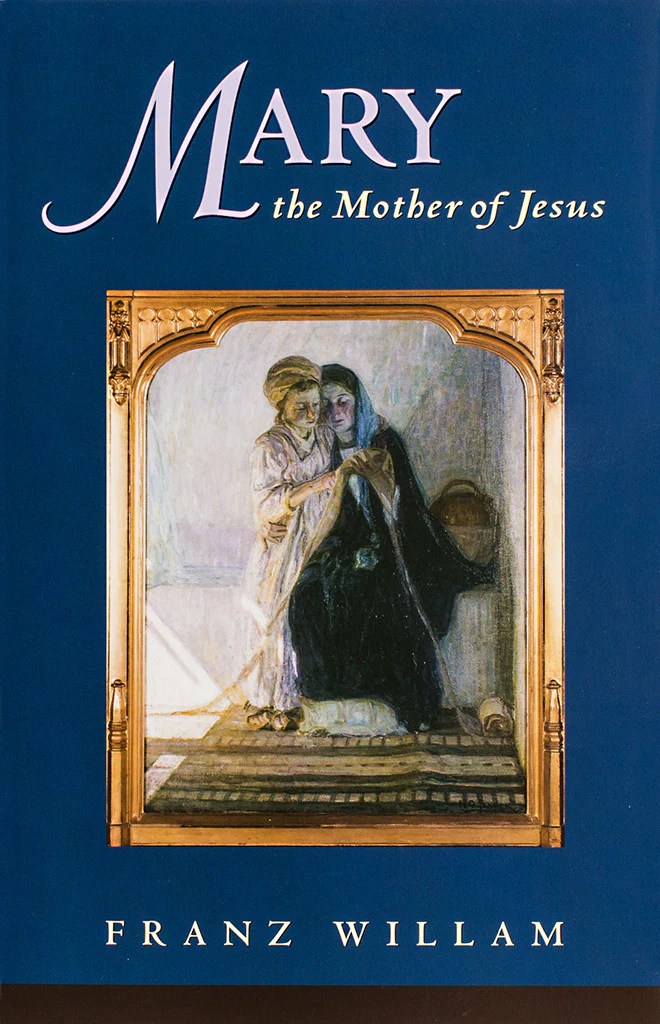
What are you going to read when Autumn arrives?


St. Dominic Catholic Church 
Week-End Schedule

Saturday September 24, 2023

10.00 a.m. Training Session for Altar Servers

3.00 p.m. Sacrament of Reconciliation (Confessional) Fr. Agustin

5. 00 p.m. Holy Mass – Fr. Agustin

Sunday September 25, 2023

7.30 a.m. Mass Fr. Agustin

10.00 a.m. Mass Fr. Agustin

12.30 p.m. Mass Fr. Jaime

3.00 p.m. Misa en Español Fr. Jaime


XXV Domingo del Tiempo Ordinario (Ciclo A)

Probablemente era otoño y en los pueblos de Galilea se llevaba a cabo la vendimia. Jesús veía en las plazas a quienes no tenían tierras propias, esperando a ser contratados para ganarse el sustento del día. ¿Cómo ayudar a esta pobre gente a intuir la bondad misteriosa de Dios hacia todos? Fue entonces que Jesús contó una parábola sorprendente. Les habló de un señor que contrató a todos los jornaleros que pudo. Él mismo vino a la plaza del pueblo una y otra vez, a horas diferentes. Al final de la jornada, aunque el trabajo había sido absolutamente desigual, a todos les dio un denario: lo que su familia necesitaba para vivir. El primer grupo protesta. No se quejan de recibir más o menos dinero. Lo que les ofende es que el aquel señor trató a los últimos igual que a los primeros. La respuesta del señor al que hace como de líder de los inconformes es realmente admirable: « Vas a tener tú envidia porque yo soy bueno?». La parábola es tan revolucionaria que, seguramente, después de veinte siglos, no nos atrevemos todavía a tomarla en serio. ¿Será verdad que Dios es bueno incluso con aquellos y aquellas que apenas pueden presentarse ante él con méritos y obras? ¿Será verdad que en su corazón de Padre no hay privilegios basados en el trabajo más o menos meritorio de quienes han trabajado en su viña? Todos nuestros esquemas se tambalean cuando hace su aparición el amor libre e insondable de Dios. Por eso nos resulta escandaloso que Jesús parezca olvidarse de aquellos cargados de méritos, y se acerque precisamente a los que no tienen derecho a recompensa alguna por parte de Dios: pecadores que no observan la Alianza, o prostitutas que no tienen acceso al templo, porque no están limpias, porque viven de manera desordenada. Nosotros seguimos muchas veces con nuestros cálculos, sin dejarle a Dios ser bueno con todos. No toleramos su bondad infinita hacia todos. Hay personas que no se lo merecen, pensamos. Nos parece que Dios tendría que dar a cada uno su merecido, y sólo su merecido. ¡Menos mal que Dios no es como nosotros; menos mal que desde su corazón de Padre, Dios sabe acercarse para atraer a Si mismo a aquellos a quien nosotros rechazamos pero que también son Sus hijos! ¡Ay si el Señor nos regalara un corazón como el de su Padre y con ese corazón empezáramos a amar a aquellos con quienes nos relacionamos más frecuentemente! • AE


lEctURas pArA eL oTOño


Twenty-fourth Sunday in Ordinary Time (Cycle A)

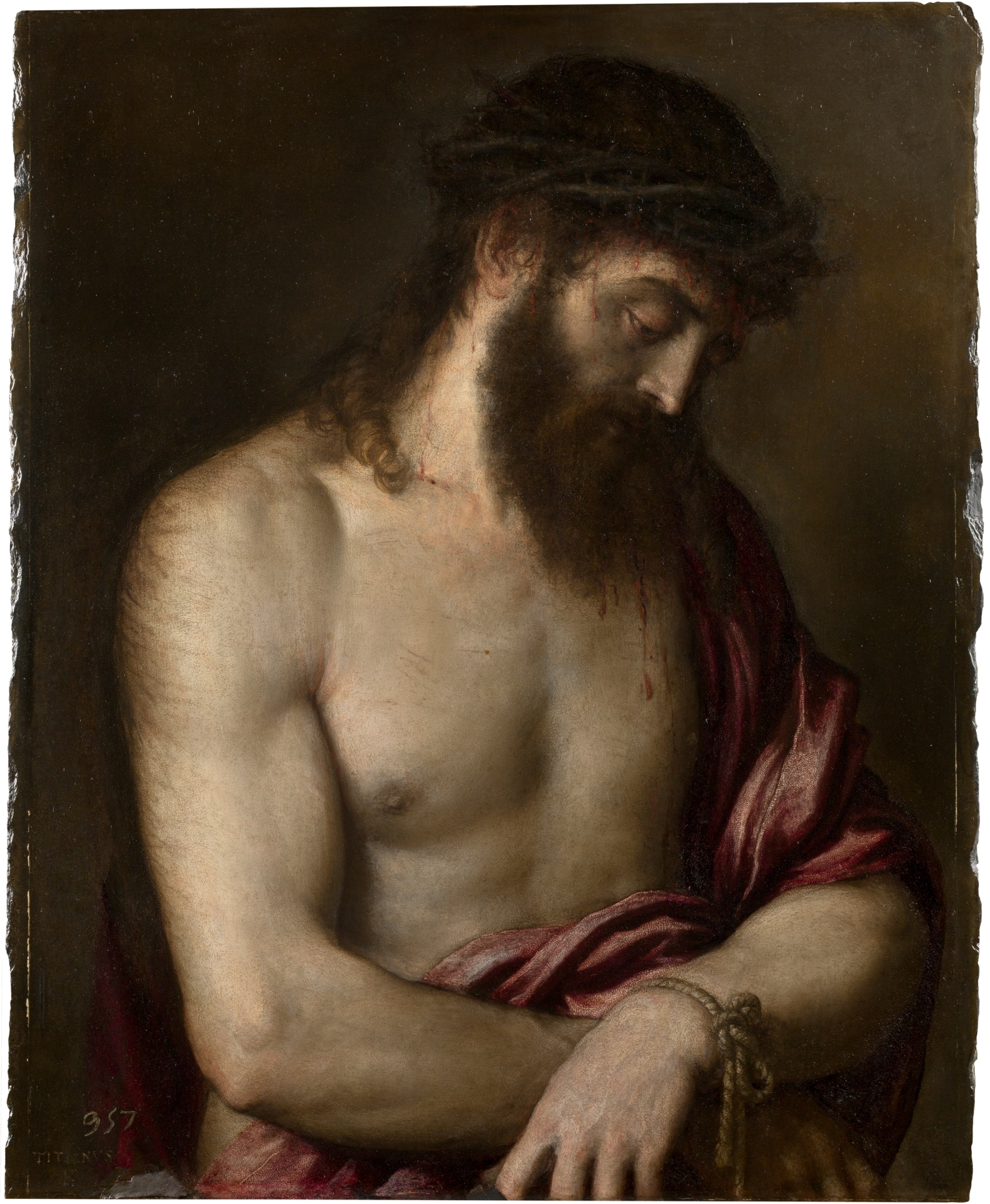
Tiziano, Ecce Homo (1546) oil on canvas, Museo Nacional del Prado (Madrid)

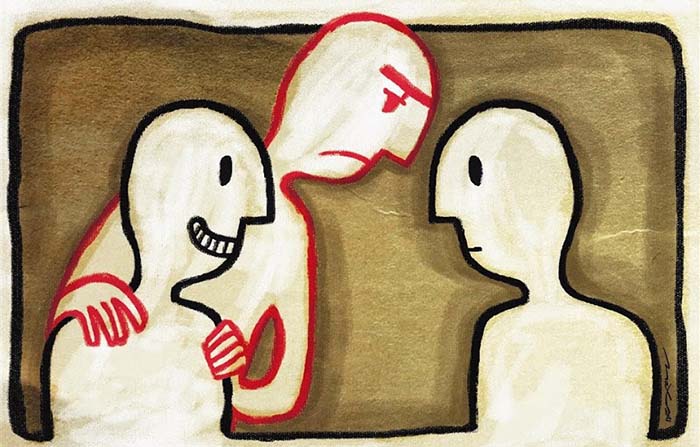
Here we have two rough questions from Sirach’s book this morning: Could anyone nourish anger against another and expect healing from the LORD? Could anyone refuse mercy to another like himself, can he seek pardon for his own sins? Two questions for our moment of prayer, to do our time of silence and dialogue with Jesus. Two questions and one good reason to start our path of forgiveness. That’s the invitation for today, to begin that process of inner healing. And the first step is to keep in mind that forgiveness is not a feeling, or a sensation; forgiveness is not something that comes spontaneously like compassion, or sympathy, or even friendship. Forgiveness is actually a decision. A very personal decision. To begin to forgive, we need to do an act of will; I personally need to say:  «I would like, today, to start this process». Forgiveness is a path that is better to start earlier than later, because life is short, and the path can be long, long and difficult, but not impossible: We are capable of forgiving for various reasons. The first one is that we are not alone on the road: We have the help of the Lord, His mercy and love, in addition to His forgiveness. This is what the Gospel of today is about:  we are invited, (invited, not forced!) to imitate the generosity and magnanimity of the master of the servant.  Certainly, the Lord sets the bar very high: He is not asking to forgive superficially but completely and forever: with all our hearts: a superficial forgiveness ends up getting infected again. So, is it possible to forgive well, completely and forever? Yes: it is possible. It takes effort, but it is possible. And more questions pop up:  from where do I get the strength for such an action? Well, strength comes from the Lord. The big problem with us Christians is that we do not imitate him, that we pay little attention to his life. Jesus is patient and forgiving, especially during His passion and death. When the time comes to begin the path of forgiveness, the best map we can follow is the map of the Passion of the Lord; we have that map in the four gospels. Each one tells moments that can be adjusted to our circumstances. From serious meditation we can draw strength and inspiration to begin to forgive. Observing Jesus meek and humble can be a great source of inspiration, so why not try? There is a moment in the life of the Lord that has always caught my attention. After being resurrected, he has encounters with different people: the apostles, Mary Magdalene, the disciples of Emmaus, but Jesus never appears to Pontius Pilate to settle accounts with him. Nor does He appear to the soldiers who spit on Him. And with the apostles He has no words of scolding, or anger, or revenge for having abandoned Him and boy did they deserve it. Jesus forgave immediately and forever, and He continues to do so with our sins whenever we go to Confession. So, when he makes an invitation to forgive and to love our enemies it’s because he’s done it before, and he’s going to do it to the end.

Perhaps this evening before going to sleep we can go back one more time to read the first reading of today´s liturgy and meditate a bit on those two rough questions: Could anyone nourish anger against another and expect healing from the LORD? Could anyone refuse mercy to another like himself, can he seek pardon for his own sins? And perhaps we could ask the Lord for the gift of clarity and wisdom on our minds and hearts to understand why resentment grows so fast inside us, why don’t we forgive easily, and why do we have enemies. This last point is important: if we call ourselves Christians and if we want to be like Christ …we must feel an authentic love for everyone, (and love means forgiveness) Including those who have inflicted any damage on us; those who do not think, those who do not feel like us; those who are not our friends. The starting point for an authentic and profound forgiveness is Jesus who loved us to the point of dying for all, also for those who did not believe, or do not believe, in Him • AE


St. Dominic Catholic Church

Week-End Schedule

Saturday September 16, 2023.

2.30 p.m. Sacrament of Matrimony for Jose de Jesus & Krystal

3.45 p.m. Sacrament of Reconciliation (Confessional) Fr. Agustin

5. 00 p.m. Holy Mass – Fr. Agustin

Sunday September 17, 2023

7.30 a.m. Mass Fr. Jaime

10.00 a.m. Mass Fr. Jaime

12.30 p.m. Mass Fr. Agustin

3.00 p.m. Misa en Español Fr. Agustin


Domingo XXIV del Tiempo Ordinario (Ciclo B)

Detalle en relieve de una pintura islámica, siglo XVII.

Vivimos todavía los creyentes de hoy una experiencia honda del perdón de Dios, o no necesitamos ya sentirnos perdonados por nadie? Se nos ha hablado tanto del riesgo a vivir con una conciencia morbosa de pecado que ya no nos atrevemos a insistir en nuestra propia culpabilidad para no generar en nosotros sentimientos de angustia o frustración. Preferimos vivir de manera más irresponsable, atribuyendo todos nuestros males a las deficiencias de una sociedad mal organizada o a las actuaciones injustas que, naturalmente, siempre provienen de los demás. Pero, ¿no es ésta la mejor manera de vivir engañados, separados de nuestra propia verdad, sumergidos en una secreta tristeza de la que sólo logramos escapar huyendo hacia la inconsciencia o el cinismo? ¿No necesitamos en lo más hondo de nuestro ser, confesar nuestro propio pecado, sentirnos comprendidos por Alguien, sabernos aceptados con nuestros errores y miserias, ser acogidos y restituidos de nuevo a nuestro ser más auténtico? La experiencia del perdón es una experiencia humana tan fundamental que el individuo que no conoce el gozo de ser perdonado, corre el riesgo de no crecer como hombre. La parábola de Jesús de este domingo nos recuerda esto una vez más. Quien no se ha sentido nunca comprendido por Dios, no sabe comprender a los demás. Quien no ha gustado su perdón entrañable, corre el riesgo de vivir sin entrañas, como el siervo de la parábola, endureciendo cada vez más sus exigencias y reivindicaciones y negando a todos la ternura y el perdón. Hemos creído que todo se podía lograr endureciendo las luchas, despertando la agresividad social y potenciando el resentimiento de las gentes. Hemos expulsado de entre nosotros el perdón y la mutua comprensión como algo inútil, propio de personas débiles y resignadas. Nos estamos acostumbrado a una espiral de represalias, revanchas y venganzas. Ya hemos logrado vivir estrangulándonos unos a otros y gritándonos todos mutuamente “Págame lo que me debes”. Sólo que no está claro que este camino haya de llevarnos a una convivencia más justa y a unas relaciones más cálidas y más humanas. Sin dosis constantes del perdón divino y del perdón humano, vamos caminando hacia un desfiladero • AE


Música para pensar